Loading video…

 9 Concepts
 2K views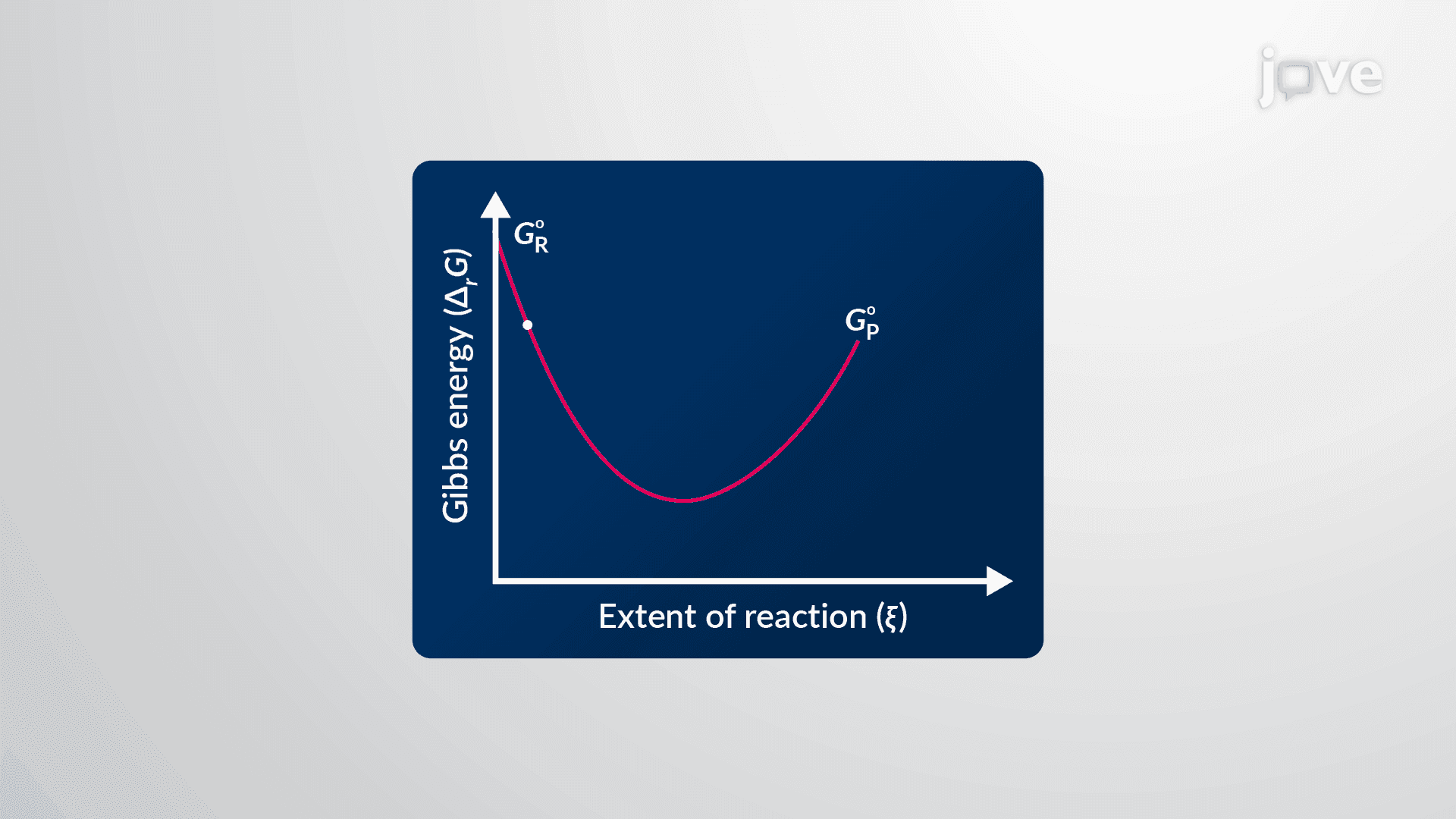

Video Summary: What Is Thermodynamic Background
Why does a chemical reaction stop midway instead of going to completion? The answer lies in the thermodynamic background, the energy principles that govern reaction direction and equilibrium. In a US general chemistry classroom, understanding Gibbs energy helps predict whether a reaction like combustion or acid-base neutralization will proceed spontaneously. Watch the full video on JoVE Coach to master this concept with expert-led visuals and step-by-step explanations.
The thermodynamic background is the foundational framework of energy principles that explains *why* chemical reactions behave the way they do, why some reactions release energy spontaneously, why others require a push, and why all reactions eventually reach a state of balance called equilibrium. For high school and college students in AP Chemistry or General Chemistry I, mastering this framework is essential for understanding nearly every reaction-based concept that follows.
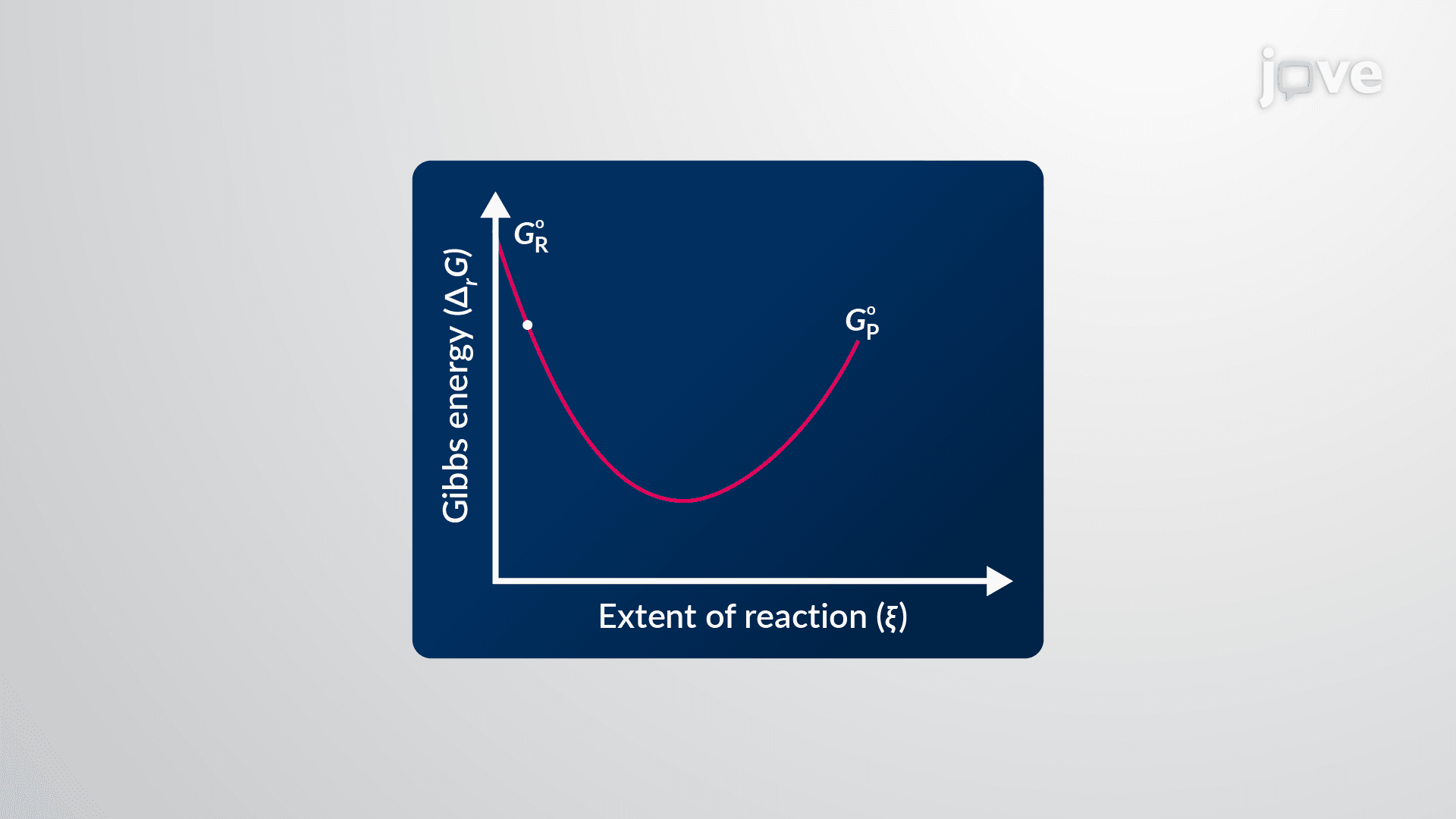
At the heart of thermodynamic background is Gibbs energy (G), a thermodynamic potential that predicts the direction of a chemical reaction under constant temperature and pressure. When chemists plot Gibbs energy against the *extent of reaction*, the slope at any point equals the reaction Gibbs energy (rG). This value tells you exactly where a reaction stands:
Think of it like a ball rolling down a hill. The ball moves naturally toward lower energy. A reaction behaves the same way, proceeding in whichever direction lowers the overall Gibbs energy of the system.
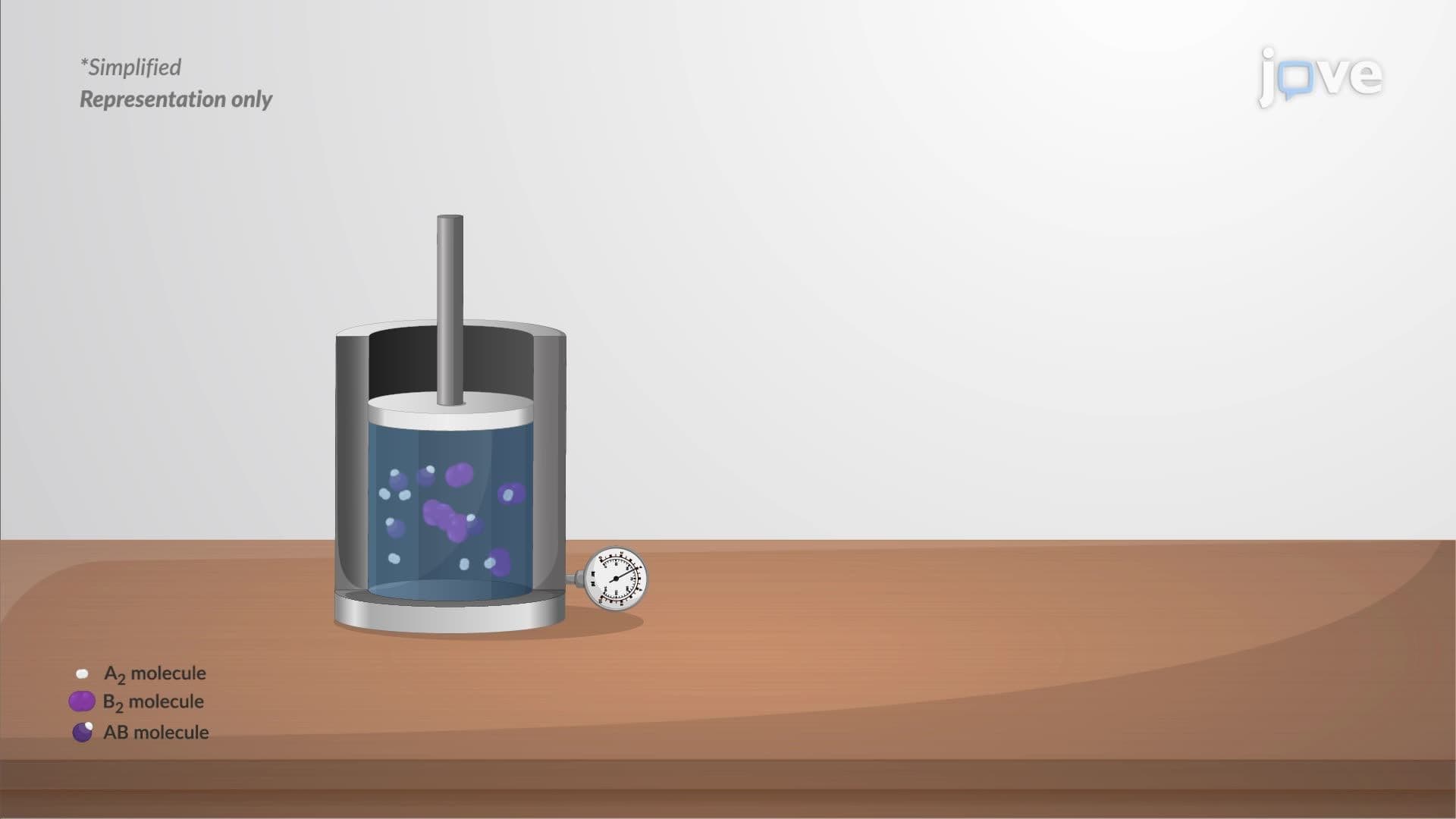
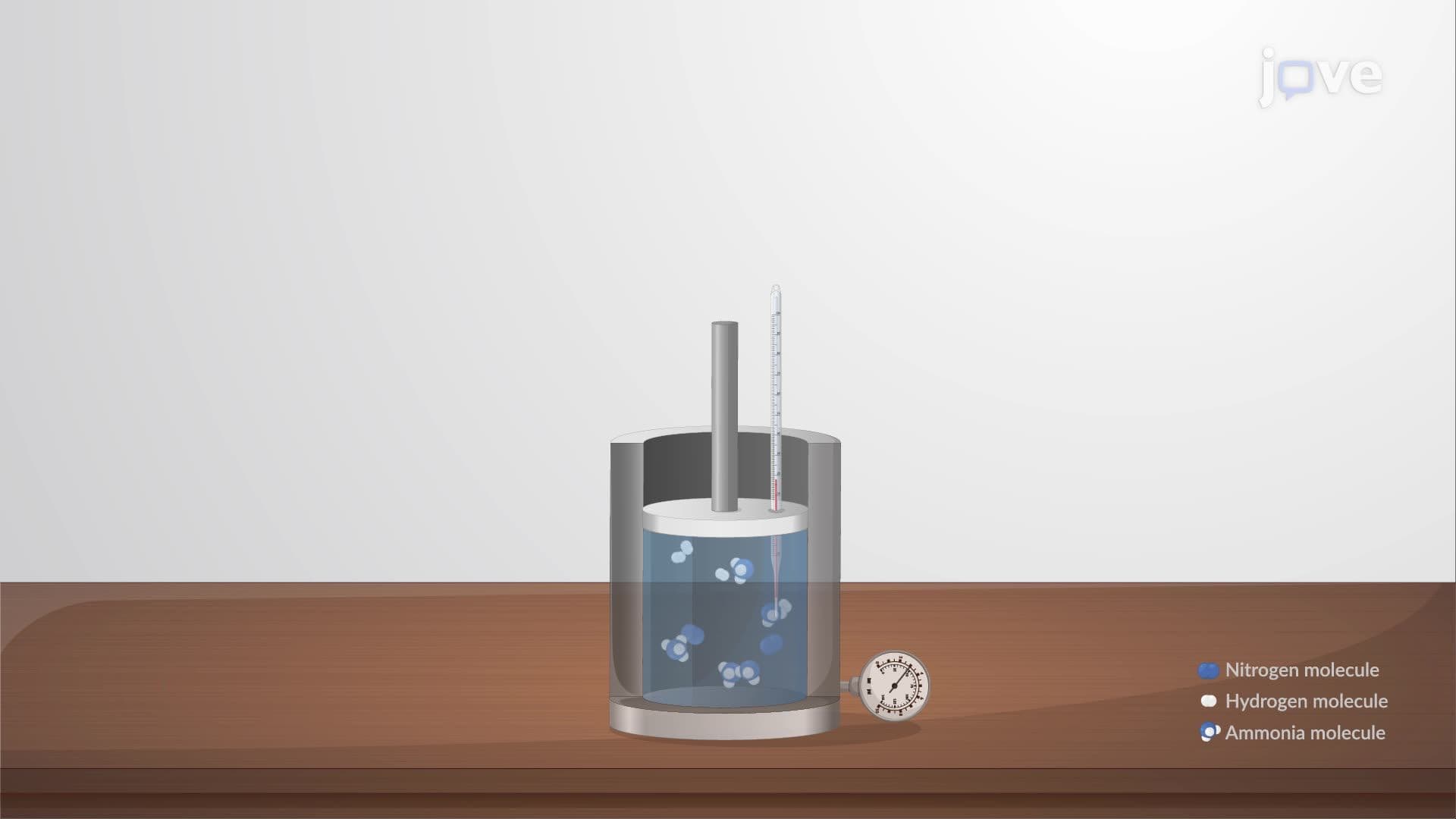
The law of mass action states that the rate of a chemical reaction is proportional to the product of the molar concentrations of its reactants. At equilibrium, the forward reaction rate equals the reverse reaction rate. The ratio of the forward rate constant (k_forward) to the reverse rate constant (k_reverse) defines the equilibrium constant K:
K = k_forward / k_reverse
A large K means products are heavily favored at equilibrium; a small K means reactants dominate. This constant is directly linked to the standard Gibbs energy change through the relationship: ΔG° = −RT ln(K), a formula commonly tested on the AP Chemistry exam and college midterms.
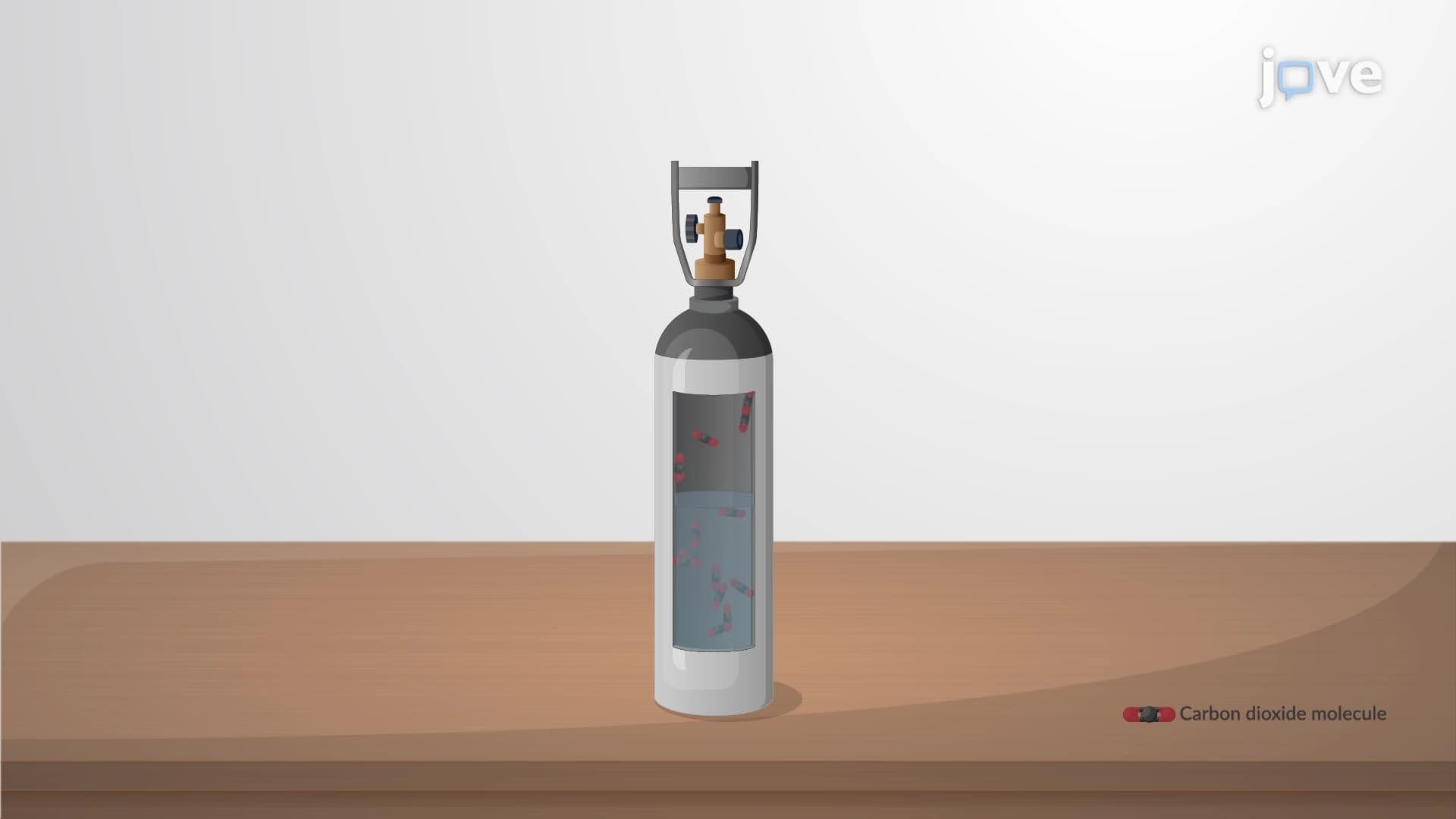
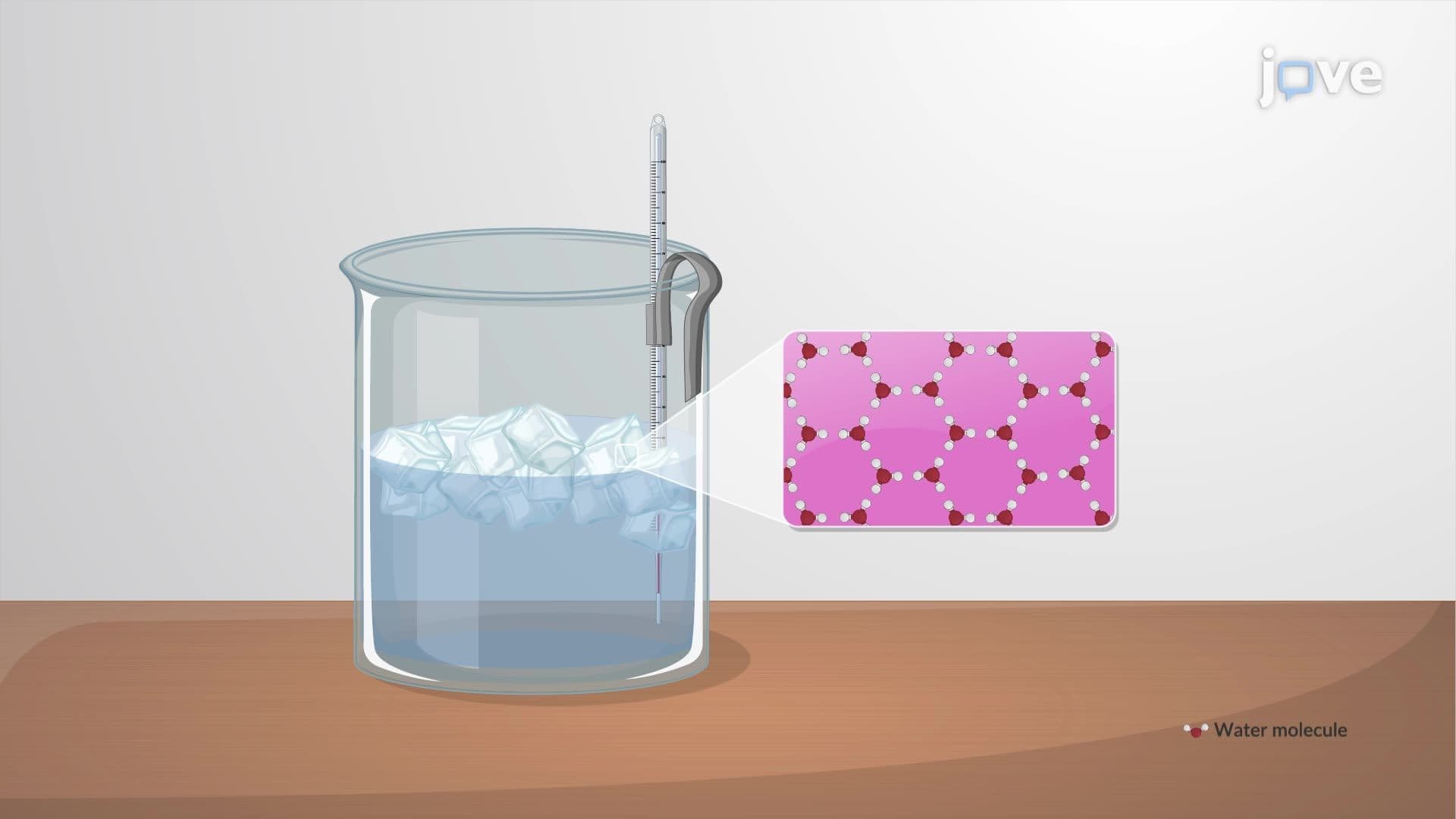
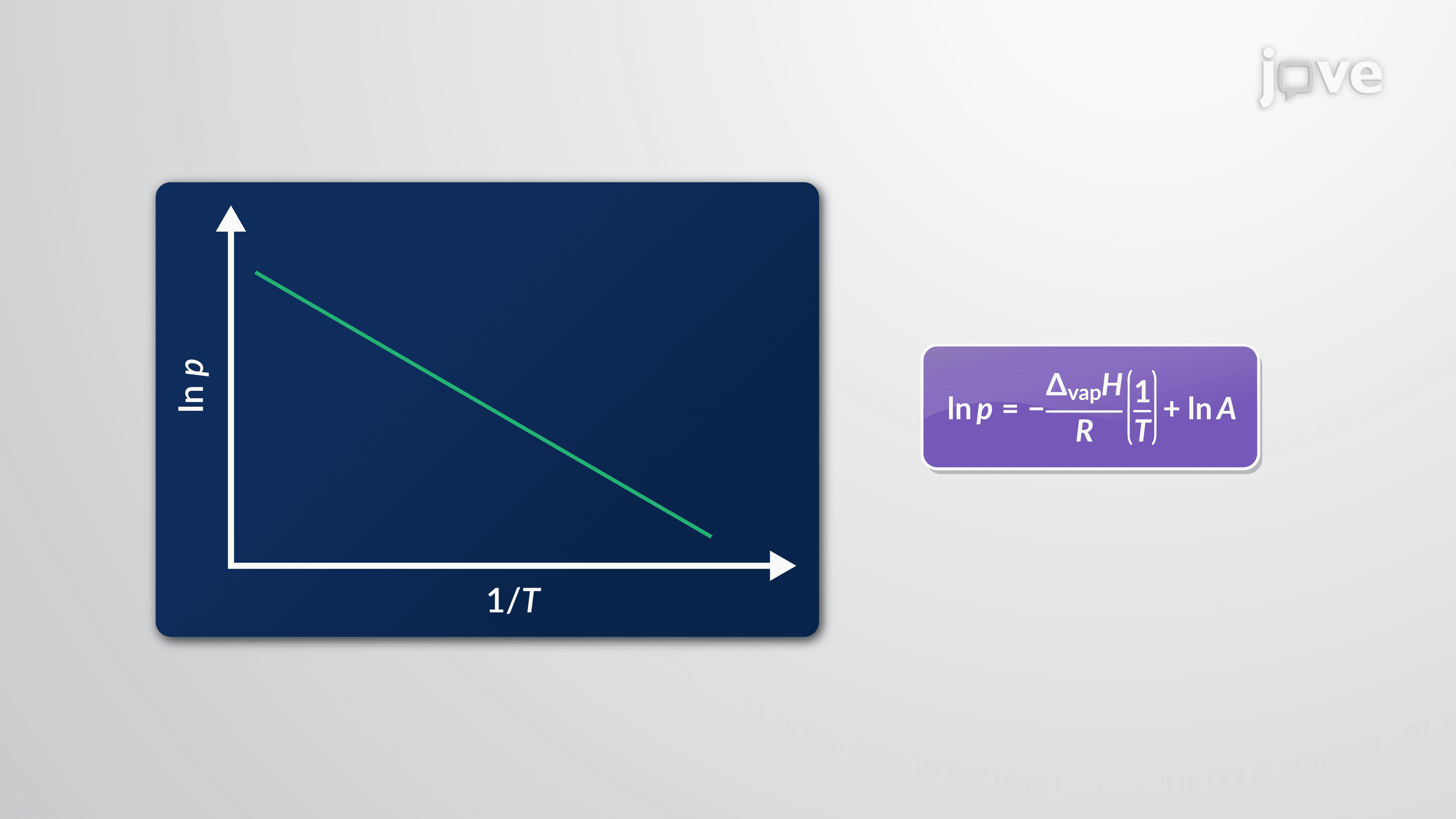
Thermodynamic background doesn't stop at reaction equilibrium, it also explains phase transitions, such as melting, boiling, and sublimation. The Clausius-Clapeyron equation uses thermodynamic principles to describe how vapor pressure changes with temperature, making it possible to predict boiling points at different altitudes or pressures. For example, water boils at a lower temperature in Denver, Colorado (the "Mile High City") than at sea level, a direct consequence of vapor pressure thermodynamics.
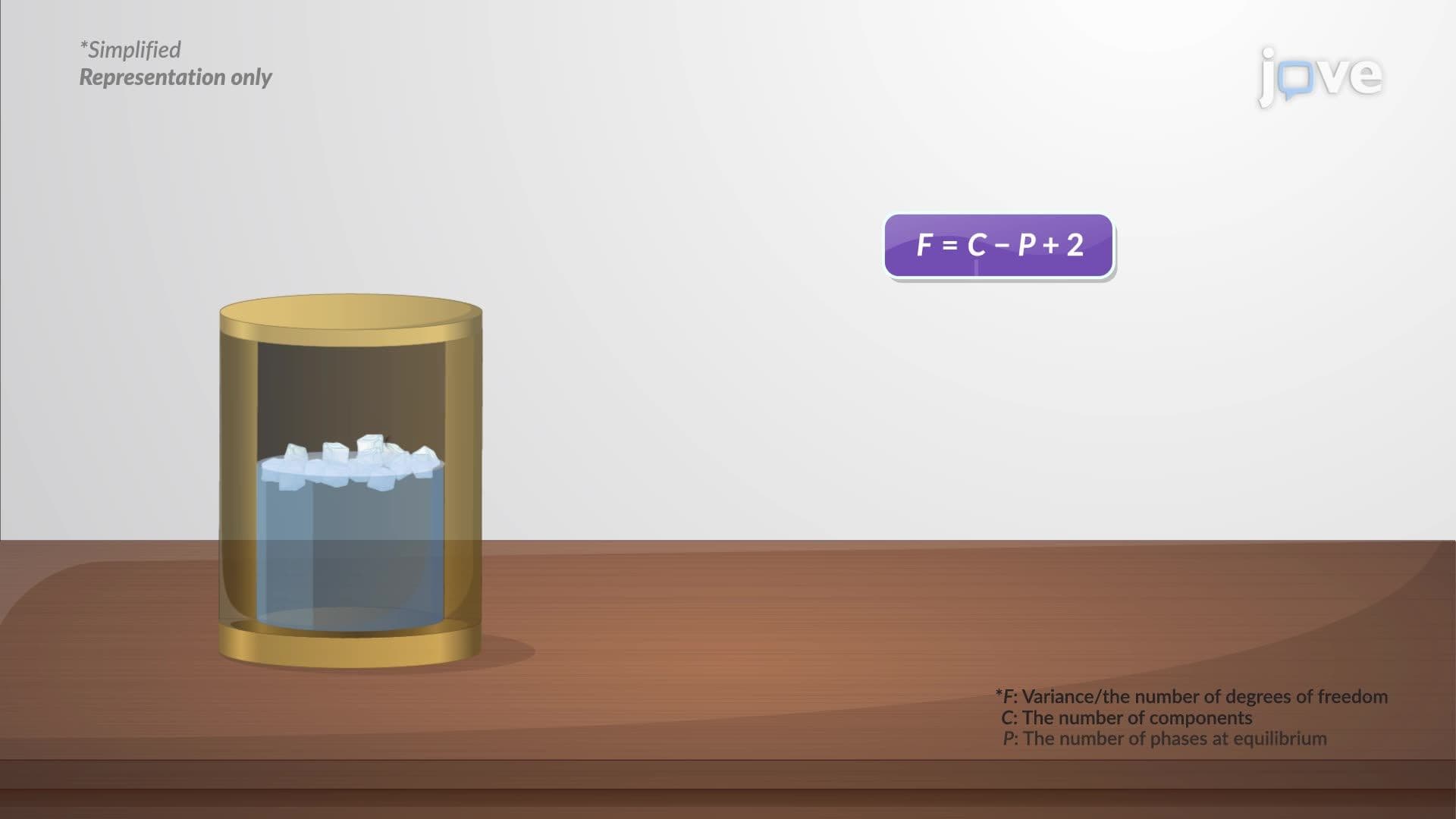
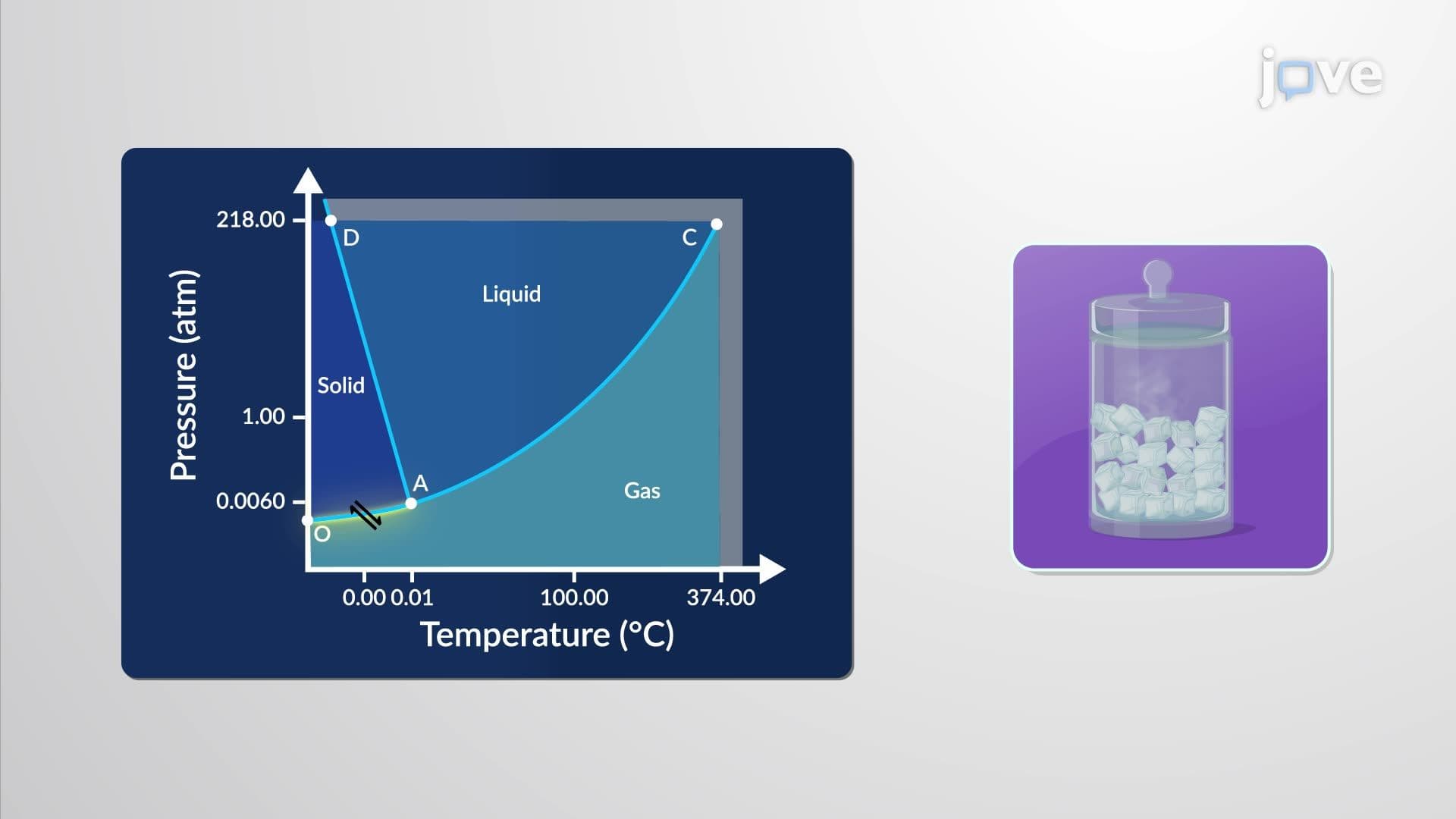
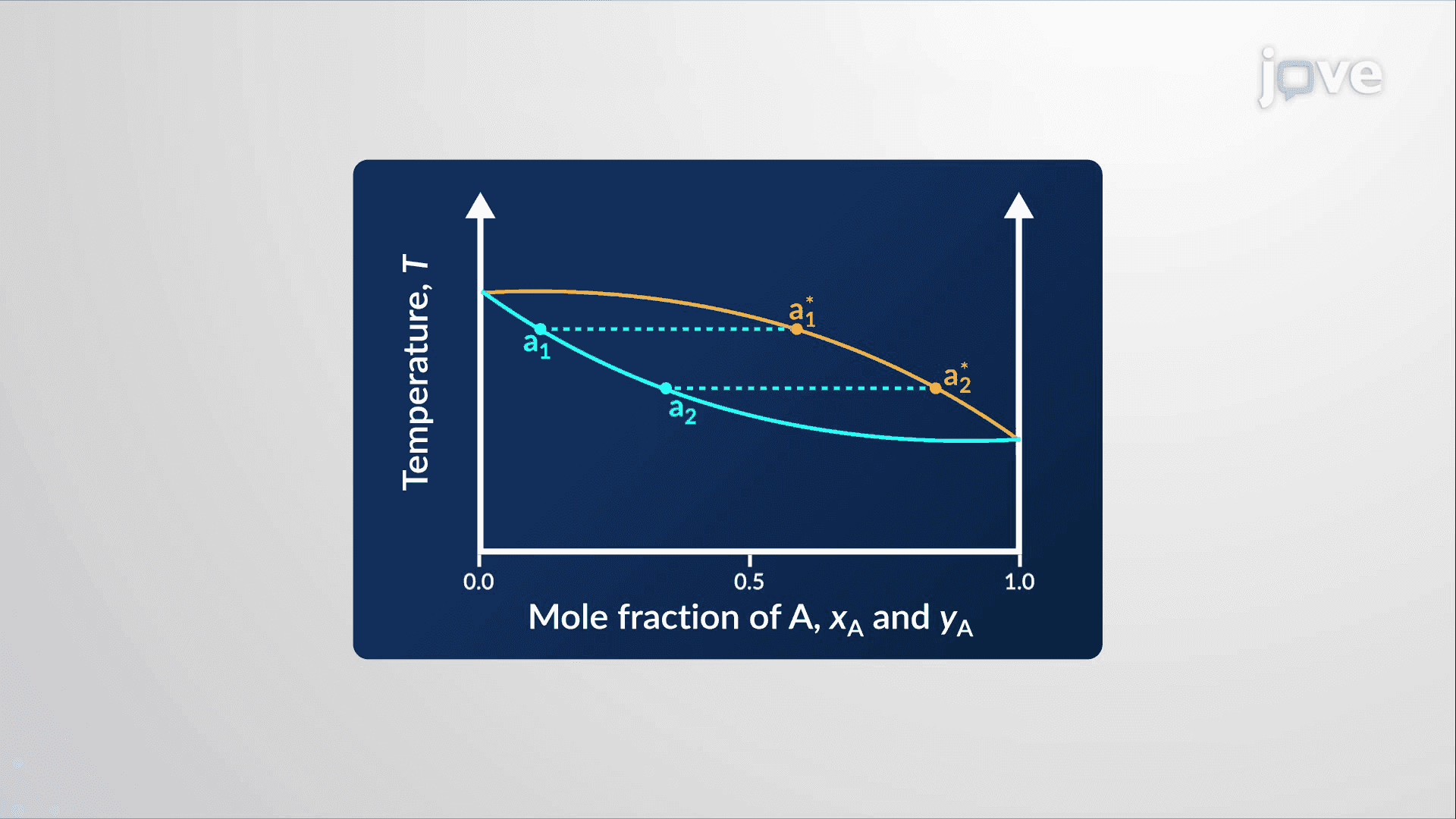
Phase diagrams map out the stability of solid, liquid, and gas phases as functions of temperature and pressure. Key features include the triple point (where all three phases coexist), the critical point (beyond which liquid and gas become indistinguishable), and boundary lines representing phase equilibria. These concepts are deeply thermodynamic in origin and appear regularly on the MCAT and AP Chemistry exams.
In the US, thermodynamic background concepts appear across multiple high-stakes exams. AP Chemistry students must interpret Gibbs energy diagrams and calculate equilibrium constants. MCAT test-takers apply these ideas to biochemical reactions, including ATP hydrolysis, a reaction with a highly negative ΔG° that drives cellular metabolism. In industrial settings, understanding rG guides engineers at companies like Dow Chemical or ExxonMobil to optimize reaction conditions for maximum yield.
Grasping the thermodynamic background gives students a unified lens through which all of chemistry becomes more predictable, logical, and, ultimately, manageable.
Related Micro-courses