Loading video…

 9 Concepts
 2K views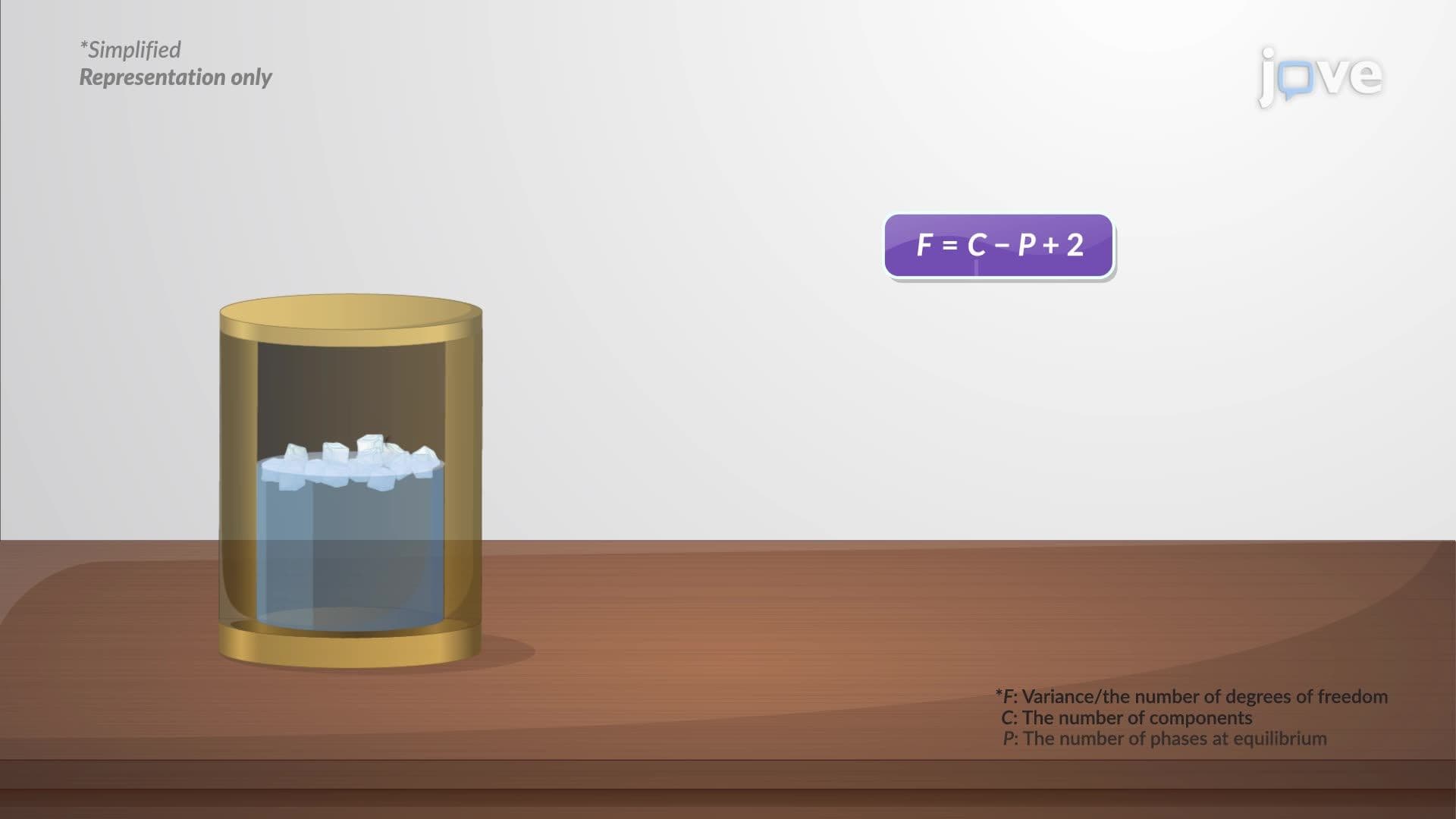

Video Summary: What Is the Phase Rule
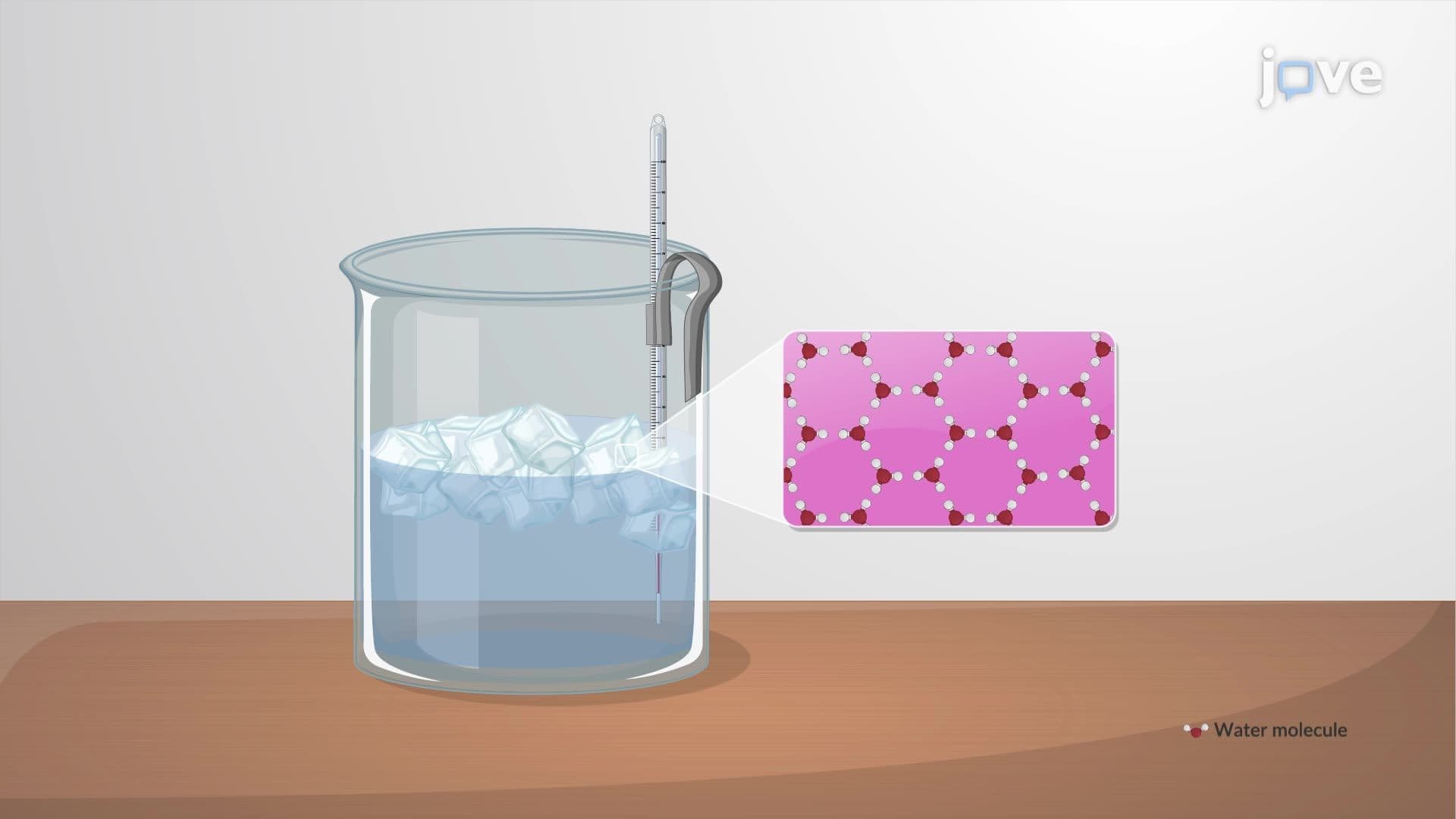
Why does water boil at a lower temperature on a mountaintop in Colorado than at sea level? The answer lies in the phase rule basics. The phase rule defines how pressure, temperature, and composition govern the coexistence of phases, solid, liquid, or gas, in any system at equilibrium. At Yellowstone's famous hot springs, shifting pressure and temperature conditions continuously push water between phases. Watch the full video on JoVE Coach to master this concept with expert-led visuals and step-by-step explanations.
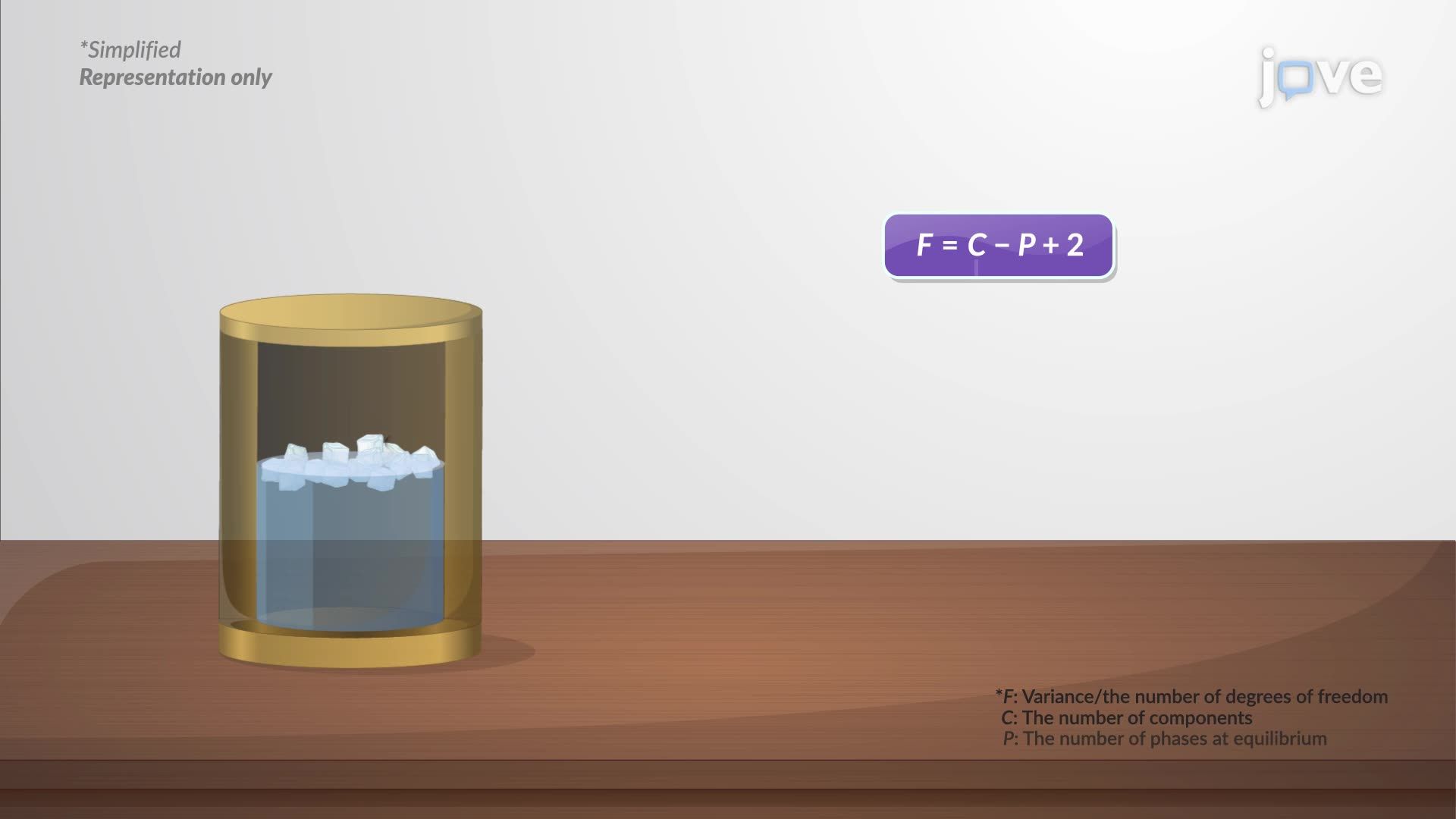
The phase rule, formulated by American-trained physicist J. Willard Gibbs in the 1870s, is one of the most powerful tools in physical chemistry and materials science. It states a precise mathematical relationship:
F = C − P + 2
where F is the variance (degrees of freedom), C is the number of components, and P is the number of phases present at equilibrium. This deceptively simple equation tells scientists and engineers exactly how many variables, temperature, pressure, or composition, can be changed without disturbing the phase balance of a system.
Degrees of freedom are the intensive variables you can independently adjust while keeping the same number of phases in equilibrium. For a single-component system like pure water:
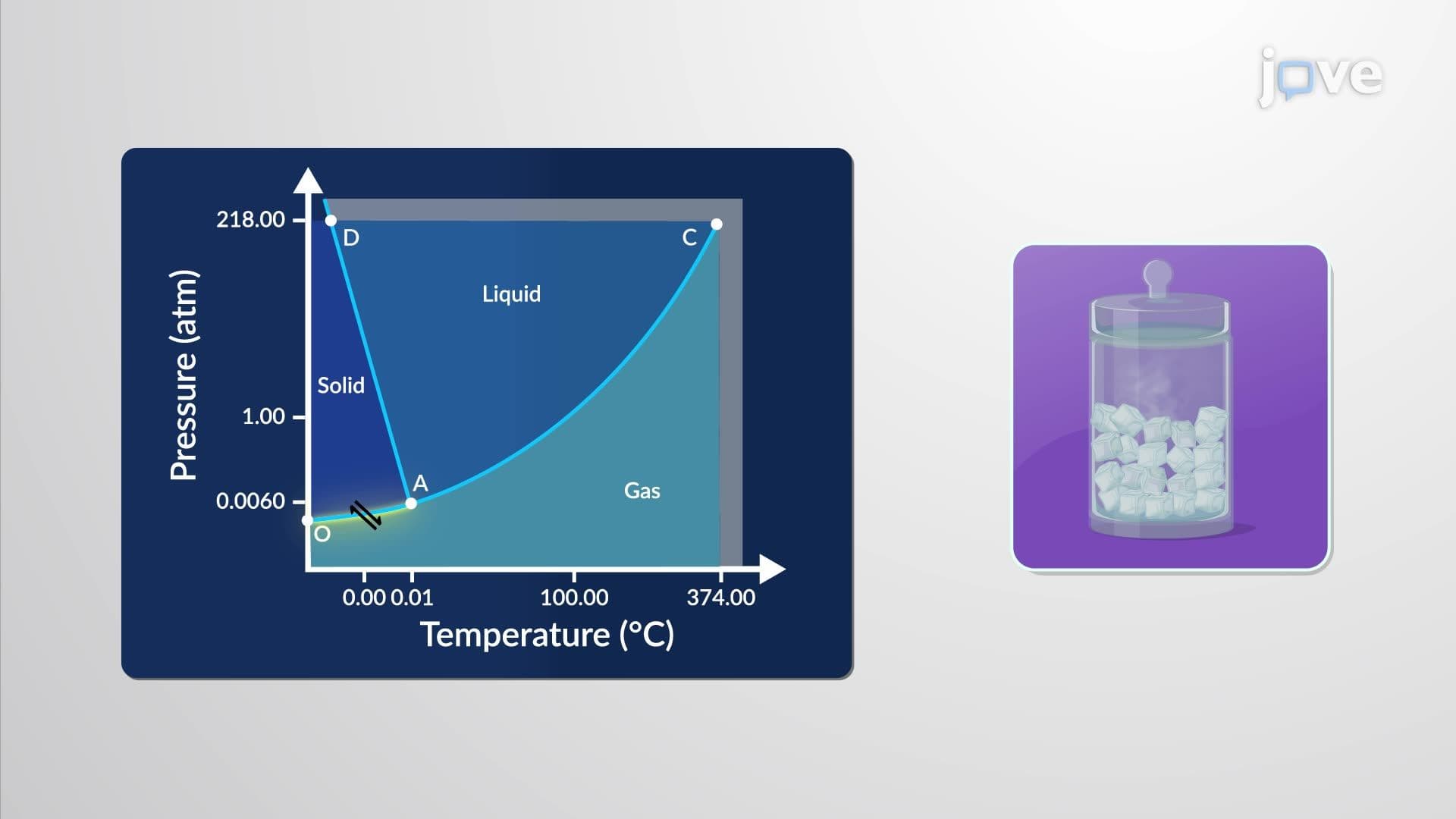
Beyond the triple point on the temperature axis lies the critical point, the upper limit of the liquid-vapor coexistence curve. At the critical point, the distinction between liquid and gas disappears entirely; the two phases become indistinguishable. For water, the critical point sits at approximately 374°C and 218 atm. Above these conditions, water becomes a supercritical fluid used in industrial extraction processes, including decaffeinating coffee and processing pharmaceutical compounds at US-based manufacturers.
On the AP Chemistry exam, students are frequently asked to read phase diagrams and identify stable phases at given temperature-pressure coordinates, a direct application of the phase rule. On the MCAT, understanding phase transitions and vapor pressure is tested within thermodynamics and physical chemistry passages. College-level general chemistry and materials science courses at universities like MIT and UC Berkeley use the phase rule as an entry point into metallurgy, ceramic processing, and drug formulation.
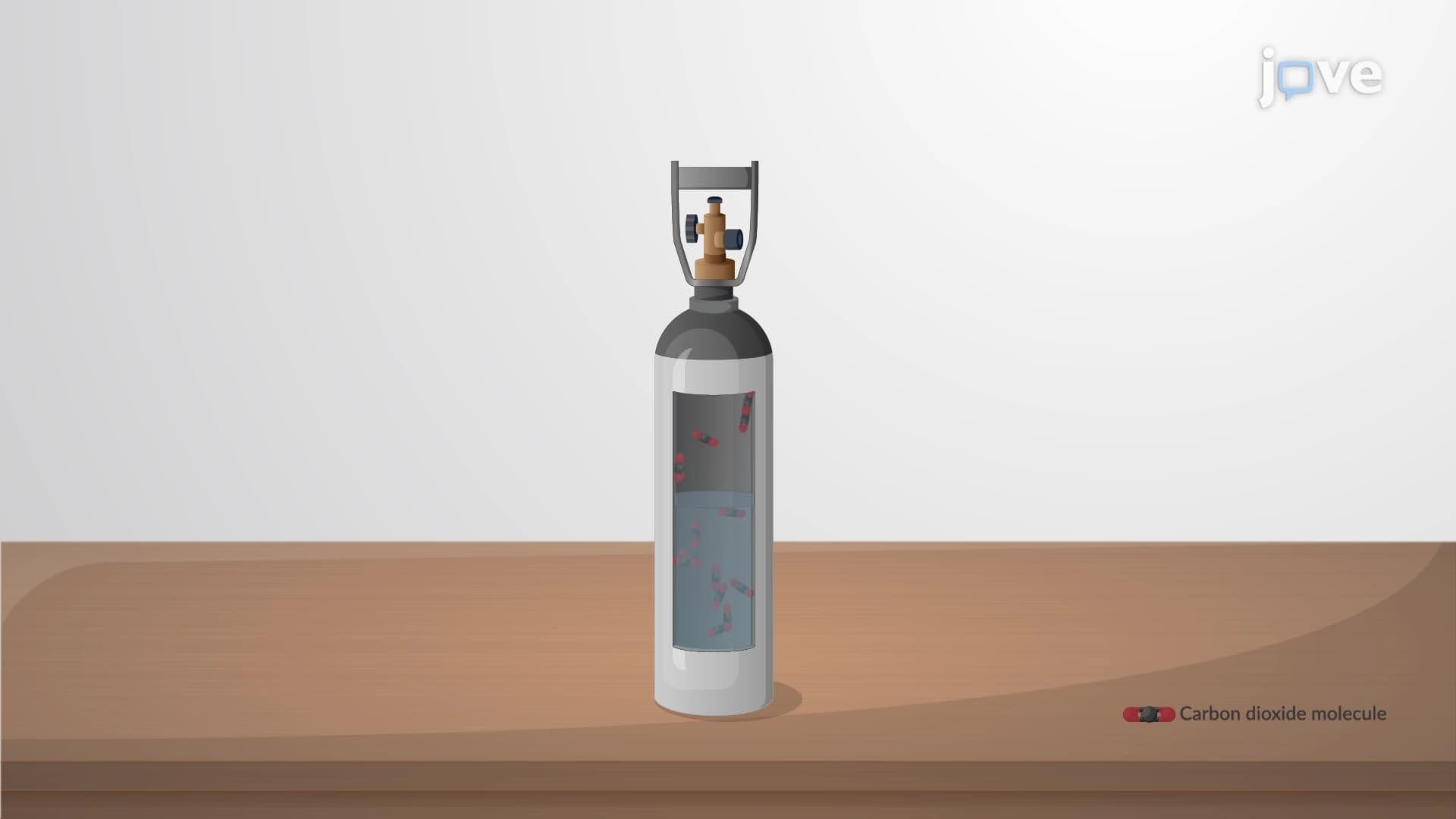
Sublimation, the direct transition from solid to gas, occurs only below the triple point pressure. This is why dry ice (solid CO₂) sublimes at normal atmospheric pressure rather than melting, a fact routinely leveraged in US food shipping and laboratory cooling. Recognizing where sublimation, melting, and vaporization each occur on a phase diagram is a skill rooted entirely in applying the phase rule correctly.
Related Micro-courses