Loading video…

 9 Concepts
 2K views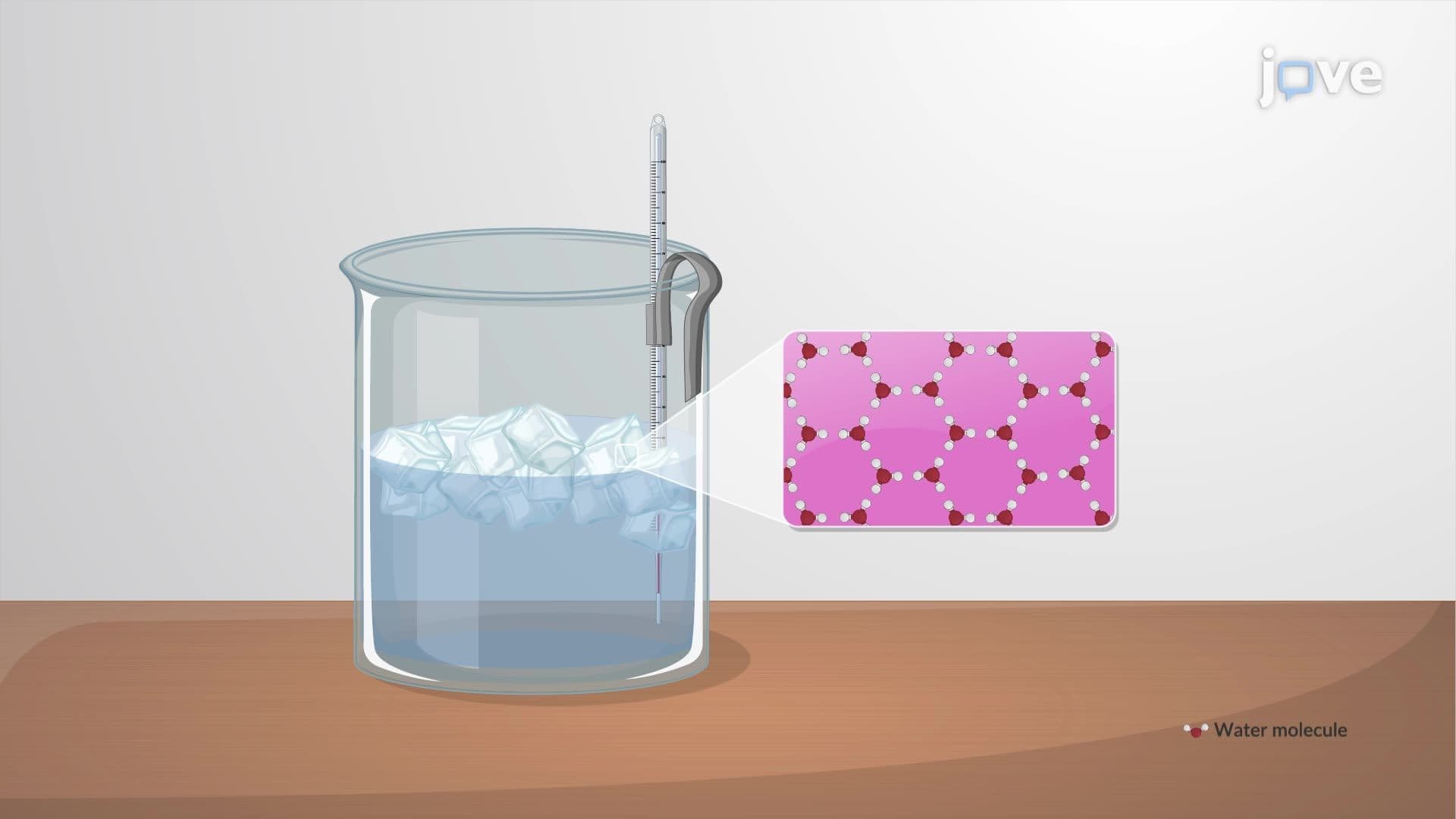

Video Summary: What are Phase Transitions
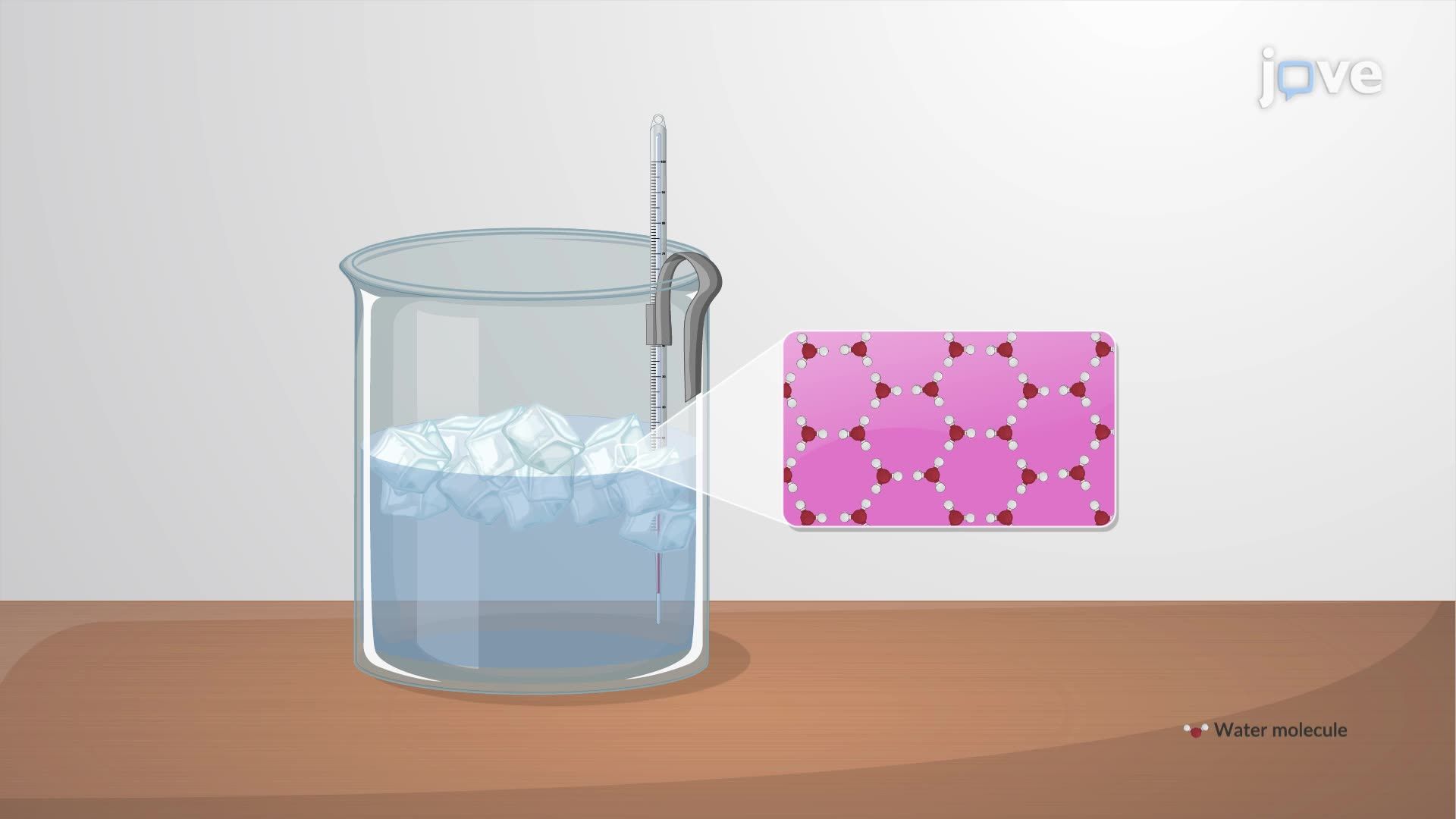
Ever wonder why ice stays at exactly 32°F while melting, no matter how long you leave it out? That's the fascinating science of phase transitions at work. Phase transitions basics explain how matter shifts between solid, liquid, and gas states, think of dry ice sublimating at a Colorado ski resort. Temperature, pressure, and thermodynamic principles like Gibbs free energy all govern these changes. Watch the full video on JoVE Coach to master this concept with expert-led visuals and step-by-step explanations.
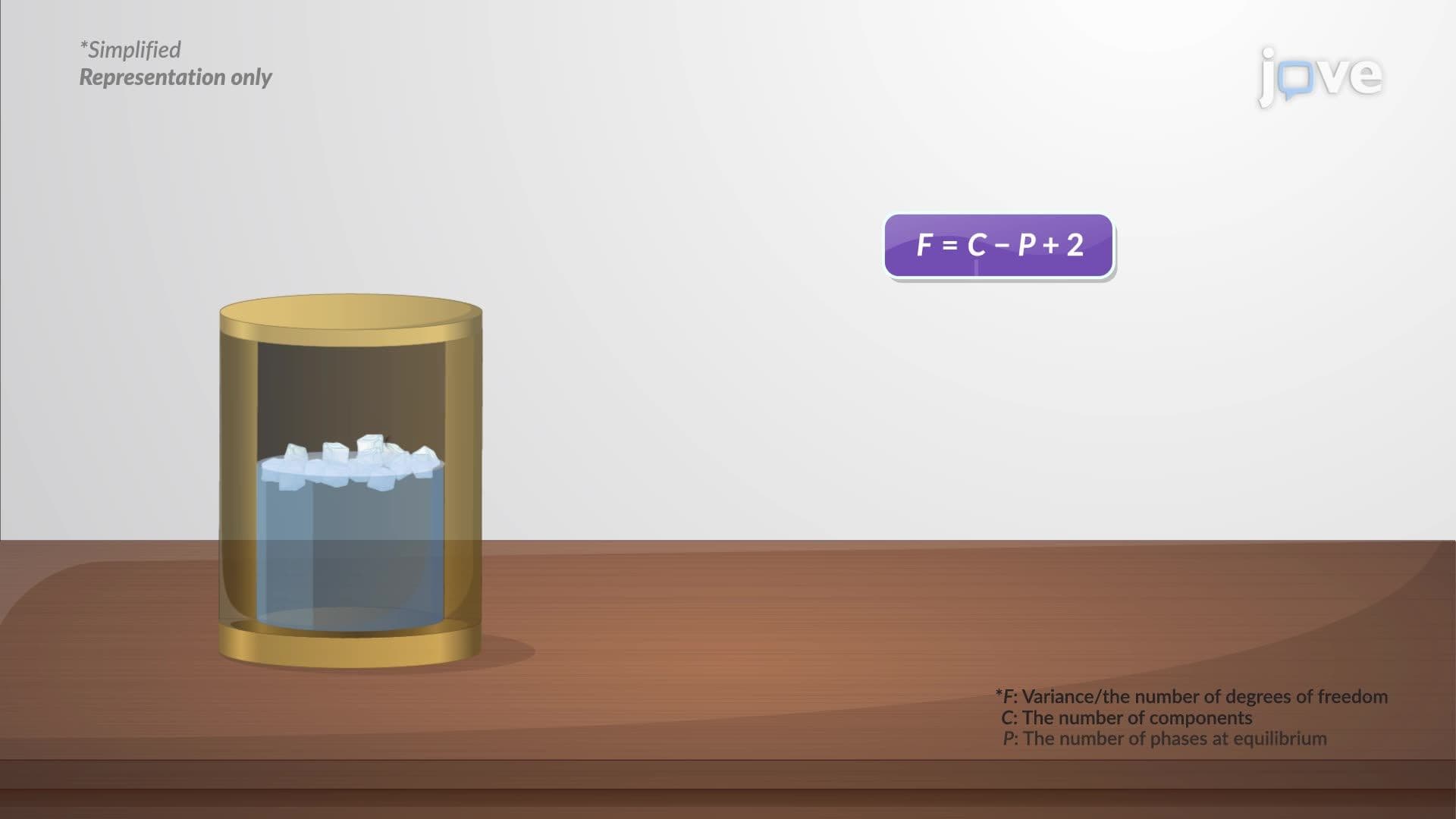
A phase transition is one of the most visually obvious, yet thermodynamically rich, phenomena in all of chemistry and physics. At its core, it describes the conversion of a substance from one physical state (solid, liquid, or gas) to another at a well-defined transition temperature under a specific pressure. What makes this process remarkable is that during the transition, the temperature of the substance does not change, even as energy is continuously added or removed. This is why boiling water stays at 212°F (100°C) at sea level in cities like Denver or New York, no matter how high you crank the stove.
Phase transitions are governed by a balance between two competing factors: intermolecular forces, which hold molecules together, and molecular kinetic energy, which drives them apart. When enough thermal energy is supplied, or pressure is adjusted, the balance tips, and the substance crosses into a new phase.
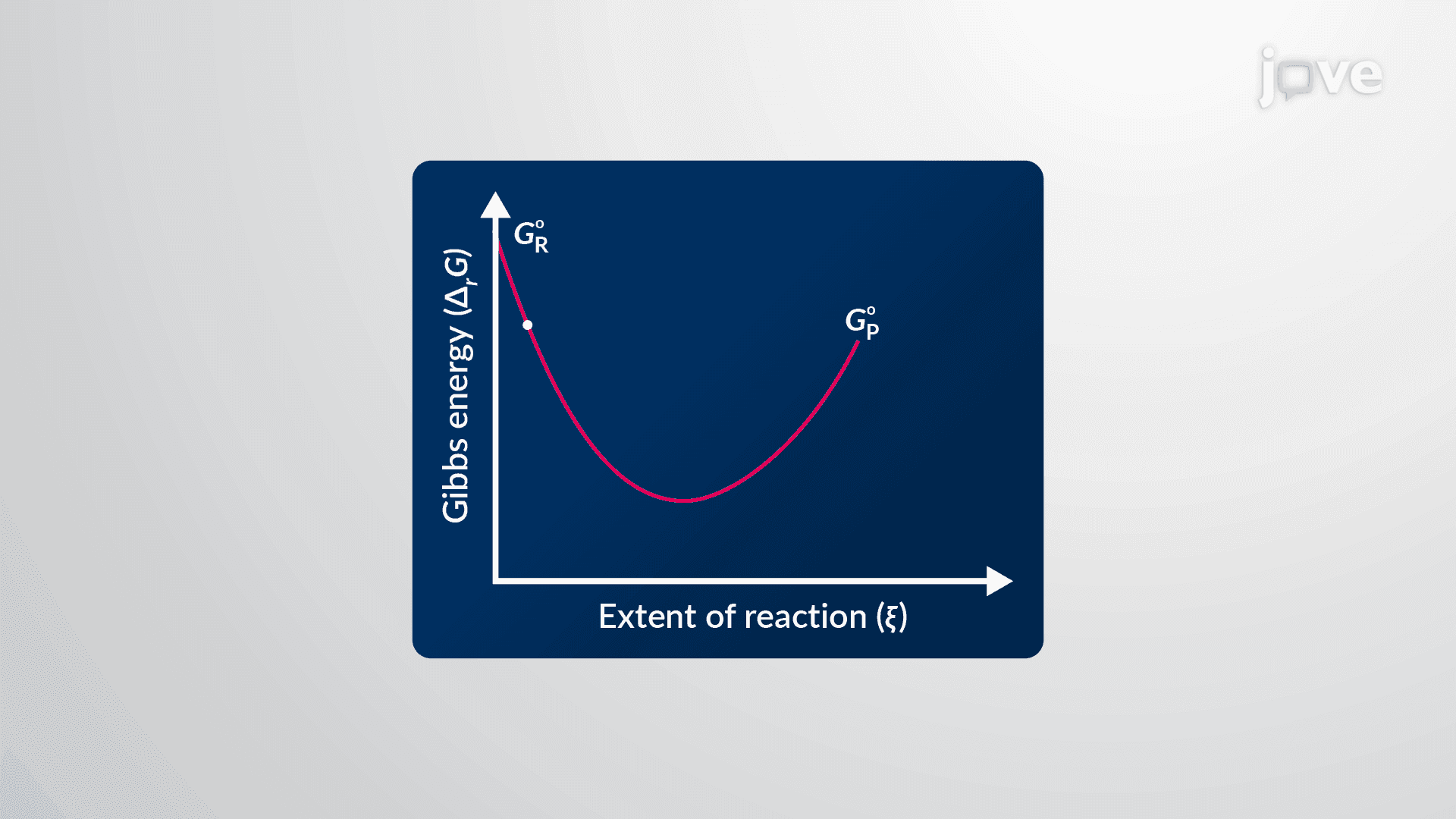
Because both phases coexist and the temperature stays constant, phase transitions are classified as isothermal processes. At this equilibrium point, the chemical potentials of both phases are equal, which means the Gibbs free energy (ΔG) equals zero. Substituting into the standard Gibbs equation (ΔG = ΔH − TΔS = 0) gives a powerful result:
ΔS = ΔH(transition) / T(transition)
This tells you that the entropy change during a phase transition is simply the enthalpy of the phase change divided by the absolute transition temperature, a relationship tested frequently on AP Chemistry exams and college-level physical chemistry midterms.
The amount of heat (q) exchanged during a phase transition can be calculated two ways depending on the information available:
For example, calculating how much energy is needed to completely melt a 500-gram block of ice at 0°C uses the molar enthalpy of fusion for water (6.01 kJ/mol). This type of calculation appears regularly on the AP Chemistry exam, college general chemistry midterms, and the MCAT physical sciences section.
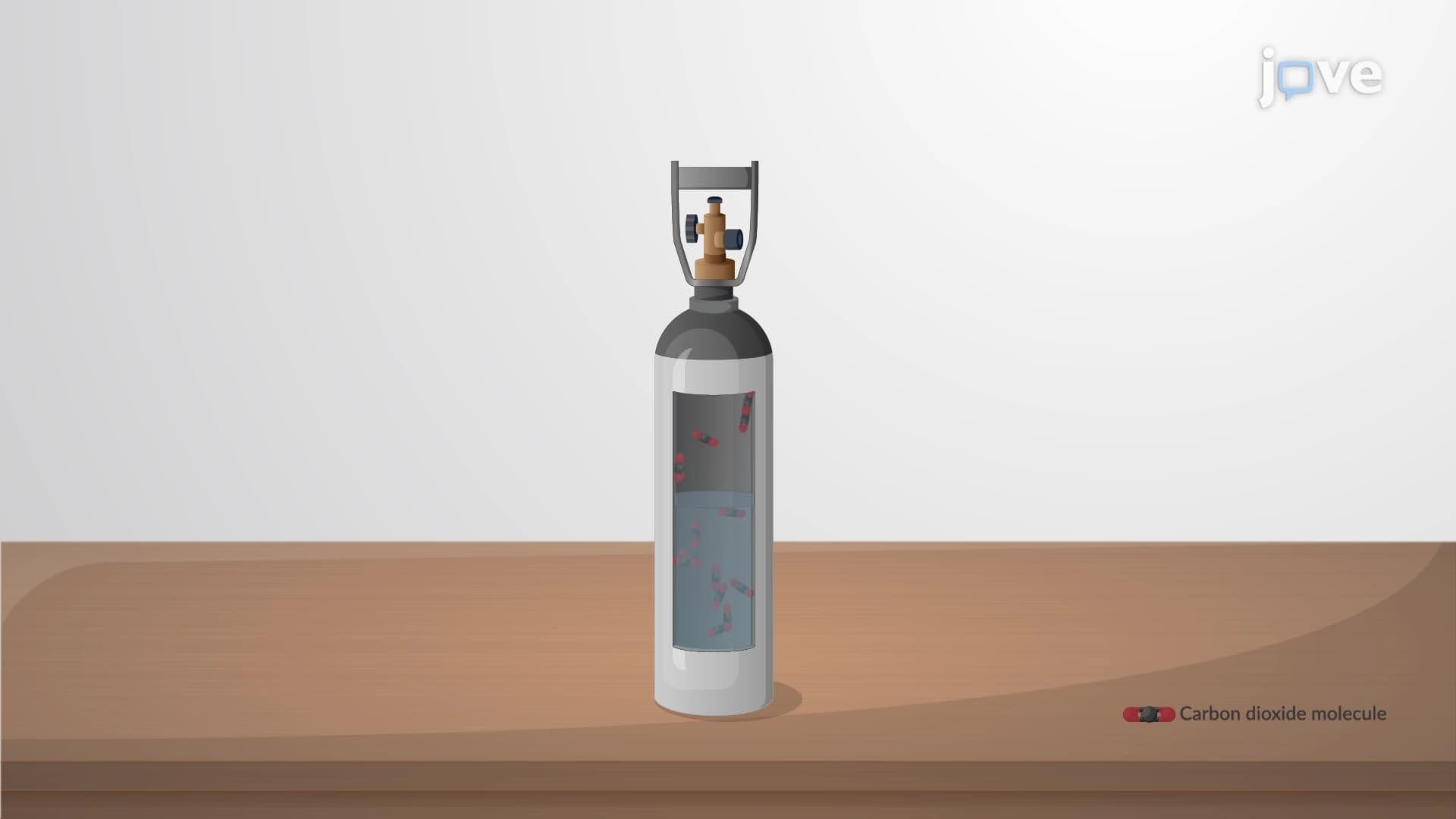
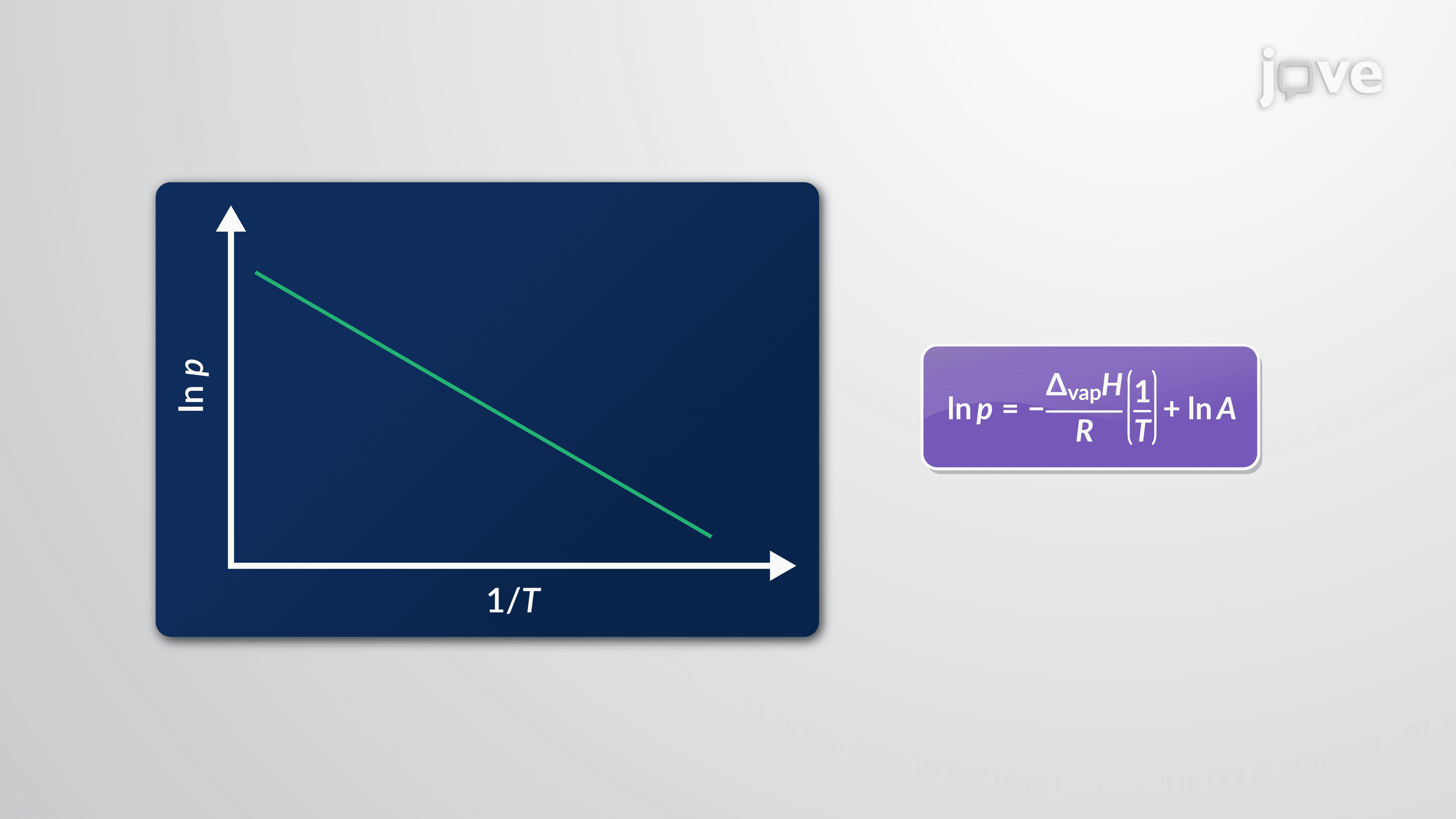
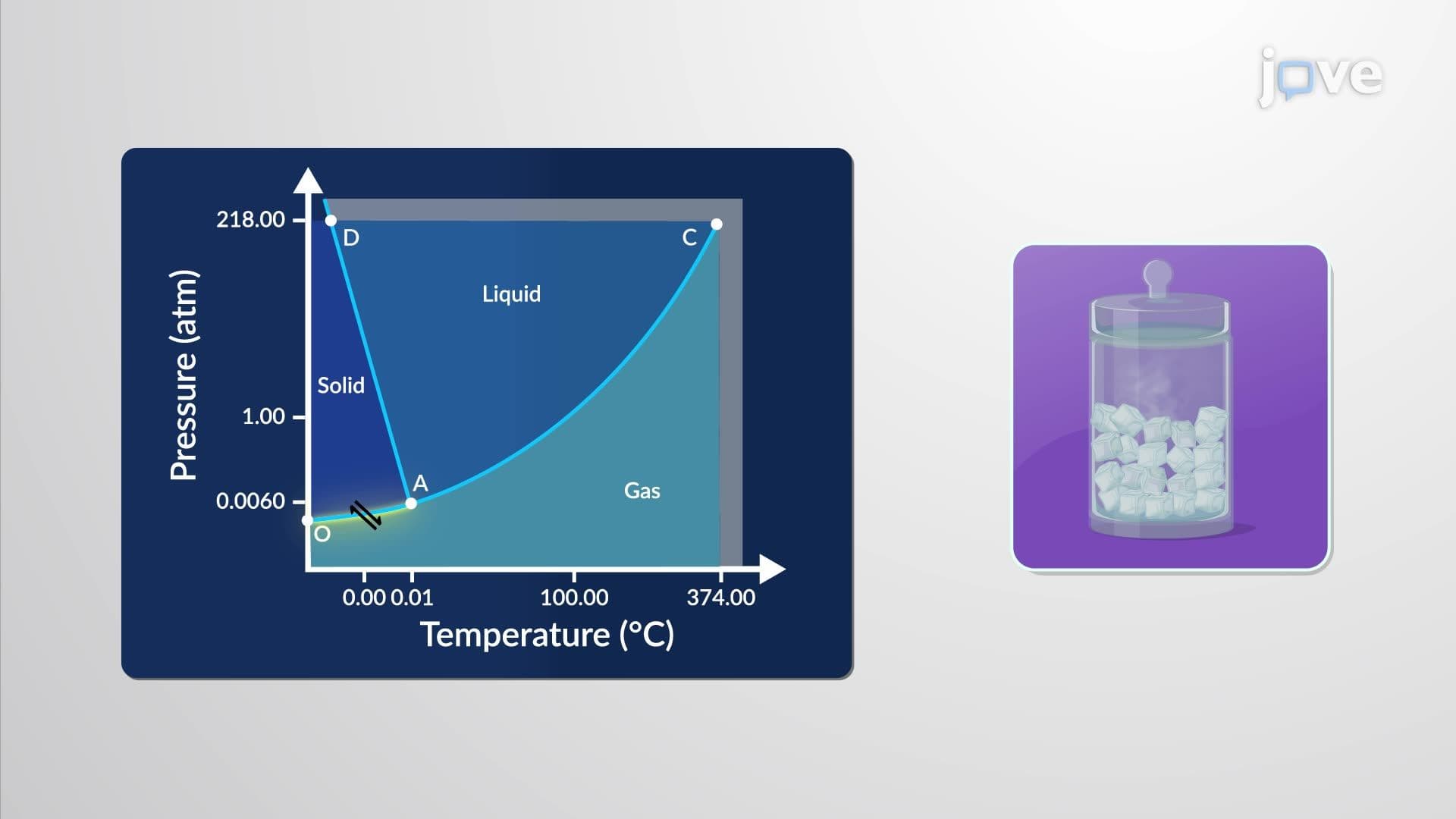
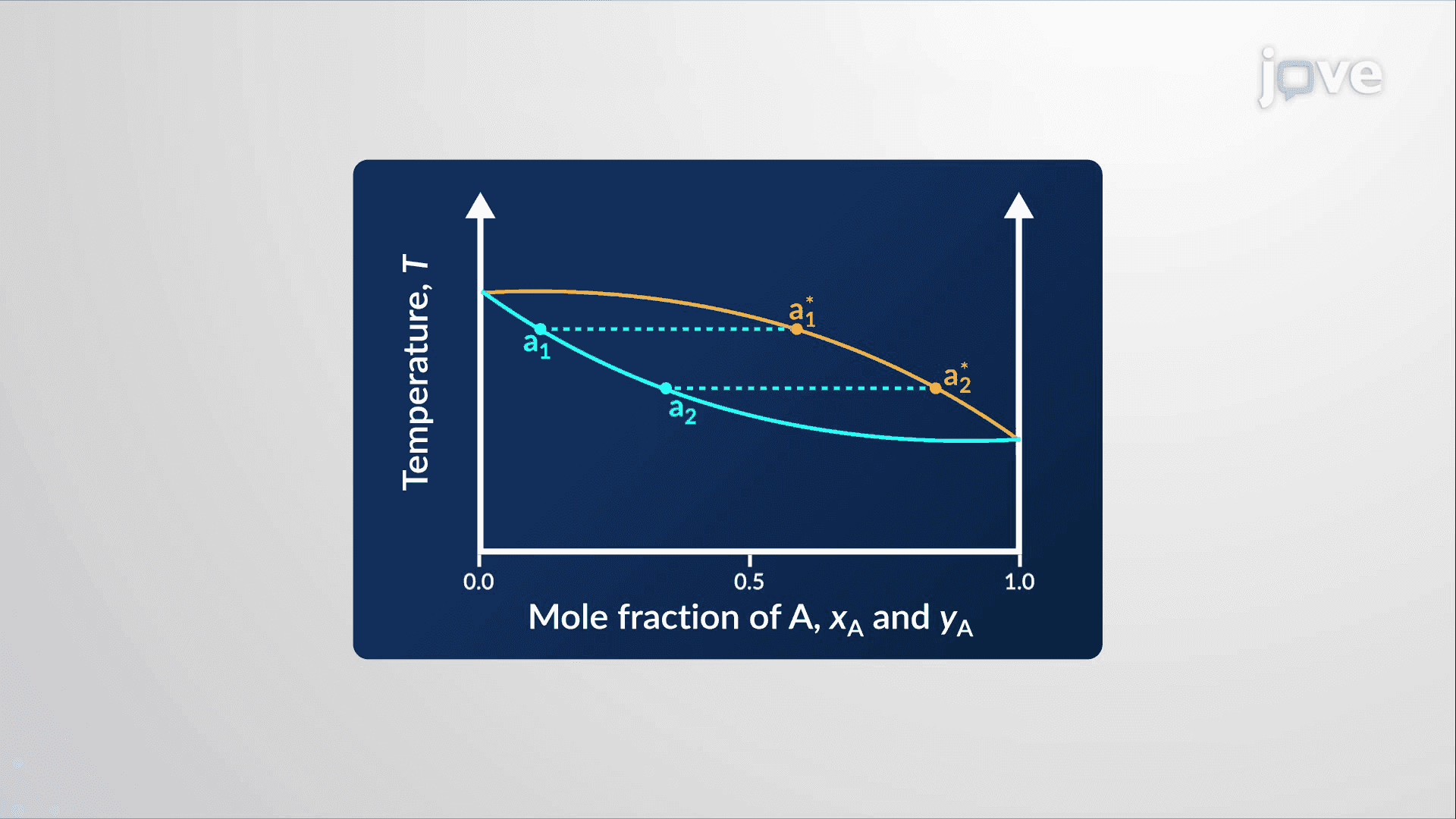
Understanding phase transitions unlocks a cascade of connected ideas. Phase diagrams map out which state is stable at any combination of temperature and pressure, with the triple point marking where all three phases coexist and the critical point marking where liquid and gas become indistinguishable. The Clausius-Clapeyron equation extends this further, describing how vapor pressure changes with temperature, essential for understanding phenomena like sublimation (dry ice turning directly to CO₂ gas) or the boiling point changes experienced at high altitudes in cities like Denver, Colorado. Each of these topics builds directly on the isothermal, thermodynamic framework introduced by phase transitions.
Related Micro-courses