Loading video…

 9 Concepts
 2K views

Video Summary: The Response of Equilibria to the Conditions Explained
Why does the Haber process for making ammonia, used in fertilizers that feed millions of Americans, require such precise temperature and pressure control? The response of equilibria to the conditions explained reveals exactly why: chemical systems fight back against change. Le Chatelier's principle, pressure effects, and the van't Hoff equation all govern how reactions shift. Watch the full video on JoVE Coach to master this concept with expert-led visuals and step-by-step explanations.
Chemical equilibrium is not a rigid, locked state, it is a dynamic balance that responds to its environment. Understanding how and why equilibria shift under changing conditions is one of the most practically important ideas in chemistry. This concept appears in AP Chemistry, general college chemistry courses, and even on the MCAT for pre-med students. Mastering it requires understanding three key levers: temperature, pressure, and catalysts.
Le Chatelier's principle states that when a system at equilibrium is disturbed, it will shift its composition to partially counteract that disturbance. Think of it like a seesaw trying to re-balance itself after someone shifts their weight.
If you add more reactants to a system, the reaction shifts forward to produce more products. If you remove products, the same forward shift occurs. This concept shows up in virtually every AP Chemistry free-response question involving equilibrium, understanding the *direction* of the shift and *why* it happens is essential for earning full credit.
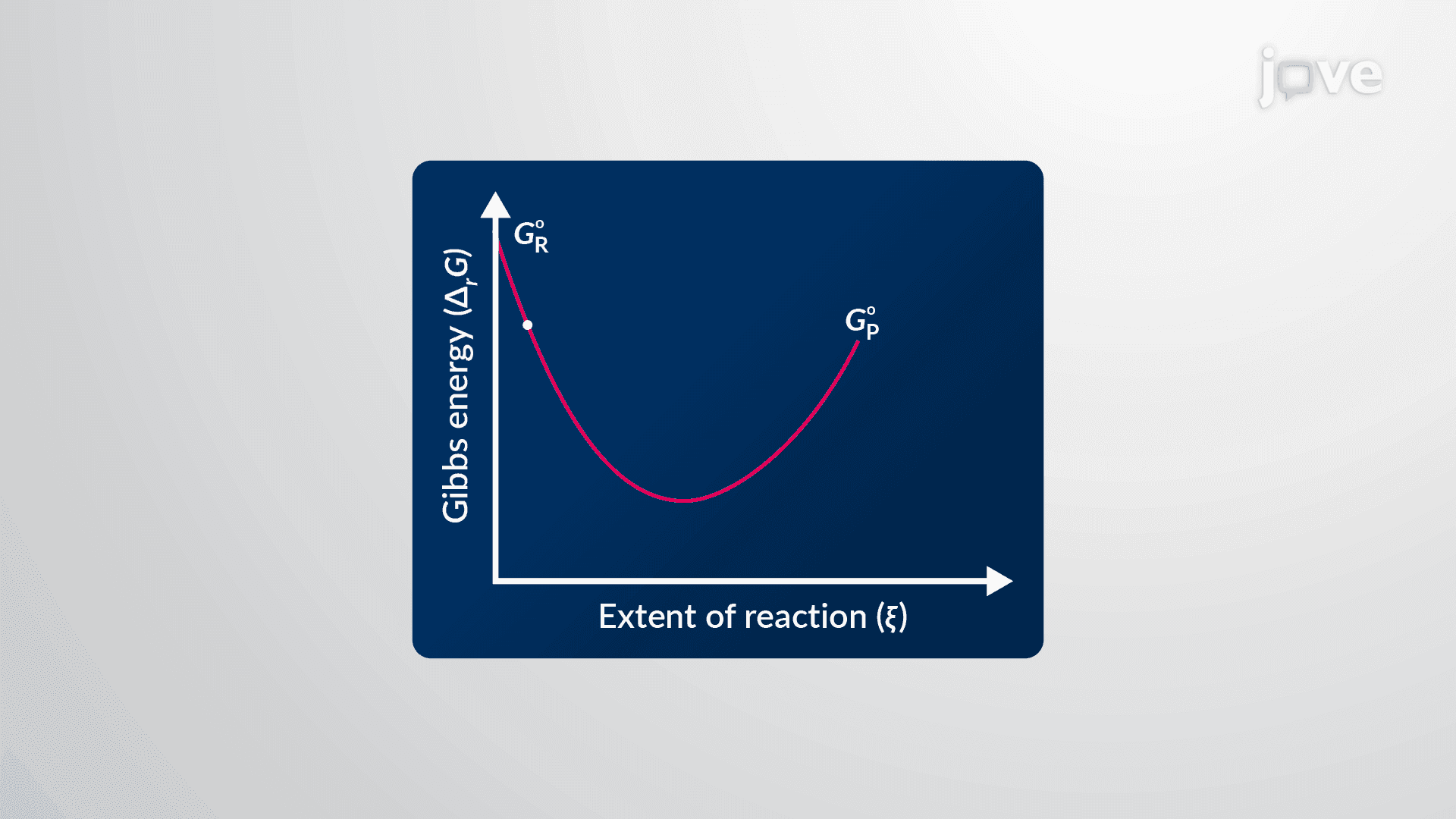
Temperature changes do something uniquely powerful: they actually change the value of the equilibrium constant (K), not just the position of equilibrium.
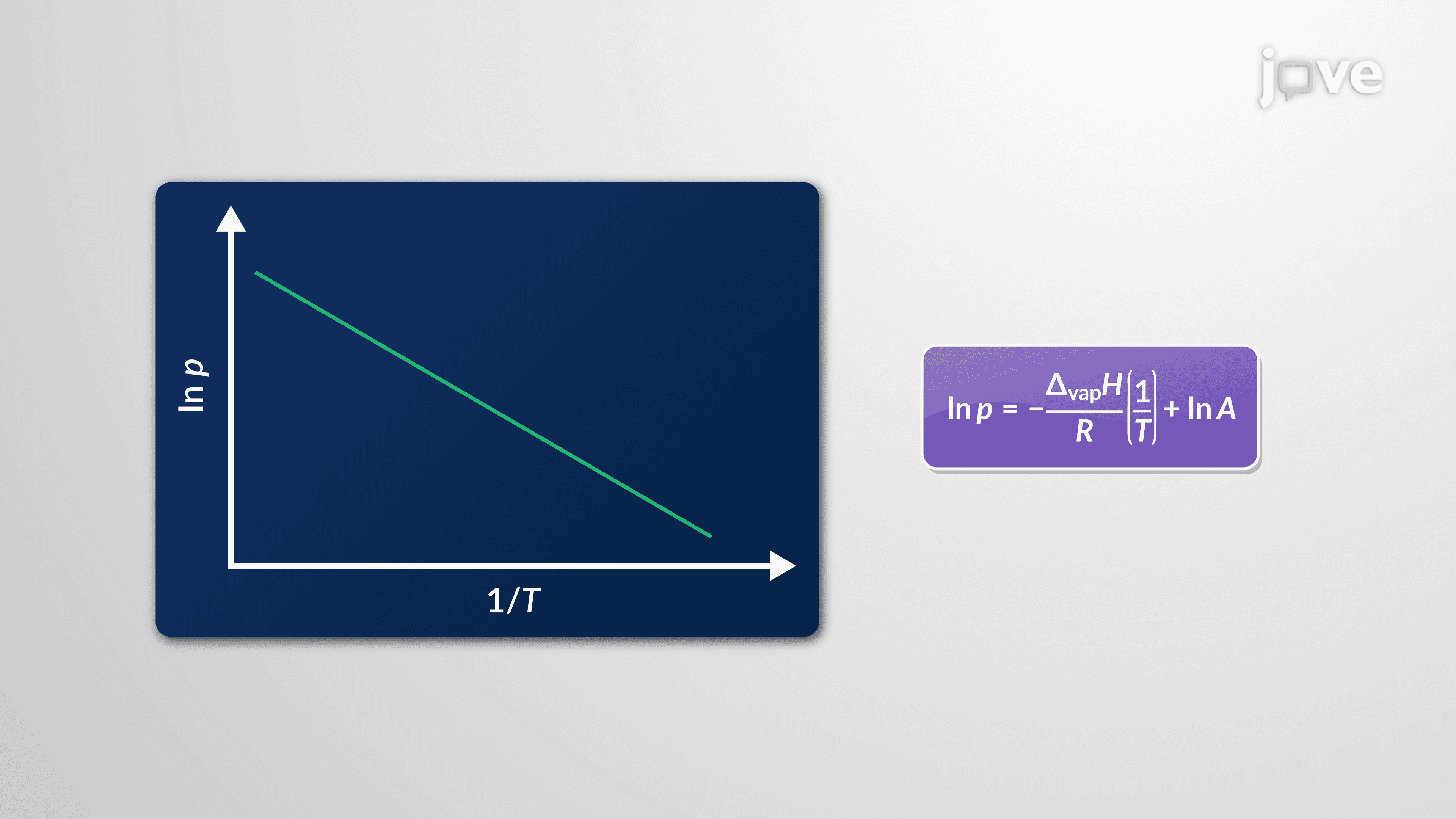
The van't Hoff equation makes this relationship mathematically precise: ln(K2/K1) = -(ΔrH/R) × (1/T2, 1/T1), where R is the gas constant and T is temperature in Kelvin. This equation is regularly tested on AP Chemistry exams and college general chemistry midterms. A classic US industrial example: the Haber process for synthesizing ammonia (N2 + 3H2 ⇌ 2NH3) is exothermic, so engineers must carefully balance lower temperatures (which favor product formation) against the need for a reasonable reaction rate.
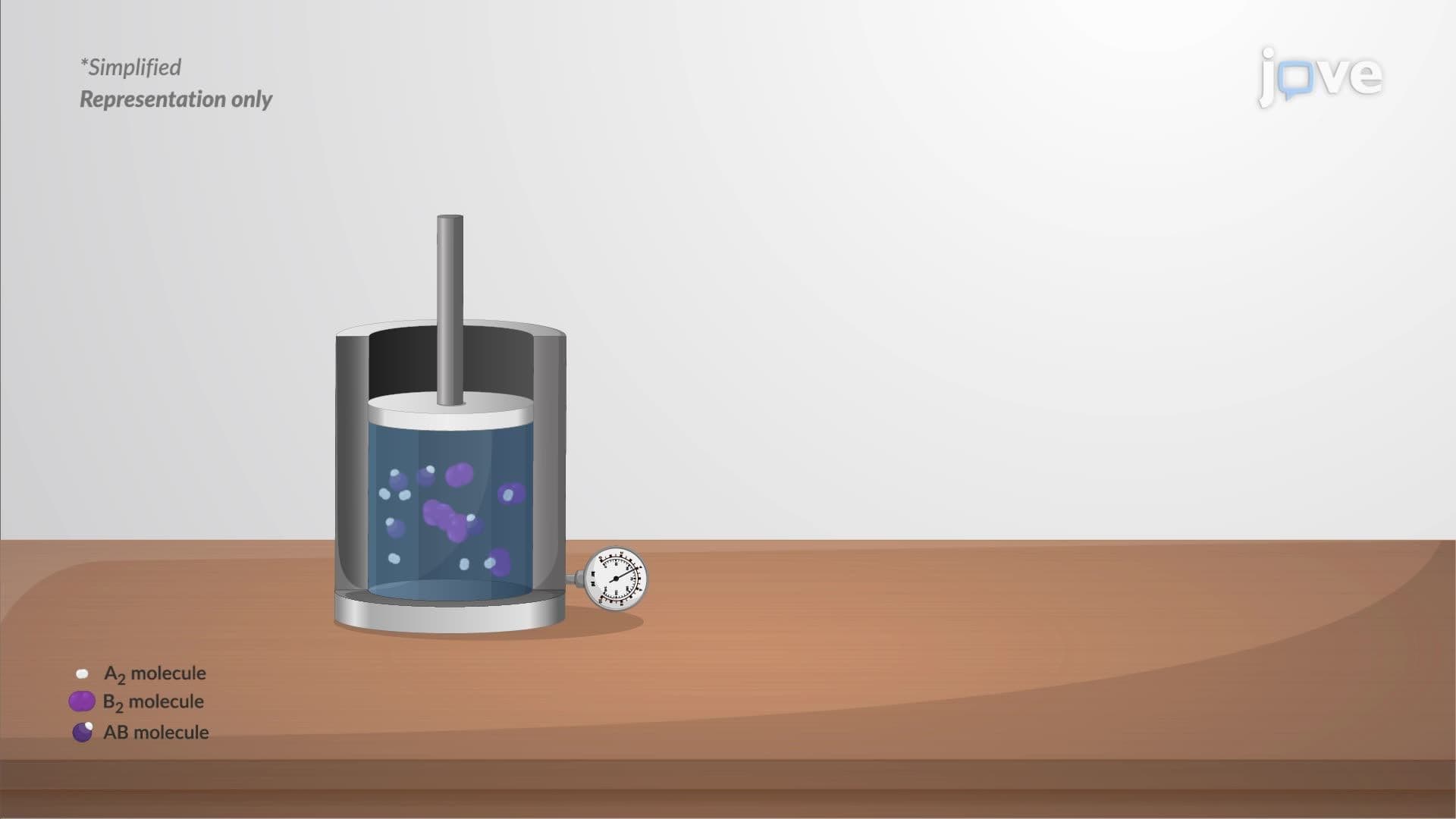
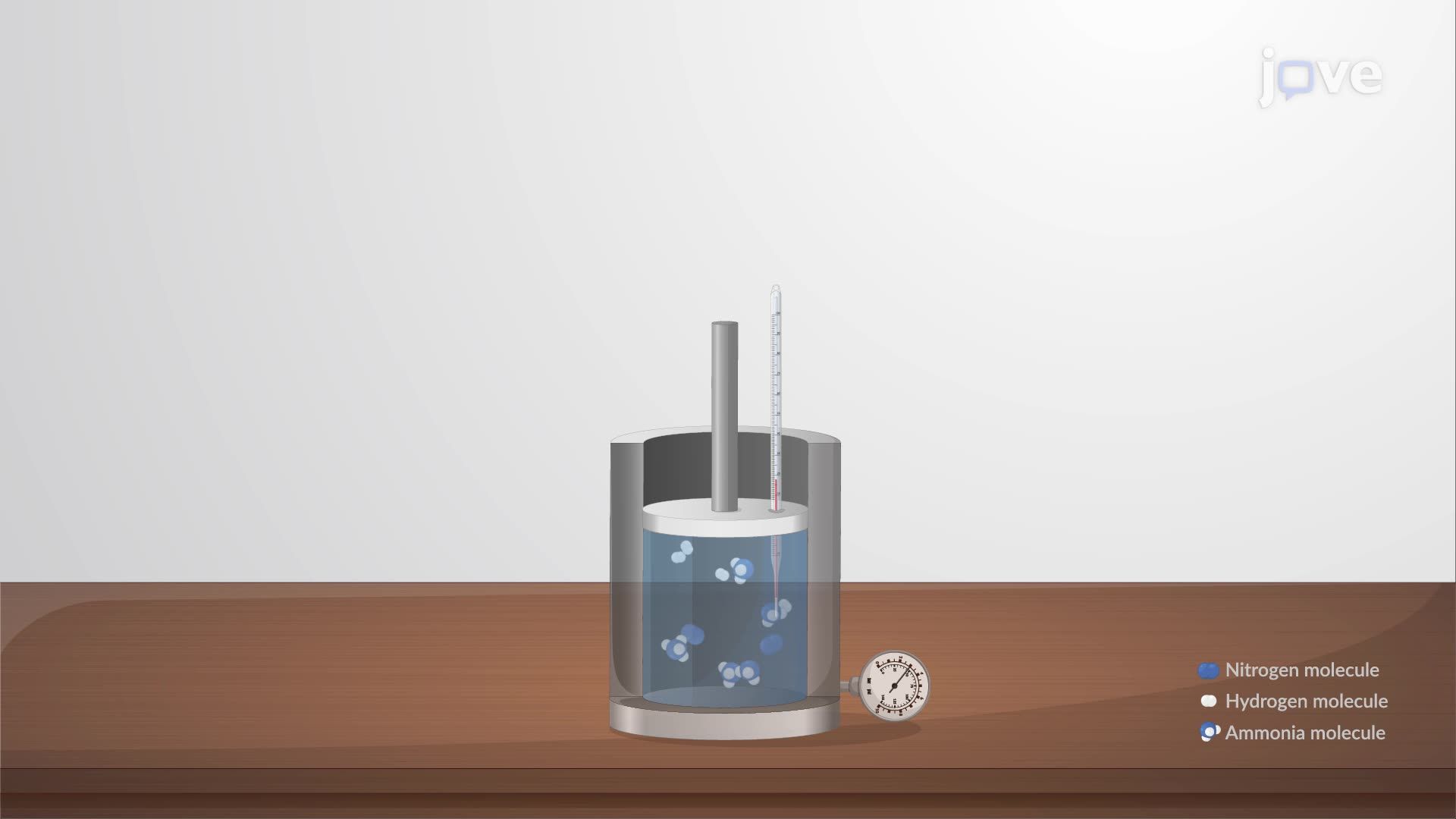
For reactions involving gases, changing the total pressure of the system by compressing or expanding the container shifts the equilibrium in a predictable direction:
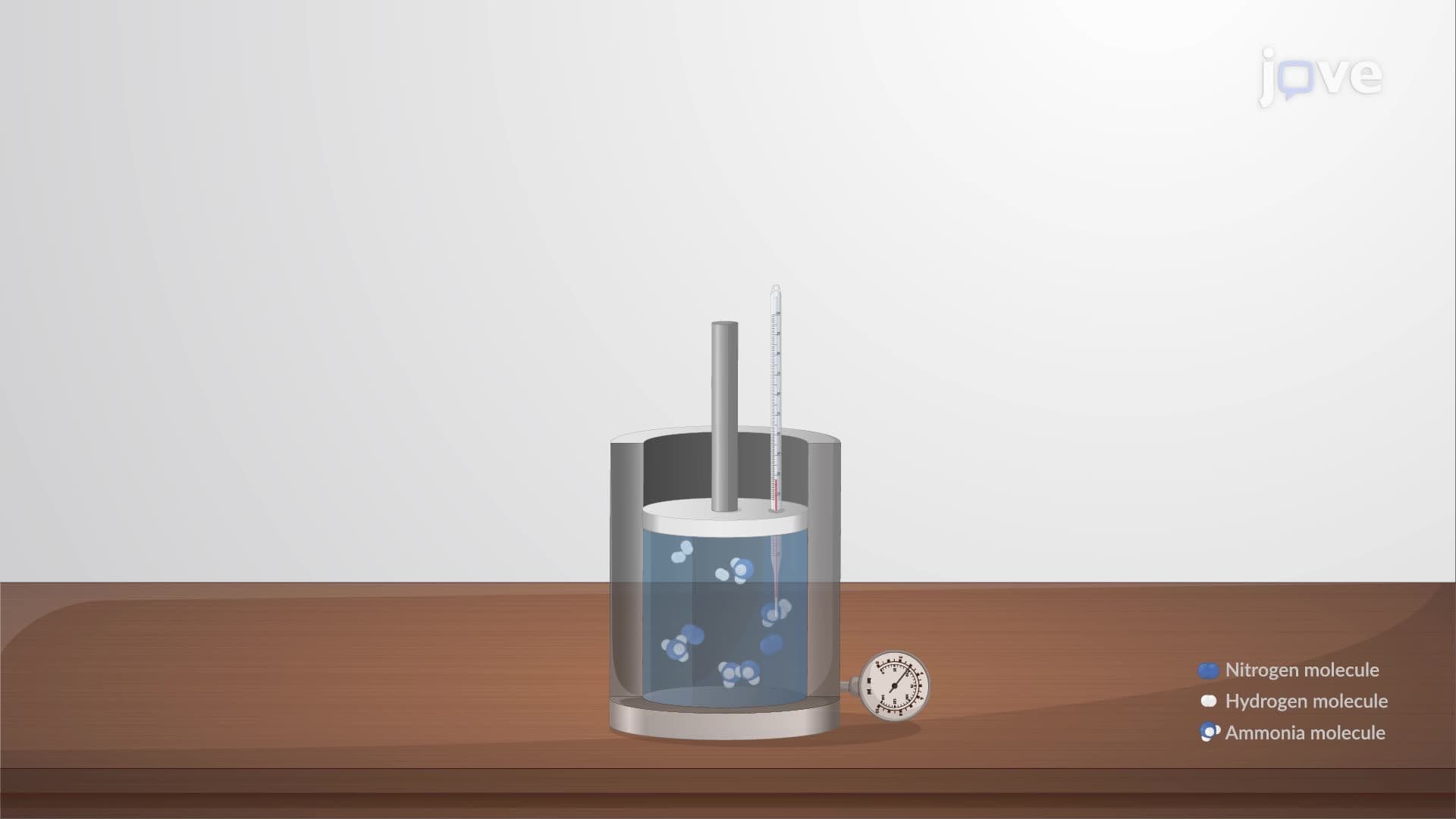
Again, the Haber process is instructive: N2 + 3H2 ⇌ 2NH3 has 4 moles of gas on the left and only 2 on the right. High pressure strongly favors ammonia production, which is why industrial reactors operate at pressures between 150 and 300 atmospheres.
A catalyst speeds up both the forward and reverse reactions equally. Because it accelerates both directions by the same factor, it does not shift the equilibrium position, nor does it change the equilibrium constant K. A catalyst simply helps the system *reach* equilibrium faster, a crucial distinction tested frequently in AP Chemistry multiple-choice sections. In industrial chemistry, catalysts like iron (used in the Haber process) are economically critical, they reduce the time and energy needed without altering the thermodynamic outcome.
Related Micro-courses