Loading video…

 9 Concepts
 2K views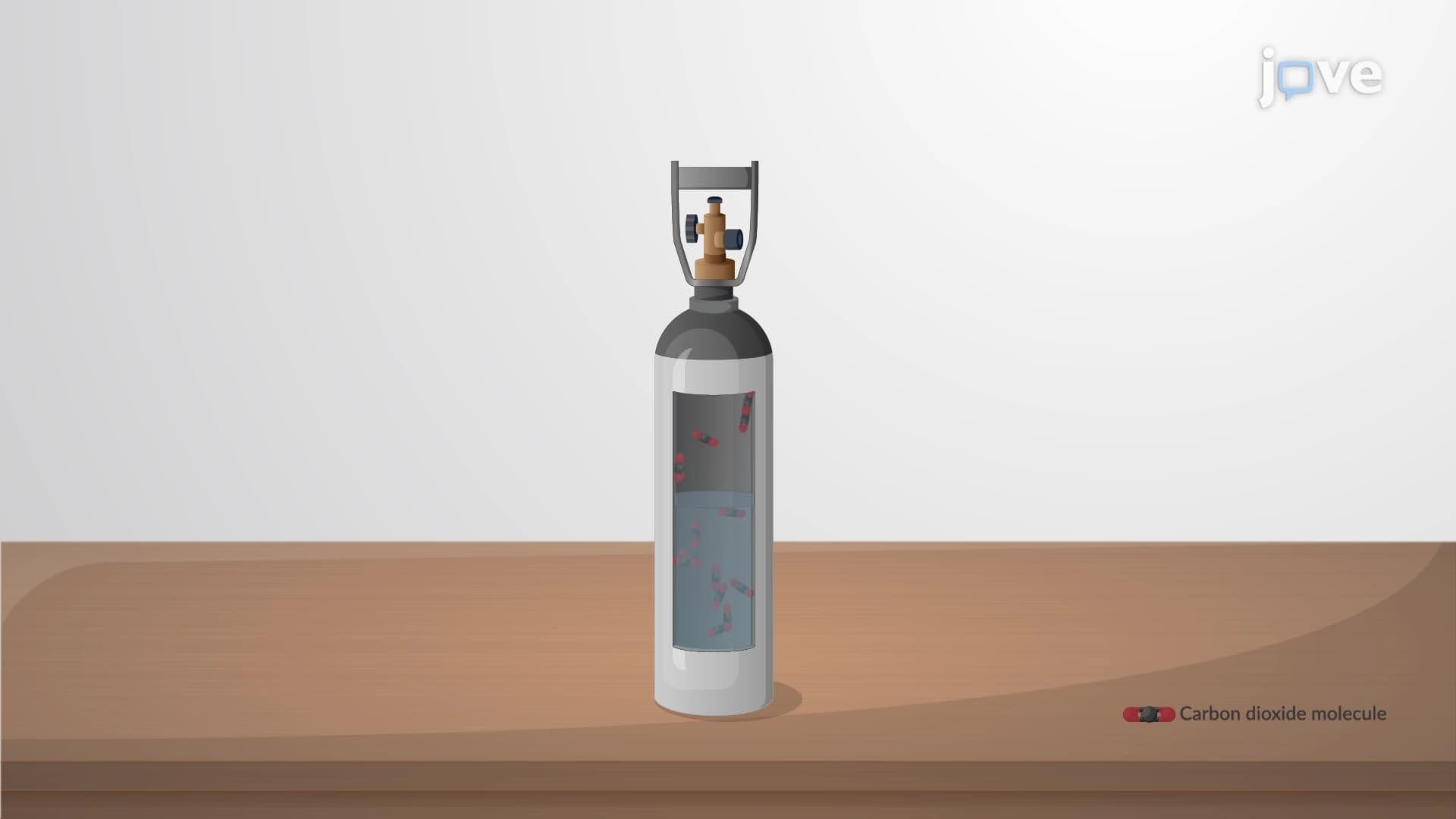

Video Summary: What Is a Single Component System
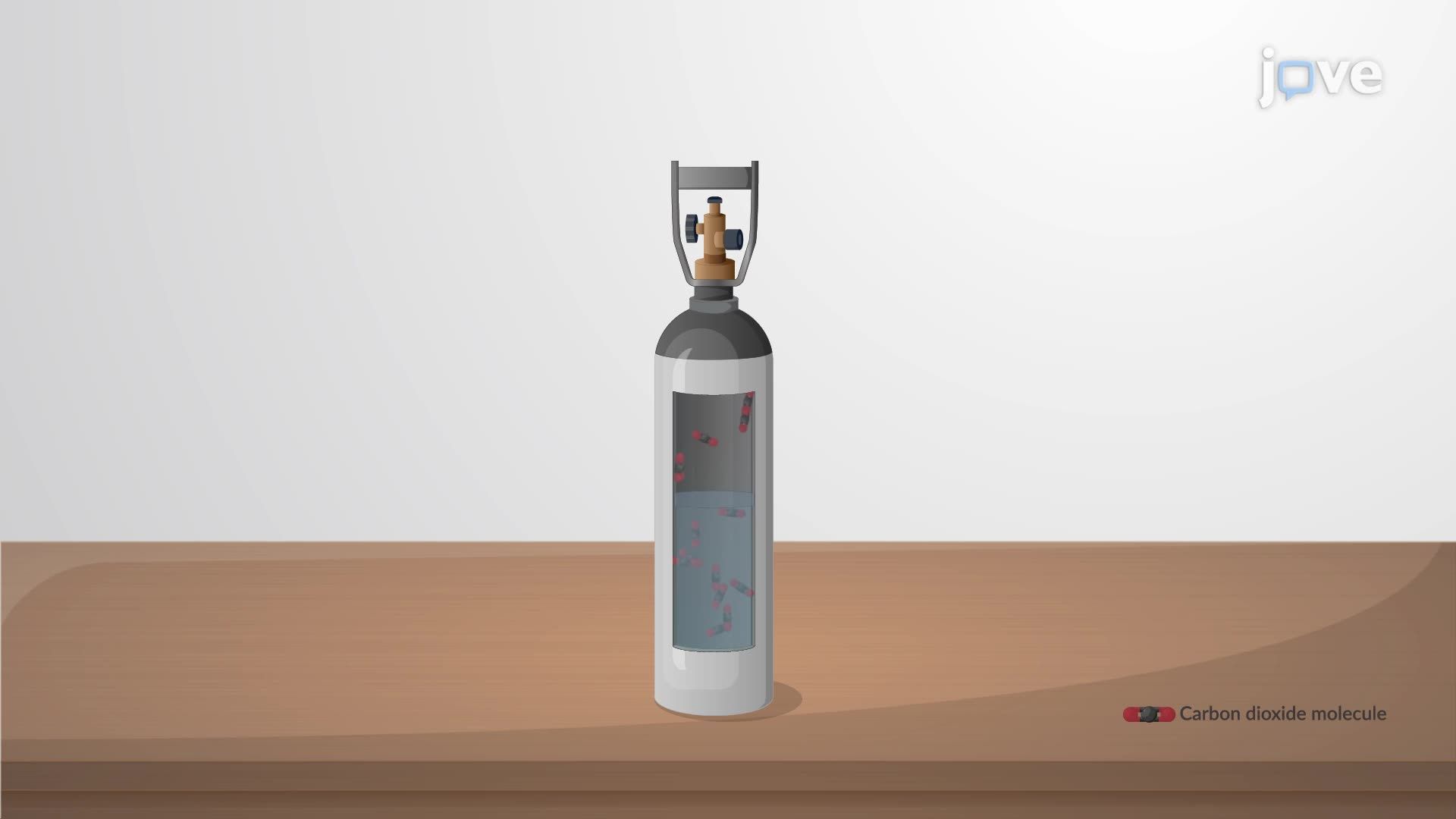
Did you know that a pressurized CO₂ fire extinguisher contains both liquid and gas at the same time, yet it's still chemically pure? That's the power of understanding a single-component system. A single-component system basics reveal how one pure substance like water can exist across multiple physical states depending on temperature and pressure. The phase rule determines how many variables must be fixed to fully describe such a system. Watch the full video on JoVE Coach to master this concept with expert-led visuals and step-by-step explanations.
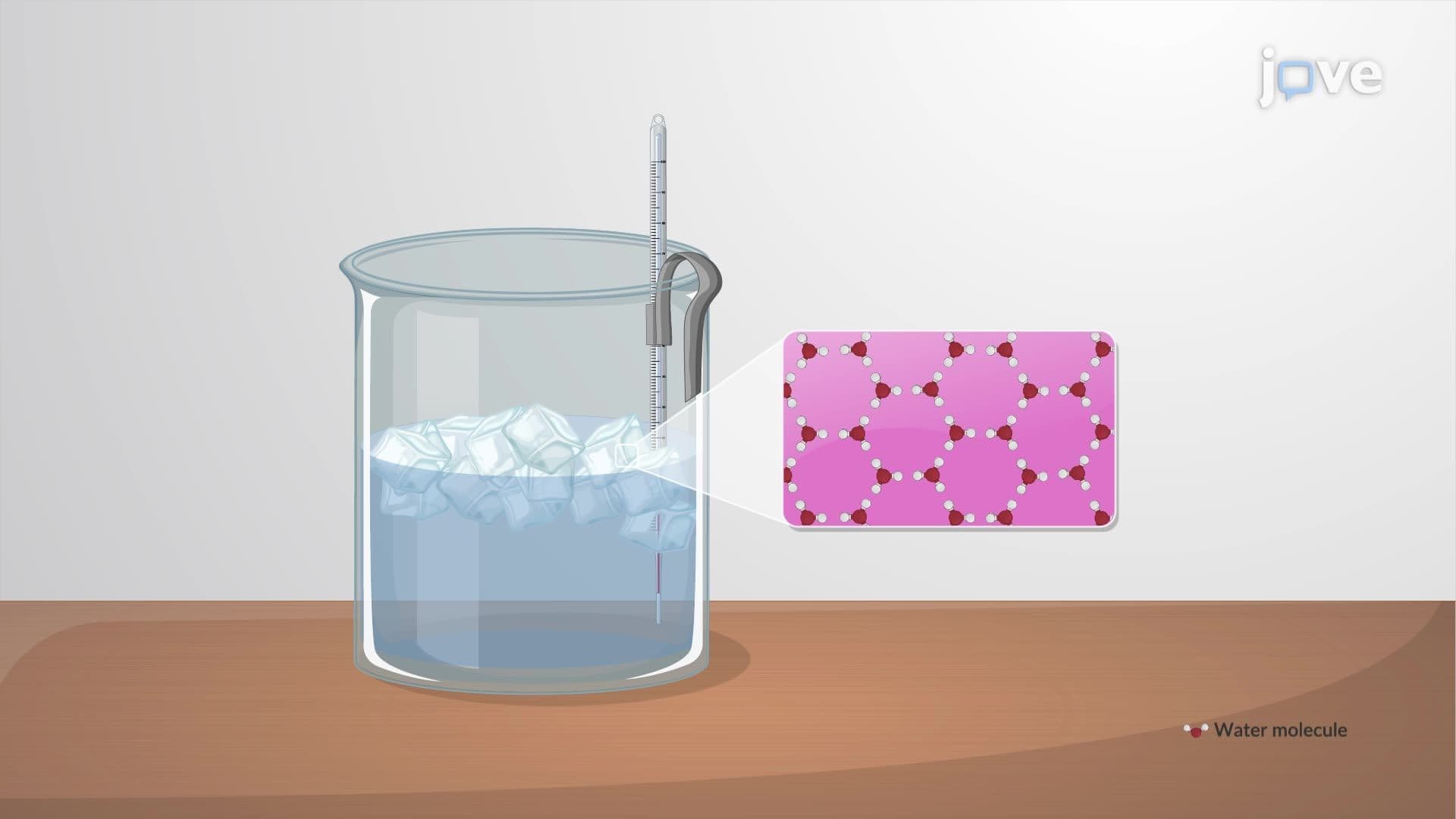
A single-component system is a chemically homogeneous system consisting of one pure substance that can exist in one or more physical phases simultaneously. The "component" here refers to a chemical species with definite and consistent properties, think pure water (H₂O), carbon dioxide (CO₂), or even elemental iron. What makes this concept so powerful is that even a single pure substance can behave in dramatically different ways depending on the surrounding conditions of temperature, pressure, and volume.
A phase is defined as a region of matter with a uniform chemical composition and a consistent physical state. In a single-component system, the common phases are solid, liquid, and gas, though some substances like carbon also have distinct solid phases (graphite vs. diamond). A phase transition occurs when energy input or pressure change causes matter to shift from one phase to another. Familiar US examples include:
Understanding these transitions is essential for AP Chemistry and college-level physical chemistry courses.
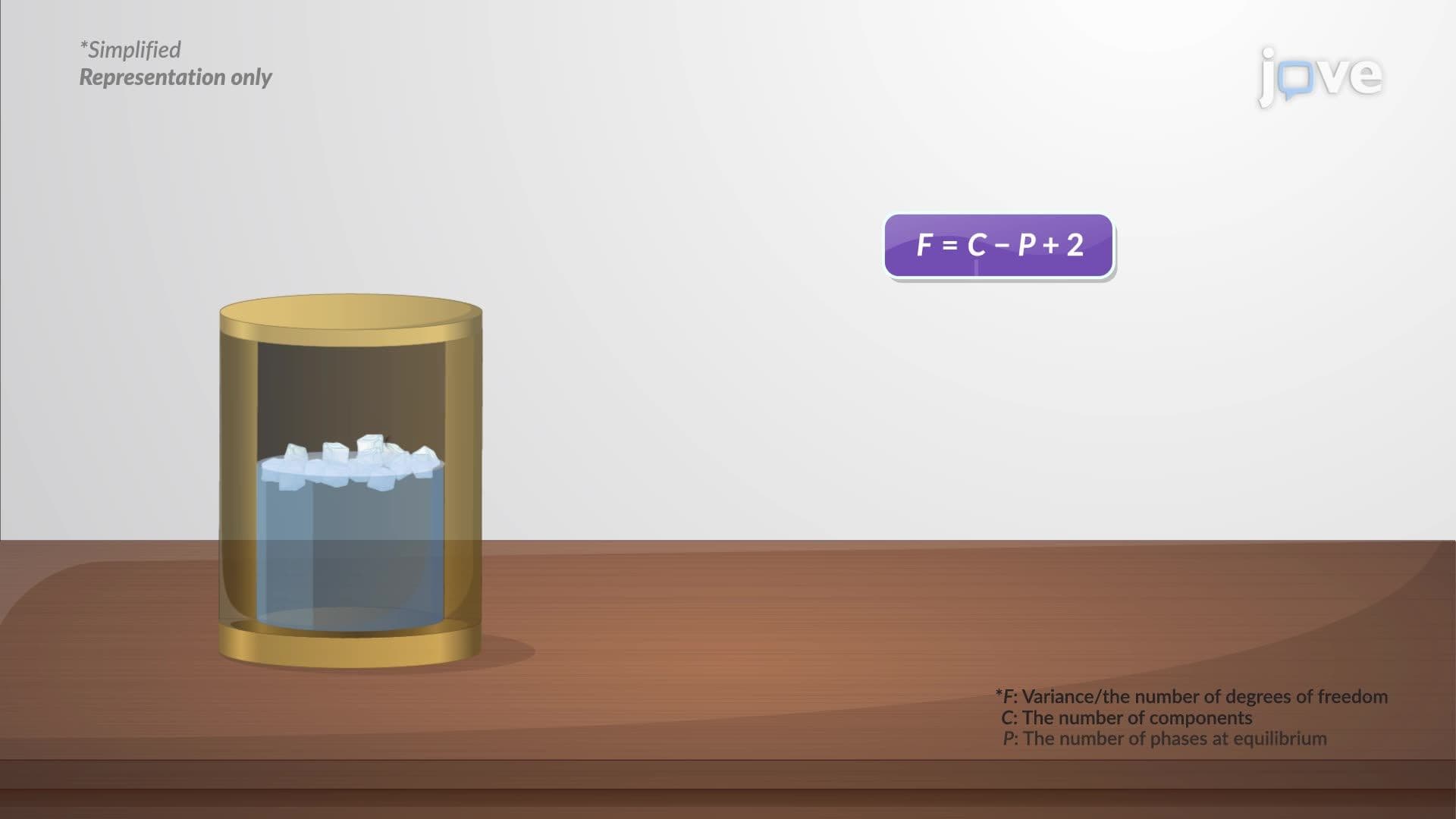
The phase rule, developed by J. Willard Gibbs, provides the mathematical relationship between the number of phases, components, and degrees of freedom (F) in a system:
F = C − P + 2
Where C is the number of components, P is the number of phases, and 2 accounts for temperature and pressure as the two intensive variables. For a single-component system (C = 1):
This framework appears frequently on the MCAT and in AP Chemistry free-response questions.
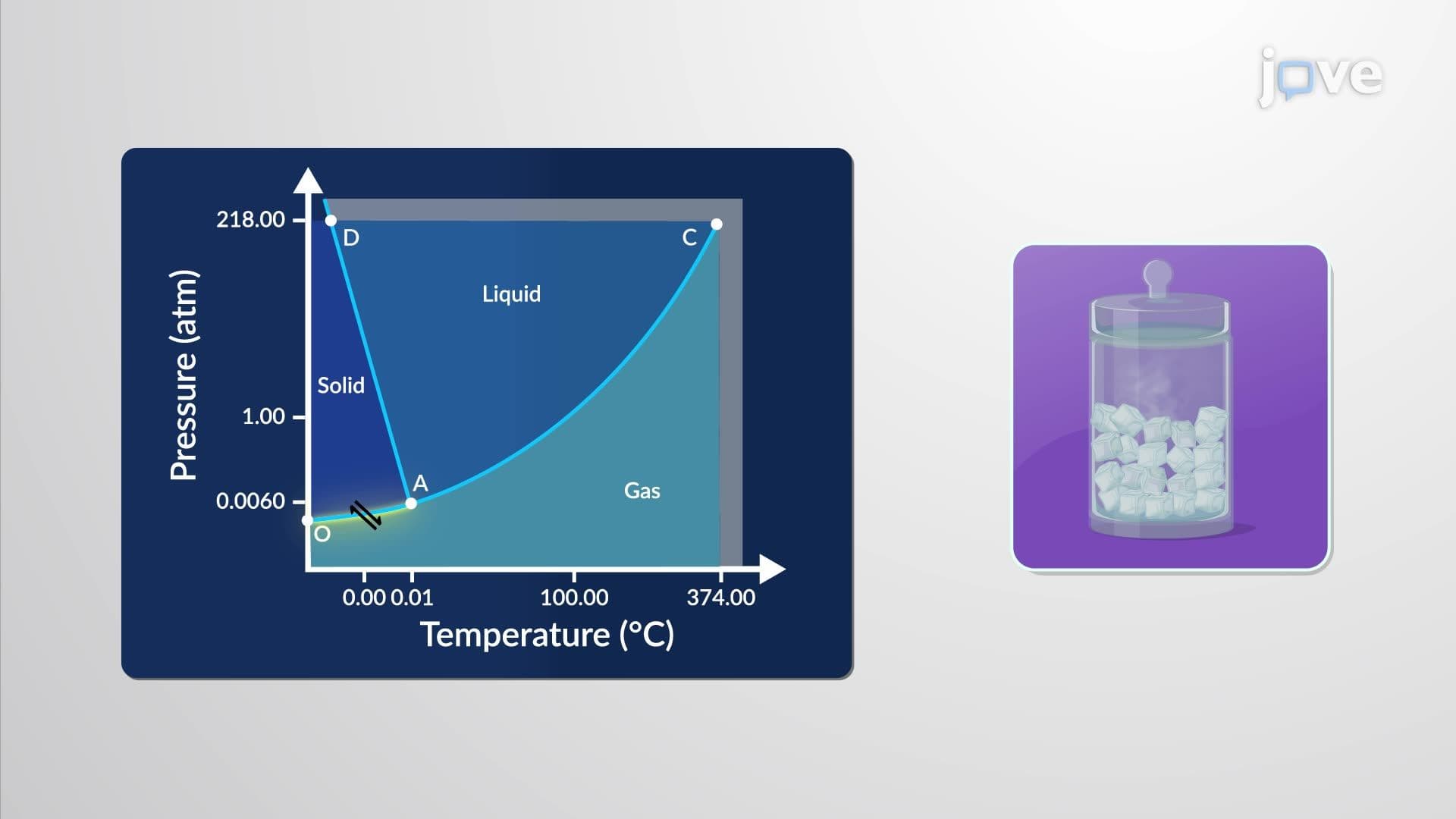
A phase diagram maps the stable phases of a substance across a range of temperatures and pressures. Two critical landmarks appear on every single-component phase diagram:
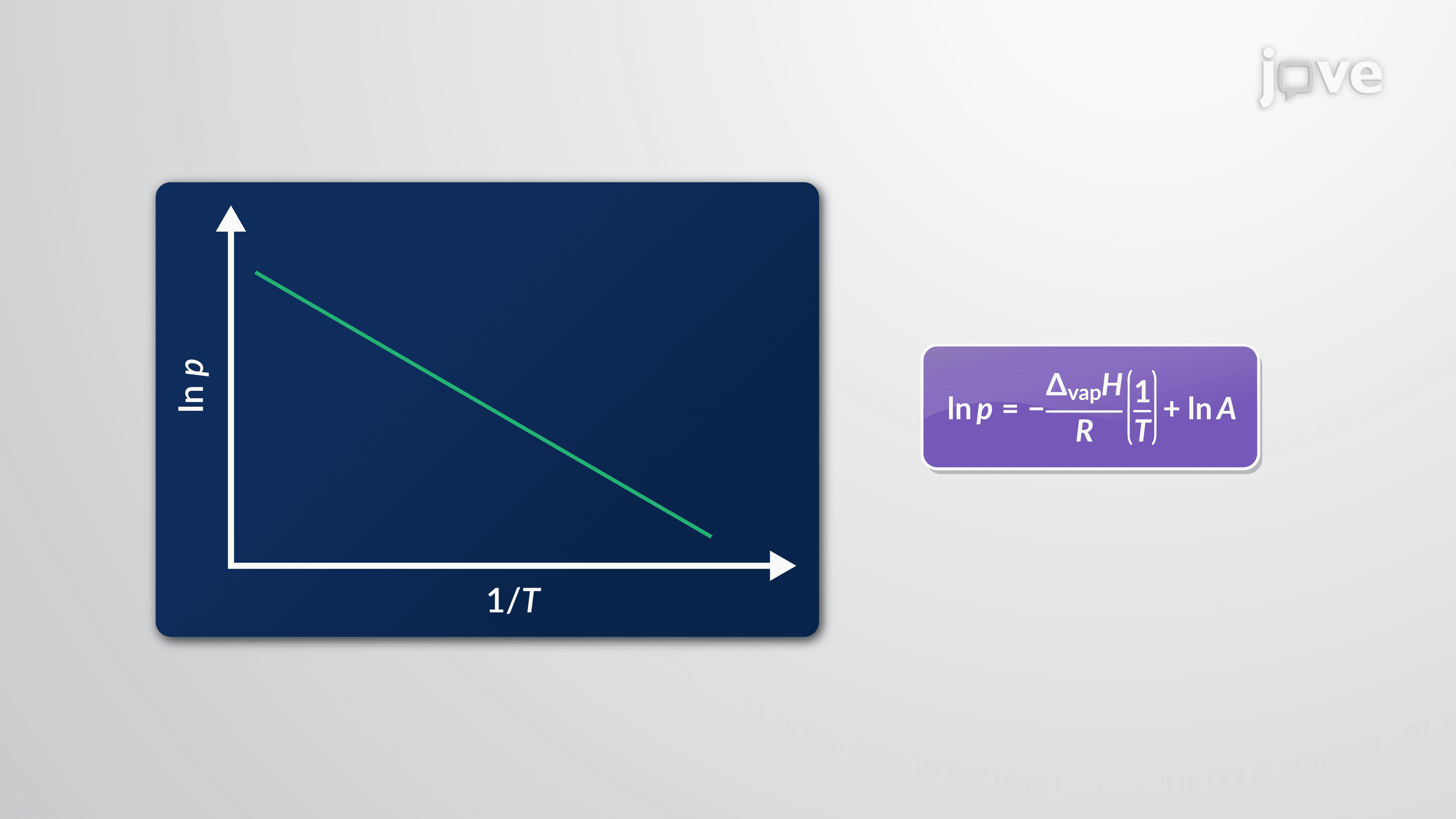
The Clausius-Clapeyron equation quantifies how vapor pressure changes with temperature along the liquid-gas boundary:
ln(P2 / P1) = −(ΔH(vap) / R) × (1/T2 − 1/T1)
Here, ΔH(vap) is the enthalpy of vaporization, R is the gas constant, and T1, T2 are temperatures in Kelvin. This equation is a staple of college general chemistry and physical chemistry exams, and understanding it deeply connects vapor pressure, boiling point, and phase transitions in a single-component system into one unified framework.
Related Micro-courses