Loading video…

 6 Concepts
 1.1K views

Video Summary: Thermodynamic Properties of Ideal Solutions Explained
Why does saltwater boil at a higher temperature than pure water? The answer lies in the thermodynamic properties of ideal solutions. Understanding thermodynamic properties of ideal solutions basics reveals how Raoult's Law governs vapor pressure, and how mixing components changes Gibbs free energy and enthalpy, concepts tested in AP Chemistry and college-level thermodynamics across the US. Watch the full video on JoVE Coach to master this concept with expert-led visuals and step-by-step explanations.
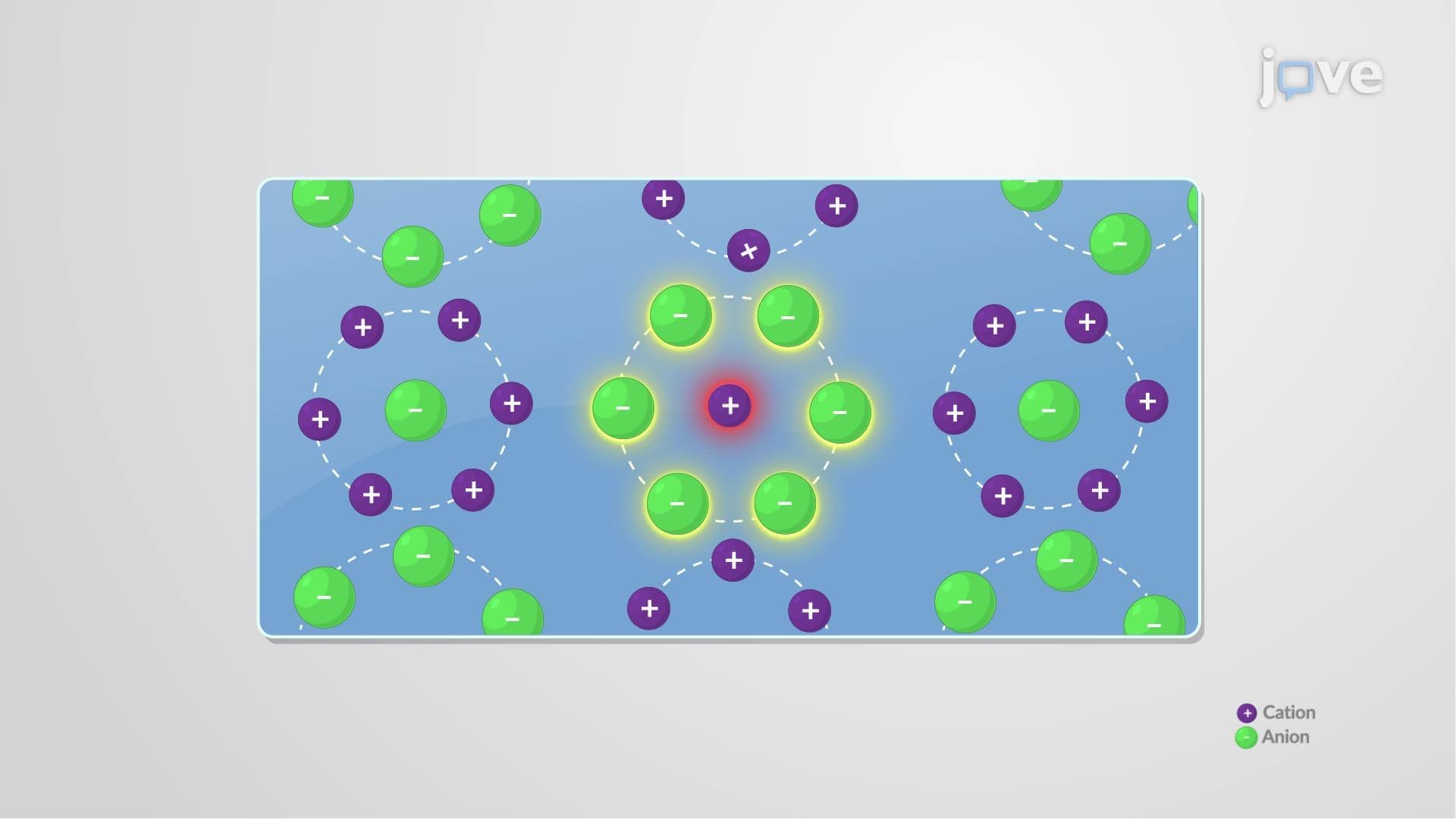
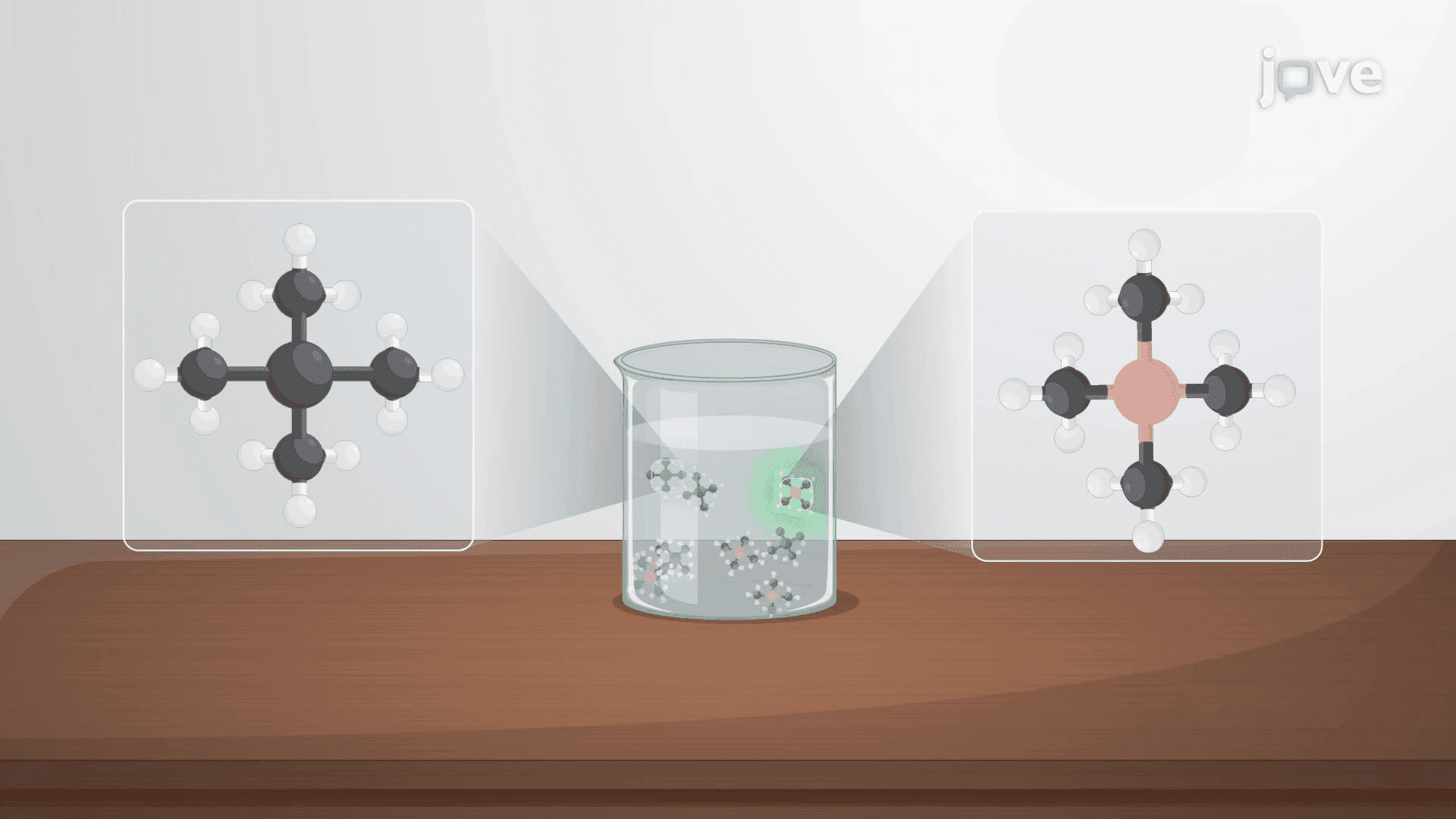
The thermodynamic properties of ideal solutions are central to understanding how and why substances behave differently in mixtures compared to their pure forms. An ideal solution is one in which every component obeys Raoult's Law across all concentrations, meaning the intermolecular forces between unlike molecules are identical to those between like molecules. While perfectly ideal solutions are theoretical, many dilute solutions closely approximate ideal behavior, making this framework enormously practical in both academic and applied chemistry.
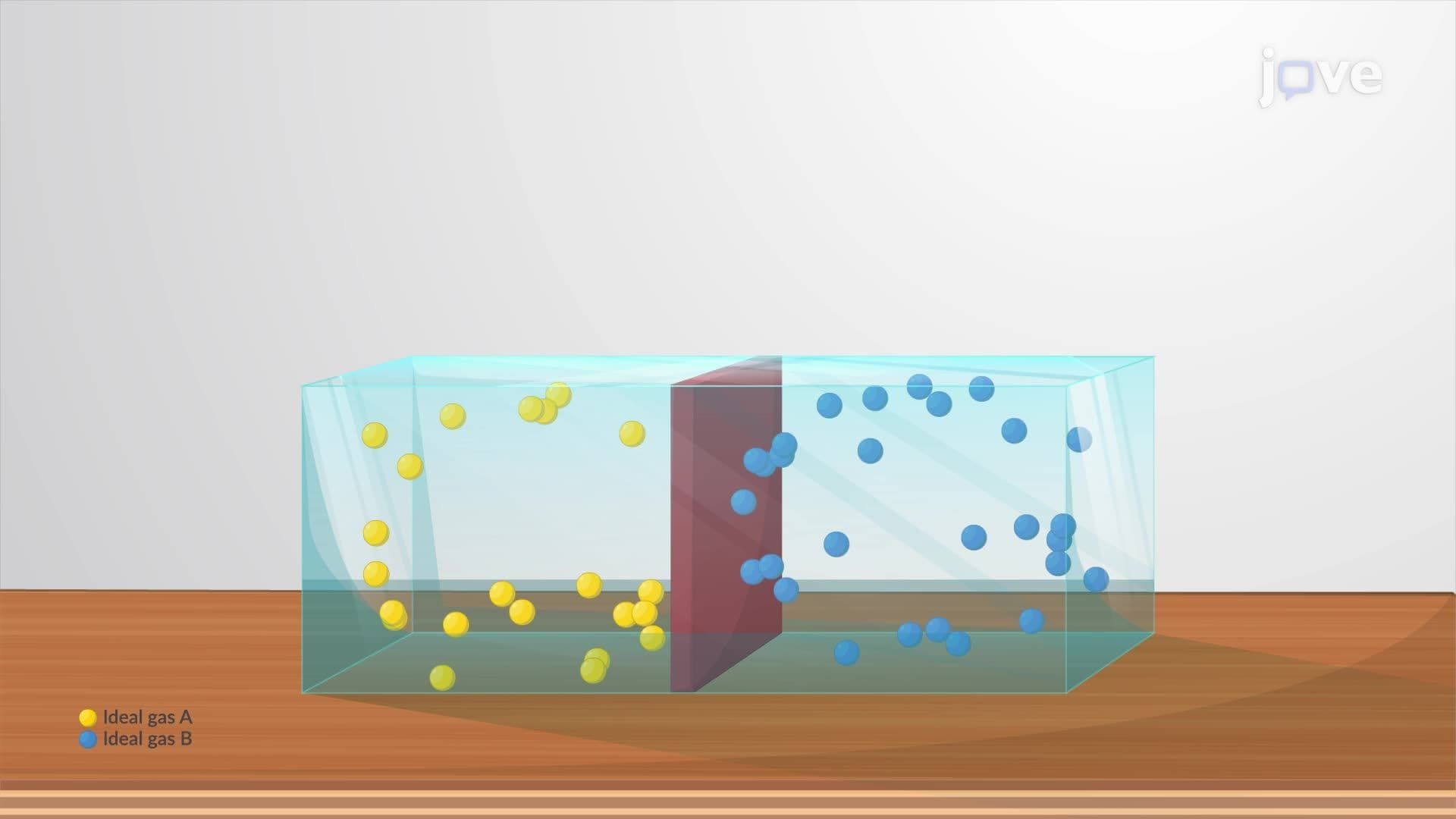
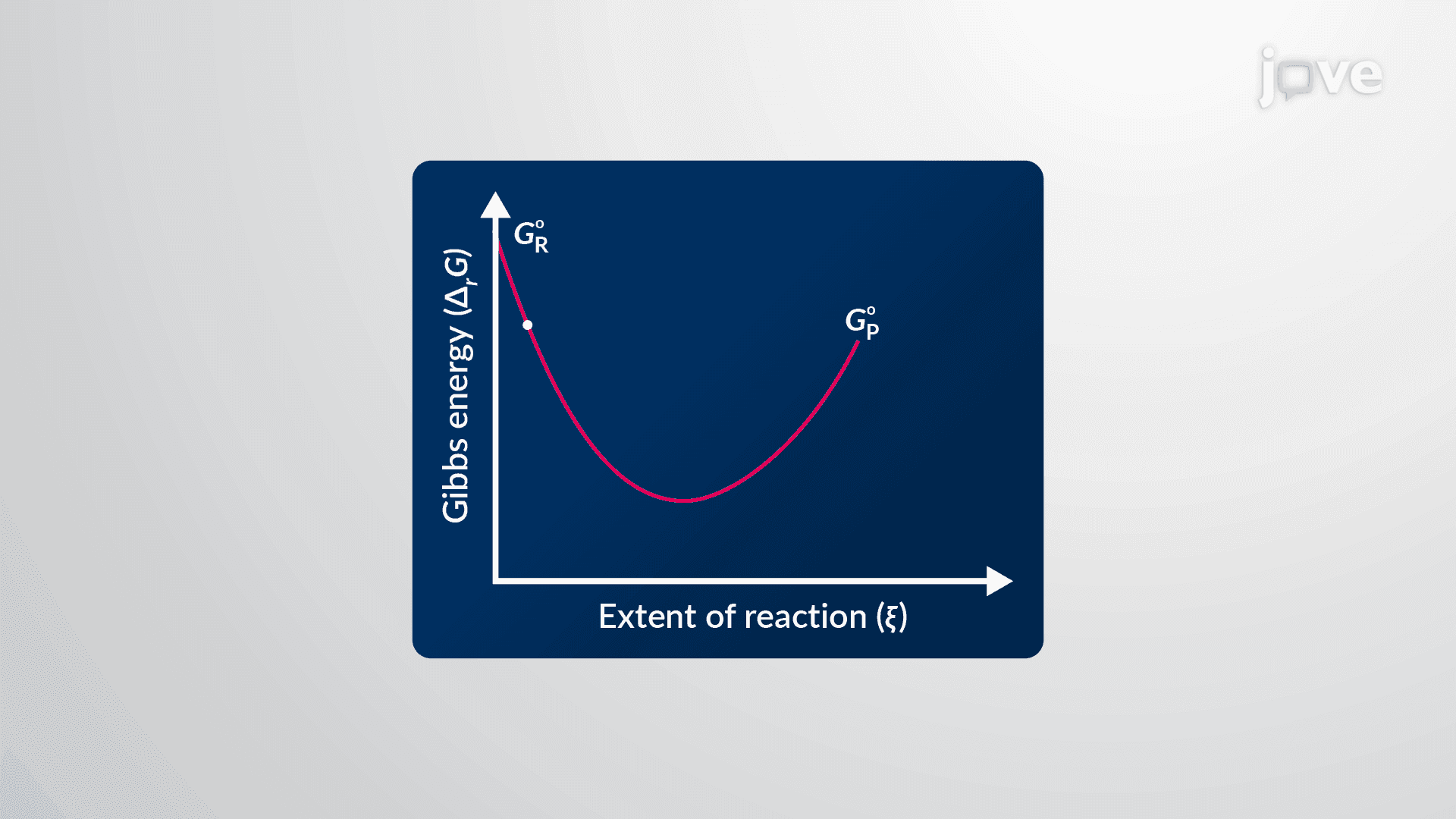
In an ideal solution, each component's standard state is defined as its pure liquid form at the same temperature and pressure as the solution. The chemical potential of a component in solution is lower than in its pure form, which is precisely why mixing is thermodynamically favorable. When two miscible liquids mix ideally, the change in Gibbs free energy of mixing (ΔG_mix) is always negative, confirming spontaneous mixing, driven entirely by an increase in entropy. Importantly, the enthalpy of mixing (ΔH_mix) equals zero and the volume change (ΔV_mix) equals zero in a perfect ideal solution, meaning no heat is released or absorbed and no volume contraction or expansion occurs.
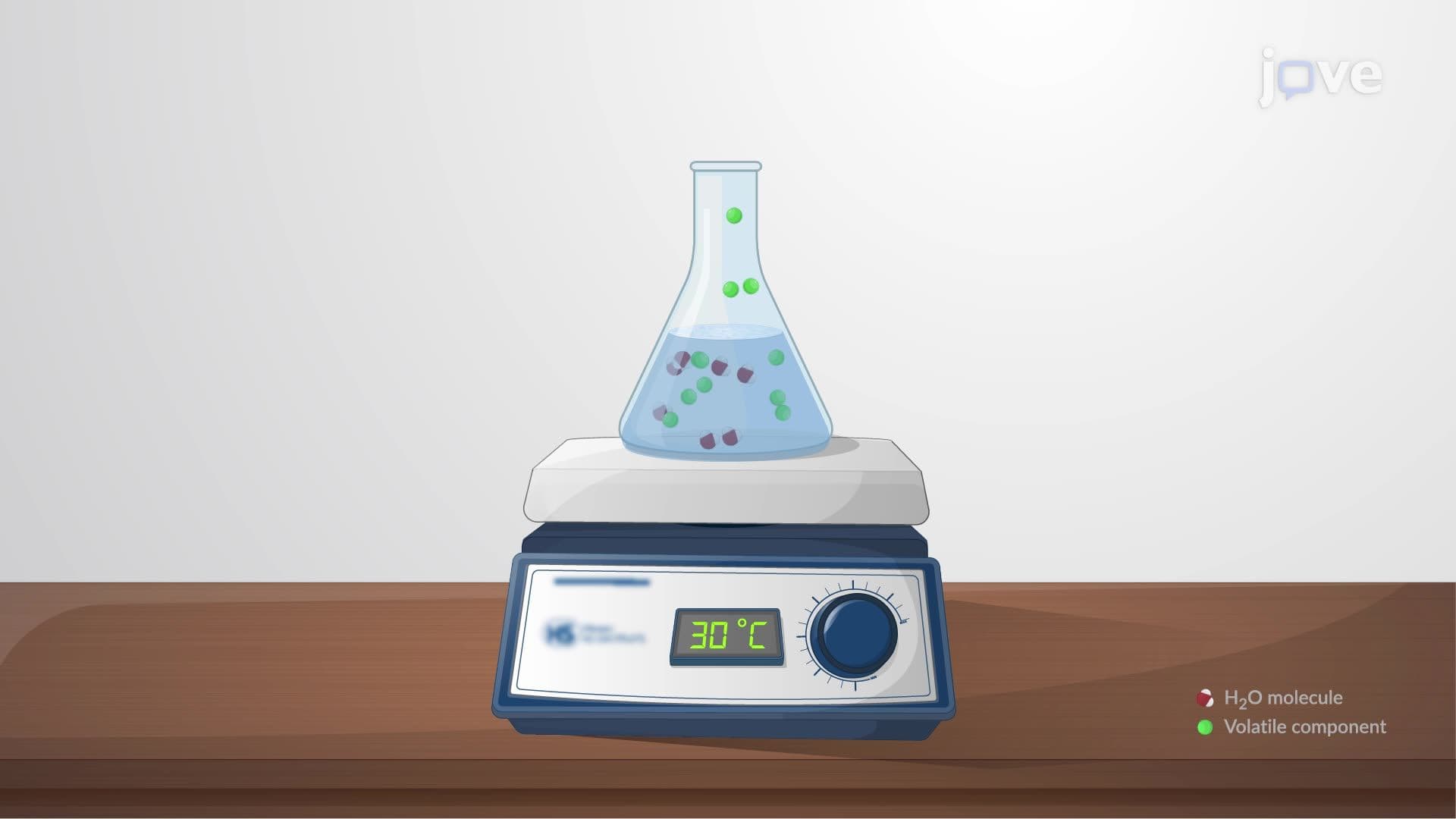
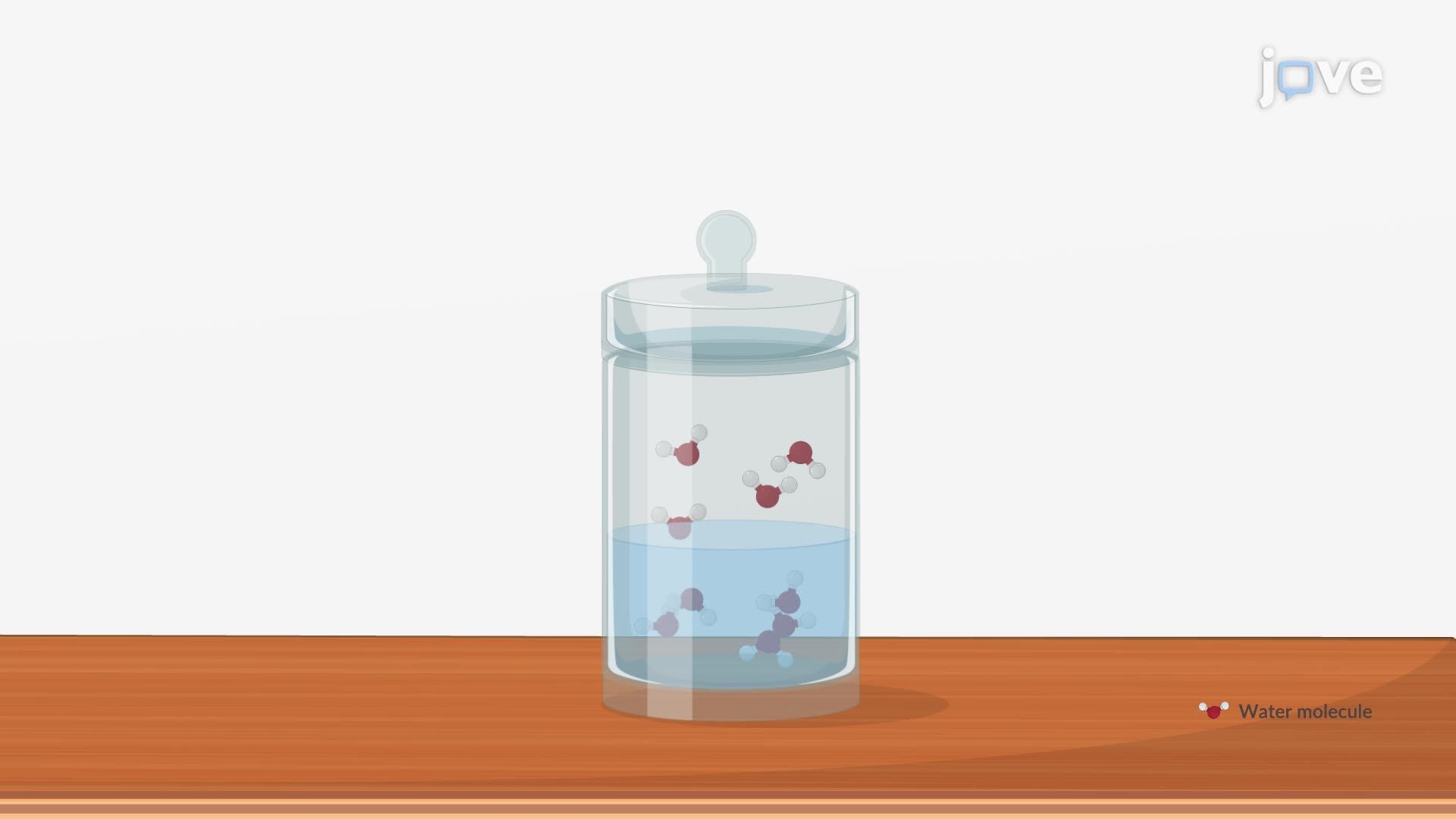
One of the most testable concepts in AP Chemistry and college physical chemistry courses is Raoult's Law: the partial pressure of a component above an ideal solution equals its mole fraction in the liquid phase multiplied by the vapor pressure of the pure substance at the same temperature. Mathematically: P(A) = x(A) × P*(A), where x(A) is the mole fraction of component A and P*(A) is the pure vapor pressure. The total vapor pressure is the sum of all partial pressures. This explains vapor pressure lowering, adding a non-volatile solute (like sugar dissolved in water) reduces the solution's vapor pressure below that of pure water, a phenomenon observed in everyday US food production and pharmaceutical compounding.
Colligative properties depend only on the number of solute particles, not their identity. The four key colligative properties are vapor pressure lowering, boiling point elevation, freezing point depression, and osmotic pressure. For example, road salt (calcium chloride) applied on icy US highways lowers the freezing point of water, a direct application of freezing point depression. Each property can be quantified using straightforward formulas: ΔT(b) = K(b) × m for boiling point elevation and ΔT(f) = K(f) × m for freezing point depression, where m is molality and K values are solvent-specific constants.
For electrolytes, the van't Hoff factor (i) accounts for the dissociation of ions in solution. For instance, NaCl dissociates into two ions, so i ≈ 2. The modified equation becomes ΔT(f) = i × K(f) × m. Colligative properties, particularly osmotic pressure, are also used to determine molar mass of unknown solutes, a technique common in biochemistry labs at US universities and relevant on the MCAT.
Related Micro-courses