Loading video…

 14 Concepts
 3.1K views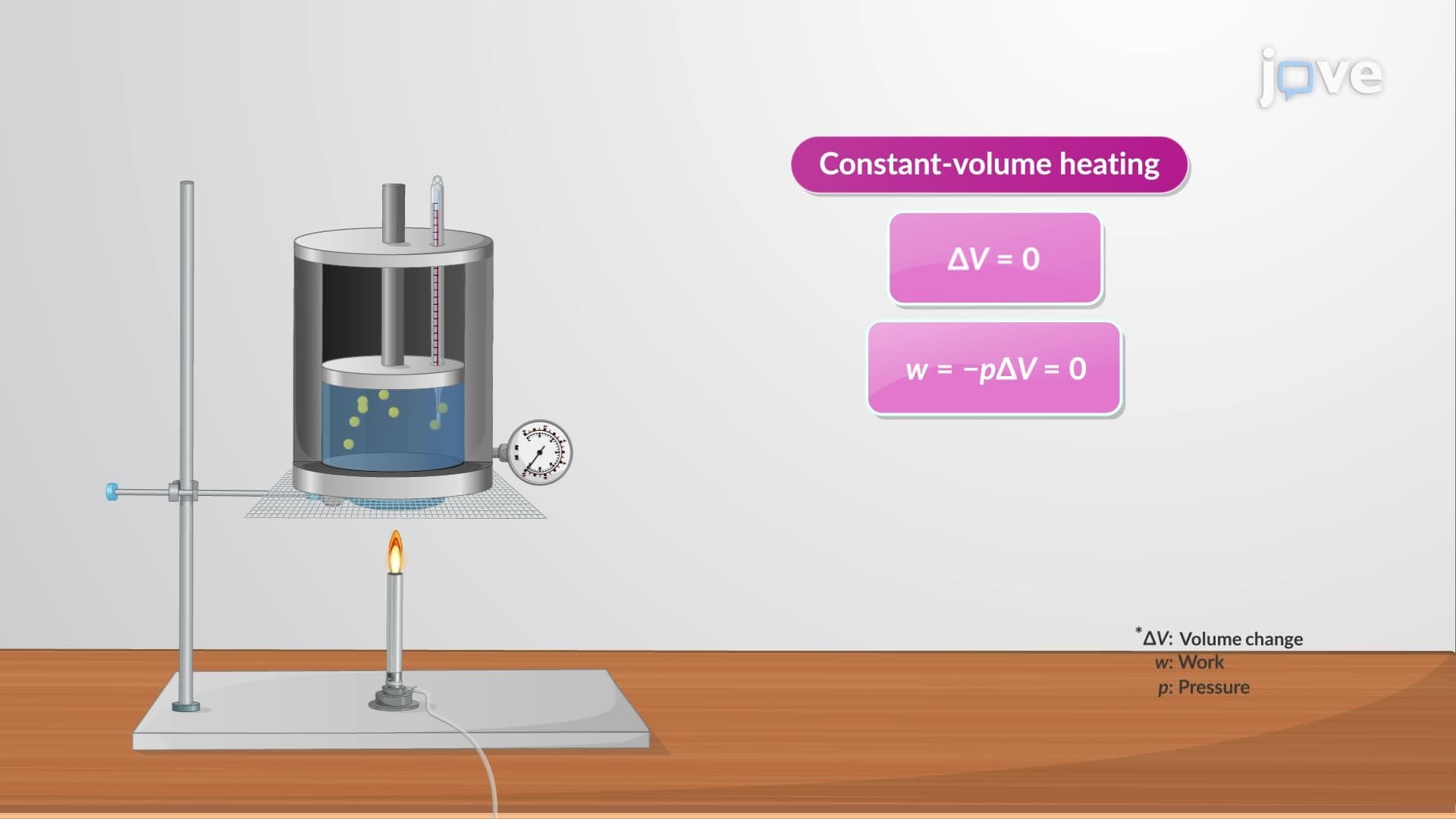

Video Summary: First Law Quantities I Calculation
Did you know that melting ice in your freezer and boiling water on your stove both follow the same thermodynamic rules? First Law Quantities I Calculation is the framework that connects heat, work, and energy changes across physical processes. From phase changes at constant pressure to heating at constant volume, these calculations appear in real US chemistry labs and AP exam problems. Watch the full video on JoVE Coach to master this concept with expert-led visuals and step-by-step explanations.
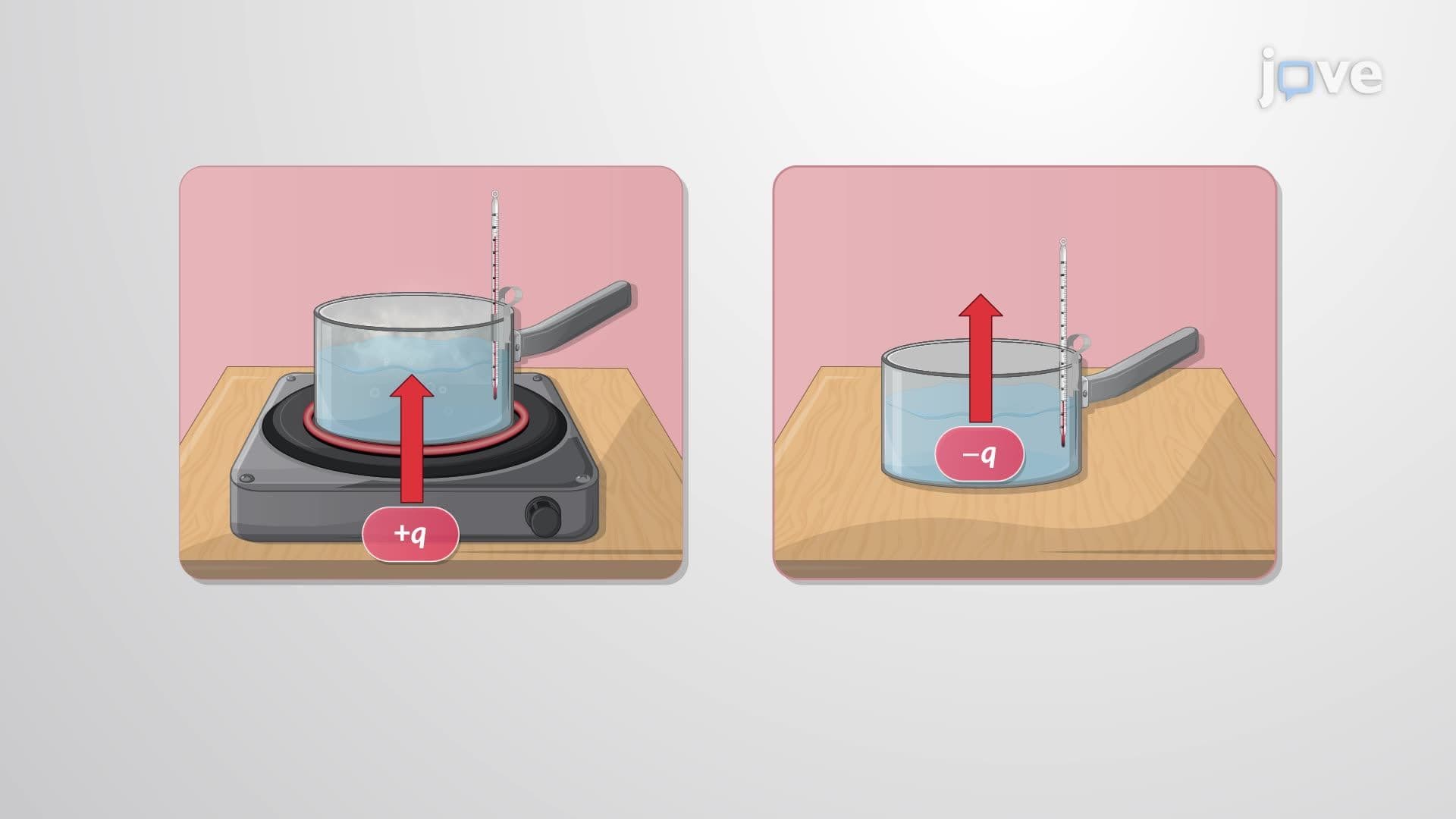
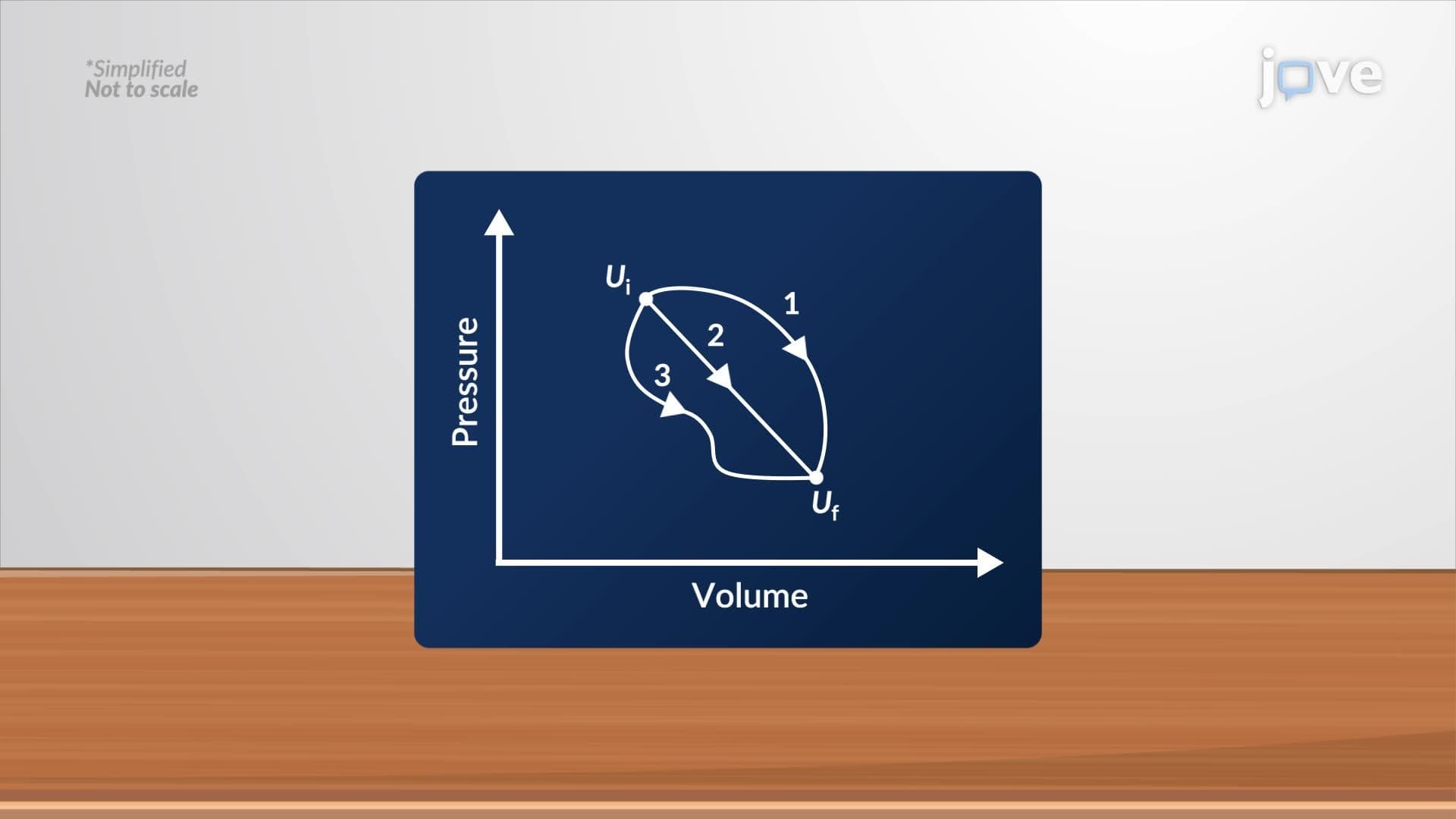
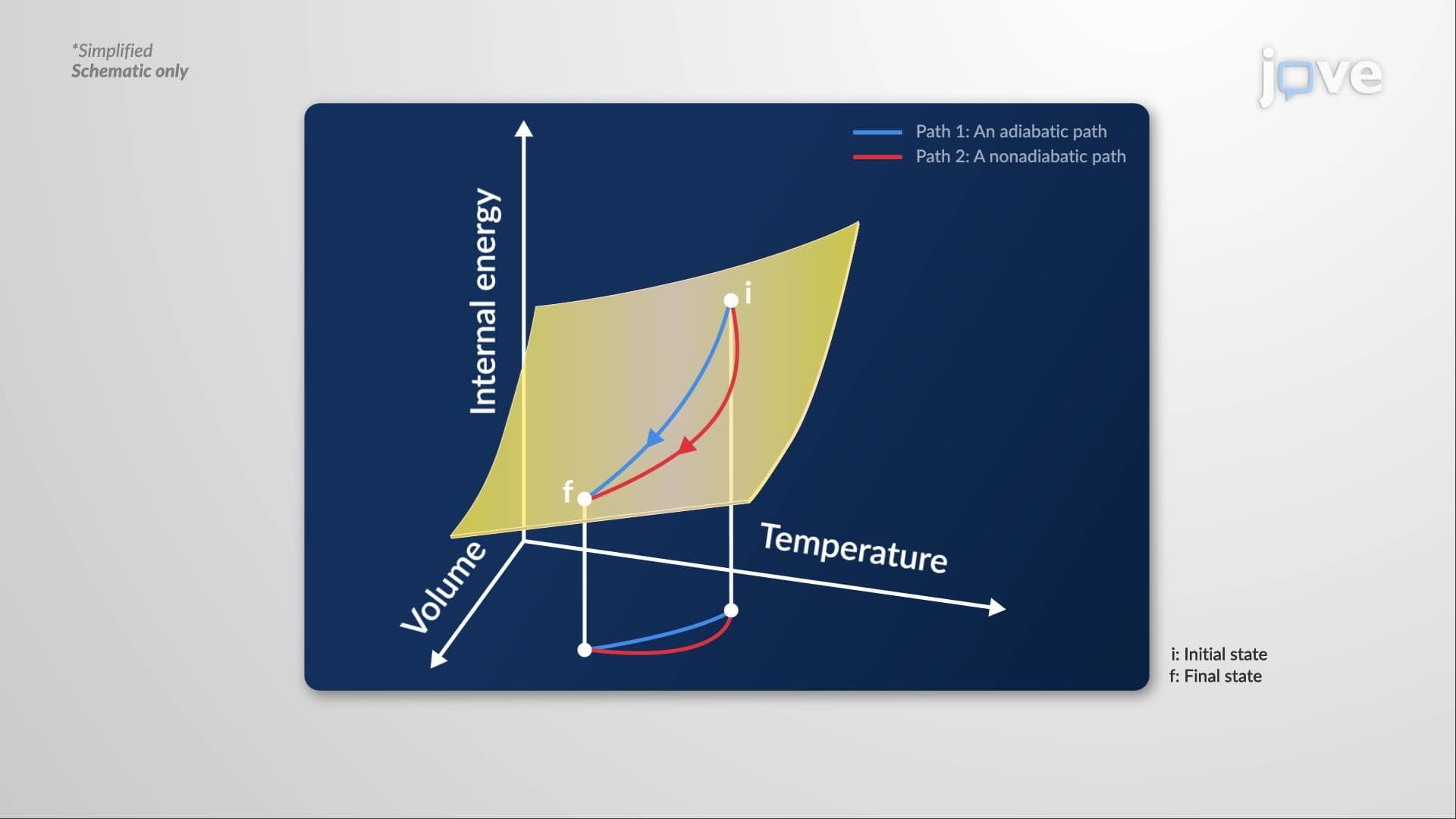
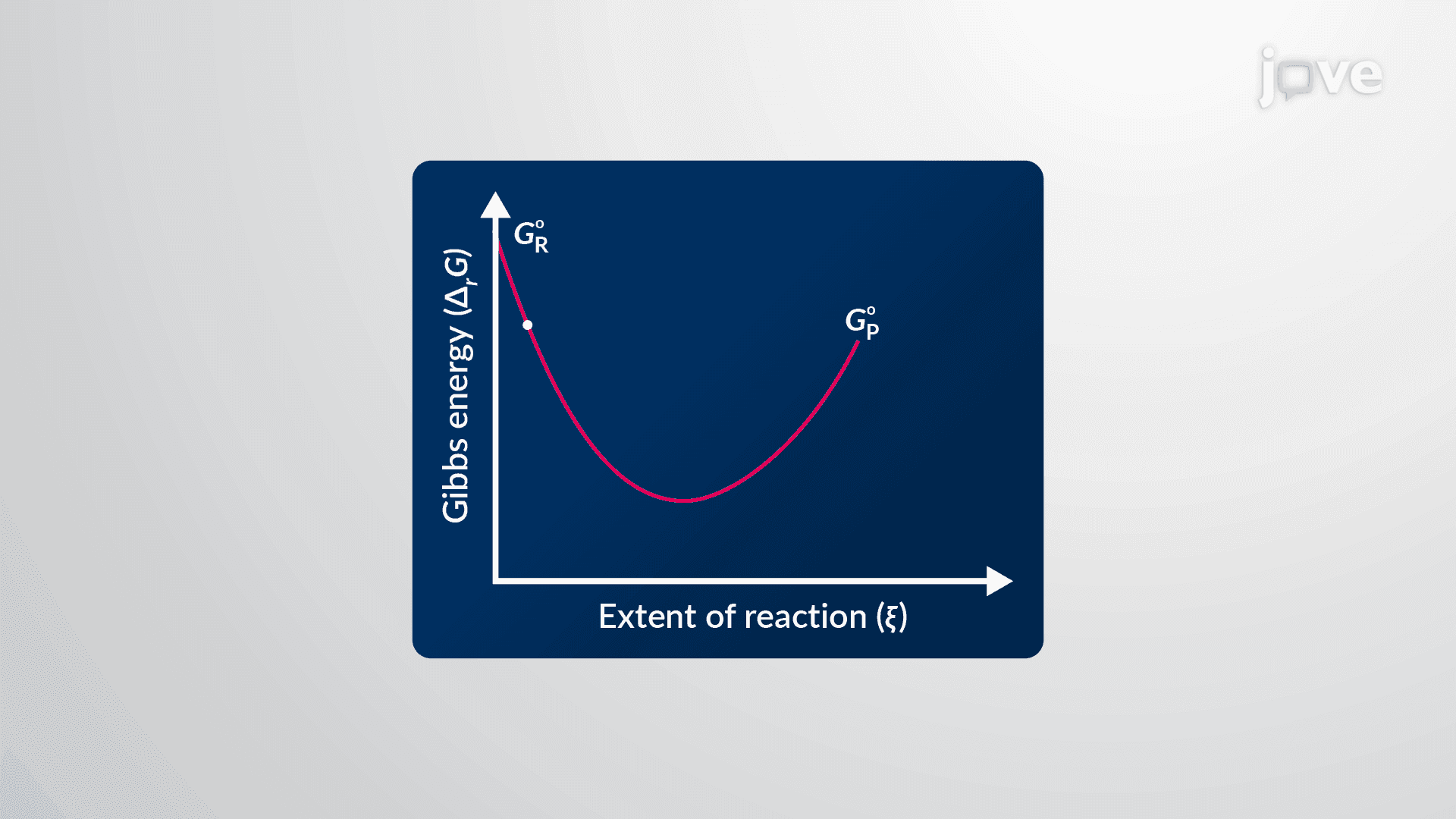
The First Law of Thermodynamics states that energy is conserved, it can neither be created nor destroyed, only transferred or converted. First Law Quantities I Calculation puts this principle into practice by defining precise mathematical relationships among internal energy (U), heat (q), and work (w): ΔU = q + w. This equation is the backbone of thermochemistry and appears on AP Chemistry exams, college general chemistry midterms, and the MCAT. Mastering it means being able to predict how energy moves during physical changes, from the phase transitions inside a pharmaceutical manufacturing plant in New Jersey to the steam cycle inside a power plant in Texas.
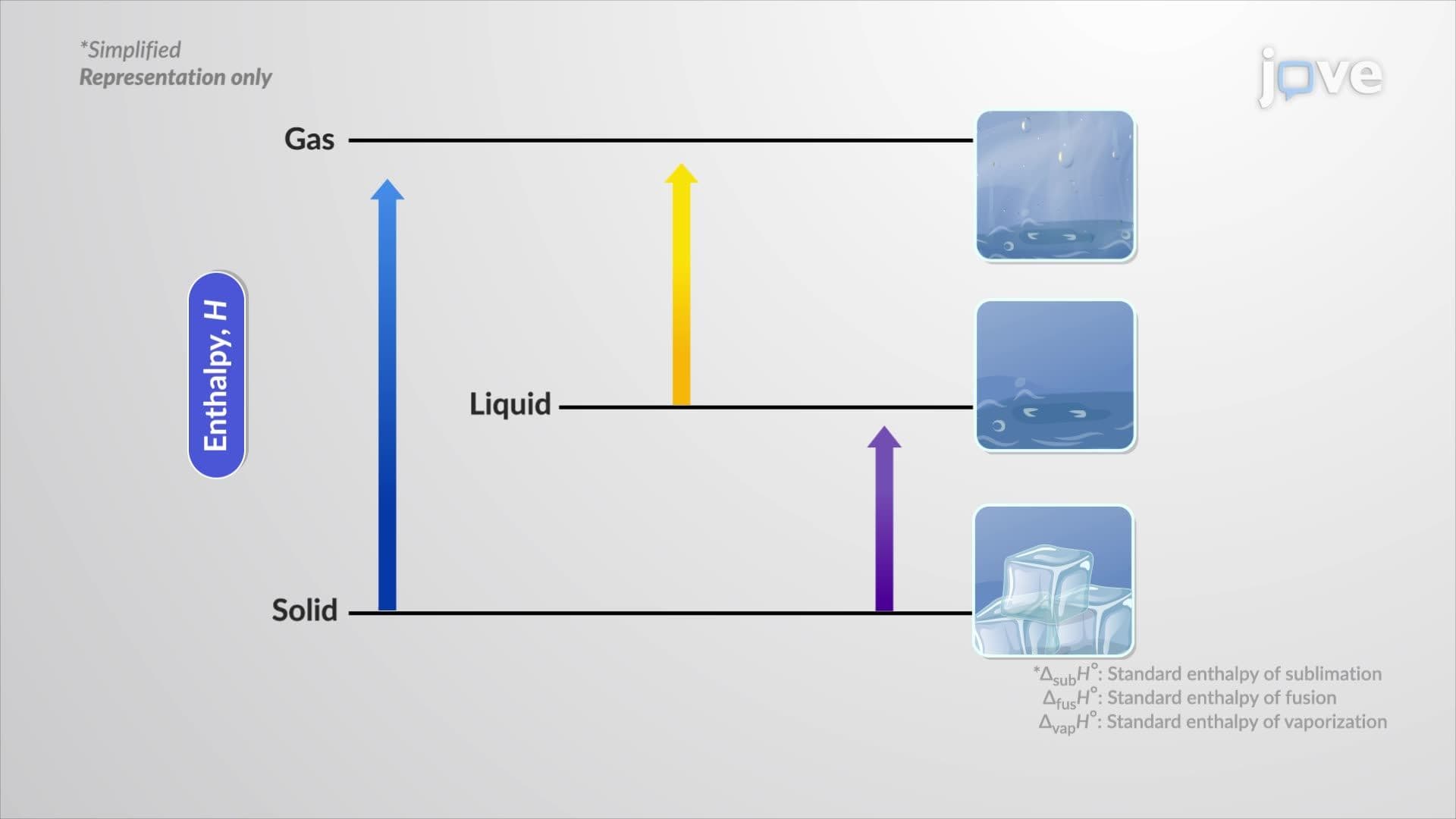
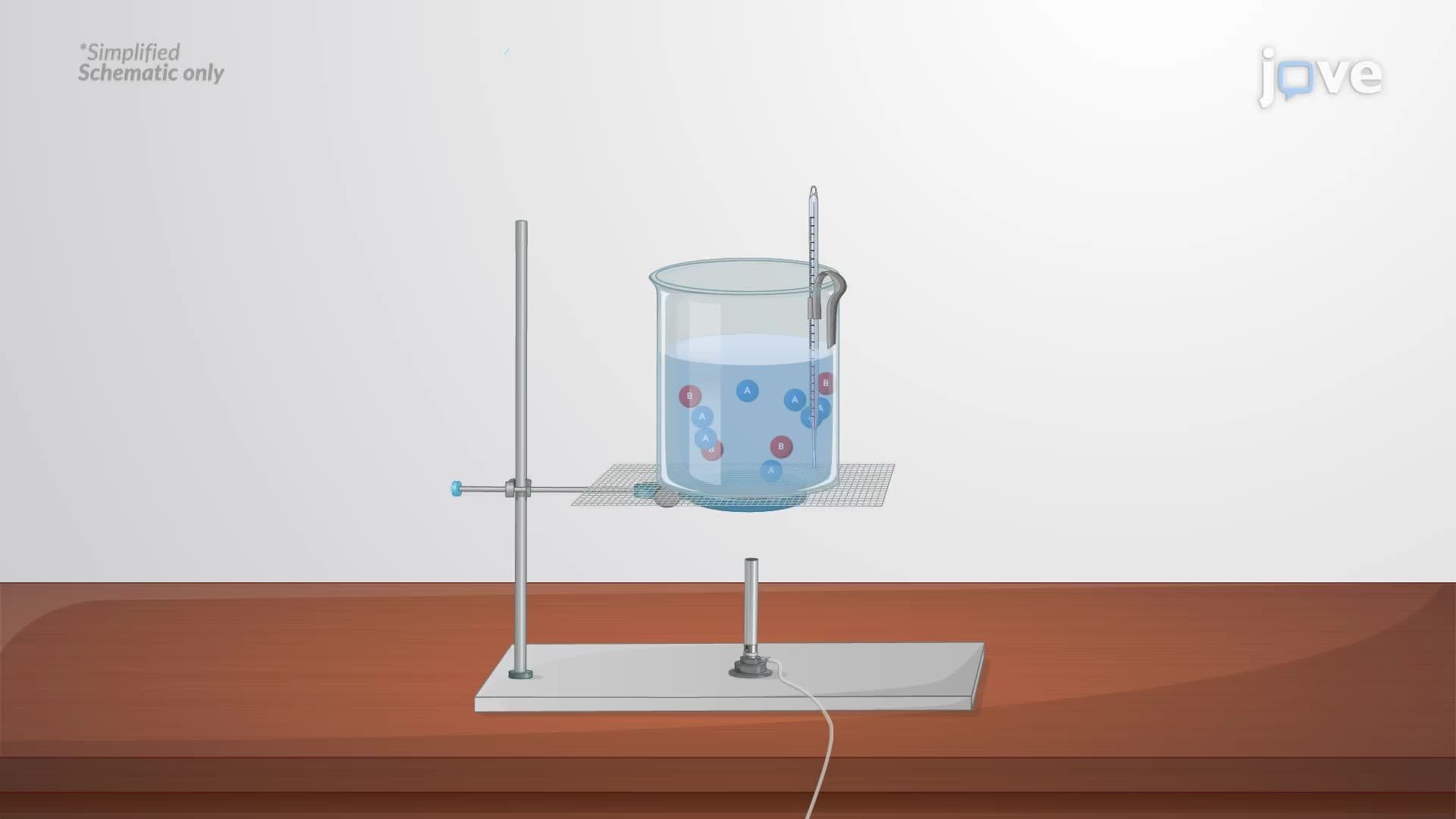
When a substance changes phase, say, water freezing into ice or liquid nitrogen vaporizing in a laboratory, the process occurs at constant temperature and pressure. The energy exchanged is called the latent heat of transition. During this process, the work done is simply w = −P ΔV, where P is the external pressure and ΔV is the volume change between phases. Because pressure is constant, the enthalpy change (ΔH) equals the heat exchanged (q). The internal energy change is then calculated as ΔU = ΔH − P ΔV. This distinction between ΔH and ΔU is a classic AP Chemistry free-response topic and frequently tested on the MCAT in the context of phase diagrams.
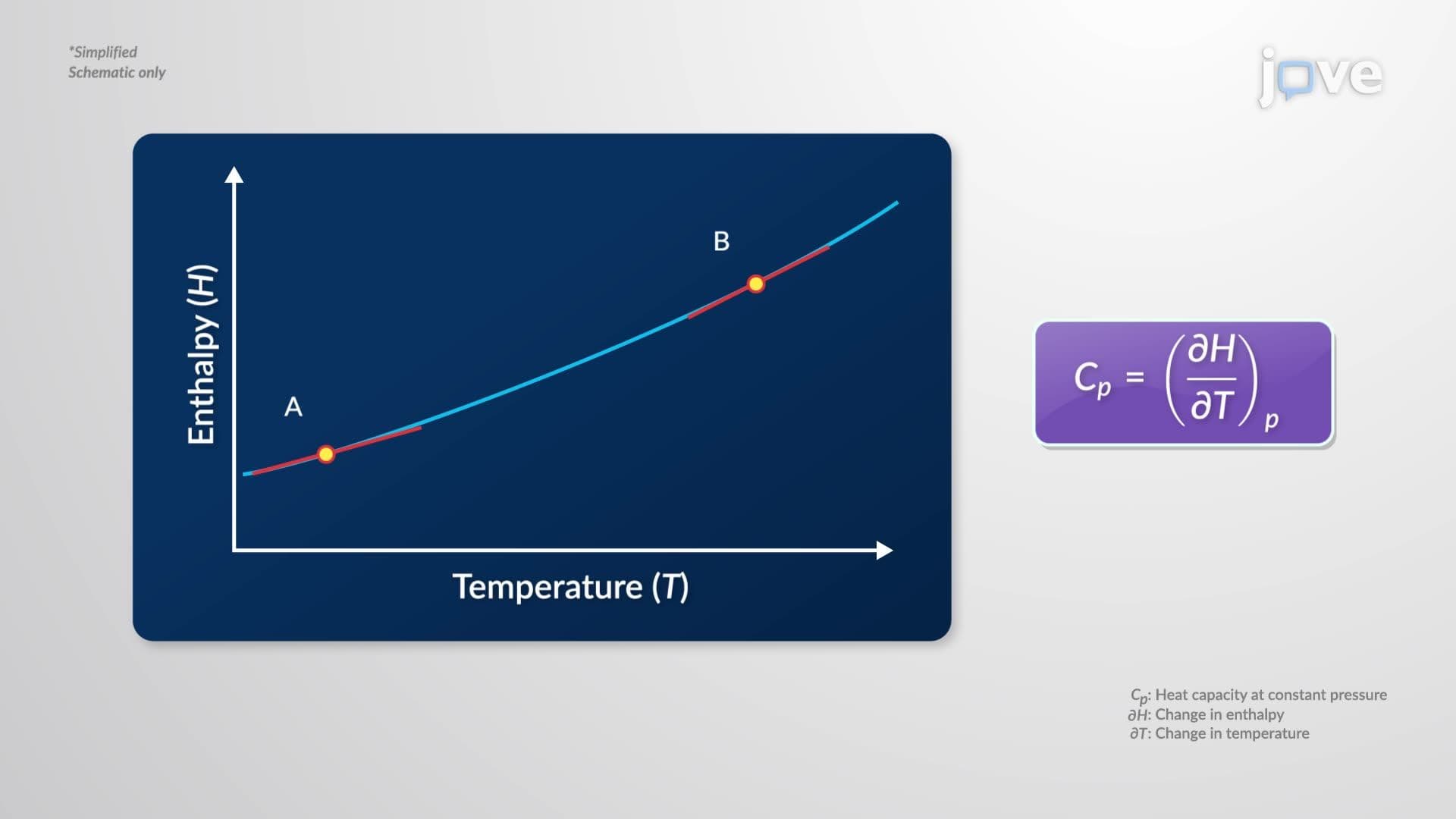
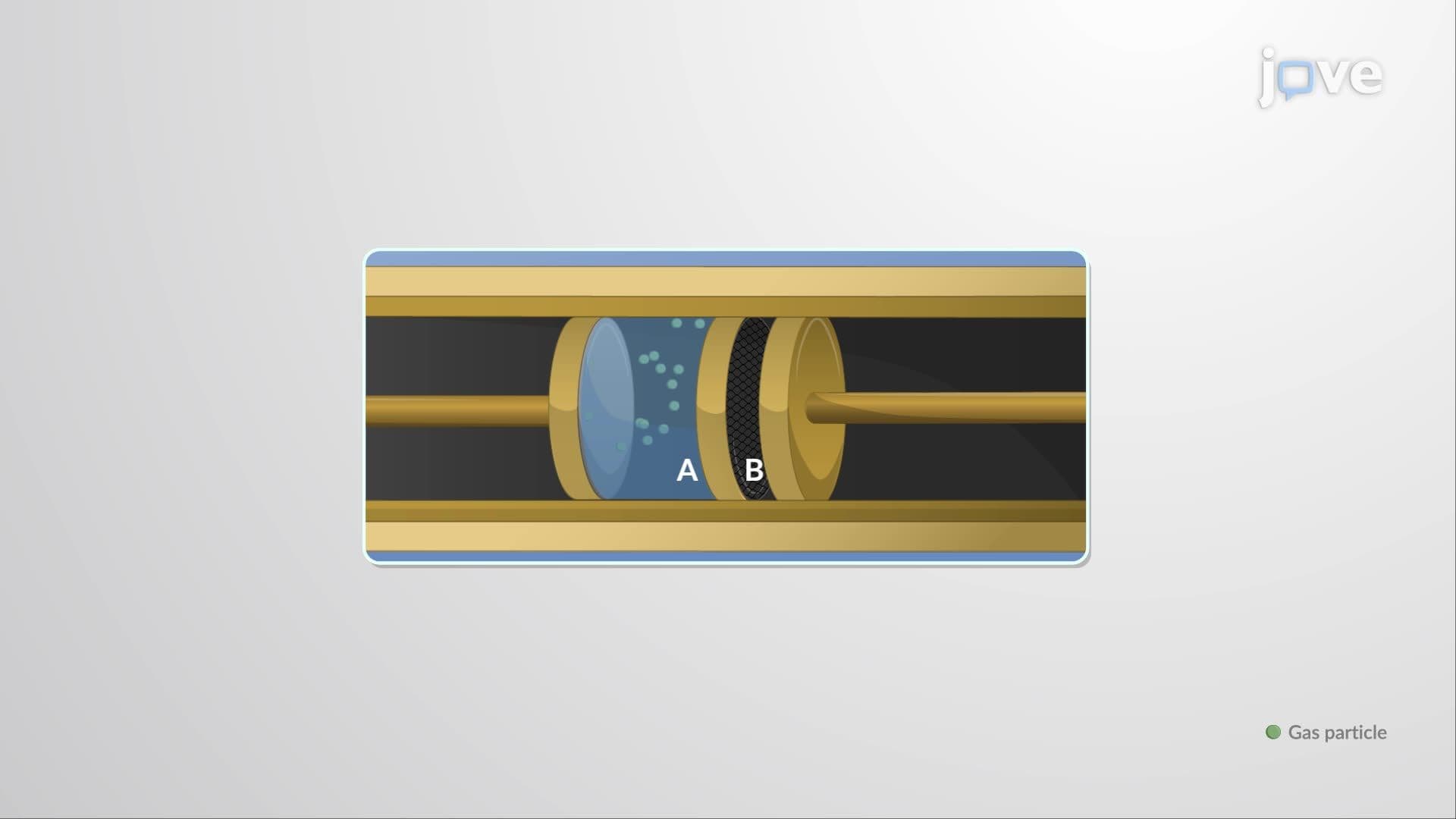
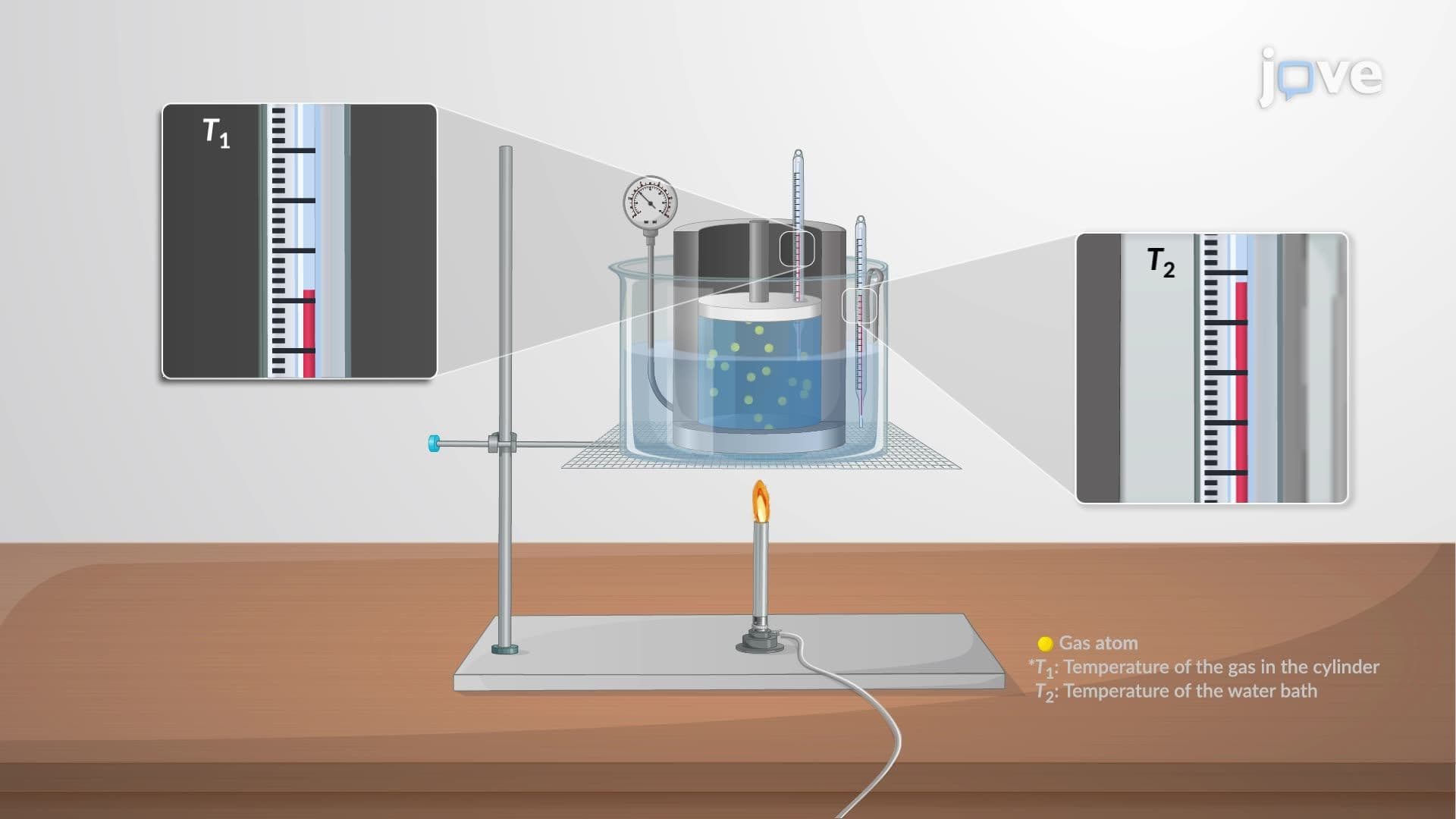
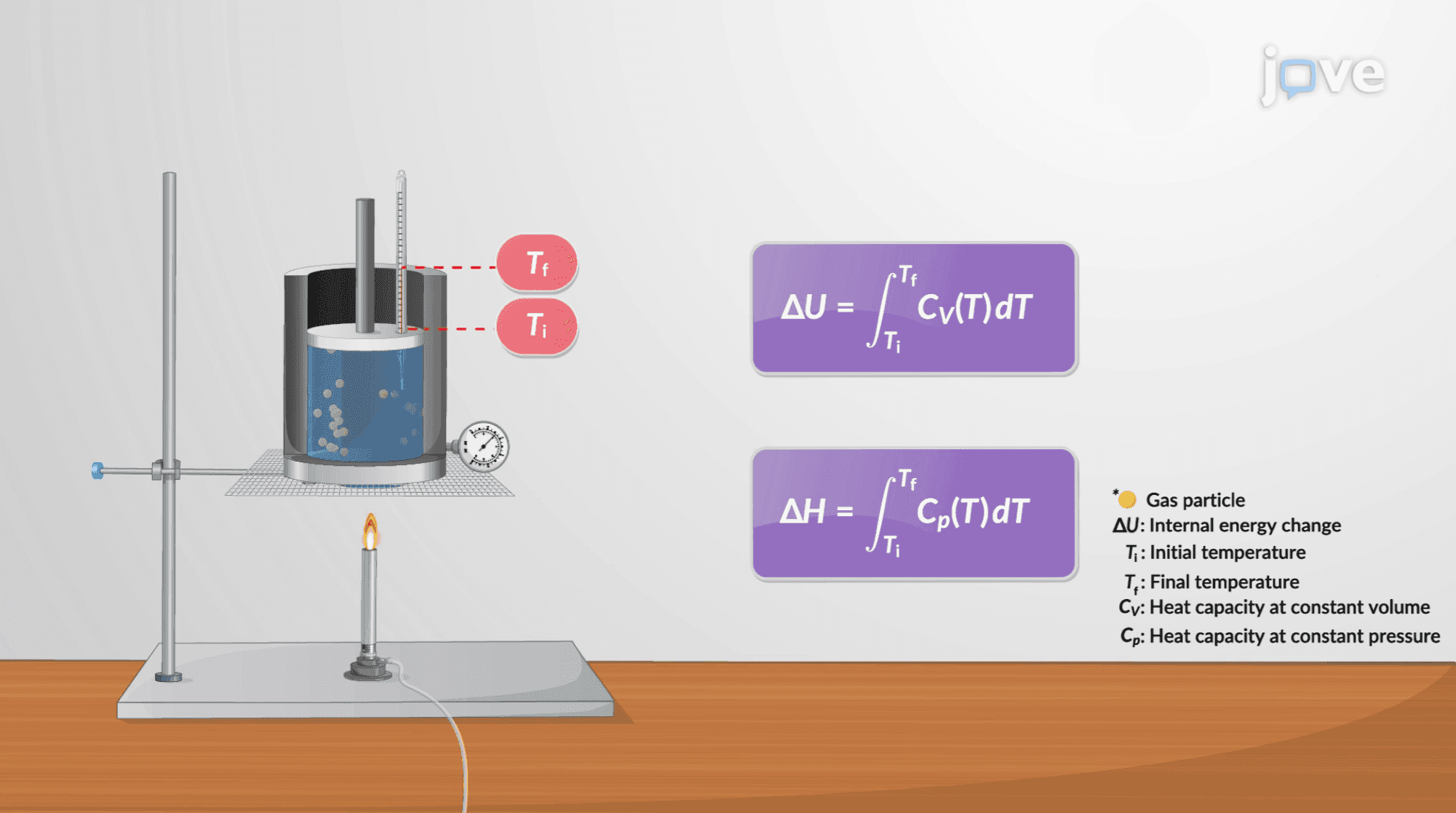
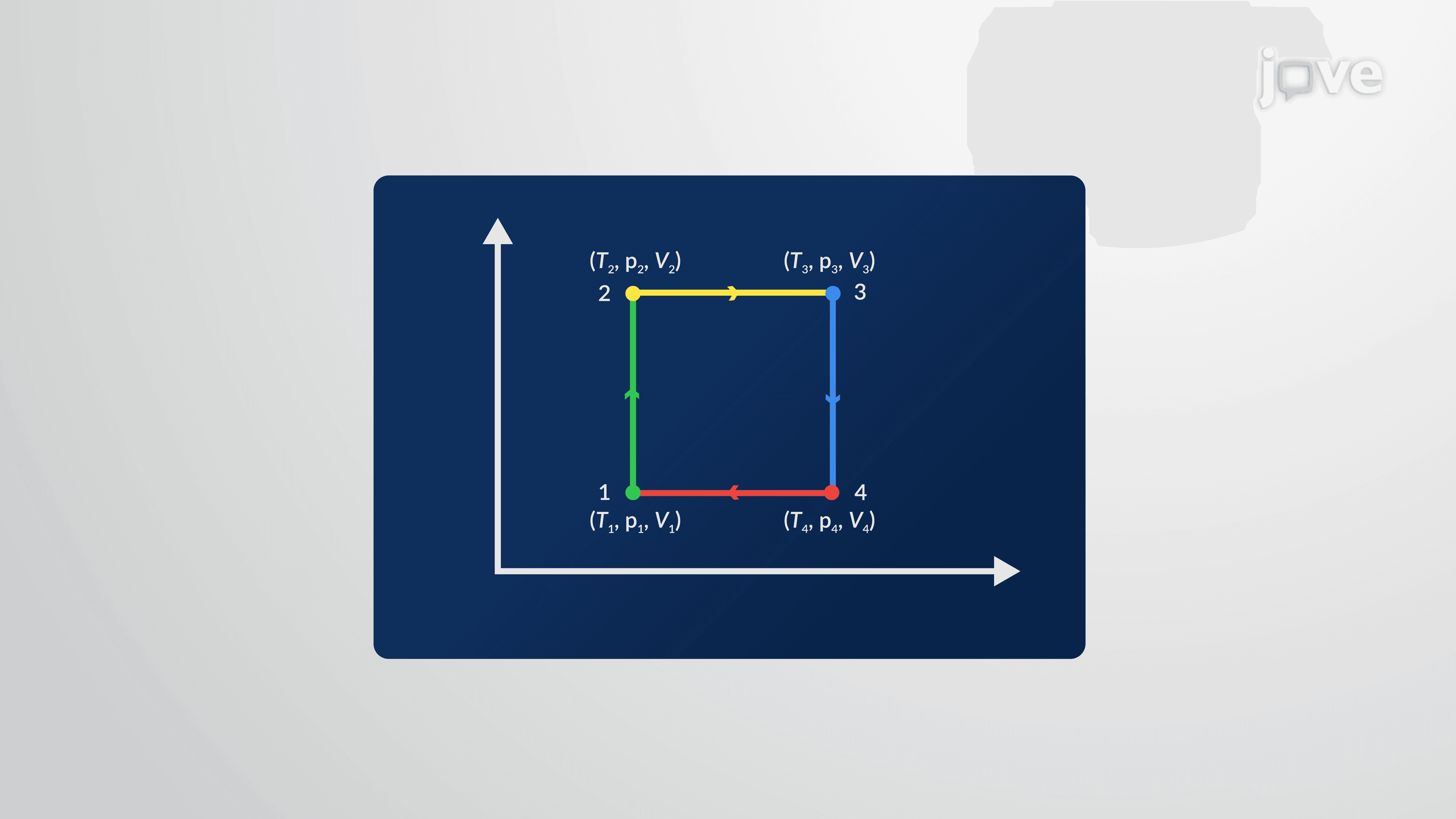
When a substance is heated without changing phase, think of warming a sample of gas in a piston-cylinder device, the system expands against external pressure, performing pressure-volume work. Here, the heat supplied equals the enthalpy change: q(p) = ΔH = Cp × ΔT, where Cp is the molar heat capacity at constant pressure and ΔT is the temperature interval. Crucially, this relationship holds for both reversible and irreversible processes as long as the initial and final pressures are the same. US college chemistry courses commonly test this in calorimetry lab reports, and it also underpins real engineering calculations, such as determining how much energy is needed to heat air in HVAC systems across commercial buildings.
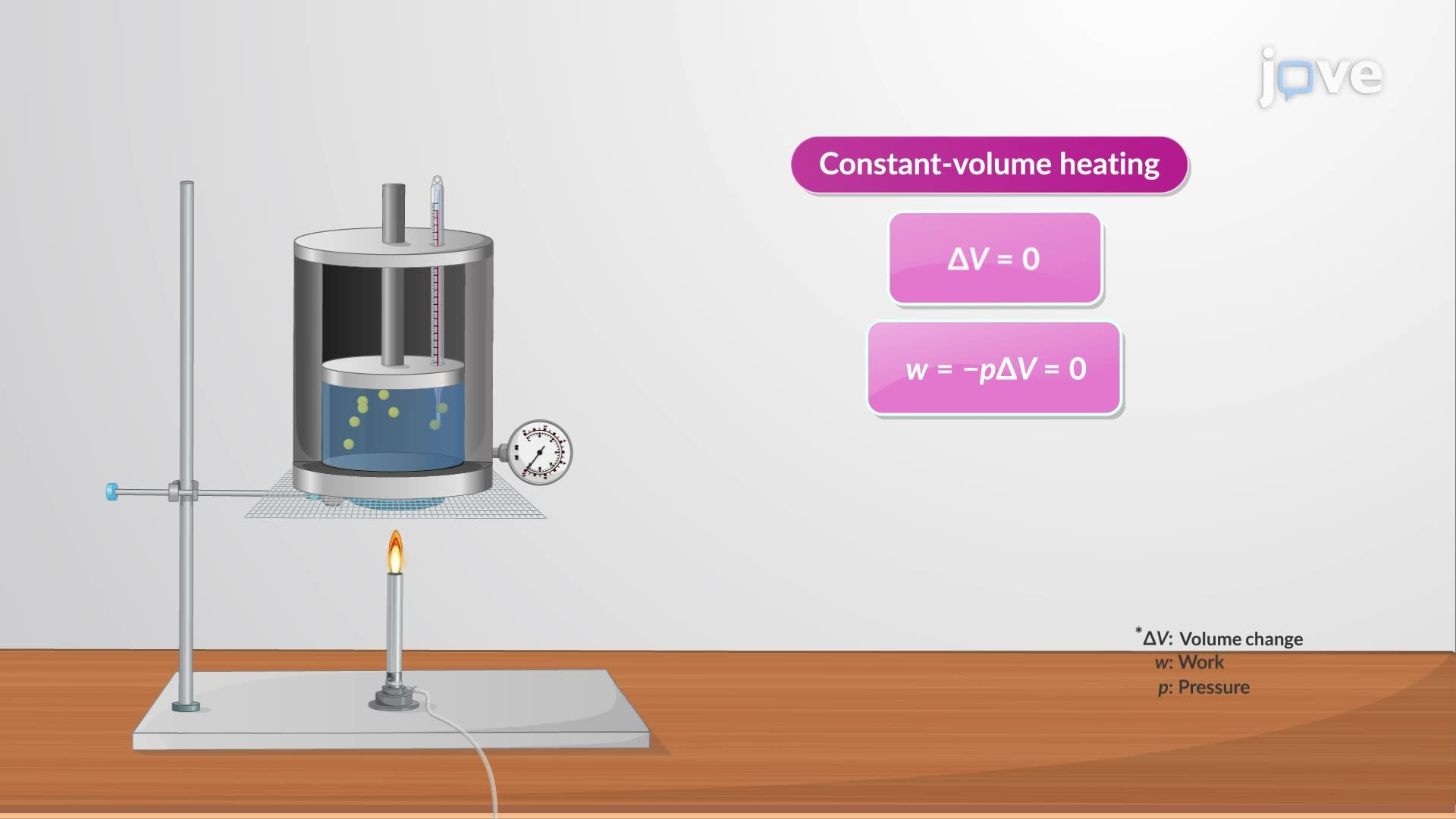
In a rigid, sealed container, like a bomb calorimeter used in food science labs across the US, volume cannot change, so no pressure-volume work is done (w = 0). All heat supplied goes directly into changing internal energy: q(v) = ΔU = Cv × ΔT, where Cv is the molar heat capacity at constant volume. The enthalpy change for this same process is then recovered using ΔH = ΔU + Δ(PV), connecting the two key thermodynamic quantities. Understanding the difference between Cp and Cv measurements is essential for interpreting bomb calorimetry data, a technique widely used in nutrition research and pharmaceutical development in the United States. This also ties directly into Hess's law, which allows complex enthalpy calculations to be broken into simpler steps, a concept that appears on virtually every AP Chemistry and MCAT thermochemistry section.
Related Micro-courses