Loading video…

 14 Concepts
 3.1K views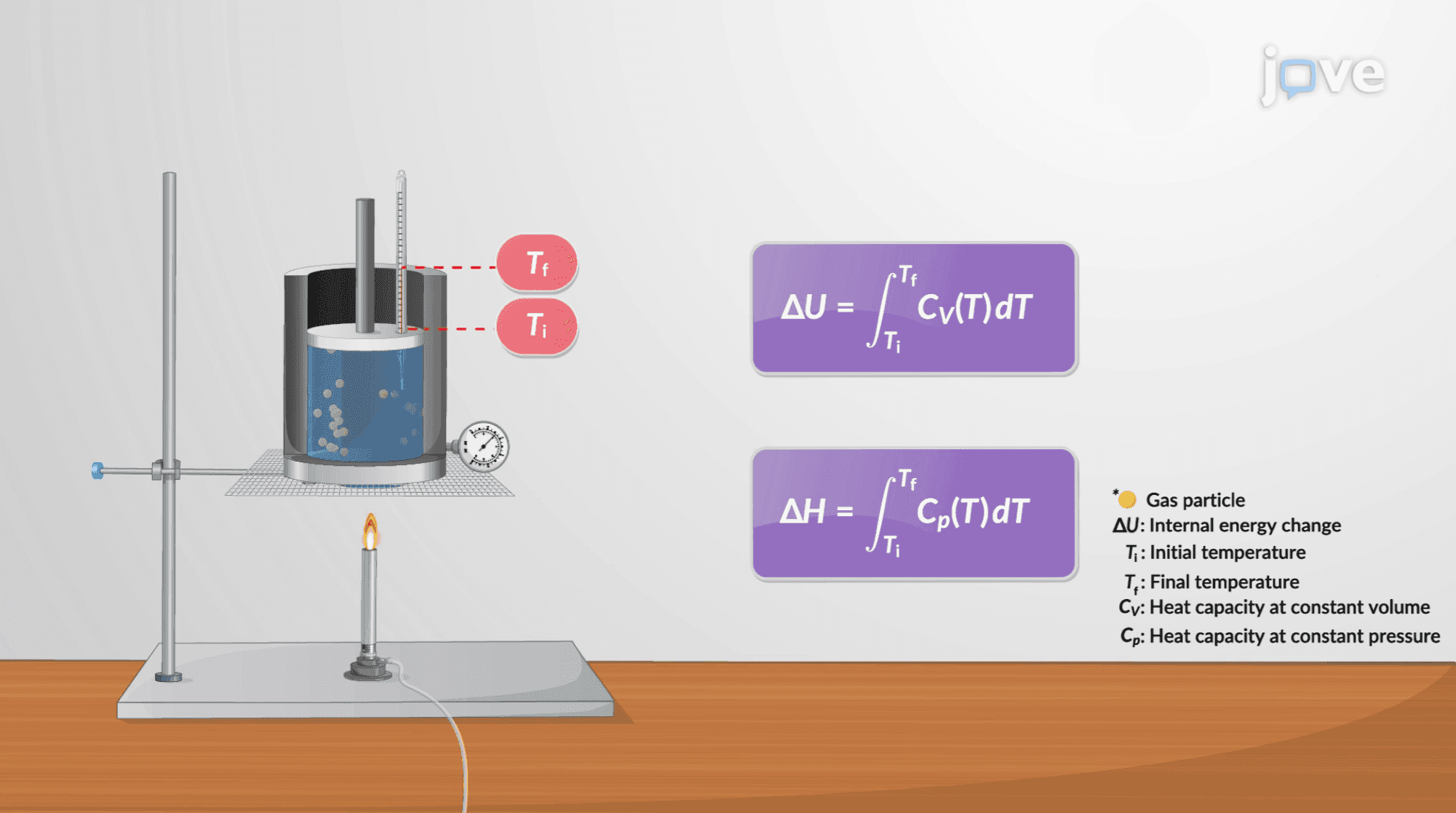

Video Summary: First Law Quantities Ii Calculation
Did you know that a car engine and a chemical reaction in a lab both follow the exact same thermodynamic rules? First-Law Quantities II Calculation explores how internal energy, enthalpy, heat, and work are mathematically connected through the first law of thermodynamics. A NASA rocket burn or a simple lab experiment at a US university both depend on these principles. Watch the full video on JoVE Coach to master this concept with expert-led visuals and step-by-step explanations.
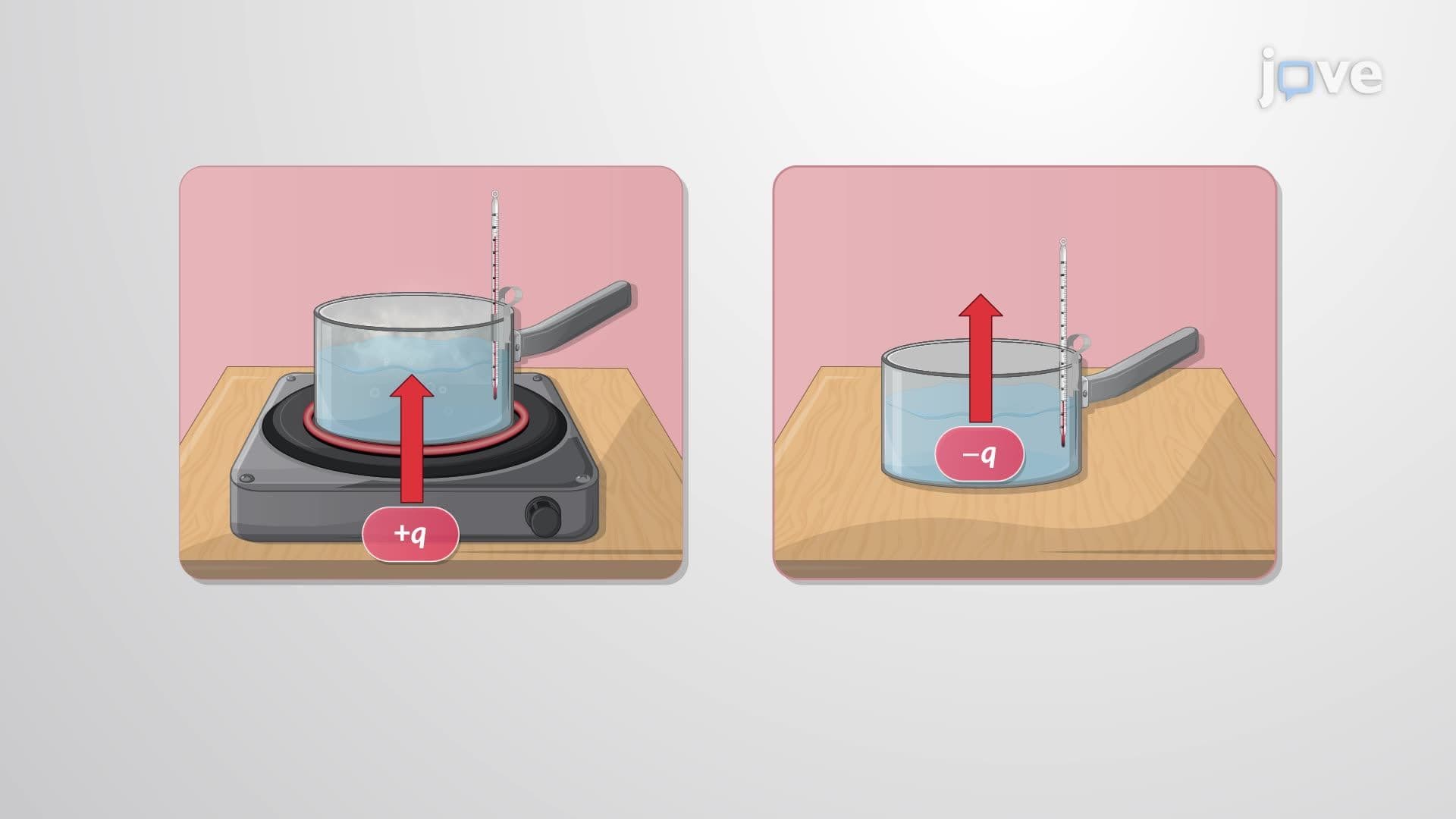
The first law of thermodynamics is one of the most powerful tools in physical science. At its core, it states that the change in a system's internal energy (ΔU) equals the heat exchanged (q) plus the work done on or by the system (w): ΔU = q + w. First-Law Quantities II Calculation takes this foundational equation and develops the precise mathematical methods needed to actually compute each quantity, moving beyond conceptual understanding into real problem-solving.
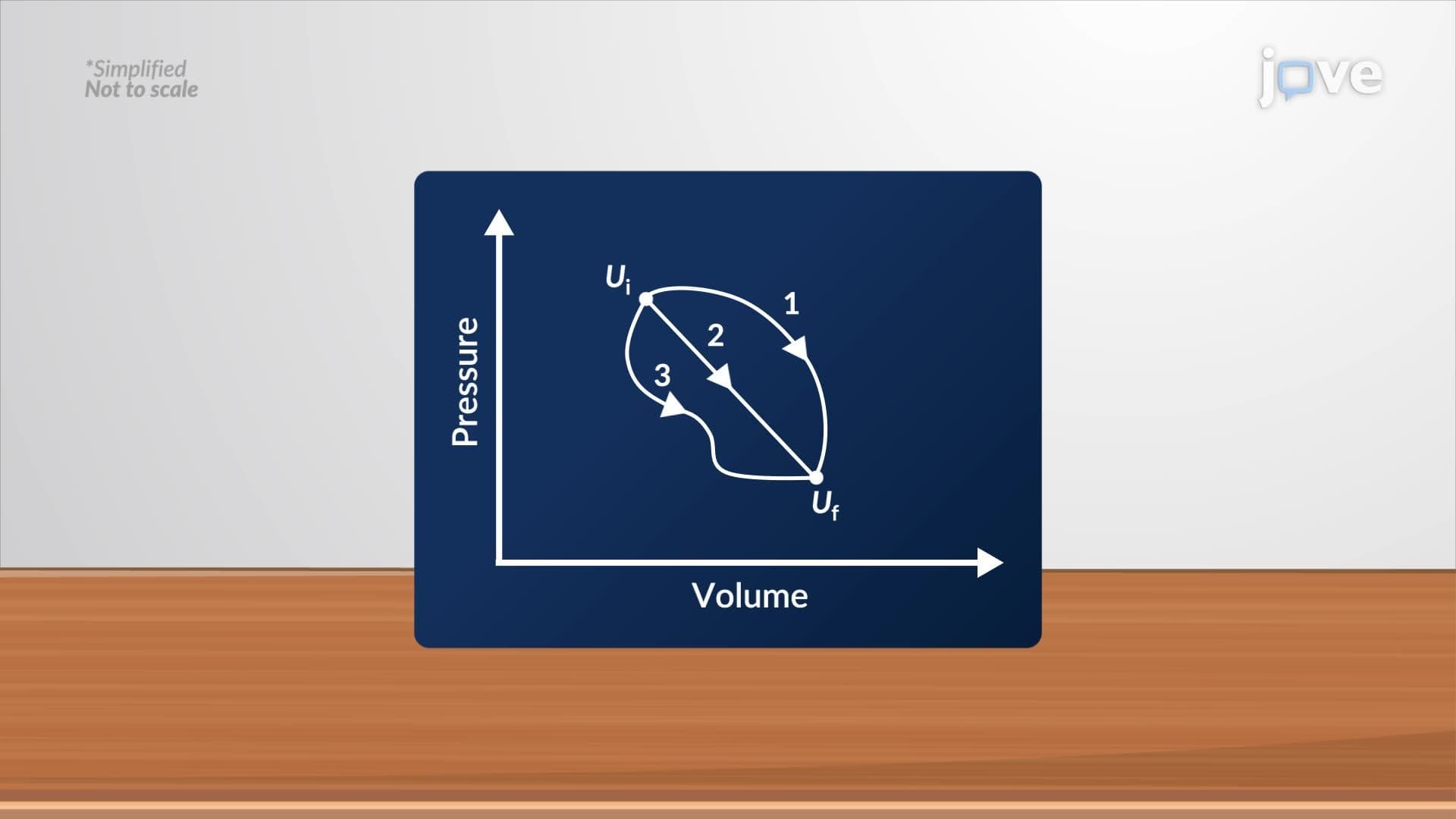
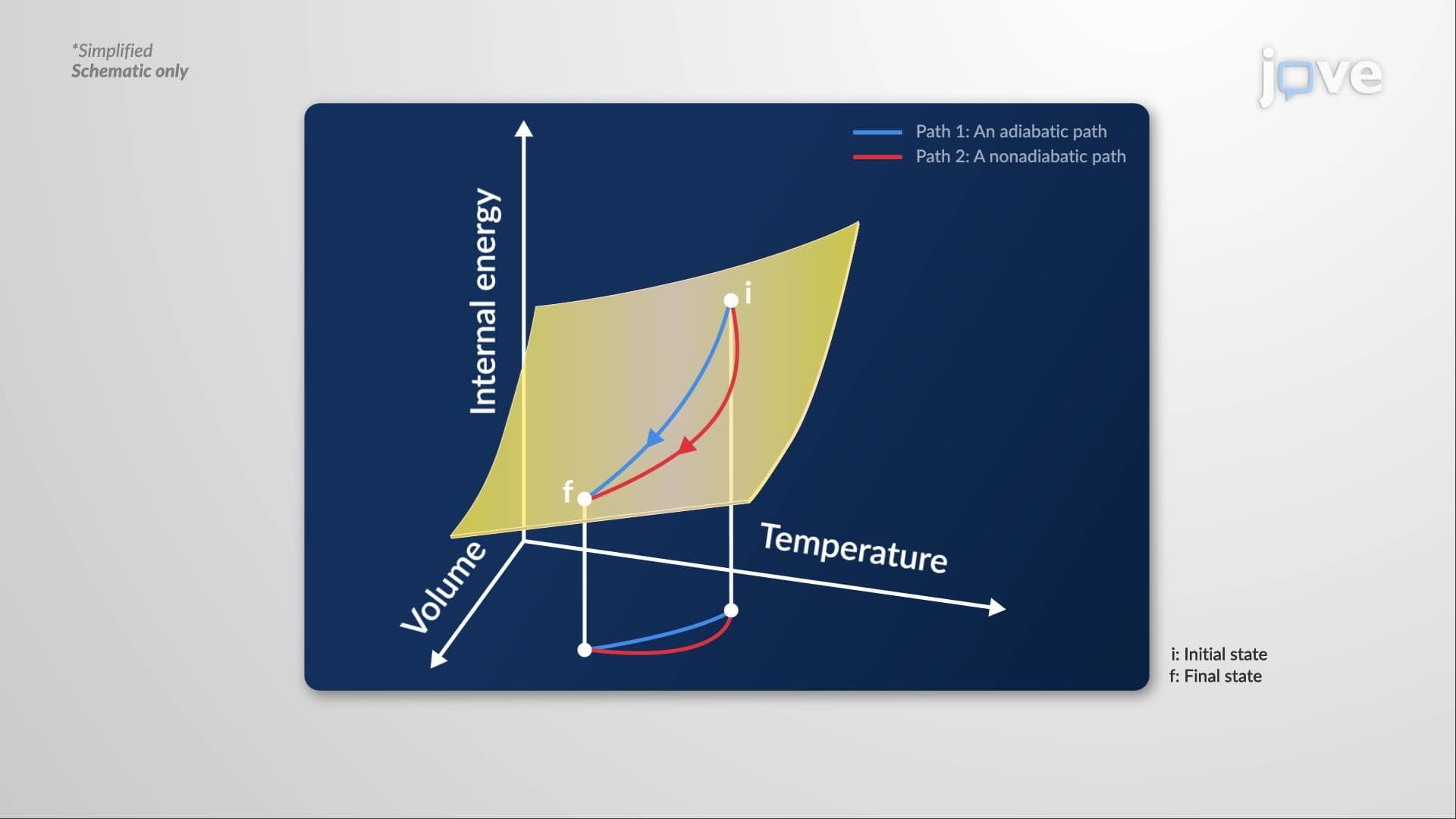
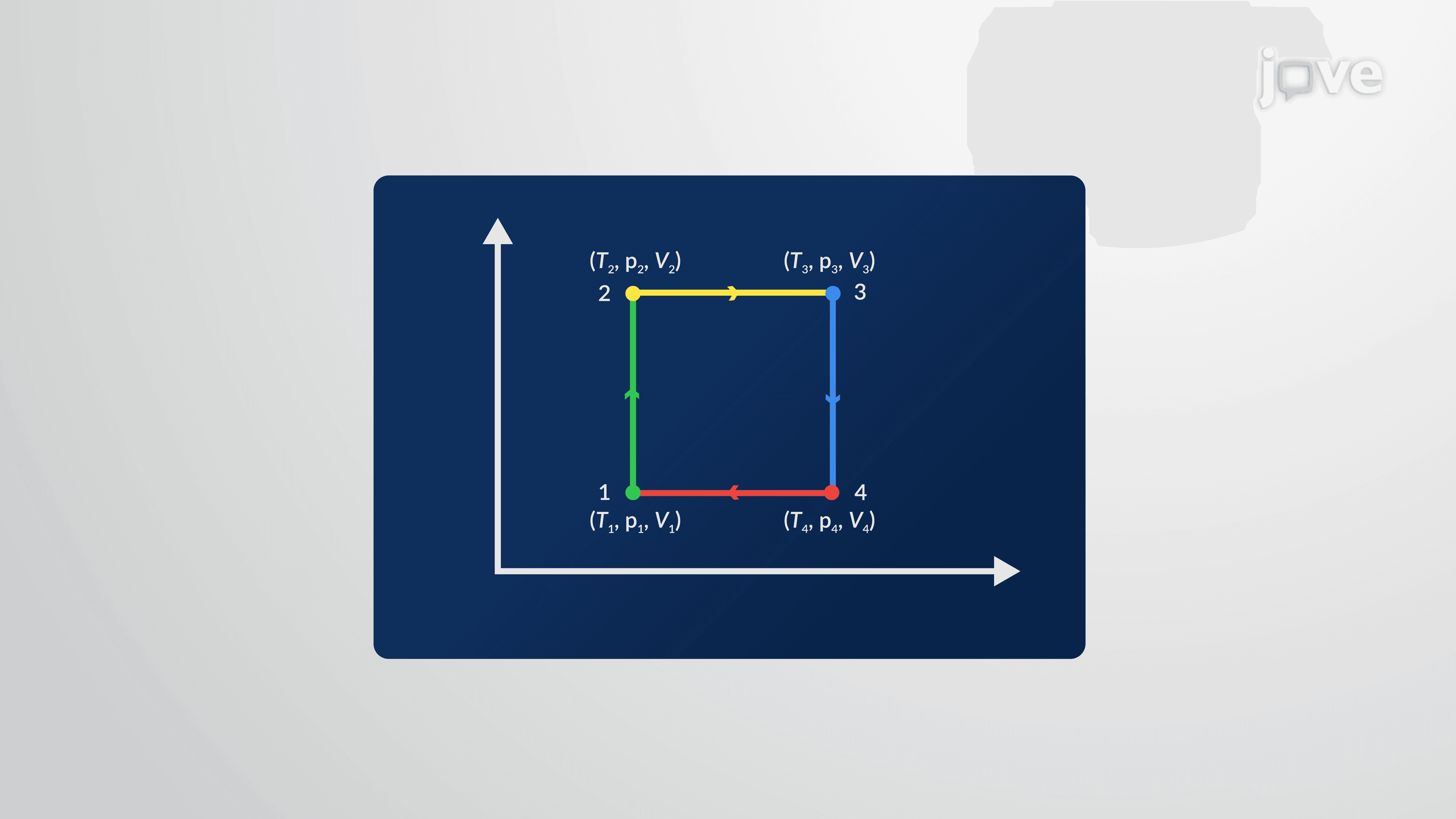
Understanding which quantities are state functions and which are path functions is essential for any thermodynamics course. Internal energy (U) and enthalpy (H) are state functions, their values depend entirely on the current state of the system, not on how it got there. For an ideal gas, both U and H depend only on temperature. This means ΔU and ΔH are determined solely by the initial and final temperatures, regardless of the process.
By contrast, heat (q) and work (w) are path functions. The amount of heat transferred or work done varies depending on the specific route taken between two states. For example, compressing a gas rapidly (irreversible) versus slowly (reversible) produces different values of q and w, even if the gas starts and ends at identical conditions. This distinction is frequently tested on the AP Chemistry exam and is a foundational concept in college-level physical chemistry courses across the US.
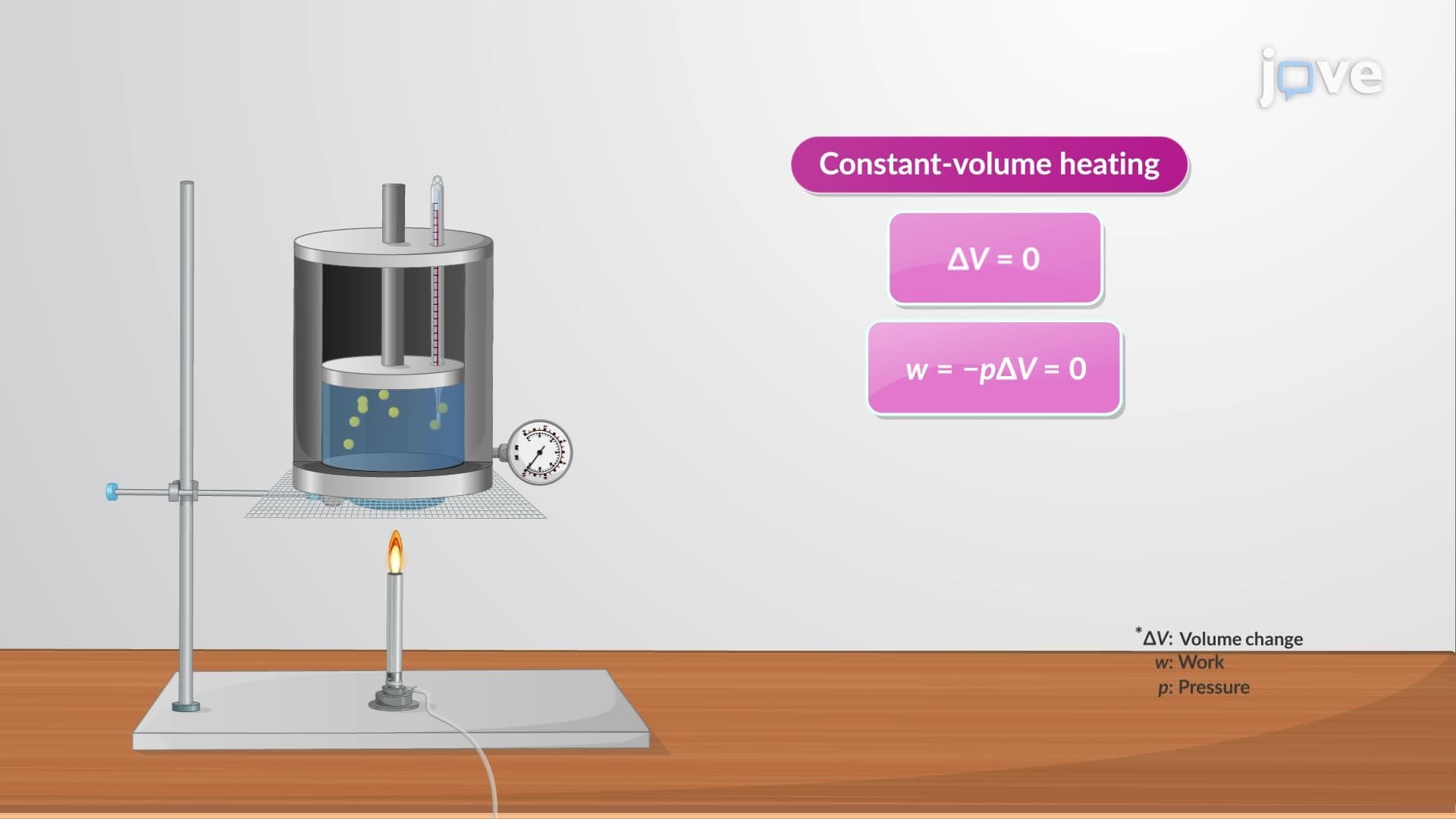
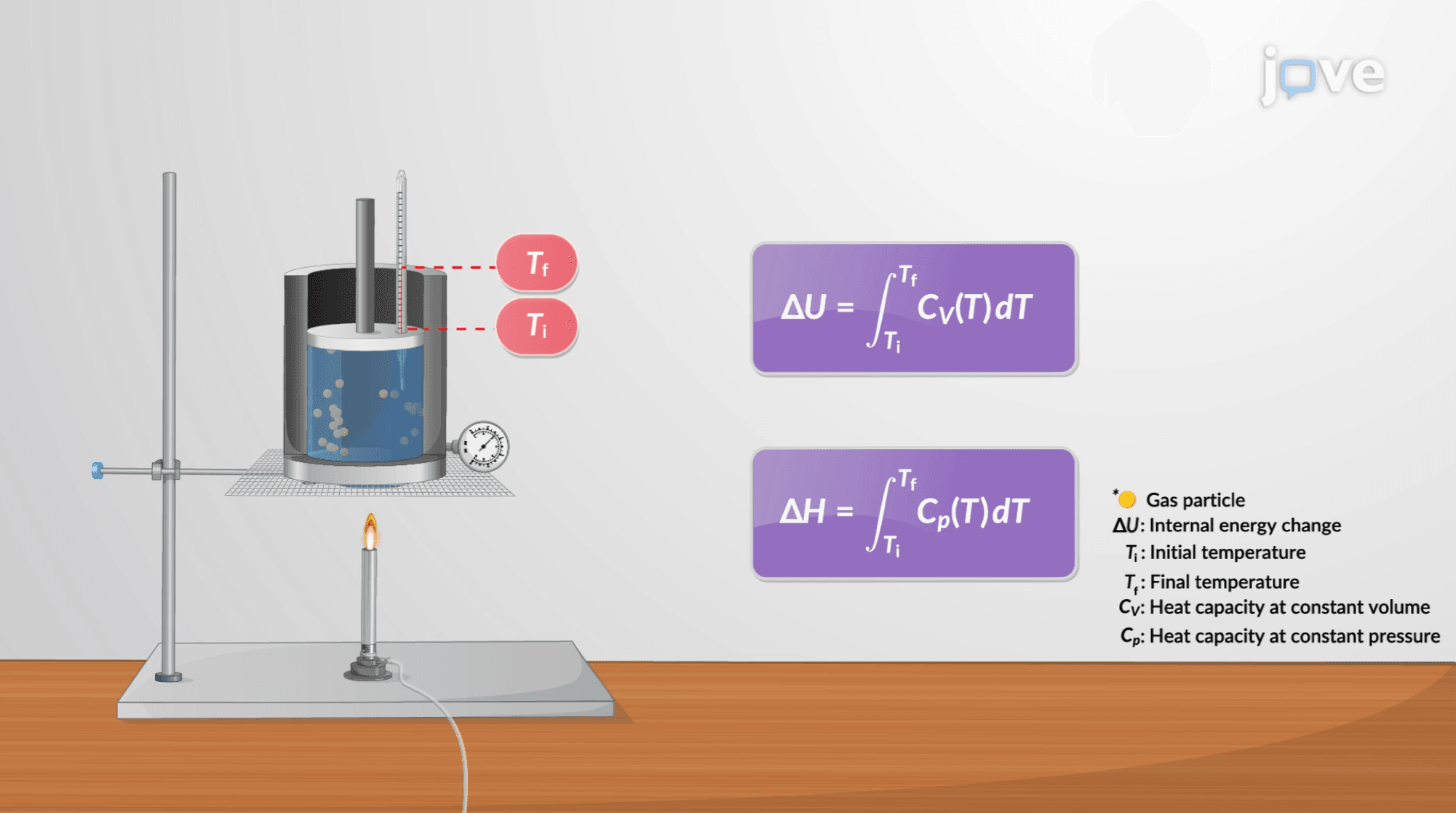
To calculate ΔU, you integrate the heat capacity at constant volume (Cv) over the temperature range from the initial temperature (T1) to the final temperature (T2):
ΔU = integral of Cv dT (from T1 to T2)
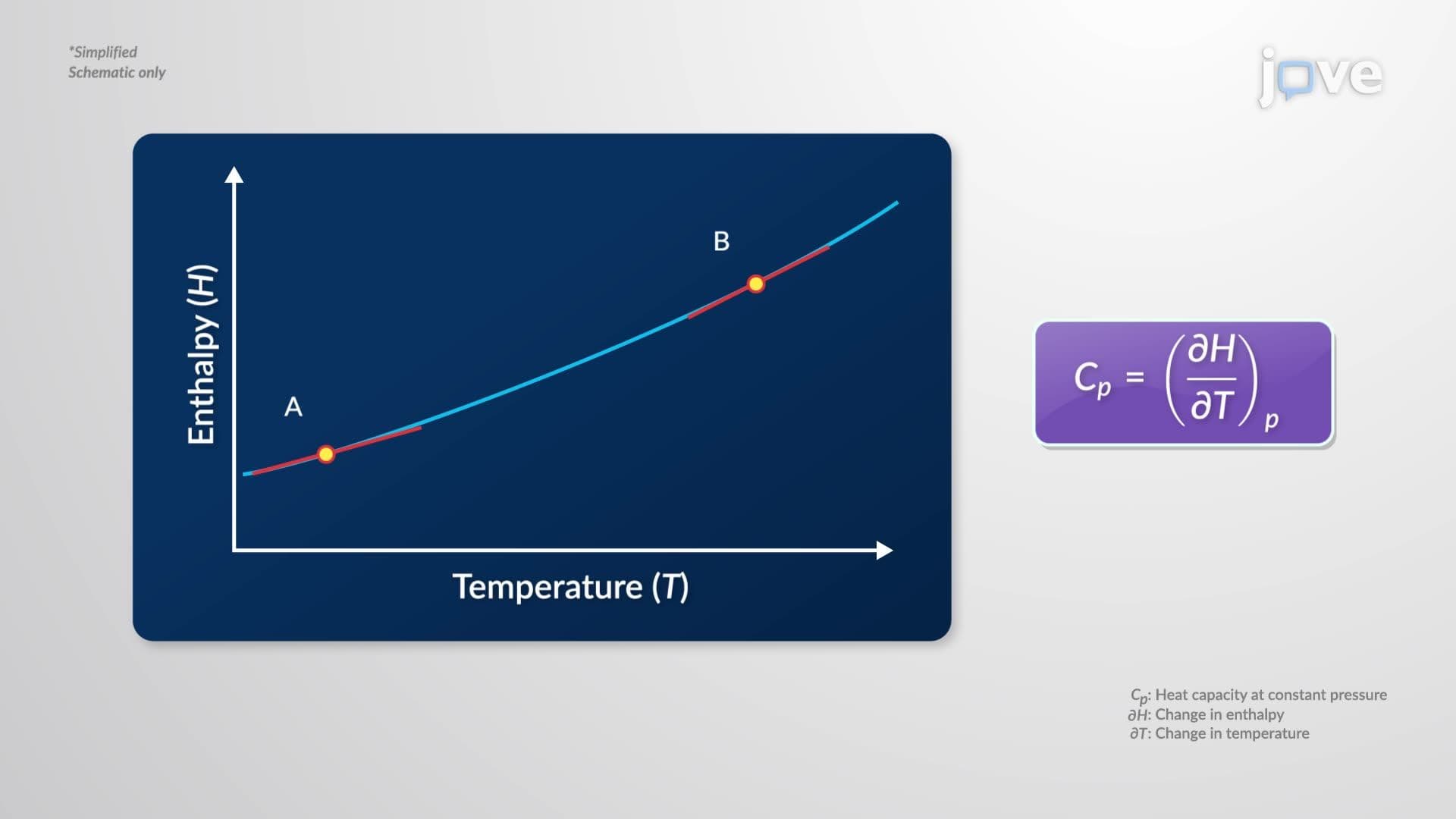
Similarly, ΔH is found by integrating the heat capacity at constant pressure (Cp) over the same temperature range:
ΔH = integral of Cp dT (from T1 to T2)
For an ideal monatomic gas, Cv = (3/2)R and Cp = (5/2)R, making these integrals straightforward calculations. These formulas appear in thermochemistry units in AP Chemistry, General Chemistry II at most US universities, and heavily in MCAT physical sciences preparation, where enthalpy change calculations are a standard question type.
For a reversible process, work done by the gas is calculated as the negative integral of pressure with respect to volume:
w = negative integral of p dV
For an ideal gas, pressure (p) is replaced using the ideal gas law: p = nRT / V. After substitution and integration, this yields:
w = negative nRT times ln(Vf / Vi)
Once work (w) is known, the first law directly gives heat transfer:
q = ΔU minus w
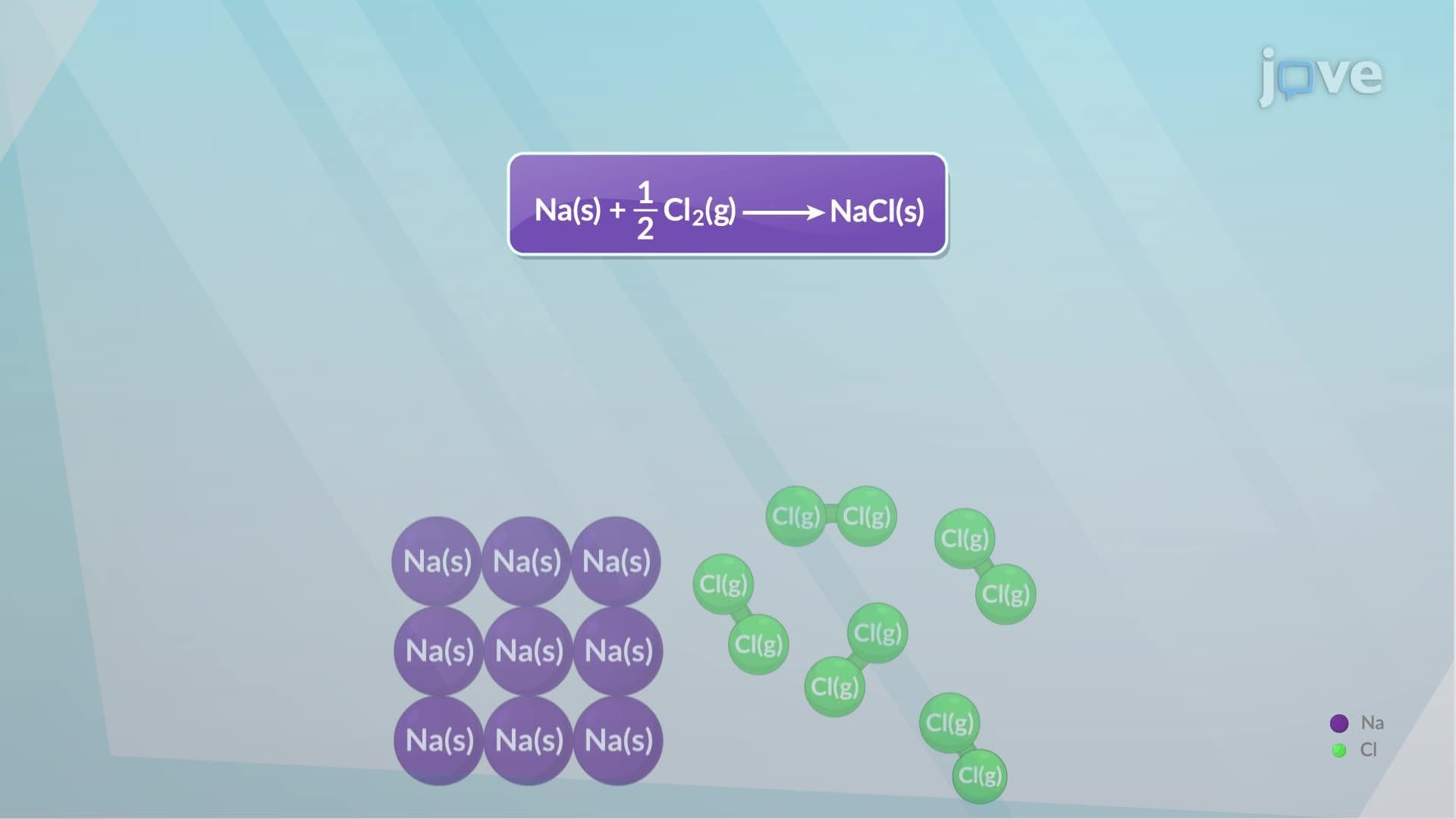
This stepwise approach, calculate ΔU from Cv, calculate w from the reversible work integral, then solve for q, mirrors the structured problem-solving method expected in college general chemistry, physical chemistry courses at institutions like MIT or UCLA, and standardized exams. Recognizing how Hess's law also exploits the state-function property of enthalpy to add reaction pathways is a natural next step that reinforces these same principles.
Related Micro-courses