Loading video…

 6 Concepts
 1.3K views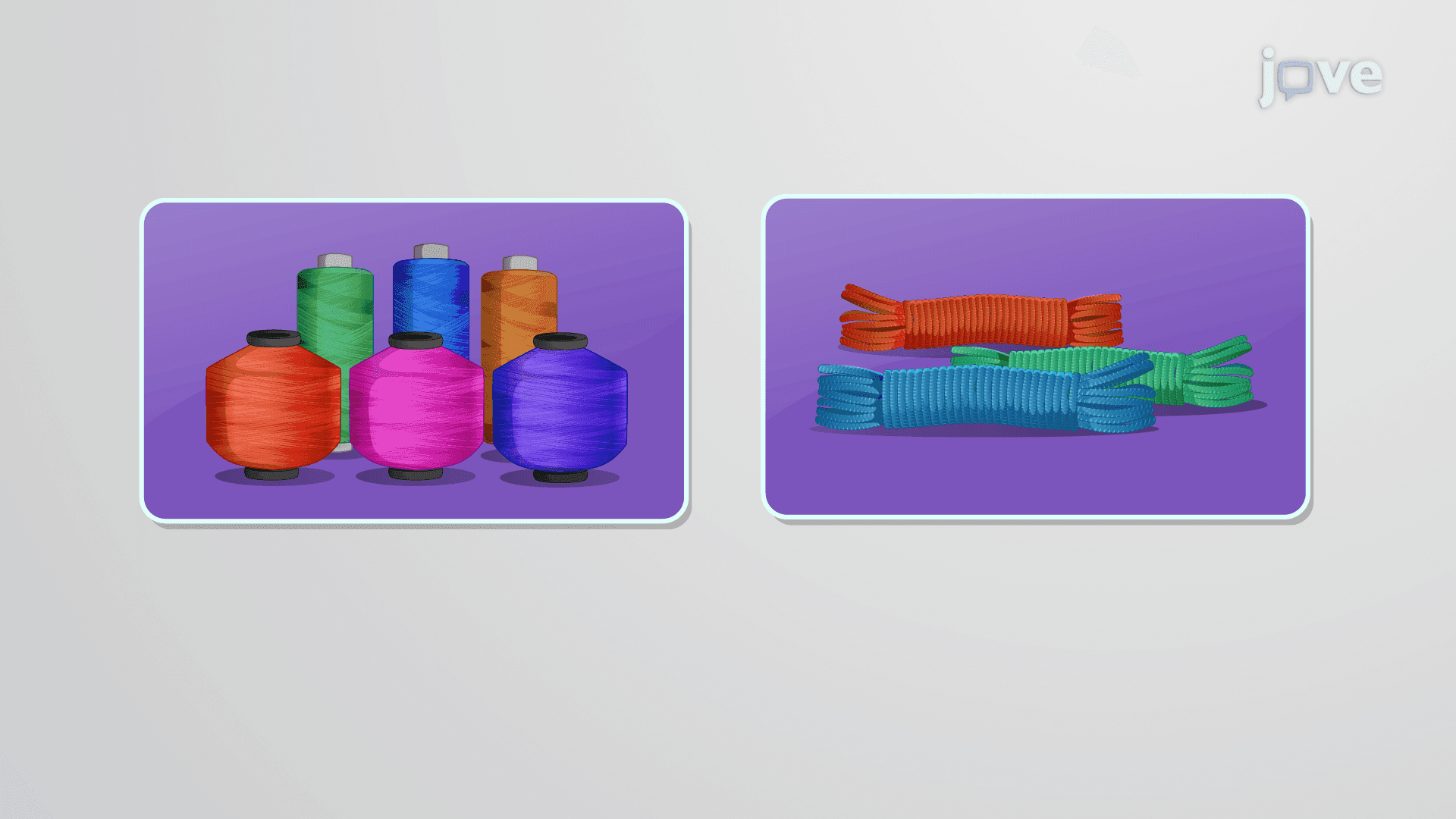

Video Summary: Classification and Mechanical Properties of Synthetic Polymers Explained
Did you know that the stretchy waistband in your jeans and the hard plastic casing of your laptop are both synthetic polymers, yet they behave completely differently? The classification and mechanical properties of synthetic polymers determine everything from how a material stretches to how it holds its shape under pressure. Understanding Classification and Mechanical Properties of Synthetic Polymers Explained helps decode why nylon fibers dominate American sportswear while silicone seals protect medical devices. Watch the full video on JoVE Coach to master this concept with expert-led visuals and step-by-step explanations.
Synthetic polymers are among the most engineered materials on the planet. Every plastic bottle, elastic band, and nylon rope you encounter reflects deliberate control over molecular structure. At the core of understanding these materials is a three-part classification system, elastomers, fibers, and plastics, each defined not just by what they are made of, but by how their molecular architecture governs their mechanical behavior. This classification appears consistently in AP Chemistry curricula, college-level organic chemistry courses, and MCAT preparation materials.
Elastomers are defined by their extraordinary reversible deformation. When you stretch a silicone wristband or a rubber O-ring used in American aerospace equipment, you are witnessing polymer chains uncoiling and re-coiling around strategically placed cross-links. These cross-links, covalent bonds connecting neighboring polymer chains, act like molecular anchors. They prevent permanent deformation by pulling the stretched chains back into their original configuration once stress is released. Without cross-links, chains would simply slide past one another and the material would not recover. This network architecture is central to why silicone is used in flexible medical tubing and prosthetic components across US healthcare systems. The balance between flexibility and recovery is controlled by cross-link density: fewer cross-links allow greater stretch, while more cross-links create stiffer rubber.
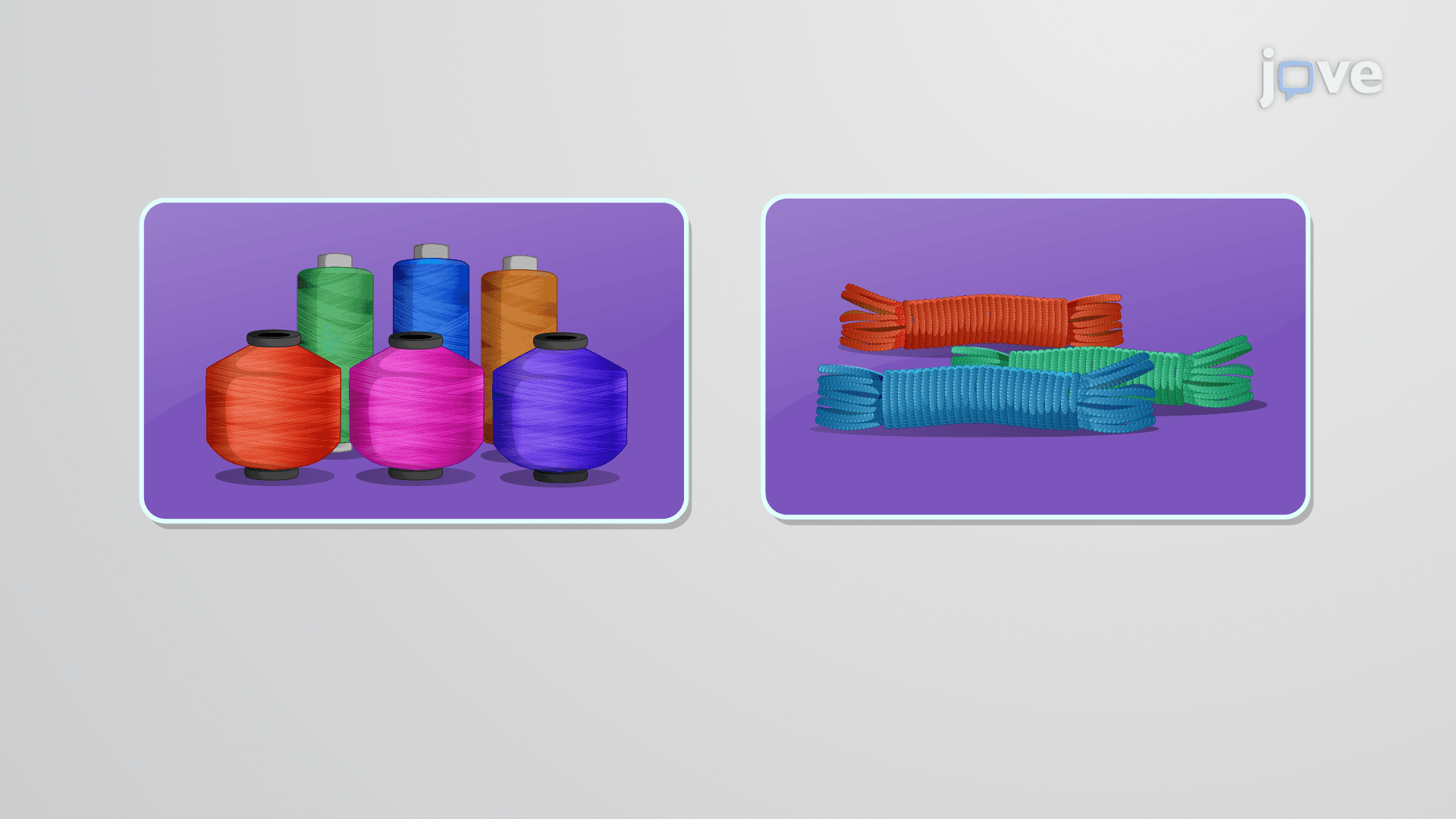
Fibers like nylon-66, commercially produced by major US manufacturers such as Invista, achieve high tensile strength through two synergistic structural features. First, their polymer chains have minimal branching, which allows chains to pack closely and align in a parallel, ordered arrangement. Second, this tight alignment enables strong intermolecular attractions, particularly hydrogen bonds in nylon, to develop between neighboring chains. These interactions collectively resist the pulling forces (tensile stress) that would otherwise cause the material to elongate or snap. This is why nylon fibers dominate applications in climbing ropes, parachutes, and performance athletic wear. On the AP Chemistry exam and college midterms, students are frequently asked to connect molecular-level chain structure to macroscopic mechanical properties, and nylon serves as the textbook example.
Plastics occupy a middle ground between elastomers and fibers because they contain both crystalline regions (ordered, tightly packed chains) and amorphous regions (disordered, randomly oriented chains). Crystalline regions provide rigidity and structural integrity, essential for load-bearing applications like PVC piping used throughout US construction. Amorphous regions, in contrast, introduce flexibility by allowing chain segments to move more freely. Temperature plays a critical role here. As heat increases, crystalline regions gradually lose their ordered arrangement, softening the material. The amorphous regions undergo what scientists call a glass transition: below a characteristic glass transition temperature (Tg), they behave like rigid, brittle glass; above Tg, they become rubbery and pliable. Understanding the glass transition is a key concept tested on the MCAT and in college polymer chemistry courses, as it explains why a plastic water bottle becomes brittle in freezing US winter temperatures but soft when left in a hot car.
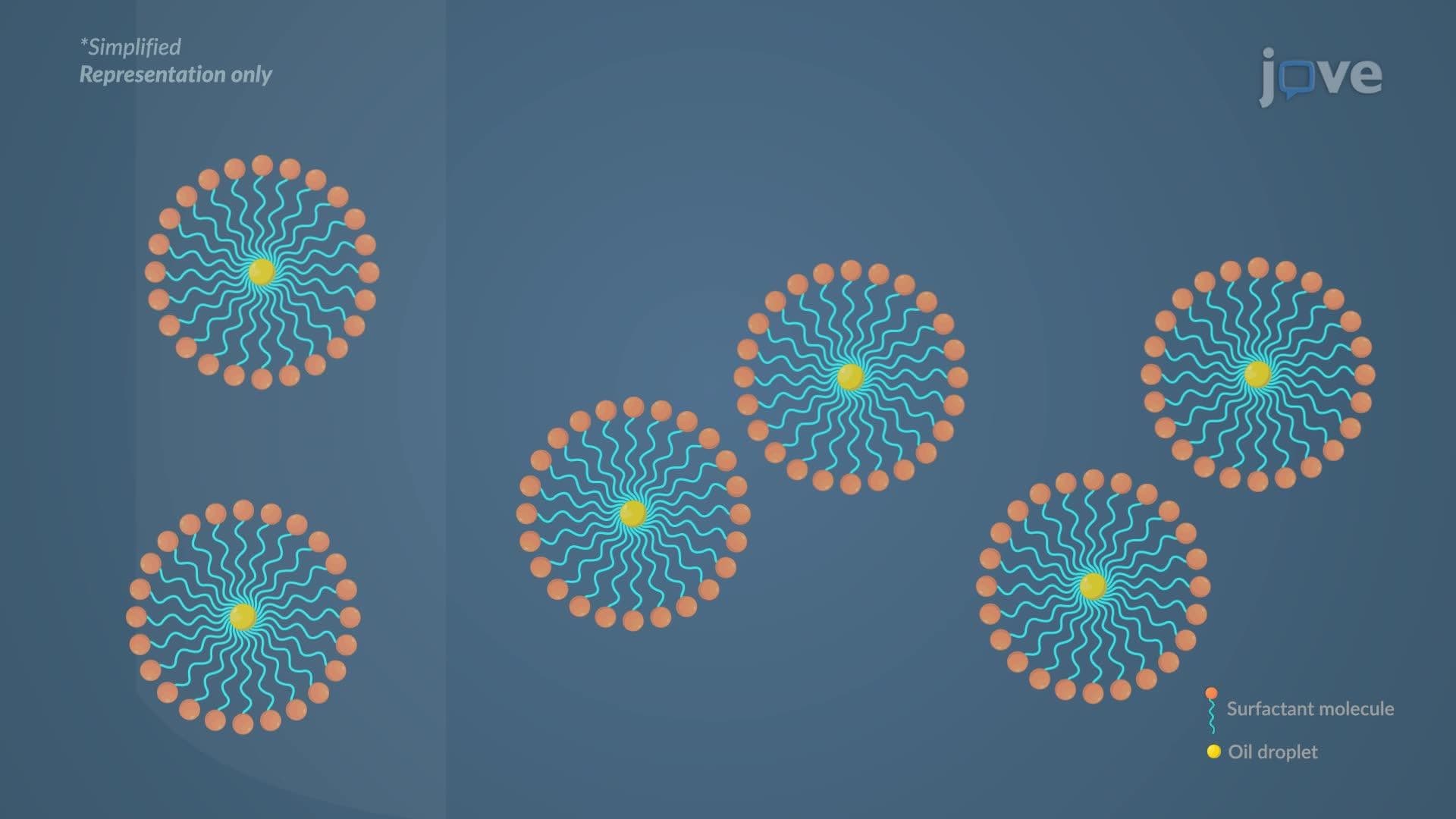
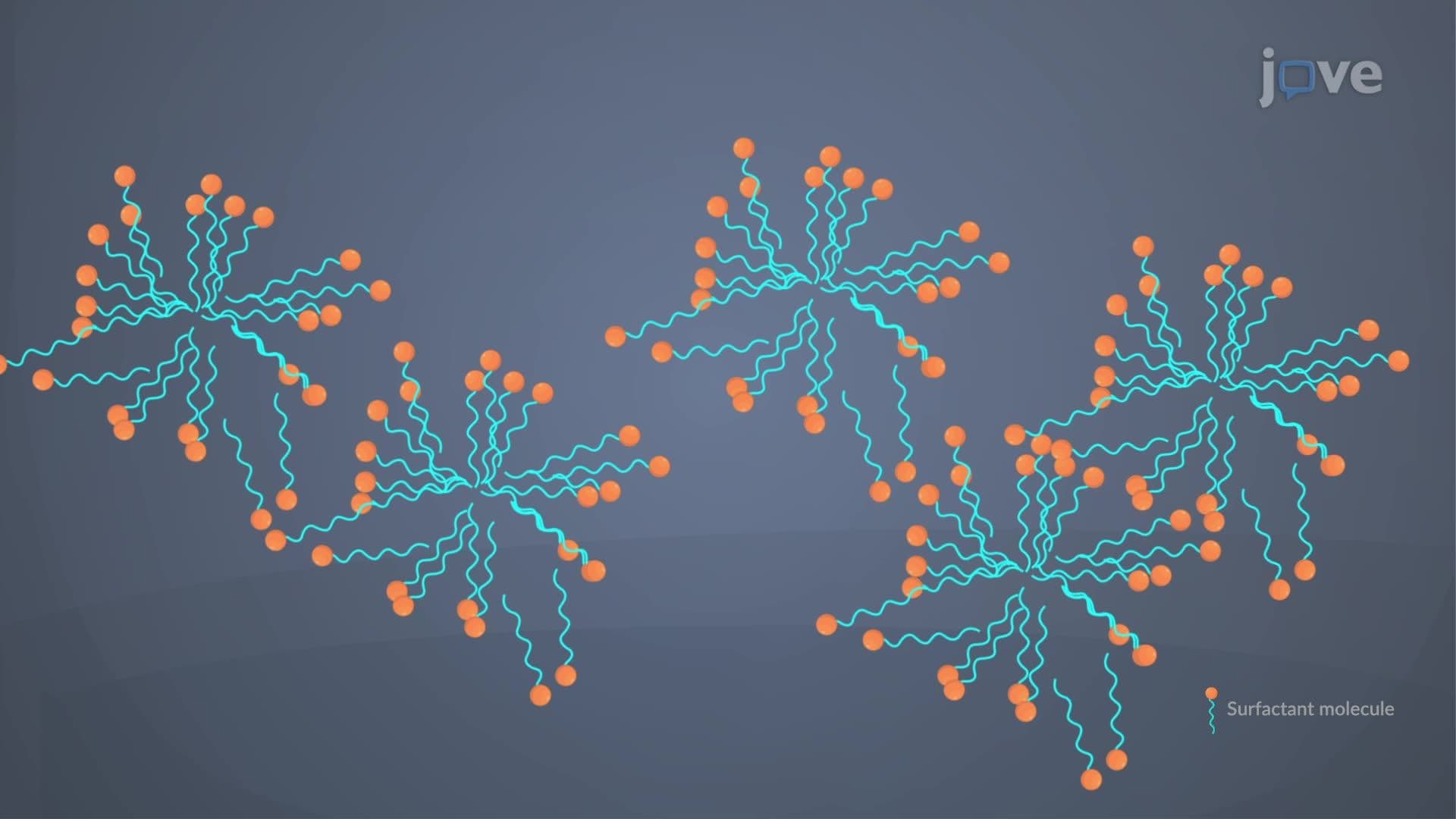
Mastering the basics of synthetic polymer classification opens a direct pathway into advanced materials science. Block copolymers, chains made of two or more chemically distinct polymer segments bonded together, can self-assemble into nanoscale structures called micelles, a phenomenon central to supramolecular chemistry and drug delivery research at US universities. Polymer characterization techniques, including gel permeation chromatography used to determine molecular weight distribution, allow scientists to fine-tune mechanical properties at the manufacturing stage. How block copolymers are synthesized, typically through controlled polymerization methods like RAFT or atom transfer radical polymerization, and what applications self-assembling macromolecules serve in biomedical engineering are questions that drive current materials science research and appear in advanced undergraduate coursework.
Related Micro-courses