Loading video…

 6 Concepts
 1.3K views

Video Summary: What Is the Colloidal State
Did you know that milk, fog, and paint all share the same hidden chemistry? The colloidal state basics explain why these everyday substances behave so differently from simple solutions or sandy mixtures. In the US, industries from pharmaceuticals to food science rely on colloidal systems daily. What is the colloidal state? It's a unique dispersion of microscopic particles suspended in a continuous medium, neither fully dissolved nor easily filtered. Watch the full video on JoVE Coach to master this concept with expert-led visuals and step-by-step explanations.
The colloidal state describes a system in which particles ranging roughly from 1 nanometer to 1 micrometer are uniformly dispersed throughout a continuous medium, the dispersion medium or continuous phase. Unlike a true solution, where individual molecules or ions dissolve completely, colloidal particles are large enough to scatter light (a phenomenon called the Tyndall effect) but small enough to resist gravity-driven settling for extended periods. This intermediate character gives colloids their uniquely versatile physical properties and makes them central to chemistry, biology, and engineering.
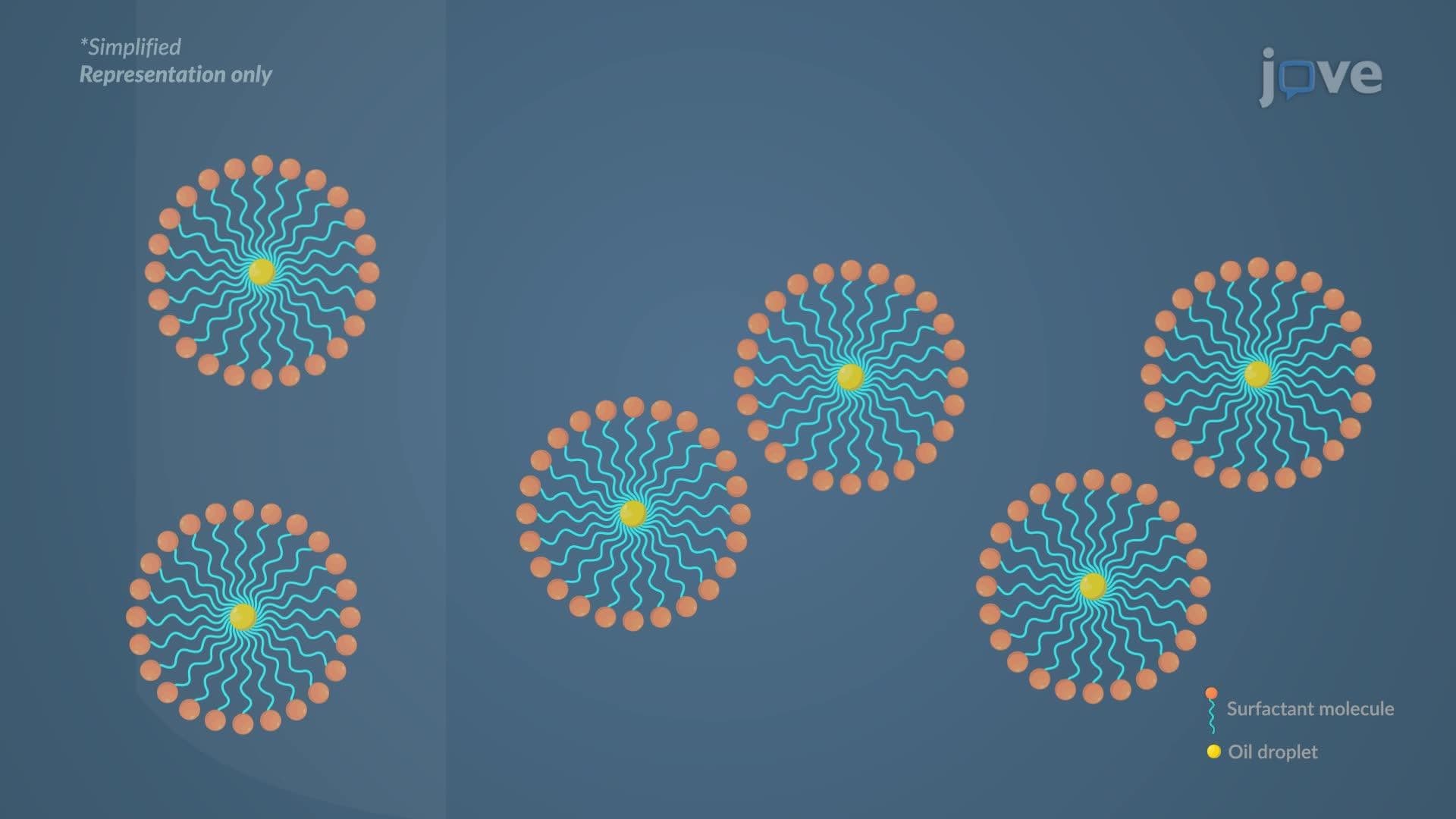
Colloidal systems are classified by the physical states of both the dispersed phase and the dispersion medium. Sols feature solid particles dispersed in a liquid or solid medium, think of colloidal gold sol, historically used in stained glass, or modern injectable drug nanoparticles approved by the FDA. Aerosols suspend liquid droplets or solid particles in a gas; everyday US examples include asthma inhalers and atmospheric smog. Foams trap gas bubbles in either a liquid (whipped cream) or a solid (styrofoam) medium. Emulsions disperse one liquid within another immiscible liquid, mayonnaise is a classic oil-in-water emulsion stabilized by lecithin from egg yolk. Understanding these distinctions is essential for AP Chemistry coursework and frequently appears on college general chemistry exams.
One of the most testable distinctions in colloidal chemistry is the difference between lyophilic and lyophobic systems. Lyophilic colloids (from the Greek for "solvent-loving") form spontaneously when the dry dispersed material contacts the dispersion medium. Strong attractive interactions between solvent and solute molecules make these systems thermodynamically stable, proteins in blood plasma and starch dispersions are textbook lyophilic colloids. Lyophobic colloids ("solvent-hating"), by contrast, are thermodynamically unstable. They require stabilizing factors, most commonly adsorbed ions on particle surfaces, that create electrostatic repulsion between particles, preventing aggregation and settling. Silver chloride sols, relevant in analytical chemistry labs across US universities, exemplify lyophobic behavior. Without stabilization, lyophobic colloids aggregate and precipitate, a process exploited in water treatment plants nationwide.
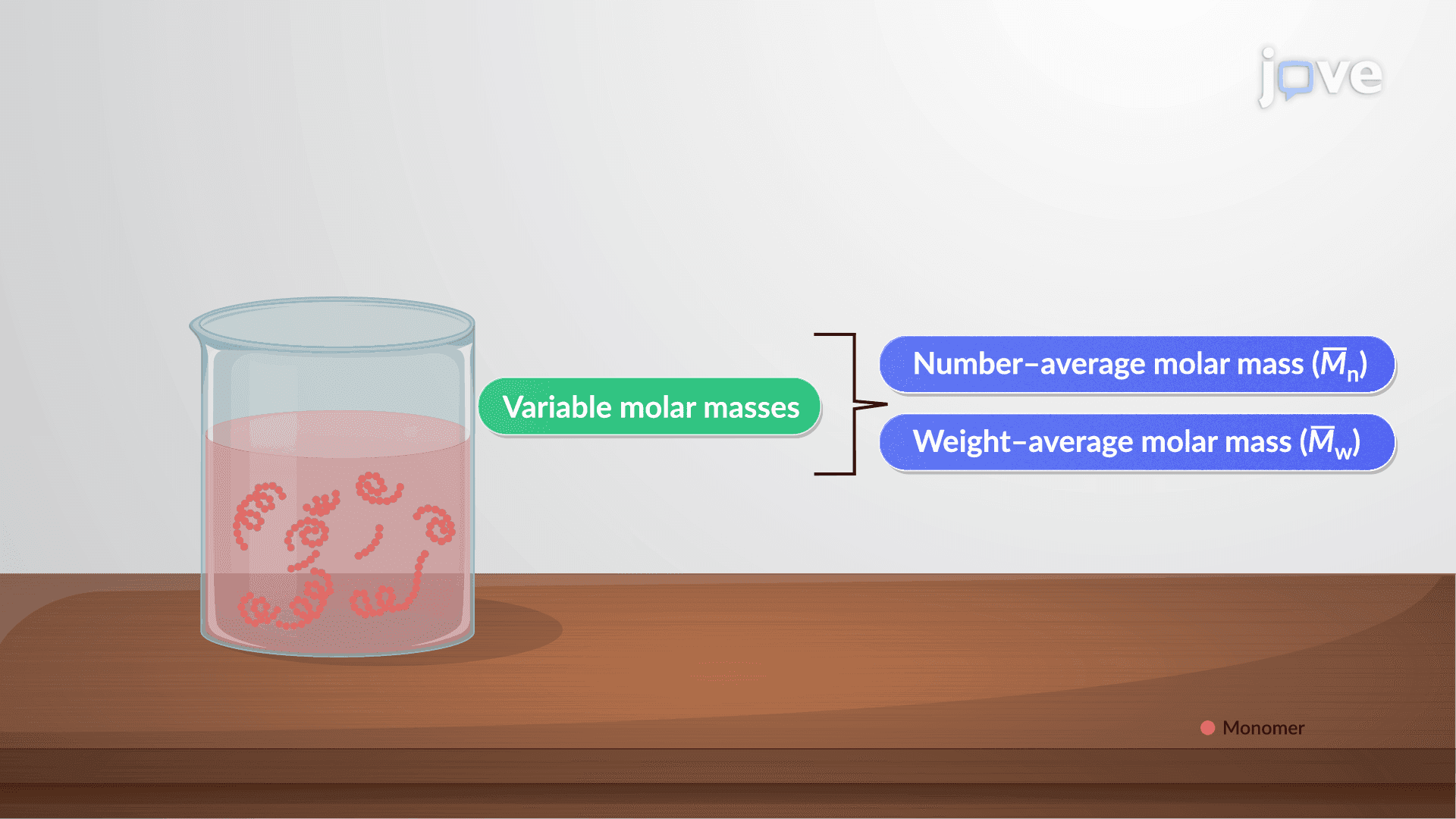
Particle size is the gatekeeper of colloidal behavior. When dispersed particles exceed roughly 1 micrometer, gravitational forces overwhelm the thermal motion (Brownian motion) that keeps colloidal particles suspended. The result is sedimentation, the gradual settling of particles to the bottom of the container, producing a noncolloidal suspension. This principle underpins centrifugation techniques used in US biomedical research labs to separate cellular components and purify proteins. It also connects directly to polymer characterization techniques such as analytical ultracentrifugation and dynamic light scattering, which measure molecular weight distribution in macromolecular systems.
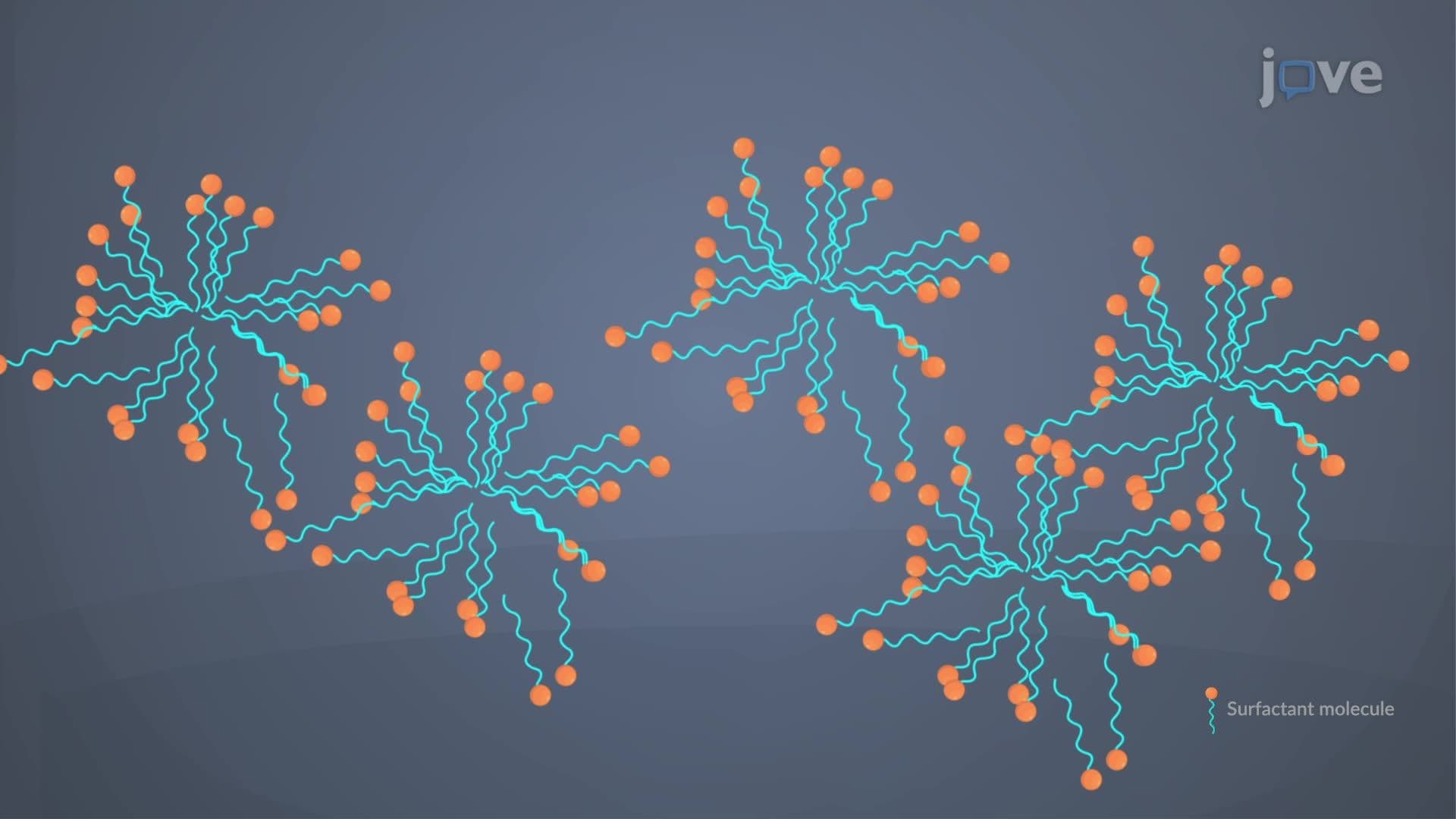
The colloidal state is not a standalone concept, it opens doors to cutting-edge materials science. Micelles, formed when surfactant molecules self-assemble above a critical concentration, are colloidal-scale structures critical to drug delivery and detergency. Block copolymers, synthesized by controlled polymerization techniques like RAFT or ATRP, can self-assemble into colloidal nanostructures with tunable morphologies, a hot research area at institutions like MIT and Caltech. Understanding how macromolecules self-assemble builds directly on colloidal stability principles. Liquid crystals, used in virtually every US-made display screen, represent another phase of matter closely related to colloidal ordering. These connections ensure that mastering the colloidal state basics pays dividends across physical chemistry, biochemistry, and materials science courses well into upper-division study.
Related Micro-courses