Loading video…


 6 Concepts
 1.3K views

Video Summary: Determination of Molar Masses of Polymers I Explained
Did you know that two samples of the same plastic can behave completely differently, simply because their chain lengths vary? The determination of molar masses of polymers I basics explain why average molar masses matter more than a single value. In US materials labs, this concept drives everything from designing FDA-approved drug delivery polymers to engineering stronger packaging plastics. Watch the full video on JoVE Coach to master this concept with expert-led visuals and step-by-step explanations.
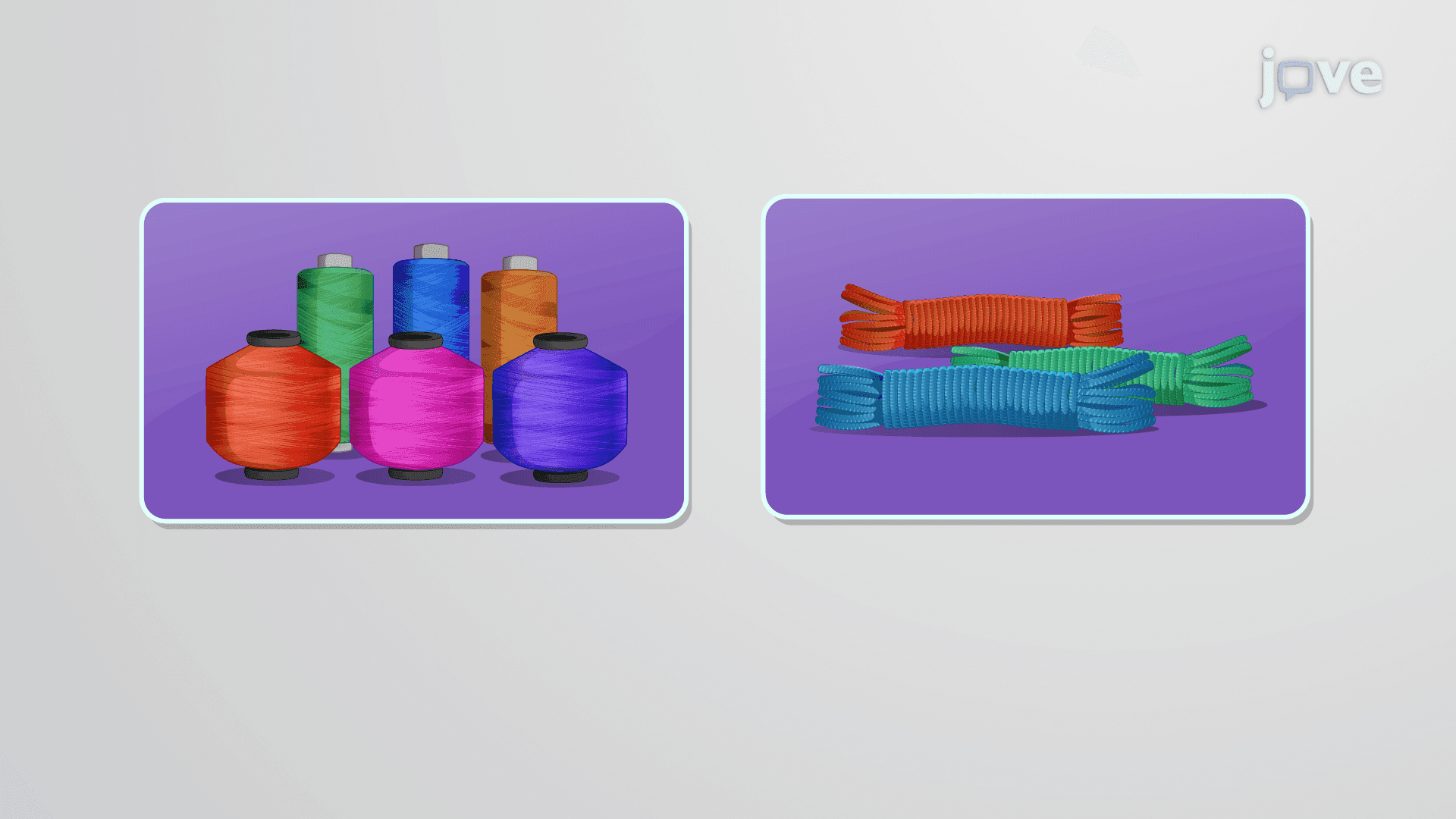
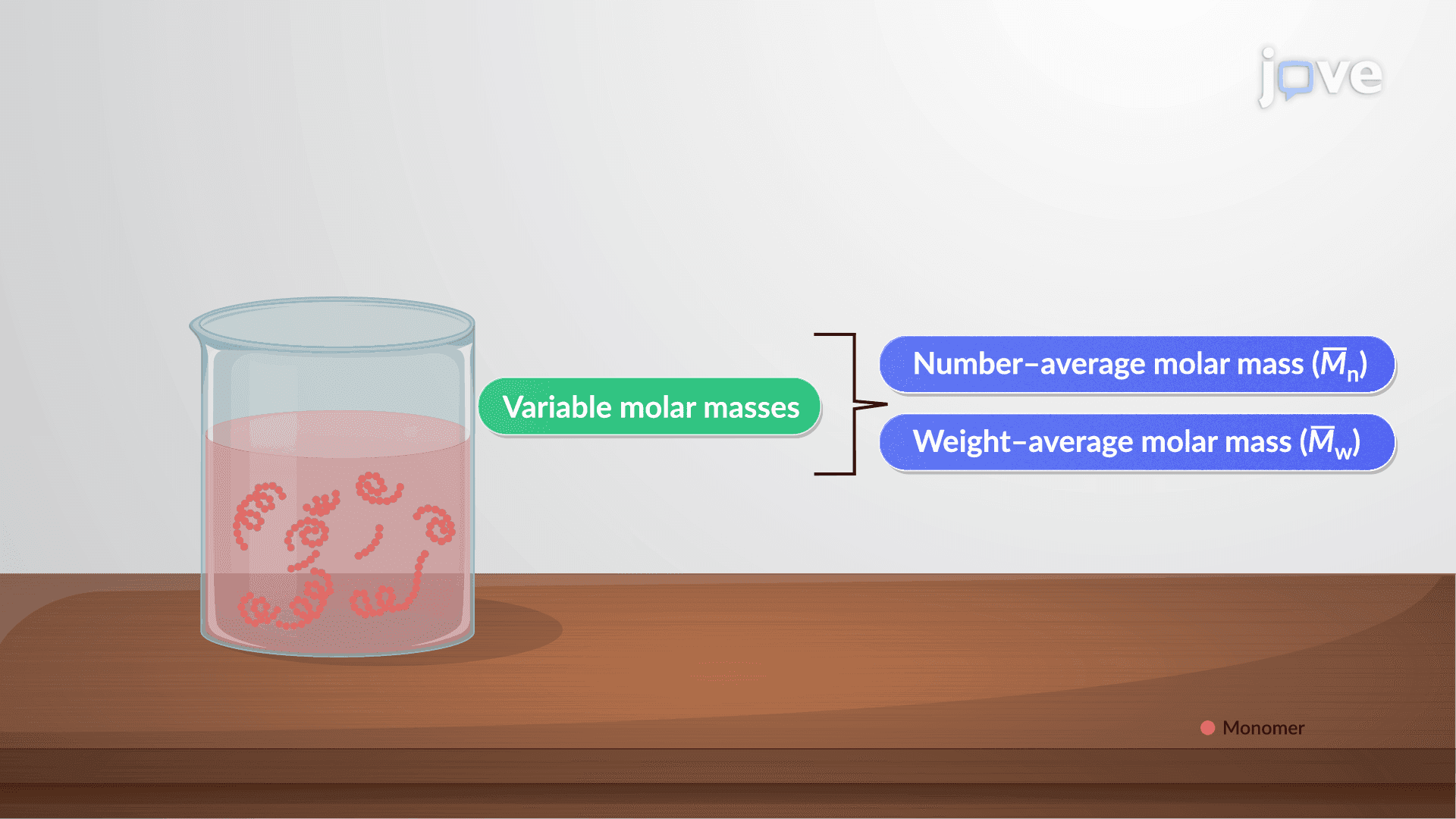
When chemists at companies like Dow Chemical or academic labs at MIT synthesize a polymer, they never produce a perfectly uniform collection of identical chains. Instead, polymerization creates a statistical distribution of chain lengths, some short, some long, and everything in between. Understanding the determination of molar masses of polymers I requires grasping why this distribution exists and how scientists capture it using carefully defined mathematical averages.
The number-average molar mass, written as Mn, is calculated by summing the product of the number of molecules (ni) and their molar mass (Mi) for every chain length present, then dividing by the total number of molecules. Formally:
Mn = Σ(ni × Mi) / Σ(ni)
Think of Mn like calculating a class average on an exam, every student (every molecule) contributes equally regardless of their score (their mass). Mn is especially sensitive to the presence of many small molecules, so a sample with a large number of short chains will have a lower Mn even if a few very long chains are present. In college-level polymer chemistry courses, commonly taken as part of materials science or organic chemistry curricula at US universities, Mn is typically the first molar mass average students encounter.
The weight-average molar mass, written as Mw, weights each chain's contribution by its mass rather than simply by count:
Mw = Σ(ni × Mi²) / Σ(ni × Mi)
Because molar mass appears twice in the numerator, larger chains have a disproportionately larger influence on Mw. Imagine a survey where wealthier individuals' votes count more, Mw "hears" the heavy chains more clearly. This makes Mw particularly relevant to mechanical and physical properties of polymers. For example, the tensile strength and melt viscosity of polyethylene used in US medical device tubing depend heavily on Mw, not just Mn.
Dispersity, symbolized as Đ, is defined as:
Đ = Mw / Mn
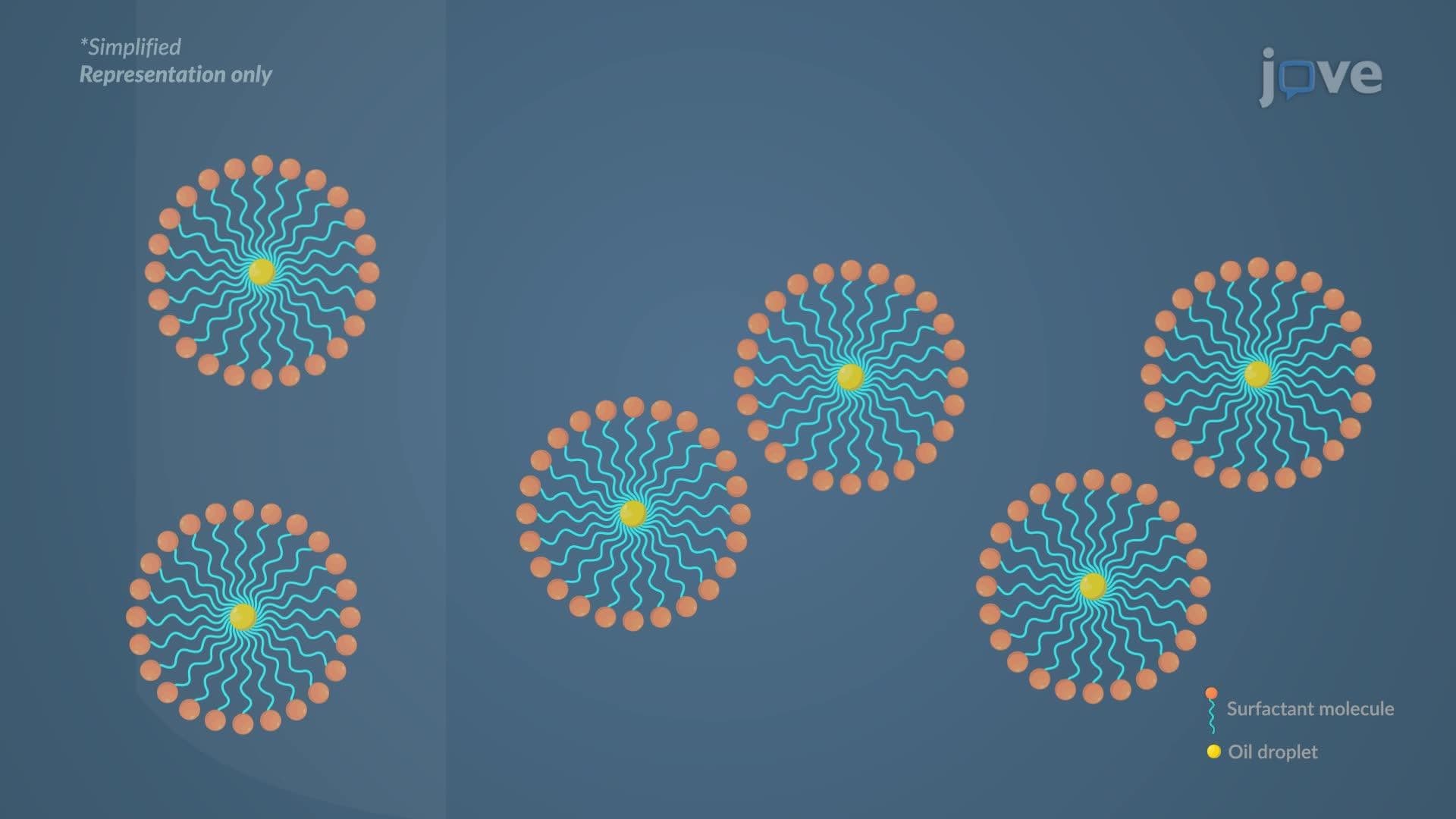
A dispersity of exactly 1.0 would mean every chain in the sample has an identical length, a theoretical ideal rarely achieved outside of highly controlled living polymerization techniques. Most commercial polymers have Đ values ranging from 1.5 to greater than 10, depending on the synthesis method. "Living" polymerizations used in block copolymer synthesis can push Đ close to 1.0, which is crucial for producing well-defined nanostructures like micelles used in drug delivery. This concept directly connects to broader topics in supramolecular chemistry and the self-assembly of macromolecules into ordered structures such as liquid crystals and vesicles.
On the AP Chemistry exam, students are expected to understand polymer structure conceptually. In college general chemistry and organic chemistry courses across the US, Mn, Mw, and dispersity frequently appear in problem sets, midterms, and lab reports, especially in courses covering macromolecules and materials chemistry. For students preparing for the MCAT, understanding molecular weight distribution supports broader biochemistry knowledge around proteins and nucleic acids as natural polymers. Mastering these calculations early builds the quantitative fluency needed for advanced coursework in polymer characterization, block copolymer synthesis, and materials engineering.
Related Micro-courses