Loading video…

 8 Concepts
 1.8K views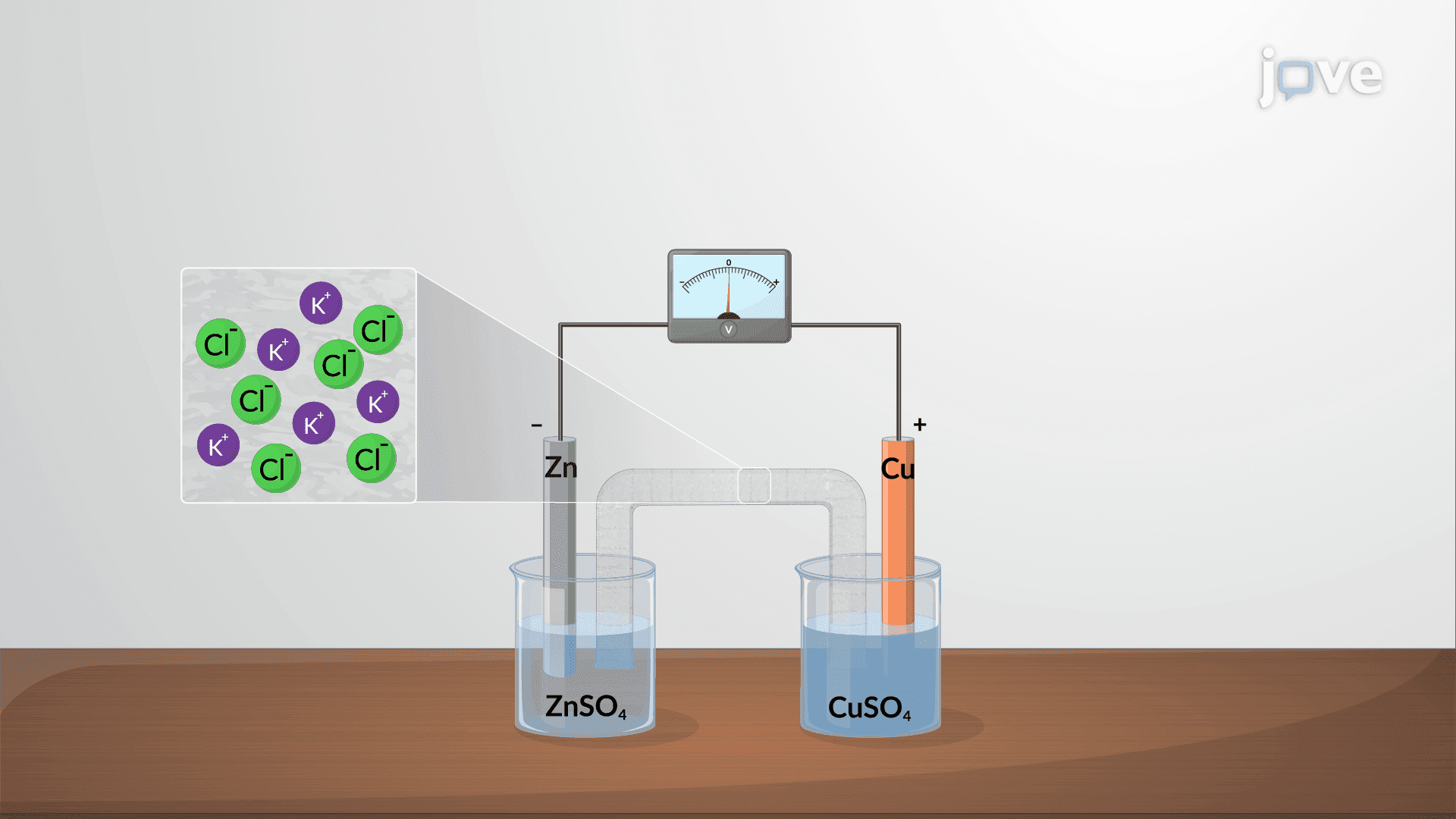

Video Summary: Junction Potentials in Galvanic Cells Explained
Why does your lab galvanic cell never quite match the textbook prediction? Junction potentials in galvanic cells explain this common puzzle. When two different electrolyte solutions meet, unequal ion movement creates a hidden voltage called the liquid junction potential, throwing off Nernst equation calculations. A classic example appears in pH meter calibration used in US university chemistry labs. Understand Junction Potentials in Galvanic Cells Explained fully, watch the full video on JoVE Coach to master this concept with expert-led visuals and step-by-step explanations.
When students first encounter the Nernst equation, it seems like the ultimate tool for predicting cell voltage under non-standard conditions. Yet every careful experimentalist notices the same frustrating gap: the measured potential rarely matches the calculation exactly. The explanation lies in a subtle but important phenomenon, the liquid junction potential. Understanding this concept is essential not only for passing AP Chemistry or college electrochemistry exams, but also for making sense of how real analytical devices work in research and clinical settings across the US.
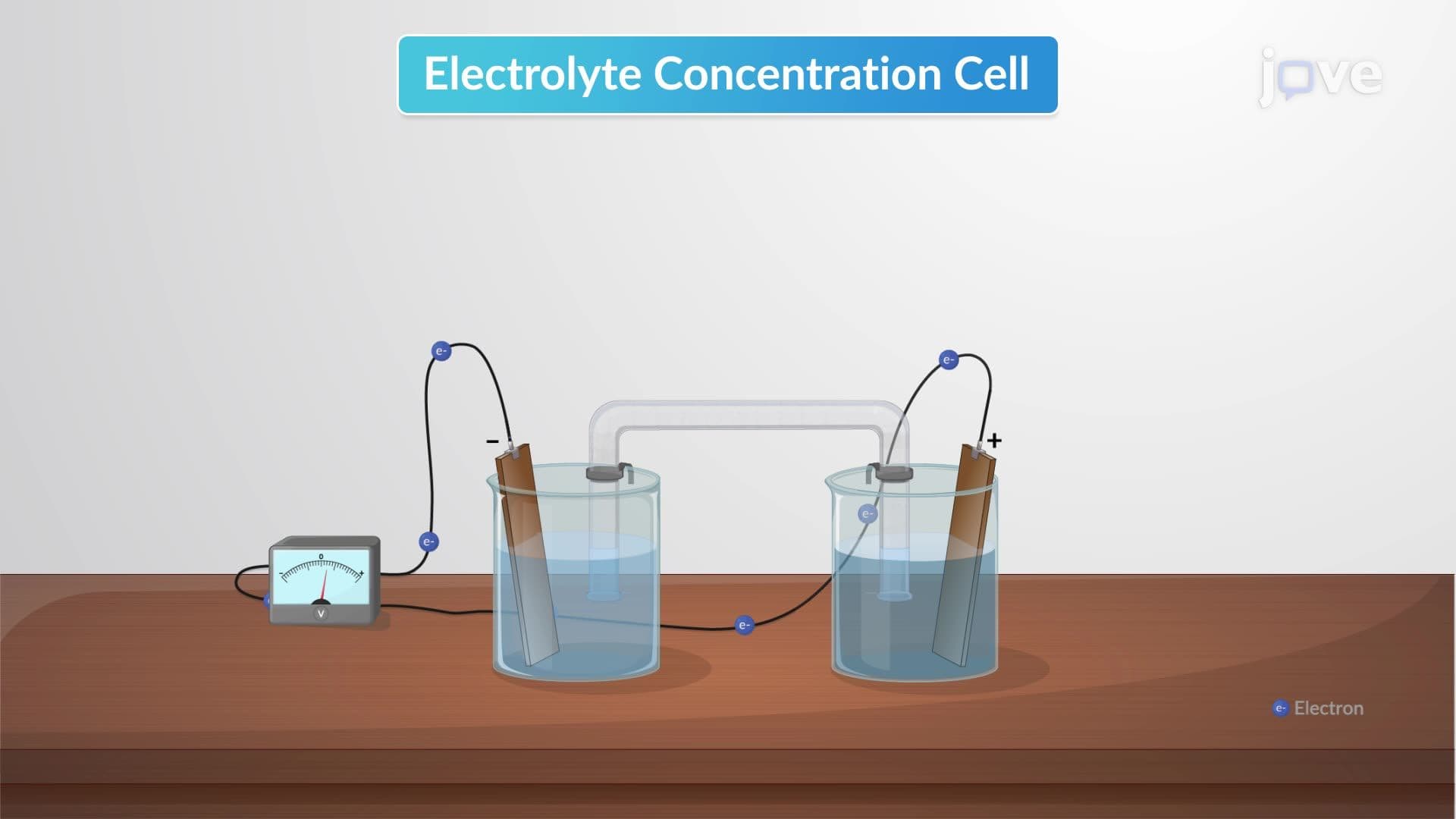
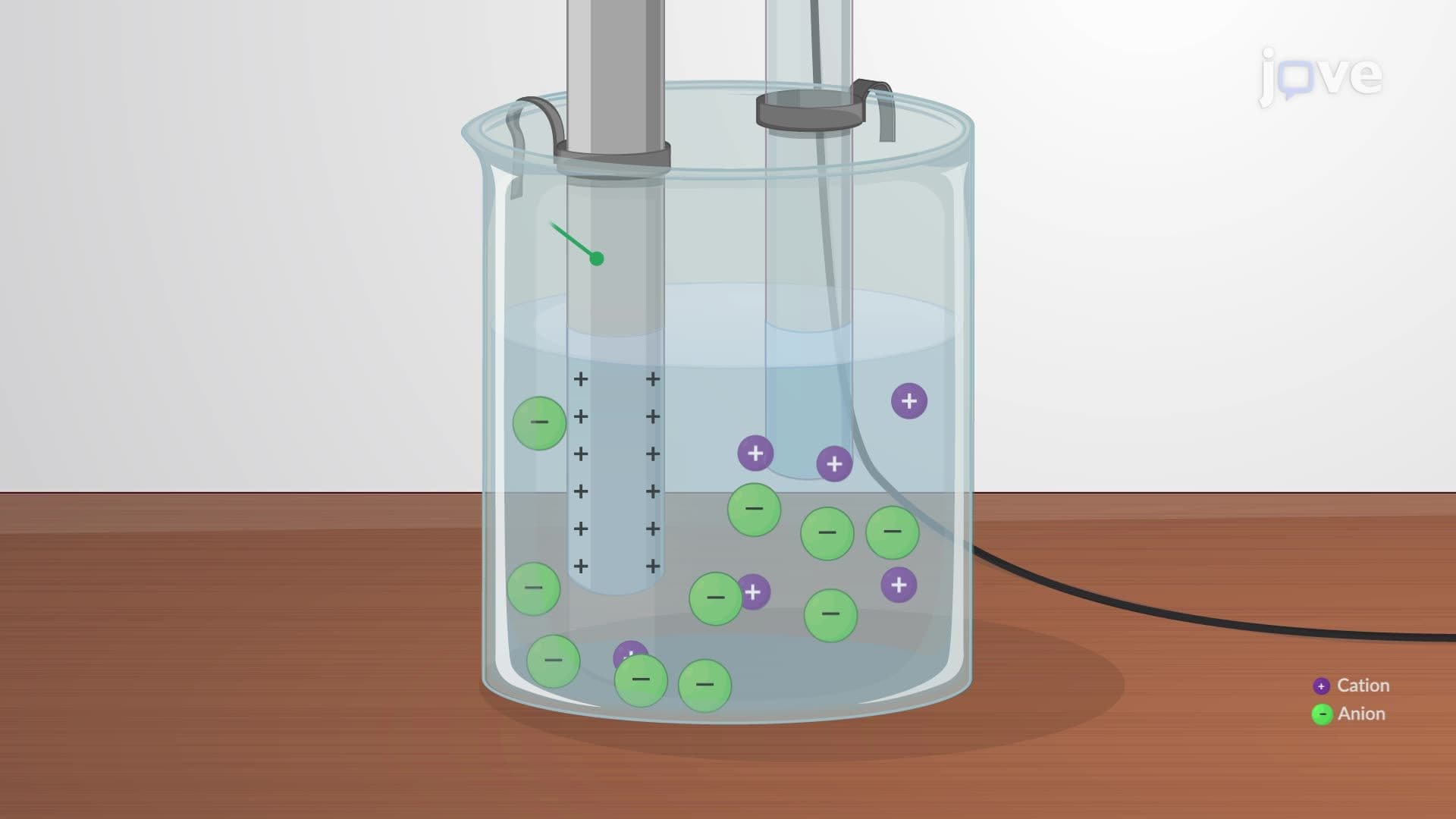
A liquid junction potential, abbreviated E(J), arises whenever two electrolyte solutions of different composition come into direct contact. At the interface, ions from each solution begin to diffuse into the other driven by concentration gradients. Here is the key problem: different ions move at different speeds. This property is called ionic mobility, and it varies significantly between ion species. For example, the hydrogen ion (H⁺) diffuses far faster than most other ions, while larger ions like sulfate (SO₄²⁻) move much more slowly. Because positive and negative ions cross the boundary at unequal rates, a small but measurable charge imbalance develops right at the junction. This charge separation generates an electric potential, the junction potential, that adds to or subtracts from the main cell voltage predicted by the Nernst equation.
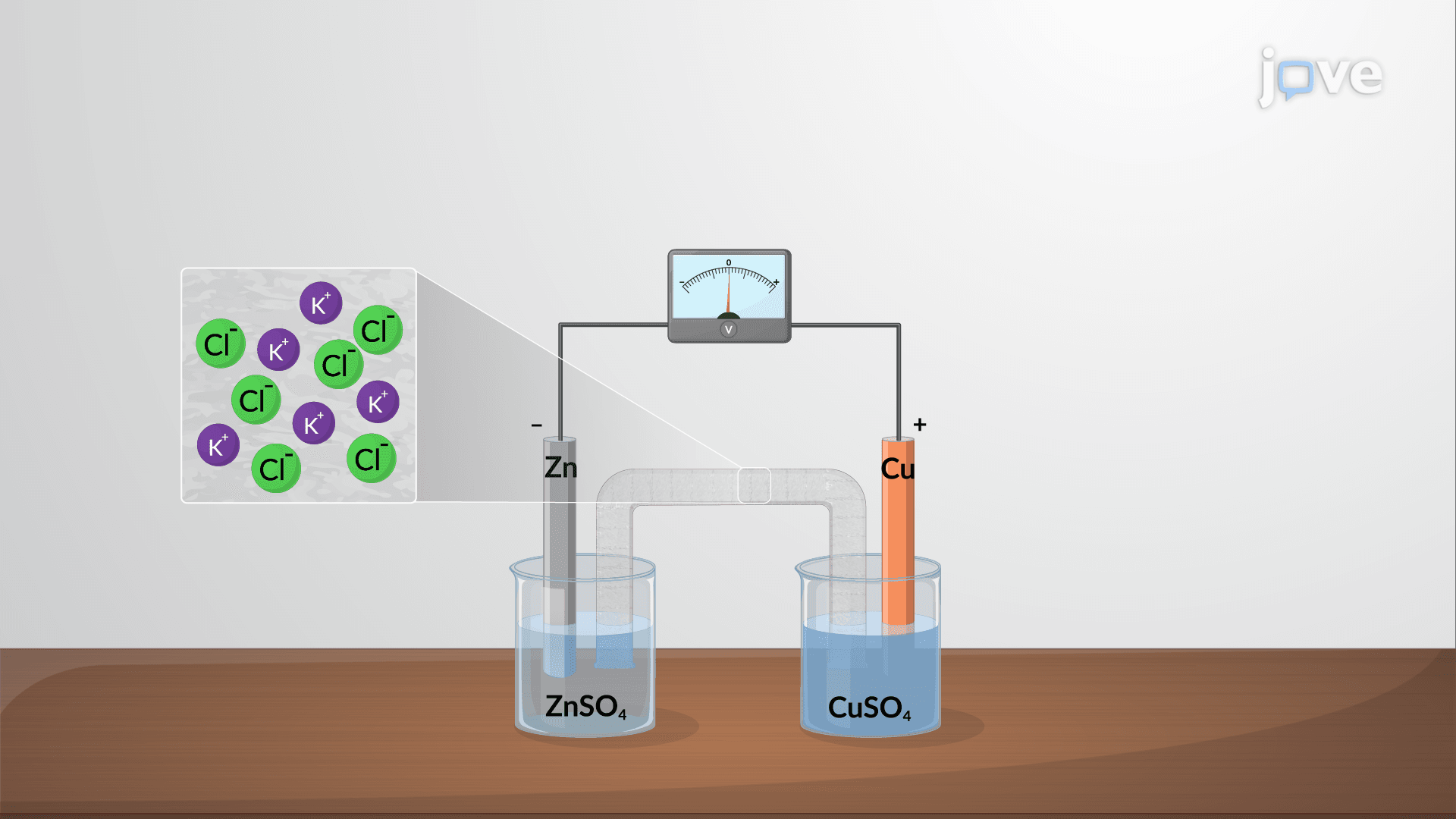
The total measured electromotive force (EMF) of a galvanic cell can be expressed simply as: E(measured) = E(Nernst) + E(J). In many laboratory setups, E(J) is small, often just a few millivolts, but in precision work, even that small error matters. In US hospital and clinical labs, pH meters are a perfect example. A pH meter uses a reference electrode separated from the test solution by a liquid junction. Any uncontrolled junction potential shifts the reading and can compromise patient sample analysis. Electrochemical sensors used in environmental monitoring, such as those measuring nitrate levels in Chesapeake Bay water quality programs, face the same challenge.
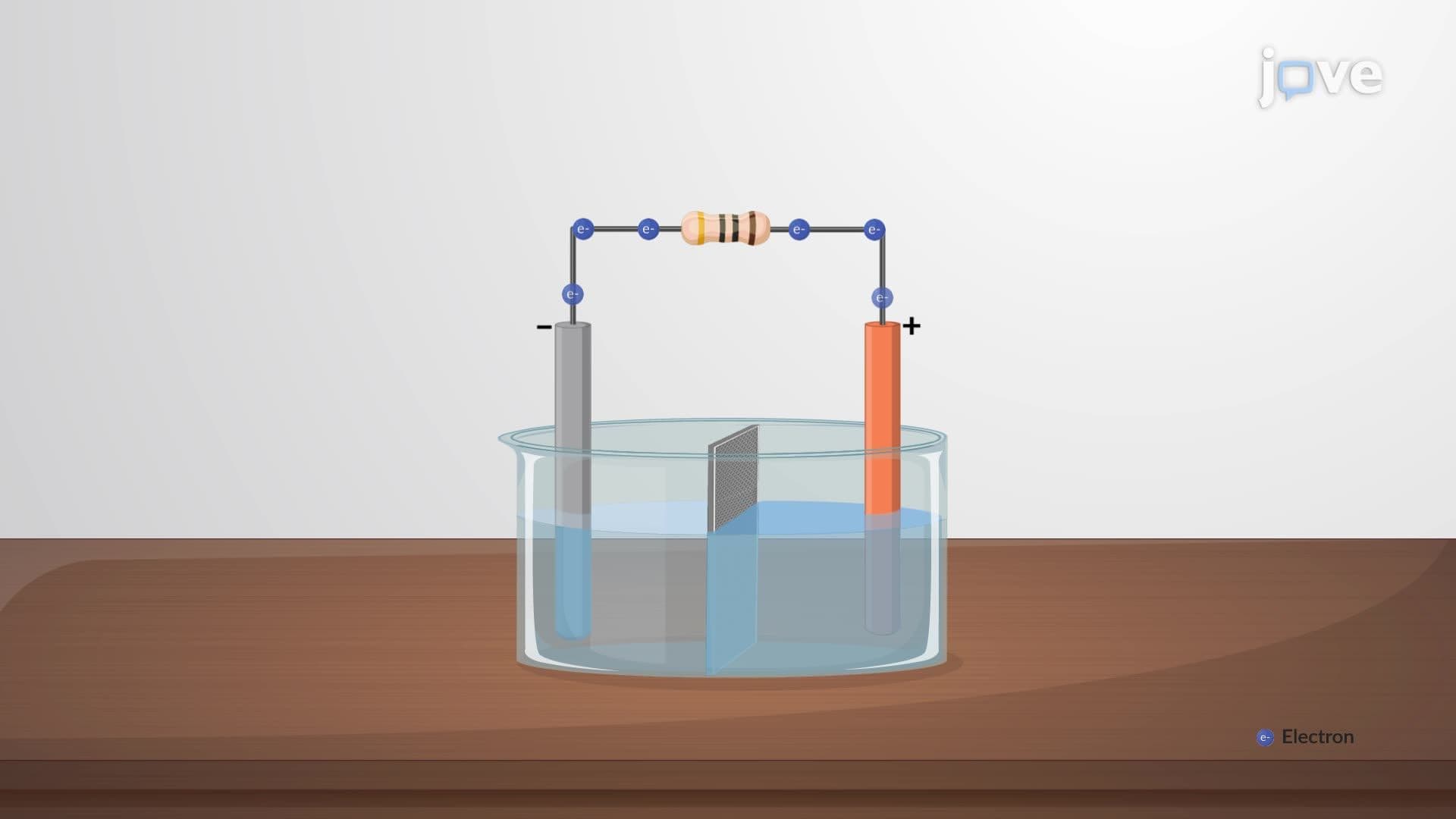
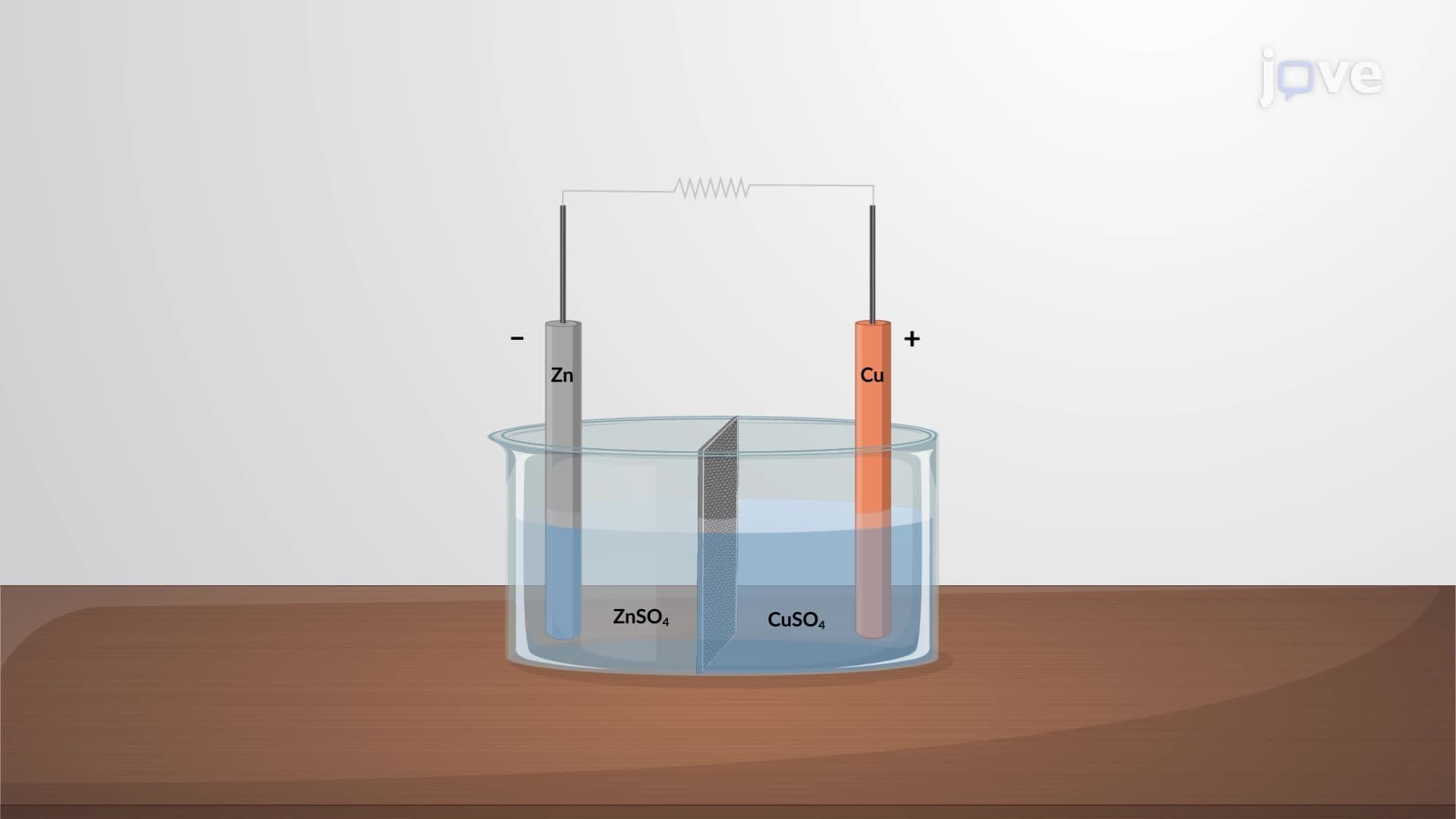
The standard engineering fix is the salt bridge, a tube or membrane filled with a concentrated electrolyte, most commonly potassium chloride (KCl) dissolved in agar gel. The genius of this choice is ionic symmetry: K⁺ and Cl⁻ have nearly identical ionic mobilities. When both ions diffuse at the same rate, they cross the junction together, preventing charge buildup and driving E(J) close to zero. This dramatically improves measurement reproducibility. In AP Chemistry lab investigations and general chemistry university courses, students learn that salt bridge selection is not arbitrary, it is a deliberate design decision rooted in electrochemical principles.
Junction potentials are not just a classroom curiosity, they appear across applied electrochemistry. In fuel cells, such as hydrogen fuel cells being developed for commercial vehicles in California, careful management of ion transport at membrane interfaces is critical to performance. In corrosion science, differential ion concentrations at metal surfaces drive localized electrochemical cells that accelerate material degradation. Cyclic voltammetry experiments in US university research labs must account for overpotential and junction effects to produce reliable data. Mastering junction potentials builds the conceptual foundation needed to understand all of these systems, and it is a topic that appears with increasing frequency on the MCAT and in college-level analytical chemistry coursework.
Related Micro-courses