Loading video…

 8 Concepts
 1.8K views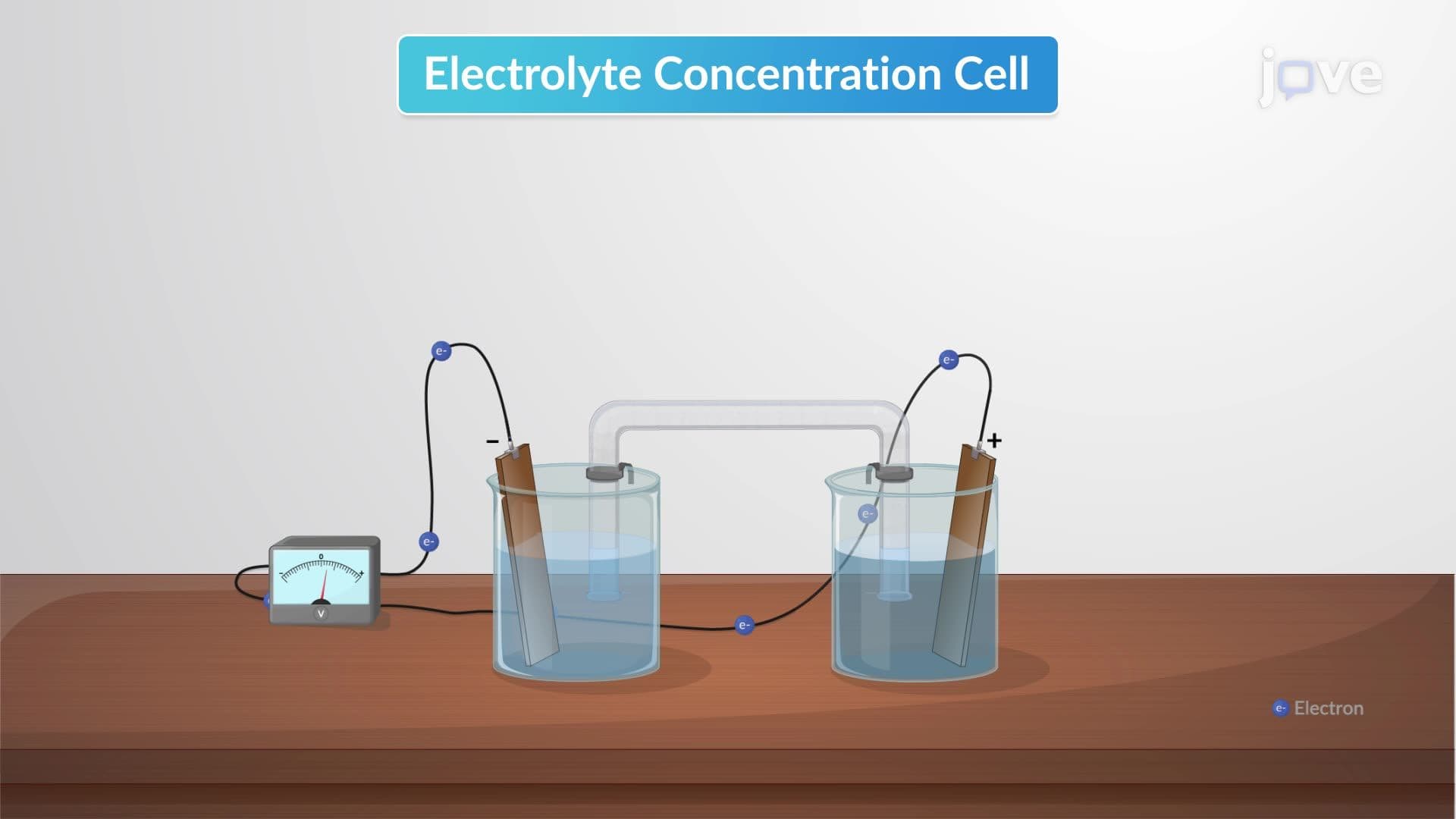

Video Summary: What are Concentration Cells
Did you know a battery can generate electricity even when both electrodes are made of the same metal? That's exactly what concentration cells do. These fascinating electrochemical systems produce voltage purely from differences in ion or gas concentration, no different materials needed. A real-world parallel appears in how corrosion forms on steel pipelines across the US. Watch the full video on JoVE Coach to master this concept with expert-led visuals and step-by-step explanations.
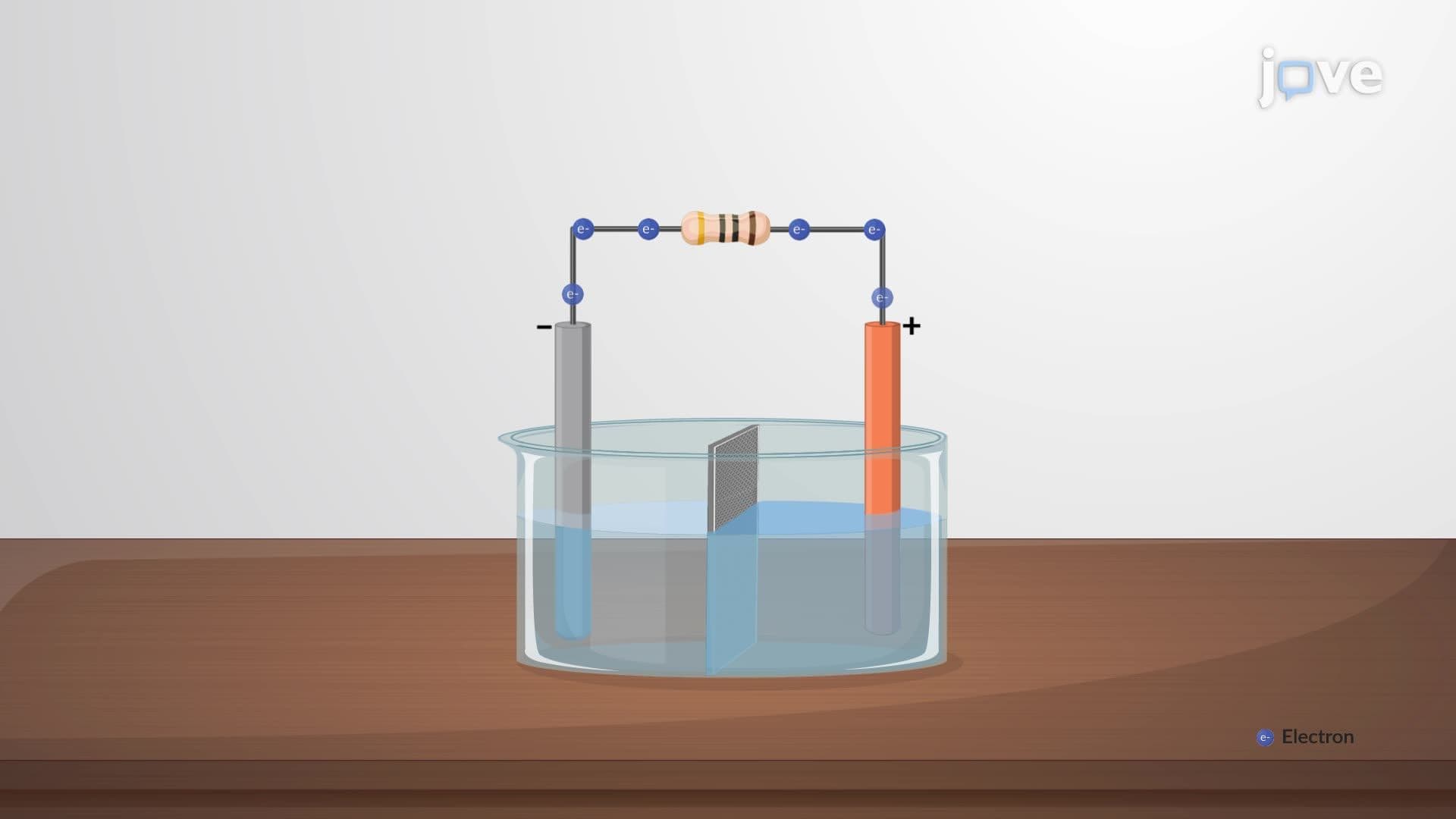
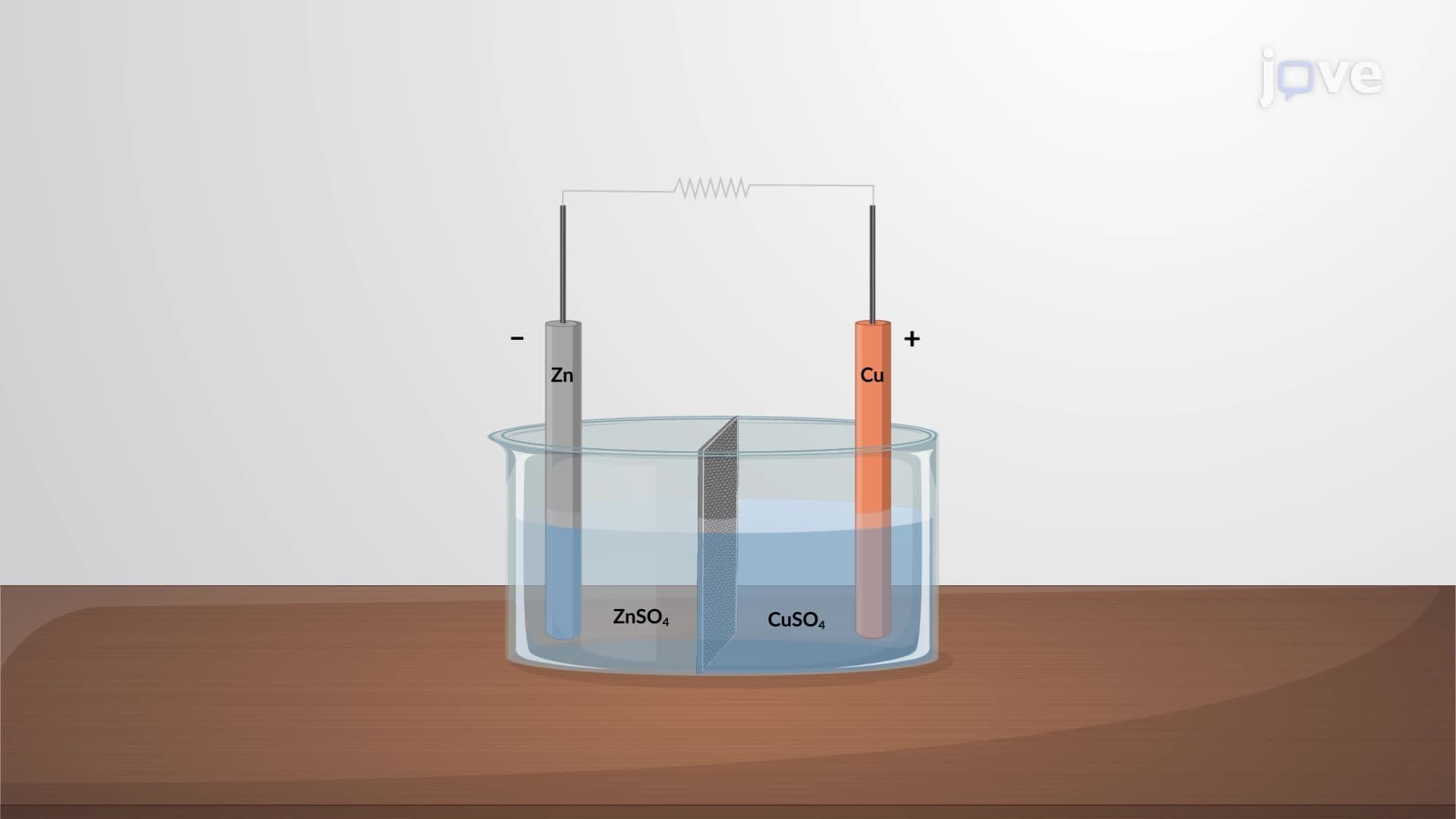
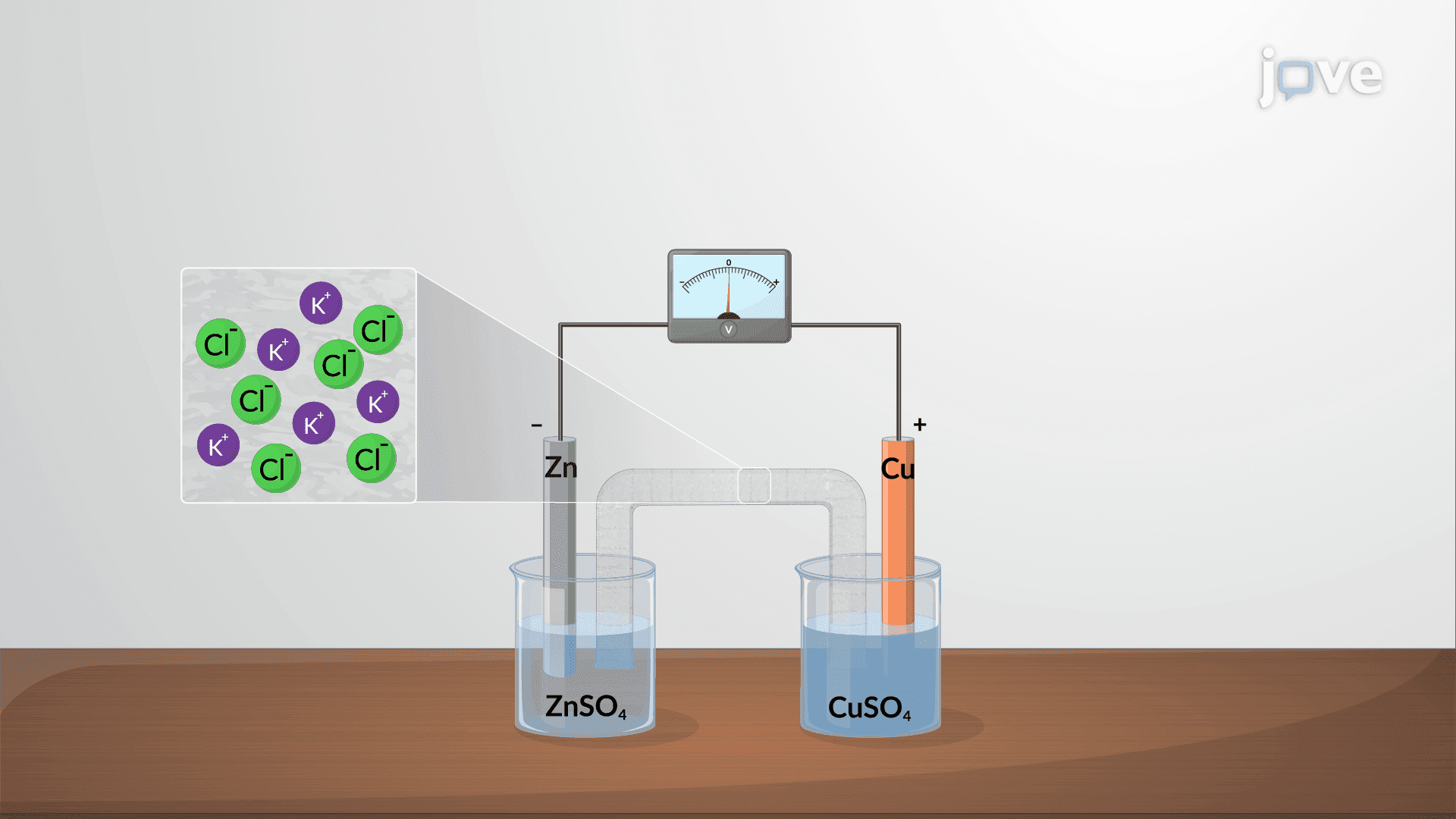
Concentration cells are a unique class of electrochemical cells that generate electromotive force (EMF) not from differences in electrode materials, but purely from differences in concentration. When two half-cells containing the same electrode material are connected, but hold solutions or gases at different concentrations, a potential difference arises. This potential difference drives a spontaneous flow of electrons through the external circuit and ions through the internal solution, converting chemical energy into electrical energy.
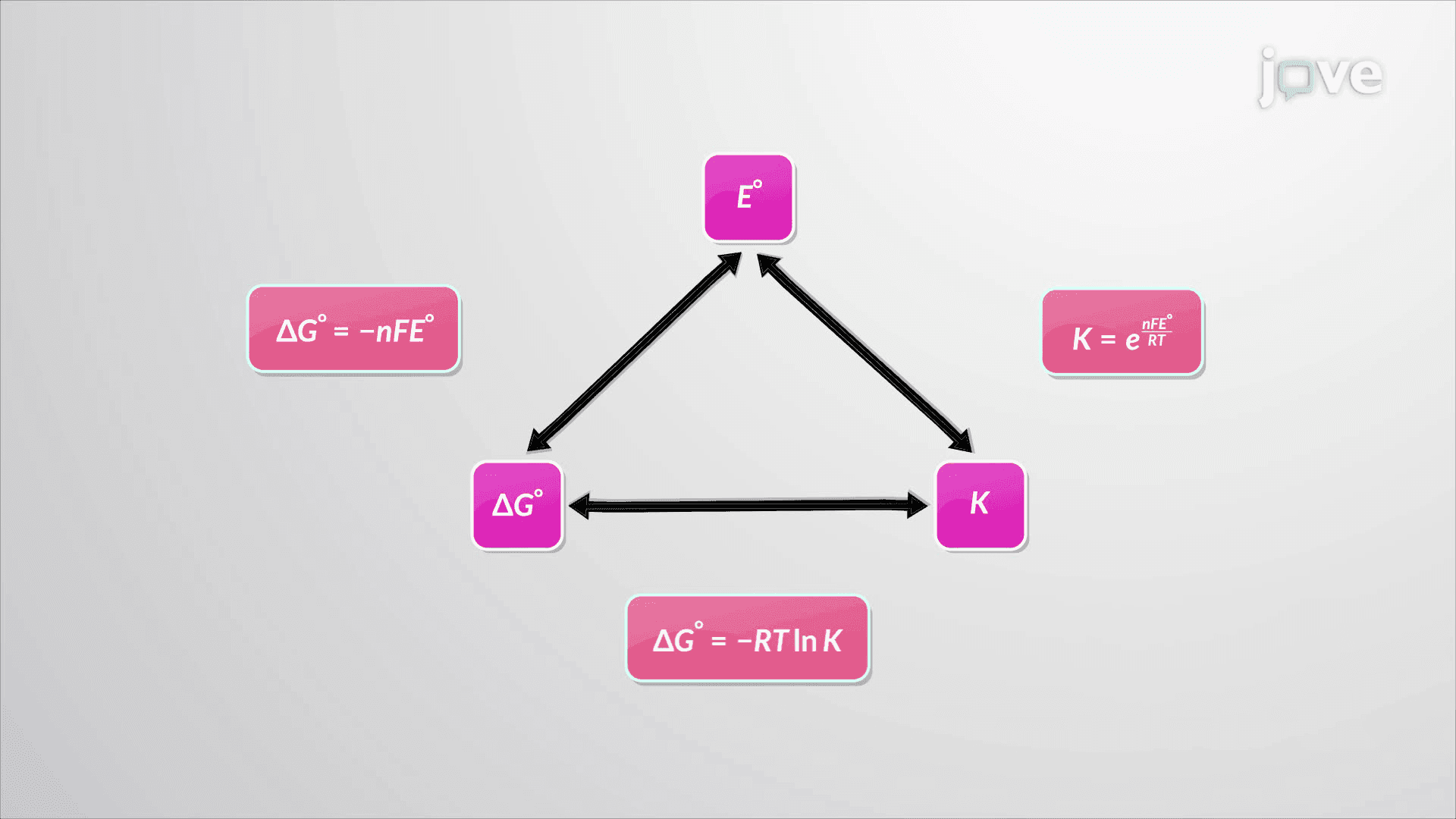
Understanding concentration cells means understanding the Nernst equation, one of the most important tools in electrochemistry. The Nernst equation relates a cell's EMF to the standard electrode potential, temperature, and the reaction quotient (Q). For a concentration cell, since both electrodes are chemically identical, the standard cell potential is zero. The entire voltage therefore comes from the concentration ratio. In simplified form:
E(cell) = -(RT/nF) × ln(Q)
At 25°C, this reduces to a form using log base 10, making calculations manageable for AP Chemistry and college general chemistry courses. The cell is spontaneous, meaning E(cell) is positive, when Q is less than 1, which occurs when the higher-concentration half-cell drives the reaction forward.
There are two major categories students must distinguish:
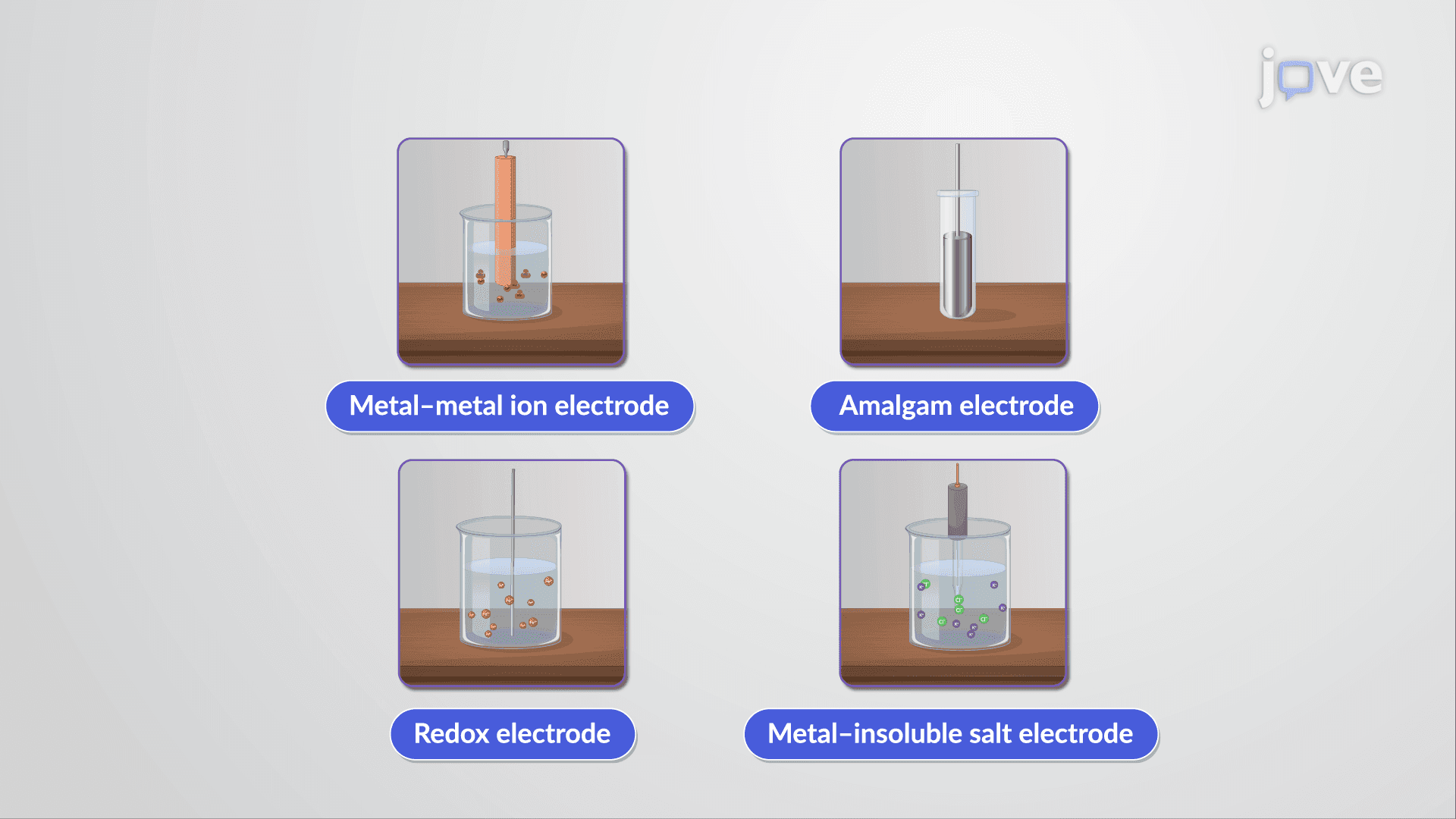
Electrode concentration cells involve identical electrodes exposed to the same electrolyte solution, but the electroactive species (often a gas) is at different pressures or activities at each electrode. The classic textbook example, and one you'll encounter on the AP Chemistry exam, is the hydrogen electrode, where two platinum electrodes are immersed in the same hydrogen ion solution but exposed to hydrogen gas at different pressures. The electrode at lower hydrogen pressure acts as the anode, while the electrode at higher pressure acts as the cathode.
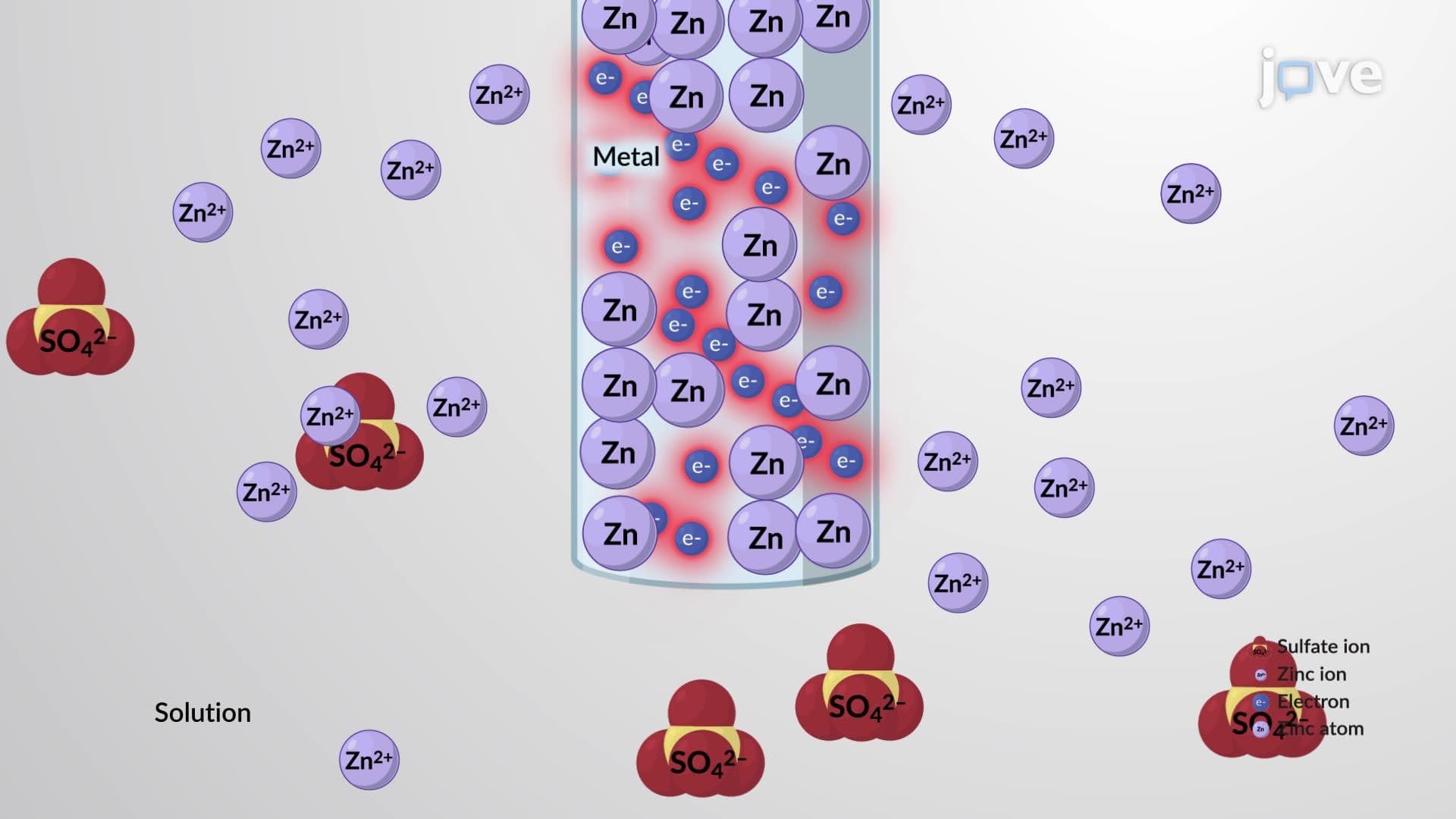
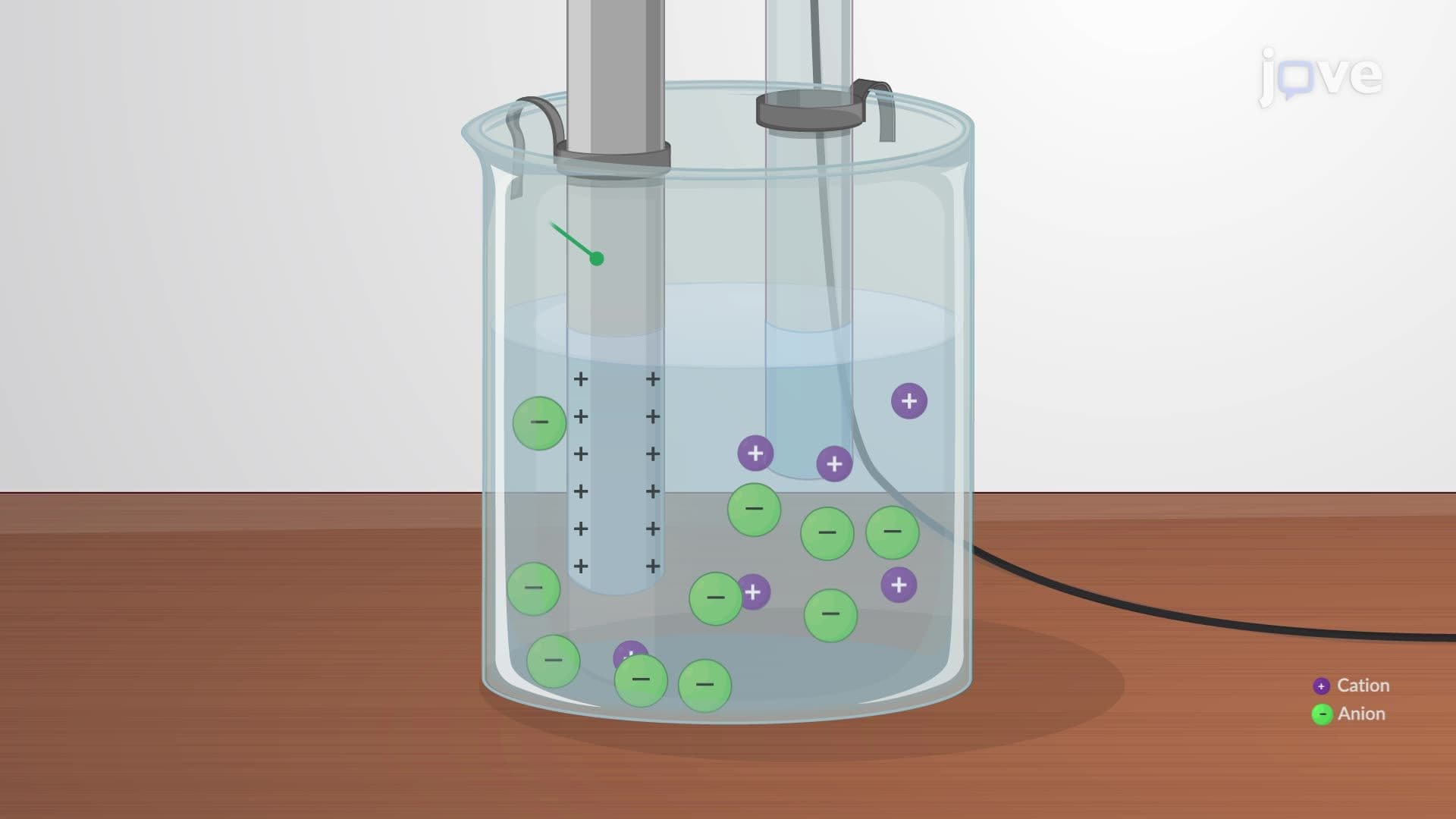
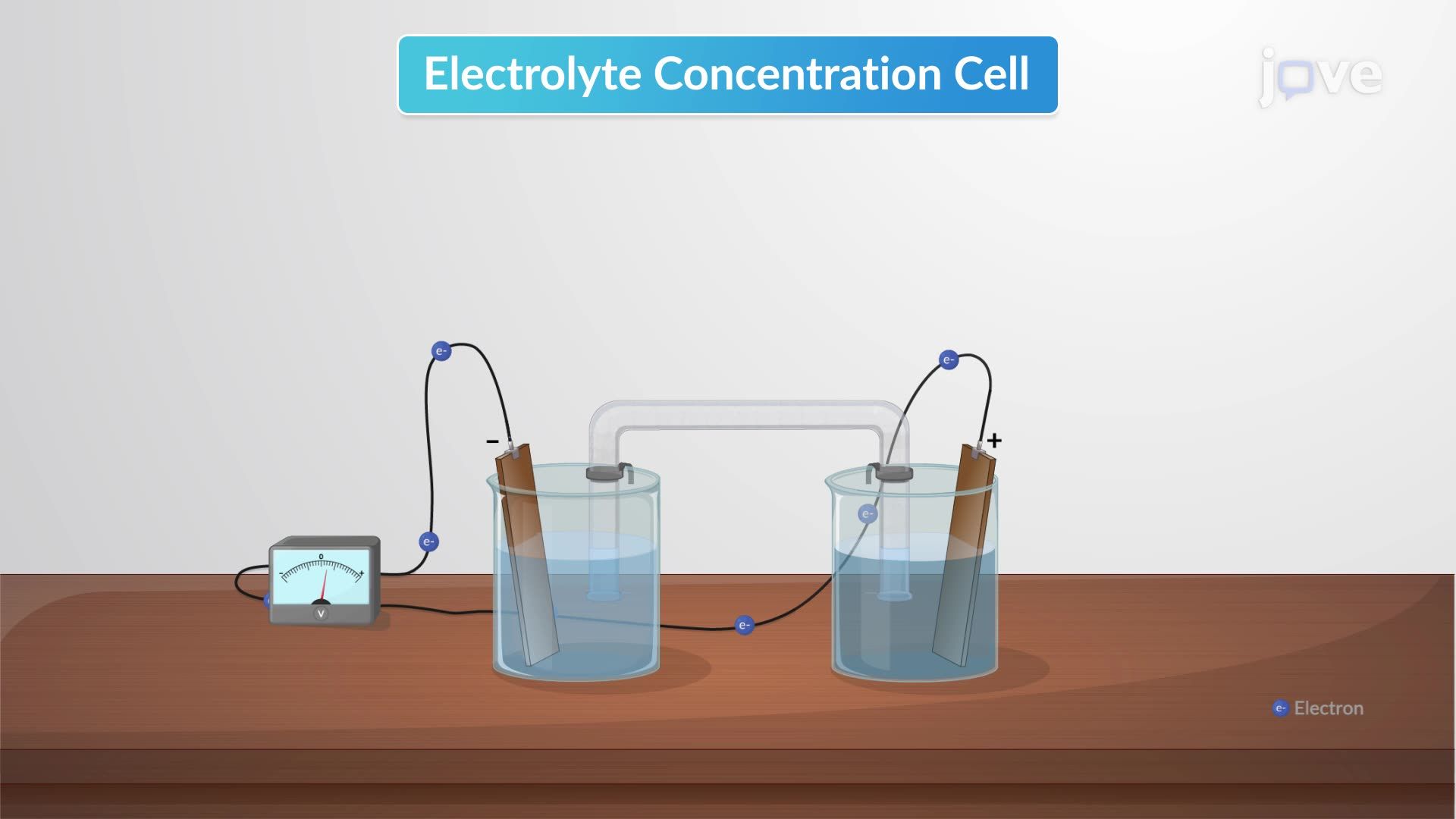
Electrolyte concentration cells involve identical metal electrodes dipped into solutions of the same electrolyte but at different concentrations. A zinc concentration cell, with zinc electrodes in zinc sulfate solutions of different molarities, is a common exam example. These cells can operate with transference (ions move between compartments through a junction) or without transference (a different internal design, such as an amalgam electrode system, prevents direct ion mixing).
Concentration cell principles are not just textbook abstractions. Corrosion on steel structures, including bridges, pipelines, and naval vessels throughout the US, often begins where oxygen concentration differs along a metal surface, creating localized concentration cells. The oxygen concentration cell mechanism explains why water-logged crevices corrode faster than exposed surfaces.
In biomedical engineering, concentration gradients drive electrochemical sensors used in continuous glucose monitors, a technology that has transformed diabetes management for millions of Americans. The Nernst equation directly governs how these sensors translate ion concentration into a measurable voltage signal.
For students preparing for AP Chemistry, college general chemistry midterms, or the MCAT, concentration cells offer a high-yield topic that ties together thermodynamics (Gibbs free energy), kinetics (reaction direction), and practical electrochemistry in a single concept.
Related Micro-courses