Loading video…

 16 Concepts
 3.1K views

Video Summary: What are Unit Cells
Did you know that table salt arranges itself into a perfectly repeating pattern at the atomic level? Unit cells are the fundamental building blocks behind that order, the smallest repeating units that define an entire crystal's structure. US-based materials science programs rely on unit cell analysis to design semiconductors and pharmaceuticals. Watch the full video on JoVE Coach to master this concept with expert-led visuals and step-by-step explanations.
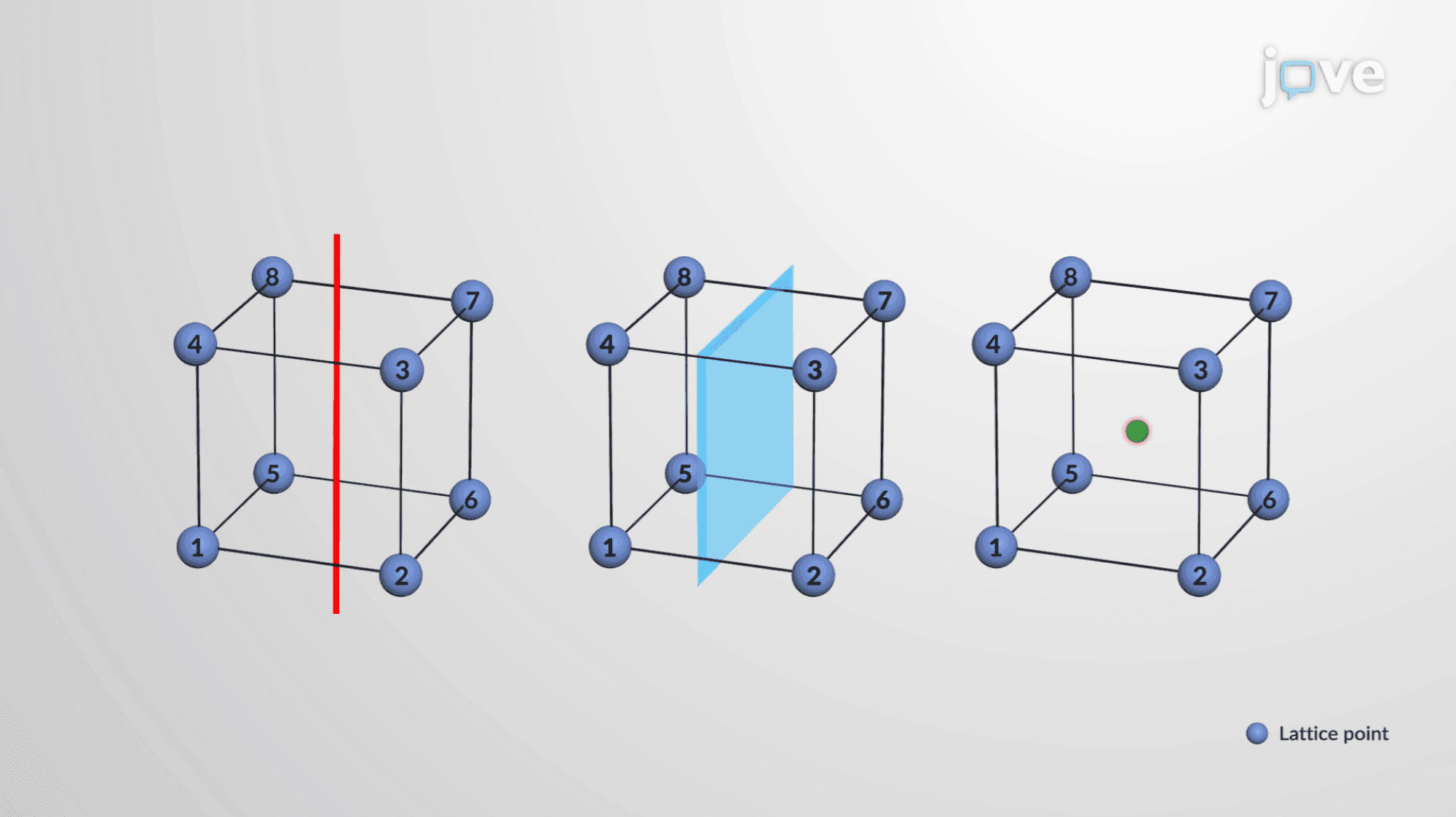
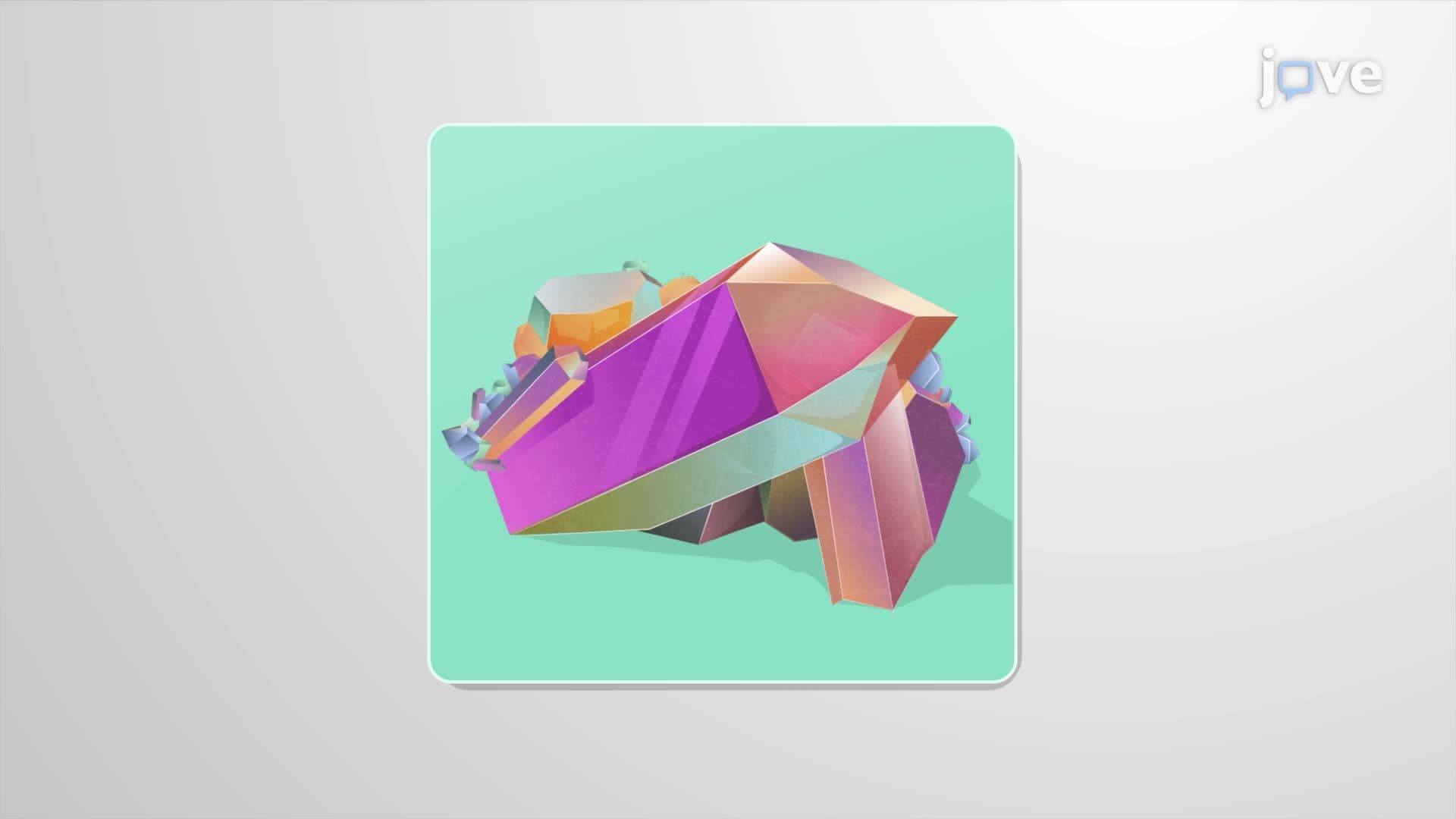
Crystals are not random arrangements of atoms, they are extraordinarily organized, repeating structures that extend in three dimensions. The concept that makes this possible is the unit cell: the smallest, most fundamental repeating unit of a crystal lattice. Think of it like a single LEGO brick. Stack millions of identical bricks in all directions, and you build a complete structure. Similarly, a unit cell, repeated through simple translations in three-dimensional space, reconstructs the entire crystal without gaps or overlaps.
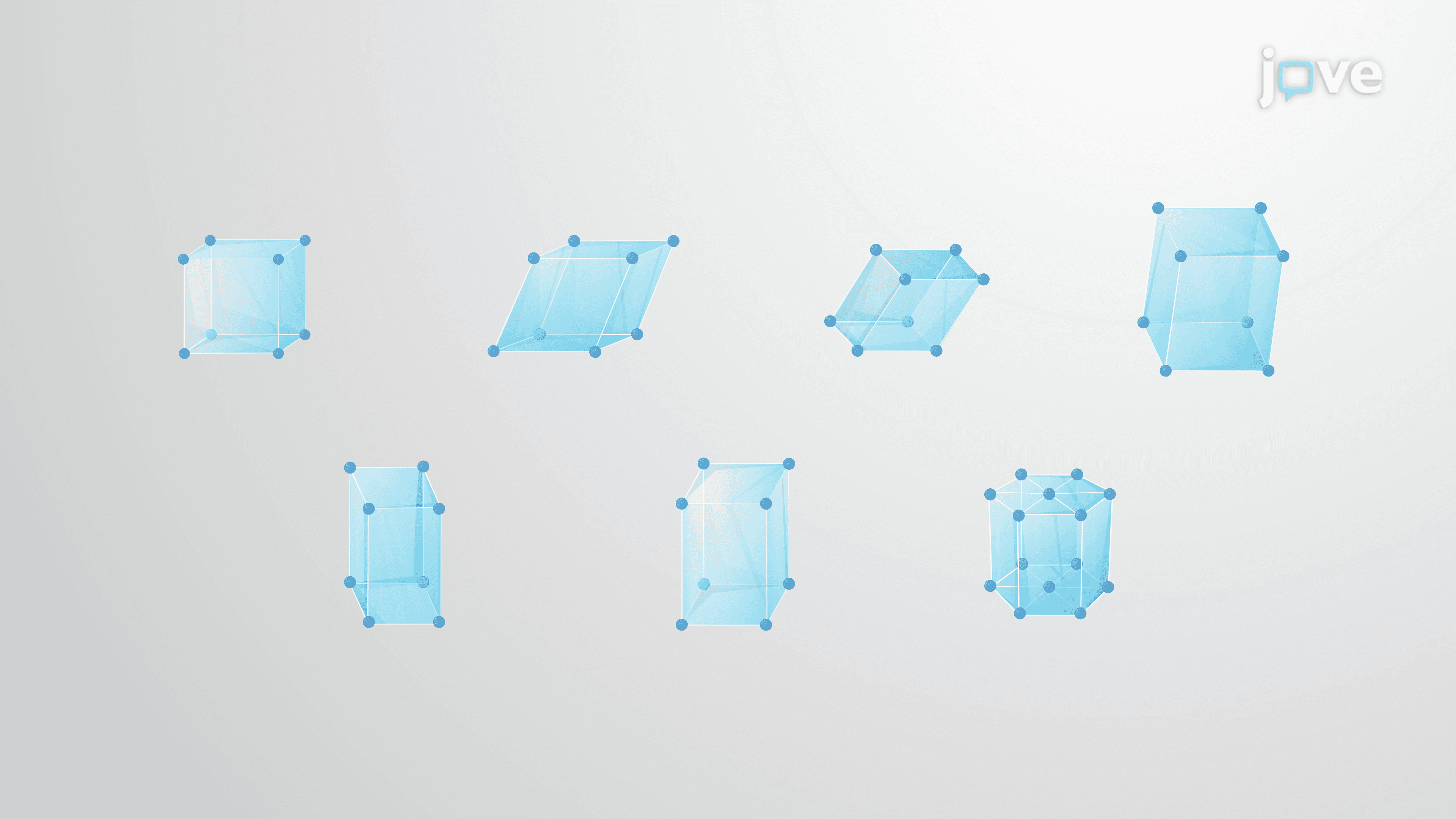
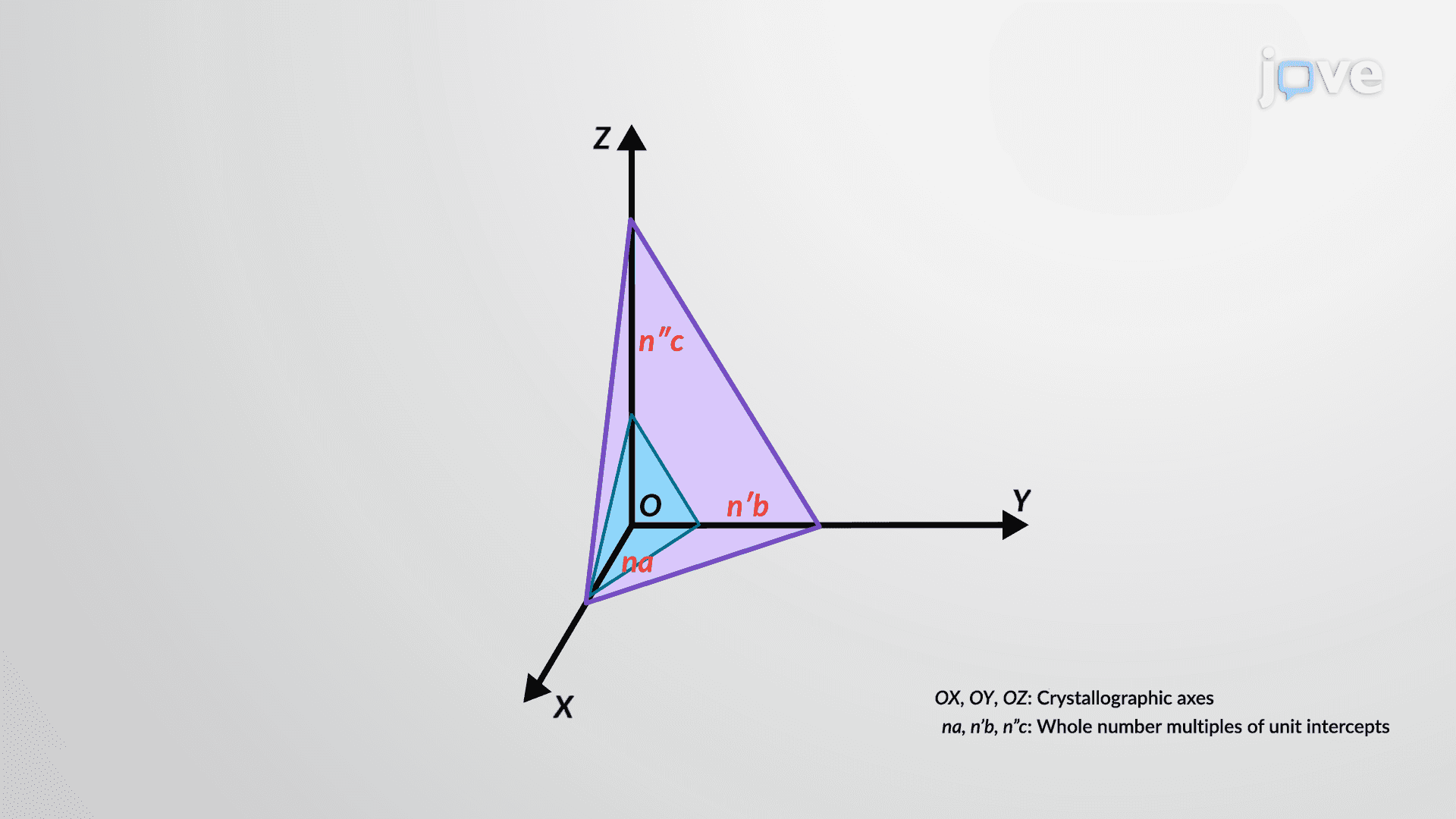
To describe a crystal mathematically, scientists define a space lattice, an infinite, idealized 3D array of points that represents the positions of particles (atoms, ions, or molecules) within the solid. Each unit cell within this lattice is defined by six key parameters: three edge lengths (a, b, and c) and three interaxial angles (alpha, beta, and gamma). These parameters together determine the shape and size of the unit cell. Depending on how these six values relate to one another, crystallographers classify unit cells into one of seven crystal systems, including cubic, tetragonal, orthorhombic, and hexagonal, giving rise to the 14 Bravais lattices that account for every possible crystal geometry found in nature.
Not every possible unit cell is equally useful. When multiple options exist, scientists select the one with the greatest symmetry and the smallest volume consistent with that symmetry. Critically, a valid unit cell must reproduce not just the positions of particles but also the empty space between them. This balance ensures the unit cell accurately represents the full crystal structure and can be used to calculate real physical properties like density.
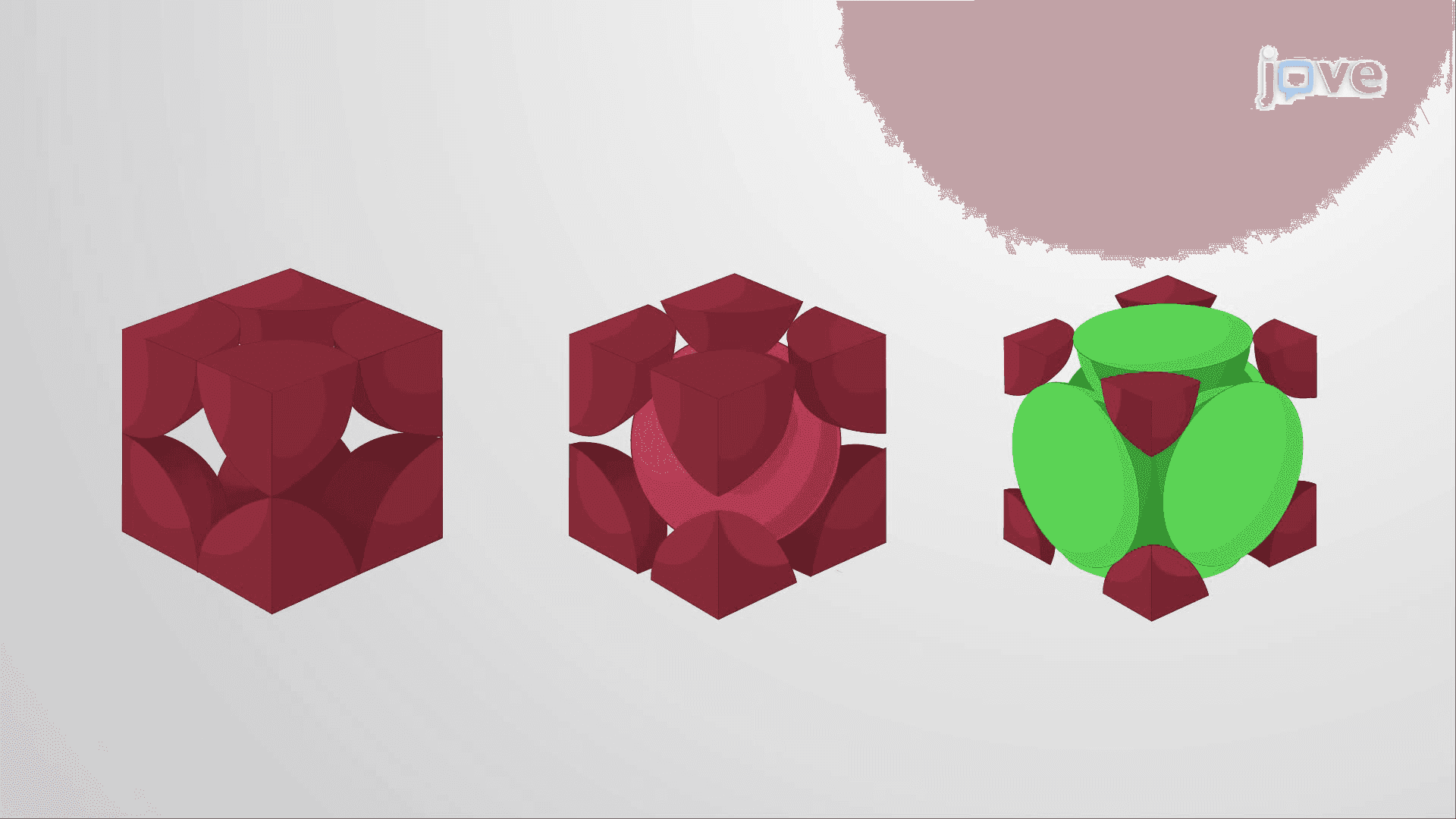
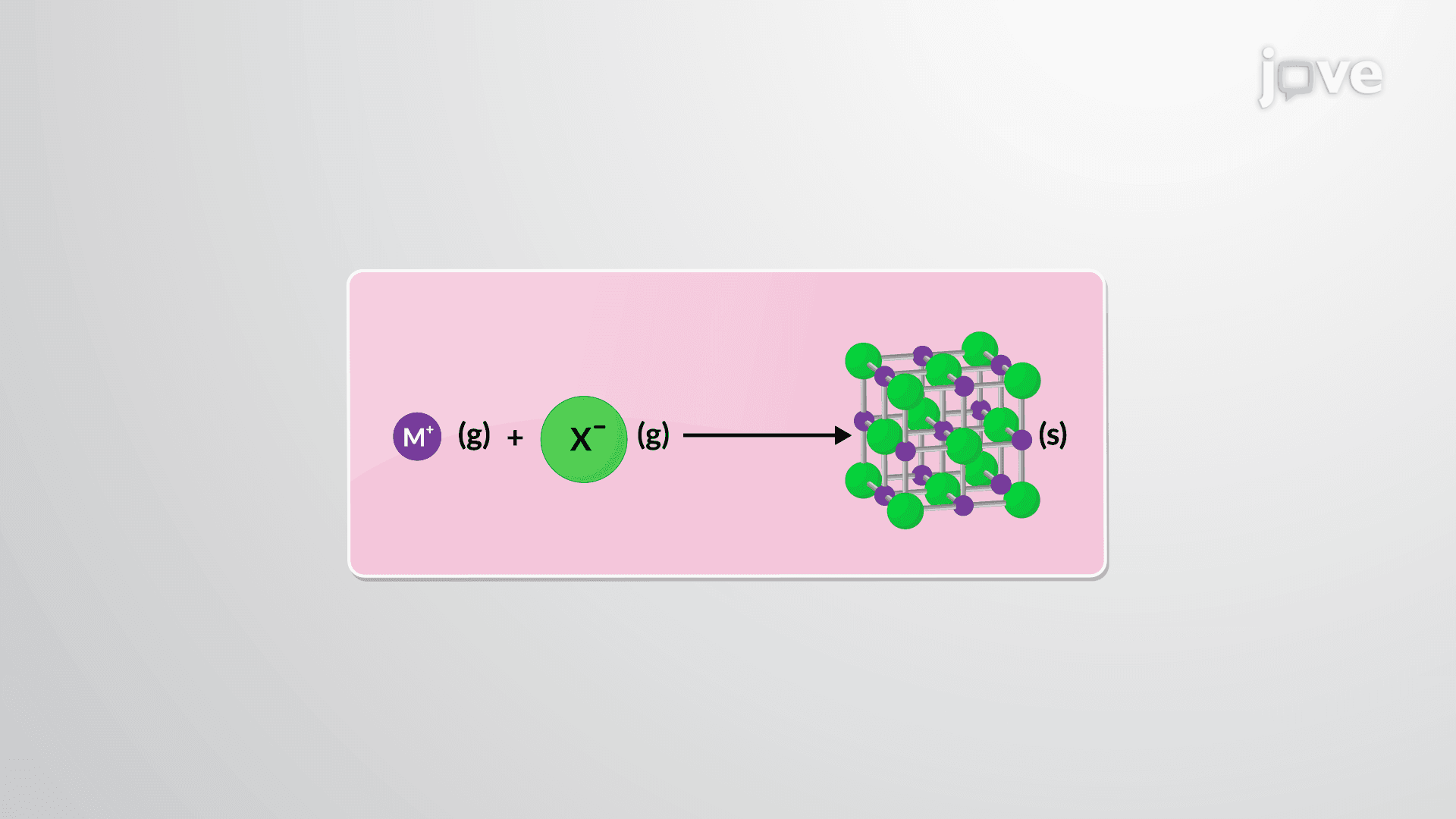
A subtlety that trips up many students is how atoms or ions sitting on corners, edges, or faces of a unit cell are counted. An atom at a corner is shared among eight adjacent unit cells, so it contributes only 1/8 to any single cell. For cesium chloride (CsCl), a simple ionic crystal studied in US general chemistry and AP Chemistry courses, eight cesium ions sit at the eight corners of a cubic unit cell, each contributing 1/8, yielding exactly one cesium ion per cell. A single chloride ion occupies the center, giving a 1:1 ratio that perfectly matches the compound's formula unit.
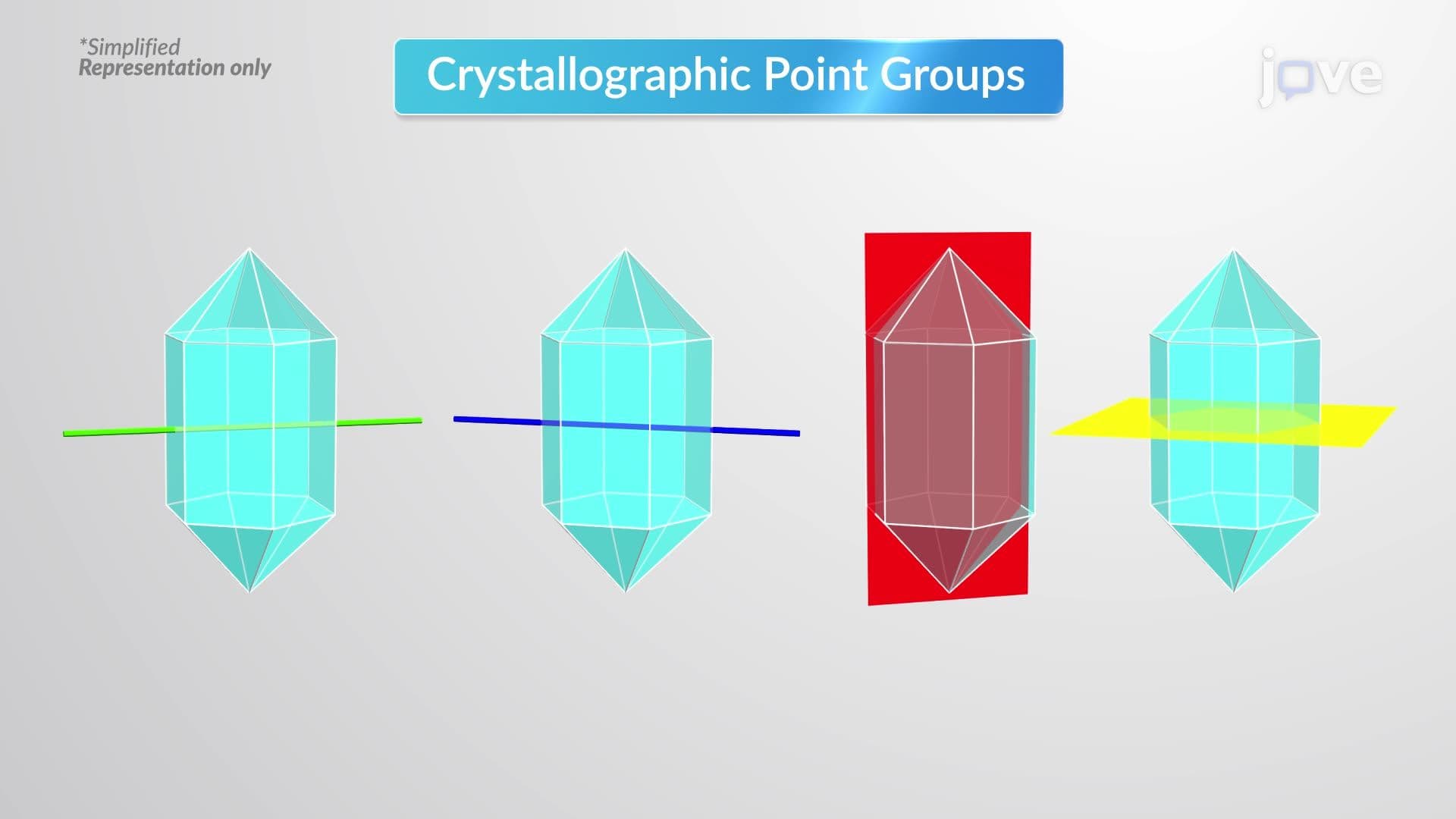
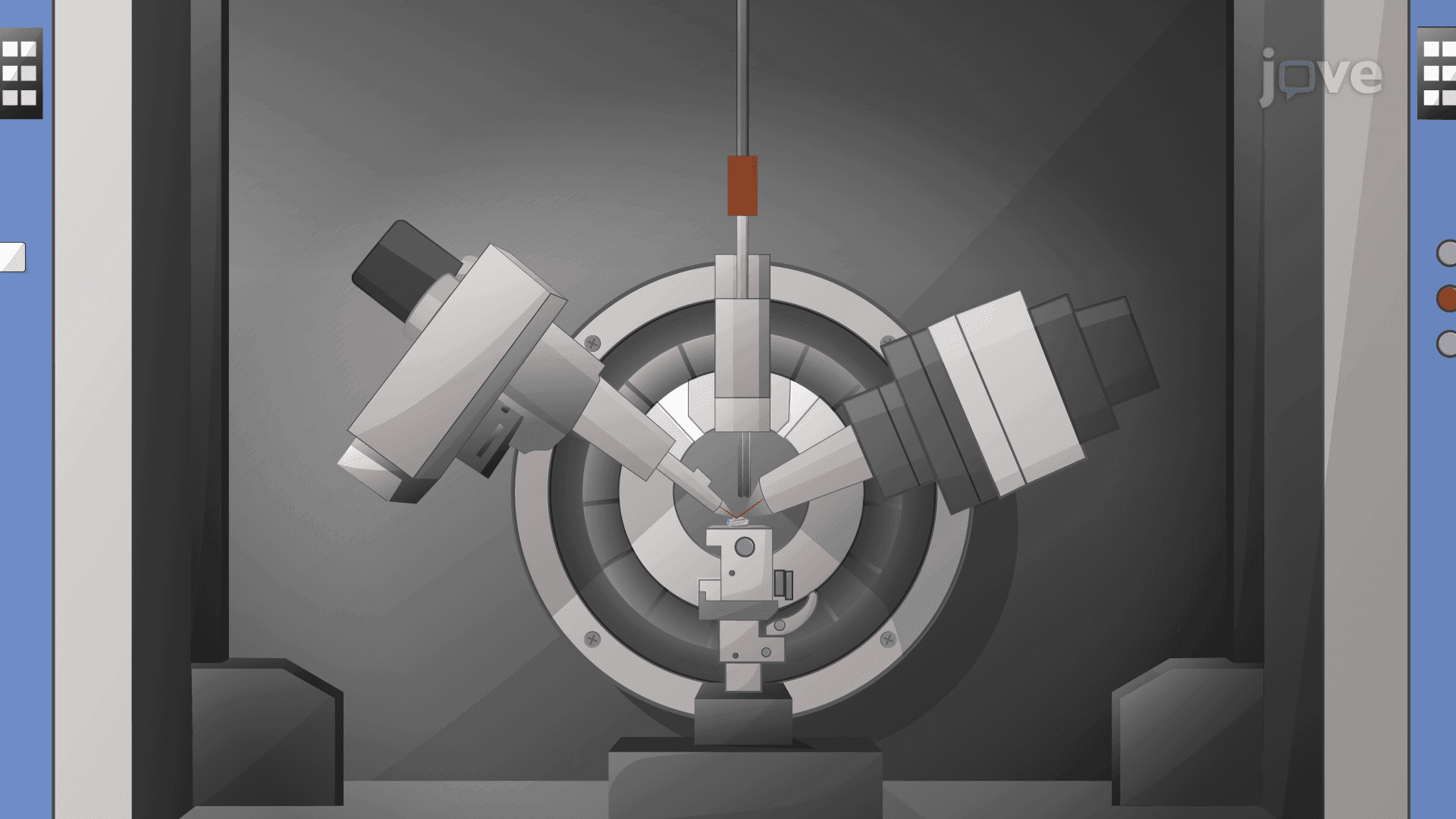
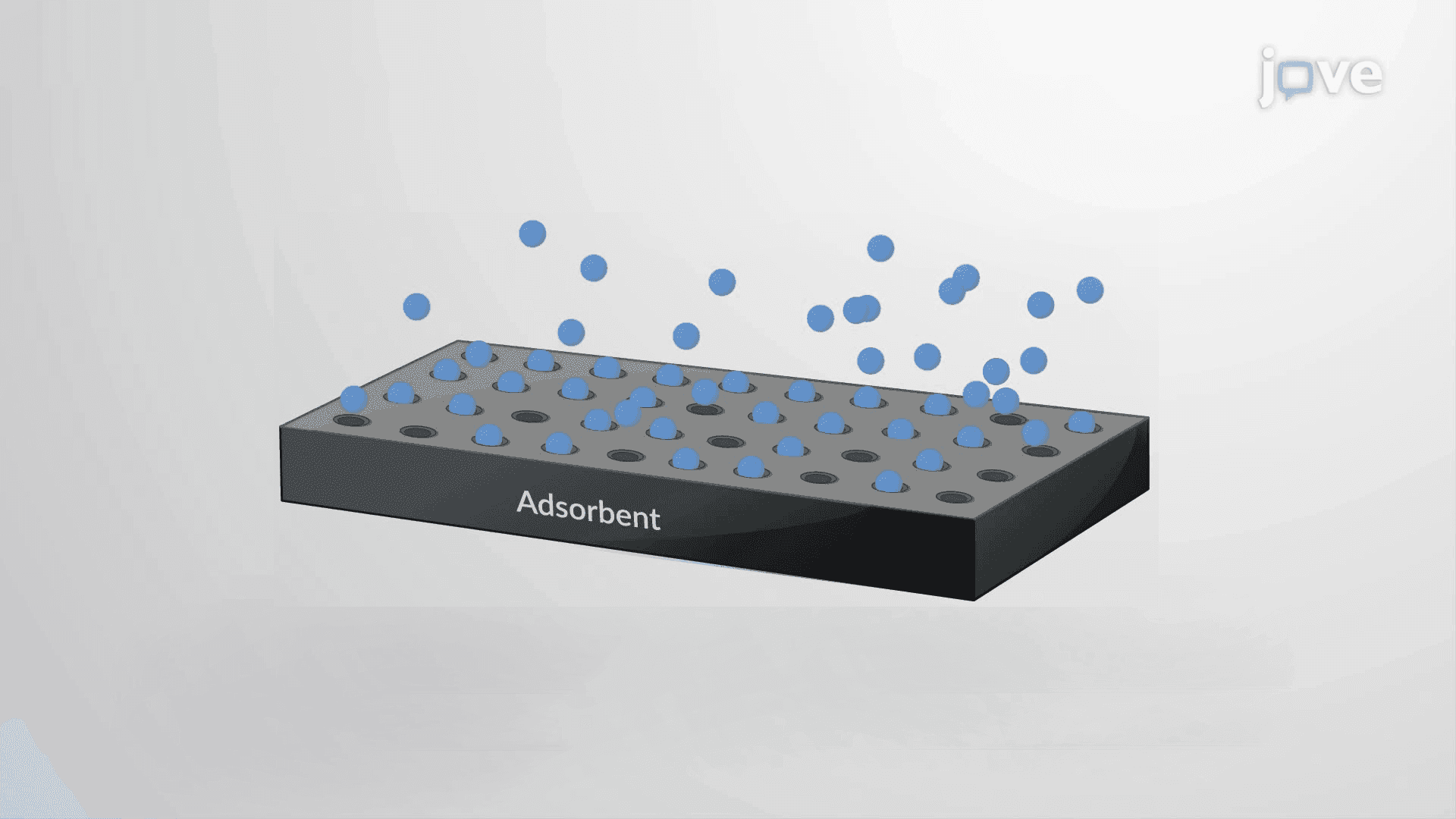
Unit cells are not just a classroom abstraction. In AP Chemistry and college-level general chemistry (Chem 101 courses at universities like MIT and UCLA), unit cell calculations appear on exams as problems involving density, atomic radius, and coordination number. In professional settings, X-ray crystallography, a technique used by pharmaceutical companies across the US, relies entirely on unit cell geometry to determine the 3D structure of drug molecules and proteins. Understanding unit cells also underpins surface chemistry in catalysis, where the arrangement of atoms on a crystal's surface directly affects reaction rates and efficiency.
Related Micro-courses