Loading video…

 16 Concepts
 3.1K views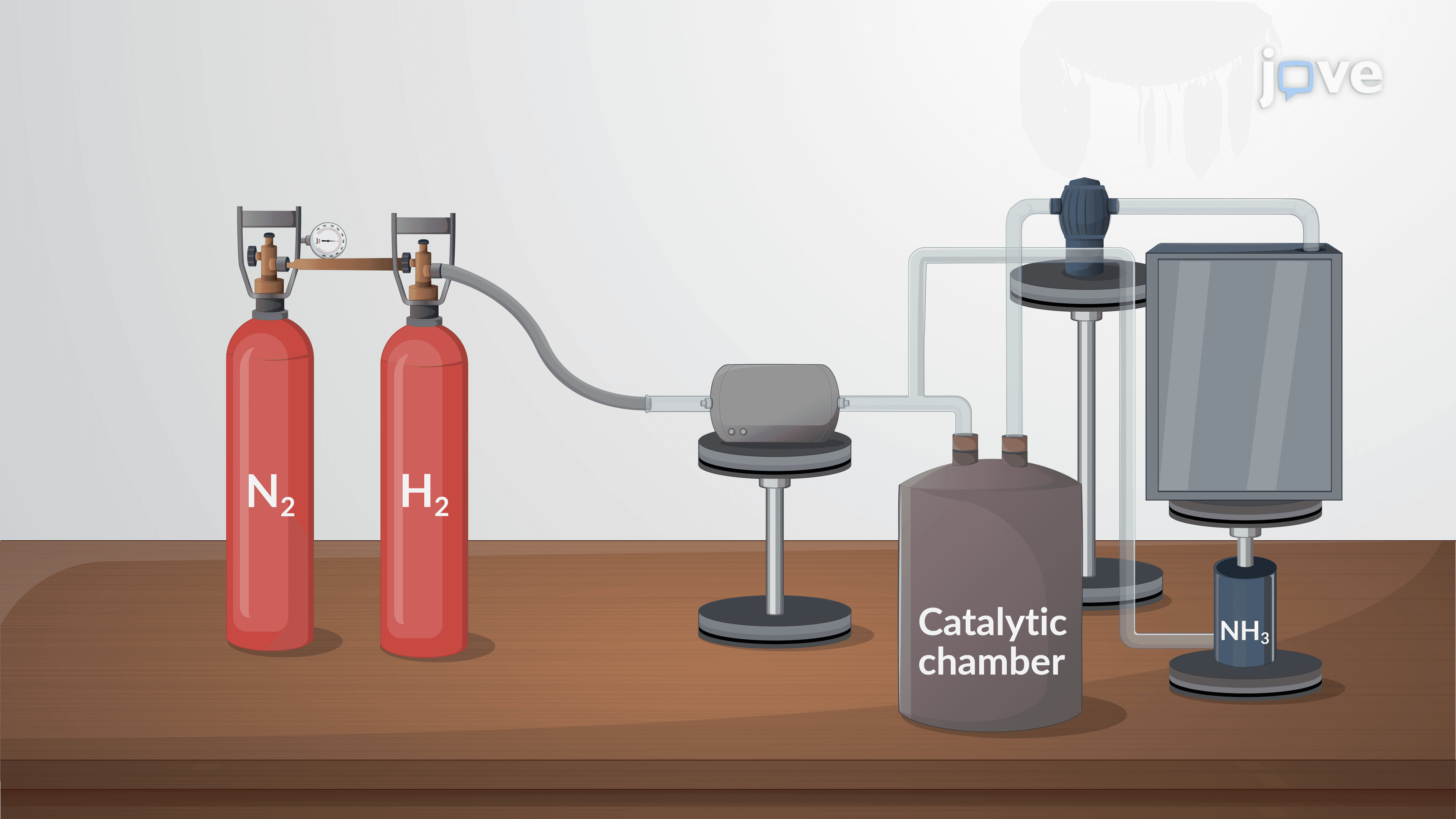

Video Summary: What Is Heterogeneous Catalysis
Why does your car's catalytic converter clean exhaust without ever being consumed? The answer lies in heterogeneous catalysis, a process where the catalyst and reactants exist in completely different phases. What is heterogeneous catalysis at its core? It's the driving force behind industrial ammonia production, fuel refinement, and pollution control across the US. Watch the full video on JoVE Coach to master this concept with expert-led visuals and step-by-step explanations.
Heterogeneous catalysis is one of the most industrially and environmentally significant chemical processes on Earth. It occurs when a catalyst and the reactants it acts upon exist in different physical phases, most commonly a solid catalyst interacting with gaseous or liquid reactants. Unlike homogeneous catalysis, where everything is dissolved in the same phase, heterogeneous catalysis exploits the unique properties of solid surfaces to drive chemical reactions more efficiently and selectively.
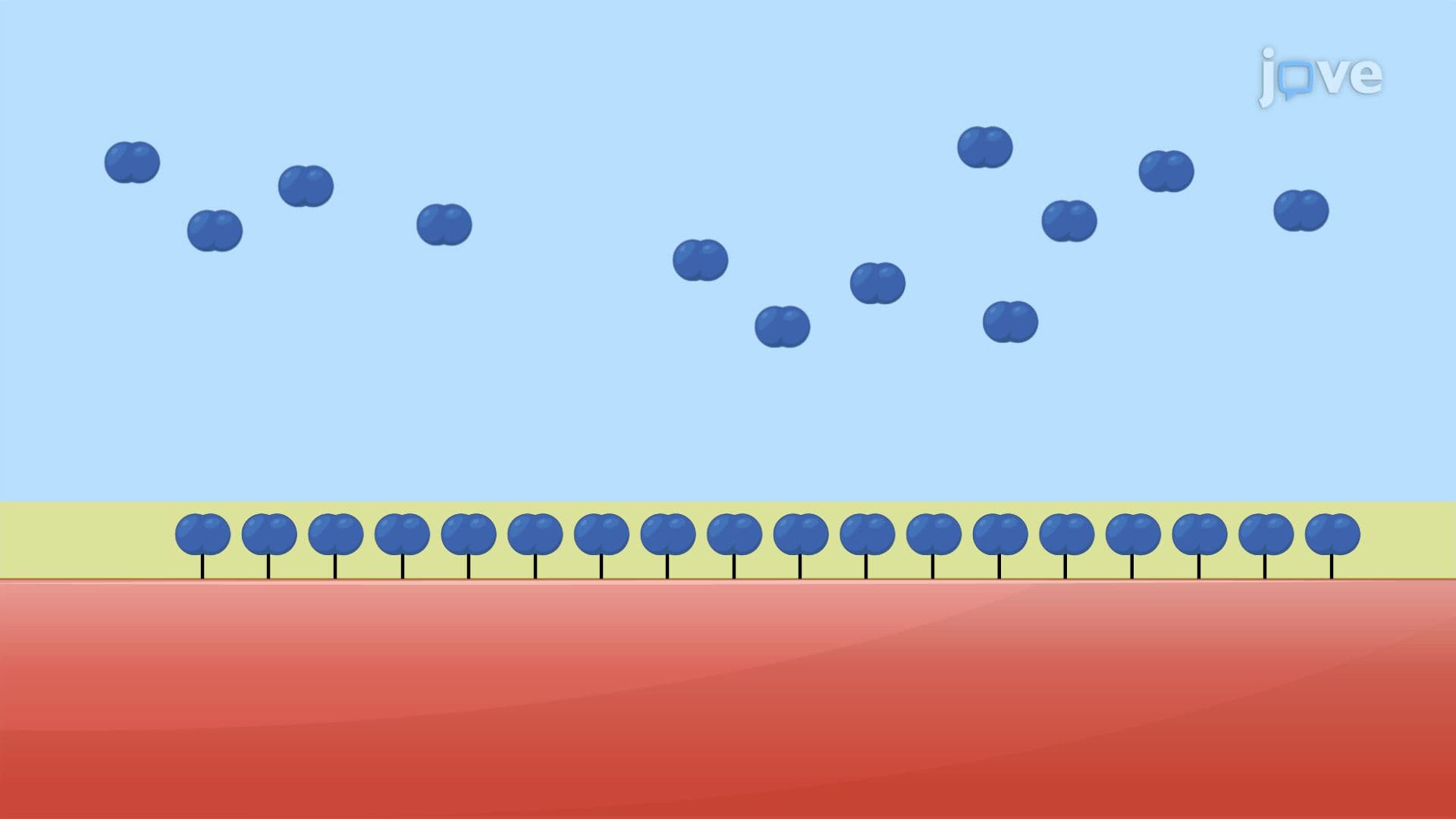
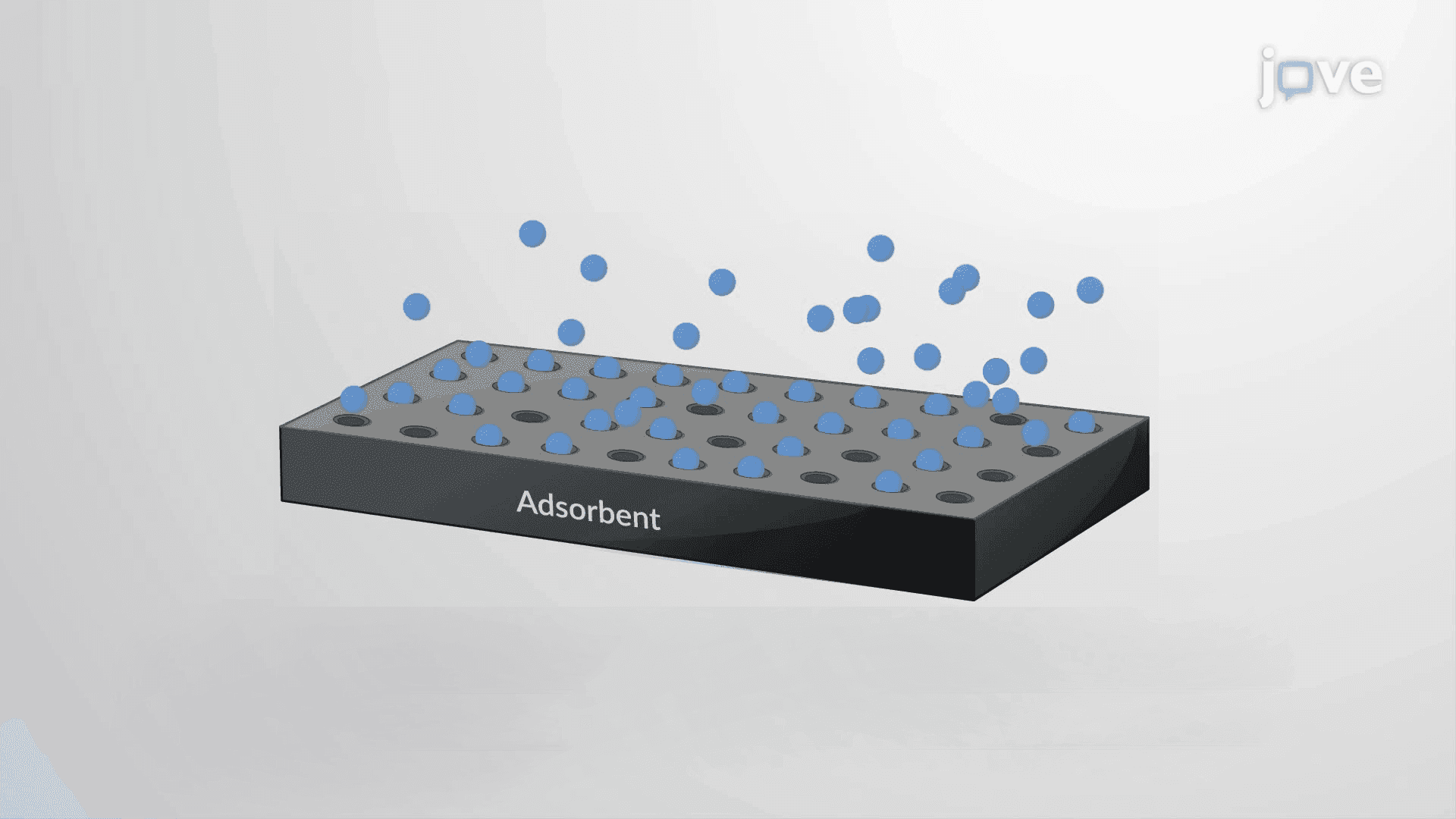
The process follows a well-defined sequence. First, one or more reactant molecules undergo chemisorption, they form strong chemical bonds with active sites on the solid catalyst surface. This is fundamentally different from physisorption, where only weak van der Waals forces hold molecules to a surface. Once bound, the reactants are activated into a more reactive form. The surface reaction then occurs, followed by desorption, where the product molecules release from the surface and the active sites are freed for the next reaction cycle.
A critical insight for students: the enthalpy of adsorption must fall within an optimal range. If binding is too weak, reactants barely interact with the surface and reaction rates stay low. If binding is too strong, reactants become stuck and cannot proceed to products. This relationship is captured visually by a volcano plot, a concept commonly tested in college-level physical chemistry and referenced in AP Chemistry coursework on reaction kinetics.
Two major mechanistic models describe how reactions proceed on catalyst surfaces. In the Langmuir-Hinshelwood (LH) mechanism, both reactants adsorb onto the surface before reacting with each other. This is the more common pathway and underlies reactions in catalytic converters, where carbon monoxide and nitrogen oxides both bind to platinum or palladium surfaces before reacting. In the Eley-Rideal (ER) mechanism, one reactant adsorbs to the surface while the other reacts directly from the gas phase, no prior adsorption required. Distinguishing these two mechanisms is a frequent topic on college midterms and MCAT-adjacent physical chemistry questions.
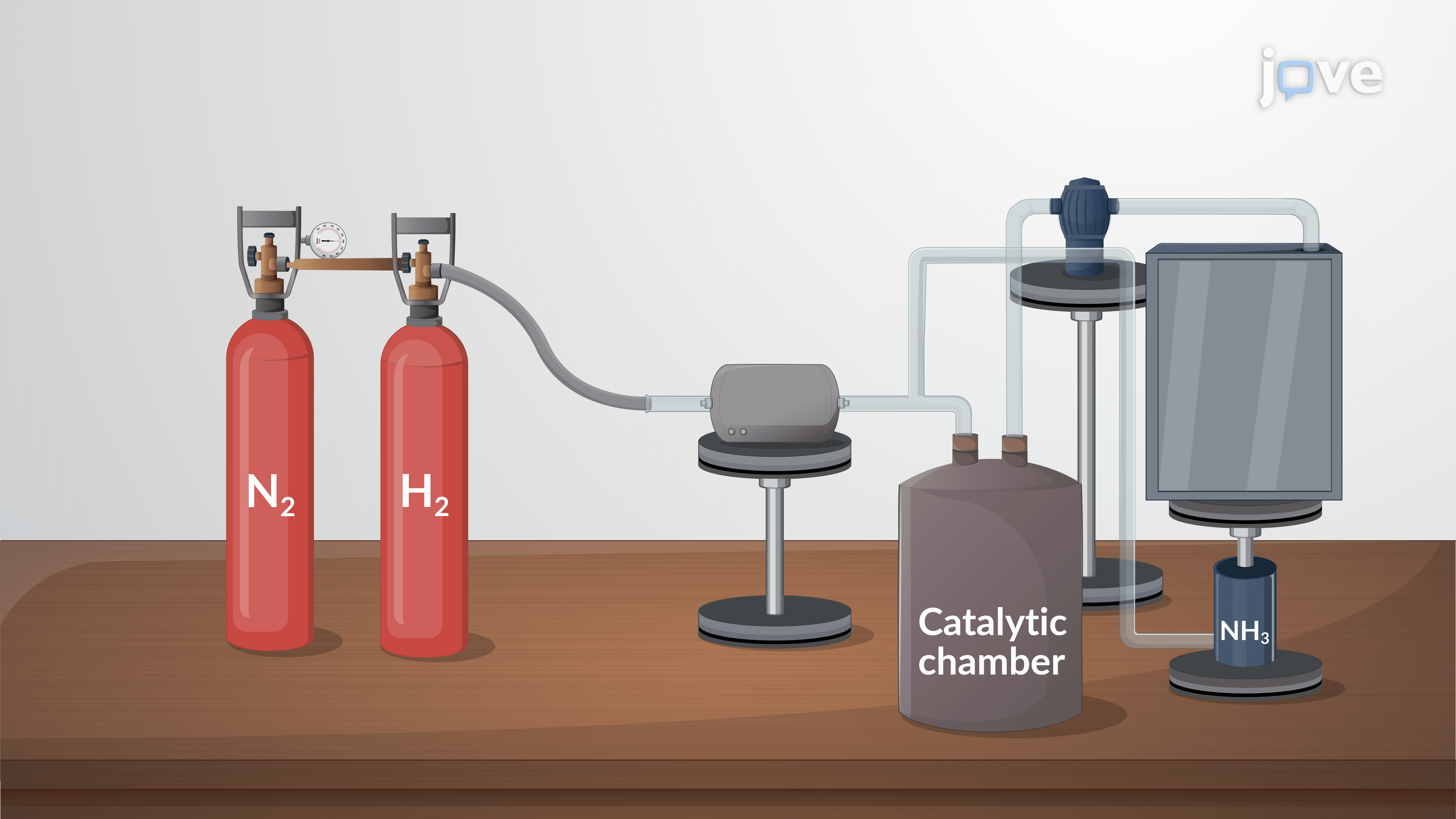
Real industrial catalysts are rarely used in their pure form. Promoters are additives that enhance catalytic performance, often by preventing sintering, the process by which small metal particles merge into larger, less active crystals over time. In the Haber-Bosch process, used across the US to produce the ammonia in fertilizers, potassium and aluminum oxide serve as promoters for the iron catalyst. Conversely, catalyst poisons are species that bind irreversibly to active sites and shut down catalytic activity, sulfur compounds, for example, can poison automotive catalytic converters.
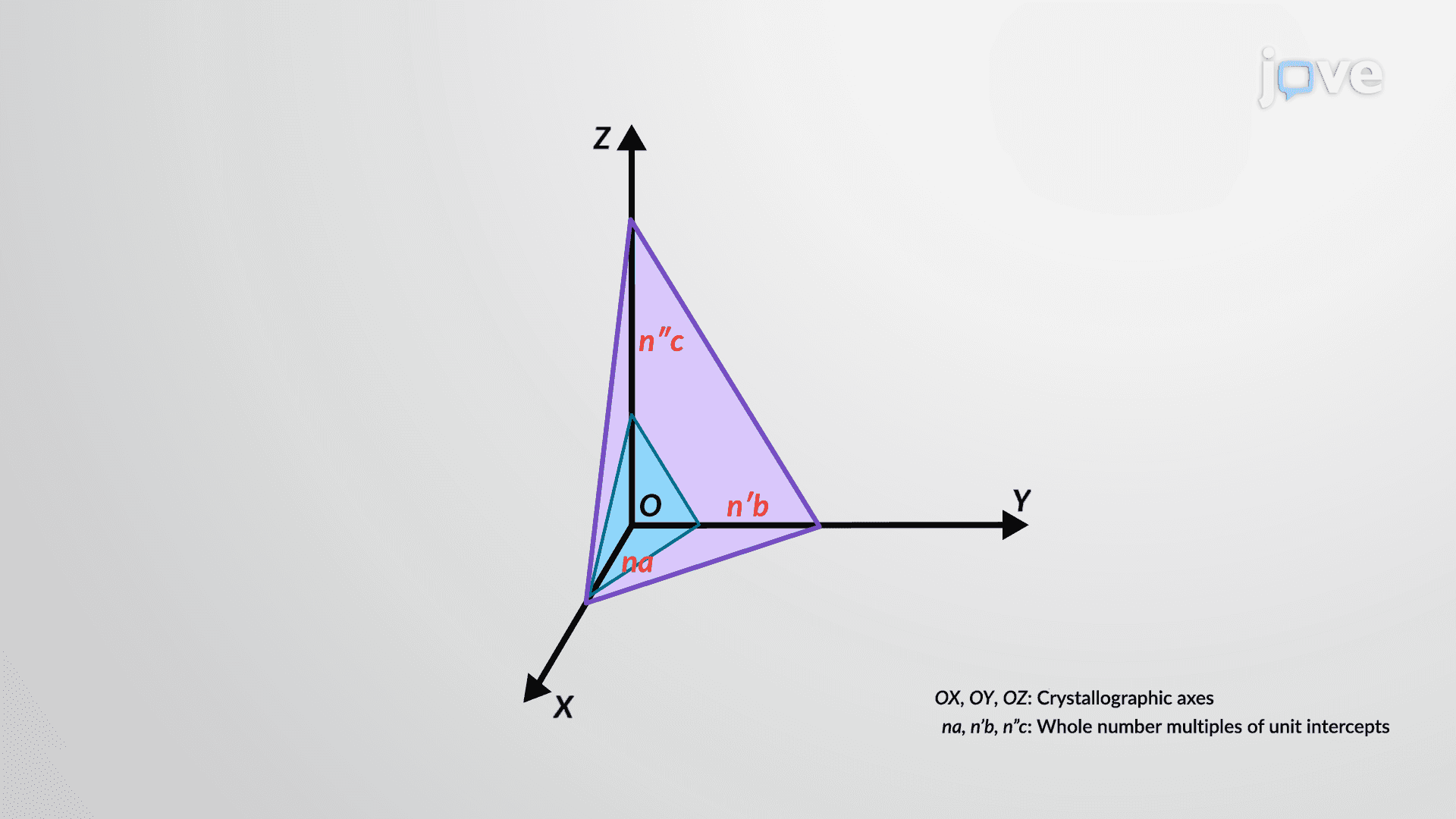
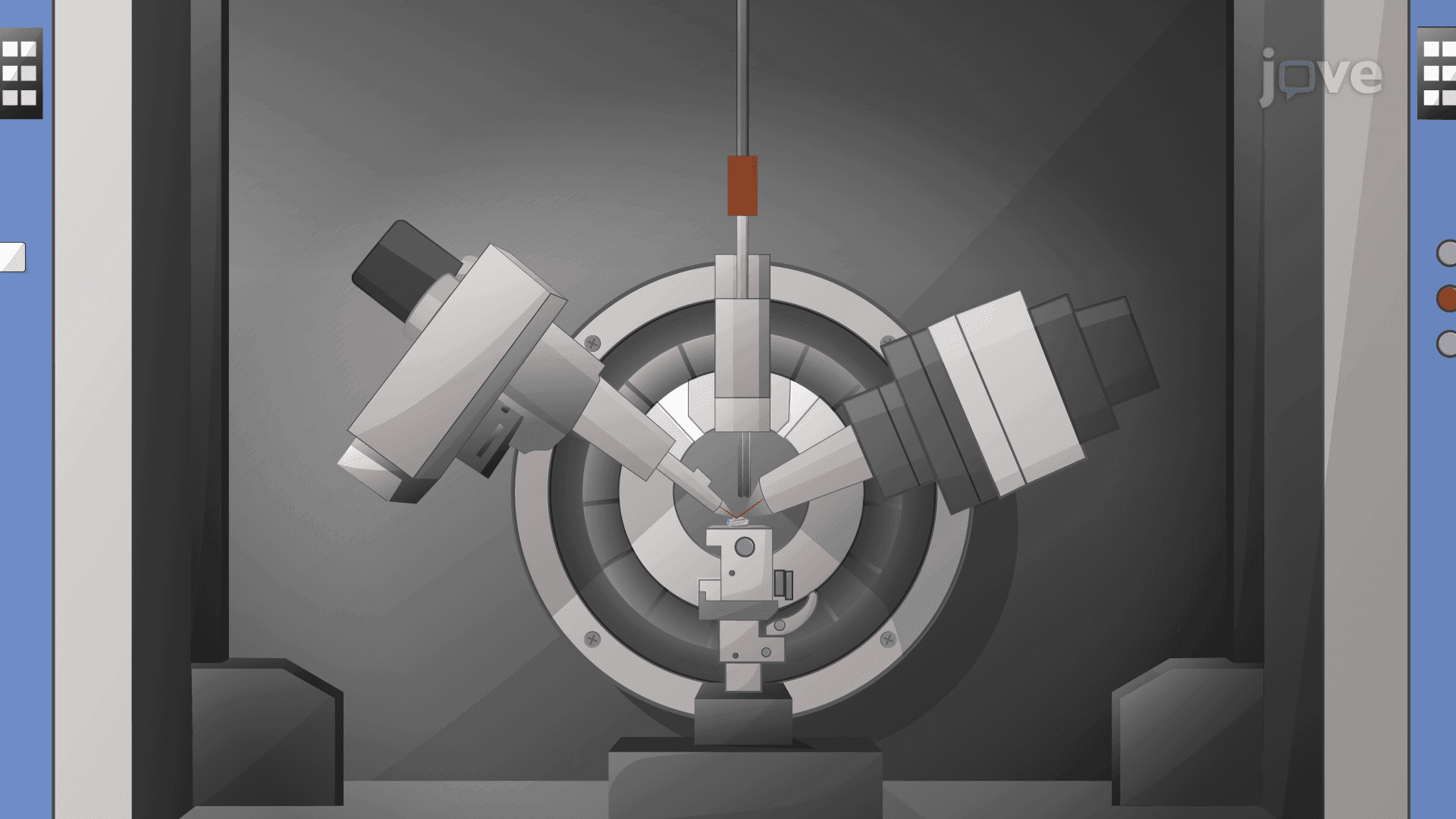
Understanding solid catalyst structure also requires familiarity with concepts from crystallography: unit cells, Bravais lattices, Miller indices, and X-ray crystallography techniques help scientists map where active sites sit on a surface and how surface defects, steps, kinks, and vacancies, can actually enhance reactivity. These structural concepts connect directly to questions about surface chemistry in college-level materials science and chemistry courses.
Related Micro-courses