Loading video…

 16 Concepts
 3.1K views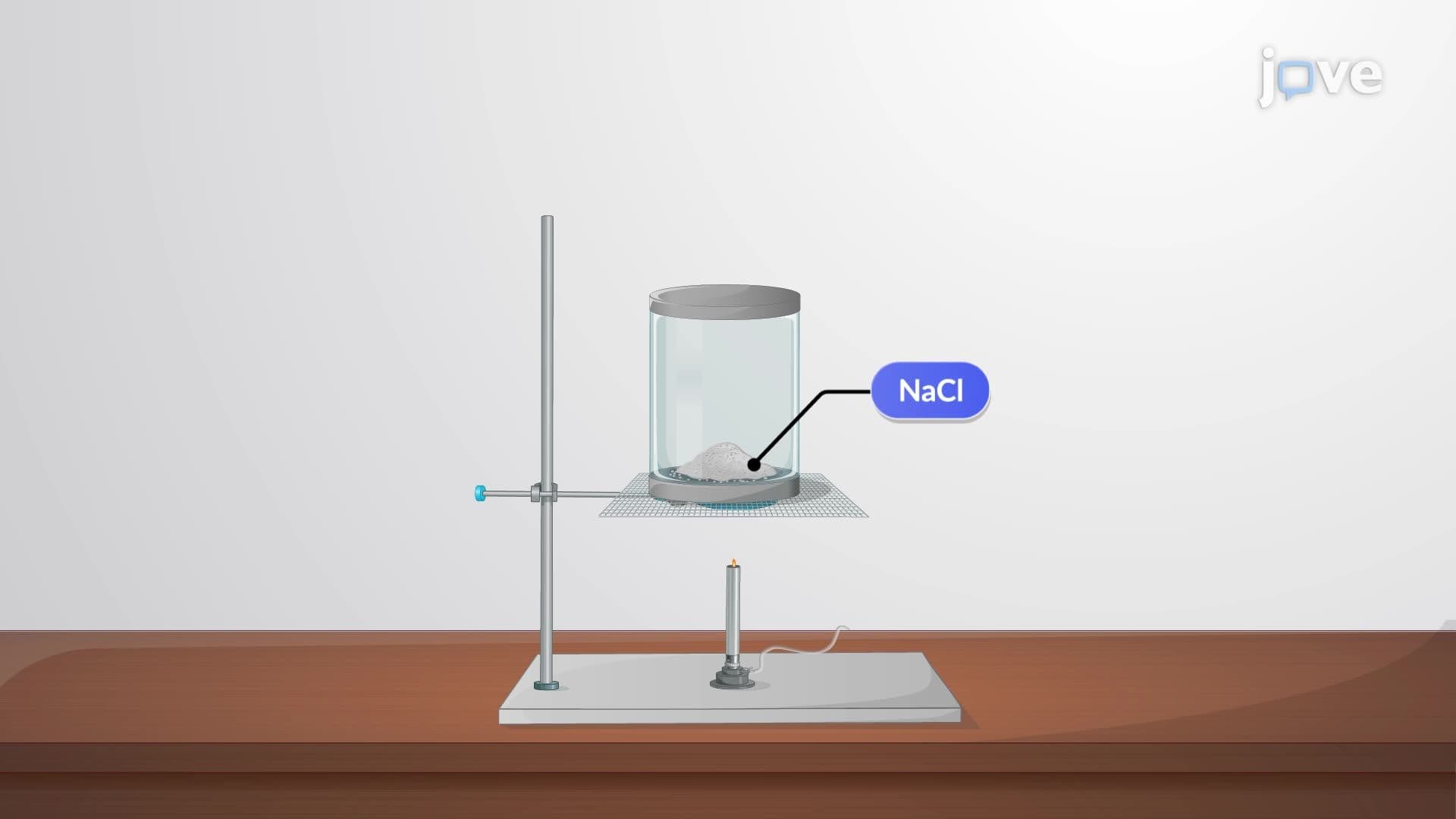

Video Summary: Non Stoichiometric Defects in Crystal Structure Imperfections
Why do some crystals glow with unexpected color after heating? Non-stoichiometric defects in crystal structure imperfections explain exactly this, when compounds deviate from their ideal chemical formulas, strange and useful properties emerge. A real-world example is iron oxide found in meteorites and oceanic basalt rocks collected across the US. Watch the full video on JoVE Coach to master this concept with expert-led visuals and step-by-step explanations.
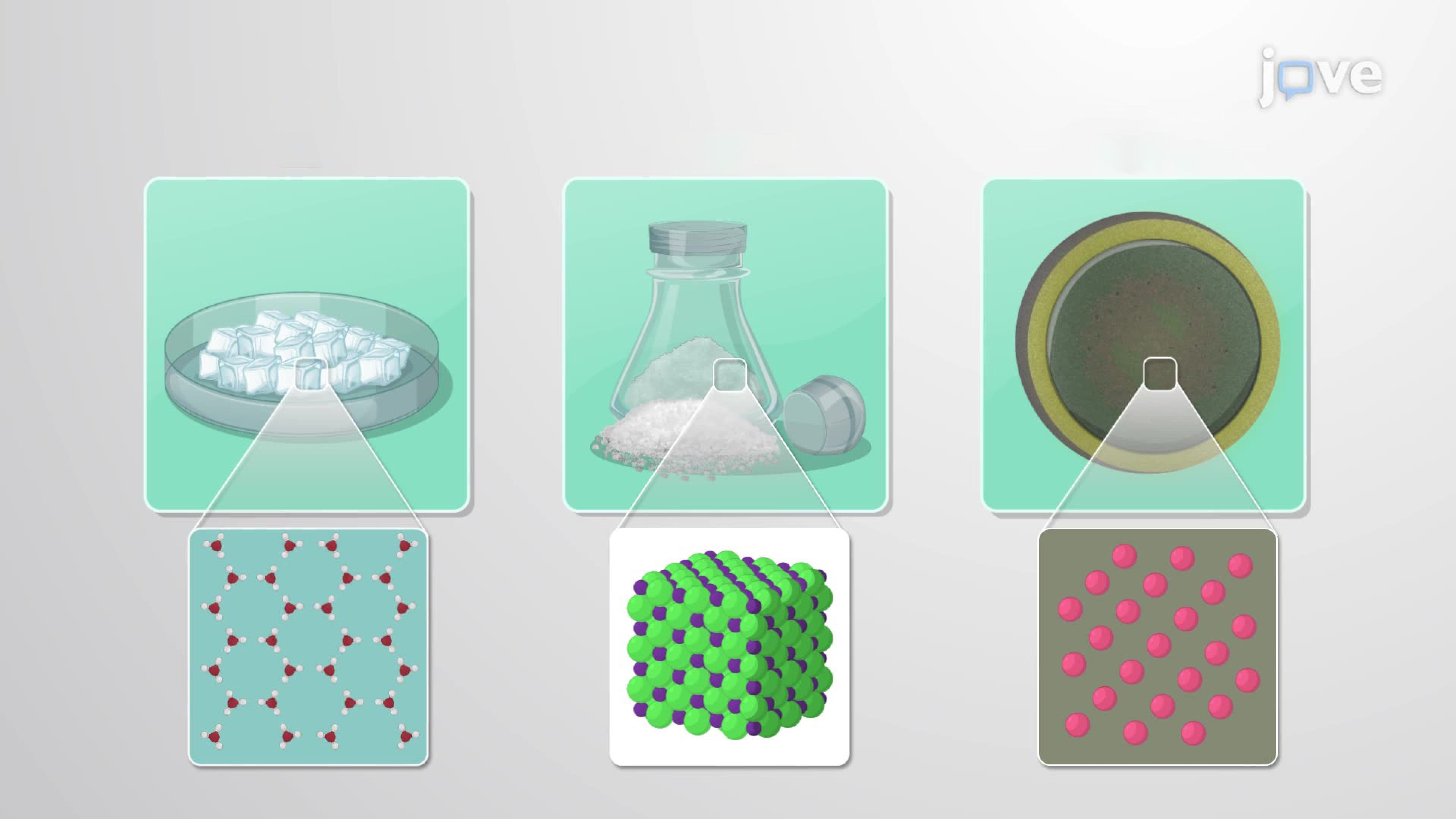
Most chemistry students learn that compounds follow fixed ratios, sodium chloride is always NaCl, iron oxide is always FeO. But real crystals often break that rule. Non-stoichiometric defects in crystal structure imperfections describe situations where the actual ratio of atoms or ions in a solid deviates measurably from the ideal chemical formula. Far from being mere curiosities, these defects drive important electrical, magnetic, and optical properties that matter in materials science, geology, and semiconductor engineering.
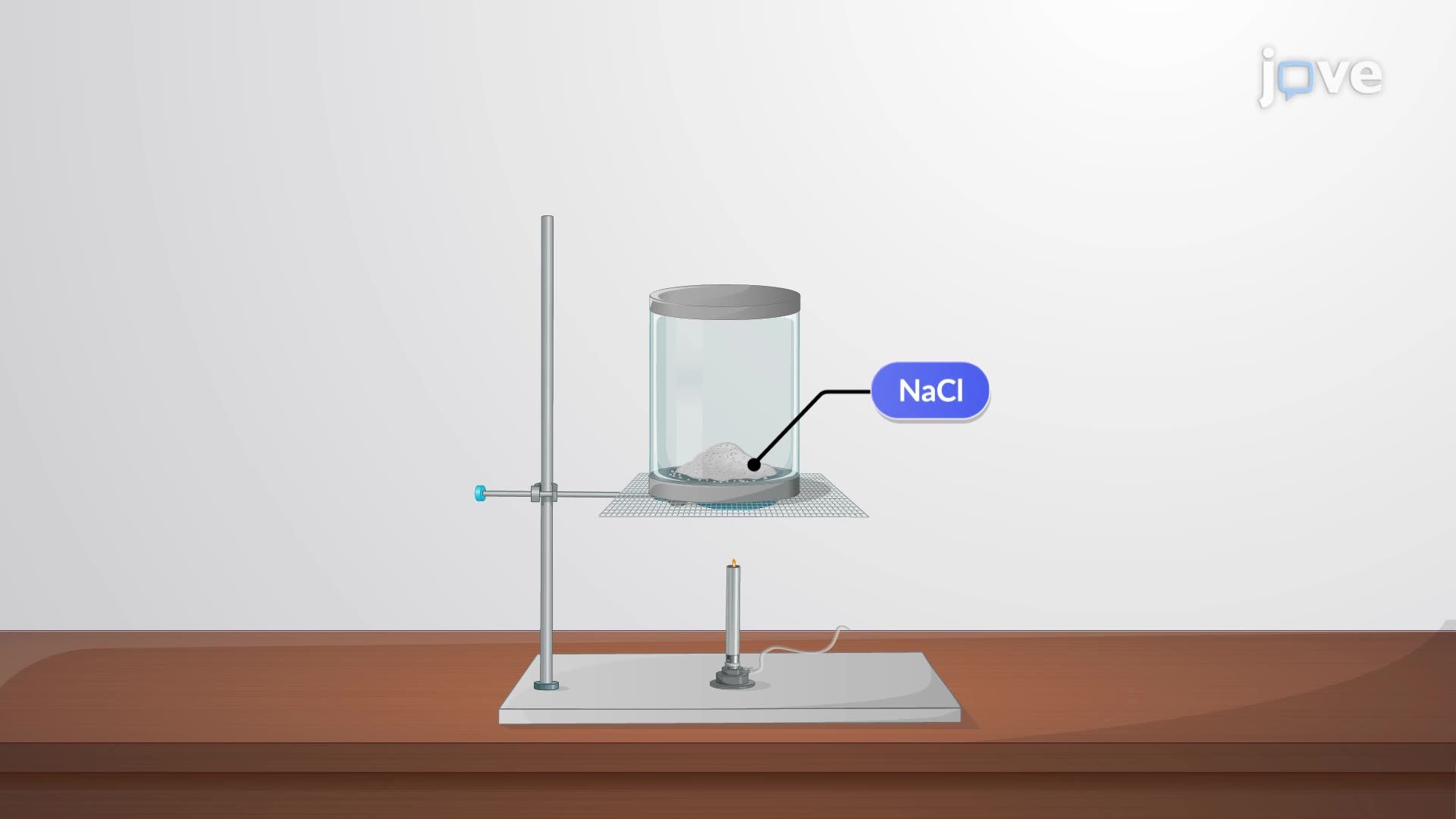
Metal excess defects occur when a crystal contains more positive metal ions than its stoichiometric formula predicts. The most studied example is sodium chloride exposed to sodium vapor at high temperatures, a classic demonstration in US college general chemistry labs. Sodium atoms diffuse into the crystal lattice, ionize to form Na+ ions, and release electrons that become trapped in sites normally occupied by chloride ions. These electron-occupied vacancies are called F-centers, from the German word *Farbe*, meaning color.
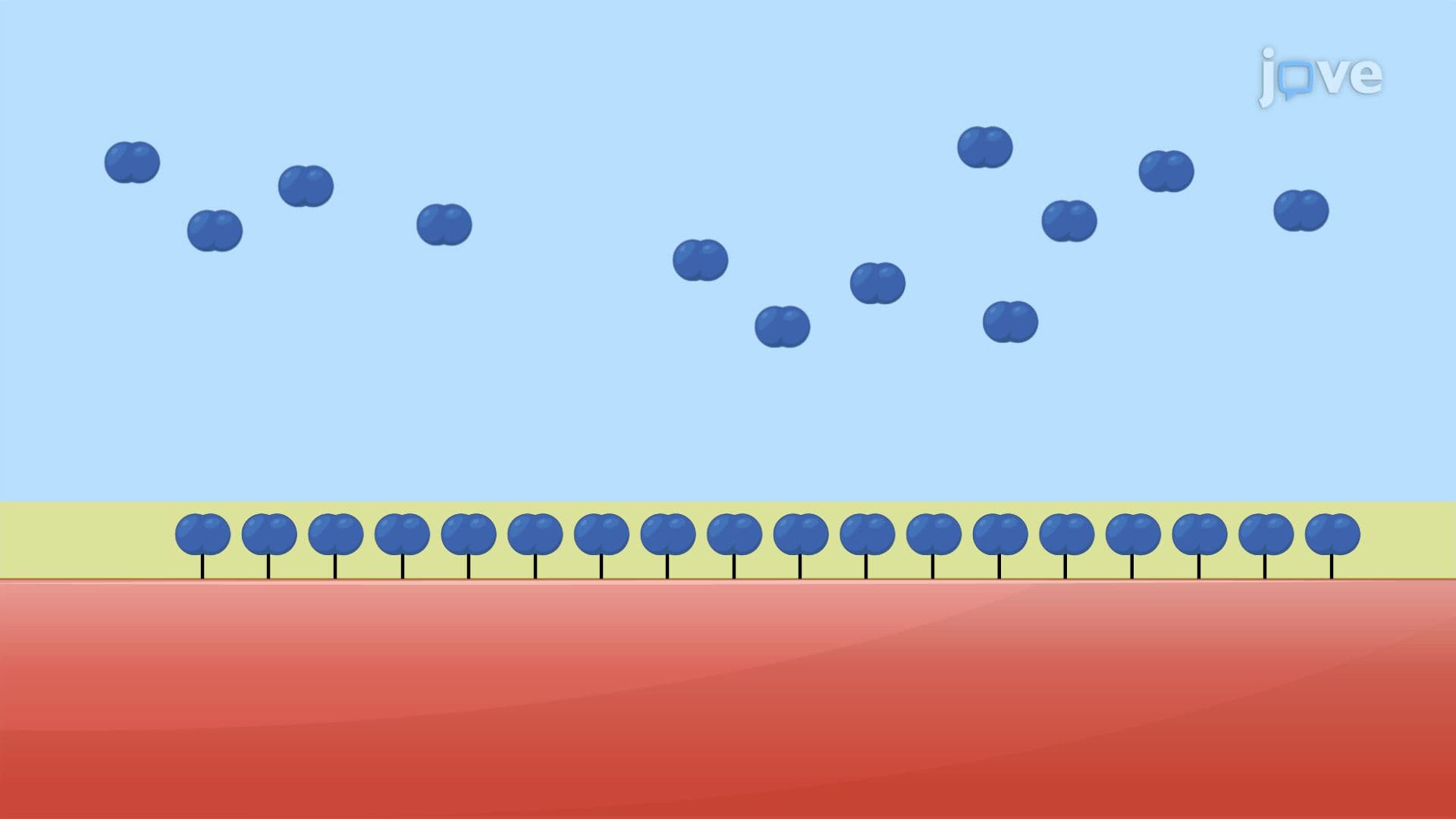
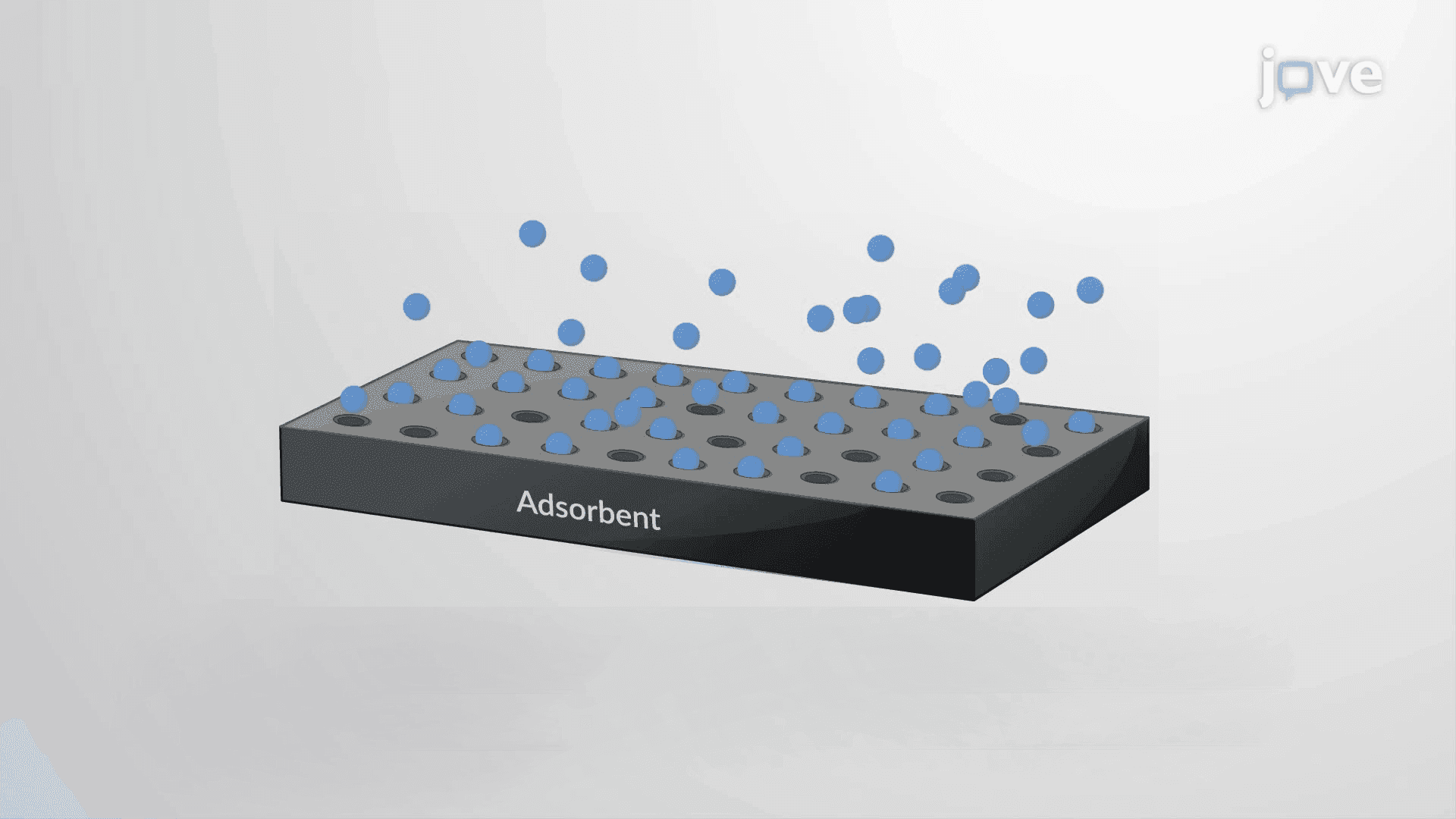
F-centers absorb specific wavelengths of visible light, causing the crystal to appear yellow or orange. This light absorption occurs because trapped electrons jump from a ground state to an excited energy state, a quantum mechanical process directly connected to topics covered in AP Chemistry and first-year college chemistry courses. Understanding F-centers also connects to broader discussions of adsorption isotherms and surface defects, since the electronic environment at these sites influences how crystals interact with light and nearby molecules.
Metal deficiency defects work differently. Here, the crystal has fewer positive metal ions than expected. To maintain electrical neutrality, nearby metal ions compensate by adopting a higher oxidation state. This mechanism is especially common in transition metal compounds, including oxides and sulfides, because elements like iron, manganese, and nickel can easily shift between oxidation states.
Iron oxide provides a compelling US-relevant example: samples retrieved from meteorites and oceanic basalt formations along the Mid-Atlantic Ridge and Pacific Ocean floor show iron-deficient structures. In these materials, missing Fe2+ ions are balanced by the presence of Fe3+ ions in interstitial positions, producing cluster arrangements similar to Fe3O4. This mixed-valence structure gives magnetite its characteristic strong magnetic behavior, which geologists use to map ancient magnetic fields preserved in oceanic basalt.
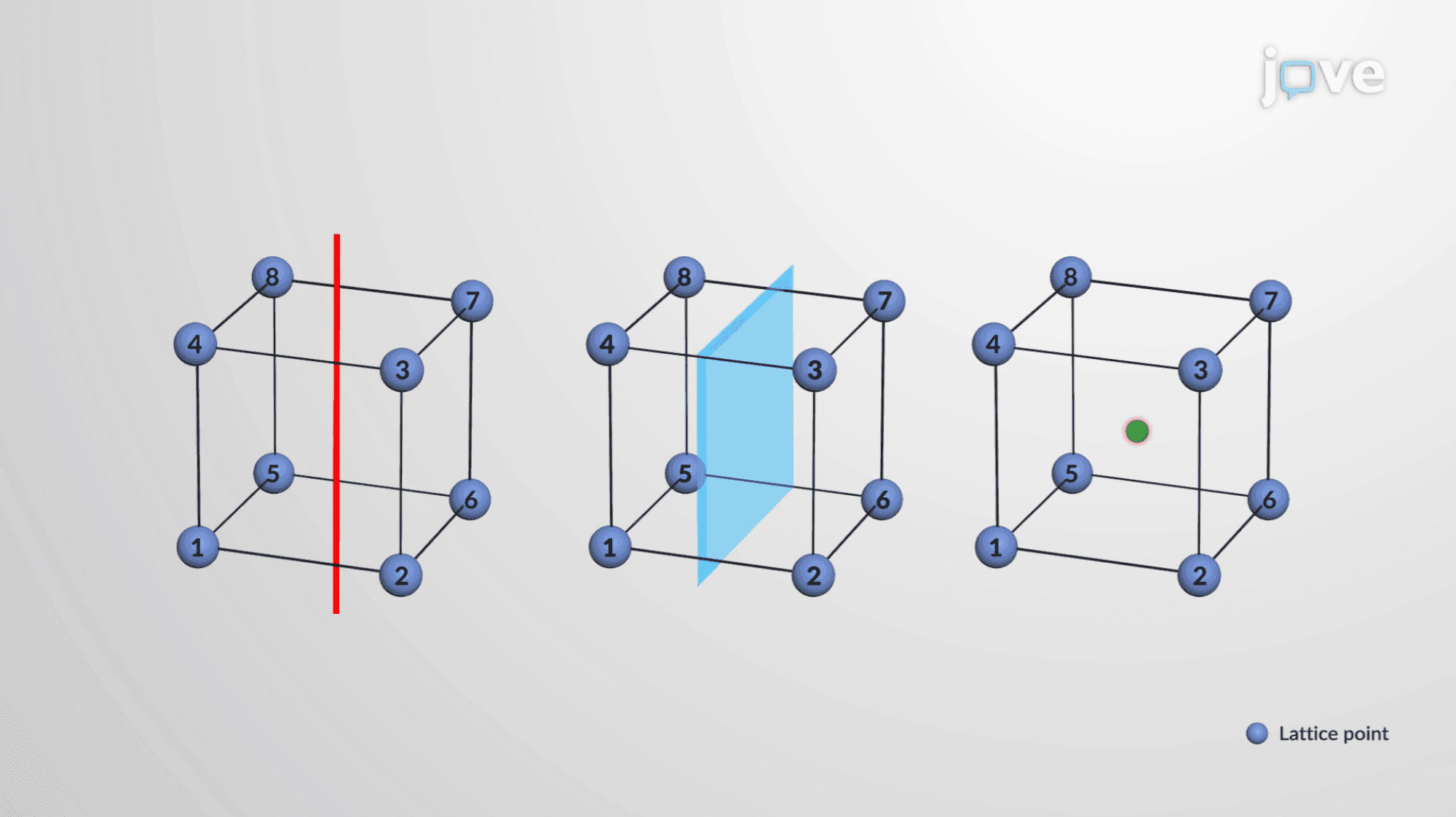
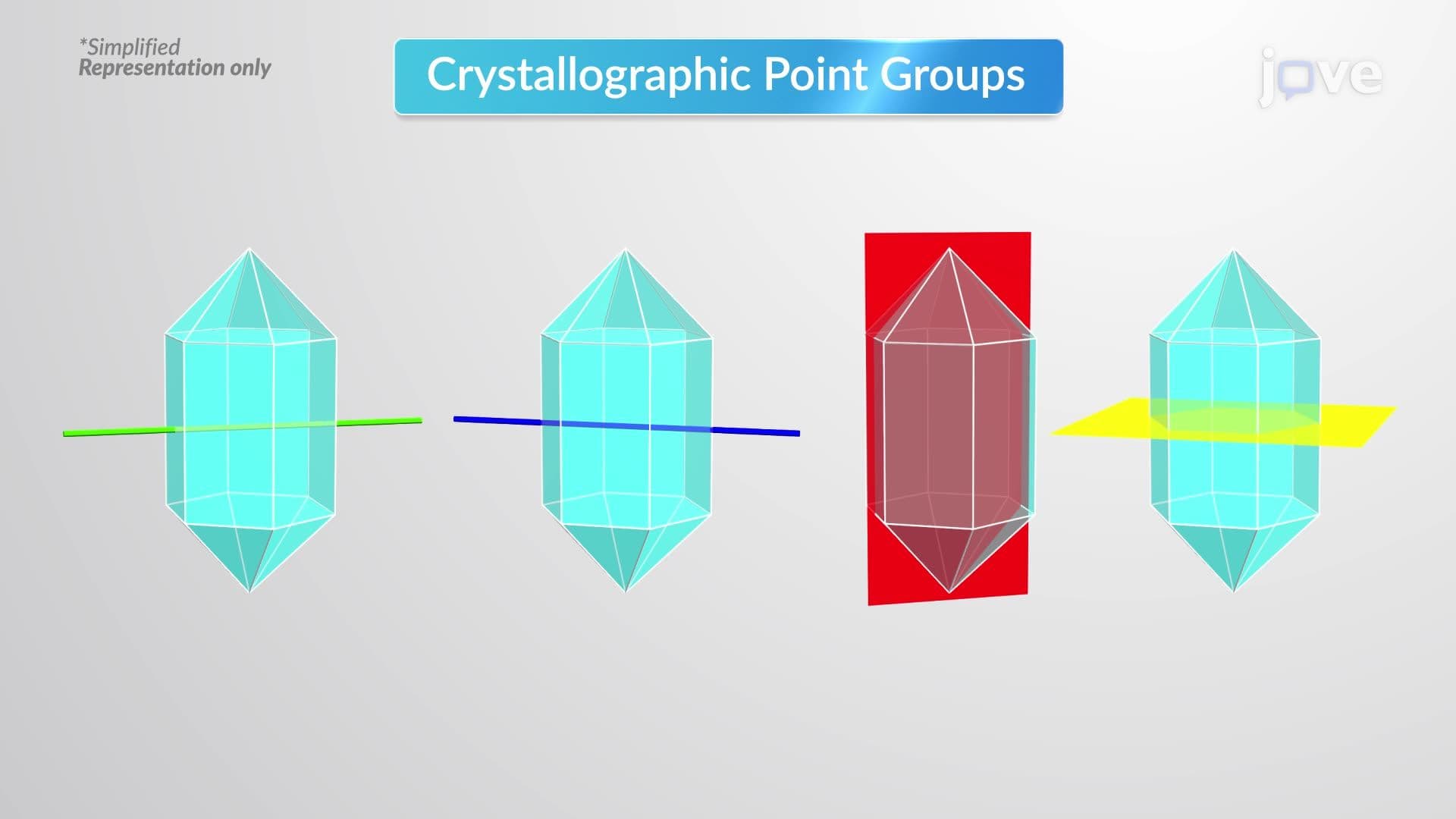
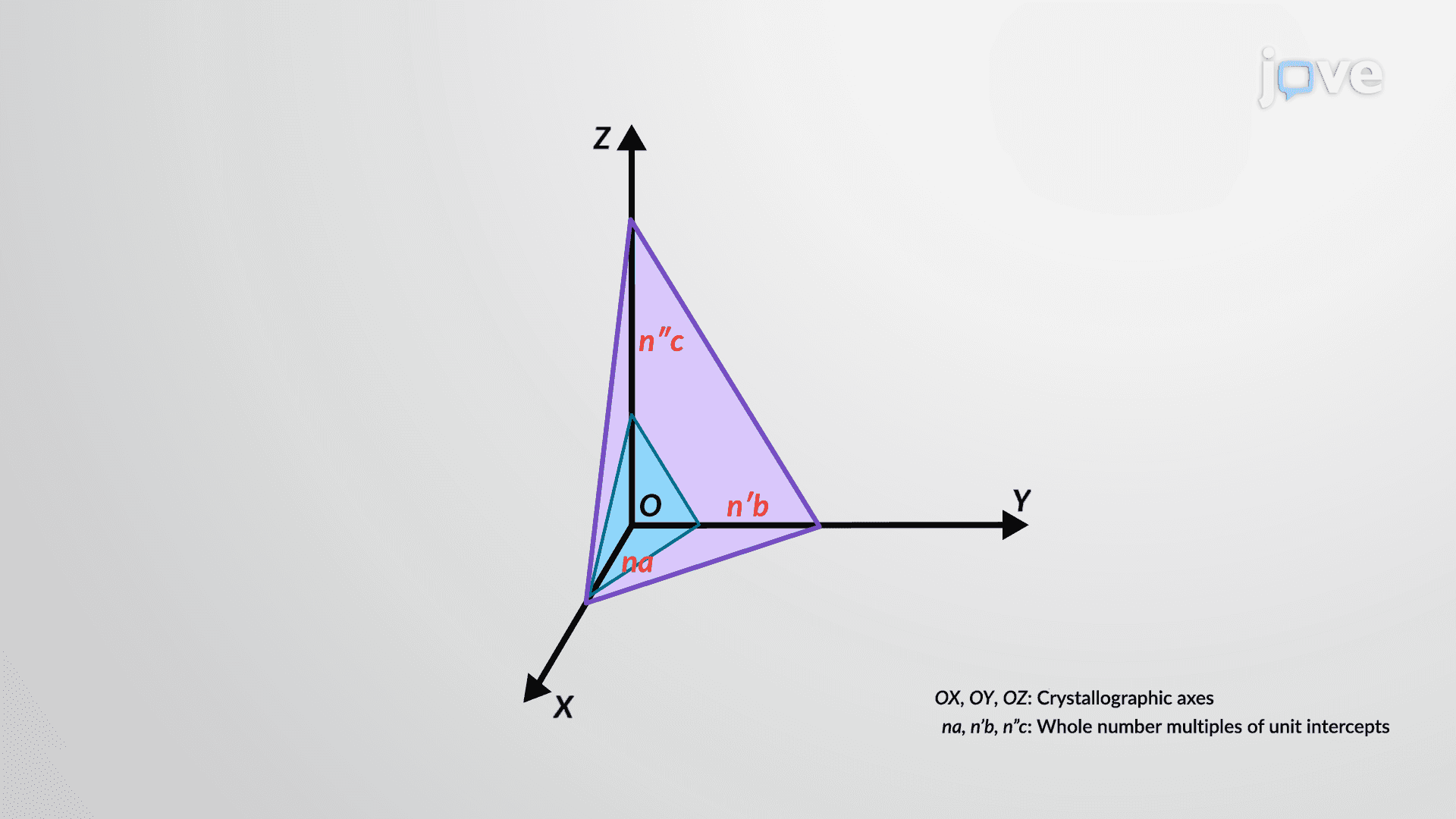
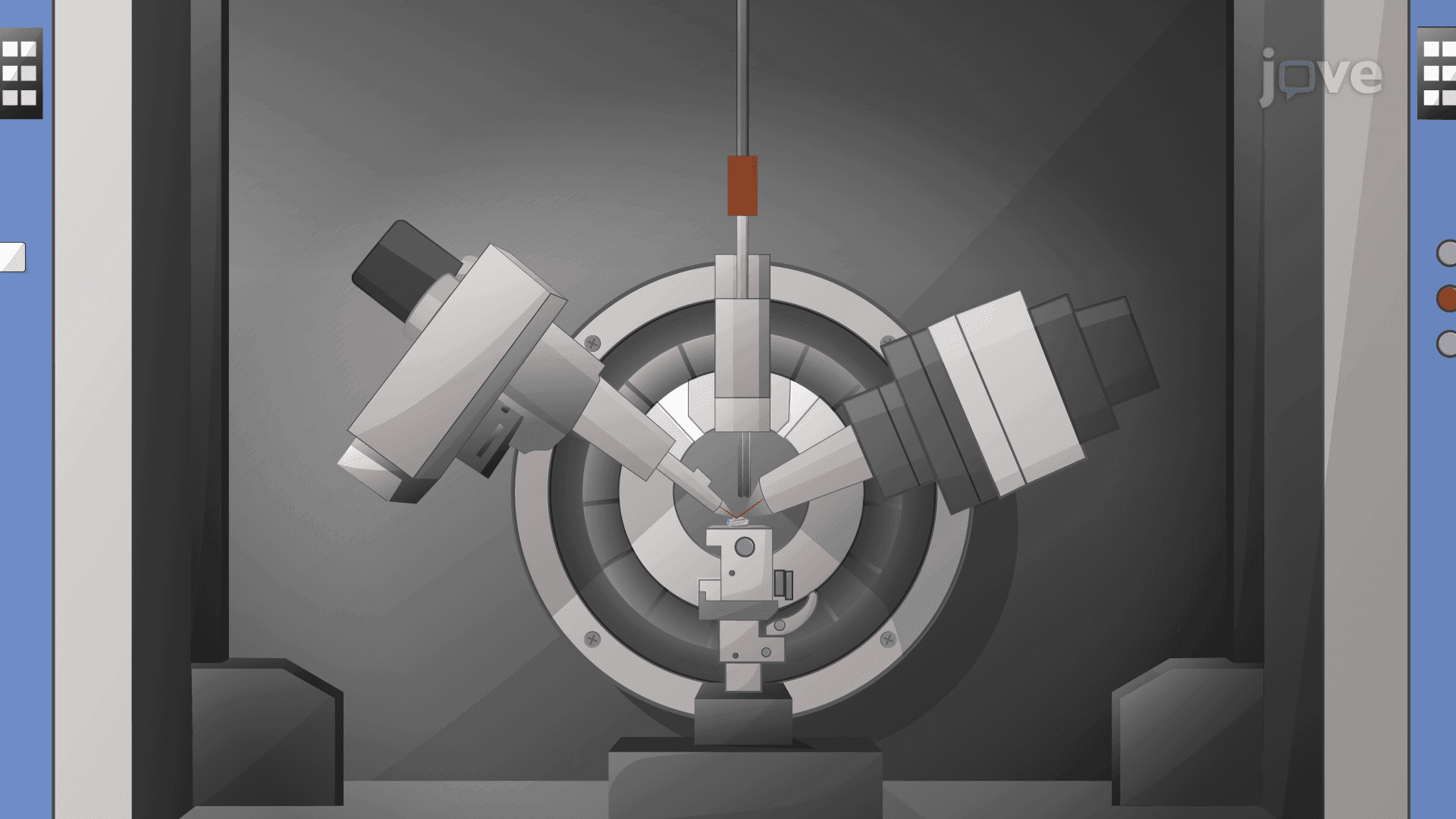
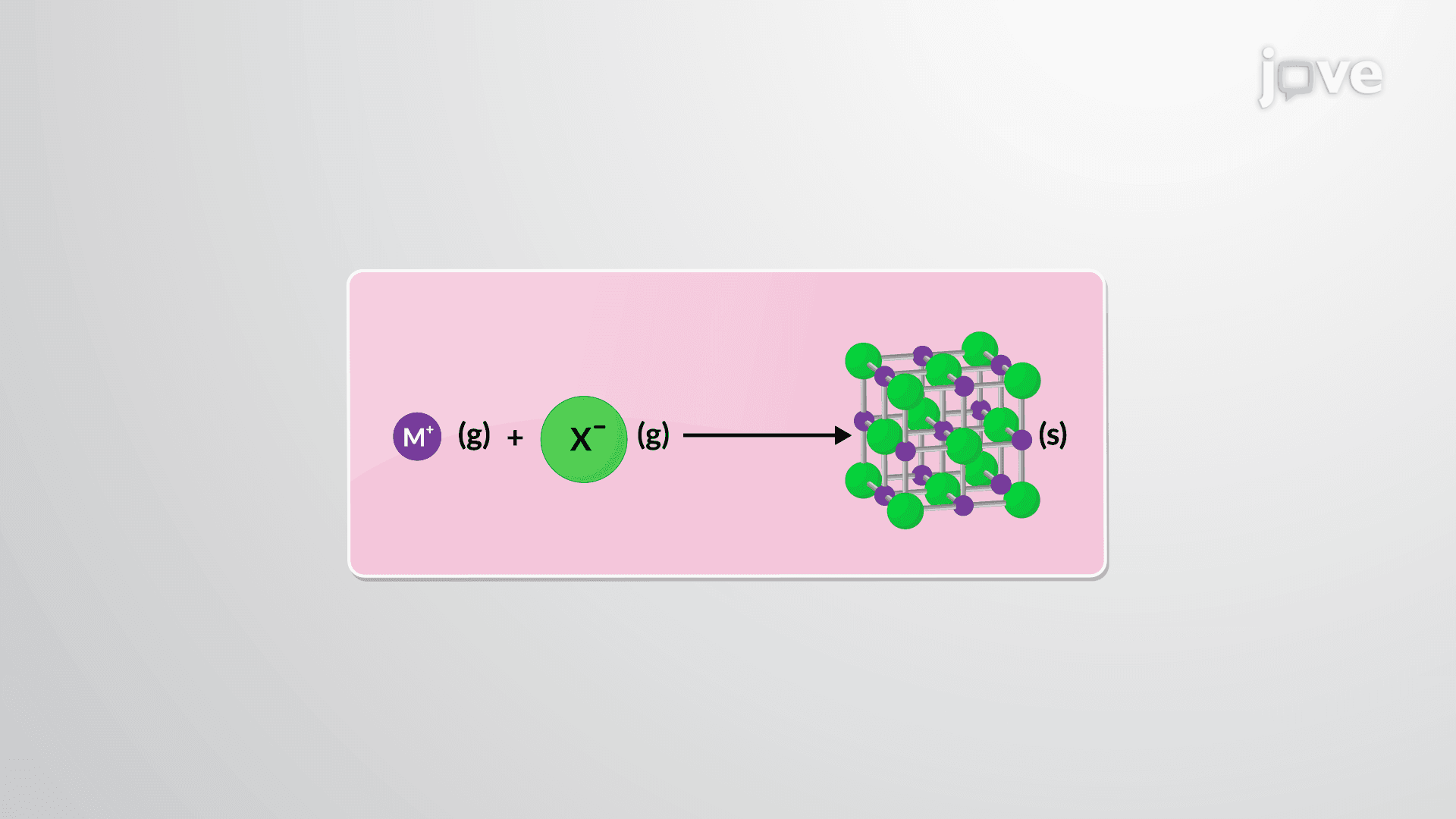
Understanding non-stoichiometric defects becomes much richer when paired with tools used to study crystal structure. X-ray crystallography, the same technique that revealed the double helix at US research institutions, can detect subtle changes in lattice parameters caused by defects. Bravais lattices and Miller indices provide the mathematical framework for describing exactly where defects disrupt the periodic order of unit cells. On AP Chemistry exams and college midterms, questions about crystal defects often appear alongside problems about lattice energy, ionic radii, and coordination number.
Non-stoichiometric compounds are not laboratory accidents, they are engineered intentionally. Semiconductor manufacturers in Silicon Valley deliberately introduce controlled non-stoichiometry into metal oxides to tune electrical conductivity. Catalysis researchers at US national laboratories study how surface defects created by non-stoichiometry create active sites that drive chemical reactions, directly answering the question: *What is the role of surface chemistry in catalysis?* These defect sites alter how molecules bind to solid surfaces, making them central to designing better industrial catalysts.
Related Micro-courses