Loading video…

 16 Concepts
 3.1K views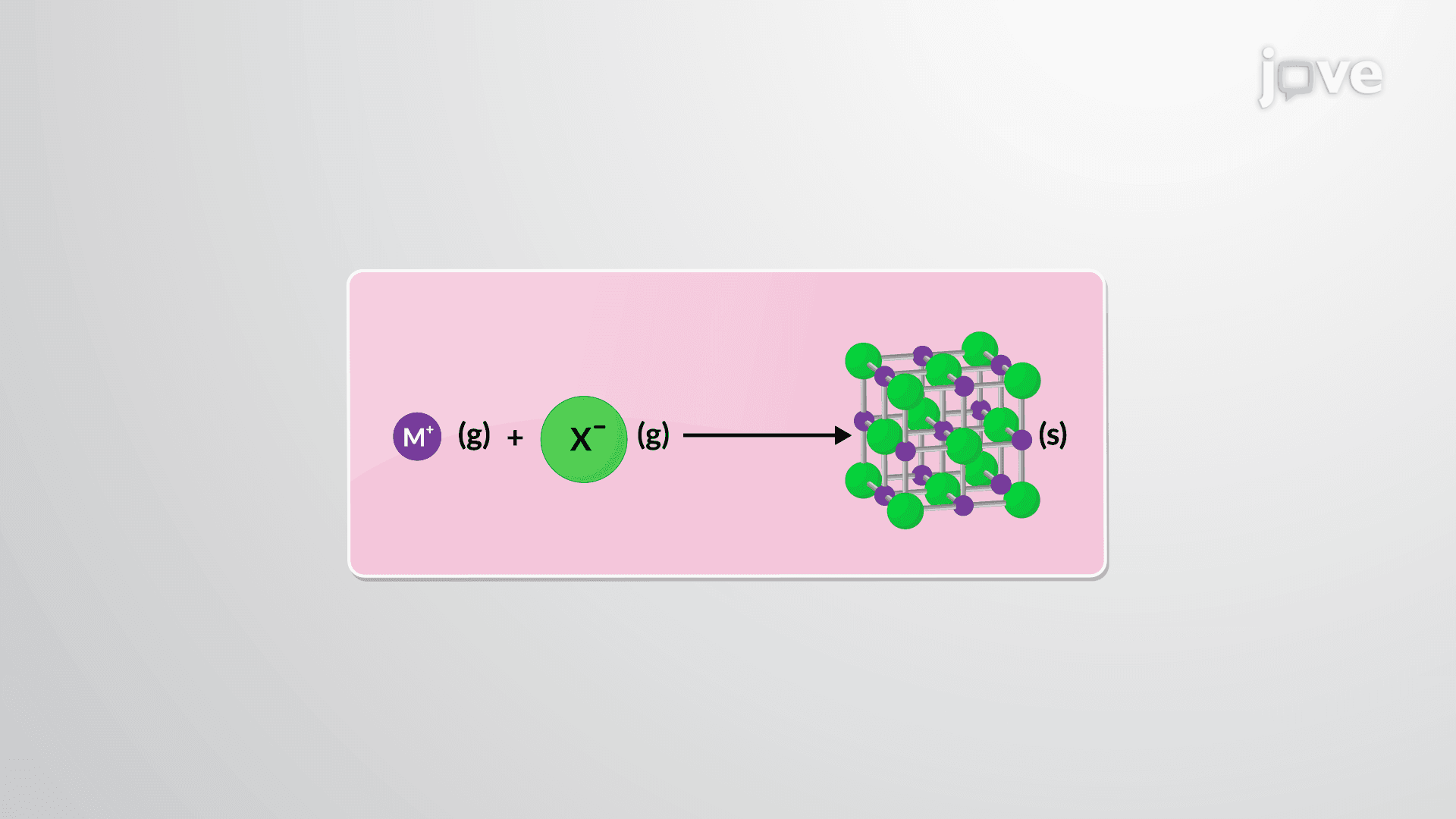

Video Summary: Lattice Energies of Ionic Crystals Explained
Why does table salt hold together so tightly that it takes enormous energy to break it apart? The answer lies in lattice energies of ionic crystals, a measure of how powerfully oppositely charged ions attract one another in a crystal structure. Understanding lattice energies of ionic crystals basics helps explain why compounds like sodium chloride (NaCl), used in everything from US food processing to road de-icing, are remarkably stable solids. Watch the full video on JoVE Coach to master this concept with expert-led visuals and step-by-step explanations.
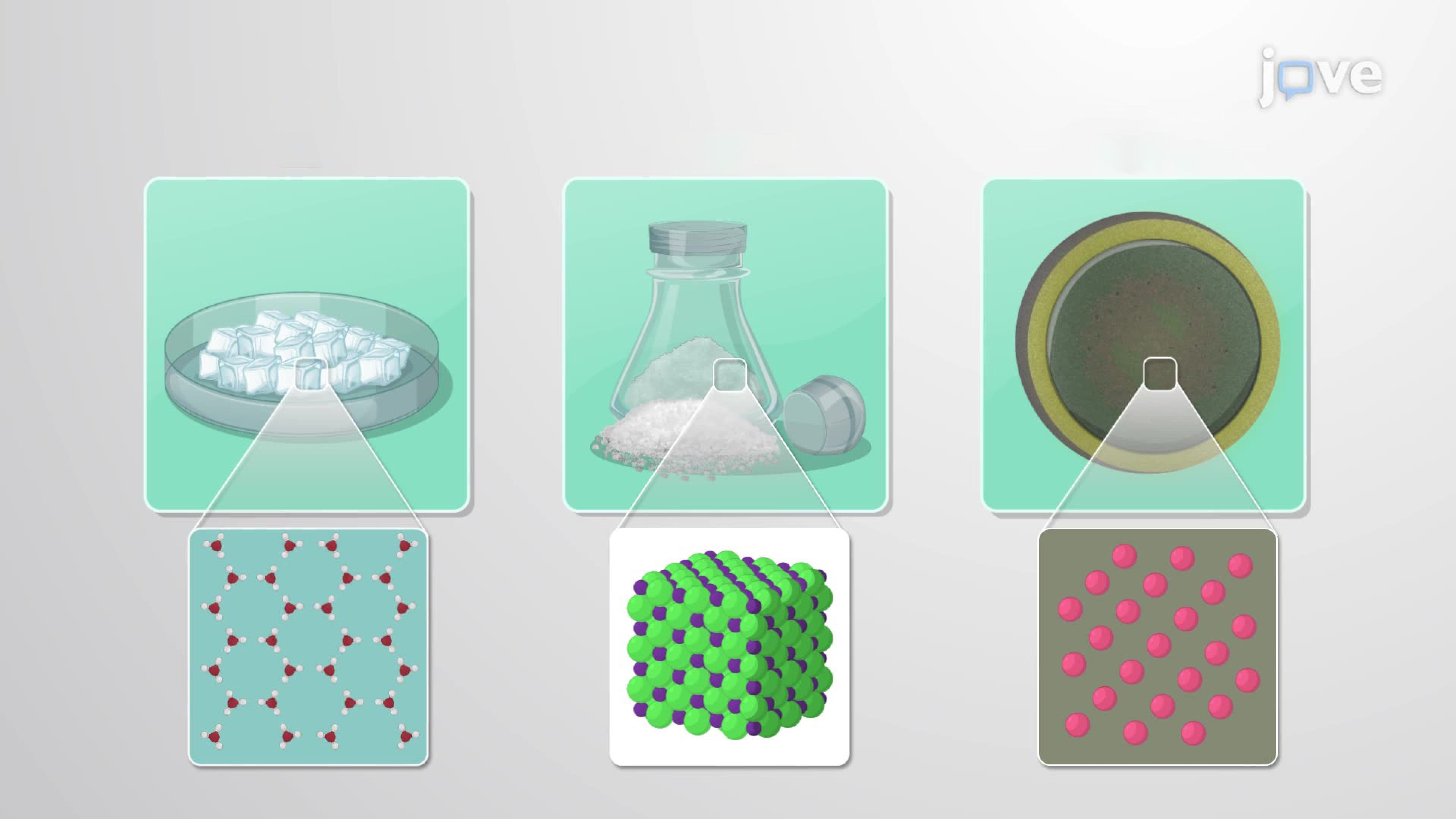
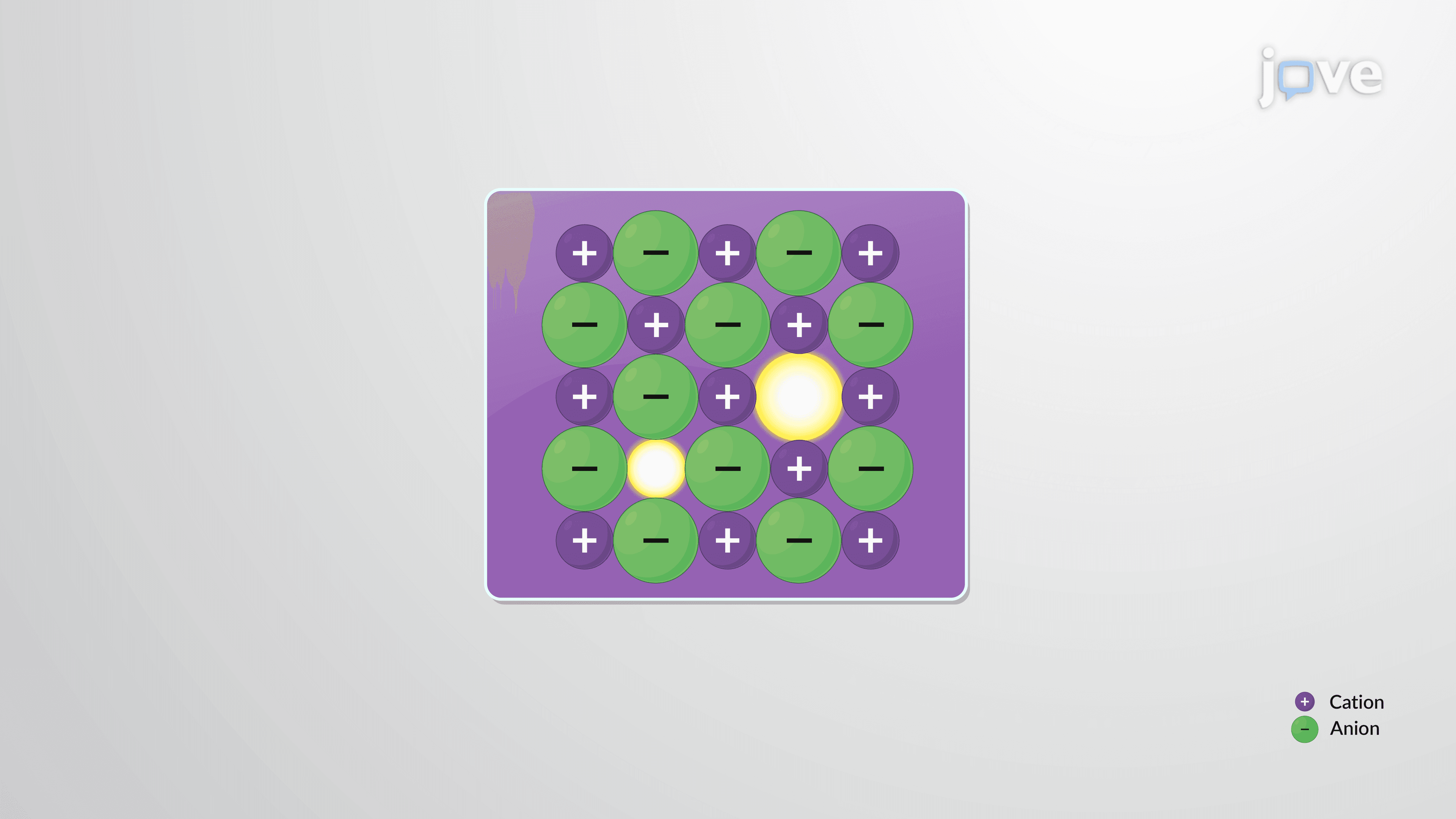
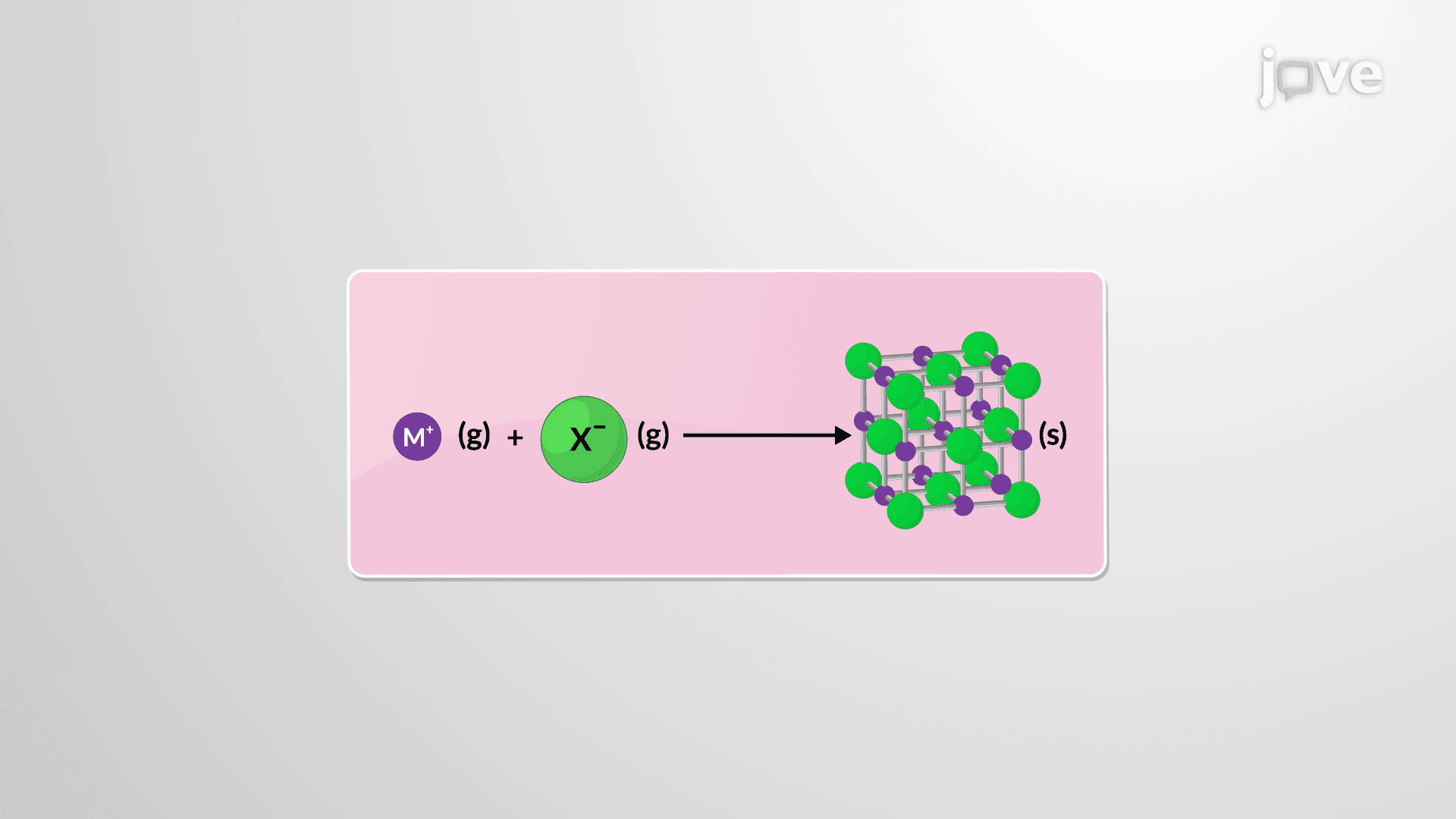
When sodium and chlorine react to form table salt, an enormous amount of energy is released as a well-ordered crystal lattice snaps into place. Lattice energies of ionic crystals quantify exactly that energy, specifically, the energy released when one mole of oppositely charged gaseous ions condenses into a solid ionic crystal. The higher the lattice energy, the stronger the ionic bonds holding the crystal together, and the more thermally and chemically stable that solid will be.
The electrostatic attraction between ions is governed by Coulomb's law, which states that the force between two charged particles is proportional to the product of their charges and inversely proportional to the square of the distance between them. In practical terms, this means two things: larger ionic charges increase lattice energy, and smaller ionic radii (shorter interionic distances) also increase lattice energy. This is why magnesium oxide (MgO), with its 2+ and 2− ion charges, has a lattice energy roughly four times greater than sodium chloride (NaCl), which carries only 1+ and 1− charges. In US undergraduate general chemistry courses, and on AP Chemistry exams, students are regularly asked to rank ionic compounds by lattice energy using exactly this logic.
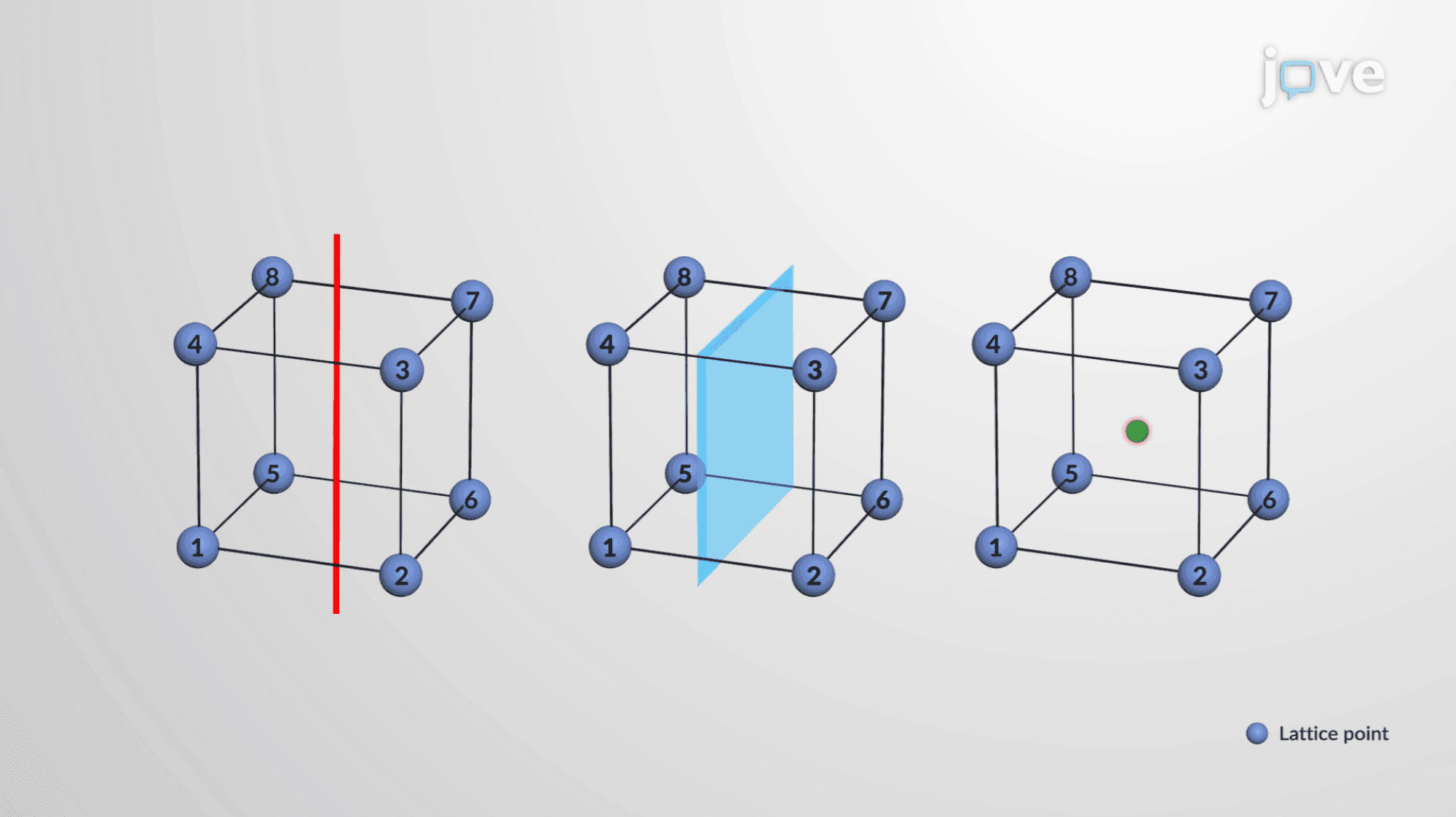
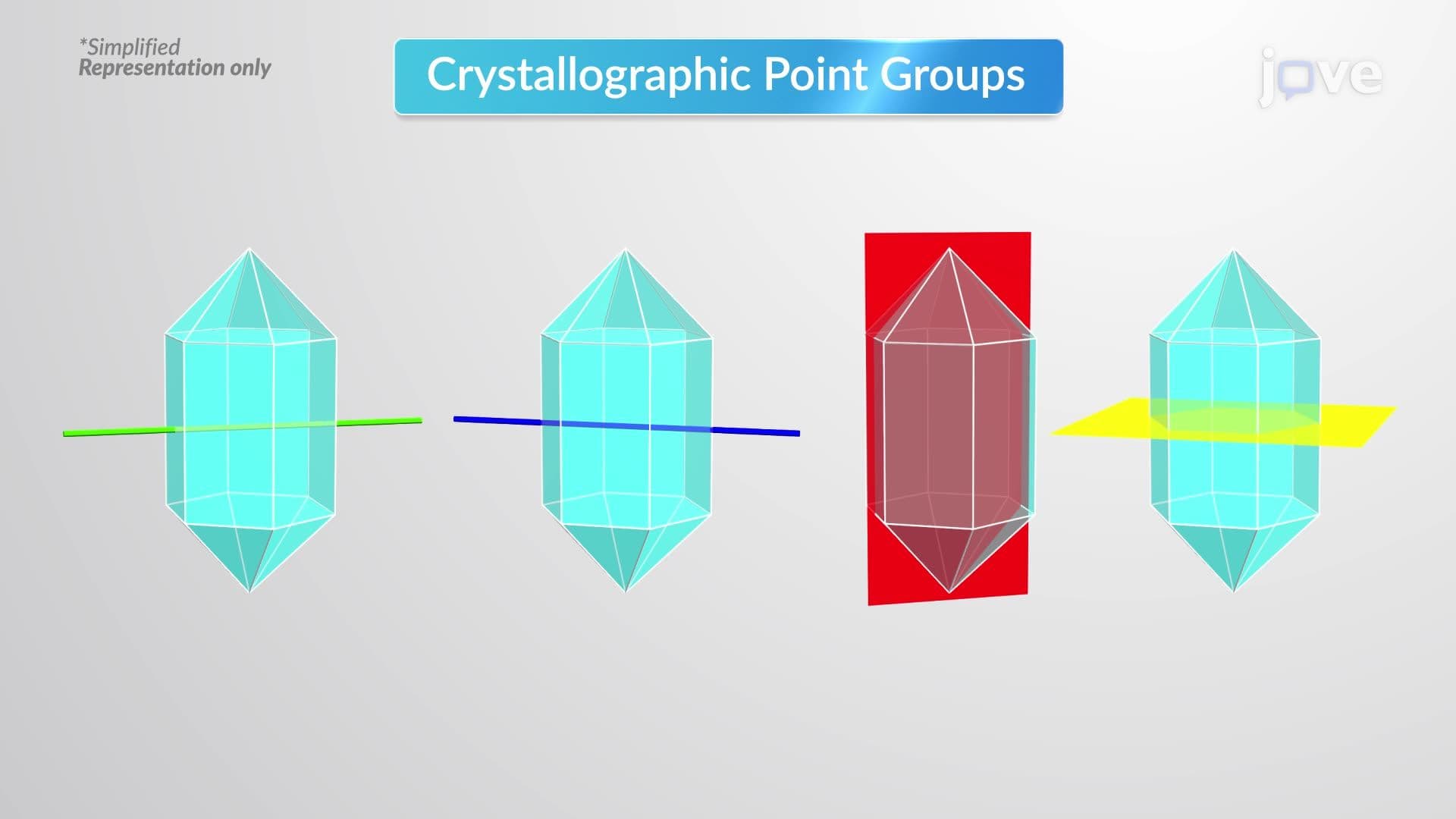
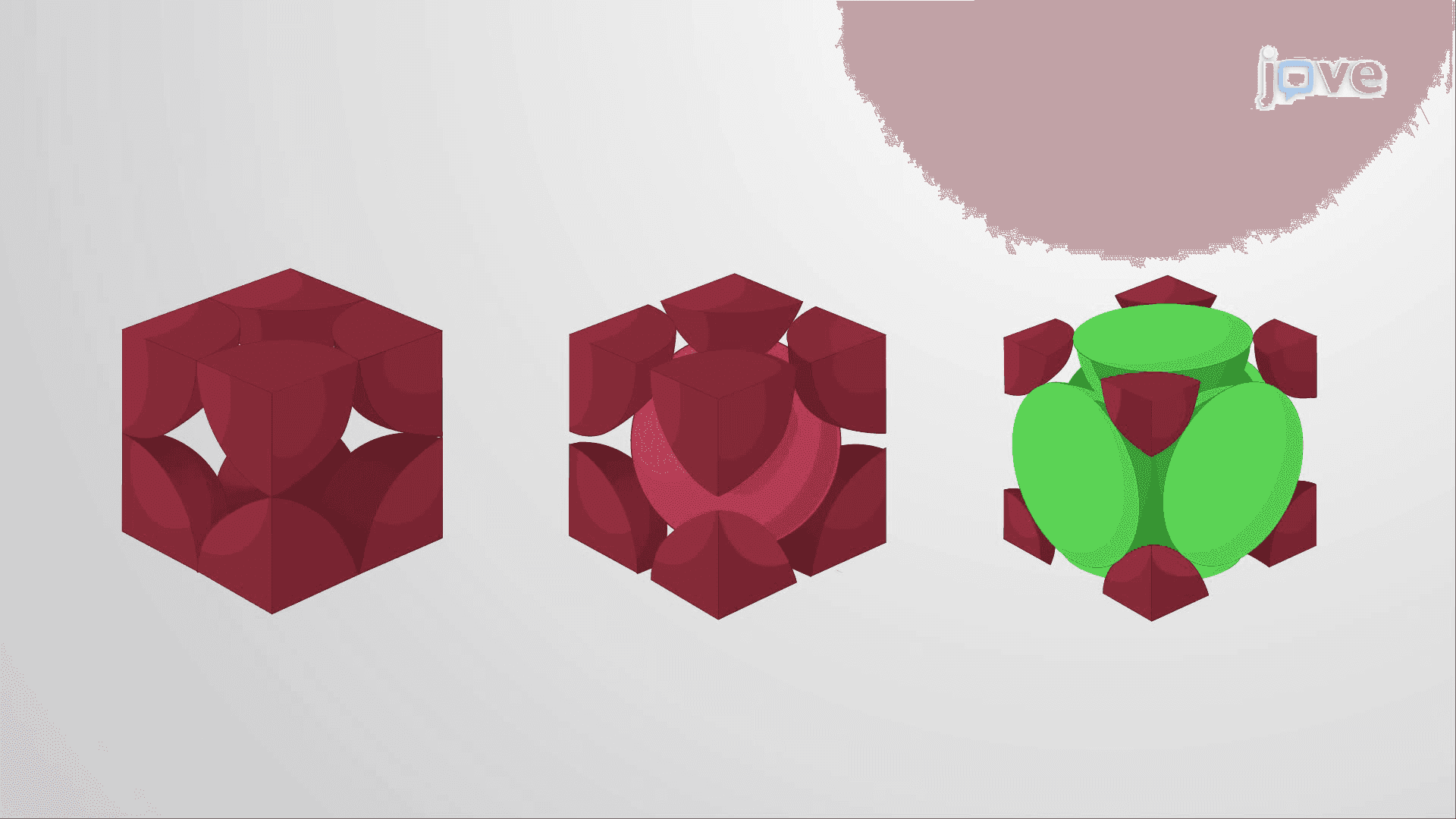
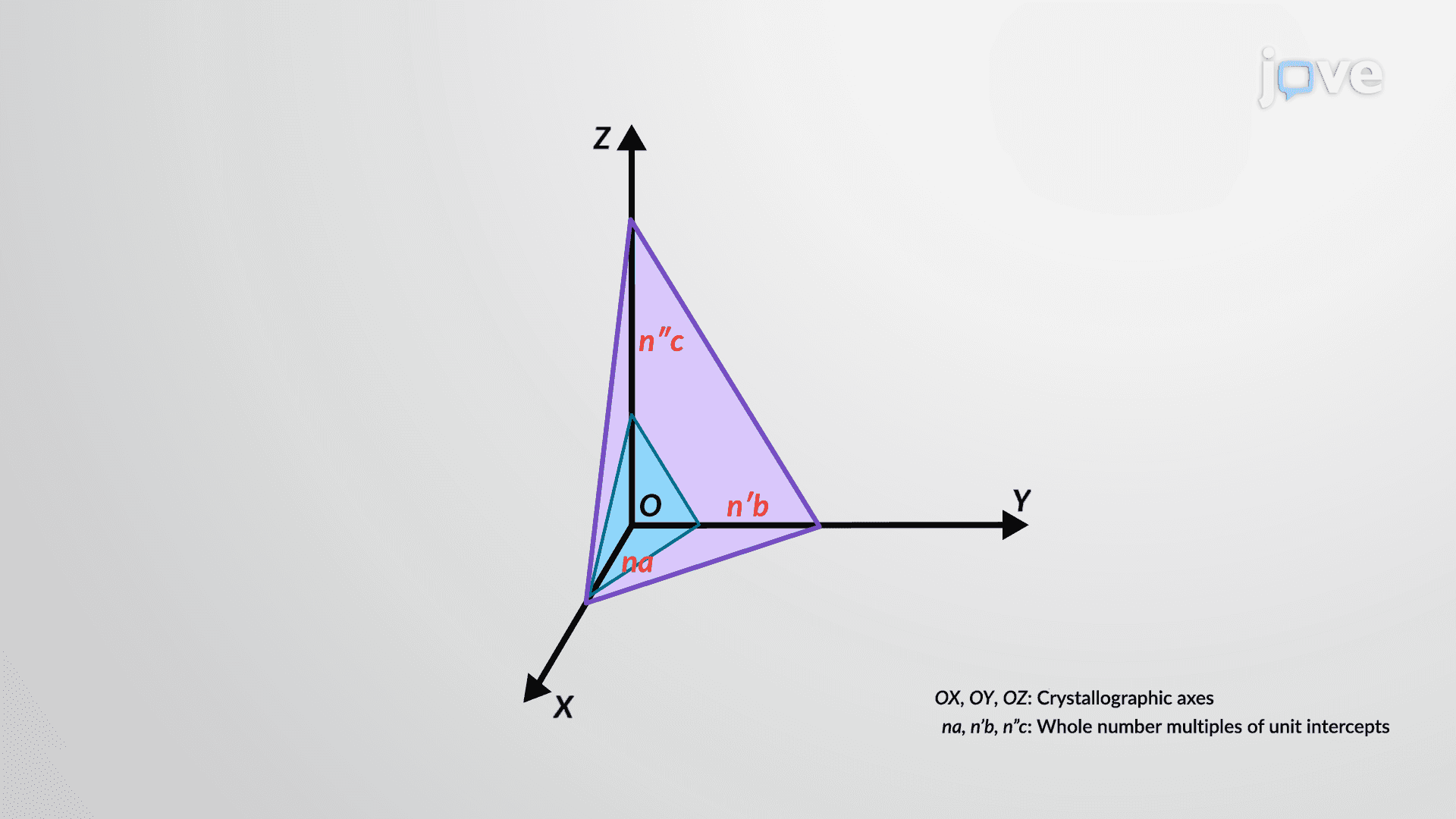
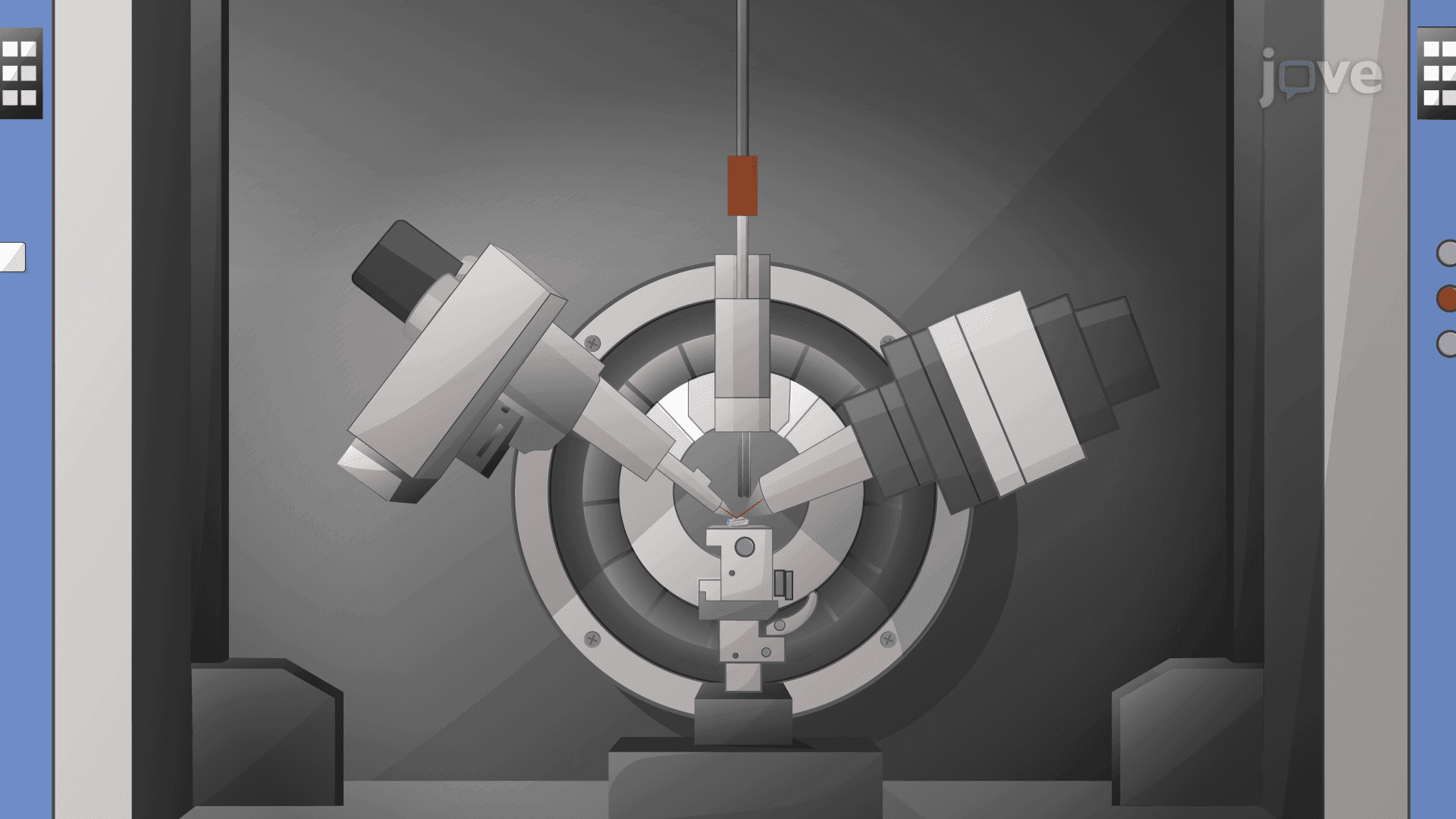
Real crystals are not just pairs of ions, each ion is surrounded by a geometric arrangement of many neighbors. In a NaCl crystal, for instance, each sodium ion is immediately surrounded by six chloride ions, then twelve sodium ions, then eight chloride ions, and so on. The Madelung constant (M) is a dimensionless geometric factor that mathematically sums all of these alternating attractive and repulsive contributions across the entire lattice structure. Different crystal geometries, which correspond to different Bravais lattices and unit cells, produce different values of M, making crystal structure a direct determinant of lattice energy magnitude. Techniques such as X-ray crystallography are used in practice to determine these crystal structures precisely.
Coulomb's law alone would predict that ions collapse into each other, since attraction increases indefinitely at short range. In reality, overlapping electron clouds generate a short-range repulsive force that prevents this collapse. Max Born incorporated this repulsion into the Born-Landé equation, which combines the long-range Coulomb attraction with a repulsive term scaled by the Born exponent (n), a value that depends on the electron configurations of the ions involved. Later, Born and Mayer refined the model further by replacing the repulsive term with an exponential function involving the repulsive range parameter (ρ), yielding the Born-Mayer equation, which is considered more physically realistic. Both equations are discussed in US college-level physical chemistry and inorganic chemistry courses, and understanding their structure helps students appreciate why empirical refinements are sometimes necessary even for well-established theoretical models.
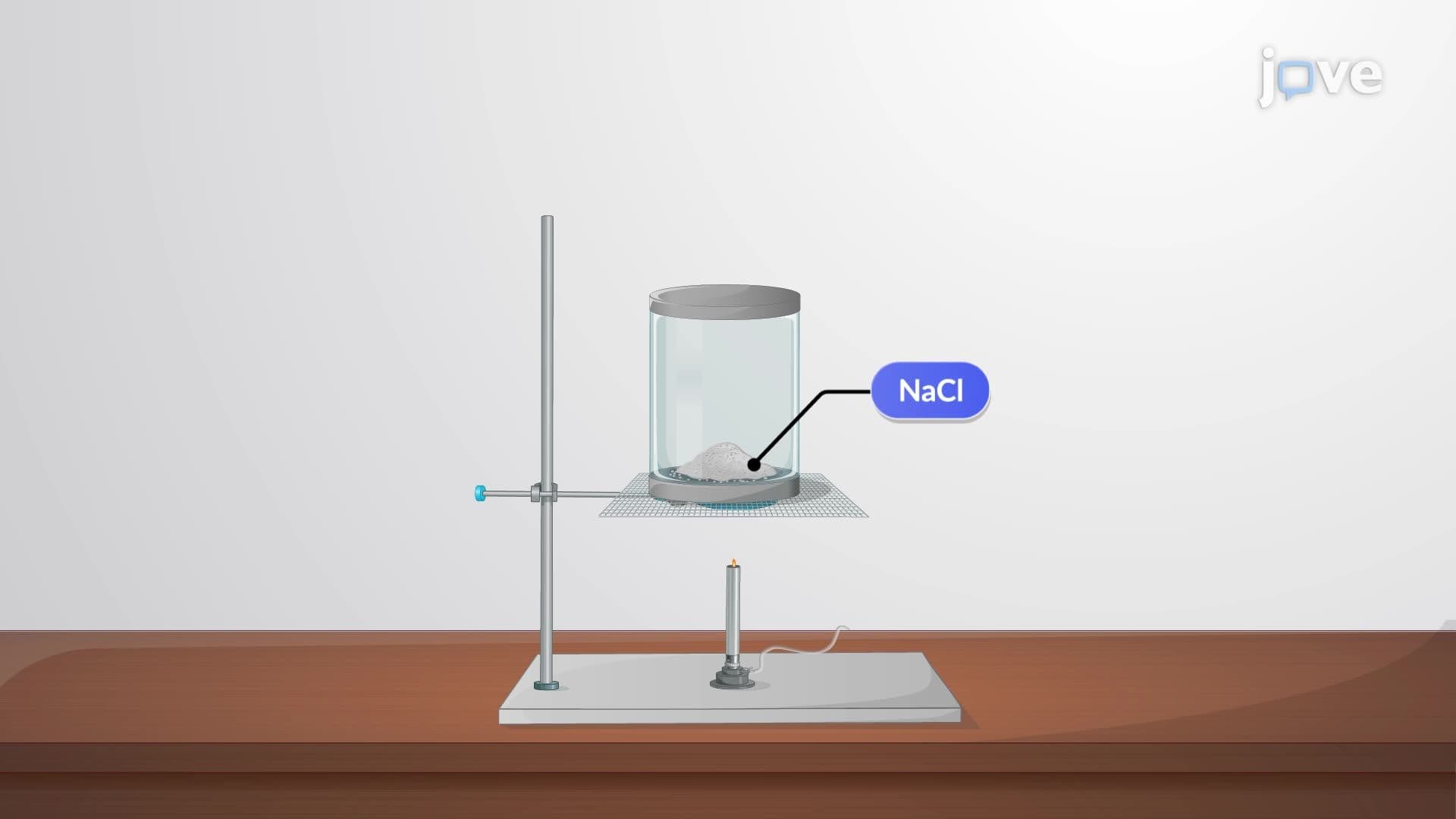
Lattice energy is not just a theoretical quantity. It directly influences melting point (compounds with higher lattice energy require more heat to melt), hardness (stronger lattice → harder crystal), and solubility (lattice energy competes with hydration energy to determine whether a salt dissolves). On the AP Chemistry exam, lattice energy appears in thermochemical cycles called Born-Haber cycles, where students calculate unknown energies using Hess's law. In US college courses, it bridges general chemistry and materials science, relevant to understanding ceramics, semiconductors, and ionic conductors used in battery technology.
Related Micro-courses