Loading video…

 16 Concepts
 3.1K views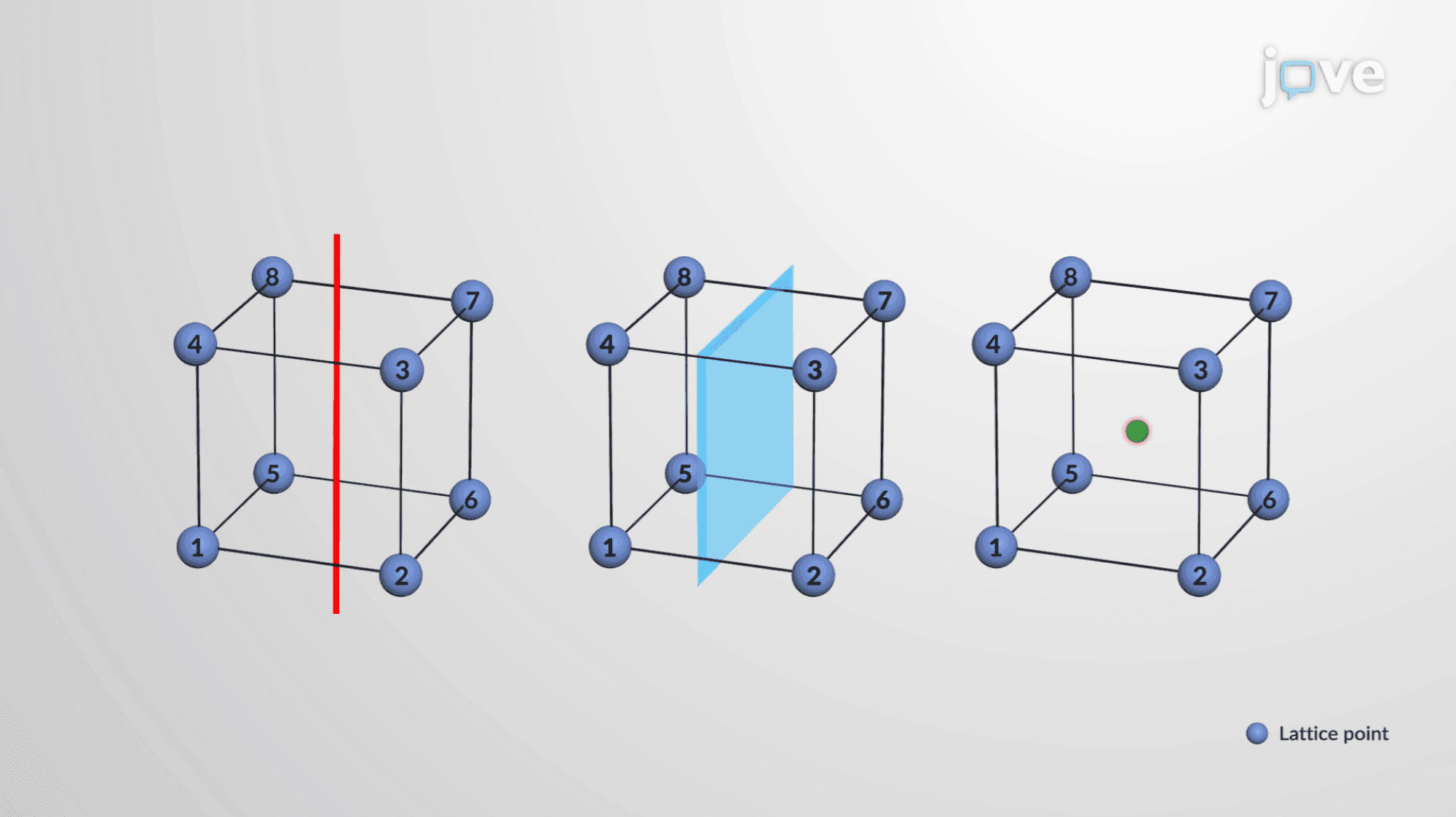

Video Summary: Symmetry Elements in a Crystal Explained
Why do snowflakes always form perfect six-sided shapes? The answer lies in symmetry elements in a crystal. Understanding symmetry elements in a crystal basics reveals how atoms arrange themselves in precise, repeating 3D patterns, the same principle used in US semiconductor labs to engineer silicon chips. Symmetry operations like rotation, reflection, and inversion define a crystal's geometry at the atomic level. Watch the full video on JoVE Coach to master this concept with expert-led visuals and step-by-step explanations.
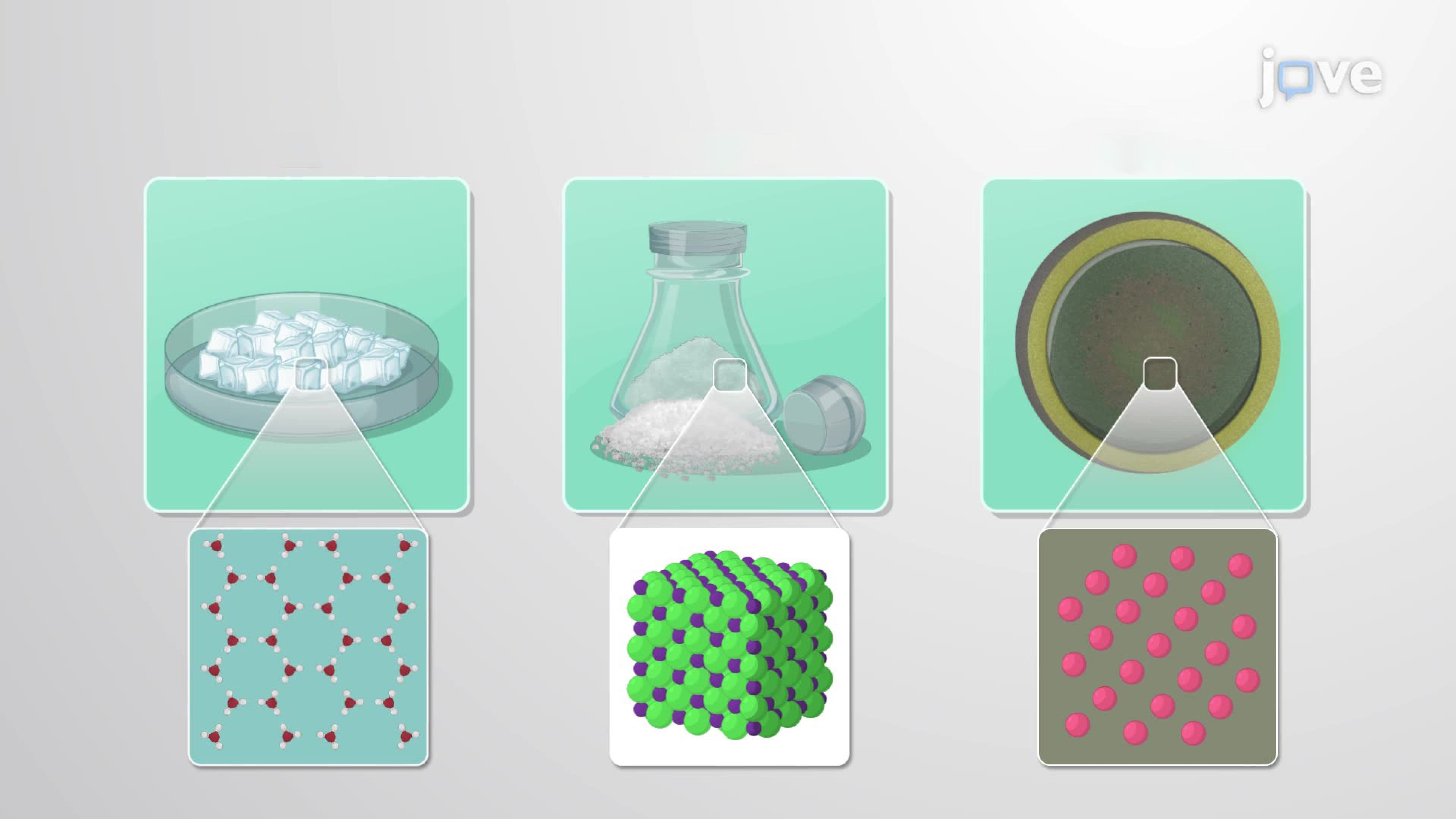
At first glance, a crystal looks like a simple, shiny solid. But zoom in to the atomic level, and you discover a breathtakingly ordered world governed by symmetry elements in a crystal. These elements are the geometric tools, lines, planes, and points, that define every repeating pattern inside a crystalline material. Mastering this concept is foundational for AP Chemistry, college-level mineralogy, and materials science courses across the US.
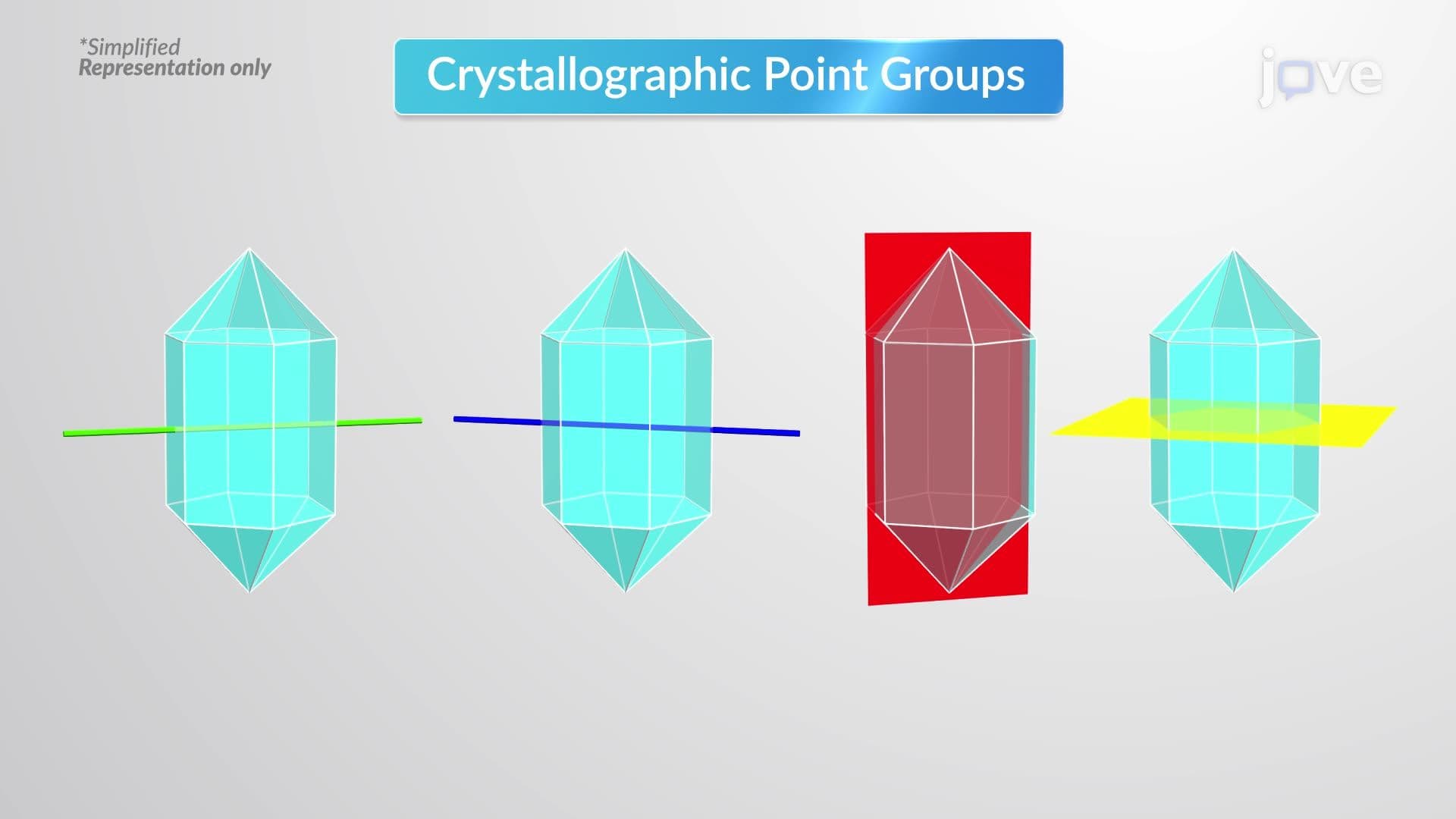
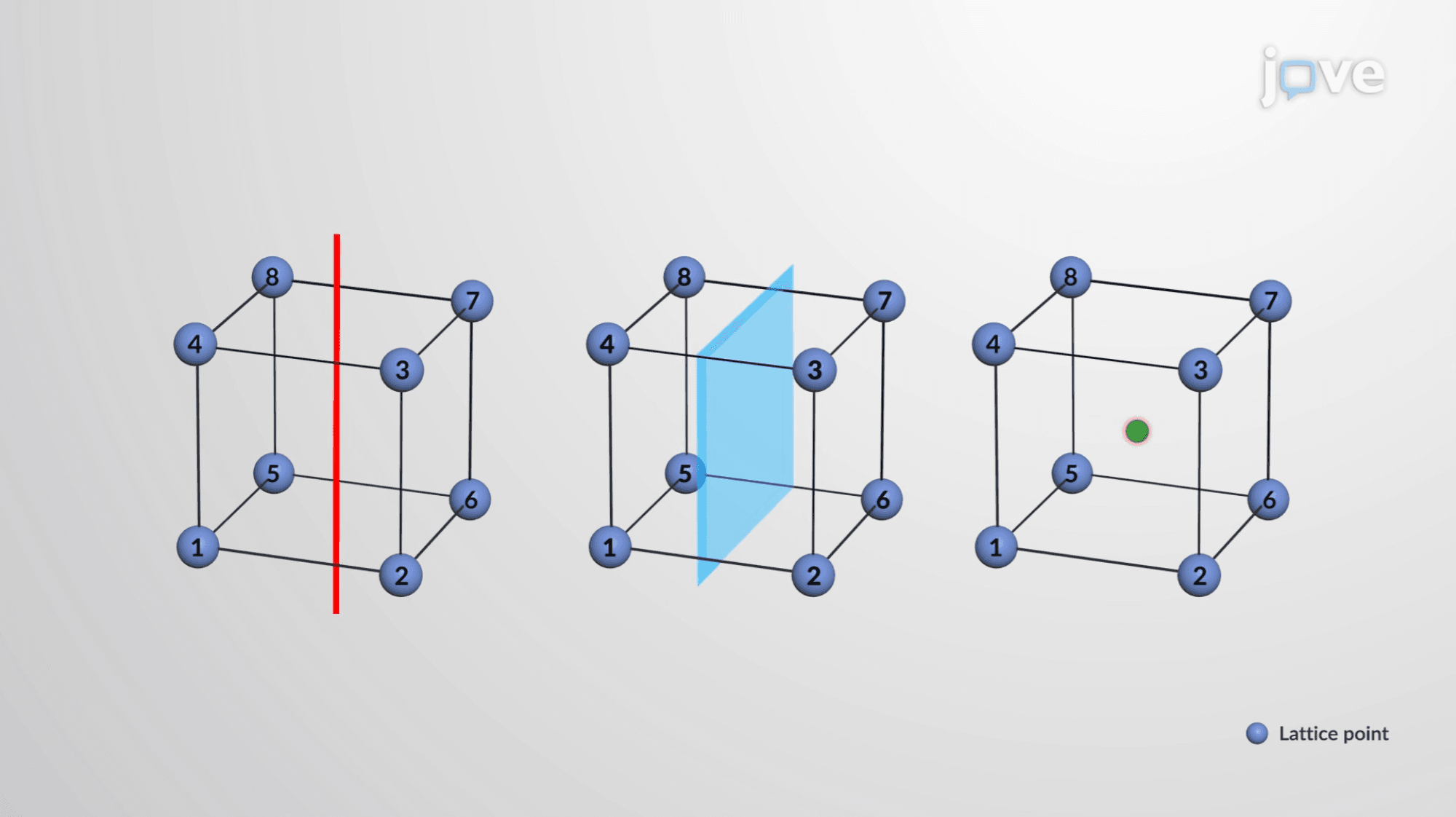
A symmetry operation is any movement applied to a crystal structure that leaves its overall appearance unchanged. Think of it like rotating a perfectly cut diamond, certain angles bring you right back to the same-looking gem. The four core symmetry operations are:
Each operation is performed *about* a symmetry element: an axis (for rotation), a plane (for reflection), or a point (for inversion).
Real crystals often display more complex behavior than single operations can describe. Combined symmetry elements merge two operations simultaneously:
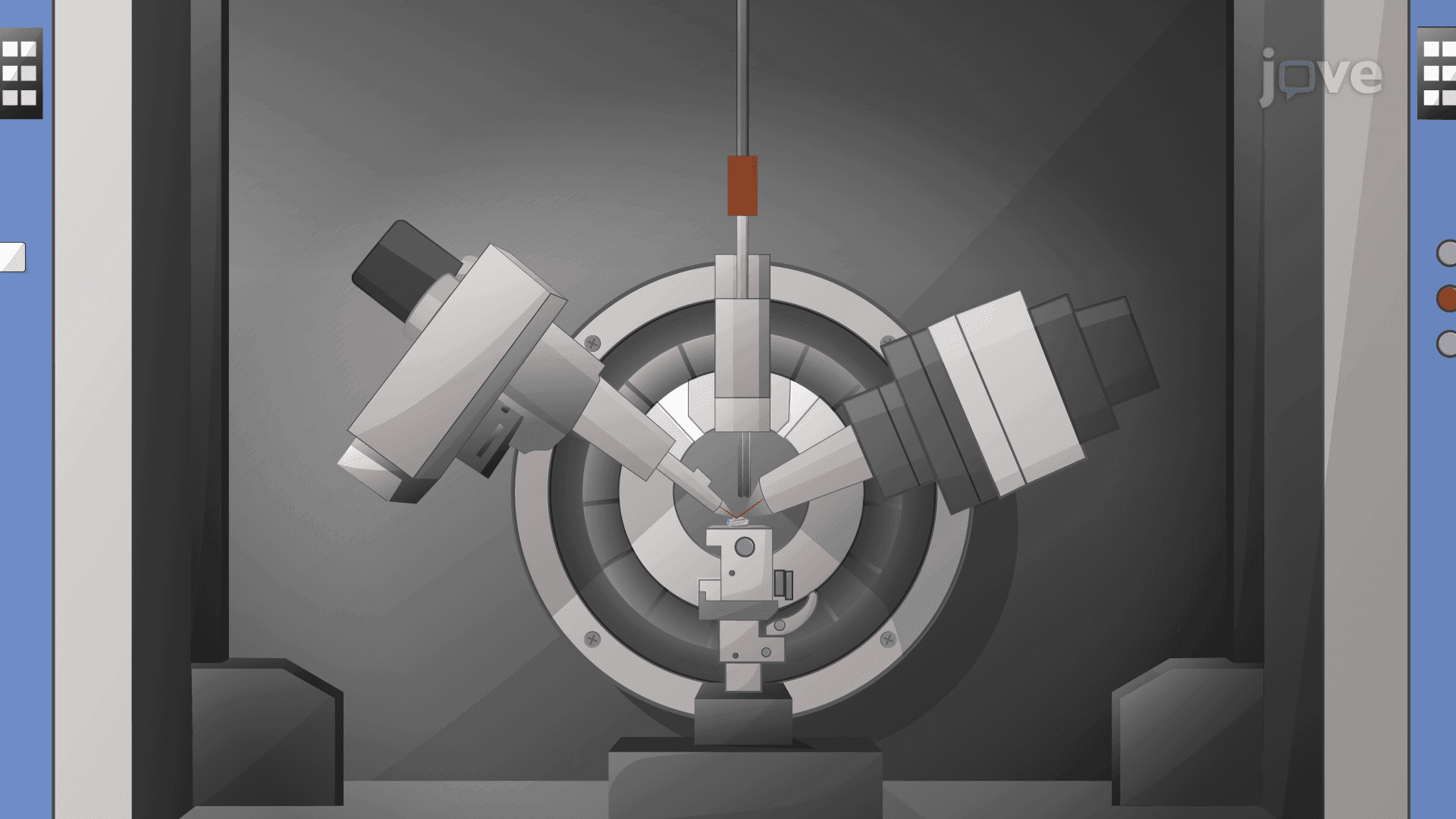
These combined elements are critical for correctly interpreting X-ray crystallography data, which is how crystal structure is determined in modern research labs and pharmaceutical companies across the US.
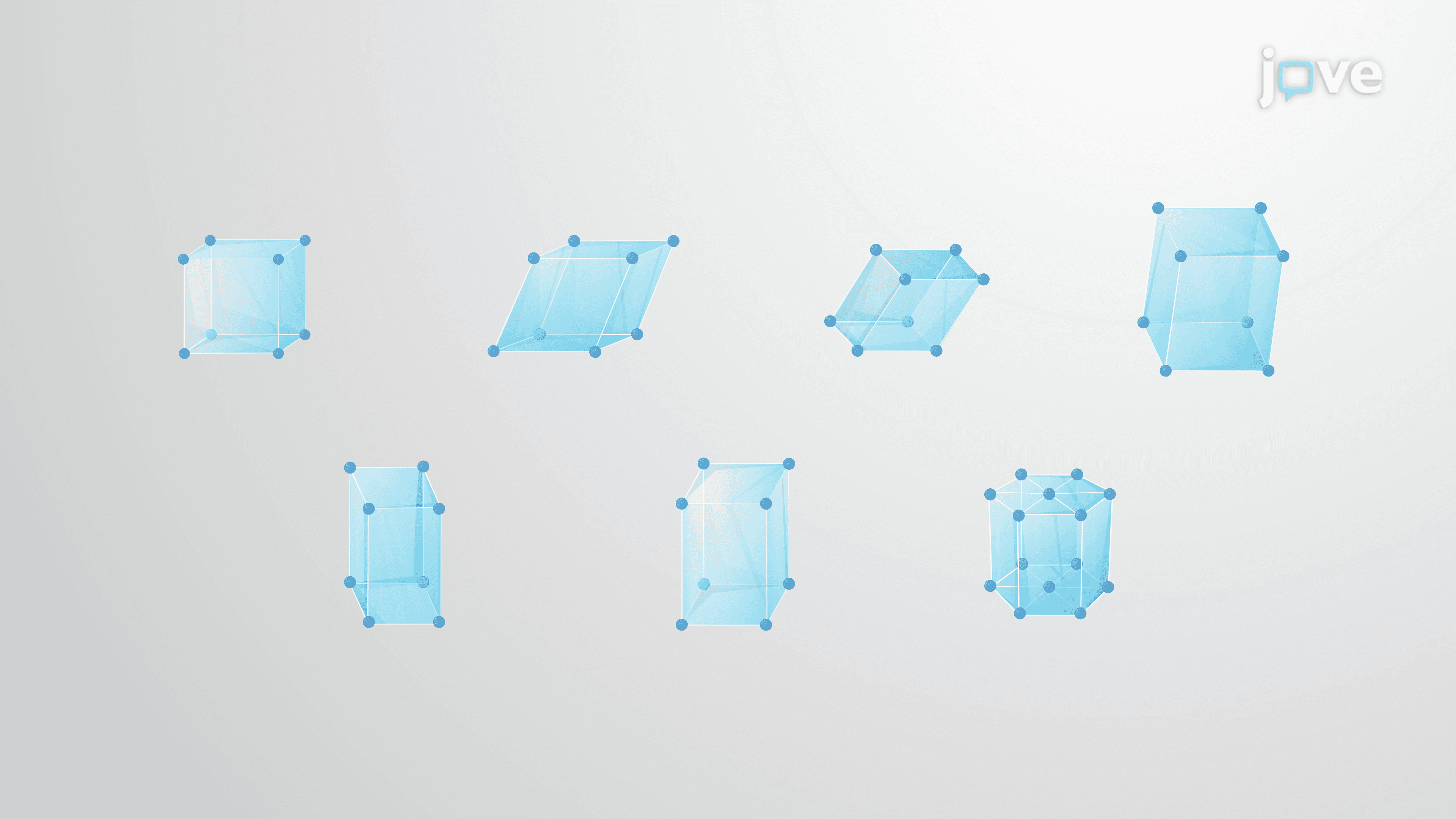
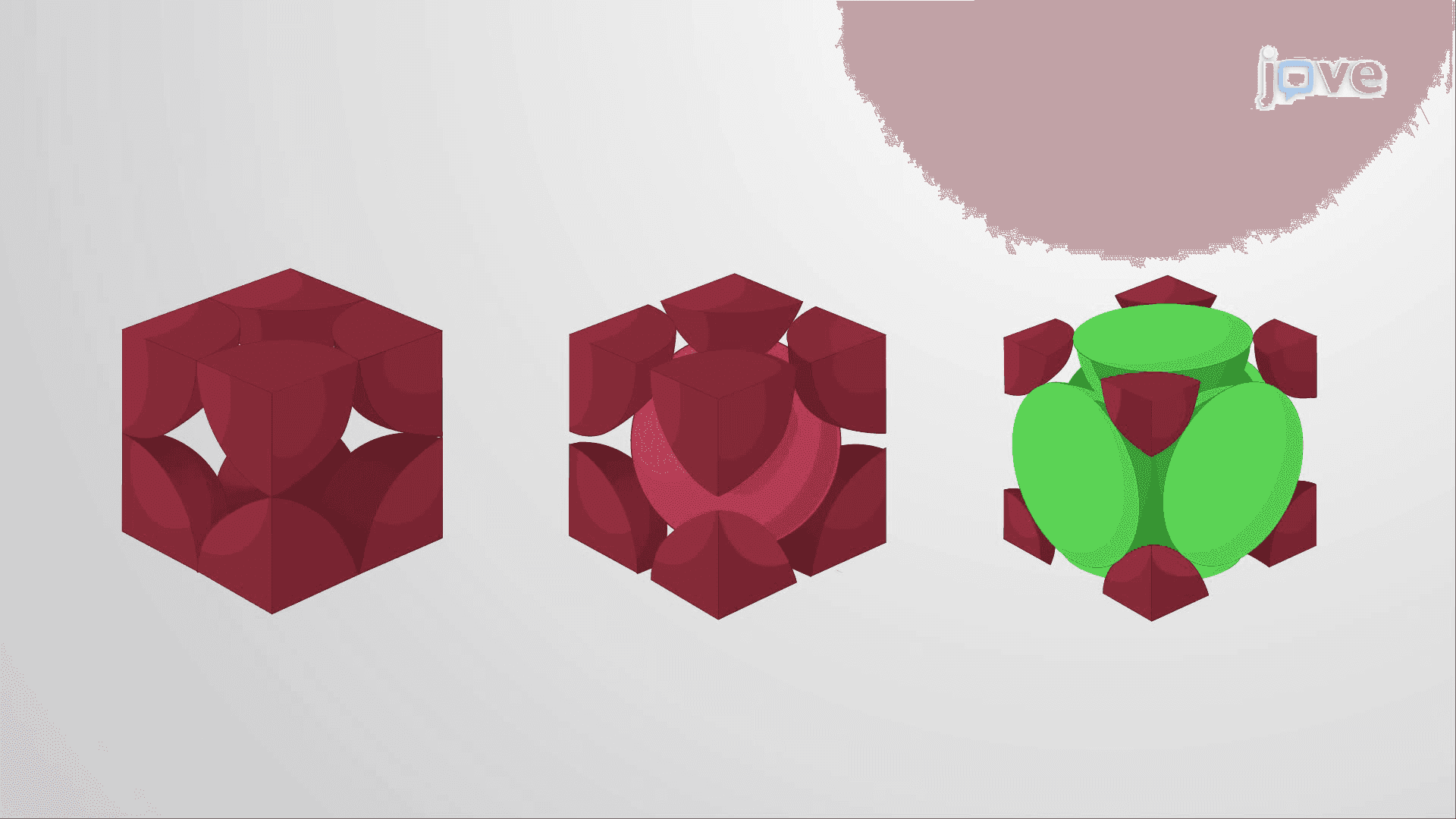
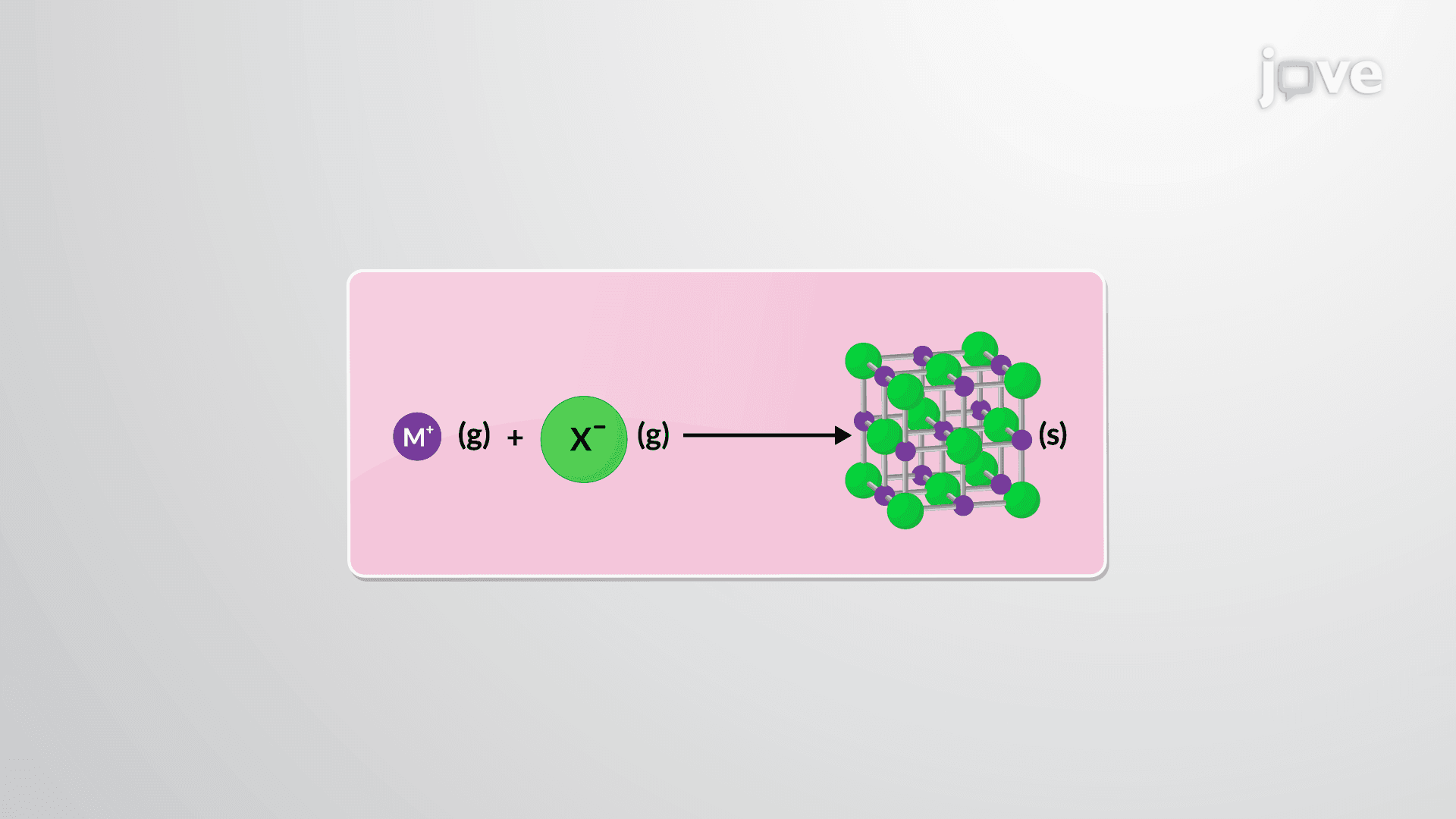
Symmetry elements directly determine which of the 14 Bravais lattices a crystal belongs to, and how its unit cell, the smallest repeating building block, is shaped. For example, a cubic unit cell possesses multiple rotation axes (two-fold, three-fold, and four-fold), multiple mirror planes, and an inversion center all at once. In contrast, a triclinic unit cell has almost no symmetry elements beyond basic translation.
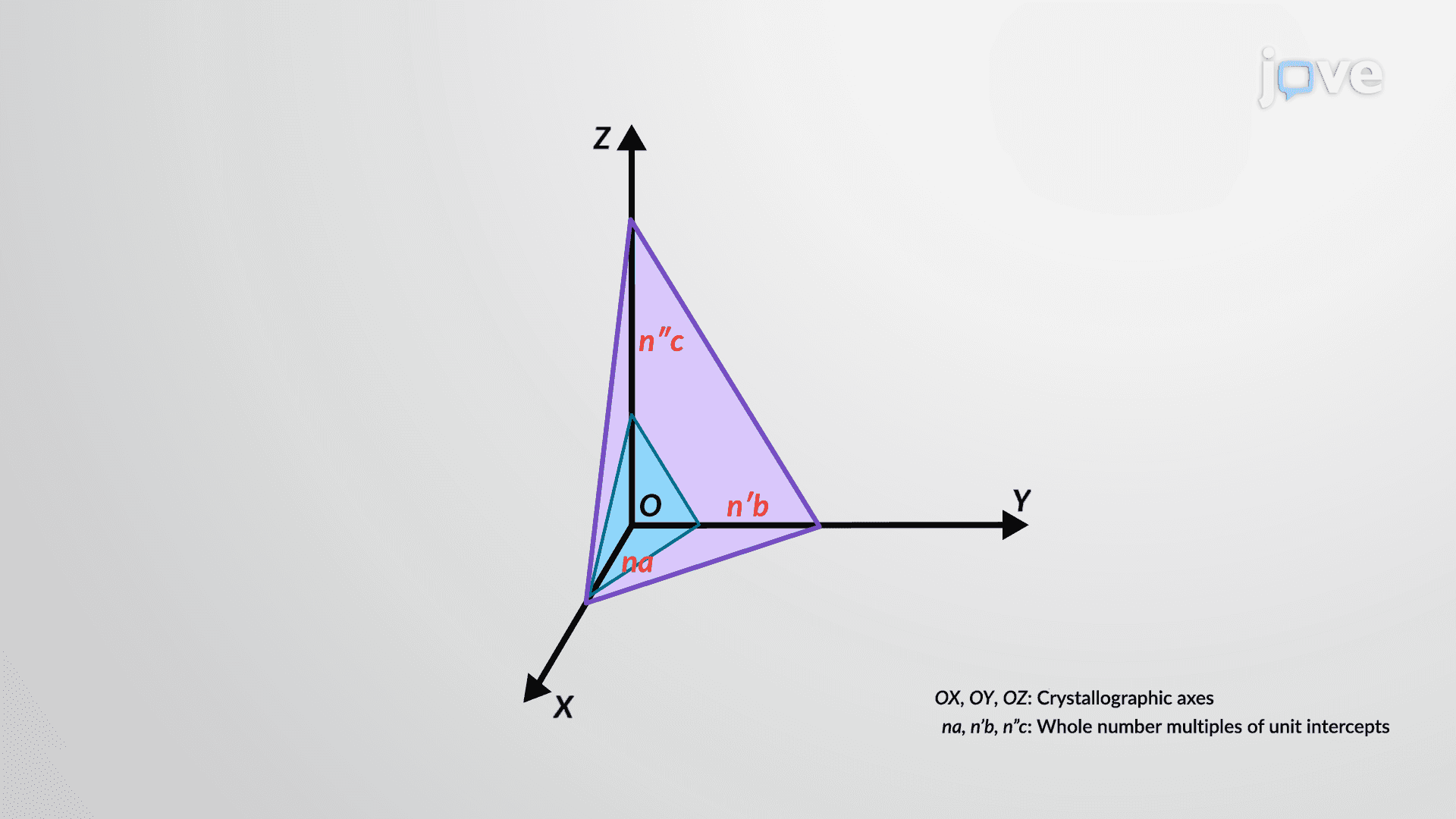
Understanding this connection is essential for college courses in solid-state chemistry and materials science, as well as for interpreting Miller indices, which use symmetry-derived coordinates to describe crystal faces and planes. On AP Chemistry exams, students are often asked to identify the geometry of unit cells, a question rooted directly in symmetry analysis.
In the US pharmaceutical industry, knowing a drug molecule's crystal symmetry is critical. The same compound can crystallize into multiple forms (called polymorphs), each with different symmetry elements, and different solubility, stability, and bioavailability. The FDA requires pharmaceutical companies to characterize crystal symmetry before drug approval. Similarly, Intel and other US chipmakers rely on silicon's cubic crystal symmetry to predict and control its electronic properties during semiconductor fabrication.
Related Micro-courses