Loading subject page…

3,108 views

Video Summary: Adsorption of Gases on Solids Explained
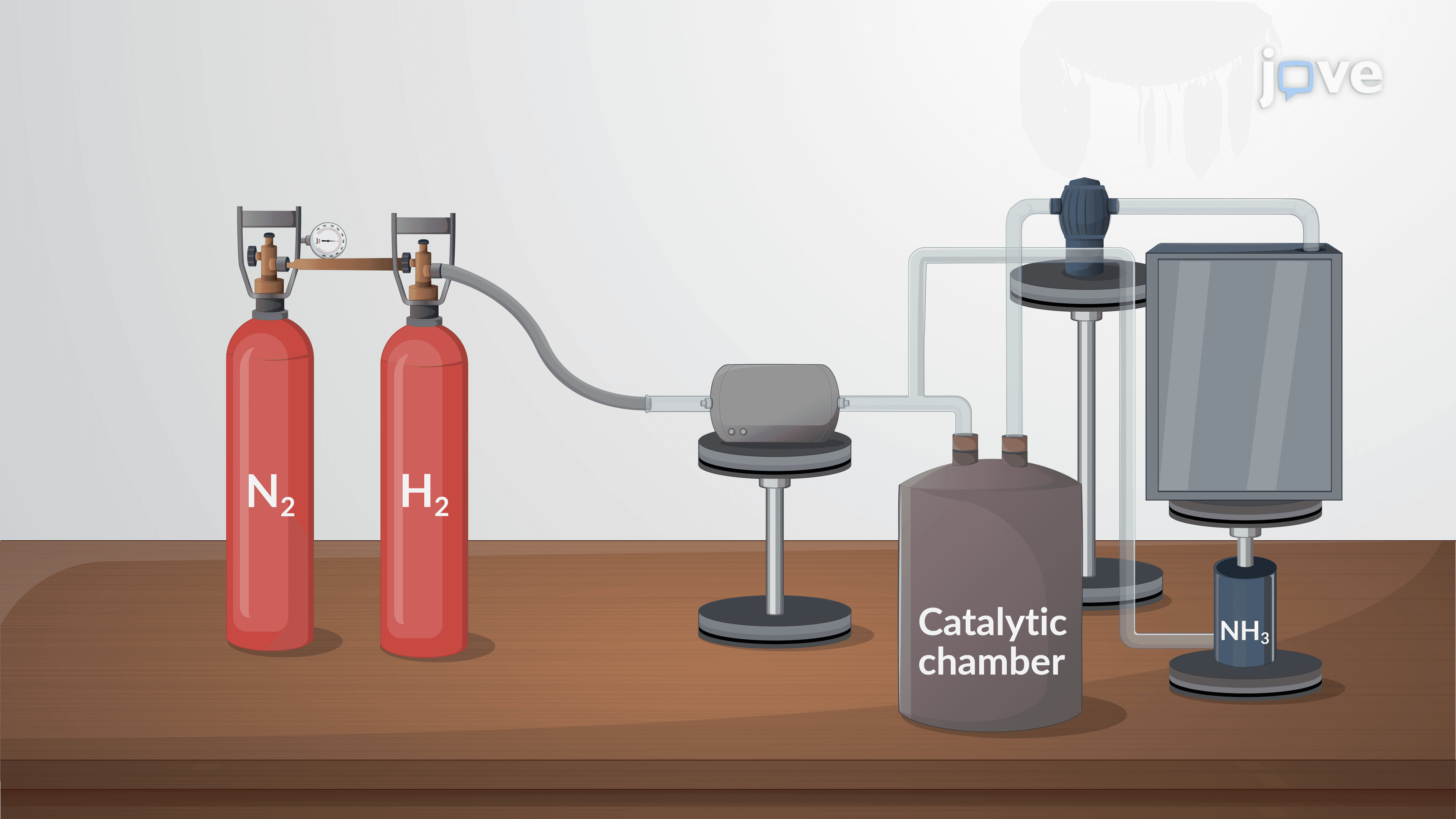
Ever wonder why activated charcoal in a water filter traps toxins, or how a catalytic converter in a US car cleans exhaust gases? The secret lies in the adsorption of gases on solids, a foundational concept in surface chemistry. Understanding adsorption of gases on solids basics helps explain how gas molecules stick to solid surfaces through either weak physical forces or strong chemical bonds. Watch the full video on JoVE Coach to master this concept with expert-led visuals and step-by-step explanations.
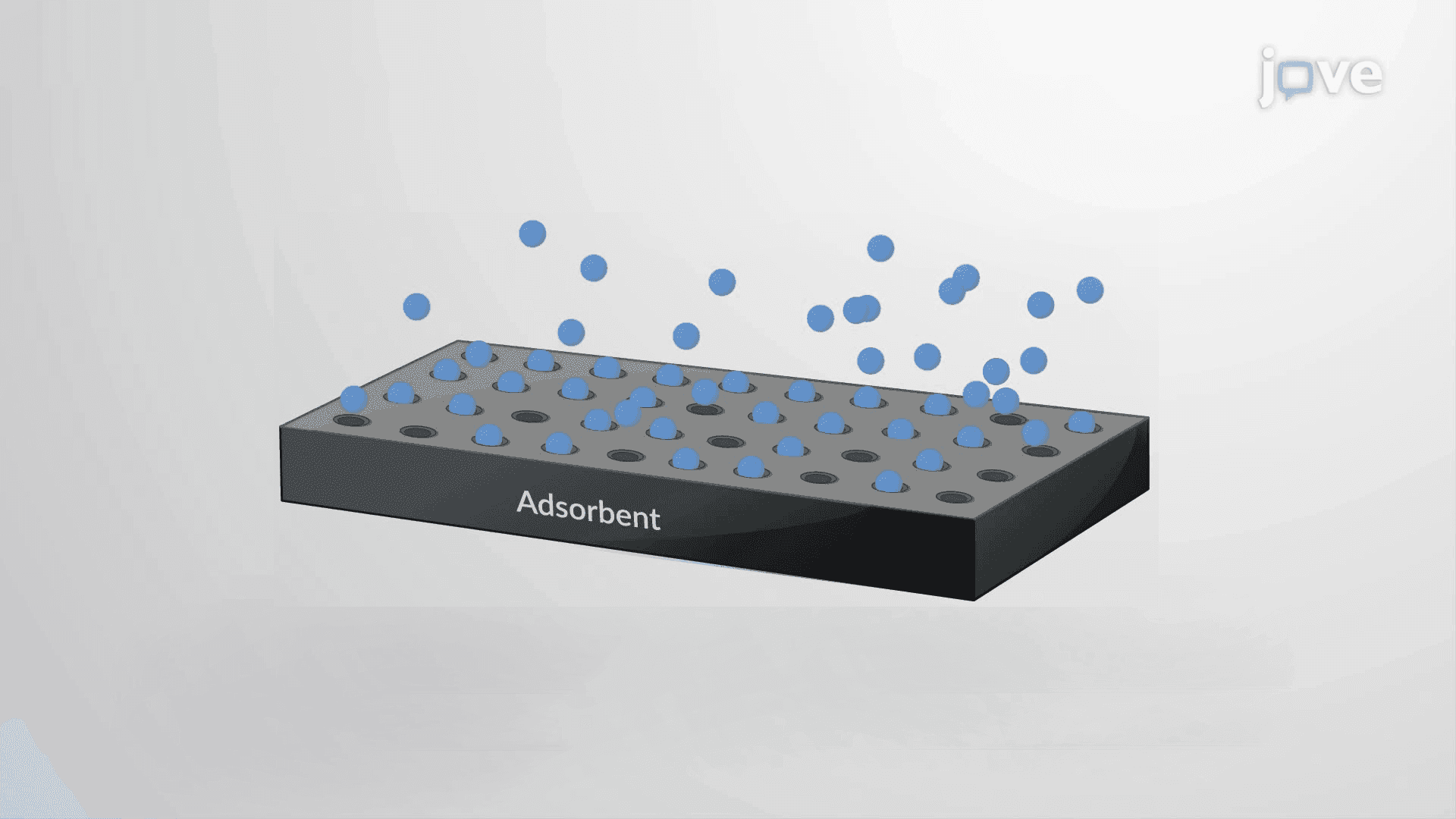
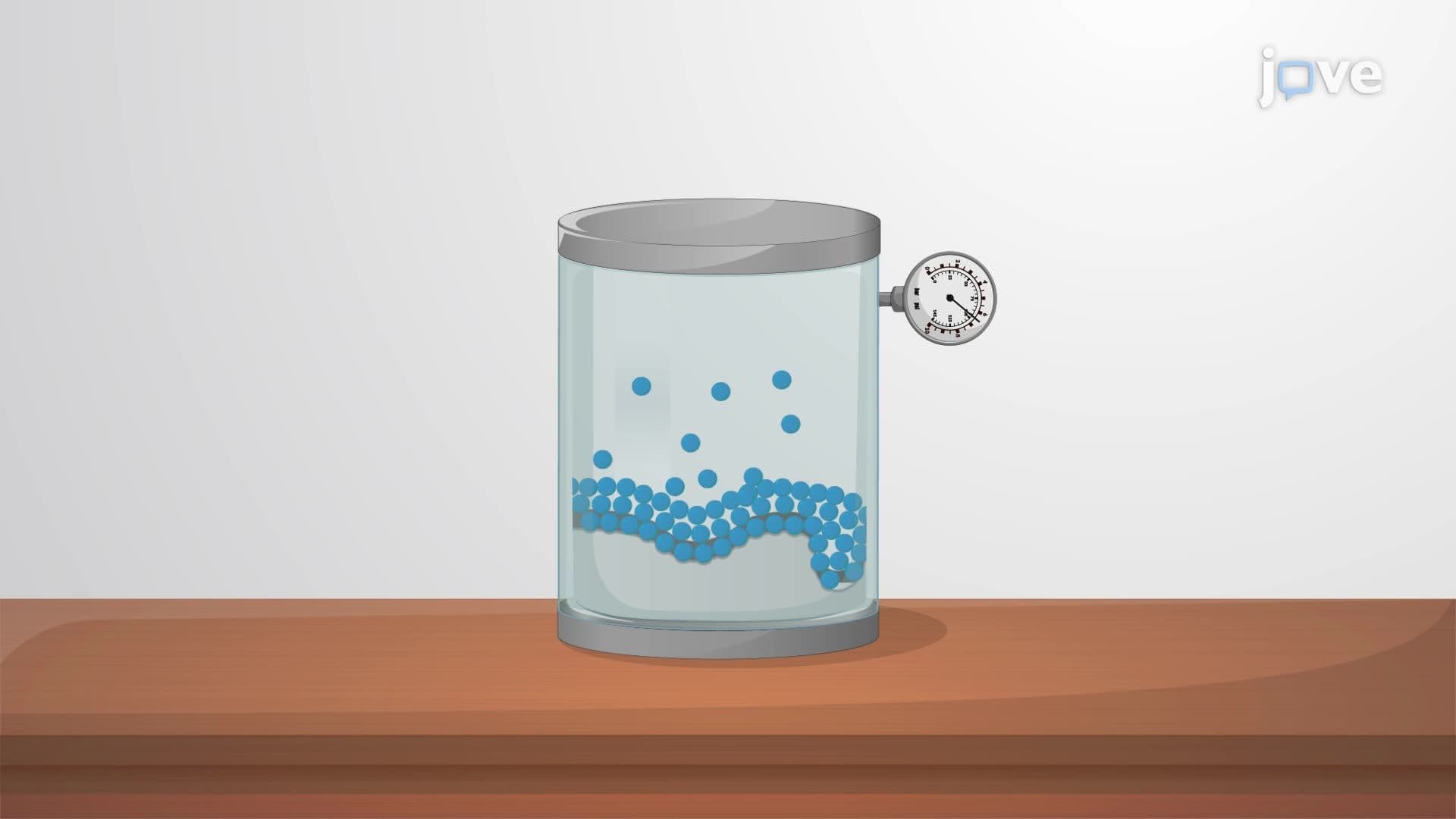
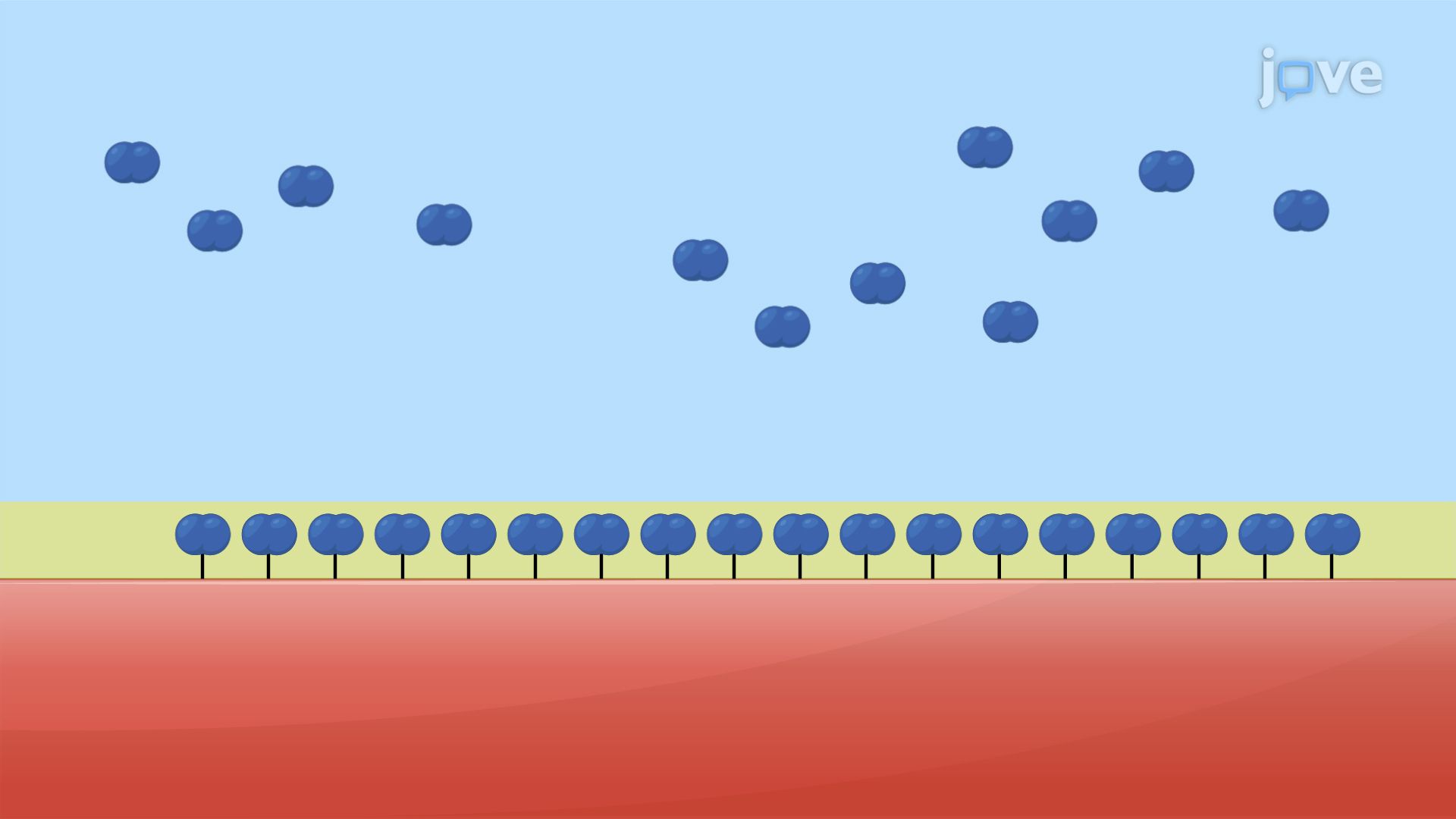
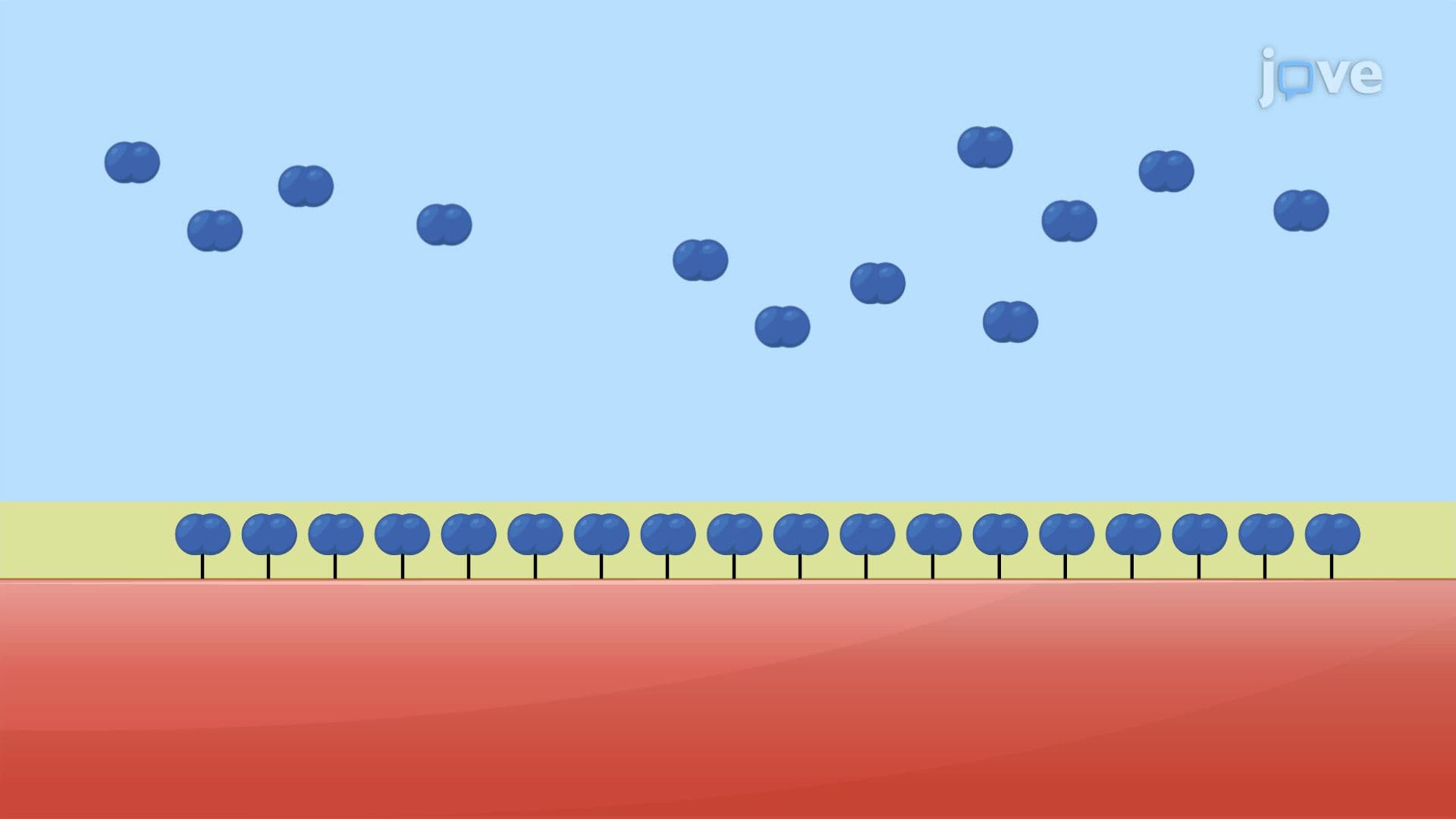
When a gas comes into contact with a solid, something remarkable happens at the interface, gas molecules begin to accumulate on the solid surface rather than passing through it. This phenomenon, known as the adsorption of gases on solids, is distinct from absorption, where molecules penetrate the bulk of a material. In adsorption, interaction is strictly surface-level, making it one of the most important concepts in physical chemistry, materials science, and chemical engineering.
The two primary types of adsorption differ fundamentally in how strongly the gas (adsorbate) binds to the solid (adsorbent).
Physisorption (physical adsorption) is driven by weak van der Waals forces, the same intermolecular attractions studied in AP Chemistry. It is nonspecific, meaning almost any gas can physisorb onto any solid under the right conditions. Nitrogen gas physically adsorbs onto many solids at low temperatures, which is actually the basis for the BET surface area measurement technique used in US university research labs to characterize porous materials. Because physisorption is weak and nonspecific, it produces multilayers of gas molecules stacked on the surface.
Chemisorption (chemical adsorption), by contrast, involves the formation of actual chemical bonds between the adsorbate and the adsorbent surface. This process is highly specific, it depends on the chemical compatibility between the gas and the solid. Chemisorption is much stronger and forms only a single monolayer on the surface. Importantly, once chemisorption saturates the surface with a monolayer, physisorption can then build additional layers on top of that chemisorbed layer, creating a hybrid structure.
Not all gases behave the same way when they chemisorb. Hydrogen (H₂), for example, typically dissociates upon chemisorption, splitting into individual hydrogen atoms that bond separately to the solid surface. This dissociative chemisorption is critical in industrial hydrogenation reactions, such as those used in US food manufacturing to produce partially hydrogenated oils or in petroleum refining at facilities like those operated by ExxonMobil and Chevron.
Other gases, like ammonia (NH₃), chemisorb without dissociation, the intact molecule bonds to the surface. This distinction has real implications for reaction mechanisms in heterogeneous catalysis, a topic frequently tested in college-level physical chemistry and chemical engineering courses.
Understanding adsorption quantitatively is essential for exam success and real applications. The adsorption rate is expressed as:
Rate = k(ads) × [gas concentration] × [number of available adsorption sites]
As more gas adsorbs, available sites decrease, slowing the rate, a concept that connects directly to Langmuir adsorption theory.
Surface coverage (θ) measures how much of the surface is occupied:
θ = V(adsorbed) / V(monolayer)
where V(adsorbed) is the volume of gas adsorbed and V(monolayer) is the volume needed to fully cover the surface with one layer.
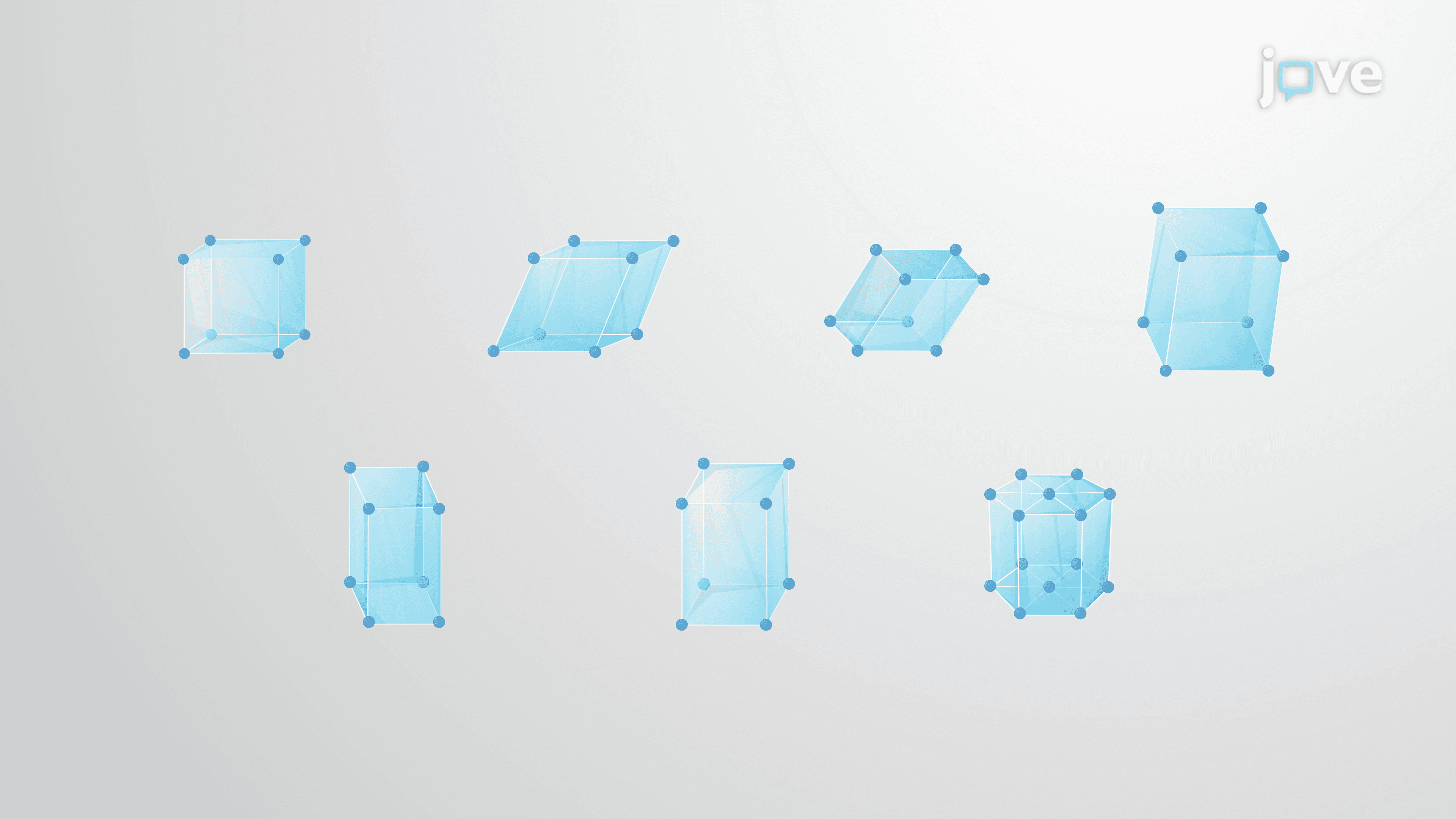
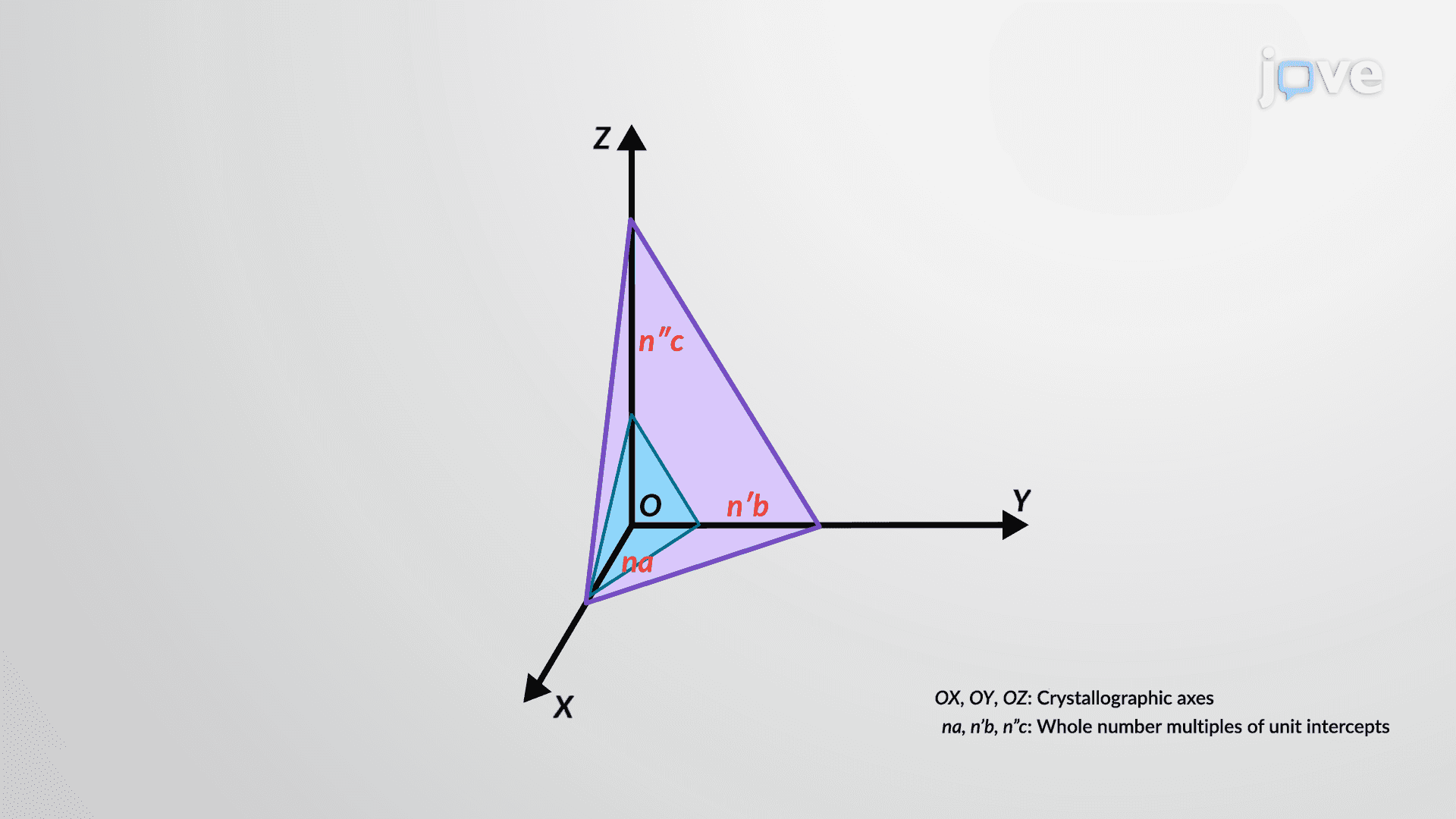
Adsorption isotherms, graphs of amount adsorbed versus pressure at constant temperature, appear in AP Chemistry, college physical chemistry, and MCAT preparation. The Langmuir isotherm models chemisorption (monolayer), while the BET isotherm extends this to physisorption (multilayer). Knowing how to interpret these graphs and how surface defects, crystal structure (described using Bravais lattices and Miller indices), and X-ray crystallography data inform surface chemistry is what separates a foundational understanding from an expert-level one.
Related Micro-courses