Loading video…

 16 Concepts
 3.1K views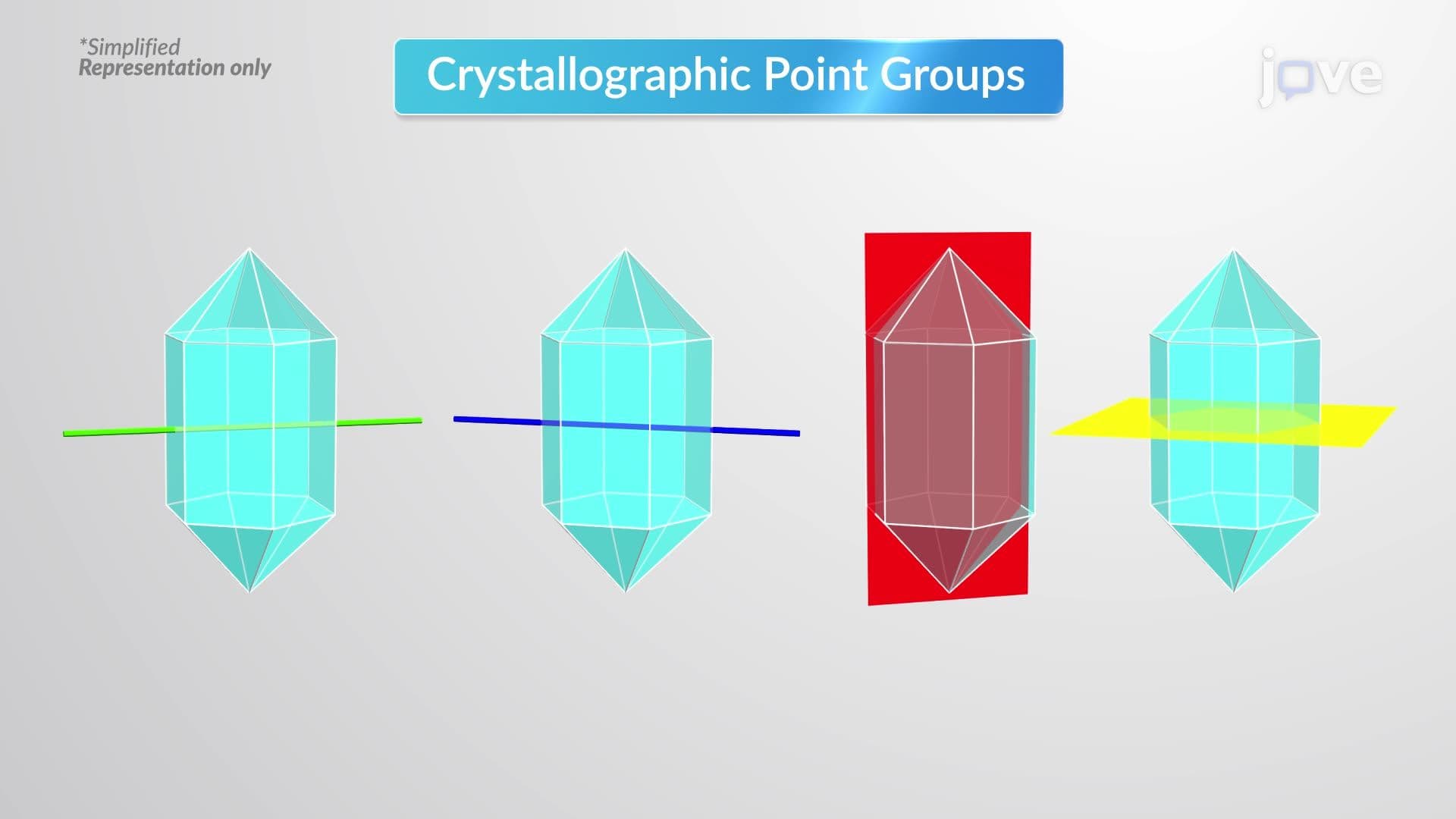

Video Summary: What are Crystallographic Point Groups
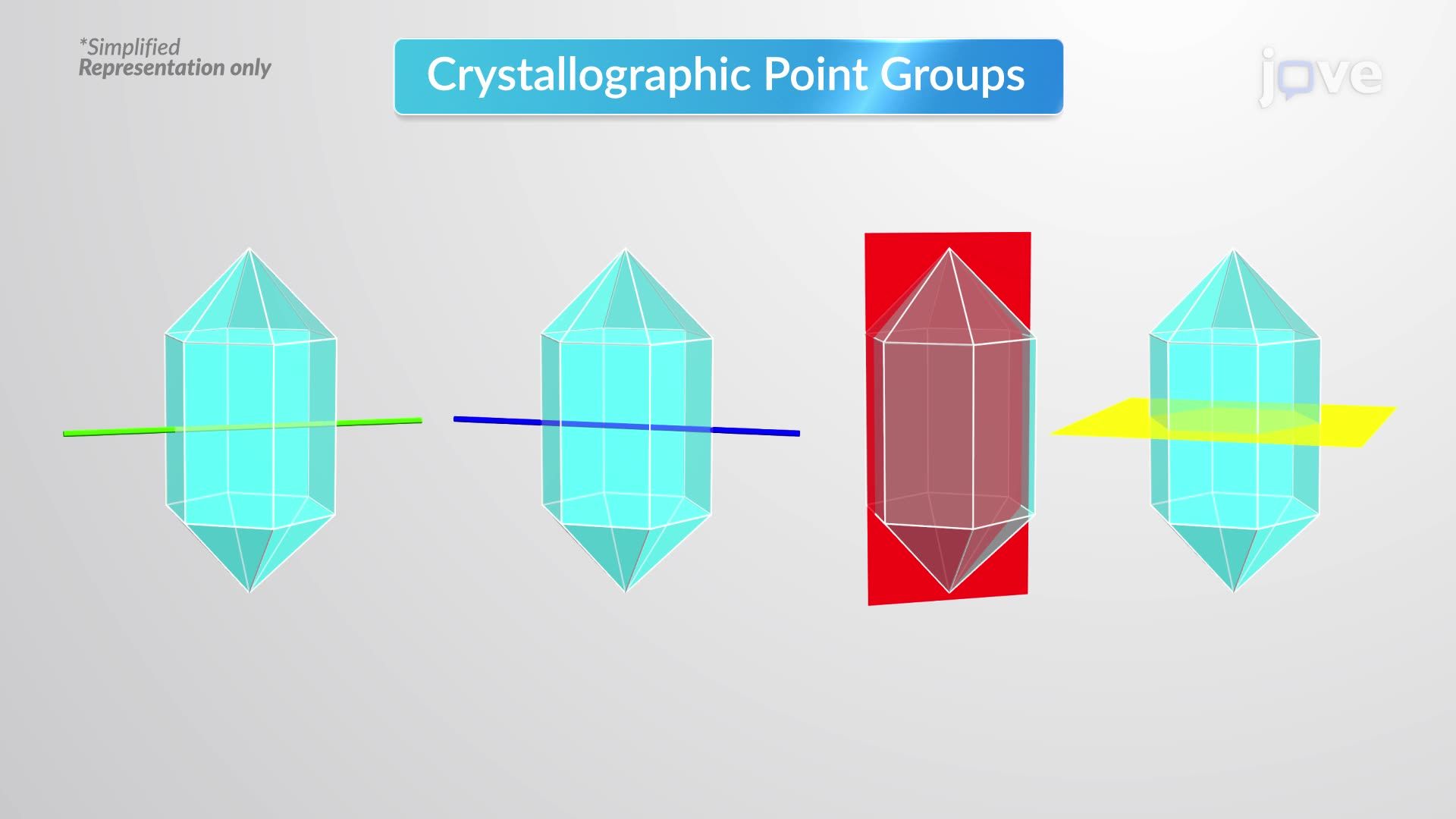
Did you know that snowflakes, table salt, and semiconductor chips all owe their properties to the hidden symmetry of crystals? Crystallographic point groups are the 32 mathematical symmetry categories that describe how atoms arrange themselves in every known crystal, with at least one fixed point during any symmetry operation. US materials scientists rely on these groups when designing silicon wafers for microchips. Watch the full video on JoVE Coach to master this concept with expert-led visuals and step-by-step explanations.
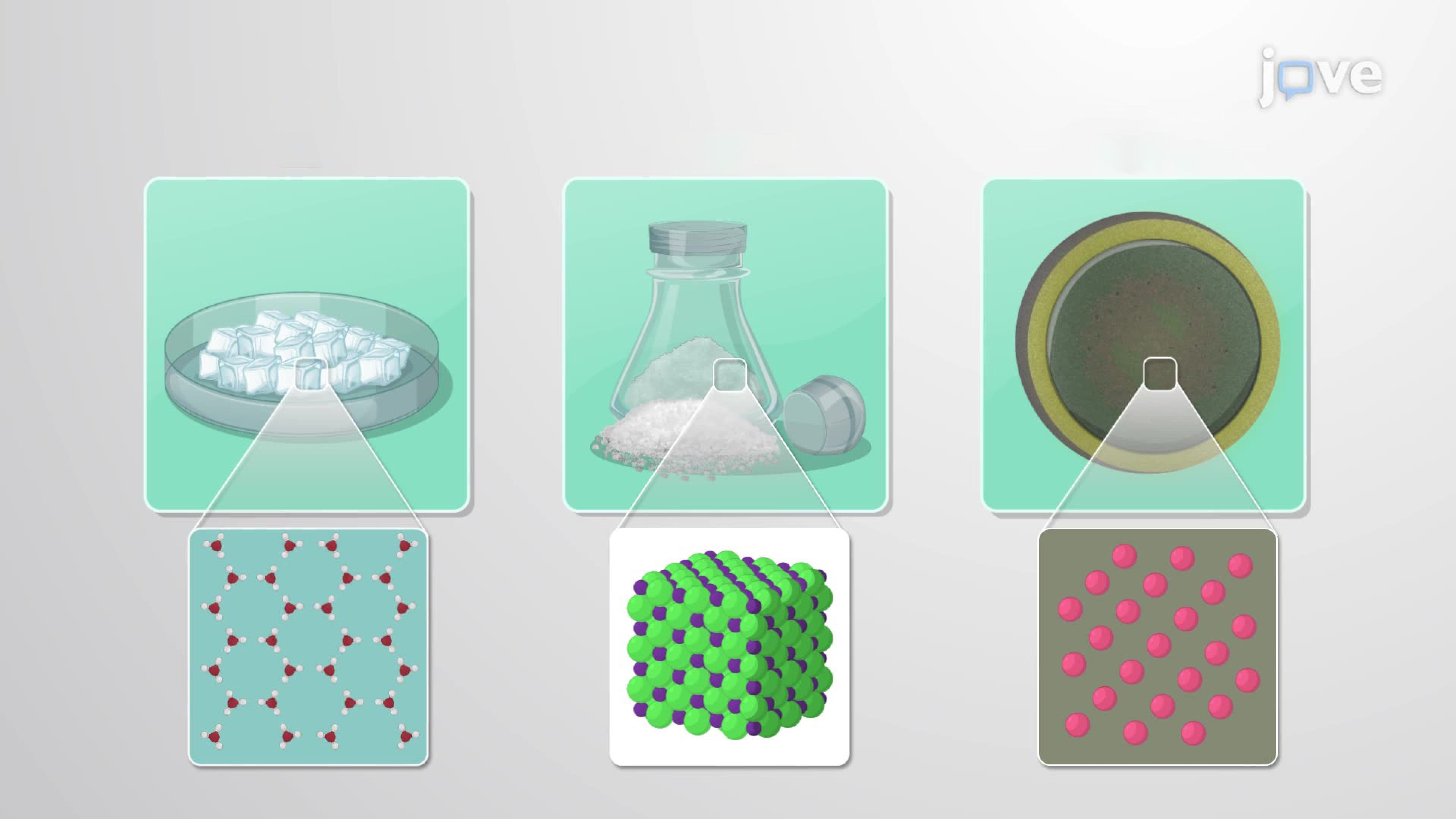
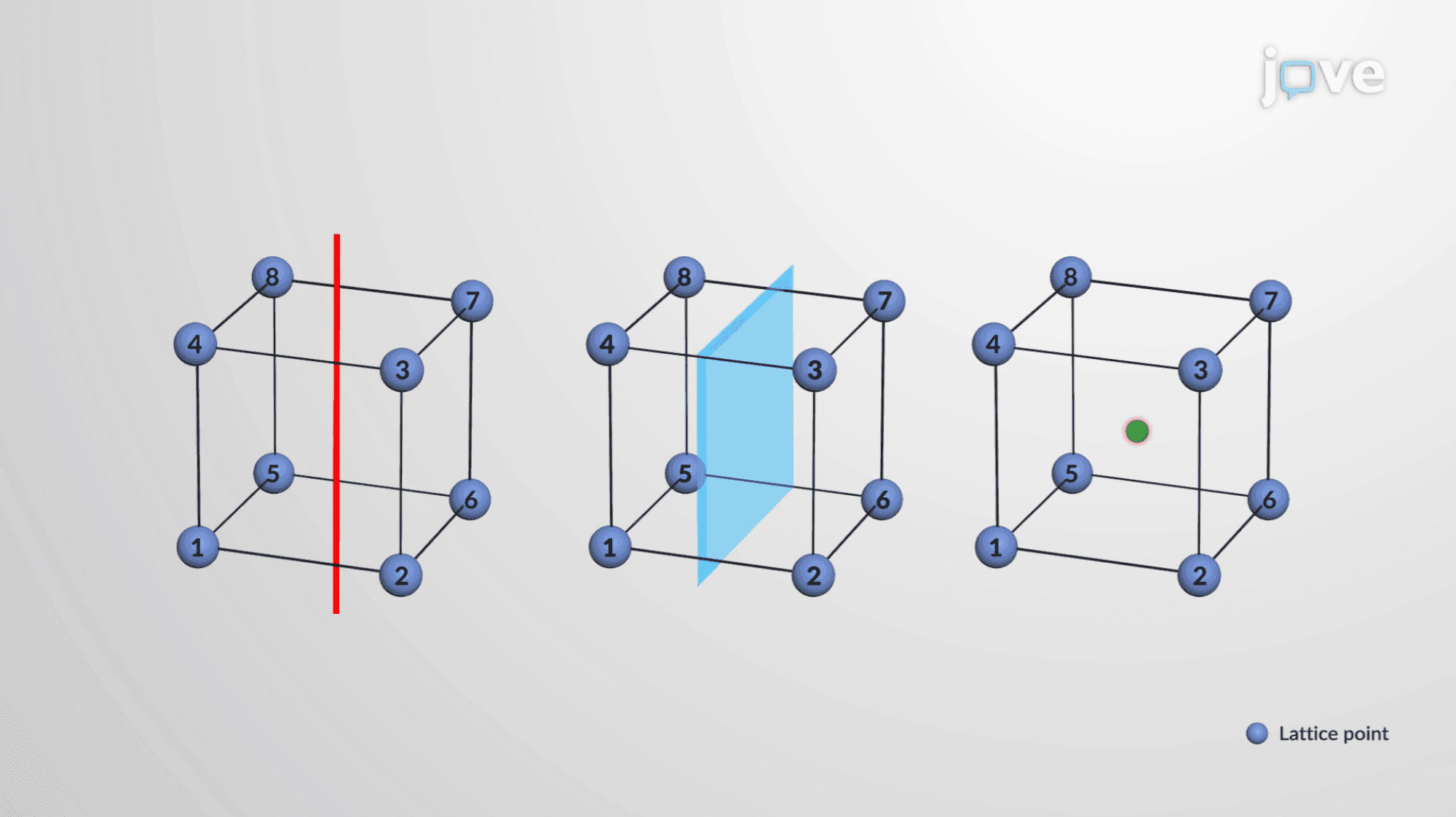
Every crystal you encounter, from the quartz in a wristwatch to the silicon in a laptop processor, has an internal atomic arrangement governed by strict geometric rules. Crystallographic point groups are the 32 symmetry classifications used to describe these arrangements. The defining feature of a point group is that at least one point in the crystal remains completely fixed during any symmetry operation, whether that operation is a rotation, reflection, or inversion. Understanding these groups is central to solid-state chemistry, materials science, and physics courses at both the AP and undergraduate college levels.
Crystal symmetry is organized into seven crystal systems, each hosting a specific number of point groups that reflect its unique combination of symmetry elements:
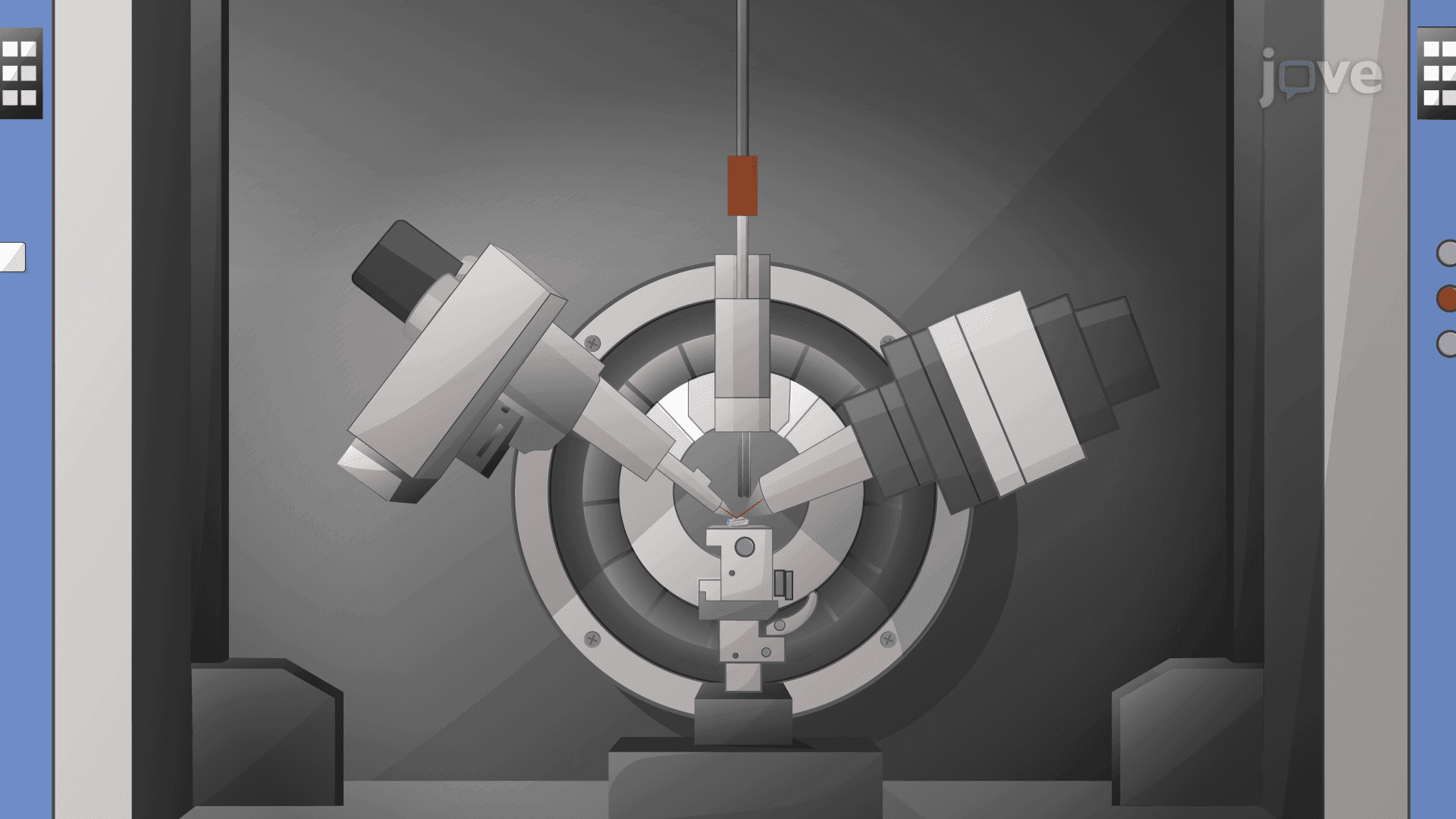
Crystallographic point groups do not stand alone, they connect directly to Bravais lattices, which describe the 14 unique ways atoms can be periodically arranged in three-dimensional space. Together, point groups and Bravais lattices form the foundation for identifying 230 space groups, the complete mathematical description of any crystal structure. When researchers at US universities or national laboratories like Argonne National Laboratory use X-ray crystallography to determine how a crystal structure is built, they rely on point group symmetry to interpret diffraction patterns accurately.
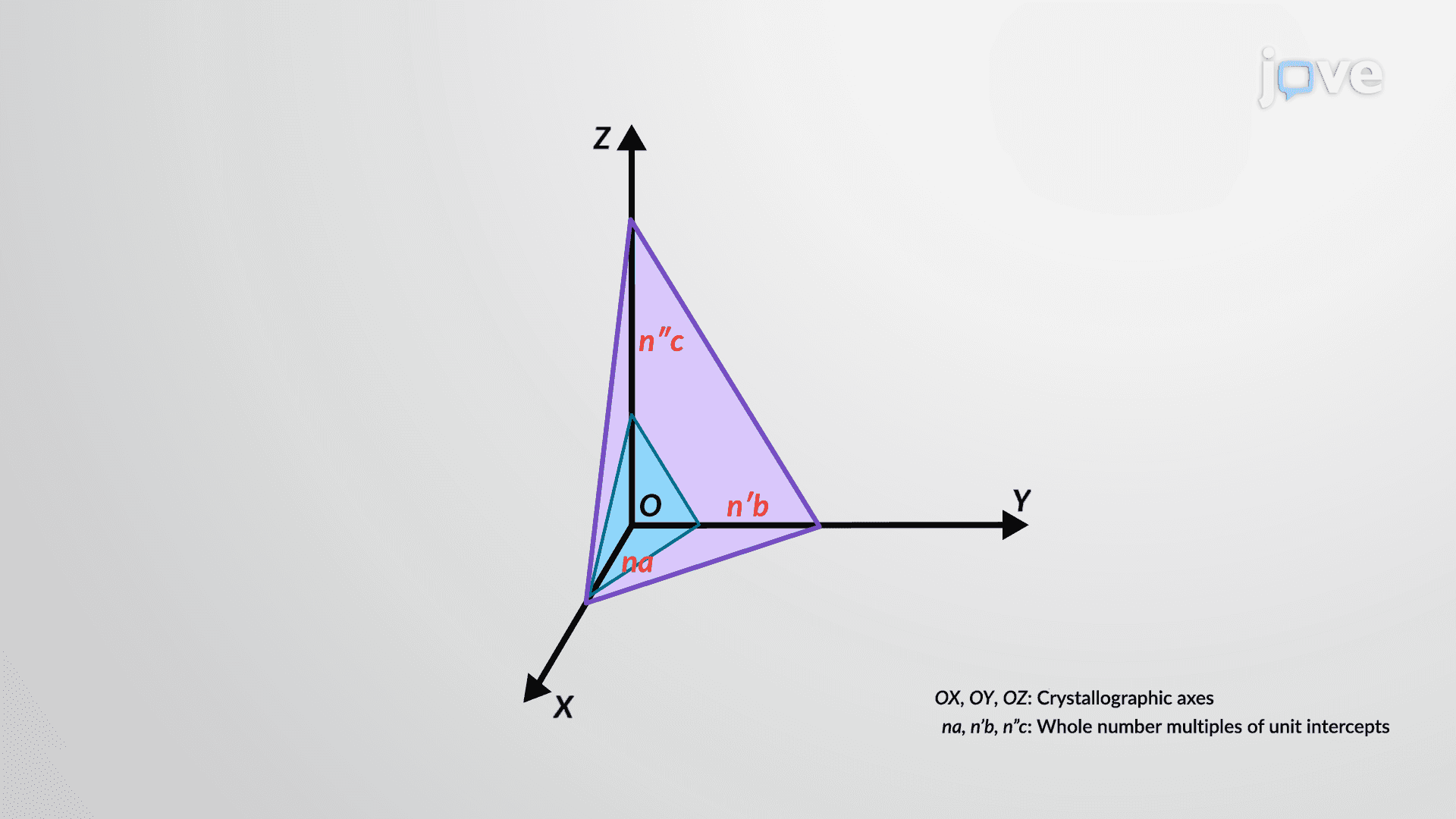
Point groups also connect to Miller indices, the notation system used to describe planes within a crystal lattice. Understanding the symmetry of a crystal's point group helps predict which Miller index planes will appear in an X-ray diffraction experiment and which will be systematically absent.
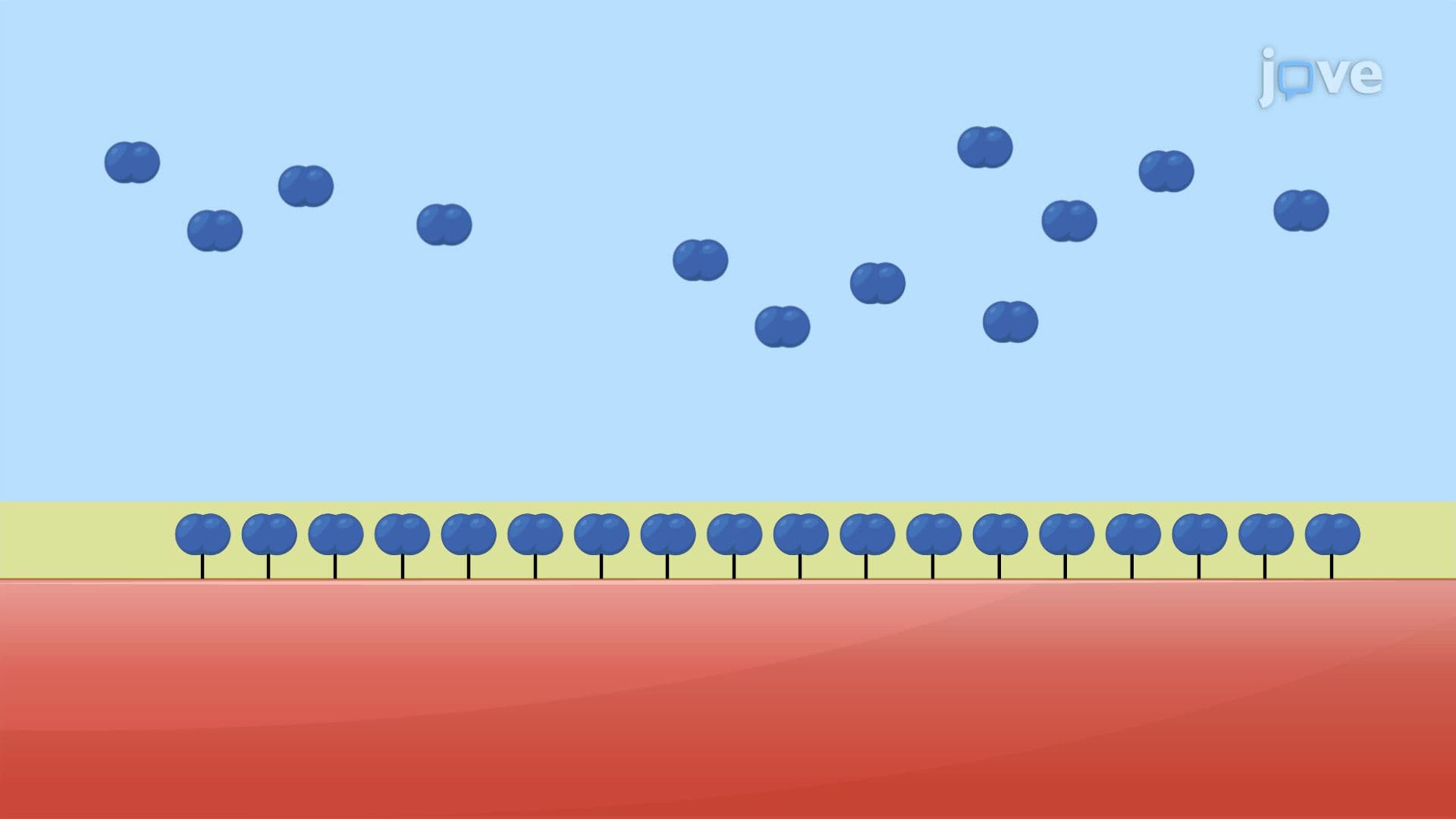
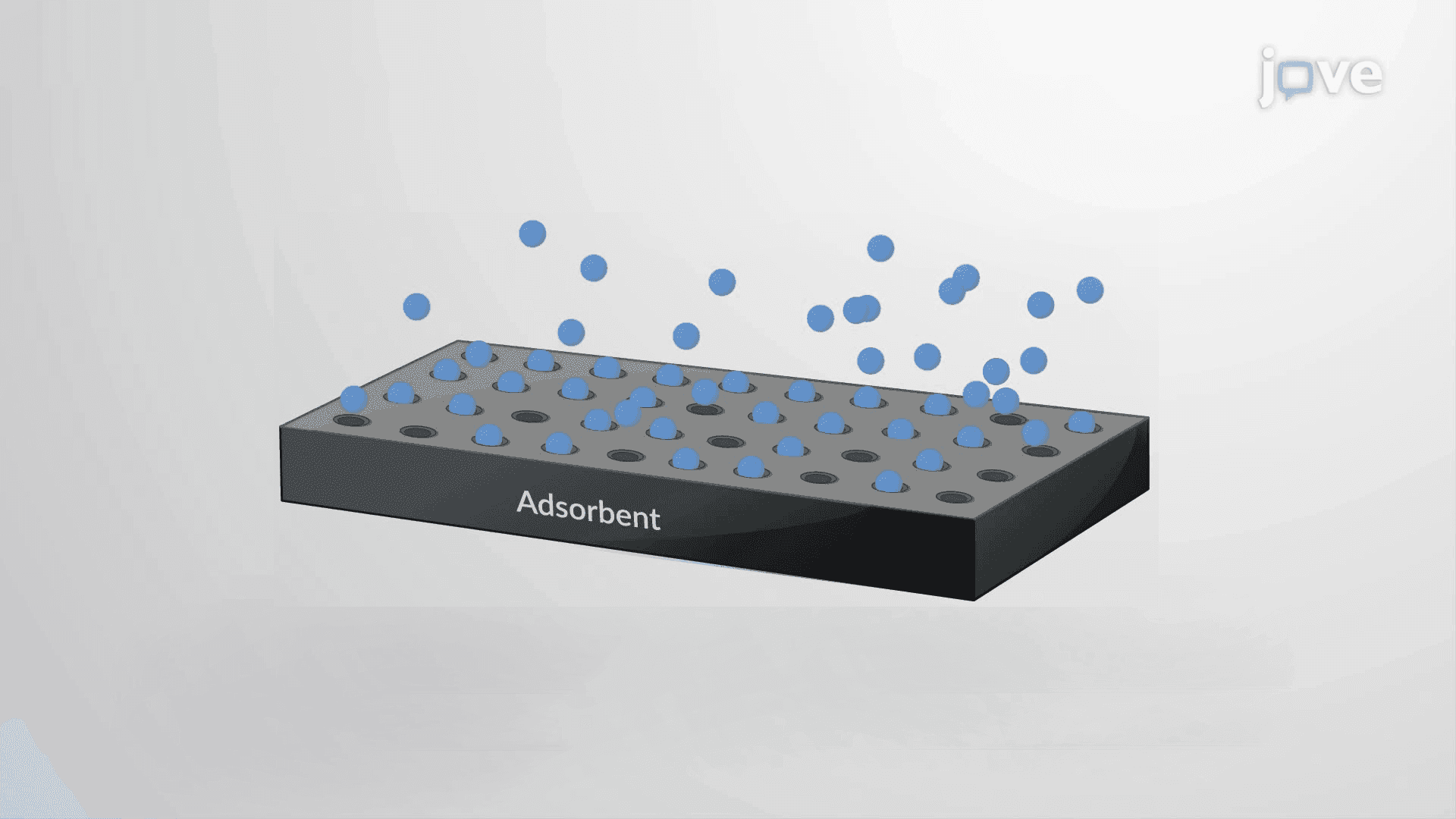
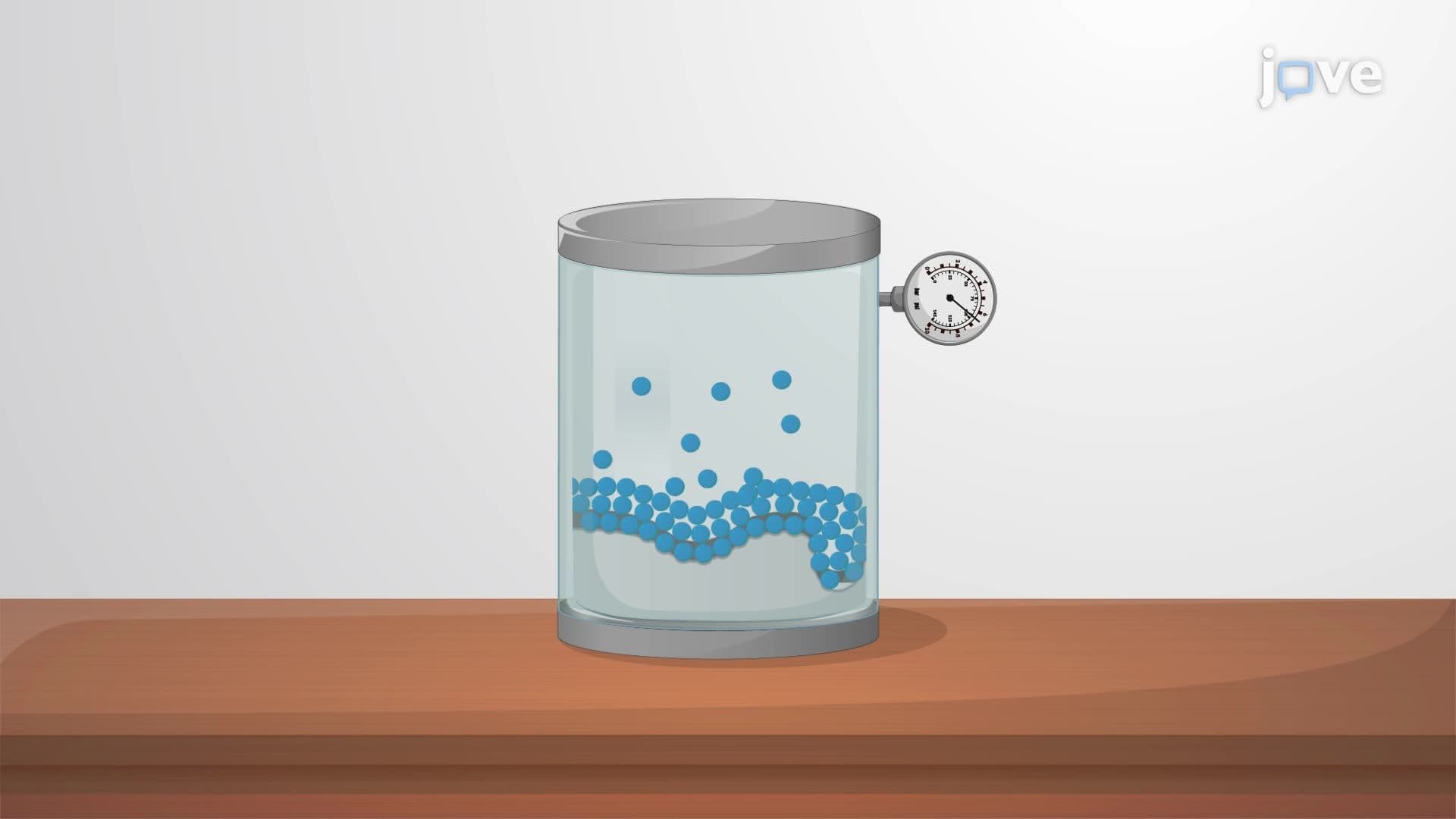
In AP Chemistry and college general chemistry courses, symmetry concepts appear in discussions of molecular geometry and solid-state structure. At the undergraduate level, especially in physical chemistry, materials science, and mineralogy, crystallographic point groups are tested on course midterms and are foundational knowledge for students pursuing careers in pharmaceutical research, semiconductor engineering, and nanotechnology. For example, understanding the cubic point groups O(h) and T(d) helps explain why diamond and zinc blende semiconductors, widely used in US electronics manufacturing, have such distinct physical properties. Surface chemistry applications also depend on point group analysis: the symmetry of a crystal's exposed surface directly influences adsorption isotherms and the role of surface chemistry in catalysis, making this knowledge essential for students exploring heterogeneous catalysis in advanced coursework.
Related Micro-courses