Loading video…

 16 Concepts
 3.1K views

Video Summary: What are the Seven Crystal Systems
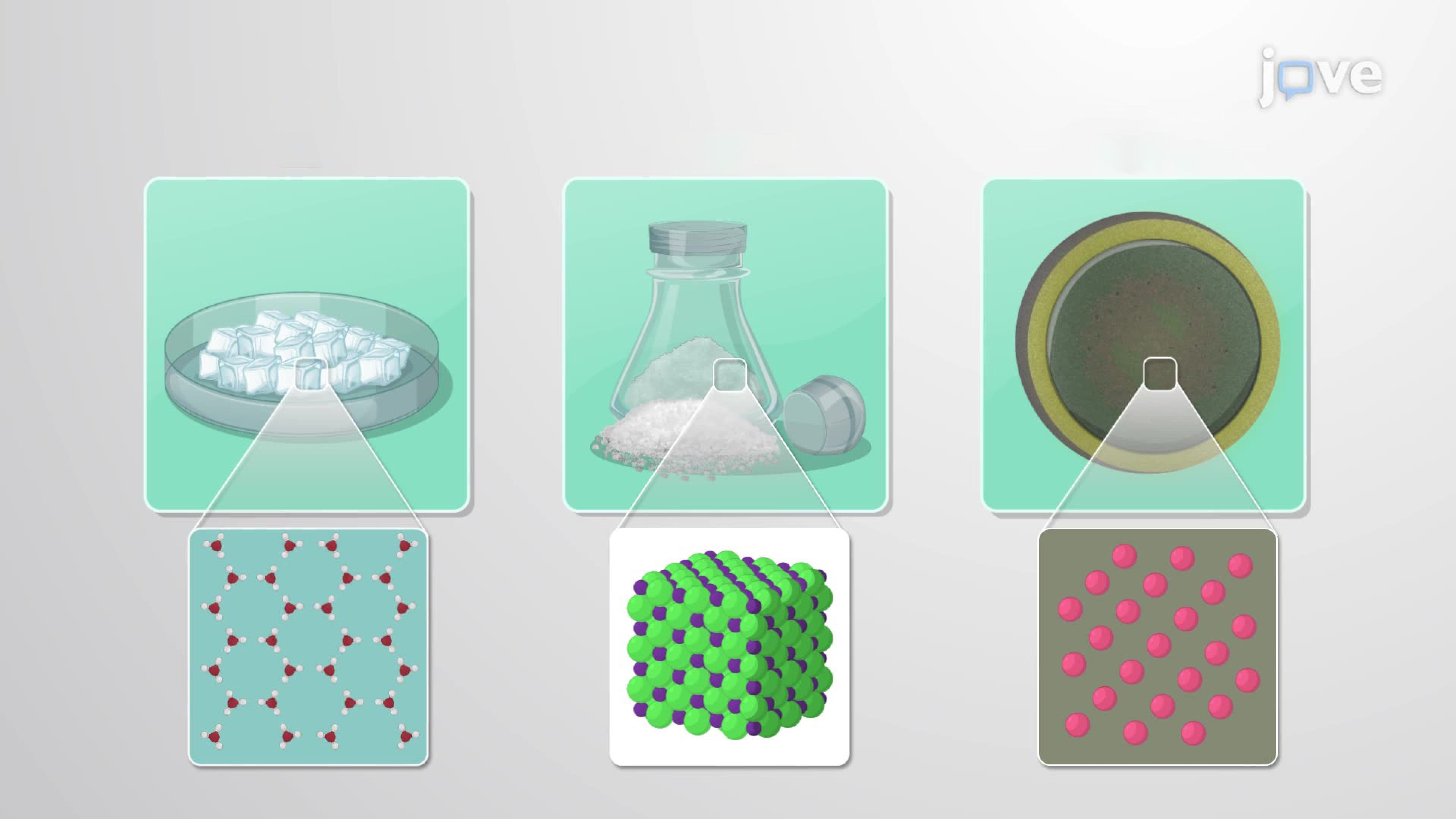
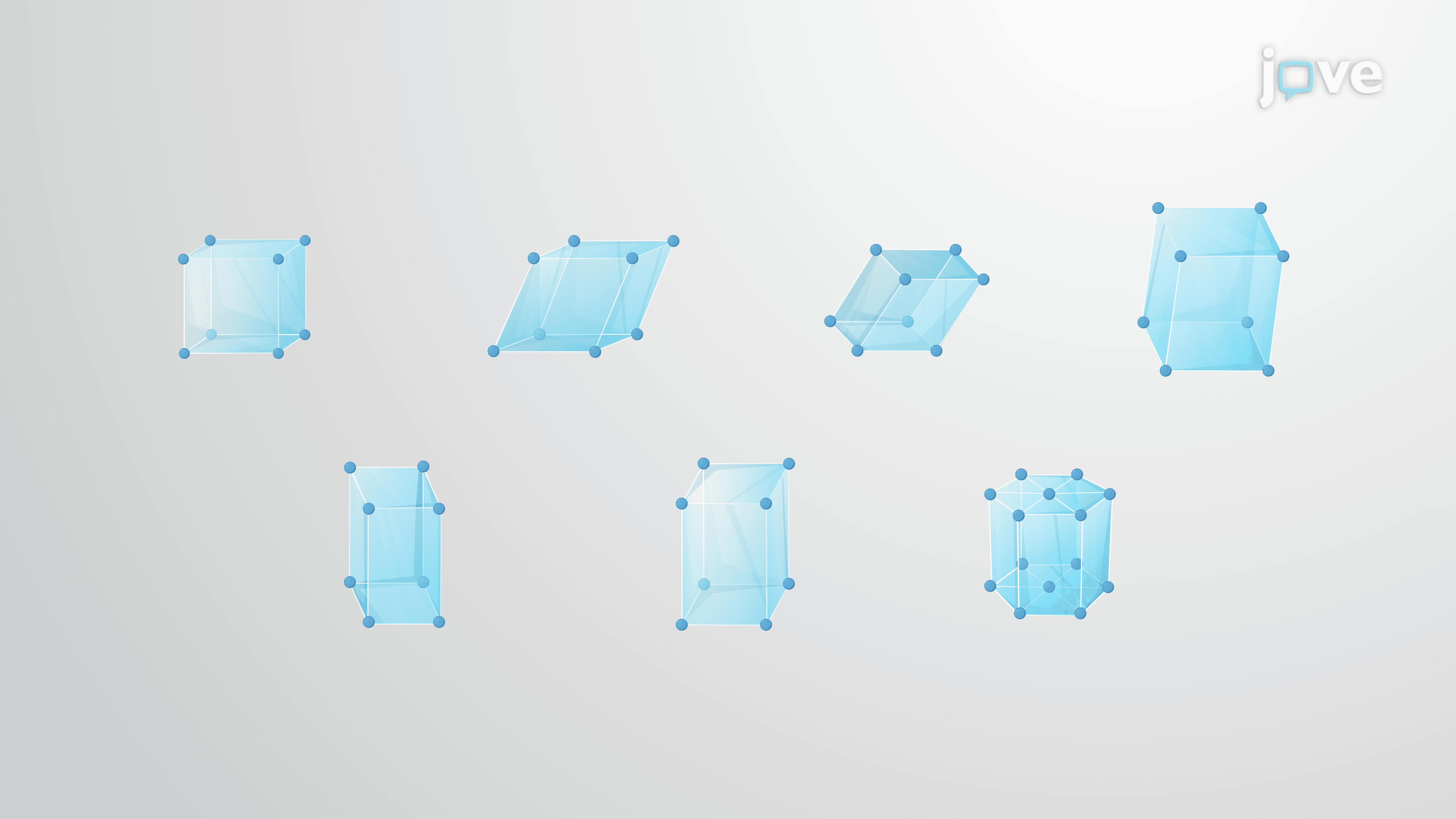
Did you know the salt on your dinner table has a perfectly repeating cubic structure, and that structure determines how it dissolves? The seven crystal systems basics explain exactly why. What are the Seven Crystal Systems? They are the fundamental geometric frameworks, cubic, tetragonal, orthorhombic, hexagonal, trigonal, monoclinic, and triclinic, used to classify every crystalline material on Earth, from table salt to quartz. Watch the full video on JoVE Coach to master this concept with expert-led visuals and step-by-step explanations.
Every solid material with an ordered atomic arrangement belongs to one of seven crystal systems. These systems are the universal classification scheme used by chemists, physicists, and materials scientists to describe how atoms pack together in three-dimensional space. Understanding the seven crystal systems basics is essential for any student moving into solid-state chemistry, mineralogy, or materials engineering, and it appears regularly in AP Chemistry coursework, college general chemistry midterms, and even on the MCAT for students pursuing health sciences.
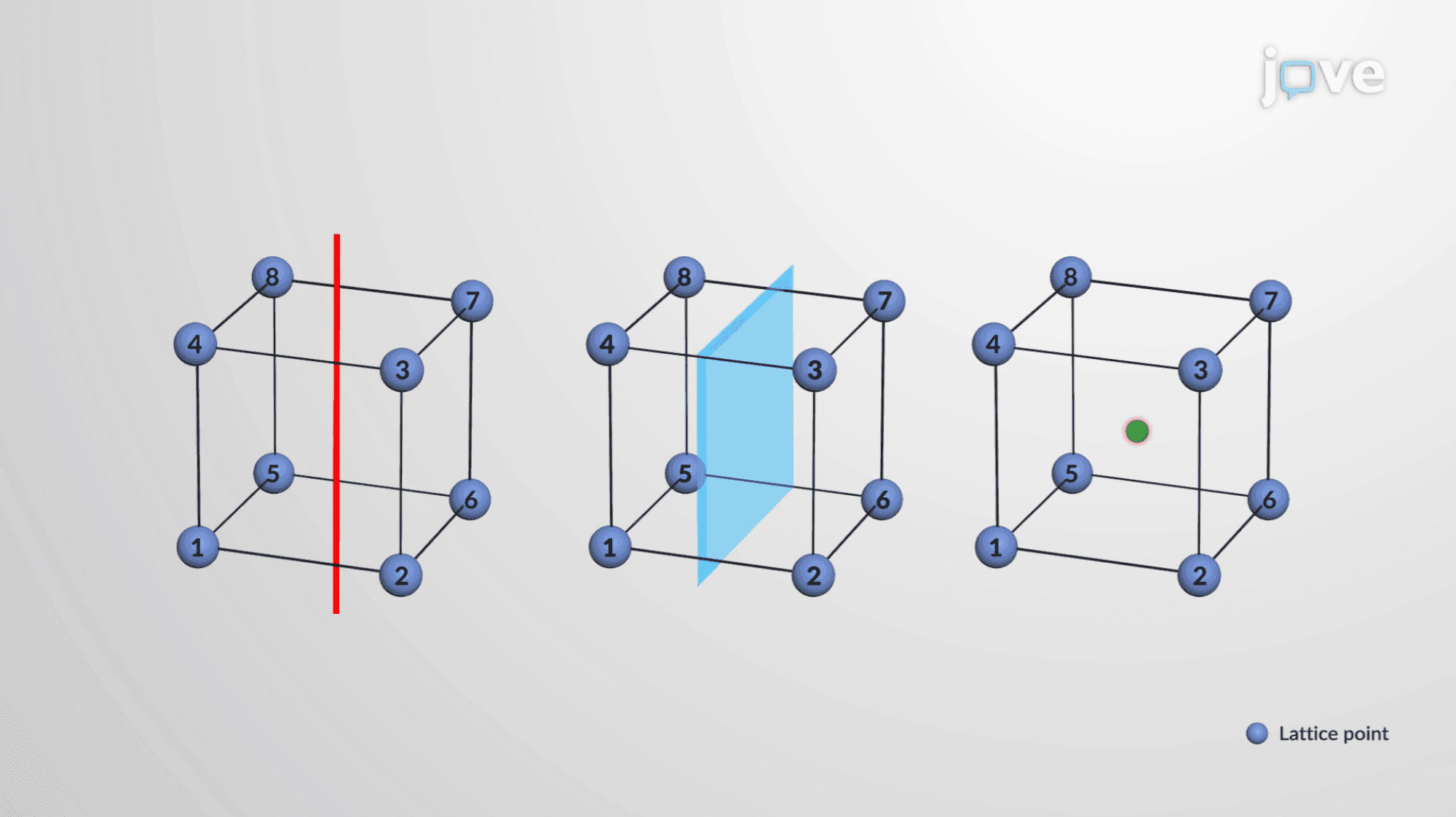
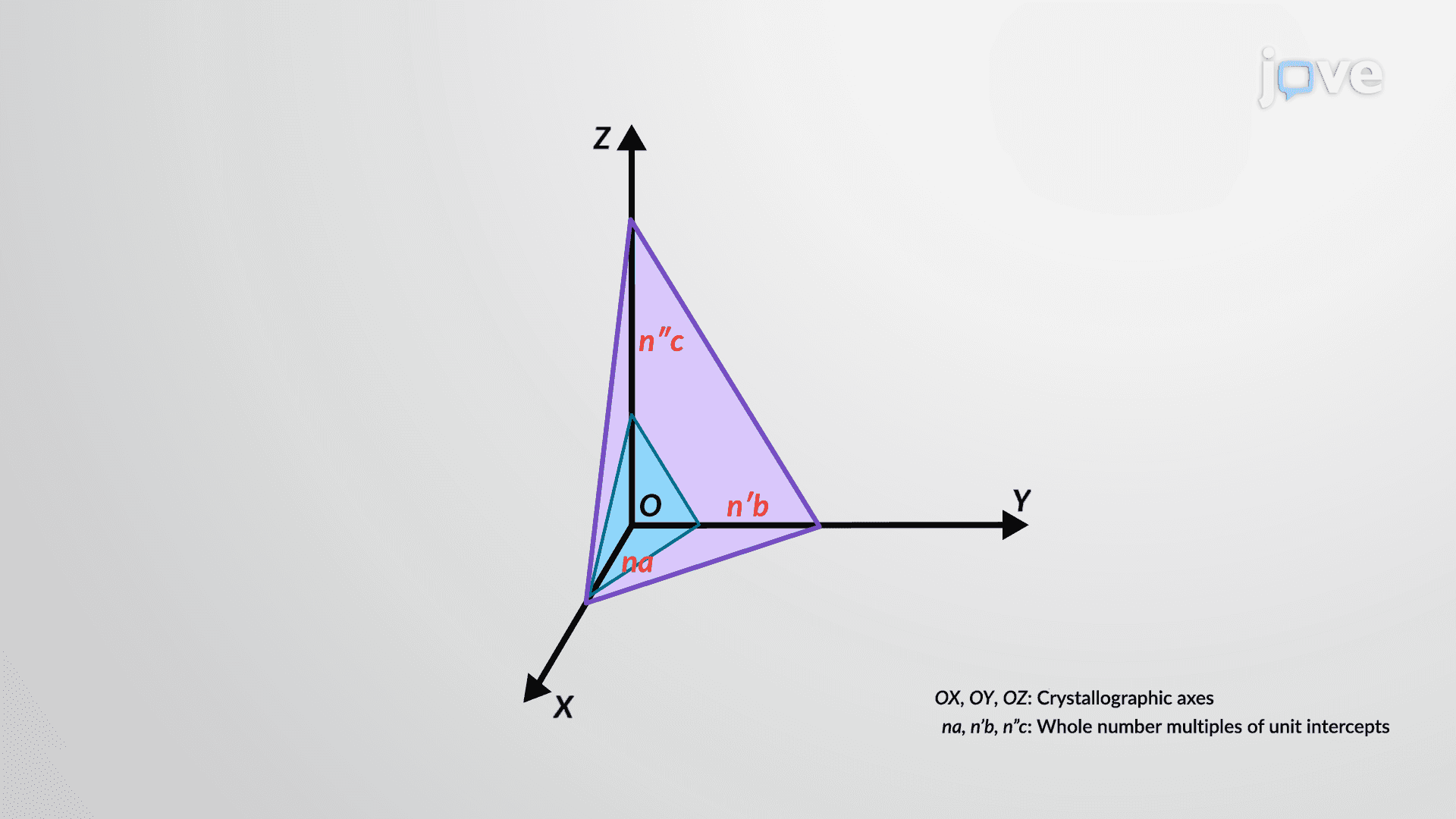
Each crystal system is defined by three lattice vectors, typically labeled a, b, and c, and the three angles between them, labeled alpha, beta, and gamma. The specific relationships among these lengths and angles determine which of the seven systems a crystal belongs to.
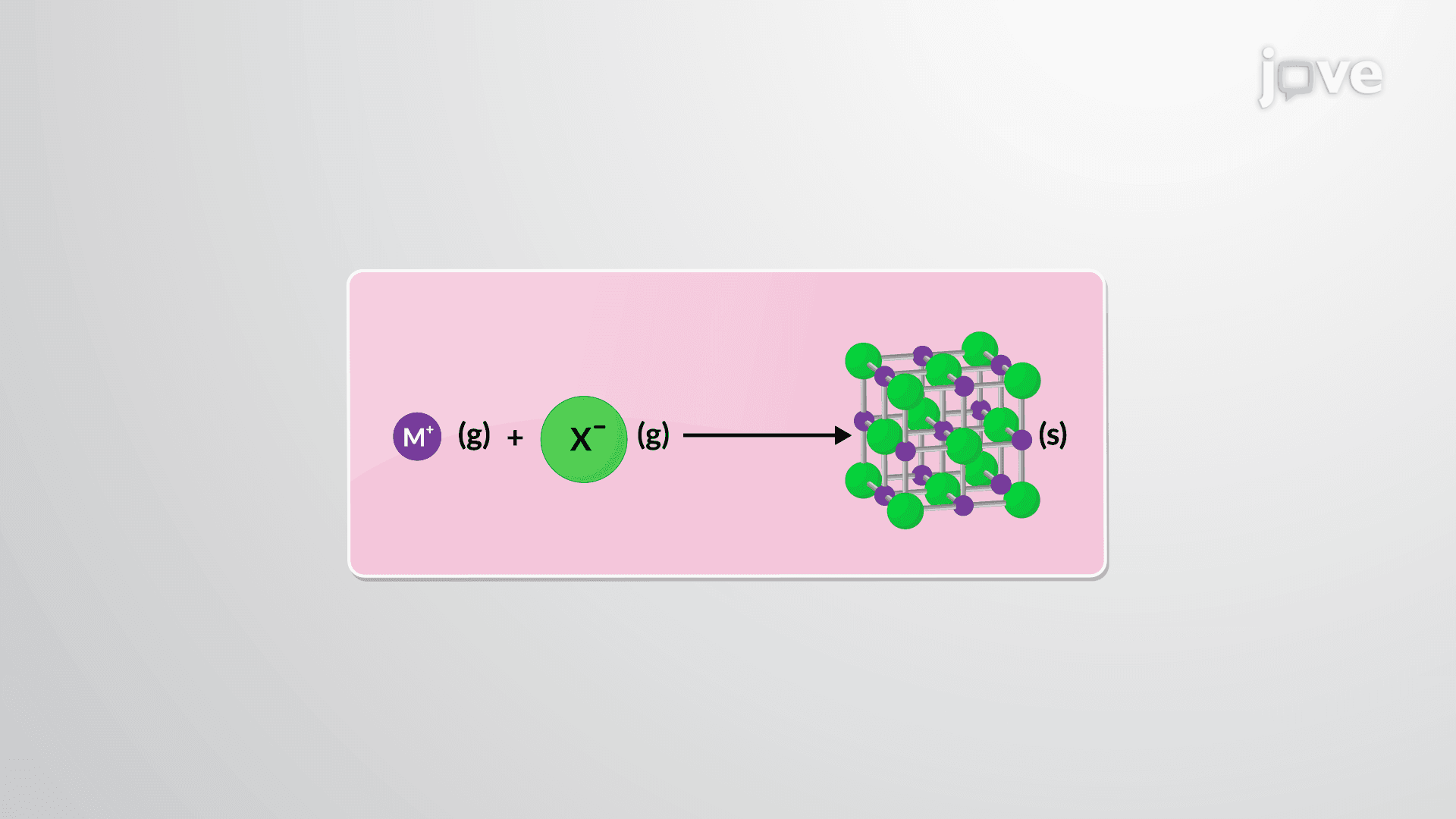
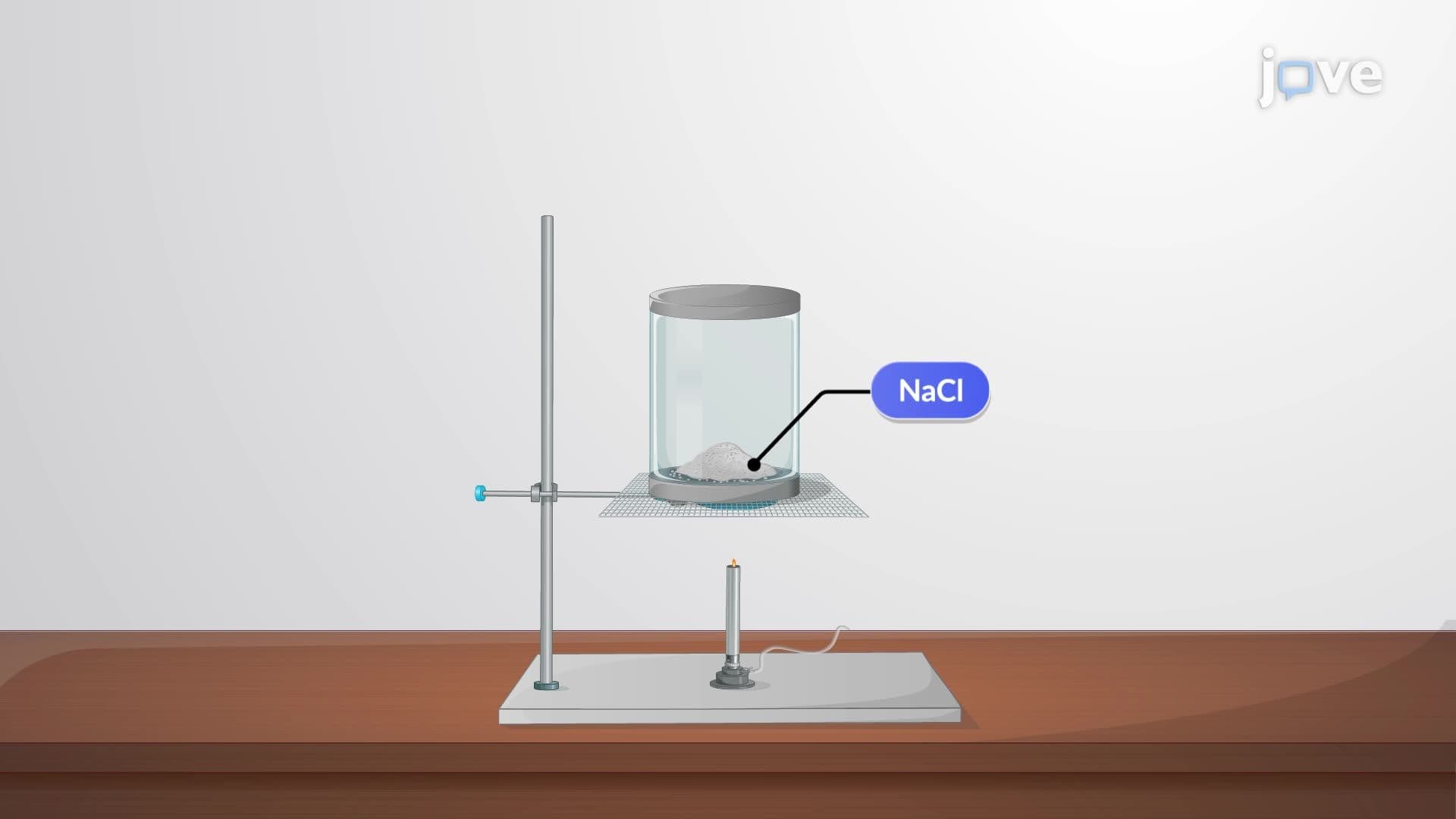
The cubic system is the most symmetrical. All three vectors are equal in length (a = b = c), and all three angles are exactly 90 degrees. Table salt (sodium chloride, NaCl) and diamond both crystallize in cubic systems, a fact commonly tested in AP Chemistry and college introductory chemistry courses.
The tetragonal system relaxes one constraint: two vectors remain equal (a = b), but the third (c) differs, while all angles remain at 90 degrees. Tin dioxide (SnO2), used in US semiconductor research, adopts this structure.
The orthorhombic system keeps all three angles at 90 degrees but allows all three vector lengths to differ (a ≠ b ≠ c). Sulfur and olivine, a mineral common in Earth's mantle, are classic orthorhombic examples.
As symmetry decreases, the constraints loosen further. The monoclinic system requires two angles to be 90 degrees while the third is not. Gypsum, widely mined in the US and used in drywall production, is a monoclinic crystal.
The triclinic system has the least symmetry of all: no vector lengths are equal, and no angles are 90 degrees. Feldspar minerals, abundant across North American geology, crystallize in the triclinic system.
The trigonal system, also called the rhombohedral system, features three equal-length vectors, but all three angles are equal and non-orthogonal. Calcite (calcium carbonate), the primary component of limestone and marble quarried extensively in the US, is a prominent trigonal crystal.
The hexagonal system is geometrically distinct: two vectors of equal length meet at a 120-degree angle in a flat basal plane, while the third vector stands perpendicular to that plane. Graphite and ice (water in its solid crystalline form) adopt hexagonal structures. The characteristic six-sided snowflake shape that American schoolchildren observe every winter is a direct visual consequence of hexagonal crystal symmetry.
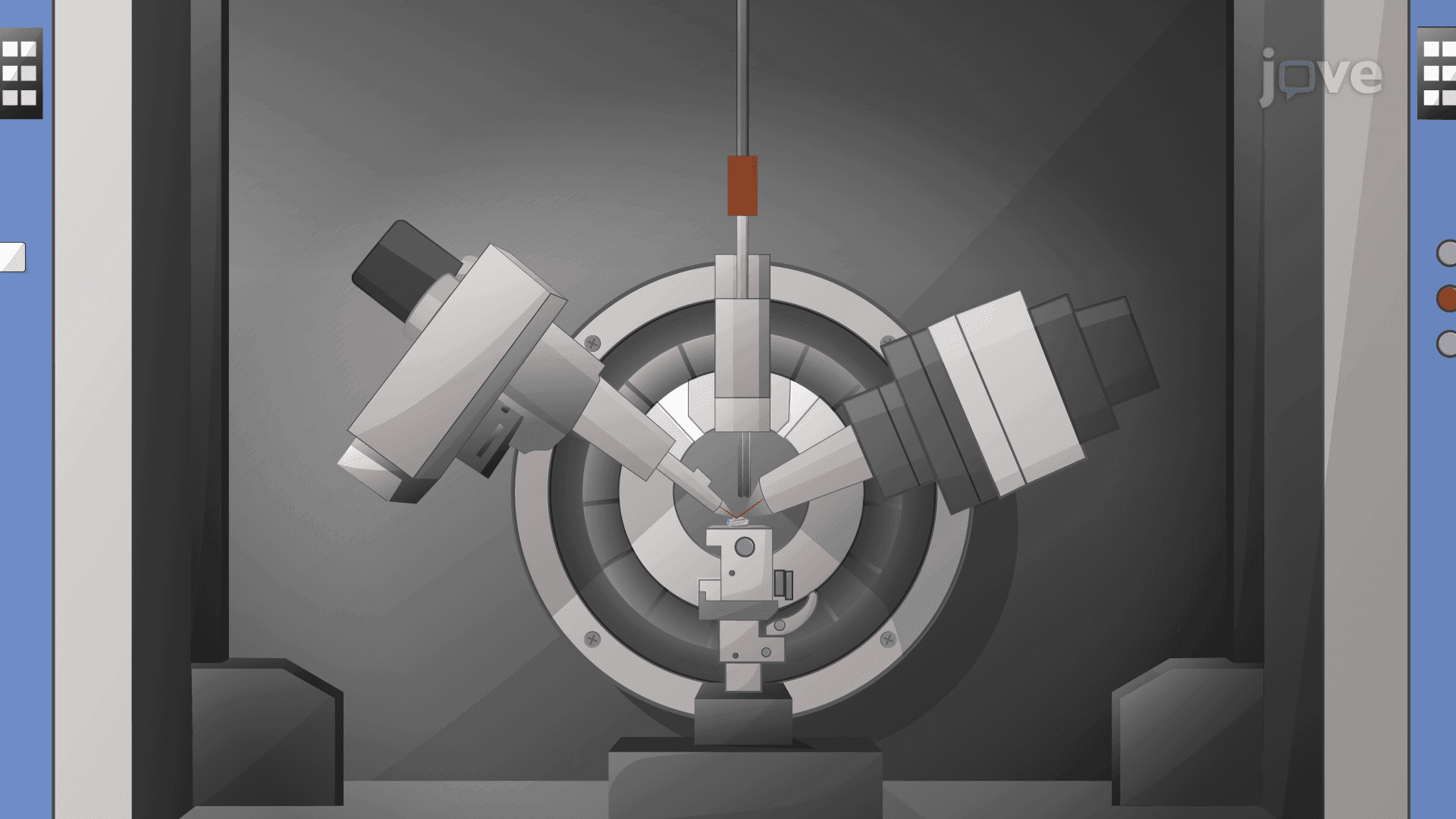
Understanding this system is also critical for interpreting X-ray crystallography data, the experimental technique used in US university and national laboratory settings (such as Argonne National Laboratory) to determine crystal structure at the atomic level. X-ray diffraction patterns are directly interpreted using the geometric rules of the seven crystal systems, making this foundational knowledge practically indispensable.
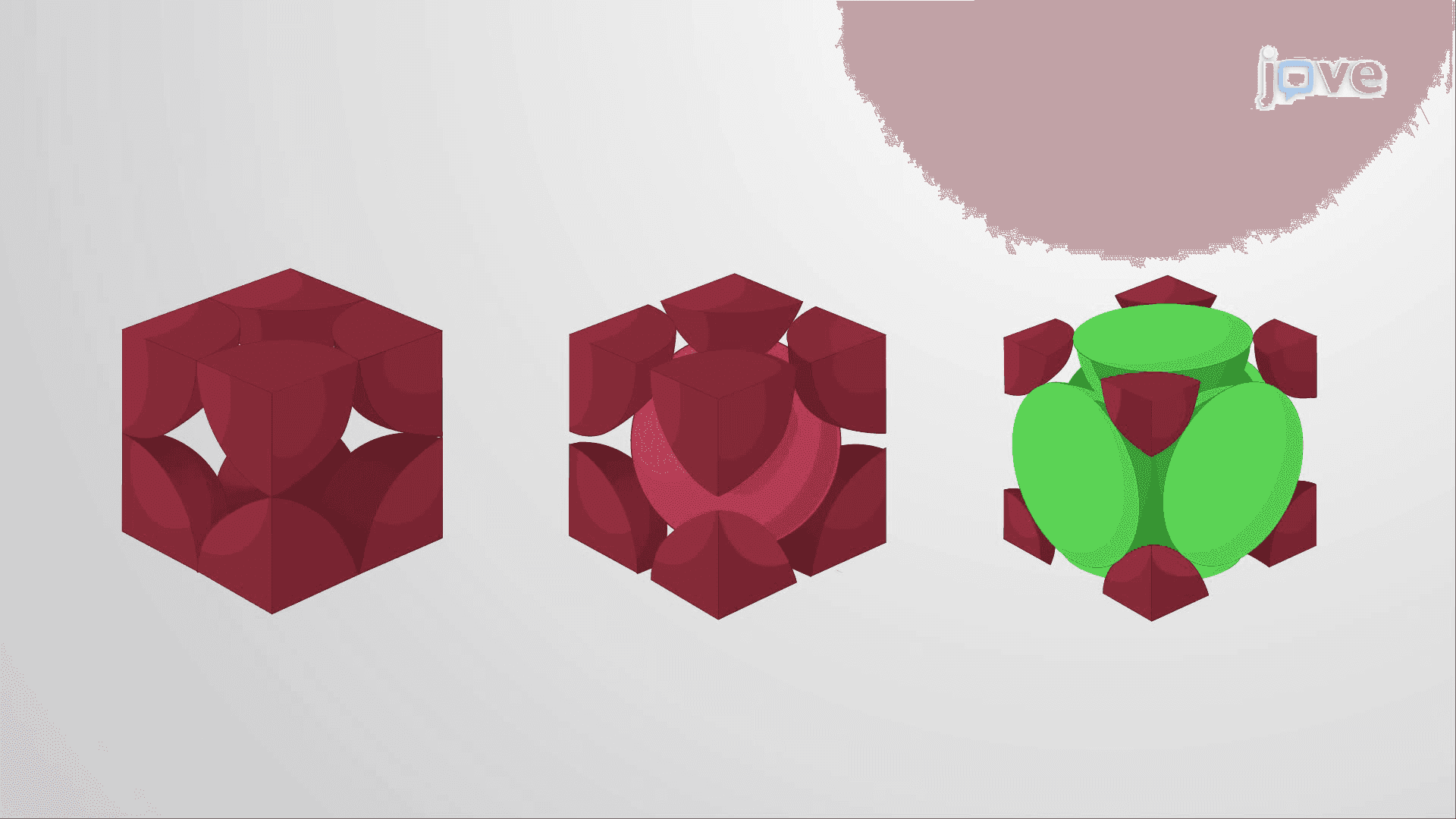
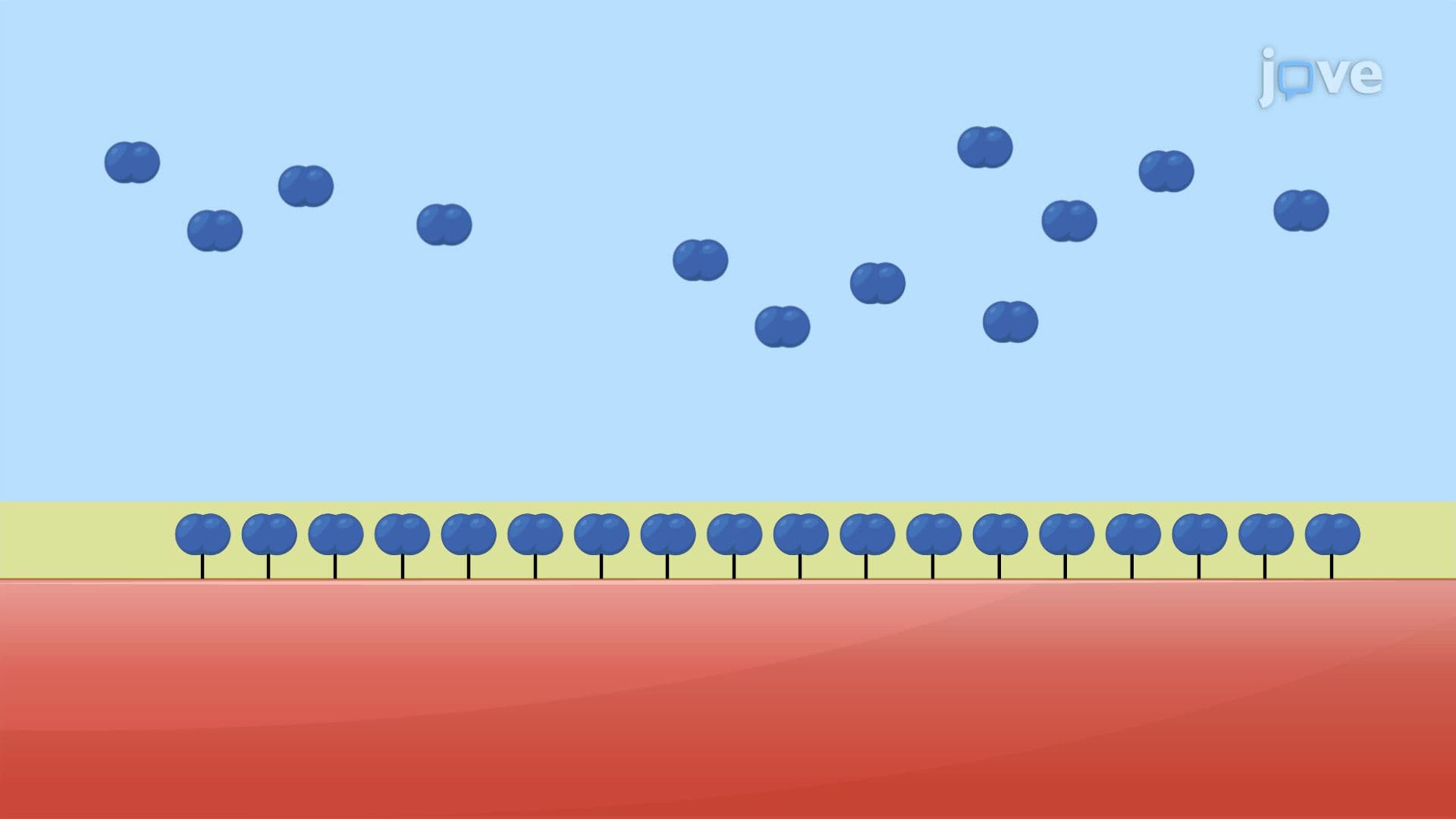
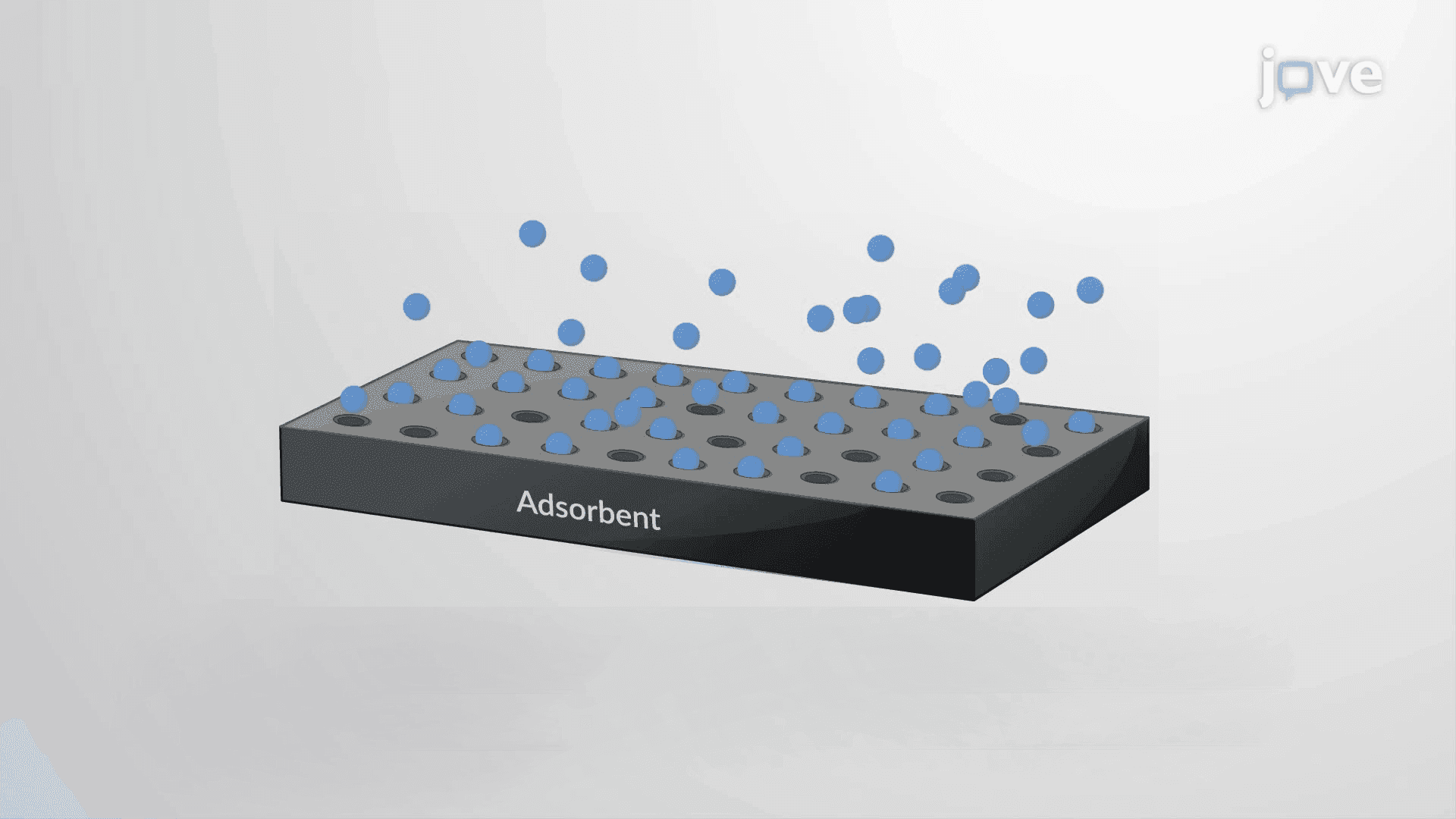
Once students understand the seven crystal systems, they are prepared to explore Bravais lattices (the 14 unique three-dimensional lattice arrangements that expand upon the seven systems), Miller indices (the notation used to describe planes within crystals), and surface-level phenomena such as surface defects and adsorption isotherms. These concepts are central to understanding the properties of solid surfaces and the role of surface chemistry in catalysis, topics increasingly relevant in US industries from pharmaceutical manufacturing to renewable energy research.
Related Micro-courses