Loading video…

 16 Concepts
 3.1K views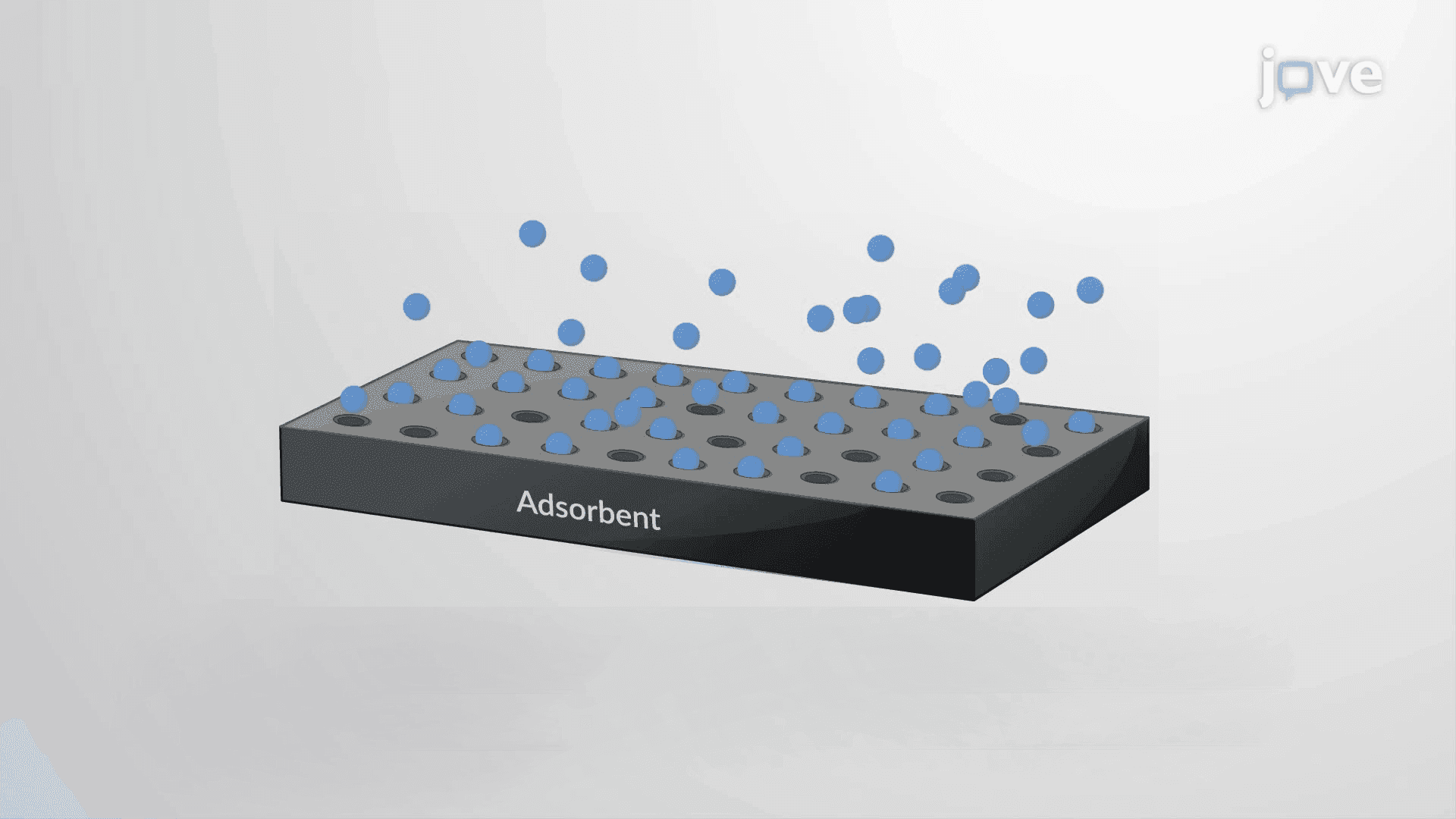

Video Summary: What Is Adsorption Isotherms I
Ever wonder how a gas mask actually filters out toxic chemicals? The answer lies in adsorption isotherms I basics, a concept that explains how molecules stick to surfaces. Adsorption isotherms I describes the relationship between gas pressure and how much of a substance clings to a solid surface at constant temperature. US industrial applications, like activated carbon filters used in water treatment plants across California, depend entirely on this principle. Watch the full video on JoVE Coach to master this concept with expert-led visuals and step-by-step explanations.
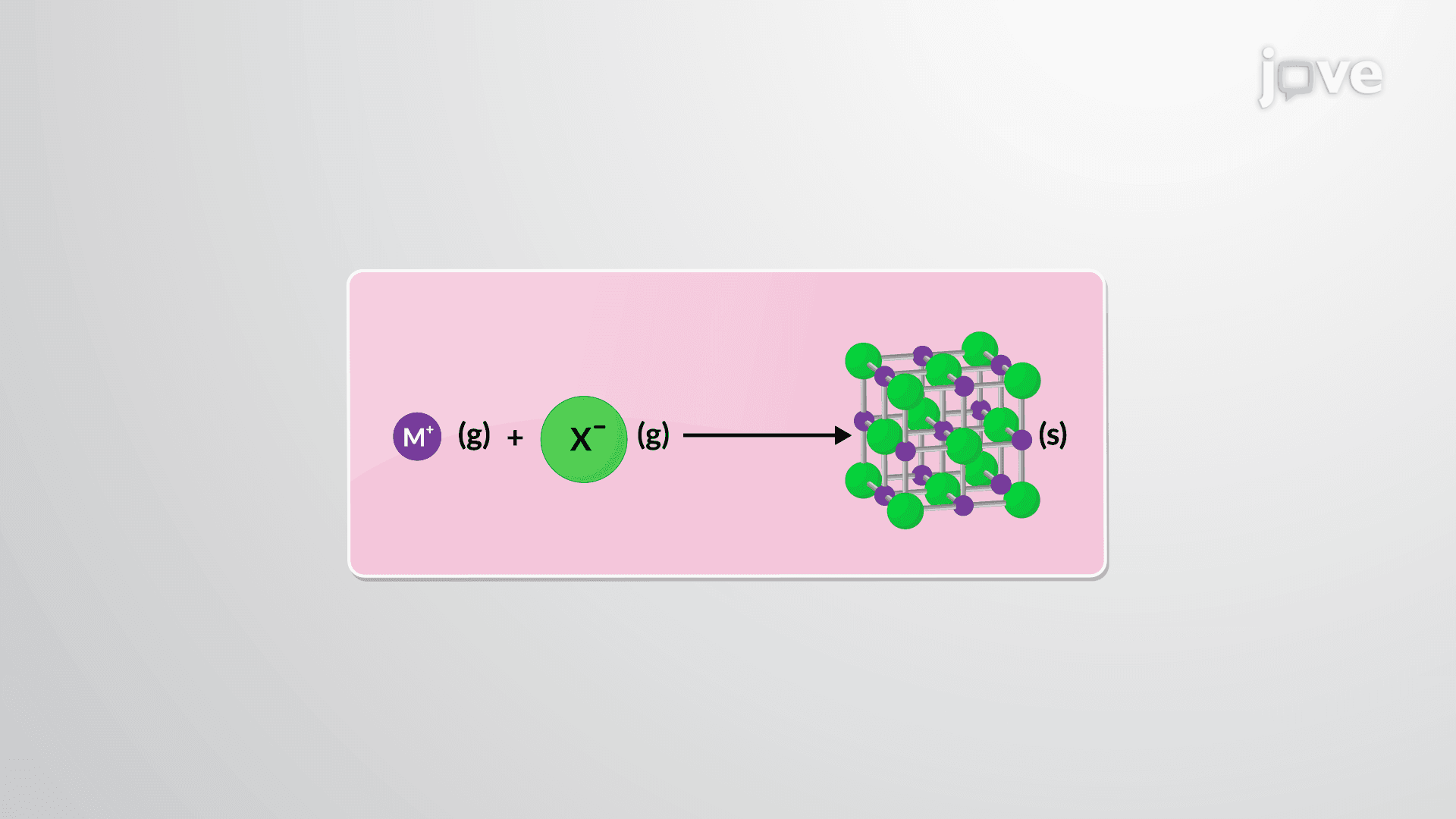
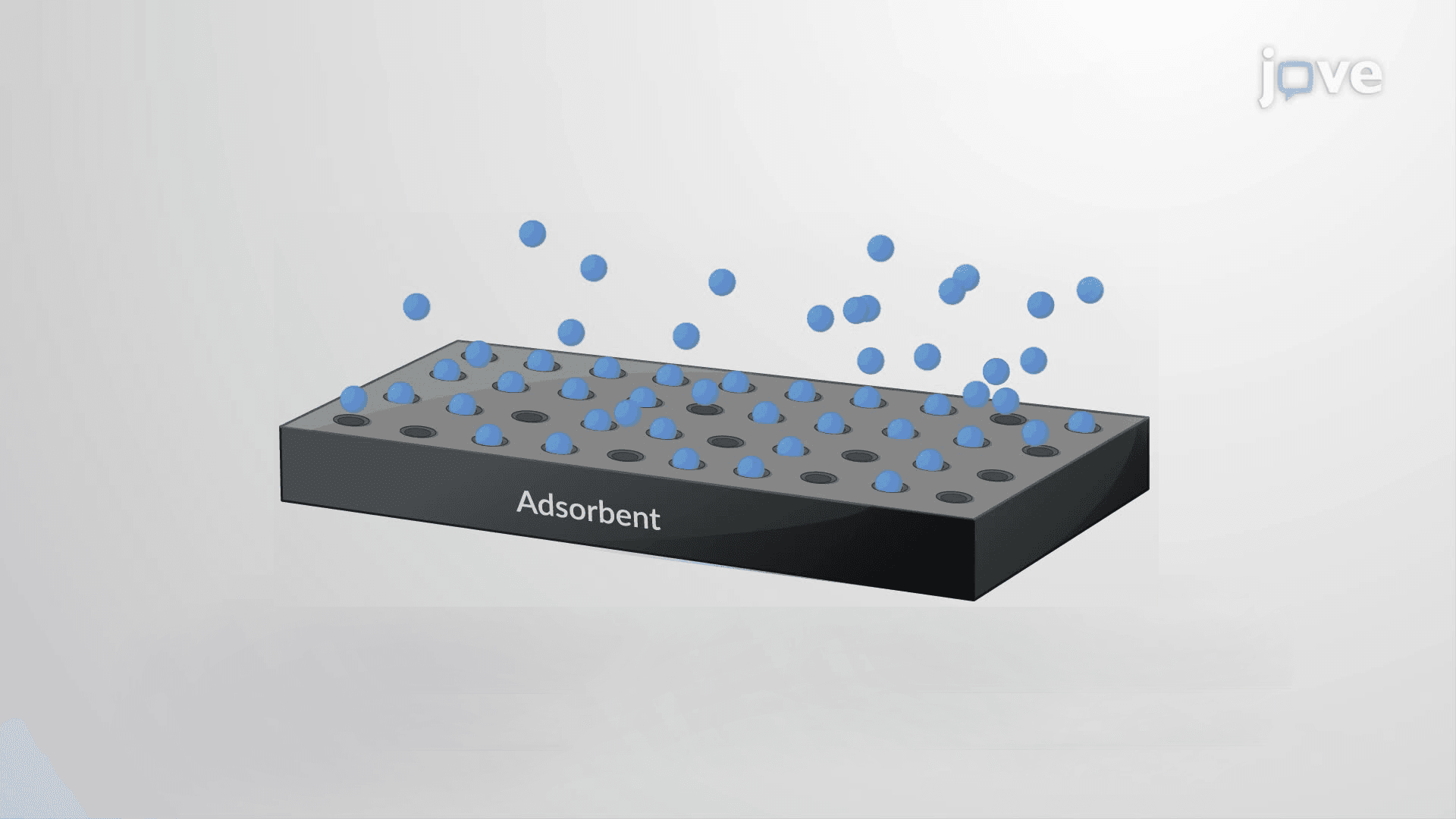
Adsorption isotherms I is one of the most fundamental concepts in surface chemistry, sitting at the crossroads of thermodynamics, kinetics, and materials science. An adsorption isotherm is a graph or equation that relates the amount of a substance adsorbed onto a solid surface to the pressure of that substance in the gas phase, all measured at a constant temperature. The "Type I" isotherm specifically describes chemisorption, where molecules form strong chemical bonds with a surface, as opposed to weaker physical adsorption (physisorption). Understanding adsorption isotherms I equips students to analyze how surfaces interact with gases, a skill tested in college-level general chemistry, physical chemistry, and even on the MCAT in biochemistry and reaction kinetics contexts.
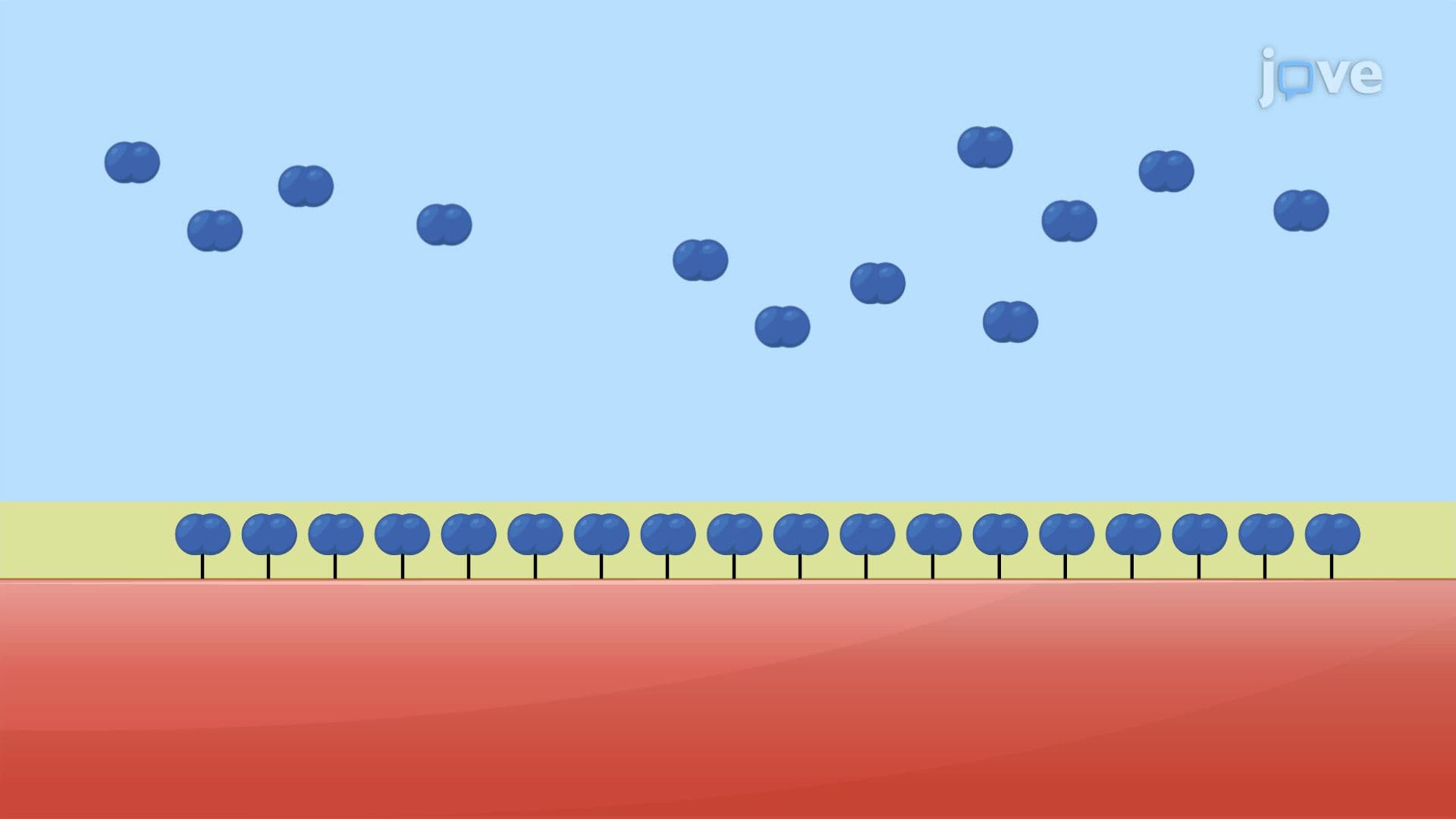
The Langmuir isotherm is the mathematical backbone of adsorption isotherms I. Developed by Nobel laureate Irving Langmuir in the early 20th century, this model rests on four key assumptions:
1. Adsorption forms a monolayer, only one layer of molecules covers the surface. 2. All surface sites are identical and equivalent. 3. Adsorbed molecules do not interact with neighboring adsorbed molecules. 4. Adsorption is reversible at equilibrium.
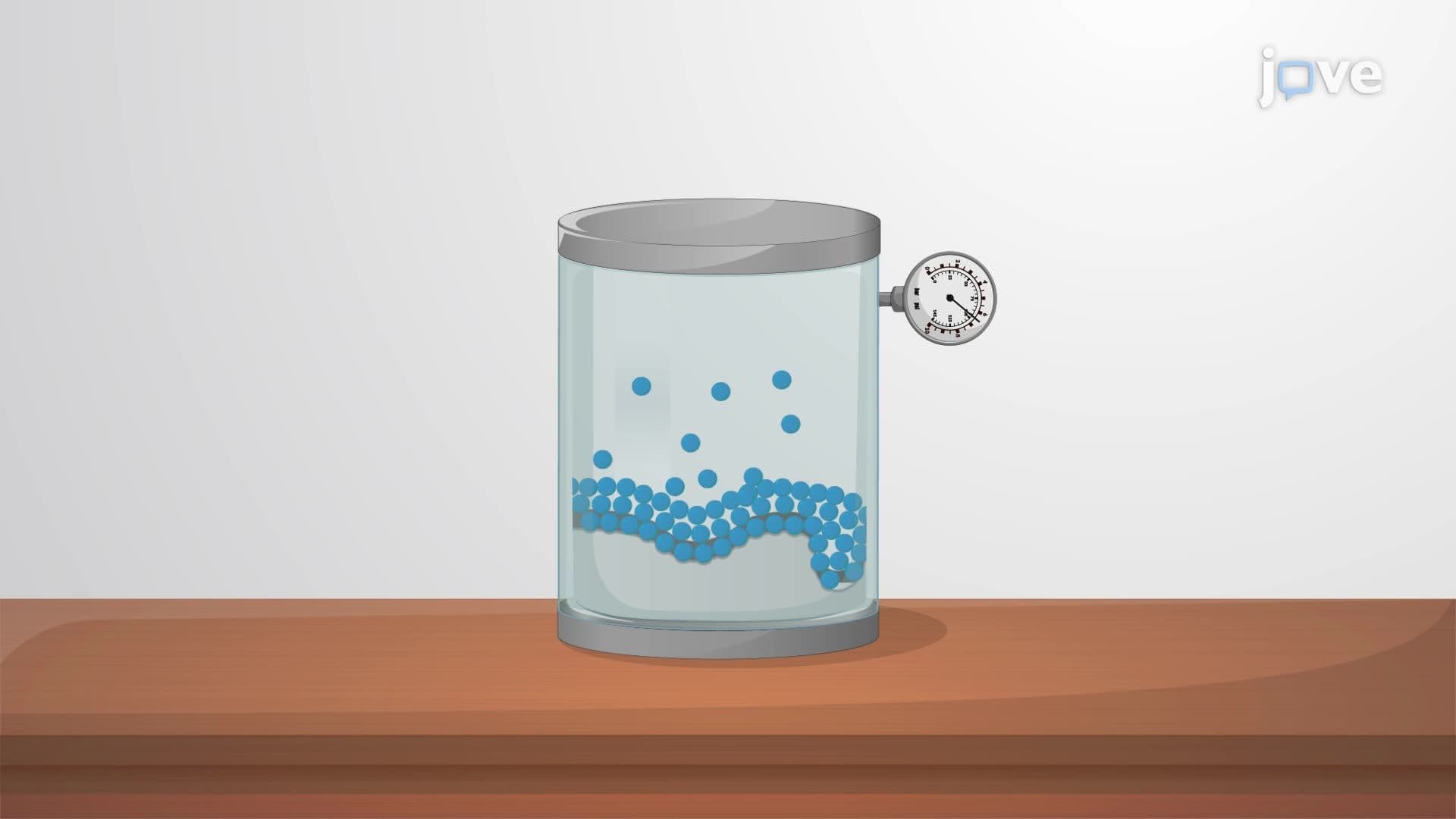
At equilibrium, the rate of adsorption equals the rate of desorption. The adsorption rate depends on gas pressure (P) and the fraction of vacant sites (1 − θ), while the desorption rate depends on the fraction of occupied sites (θ). Setting these equal and solving yields the Langmuir equation:
θ = (K × P) / (1 + K × P)
Here, θ is fractional surface coverage, P is pressure, and K is the ratio of the adsorption rate constant (ka) to the desorption rate constant (kd). At low pressures, θ increases nearly linearly with P. At very high pressures, θ approaches 1, meaning the surface is nearly fully saturated. This S-shaped behavior toward saturation is the hallmark of a Type I isotherm.
Not all molecules adsorb as intact units. Diatomic molecules like hydrogen gas (H₂) can dissociate upon contact with a metal surface, splitting into individual atoms that each occupy a separate surface site. This process, dissociative adsorption, requires a modified Langmuir equation. Because two sites are needed for each dissociating molecule, the adsorption rate depends on the square of the vacant site fraction (1 − θ)², and desorption requires two neighboring occupied sites, making its rate proportional to θ². The resulting fractional coverage expression becomes:
θ = (K × P)^(1/2) / (1 + (K × P)^(1/2))
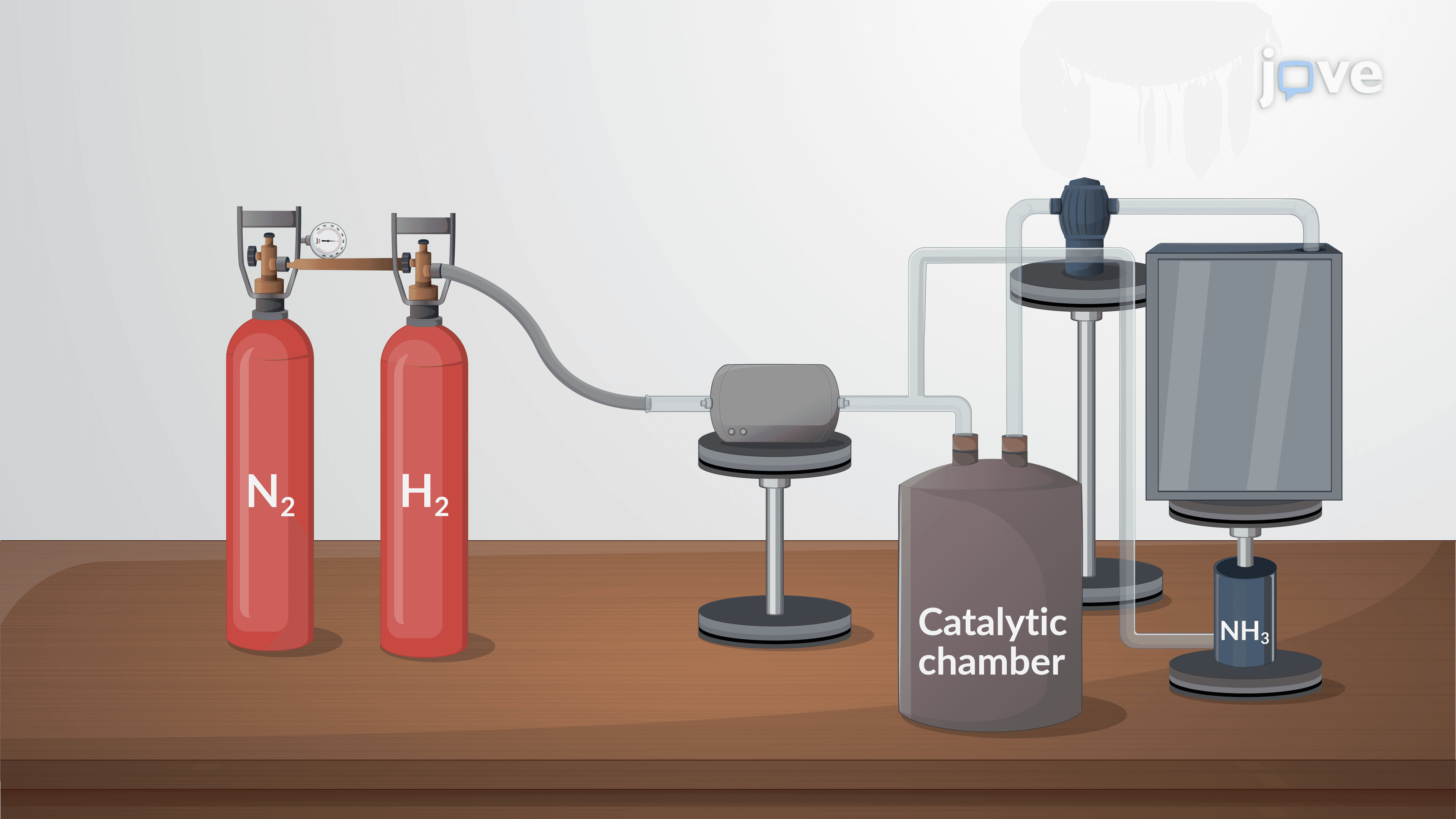
This distinction is critical in AP Chemistry and college physical chemistry courses. Dissociative adsorption is central to understanding reactions like ammonia synthesis in the Haber-Bosch process, where nitrogen molecules (N₂) dissociate on an iron catalyst surface, the same industrial process that produces the fertilizers feeding roughly half the US population.
Adsorption isotherms I is not just a theoretical exercise. In the United States, this concept drives entire industries:
For exam prep, students in AP Chemistry should understand how equilibrium concepts link to surface coverage. MCAT test-takers encounter adsorption principles in biochemistry sections discussing enzyme-substrate interactions, which mirror Langmuir-type saturation kinetics. In college physical chemistry courses, Langmuir isotherm derivations frequently appear on midterms and finals, making fluency with the rate-based derivation essential.
Related Micro-courses