Loading video…


 16 Concepts
 3.1K views

Video Summary: Stoichiometric Point Defects in Crystal Structure Imperfections
Why do perfectly made crystals still have flaws, and why do those flaws actually *improve* how materials conduct electricity? Stoichiometric point defects in crystal structure imperfections reveal exactly that paradox. These intrinsic defects form in ionic compounds like sodium chloride without changing the chemical formula. US semiconductor and battery manufacturers rely on understanding these defects daily. Watch the full video on JoVE Coach to master this concept with expert-led visuals and step-by-step explanations.
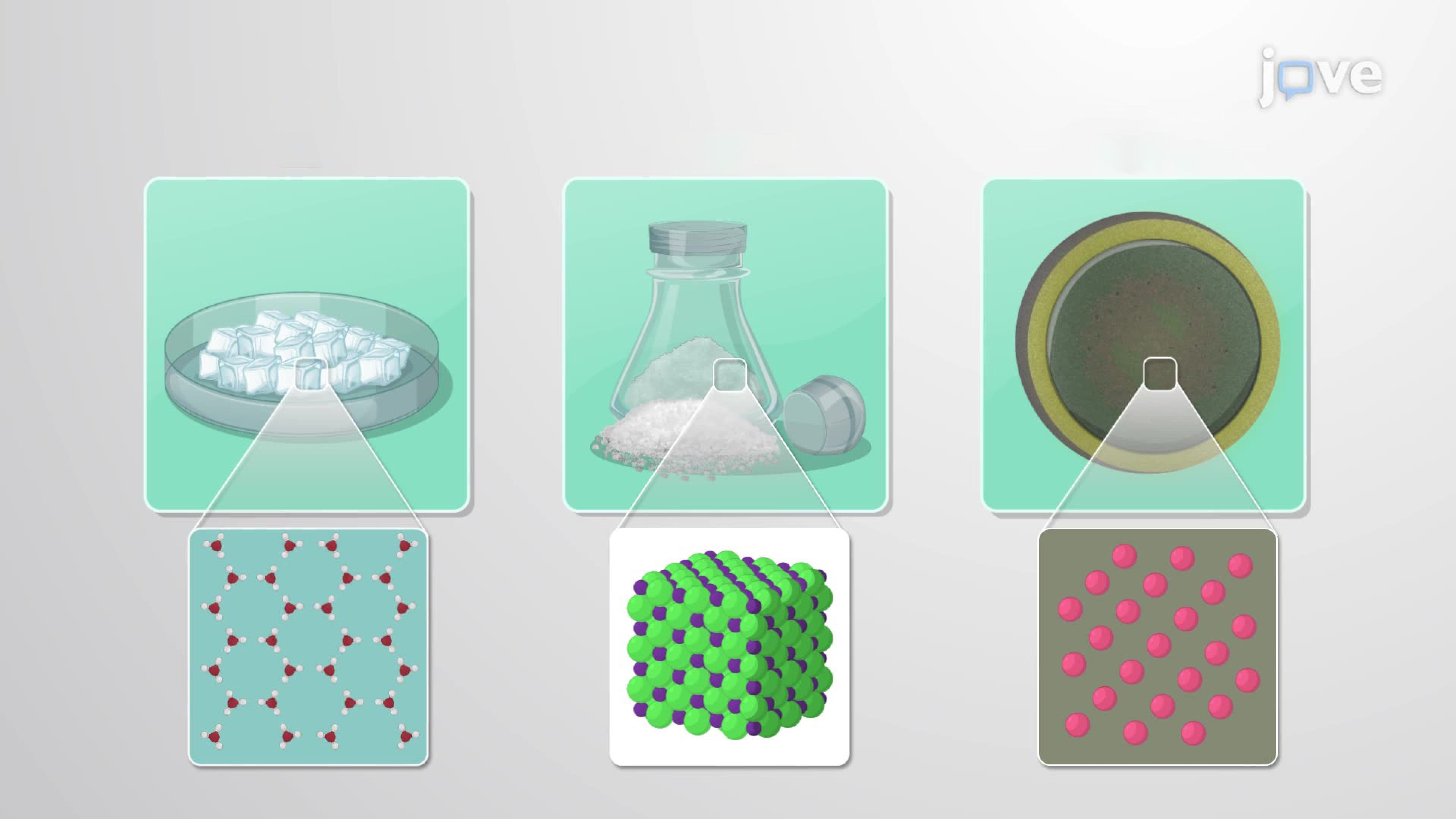
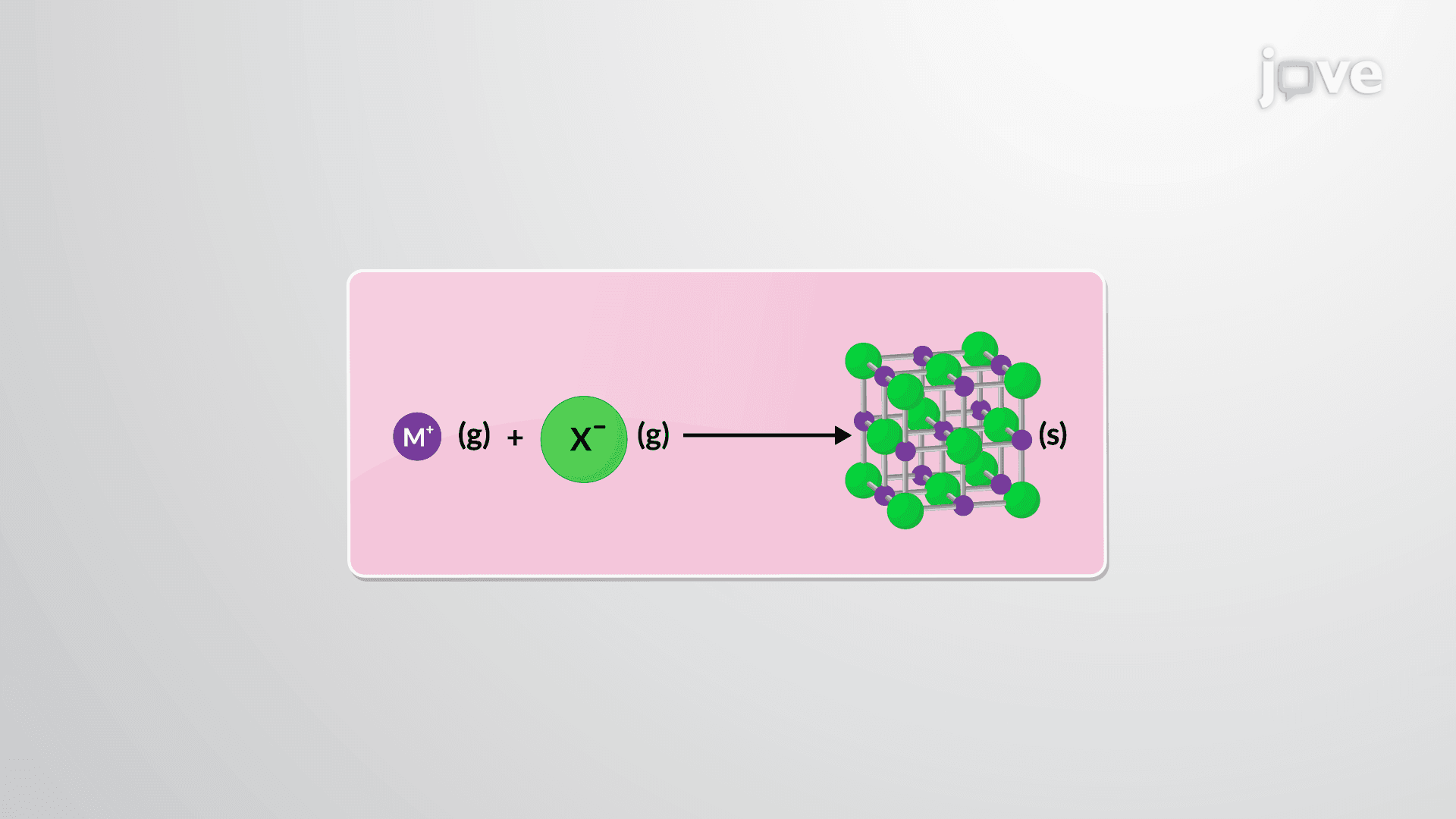
Real crystals are never perfect. Even in the purest ionic compounds synthesized in a laboratory, atoms deviate from their ideal lattice positions. Stoichiometric point defects in crystal structure imperfections are atomic-scale irregularities that form spontaneously due to thermodynamic forces, yet they preserve the overall chemical formula and electrical neutrality of the crystal. Understanding these defects is essential in AP Chemistry, college-level materials science, and physical chemistry courses across the US.
A Schottky defect forms when equal numbers of oppositely charged ions are missing from their expected lattice positions, creating vacancies. In a simple MX compound like sodium chloride (NaCl), one Na⁺ vacancy pairs with one Cl⁻ vacancy. In an MX₂ compound, one cation vacancy must pair with two anion vacancies to preserve electrical neutrality, a ratio-based rule that frequently appears on AP Chemistry free-response questions and college midterms.
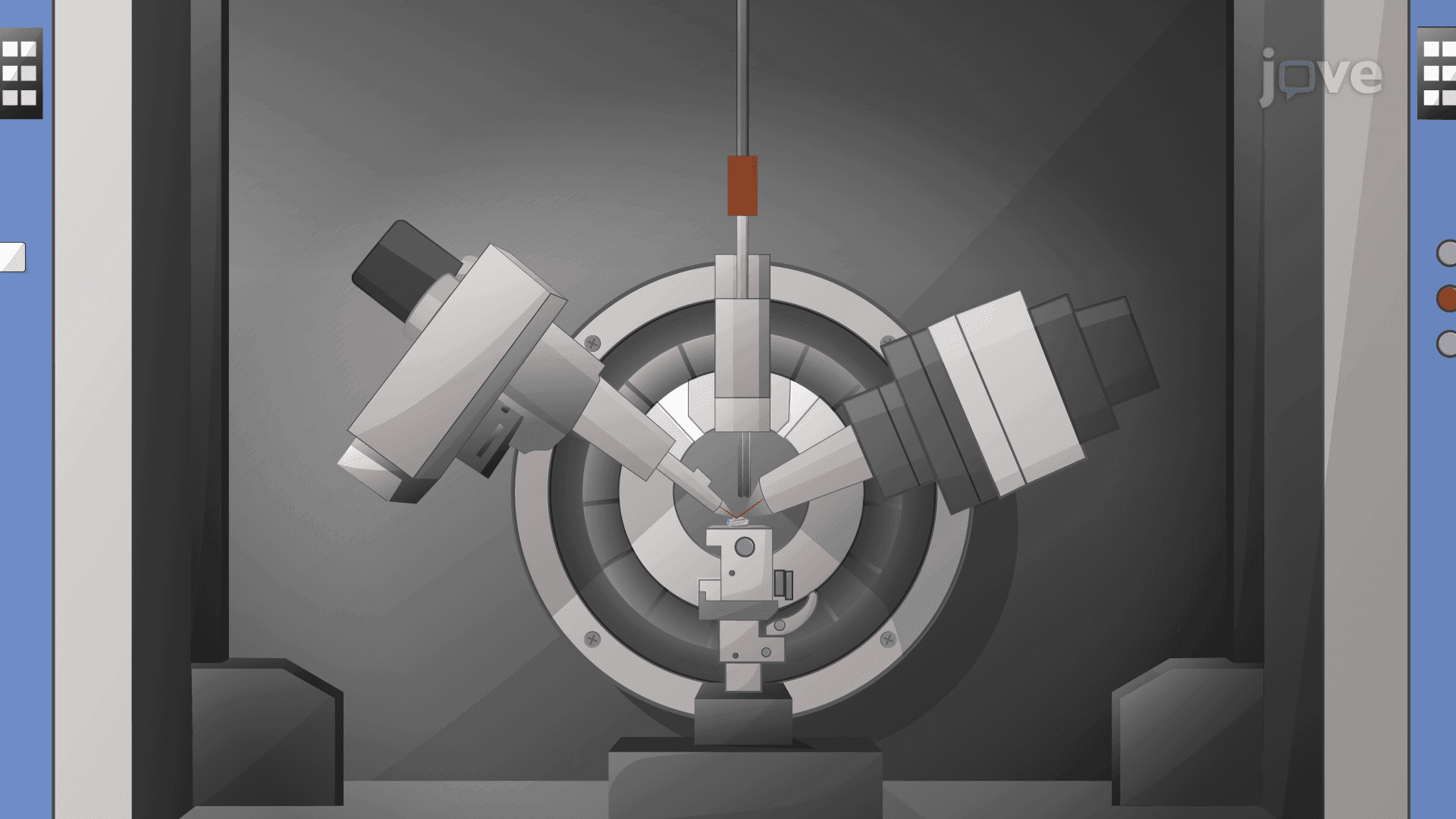
Because ions are entirely removed from the lattice, the crystal's mass decreases while its volume stays approximately the same. This produces a measurable drop in observed density compared to the theoretical density calculated from X-ray diffraction and unit cell dimensions. The number of Schottky defects (ns) at a given temperature is expressed as:
ns = N × exp(−Qs / 2kT)
where N is the total number of ion pairs, Qs is the activation energy for defect formation, k is Boltzmann's constant, and T is absolute temperature. This equation shows that defect concentration rises with temperature, a concept tested in both AP and undergraduate physical chemistry courses.
Frenkel defects differ fundamentally from Schottky defects. Rather than disappearing from the lattice entirely, a smaller ion, typically a cation, migrates from its normal lattice site into an interstitial position (a gap between lattice points). Silver bromide (AgBr), widely used in photographic film and studied in US university solid-state chemistry labs, is a classic example. Here, Ag⁺ ions are small enough to slip into interstitial sites among the larger Br⁻ ions.
Because no ions are lost, they simply relocate, the total number of ions and the crystal's mass remain constant. This means Frenkel defects do not change observable density, distinguishing them clearly from Schottky defects. The number of Frenkel defects (nf) depends on both N (lattice sites) and Ni (available interstitial sites):
nf = sqrt(N × Ni) × exp(−Qf / 2kT)
This mathematical relationship is commonly explored in undergraduate physical chemistry and materials science courses at US universities like MIT, Caltech, and state engineering programs.
Both Schottky and Frenkel defects create vacancies or interstitial spaces that open pathways for ion movement through the crystal. This enhanced ion mobility directly increases electrical conductivity, a property critical to battery electrolytes, fuel cells, and solid-state electronic devices manufactured across the US. Companies like Solid Power and QuantumScape, developing solid-state lithium batteries, engineer defect concentrations deliberately to optimize ionic conductivity.
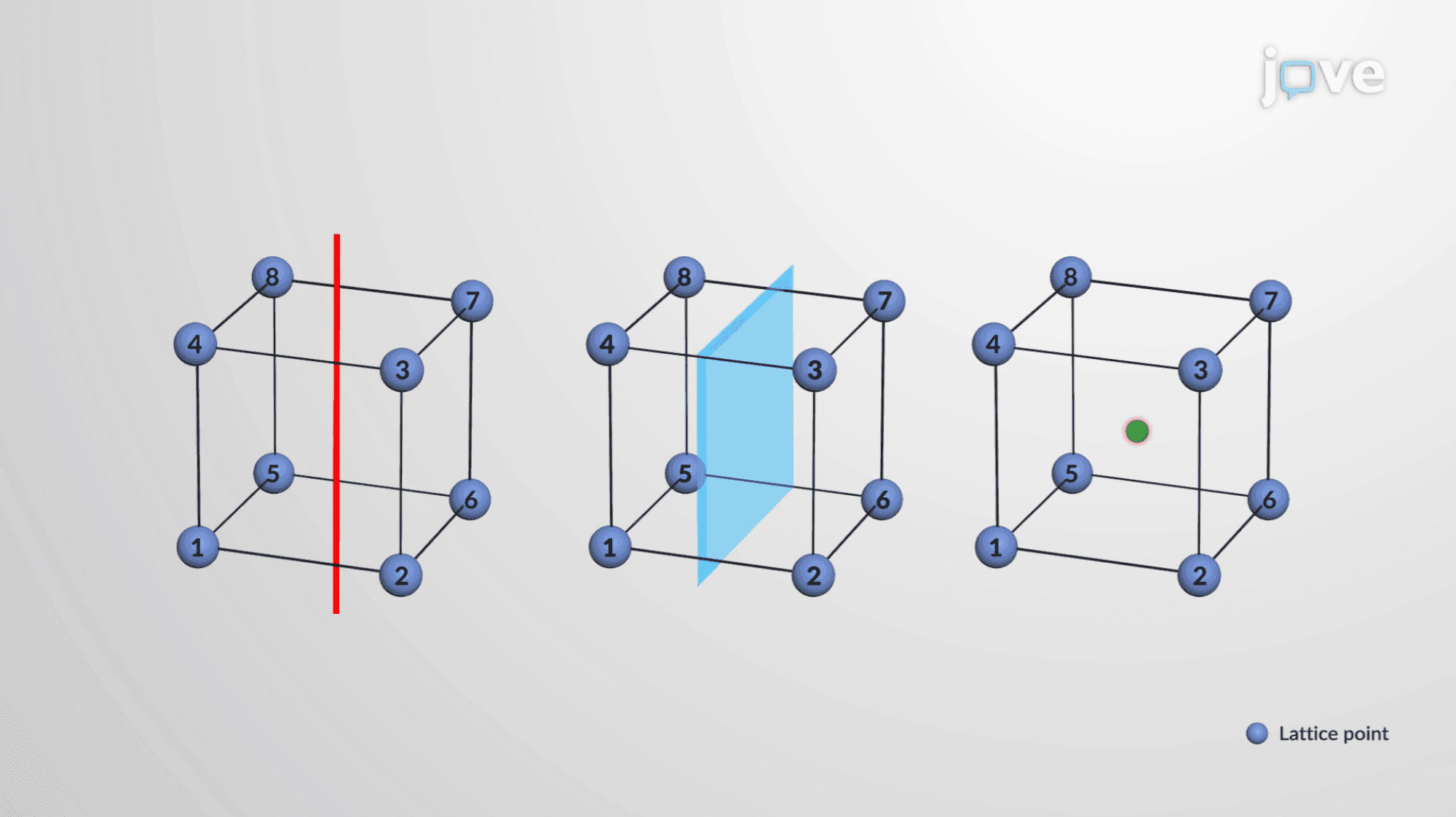
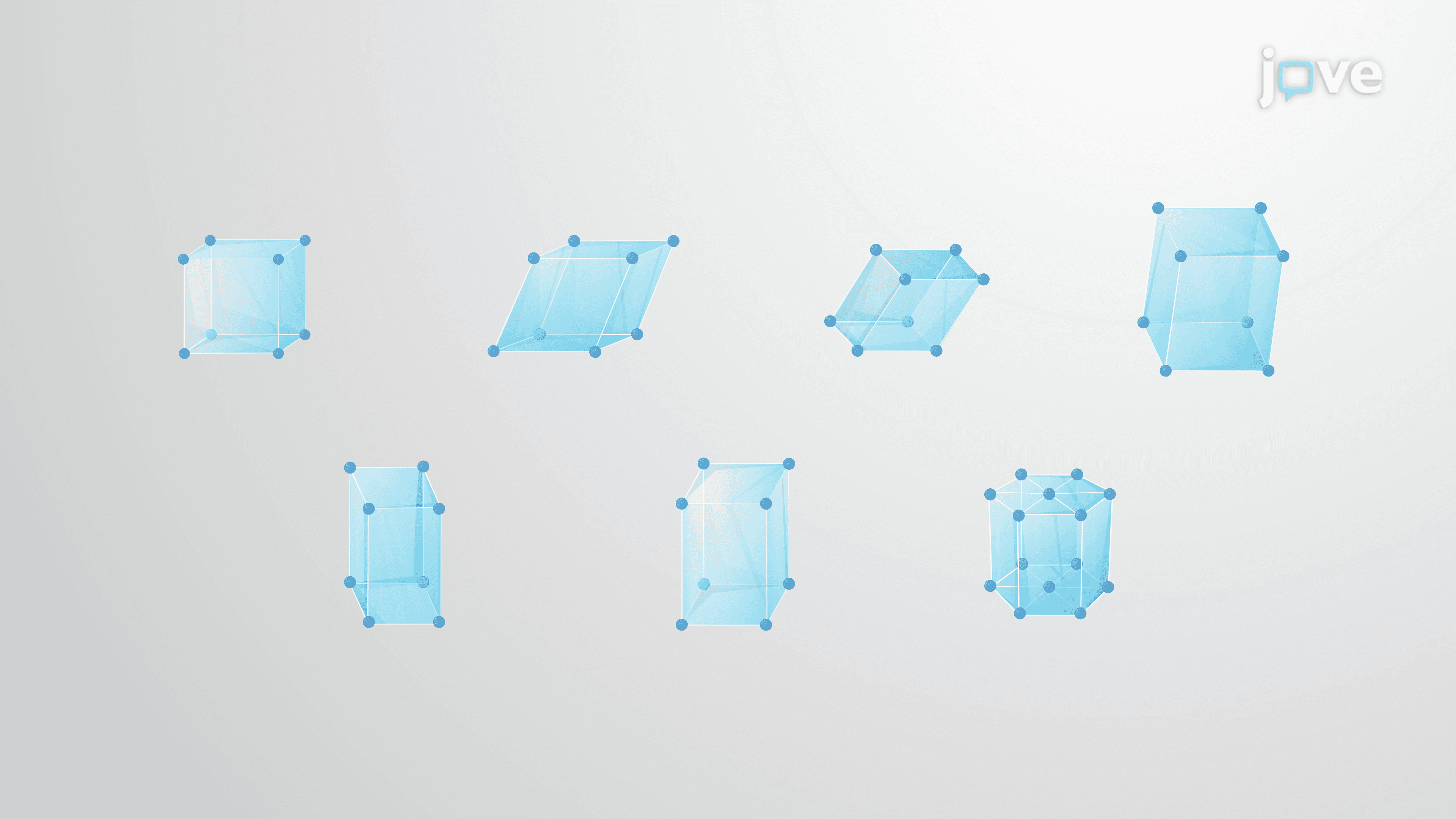
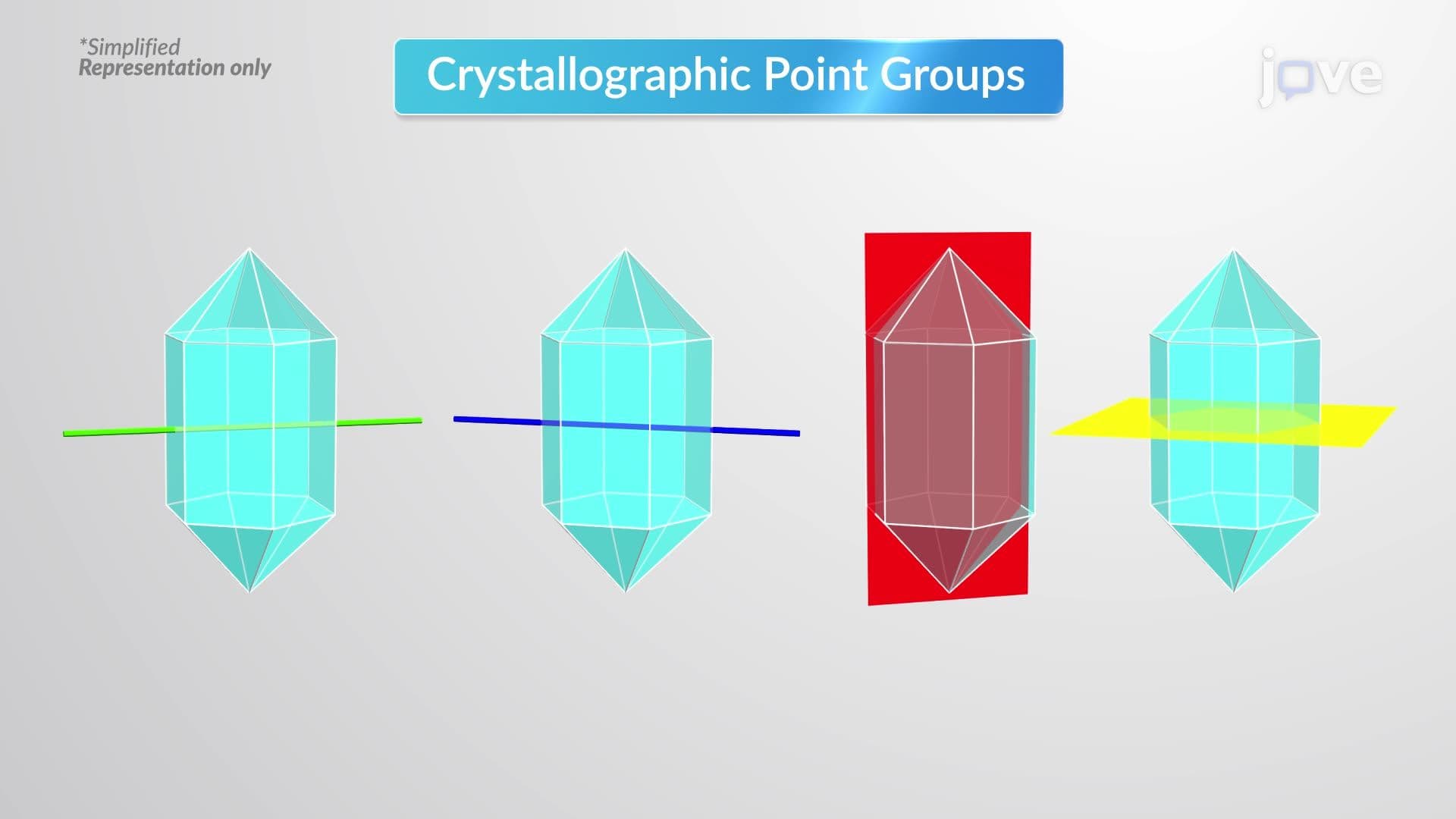
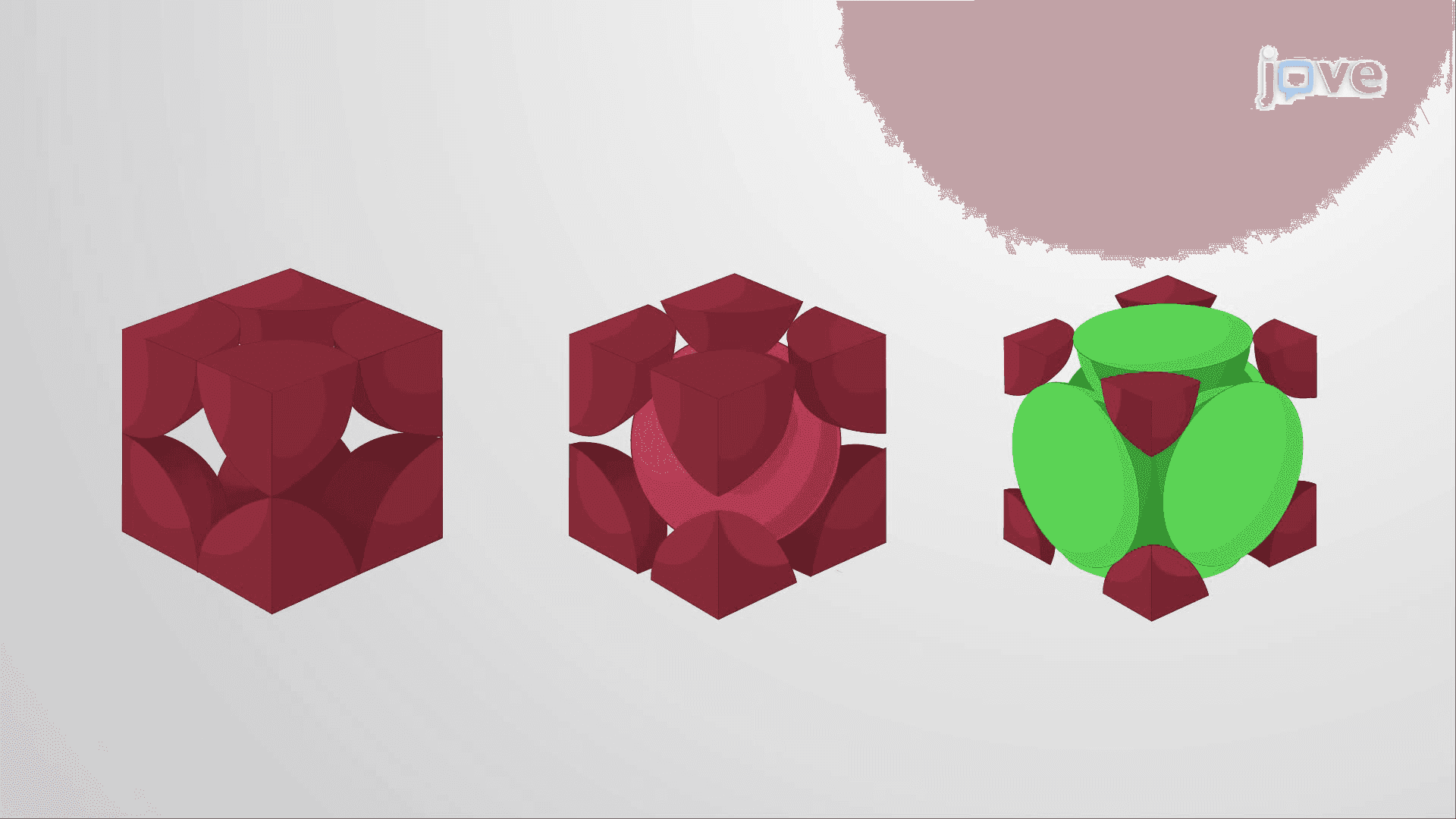
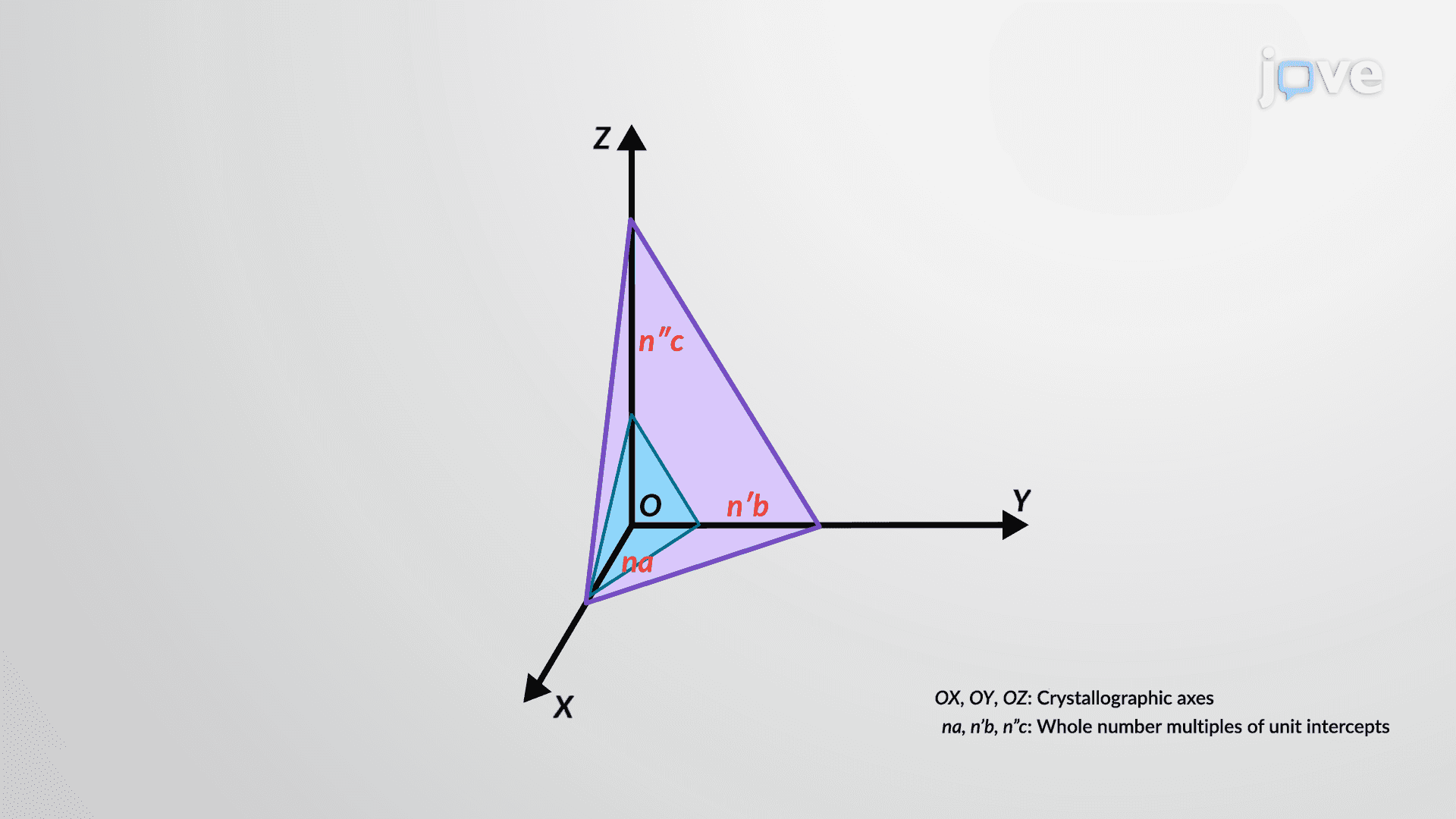
These defect concepts also connect to broader topics students encounter in materials science: Bravais lattices describe the 14 possible 3D lattice arrangements where defects can occur; Miller indices identify specific crystal planes affected by surface defects; and adsorption isotherms describe how surface imperfections influence catalytic activity. Understanding stoichiometric point defects in crystal structure imperfections thus builds a foundation for studying surface chemistry, heterogeneous catalysis, and advanced crystallography, all active research areas in US universities and industries today.
Related Micro-courses