Loading video…

 8 Concepts
 1.8K views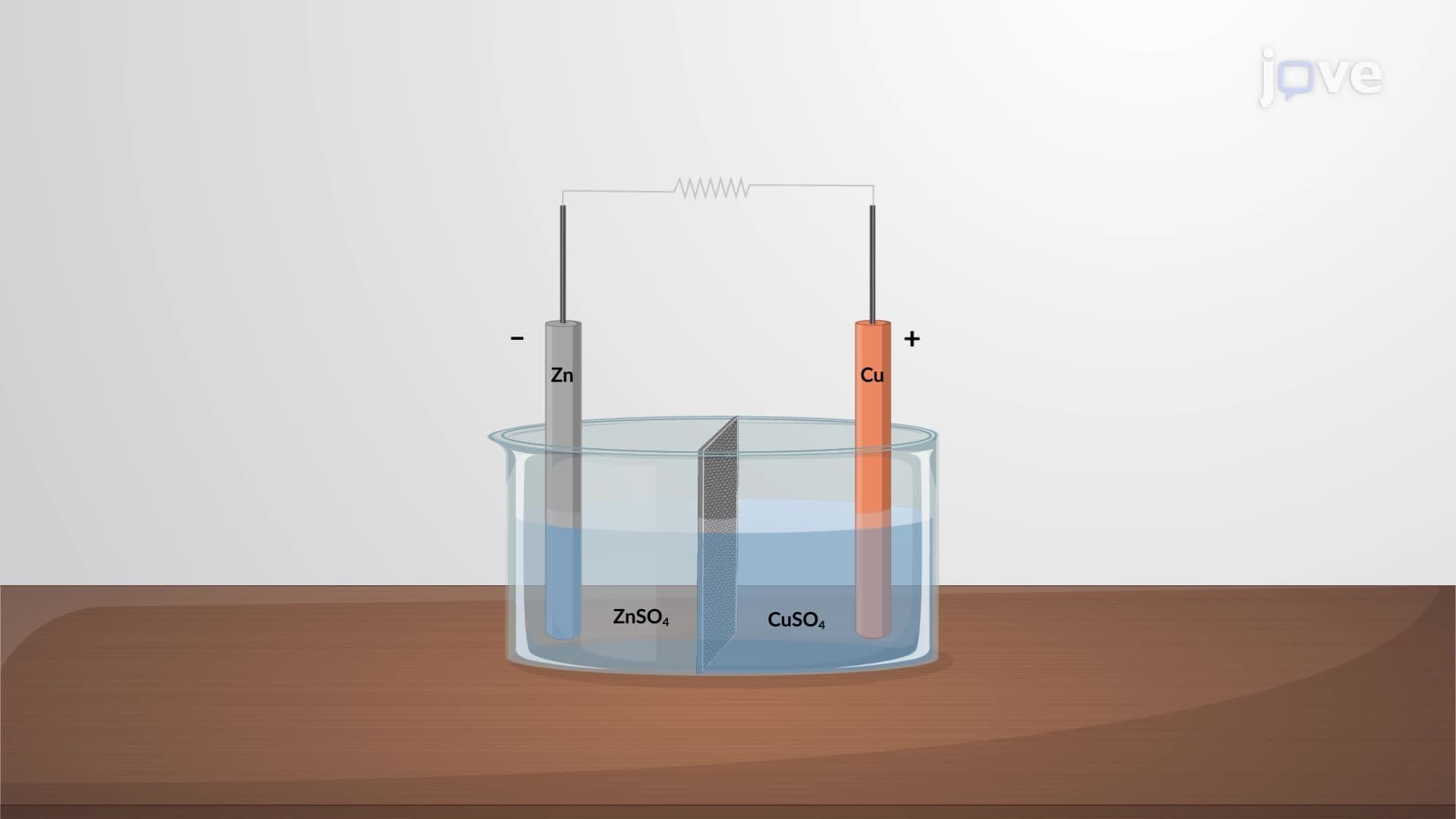

Video Summary: Cell Diagrams and Iupac Conventions Guide
Ever wonder how a battery "knows" which direction current should flow? Cell diagrams and IUPAC conventions basics answer exactly that, providing a universal shorthand chemists use to map electrochemical cells. In US chemistry labs and AP Chemistry courses, this notation is essential for predicting spontaneous reactions. Watch the full video on JoVE Coach to master this concept with expert-led visuals and step-by-step explanations.
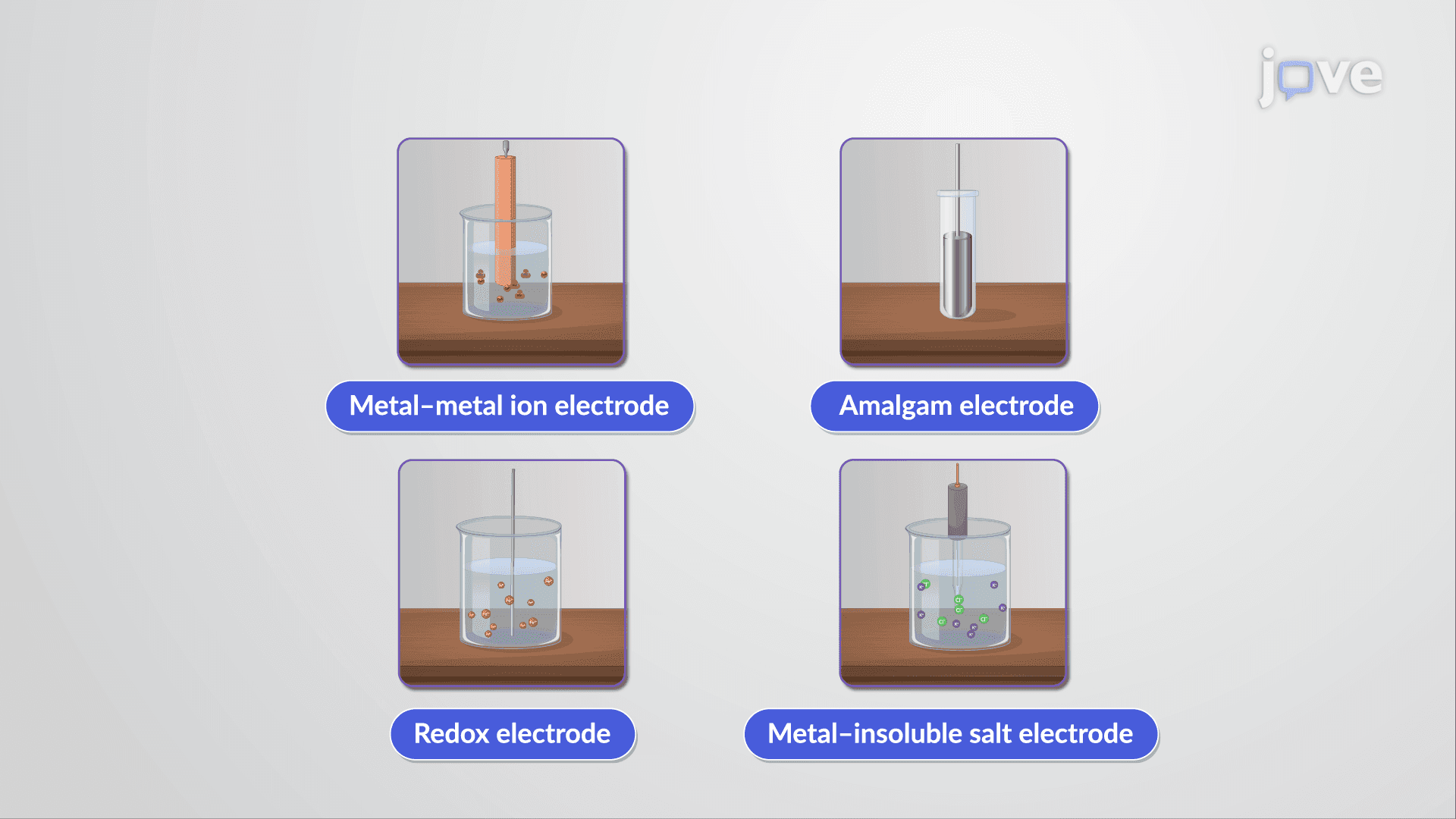
Electrochemical cells power everything from the AA batteries in your TV remote to the lithium-ion packs in a Tesla. But how do chemists communicate a cell's structure quickly and precisely? That's exactly what cell diagrams and IUPAC conventions accomplish. The International Union of Pure and Applied Chemistry (IUPAC) established a universal notation system that compresses all the critical information about an electrochemical cell, its components, phases, and directionality, into a single line of text. Mastering this system is a core skill in AP Chemistry, college general chemistry, and any field involving electrochemical systems.
A cell diagram reads from left to right, mirroring the direction of electron flow. Here's what each symbol means:
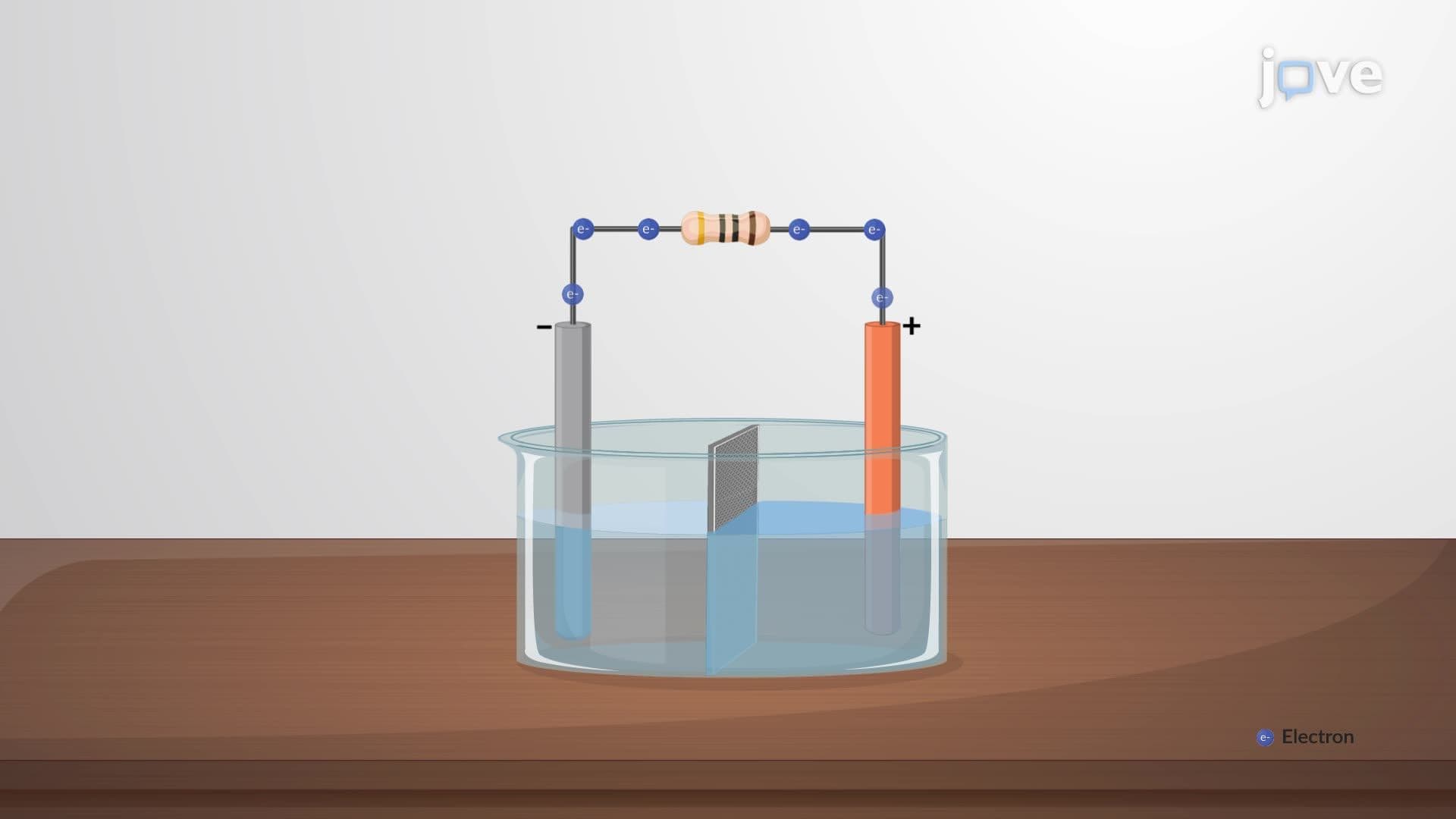
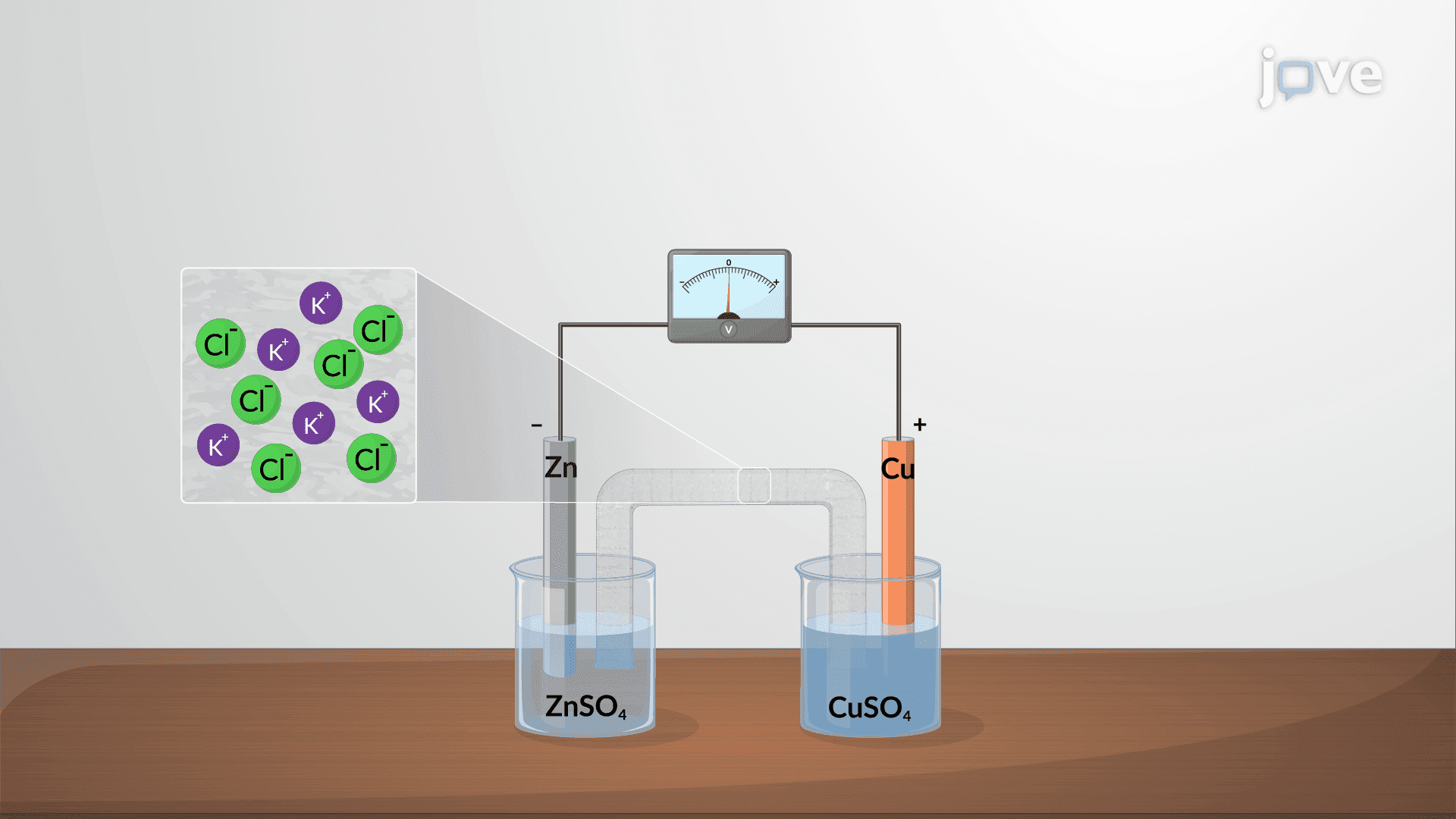
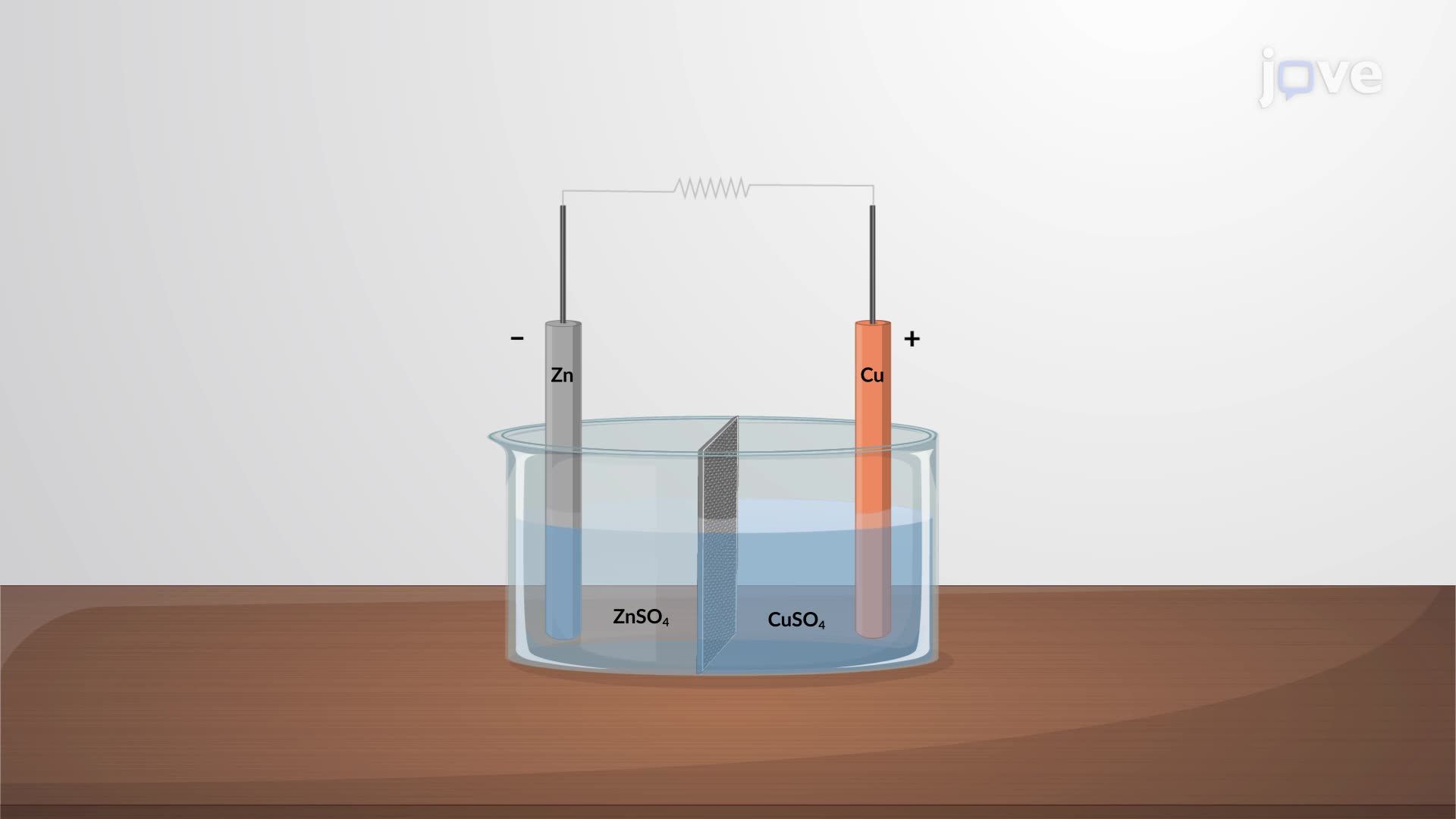
For example, a standard zinc-copper Daniell cell, a classic demonstration in US high school and college chemistry labs, would be written as: Zn(s) | Zn²⁺(aq) || Cu²⁺(aq) | Cu(s). This single line tells you the anode material, the electrolyte, the junction, and the cathode, all in order.
Under IUPAC conventions, the cell electromotive force (EMF) is defined as:
E(cell) = E(right electrode) − E(left electrode)
This formula is foundational. If E(cell) is positive, the cell reaction proceeds spontaneously when connected to an external load, meaning the cell can do useful electrical work. If E(cell) is negative, the reaction as written is non-spontaneous, but the reverse reaction is spontaneous.
Oxidation always occurs at the left electrode (anode), and reduction always occurs at the right electrode (cathode). Adding the two half-reactions, the oxidation half at the left and the reduction half at the right, yields the complete, balanced overall cell reaction. This predictive power is exactly why AP Chemistry and college midterms frequently test students on determining spontaneity directly from cell diagrams.
Understanding cell diagrams unlocks access to some of the most important technologies in modern US industry:
Students preparing for the AP Chemistry exam, MCAT, or college-level electrochemistry units will find this notation system appearing consistently across free-response questions, multiple-choice problems, and lab reports. Fluency with cell diagrams is not optional, it's the entry point to all quantitative electrochemistry, including the Nernst equation and overpotential analysis.
Related Micro-courses