Loading video…


 40 Concepts
 89.8K views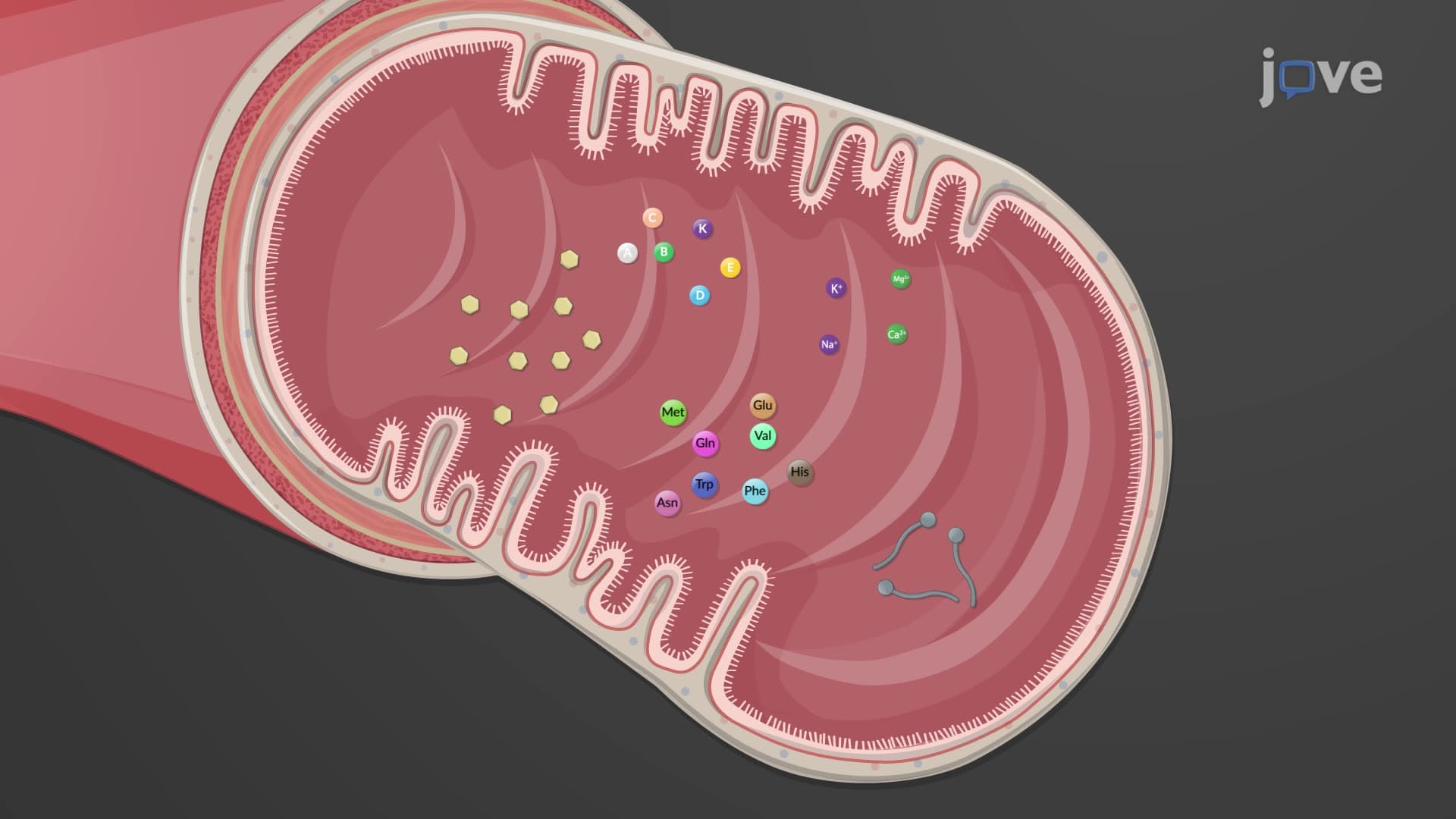

Video Summary: What Is Absorption of Nutrients
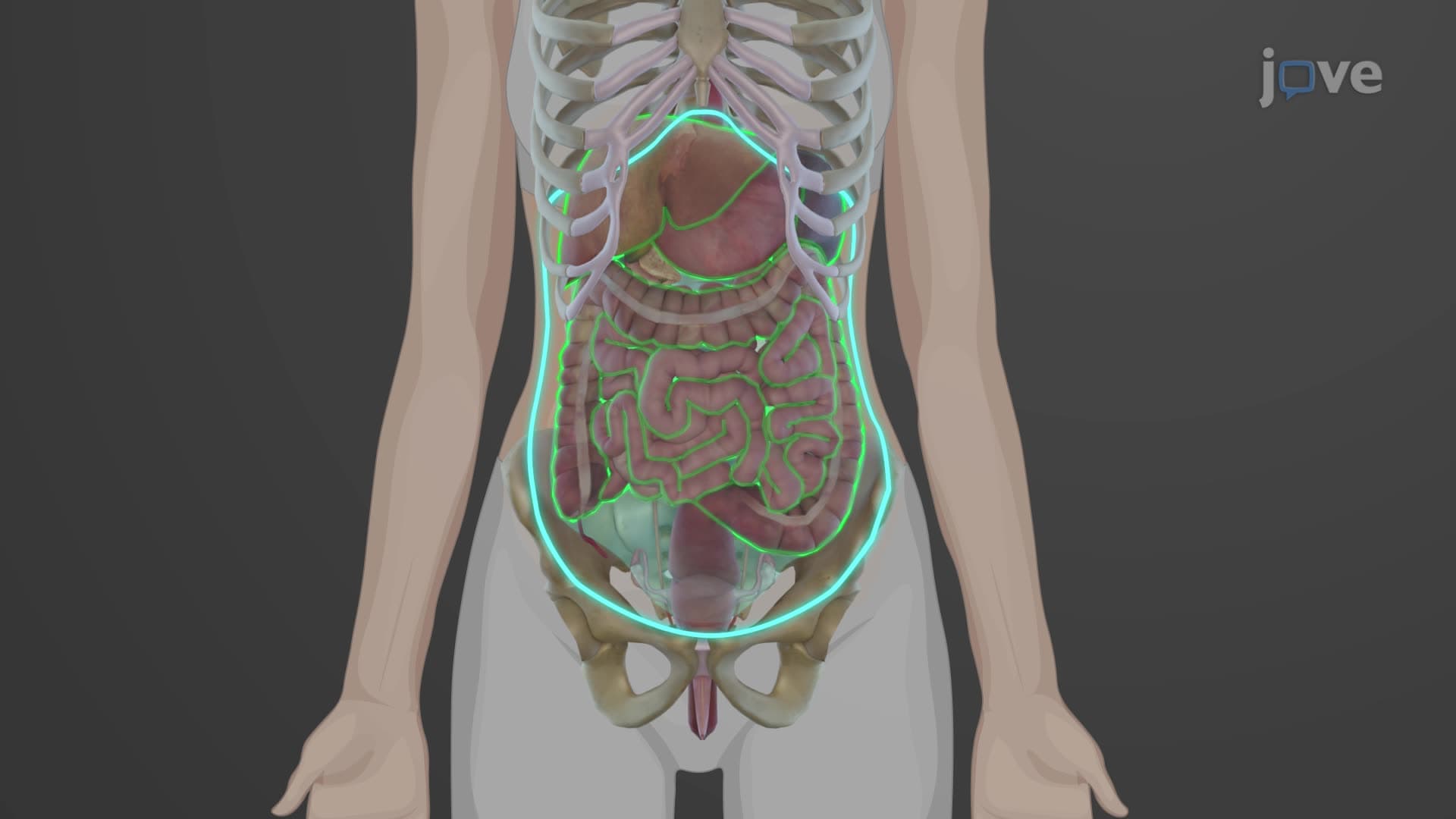
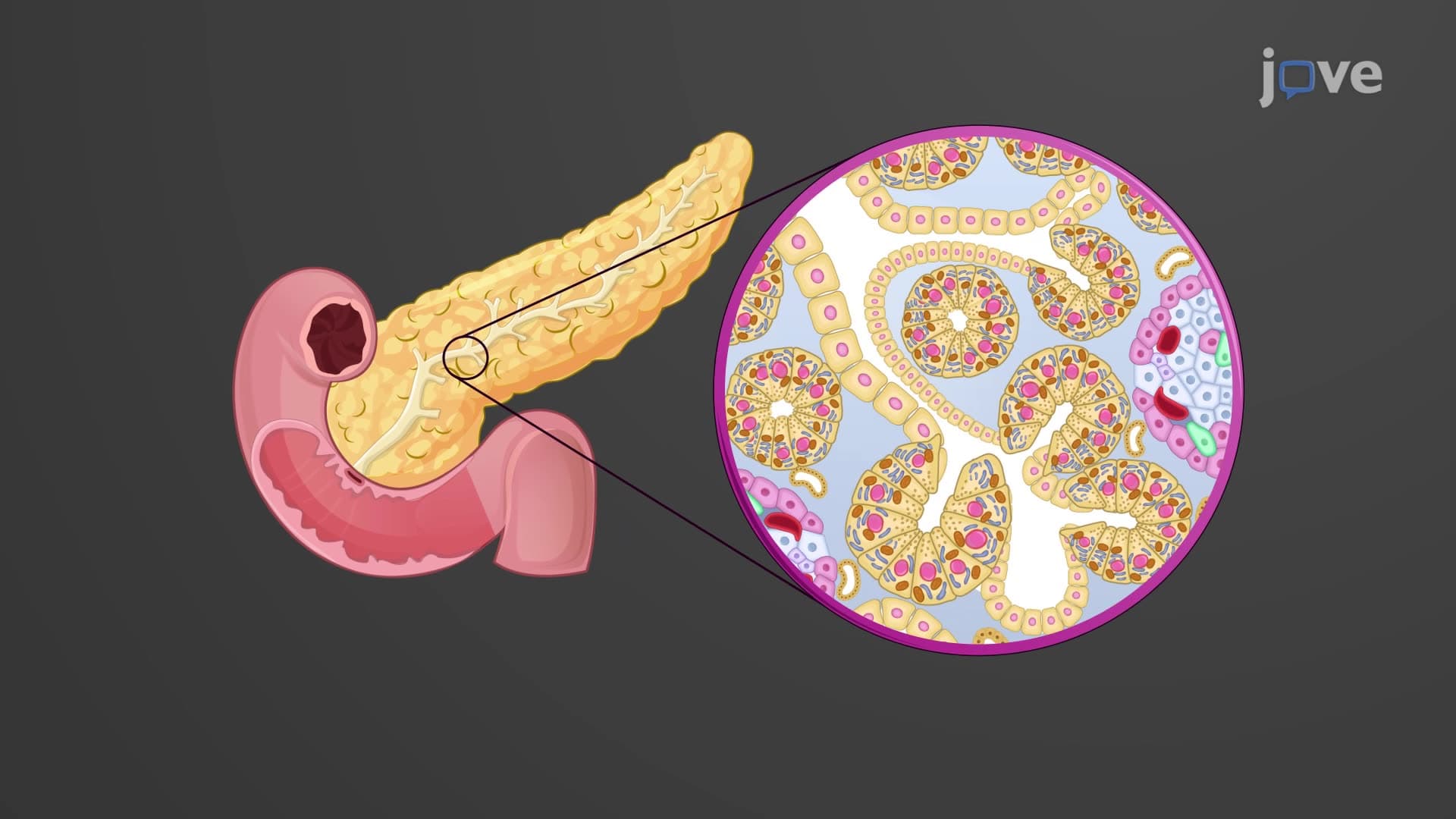
Every day, your body processes about 10 liters of fluid and countless nutrients through your small intestine-yet you never feel this massive biological operation happening. Nutrient absorption biology reveals how specialized intestinal cells called enterocytes use microscopic finger-like projections to capture essential molecules from digested food. Consider how a single slice of pizza delivers carbohydrates, proteins, and fats that must cross cellular barriers to fuel your muscles and brain. Understanding what is the absorption of nutrients unveils the remarkable cellular machinery that transforms a meal into usable energy and building blocks. Watch the full video on JoVE Coach to master this concept with expert-led visuals and step-by-step explanations.
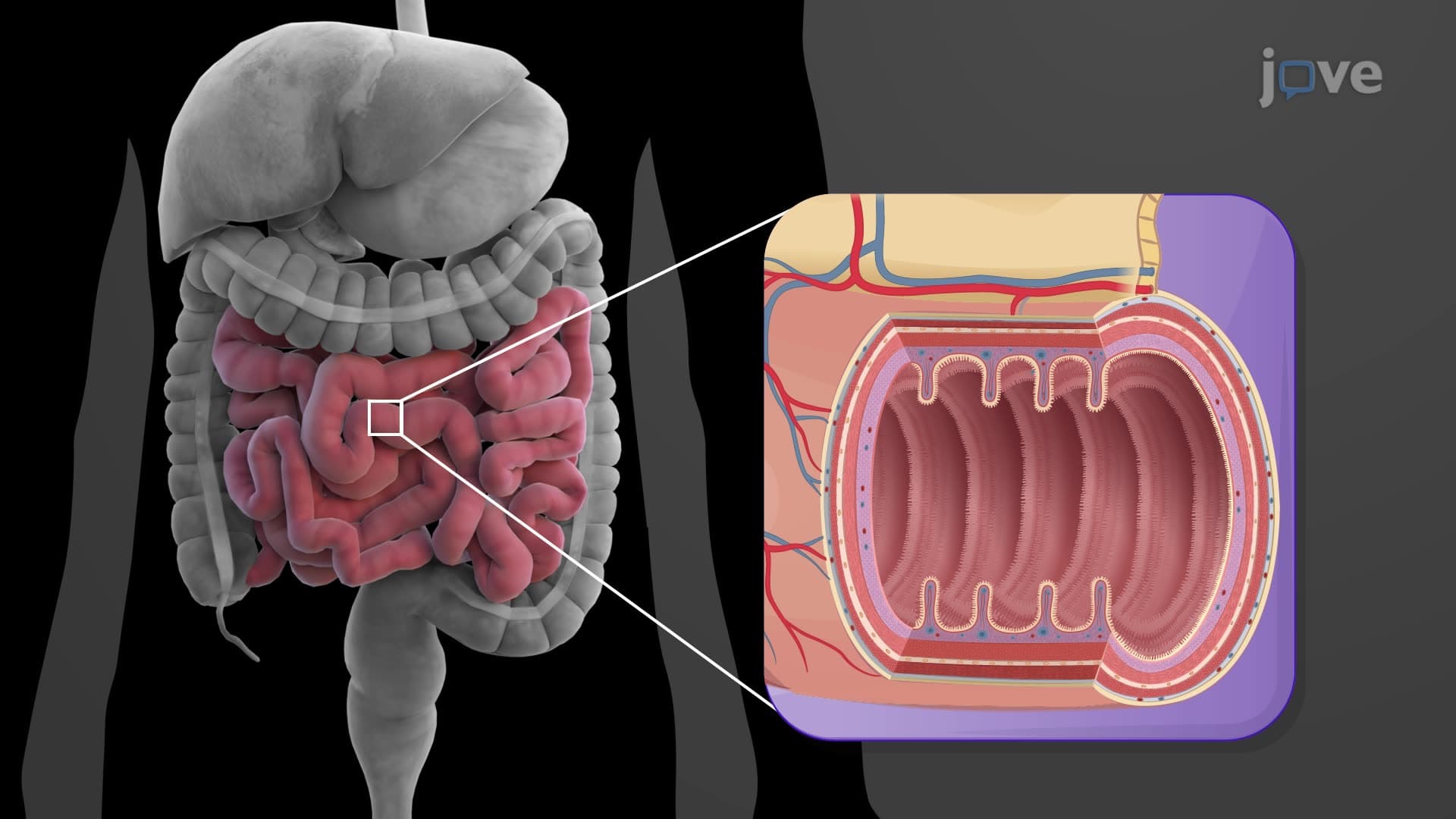
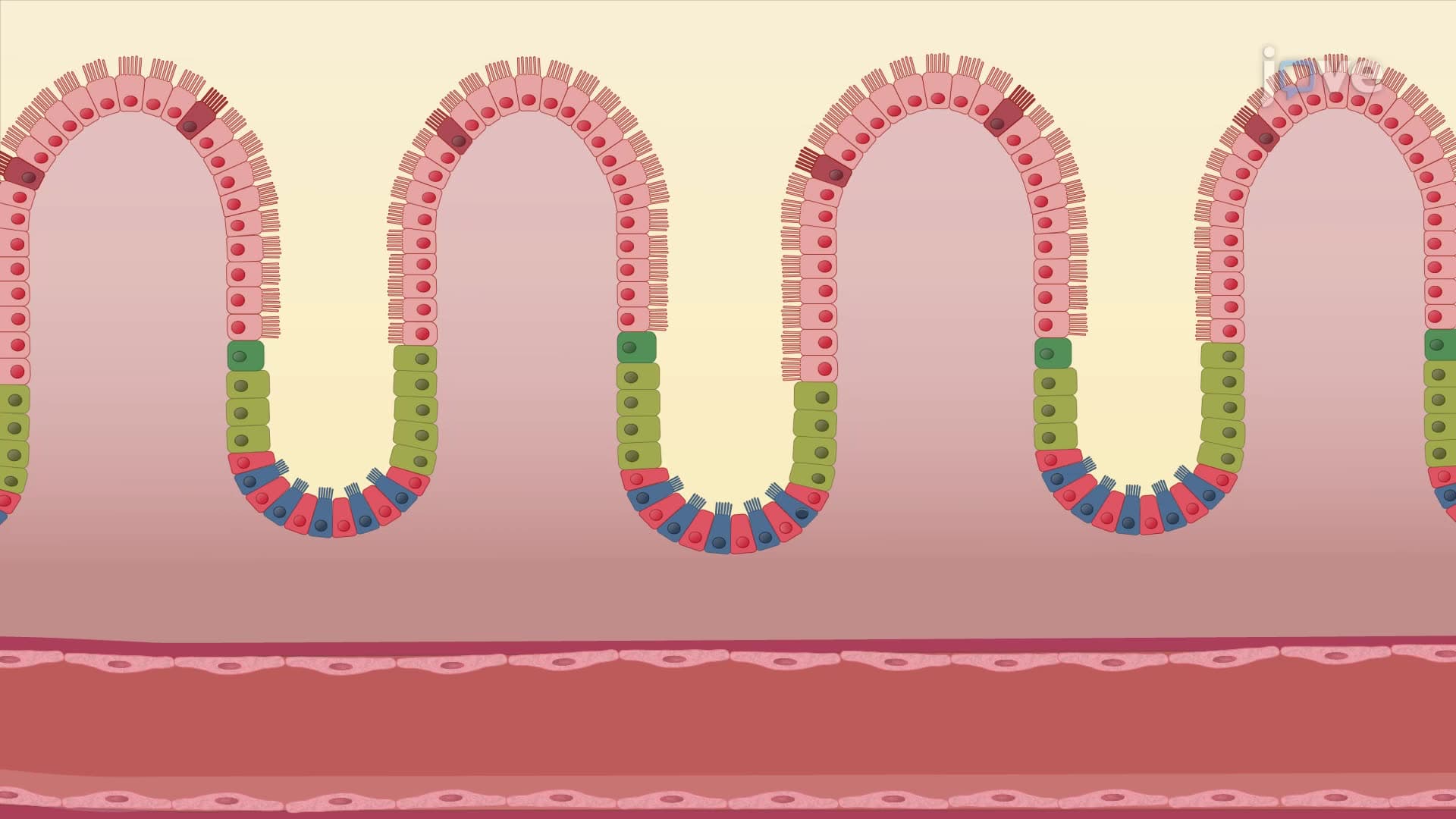
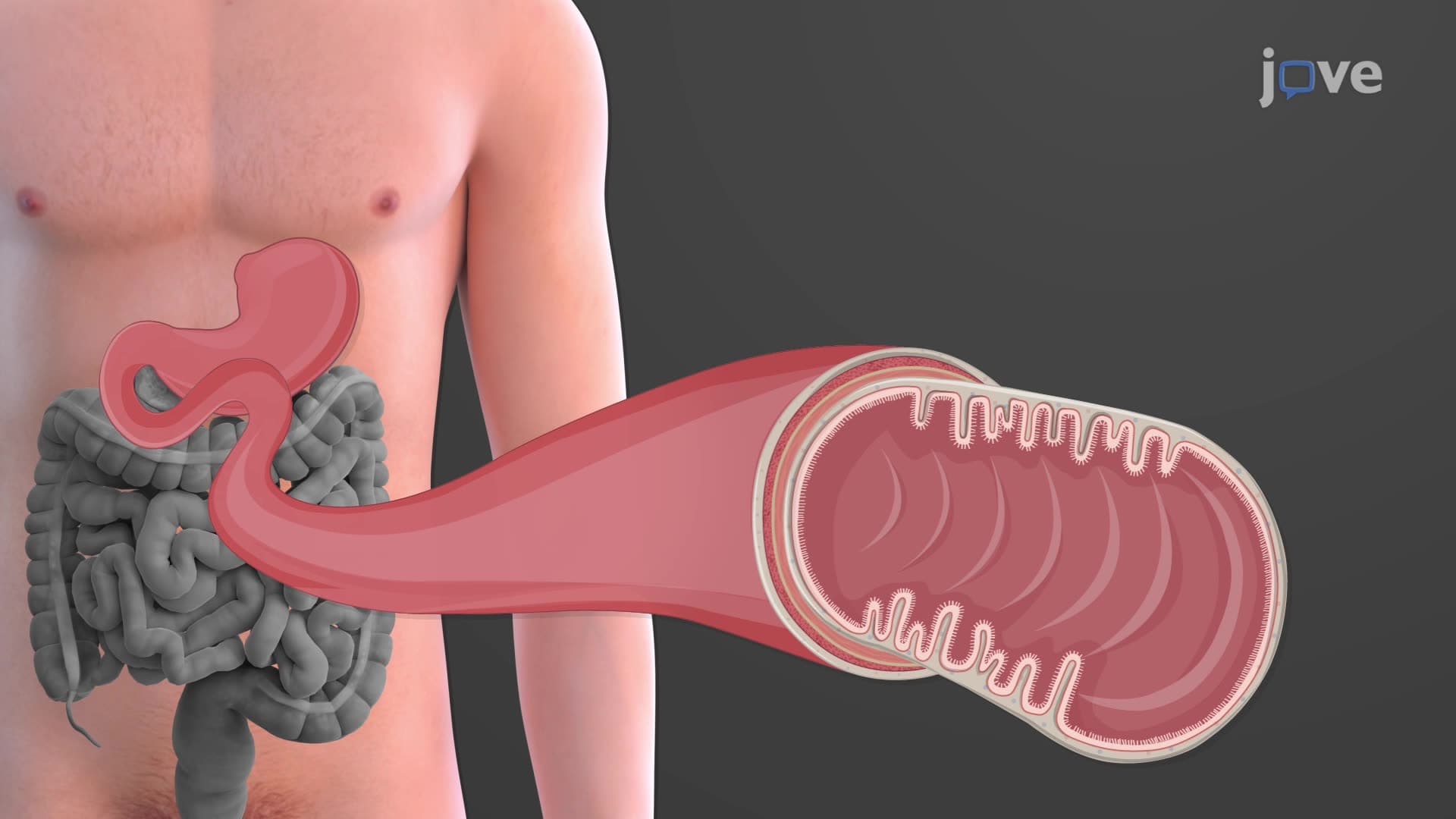
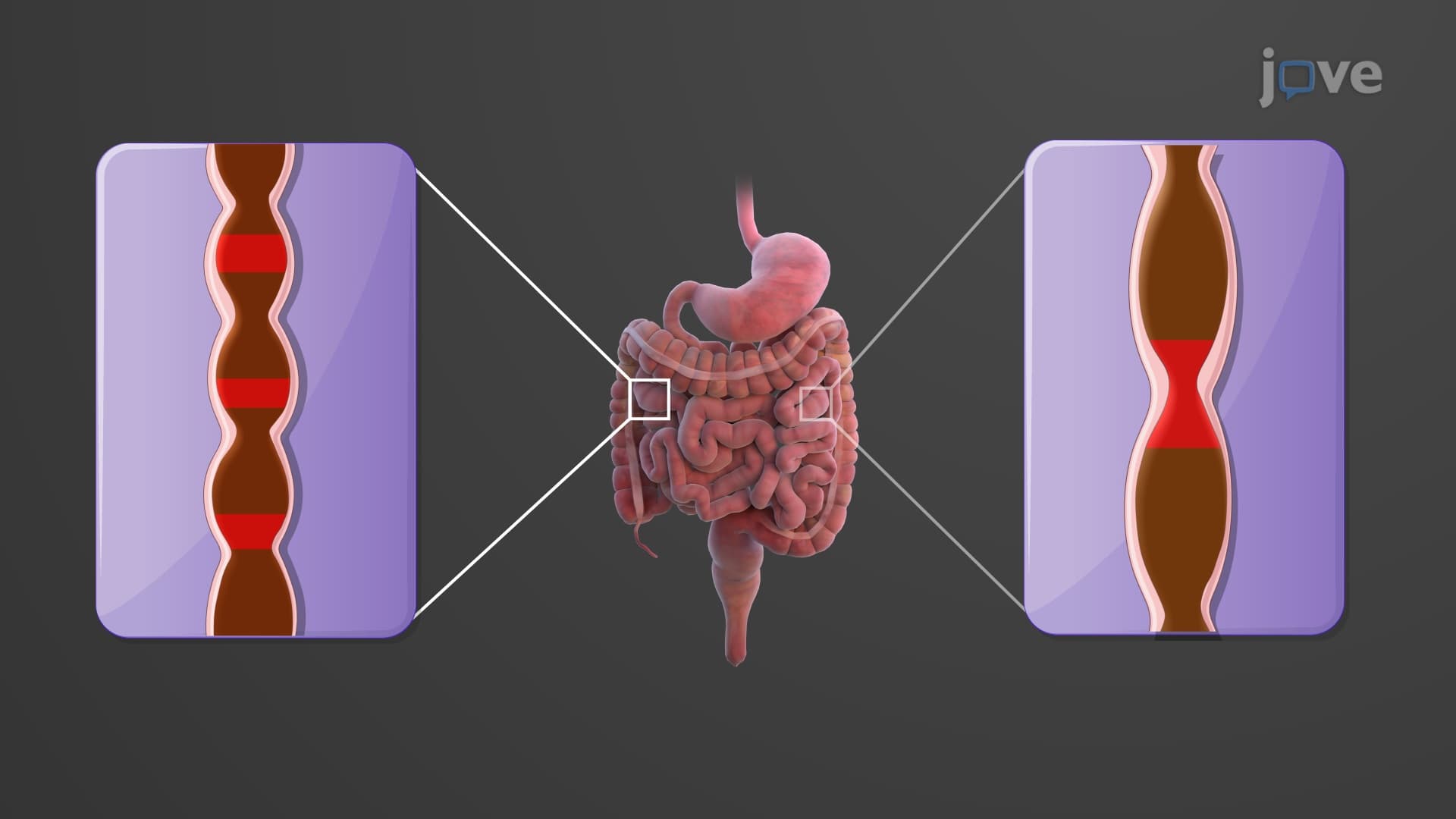
Intestinal absorption explained begins with recognizing that absorption is fundamentally different from digestion. While digestion breaks down complex molecules, absorption moves these simplified nutrients from the intestinal lumen into the bloodstream. This process occurs primarily in the small intestine, where specialized epithelial cells called enterocytes create a selective barrier between the digestive tract and systemic circulation.
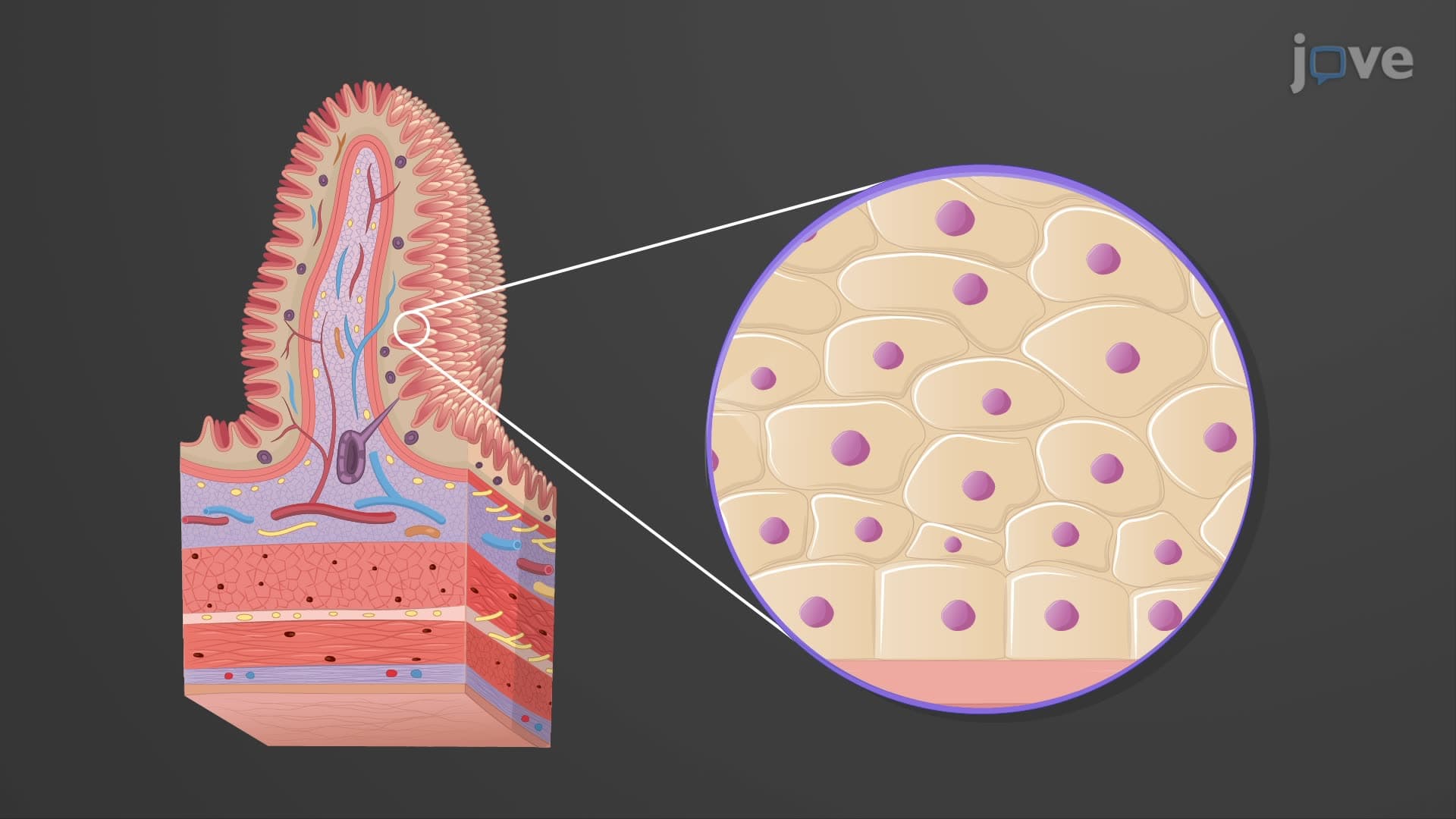
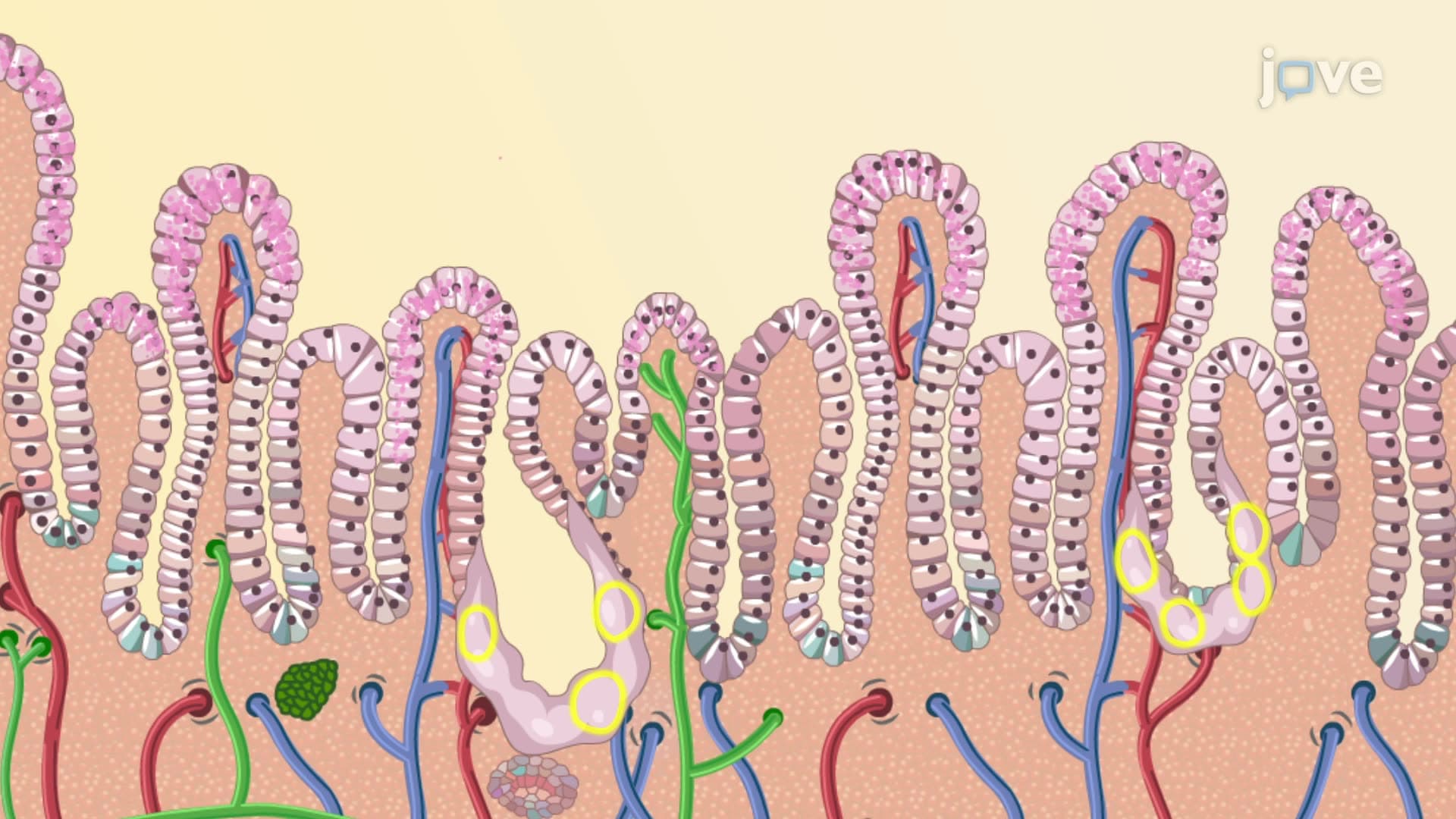
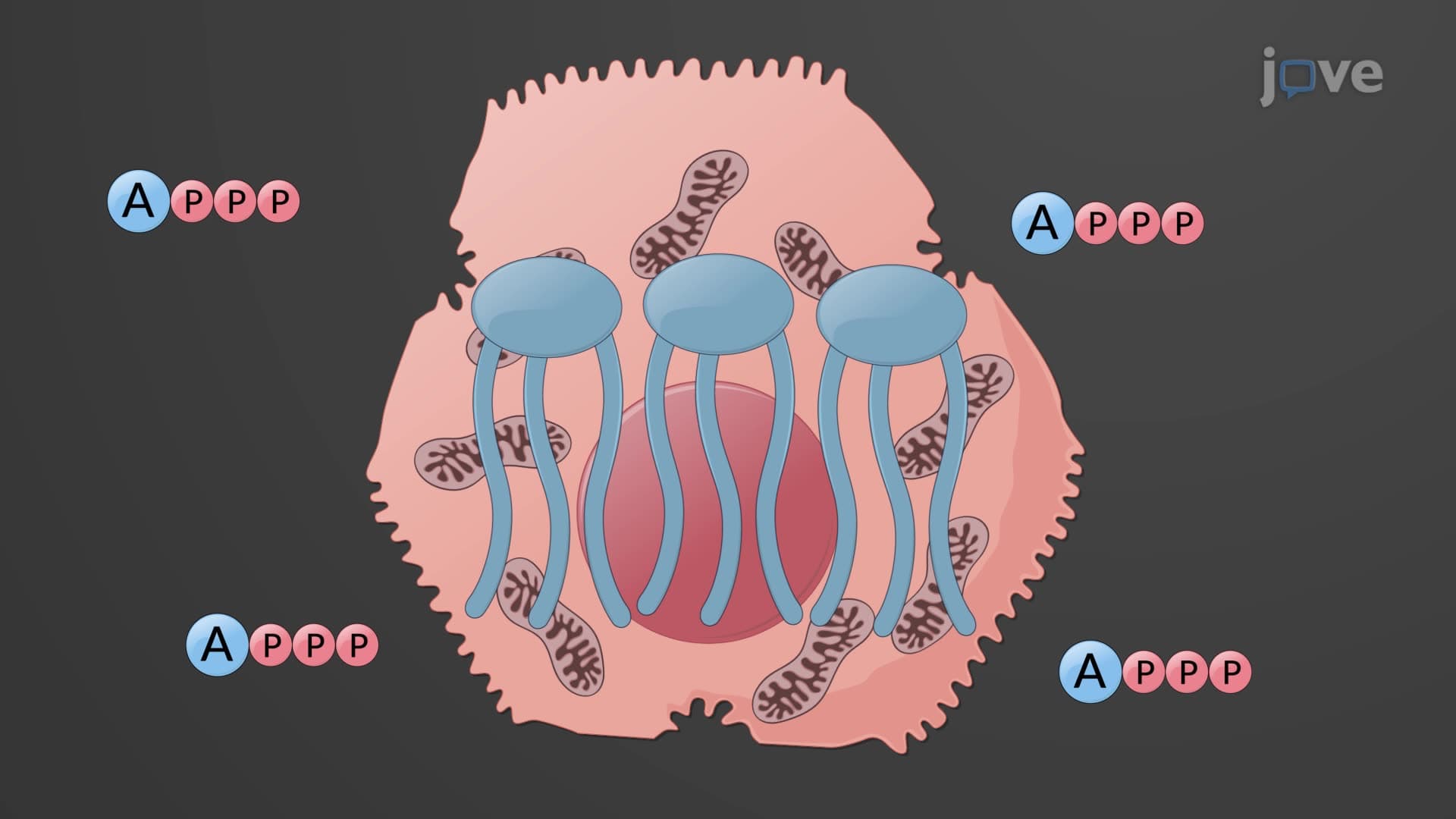
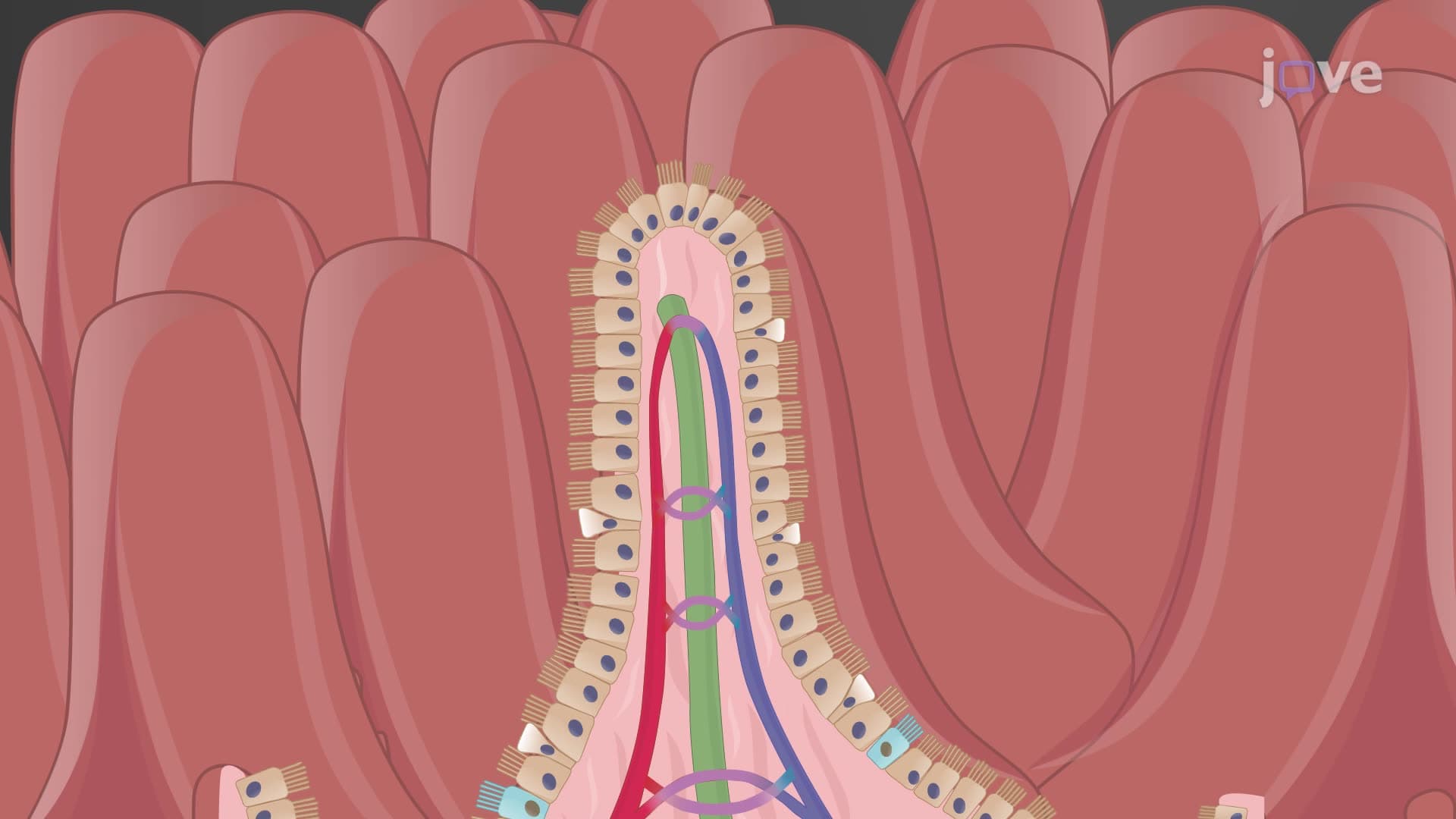
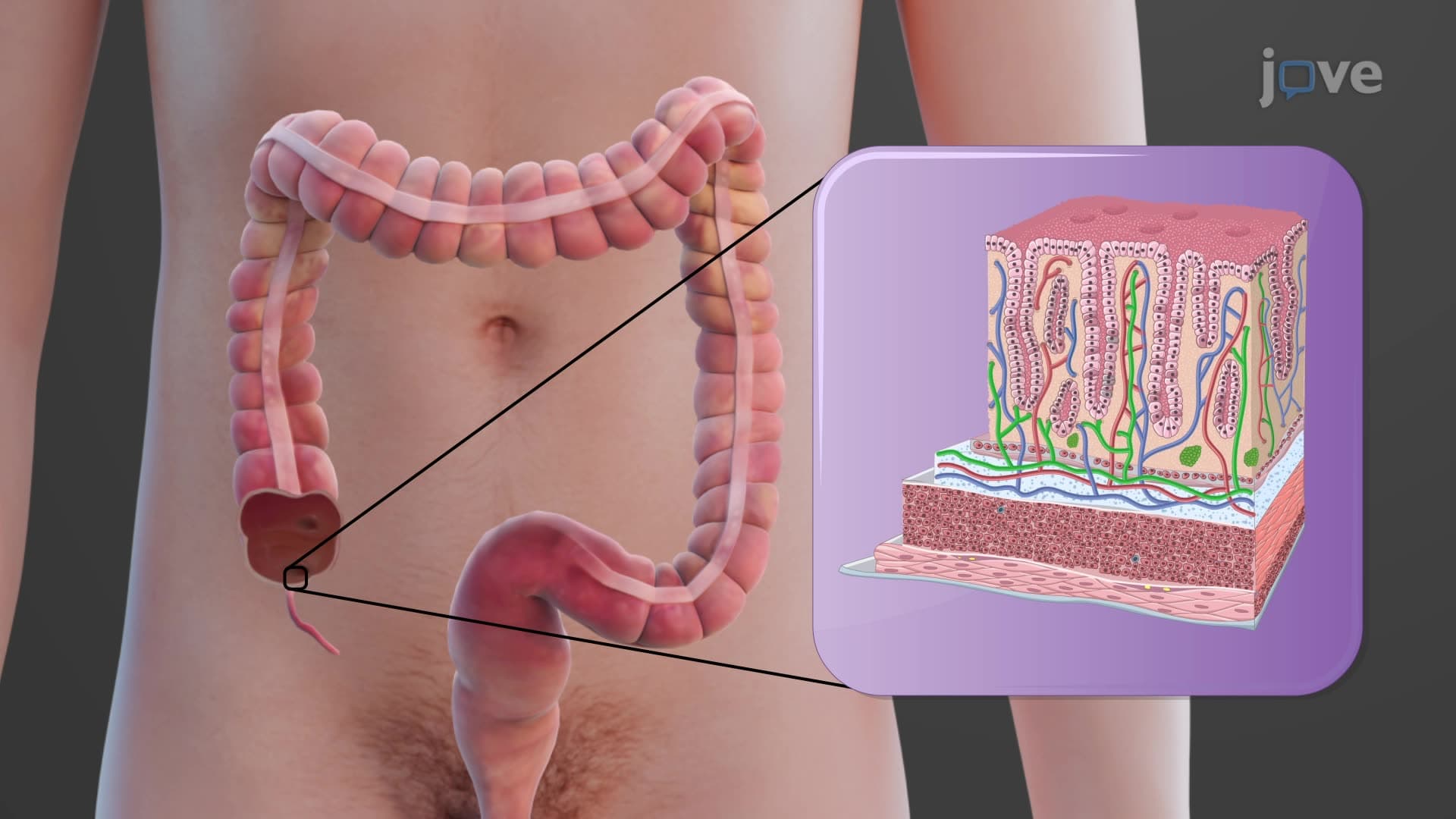
The small intestine's absorptive capacity depends on sophisticated cellular modifications. Enterocytes feature microvilli-microscopic projections that increase surface area by approximately 20-fold compared to a smooth surface. This creates what's often called the "brush border," visible under electron microscopy as densely packed finger-like structures. For perspective, the total absorptive surface area of an adult's small intestine equals roughly half a tennis court, all packed into about 20 feet of intestinal length.
Tight junctions between enterocytes prevent uncontrolled passage of substances, forcing all absorbed materials to pass through the cell rather than between cells. This transcellular route allows precise control over what enters the bloodstream-a critical safety mechanism preventing harmful bacteria and toxins from accessing circulation.
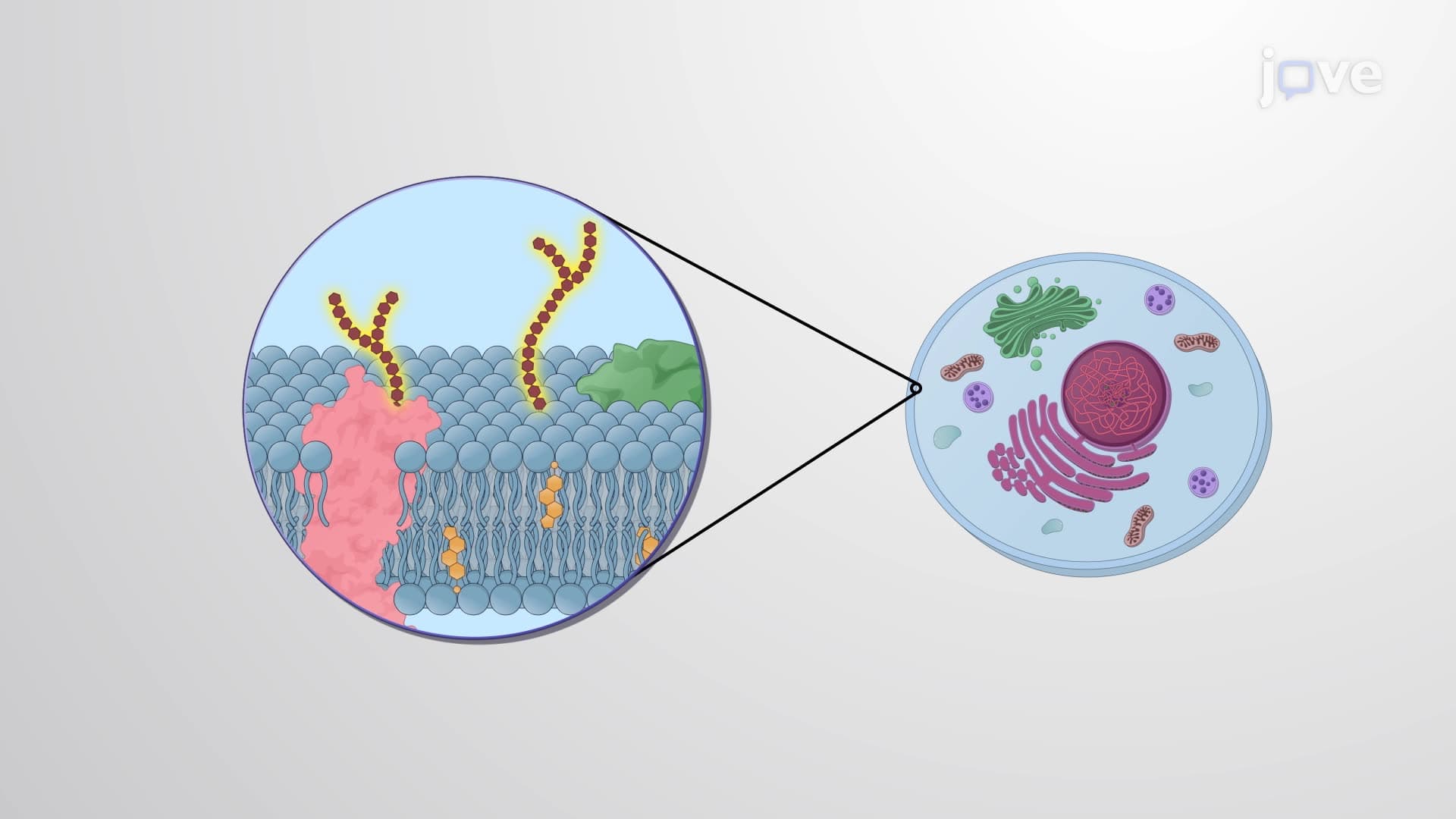
Small intestine absorption nutrient mechanisms depend on molecular characteristics. Nonpolar molecules like fatty acids can cross lipid membranes passively, following concentration gradients without energy expenditure. However, polar molecules such as glucose amino acid absorption require active transport systems. These energy-dependent processes can move nutrients against concentration gradients, ensuring complete uptake even when intestinal concentrations are low.
Vitamin mineral absorption demonstrates both mechanisms. Fat-soluble vitamins (A, D, E, K) dissolve in lipid micelles for passive absorption, while water-soluble vitamins often require specific transport proteins. Iron absorption involves complex regulation through proteins like ferroportin, which prevents toxic iron overload-a mechanism students frequently encounter on the MCAT and AP Biology exams.
Understanding nutrient absorption mechanism helps explain conditions like lactose intolerance (deficient lactase enzyme), celiac disease (villus destruction), and Crohn's disease (inflammation affecting absorption). These examples regularly appear on nursing entrance exams (HESI A2, TEAS) and medical school assessments (USMLE Step 1). College physiology courses emphasize how absorption efficiency affects nutritional status, particularly relevant for understanding malabsorption syndromes in clinical practice.
Related Micro-courses