Loading video…


 40 Concepts
 89.8K views

Video Summary: What Is Salivary Glands and Saliva
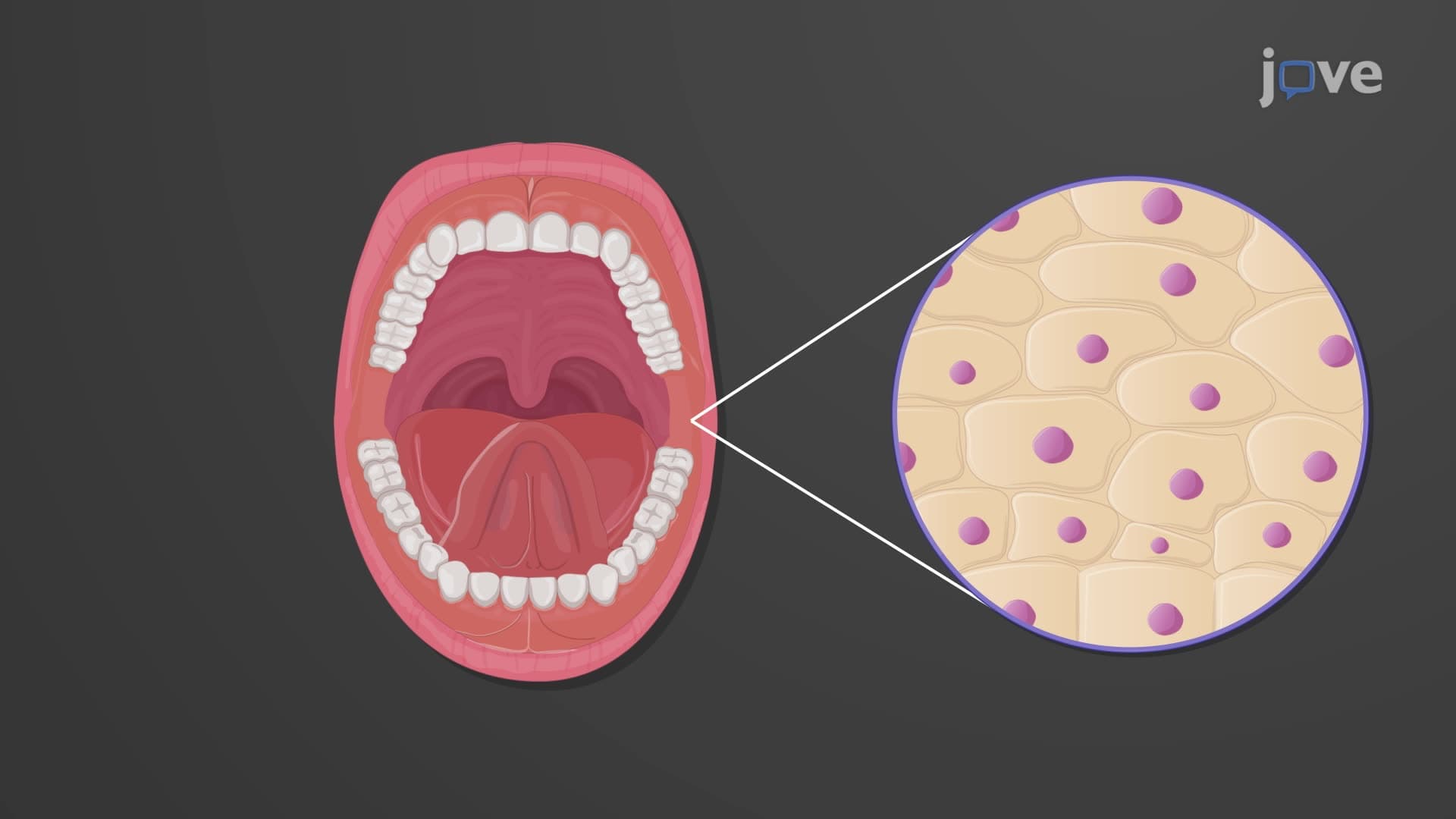
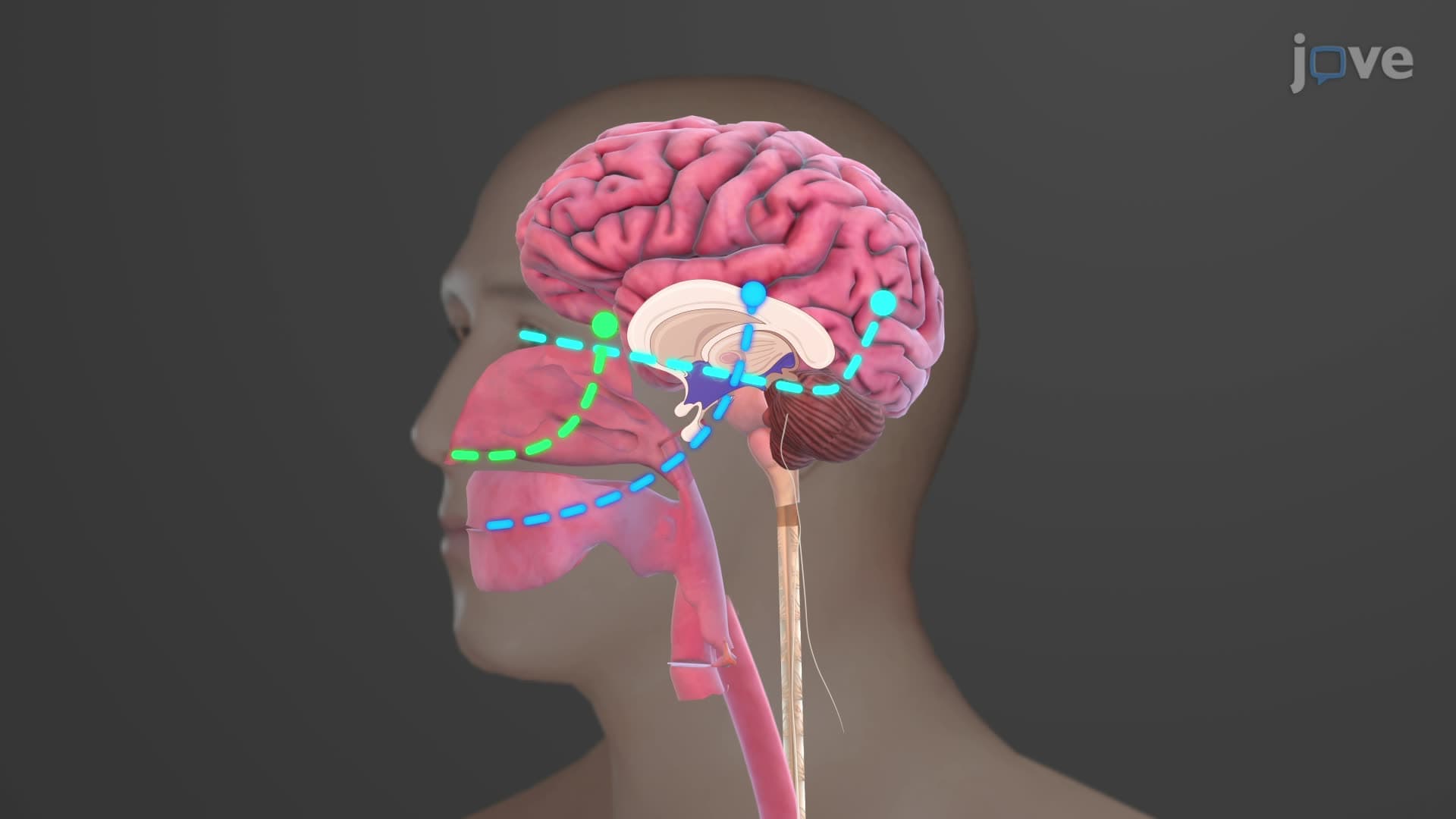
Did you know that you produce enough saliva daily to fill a 20-ounce water bottle? Understanding salivary glands saliva biology reveals how these specialized structures work together to begin digestion before food even reaches your stomach. Medical students at Johns Hopkins University study this system extensively because salivary dysfunction can signal serious health conditions. What is salivary glands and saliva encompasses both the anatomical structures and their biochemical products that maintain oral health and initiate carbohydrate breakdown. Watch the full video on JoVE Coach to master this concept with expert-led visuals and step-by-step explanations.
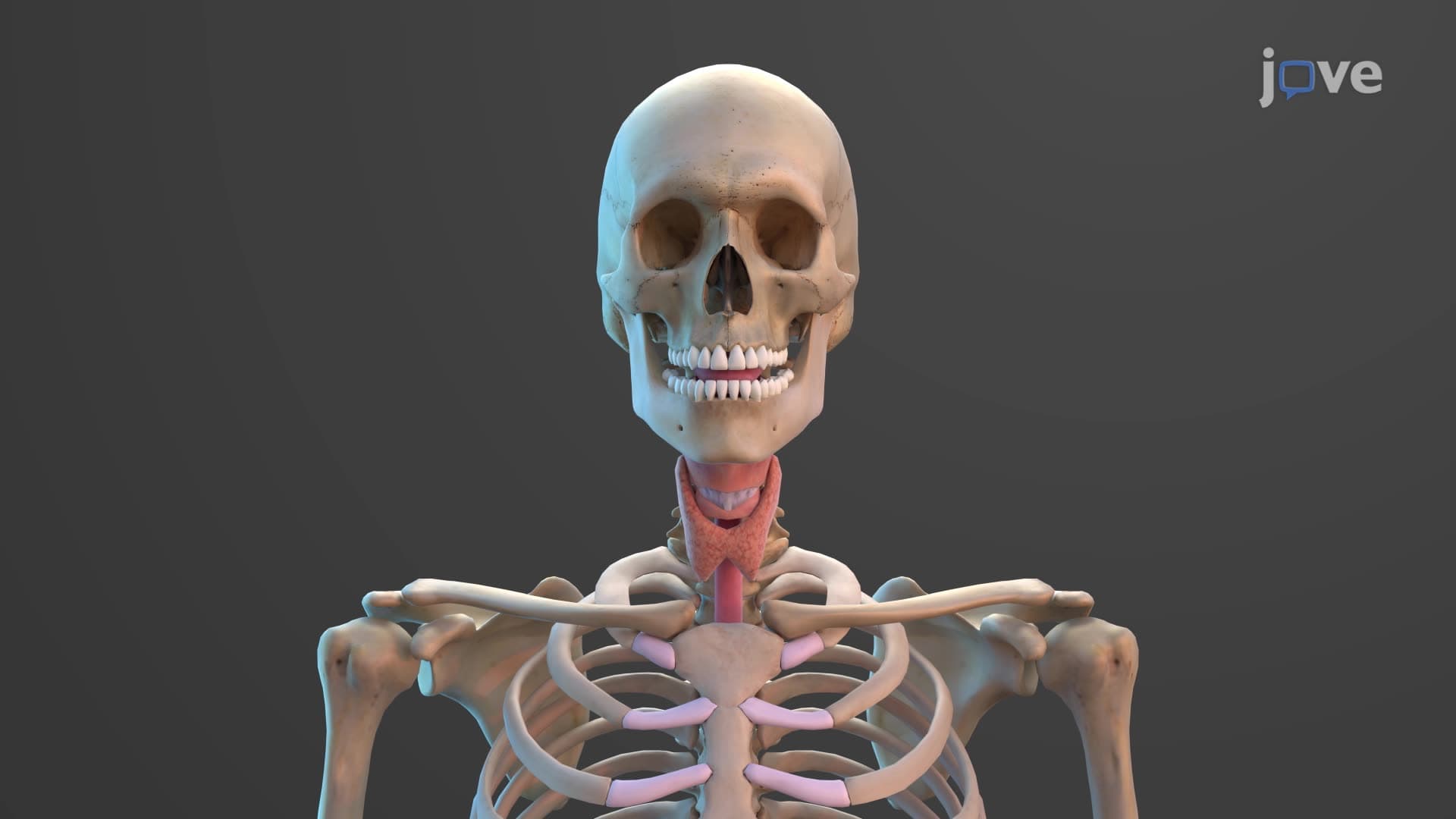
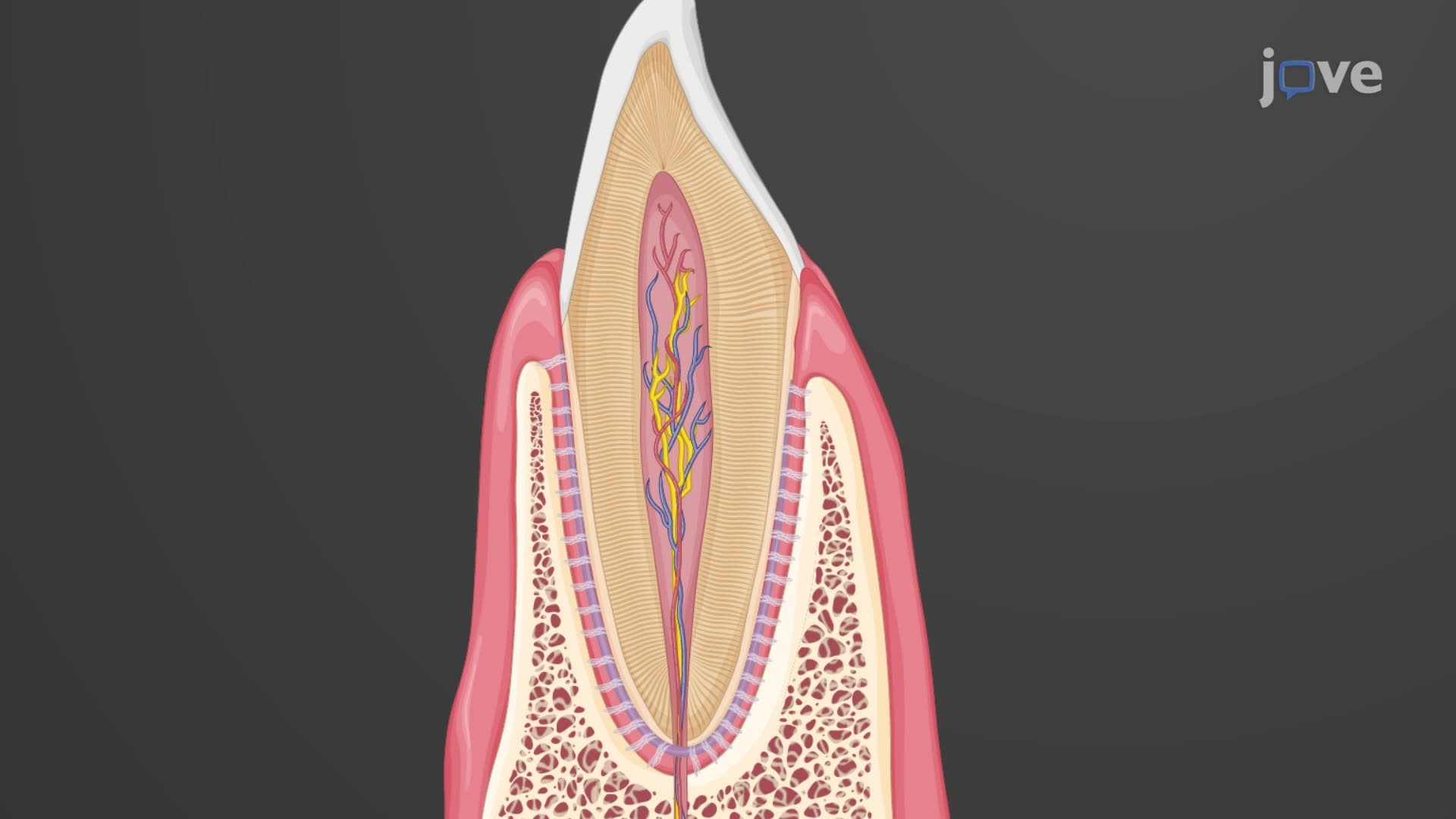
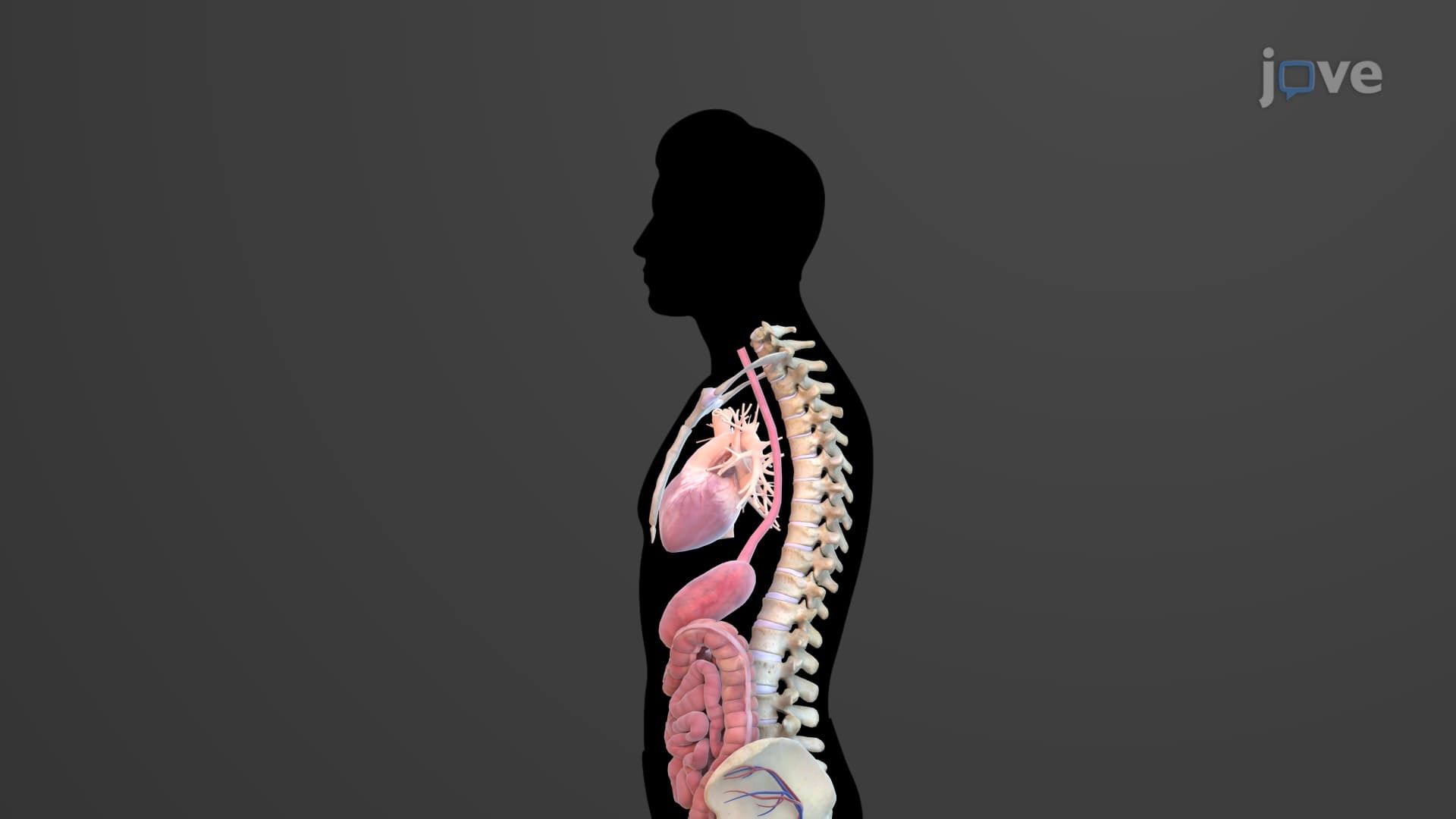
The human salivary system represents a sophisticated network of glands producing approximately 1-2 liters of saliva daily. This salivary glands saliva biology demonstrates remarkable biochemical complexity, with saliva containing over 97% water plus critical enzymes, electrolytes, and protective compounds. Students preparing for the MCAT or AP Biology exams must understand how this system bridges mechanical and chemical digestion phases.
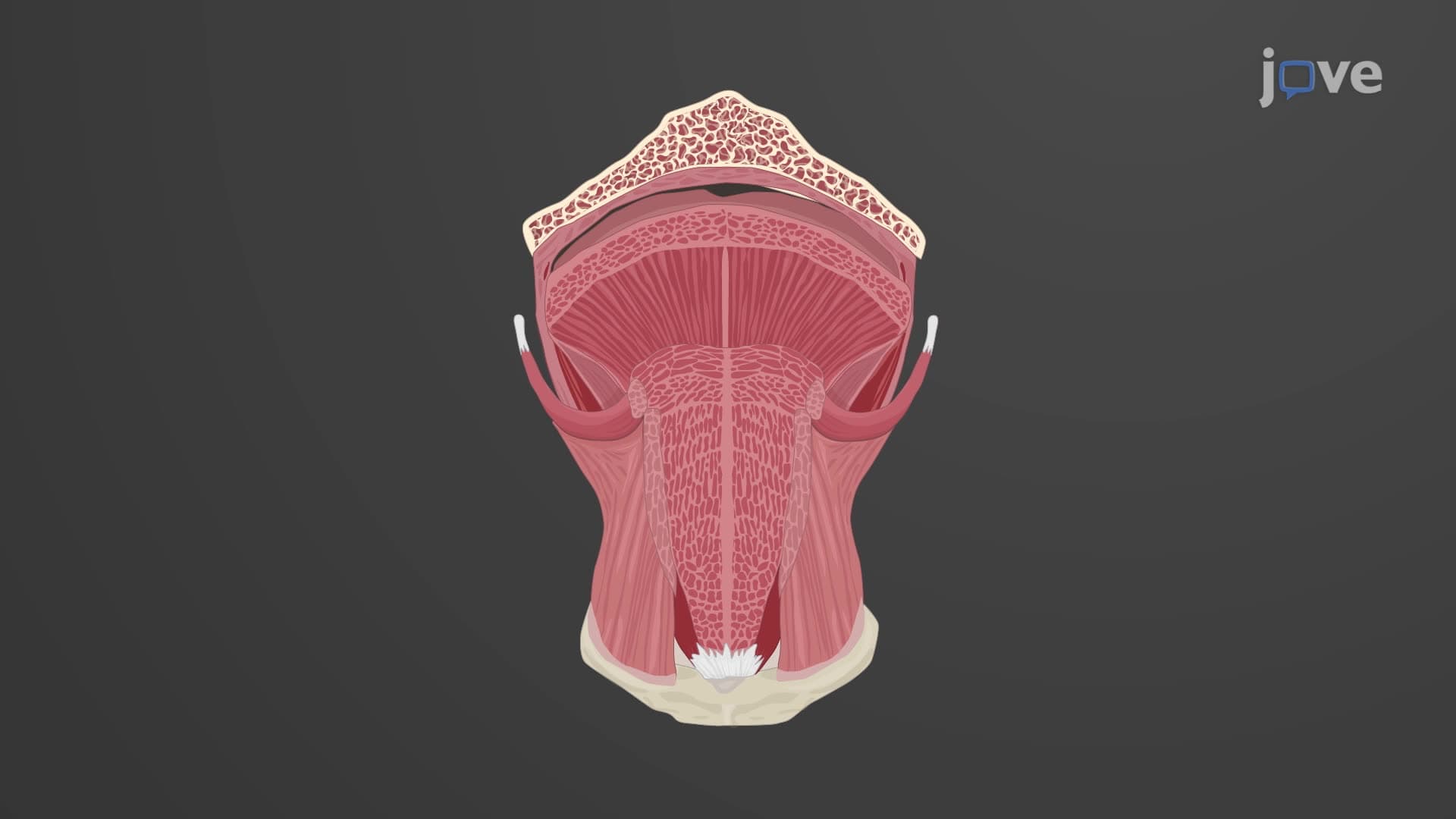
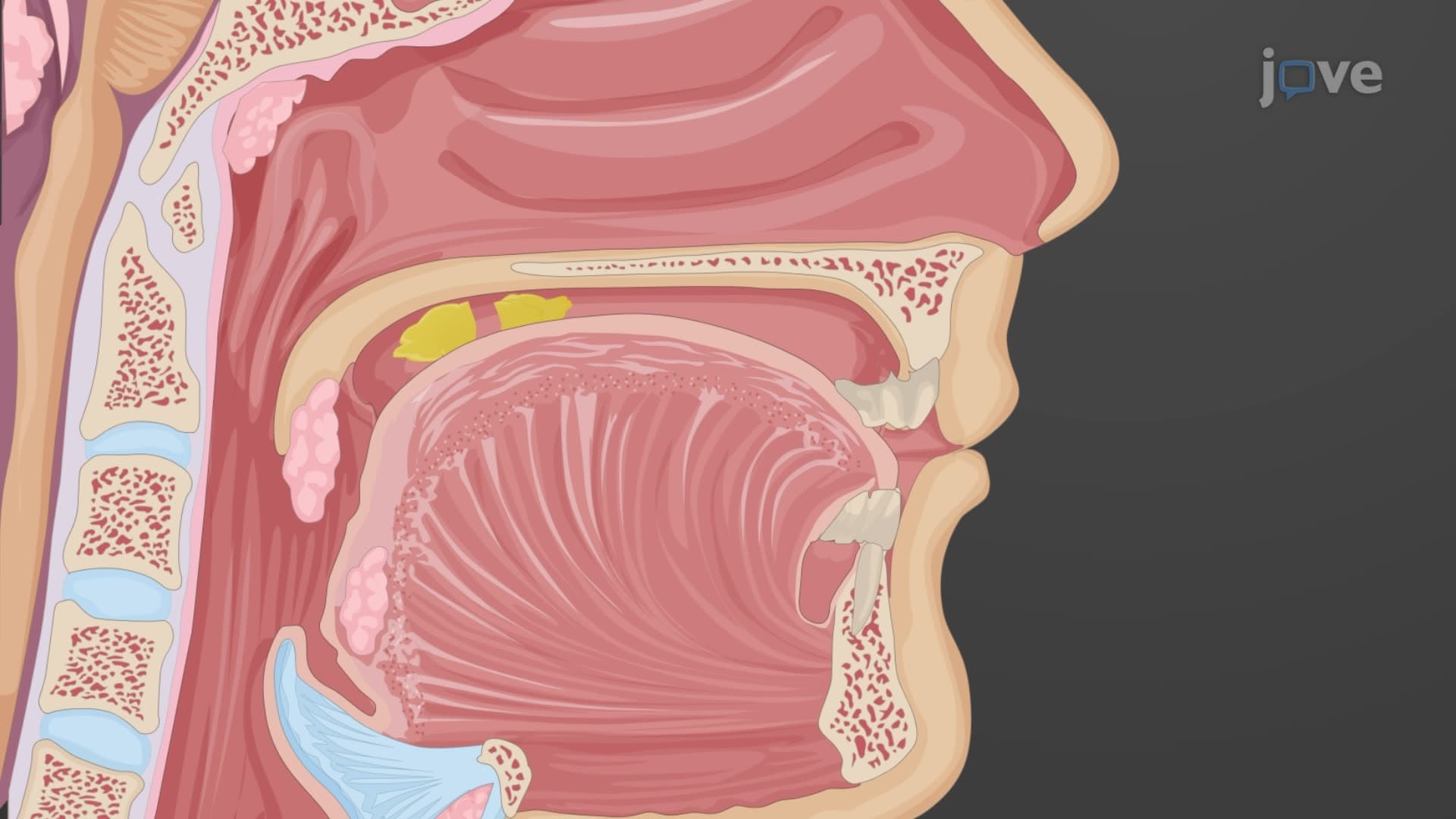
The parotid submandibular sublingual glands form the primary salivary triumvirate, each contributing distinct secretions. Parotid glands, located anterior to the ears, produce purely serous secretions rich in saliva amylase enzyme through Stensen's ducts. These largest salivary glands become clinically significant in mumps infections, commonly studied in medical school pathology courses at institutions like UCLA and Harvard Medical School.
Submandibular glands beneath the jaw produce mixed serous-mucous secretions through Wharton's ducts. Their strategic positioning makes them susceptible to stone formation, a condition frequently encountered by dental students at University of Pennsylvania School of Dental Medicine. The smallest sublingual glands produce predominantly mucous secretions through multiple minor ducts, creating the thick, protective coating essential for saliva function digestion processes.
Beyond water content, saliva contains α-amylase (ptyalin), which cleaves α-1,4-glycosidic bonds in starch molecules. This salivary gland function explained demonstrates how digestion begins in the mouth, not the stomach. Pre-med students studying for the MCAT learn that salivary pH (6.35-6.85) optimizes amylase activity while neutralizing dietary acids.
Additional components include lysozyme for bacterial control, lactoferrin for antimicrobial protection, and secretory IgA for immune defense. These factors make mucous serous salivary secretions crucial for oral health maintenance, topics emphasized in dental hygiene programs at institutions like New York University College of Dentistry.
Understanding salivary duct flow mechanisms helps healthcare professionals diagnose conditions like Sjögren's syndrome or medication-induced xerostomia. College anatomy courses and NCLEX preparation emphasize how sympathetic stimulation reduces salivary flow while parasympathetic activation increases secretion volume and enzyme concentration.
Related Micro-courses