Loading video…


 40 Concepts
 89.8K views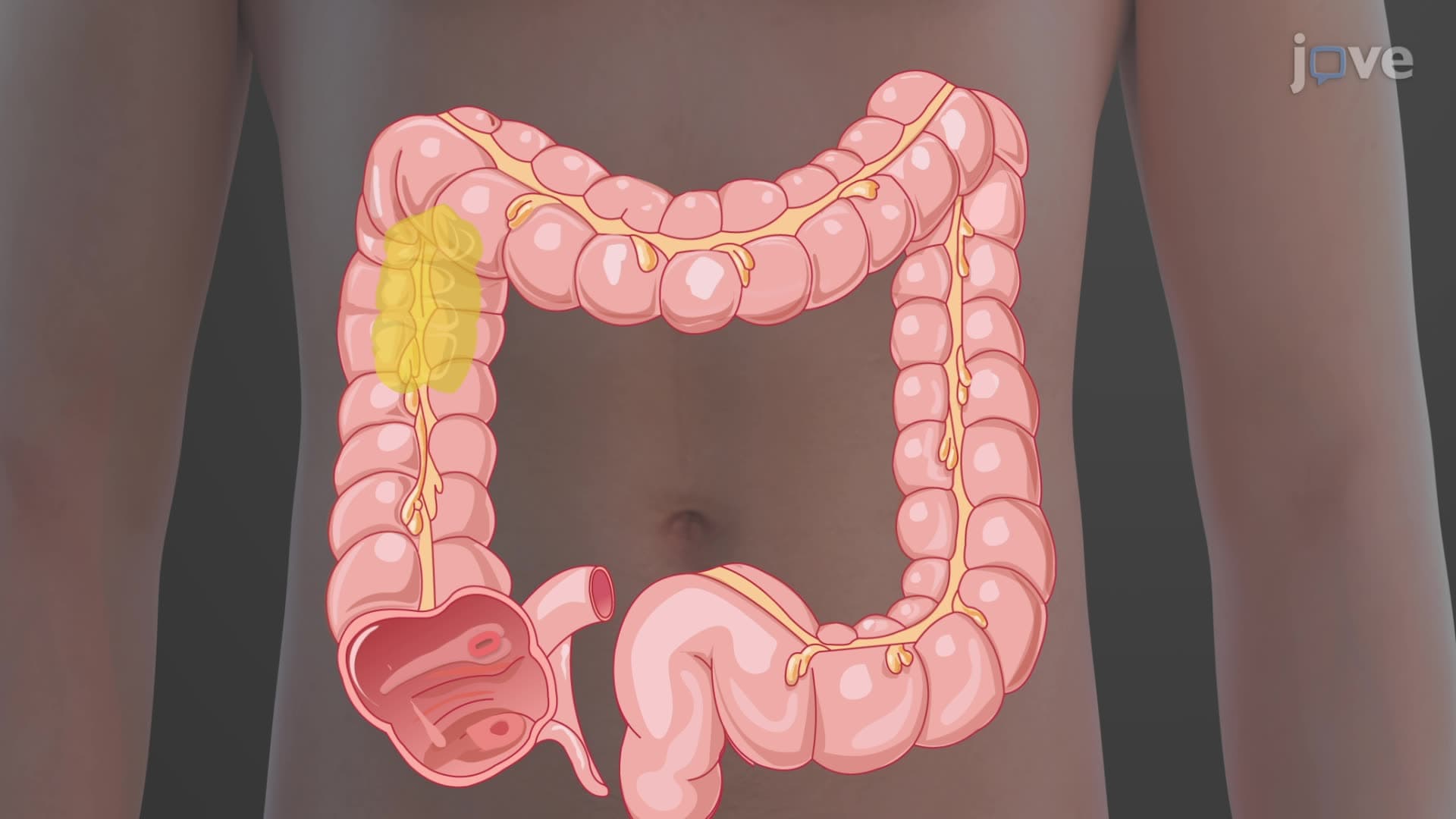

Video Summary: What Is Digestive Functions Large Intestine
Every day, your large intestine processes about 1.5 liters of liquid waste, transforming it into solid waste while salvaging crucial nutrients your body nearly missed. The large intestine digestive functions involve complex bacterial fermentation, water absorption, and muscular contractions that occur over 12-24 hours. Consider how patients with inflammatory bowel disease at Johns Hopkins often experience disrupted colon function, highlighting the critical importance of understanding what is digestive functions large intestine for both health and disease. Watch the full video on JoVE Coach to master this concept with expert-led visuals and step-by-step explanations.
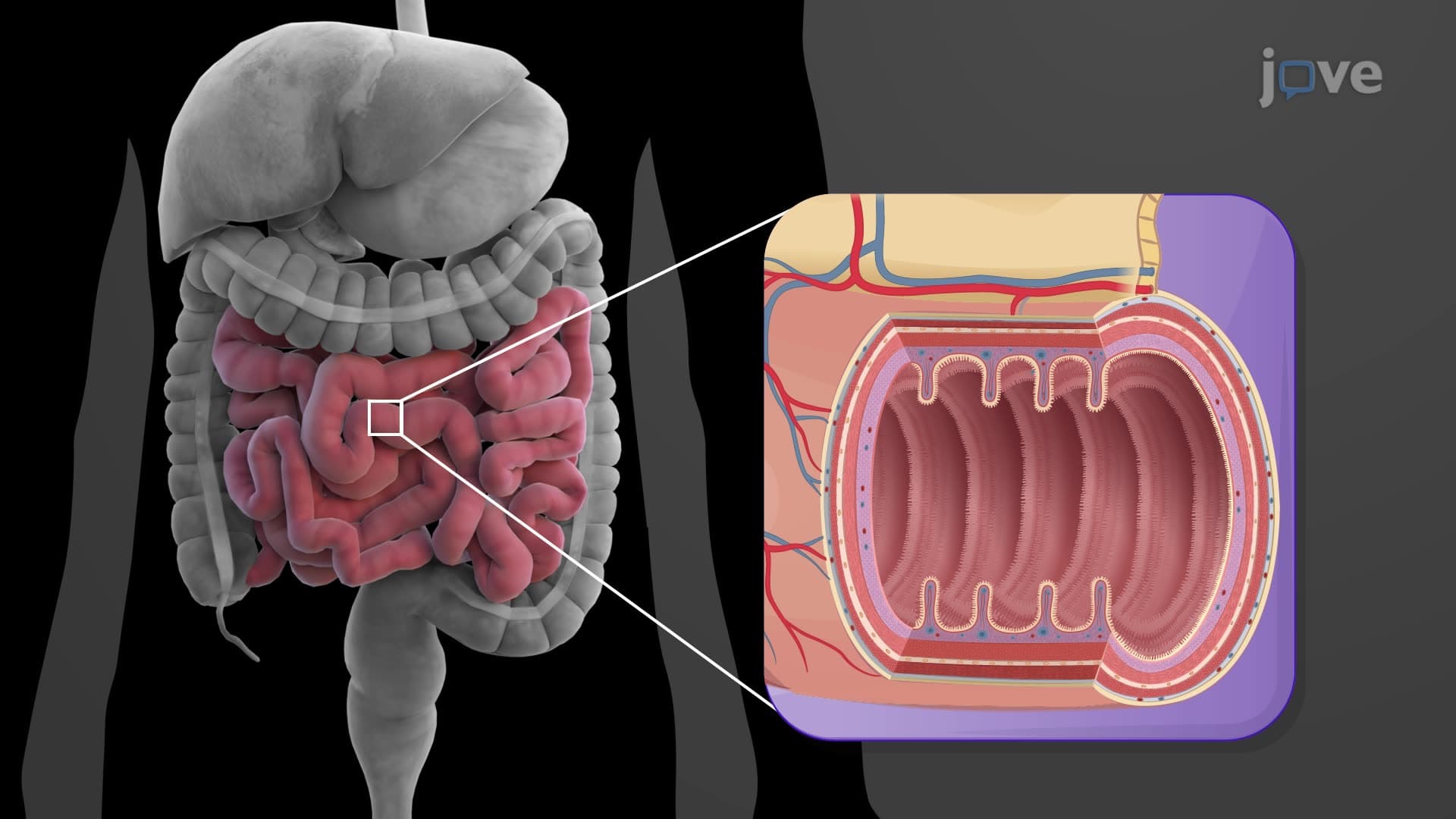
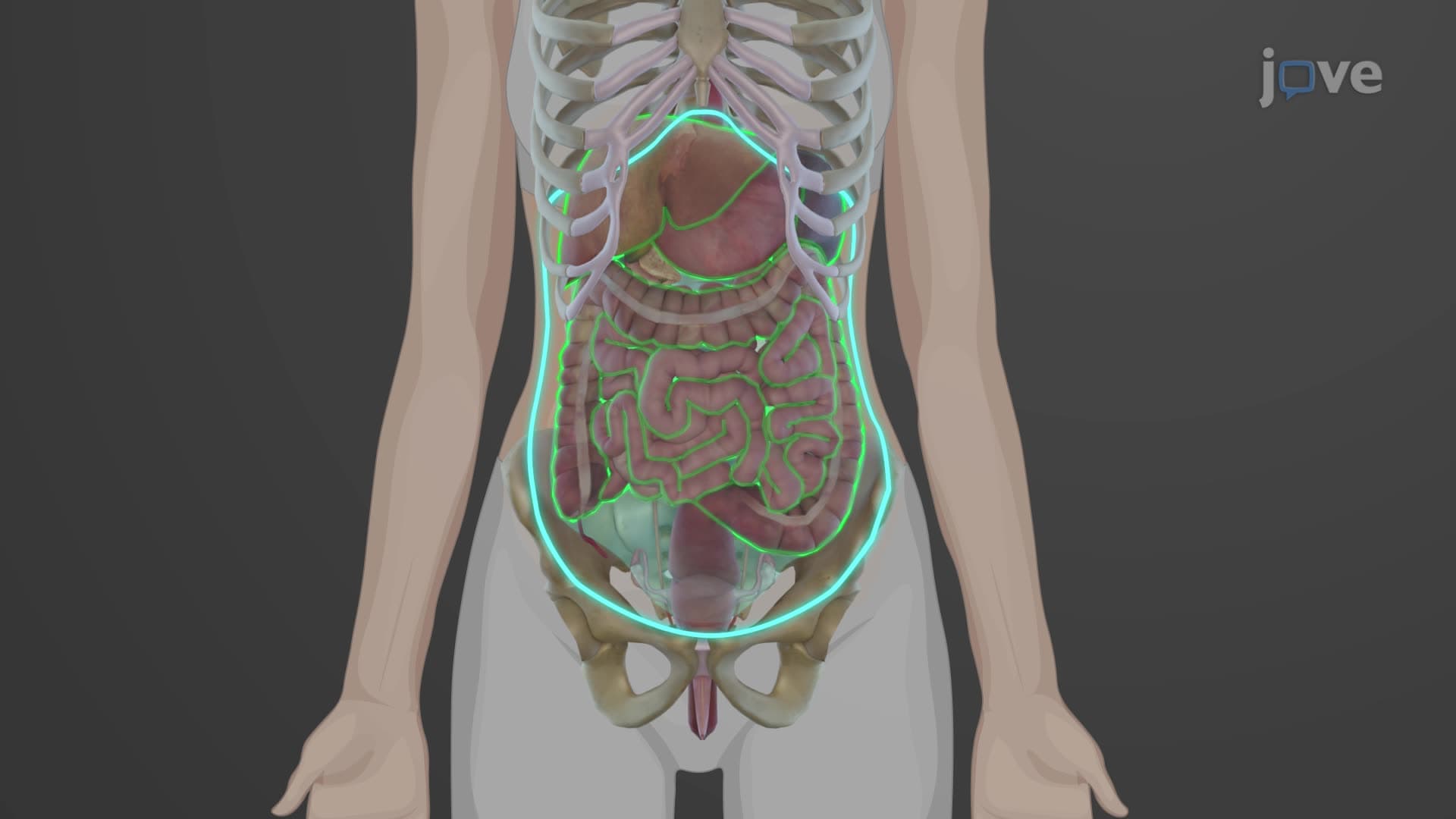
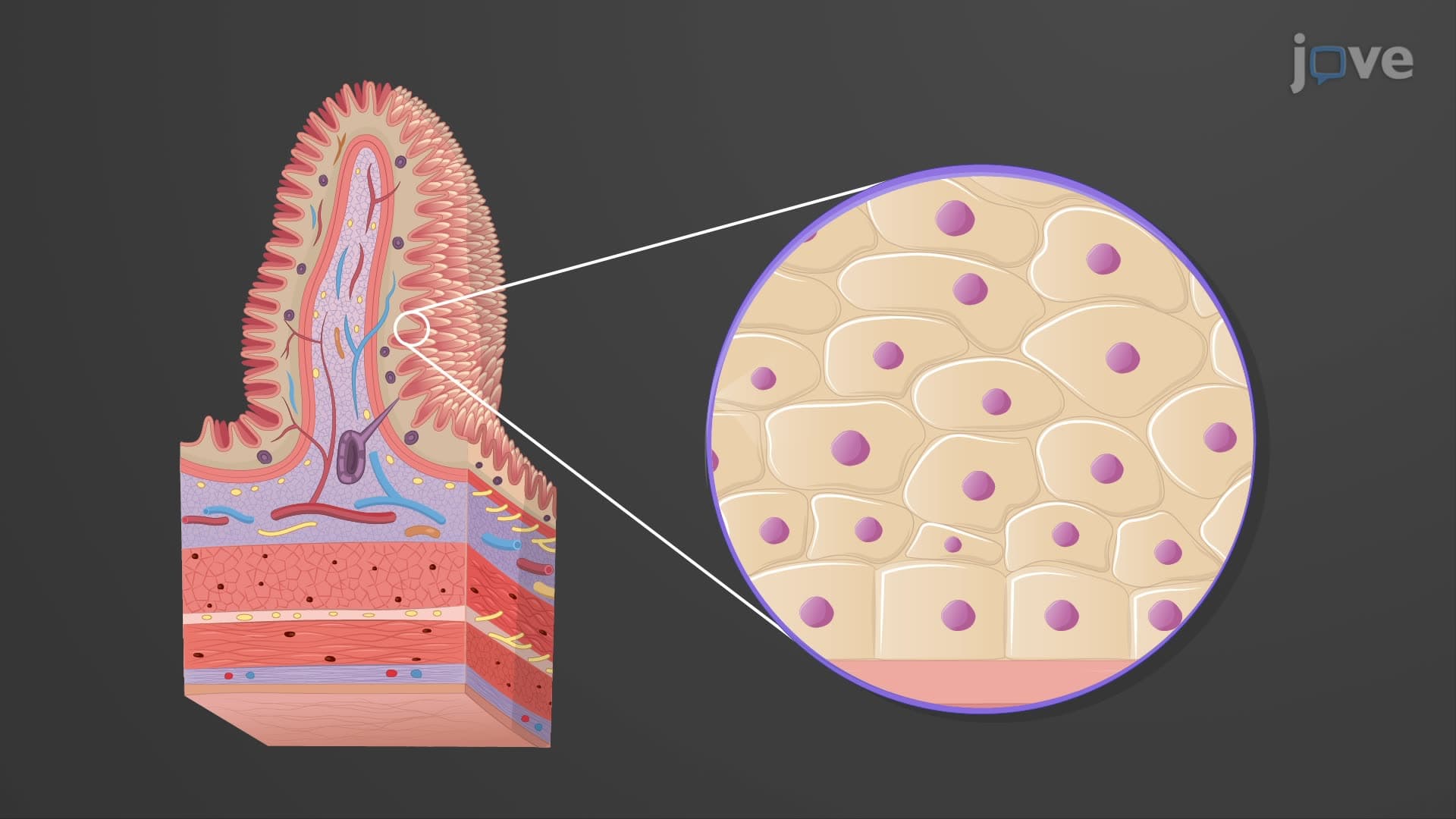
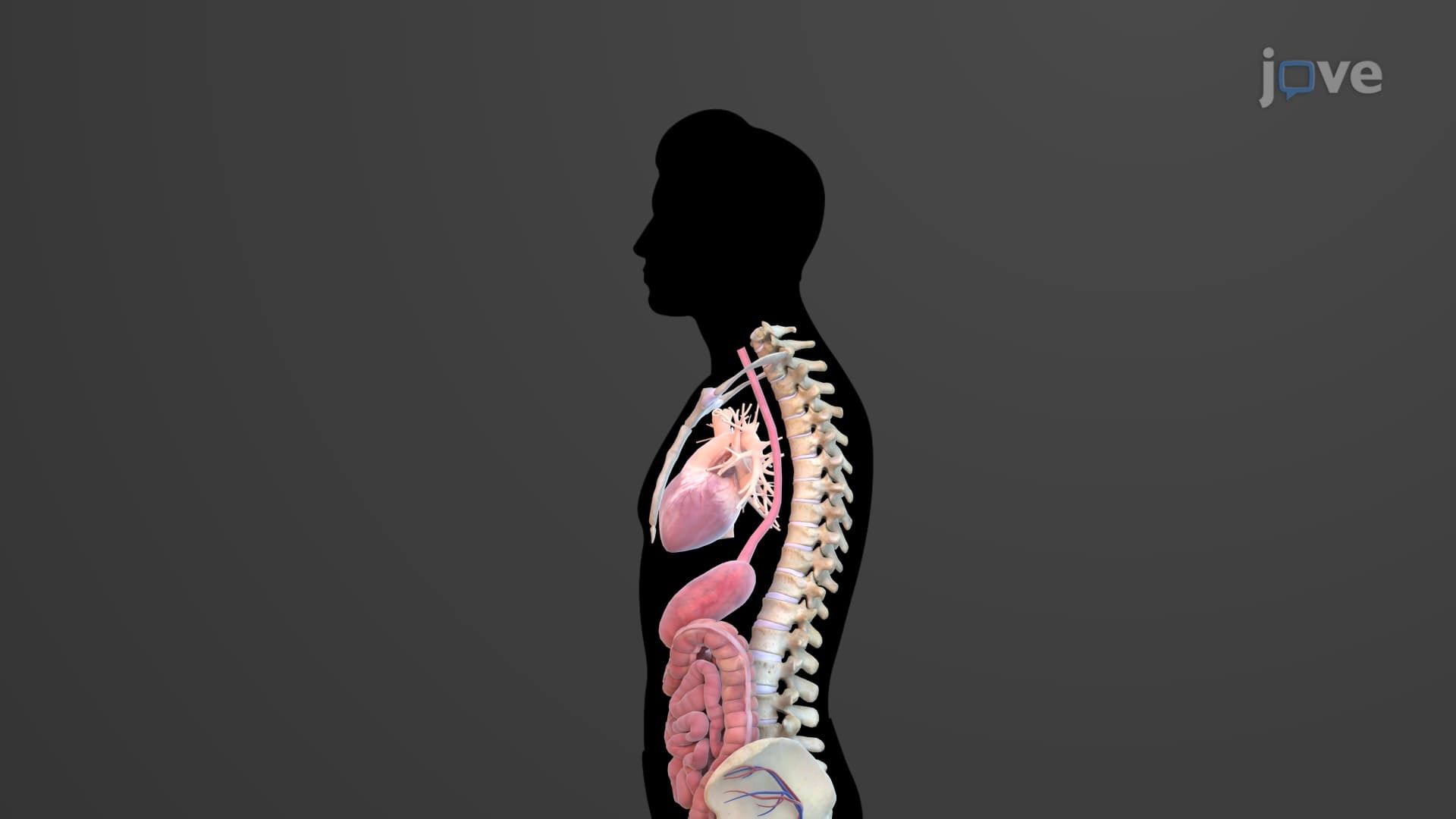
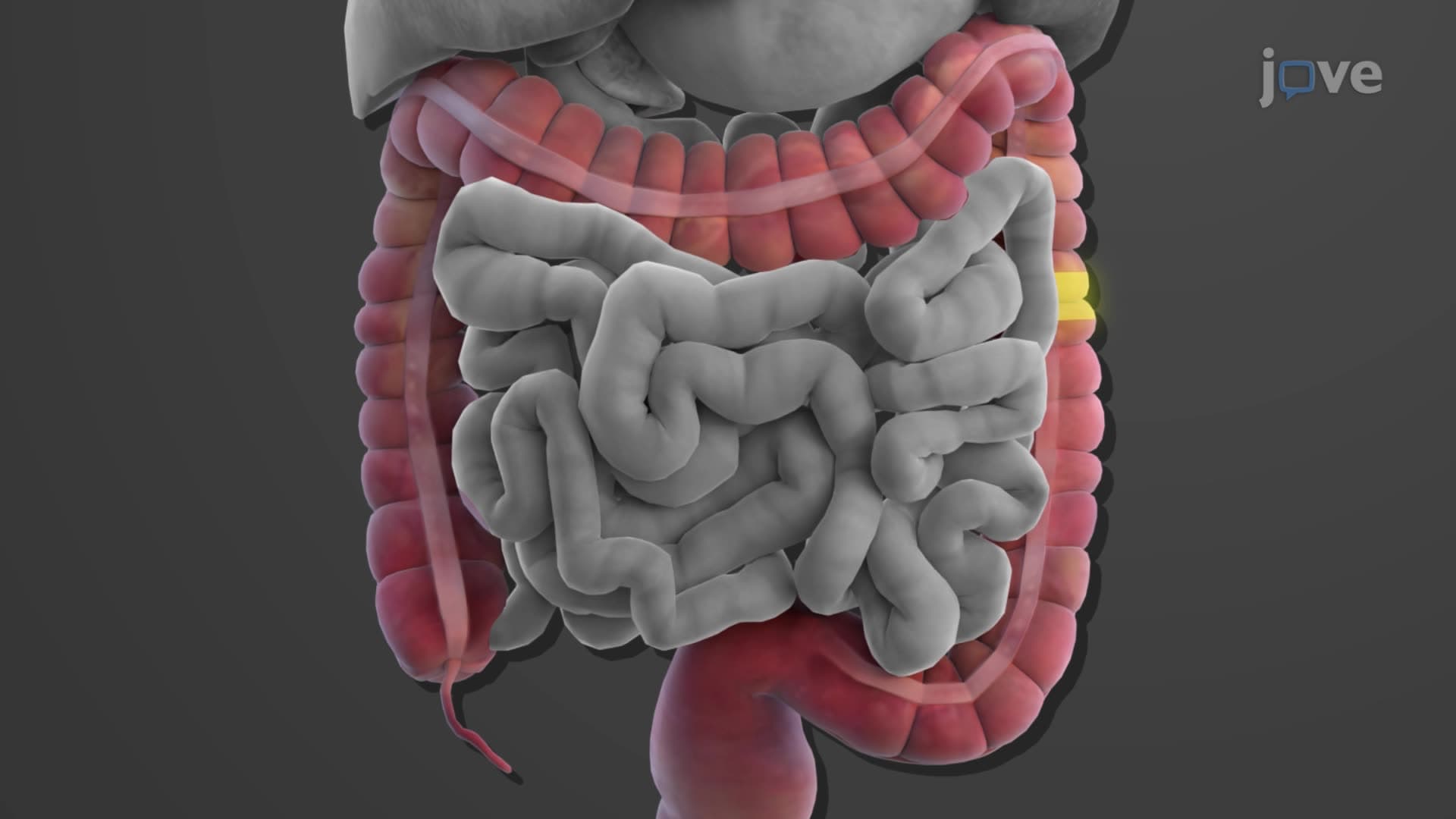
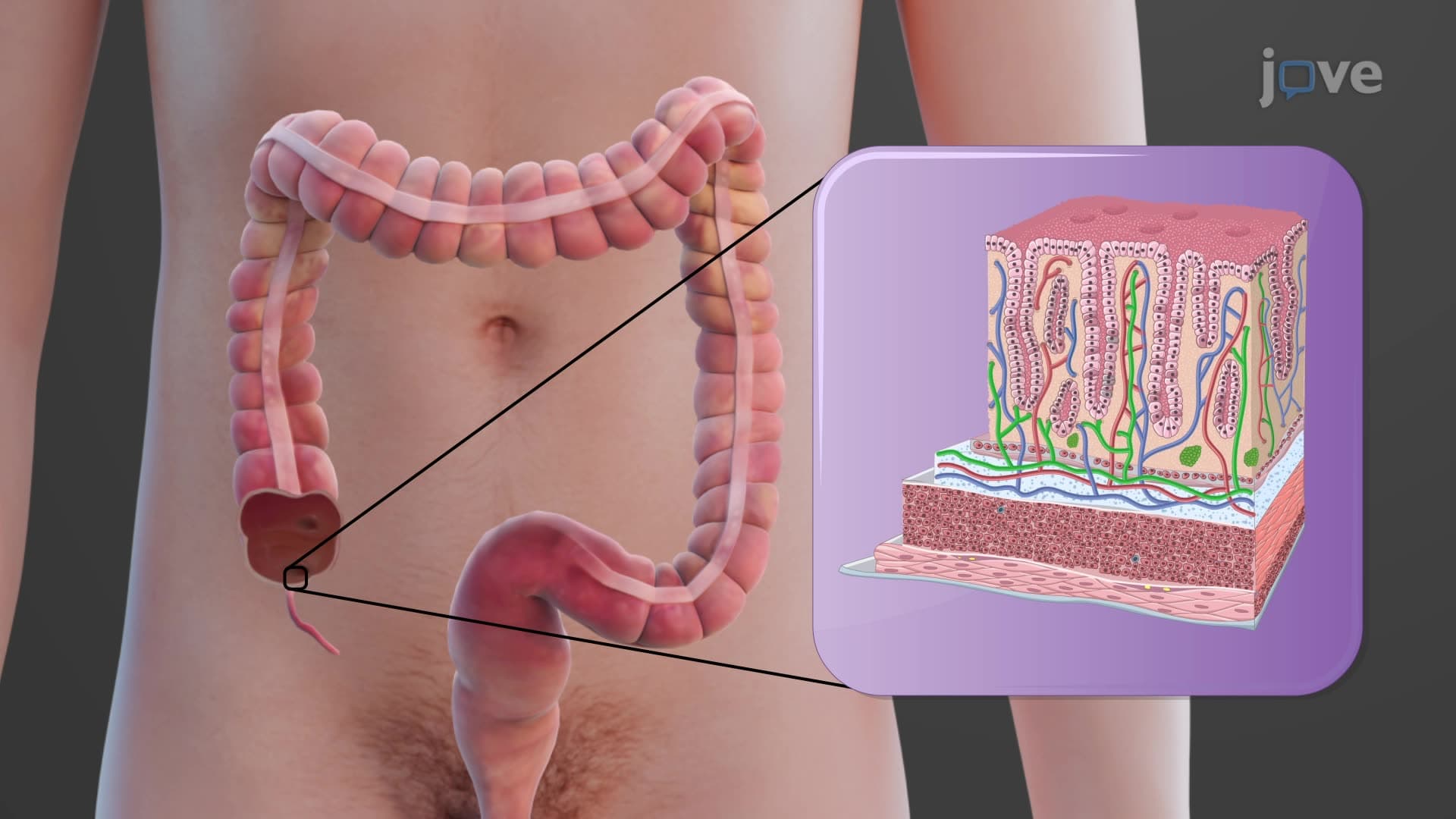
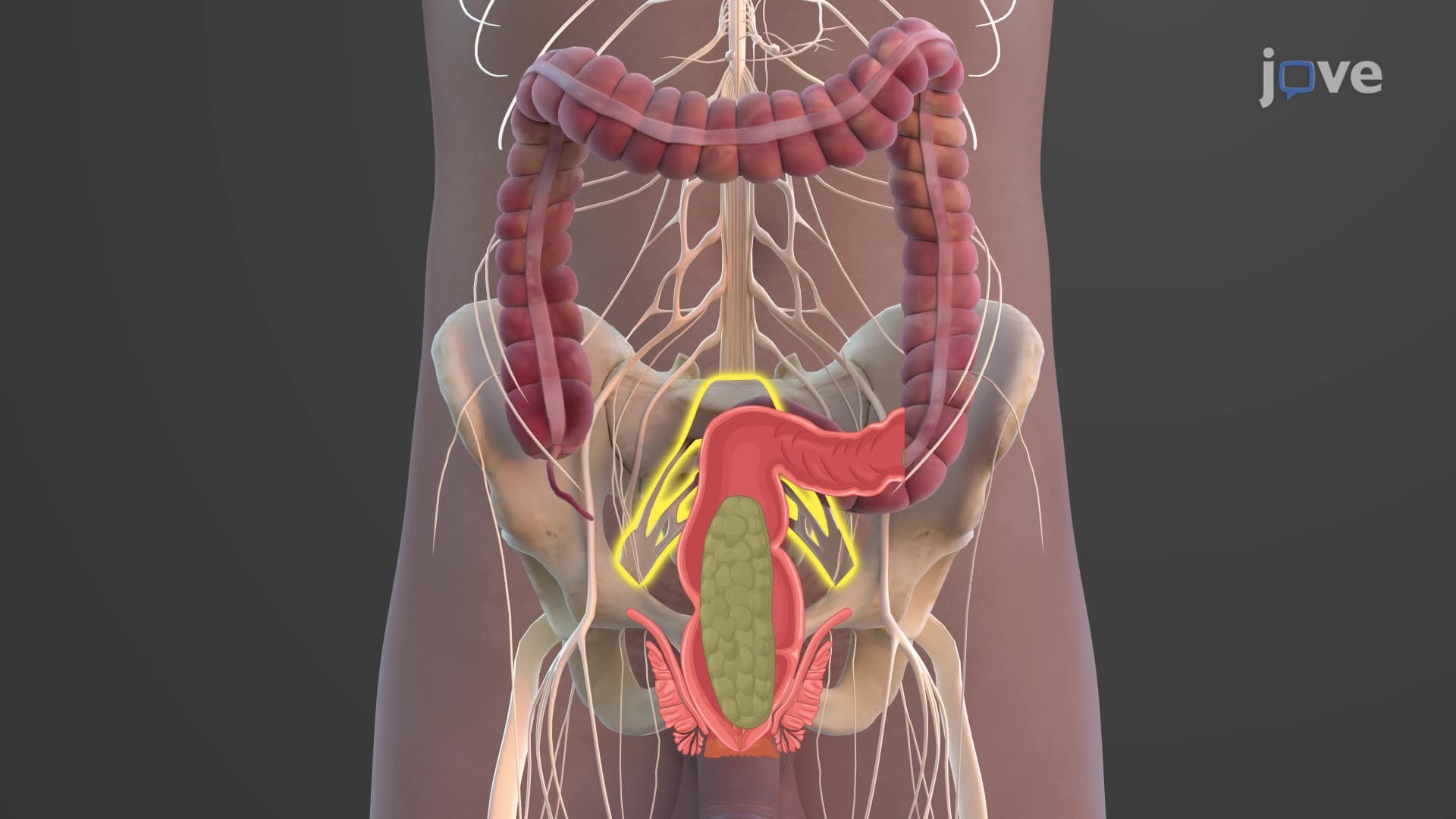
The large intestine digestive functions represent the final and often underappreciated stage of nutrient processing in the human digestive system. Unlike the small intestine's focus on macronutrient absorption, the large intestine specializes in water recovery, electrolyte balance, and waste consolidation. This 5-foot-long organ processes approximately 1-2 liters of liquid chyme daily, transforming it into semi-solid feces while extracting every possible benefit for the body.
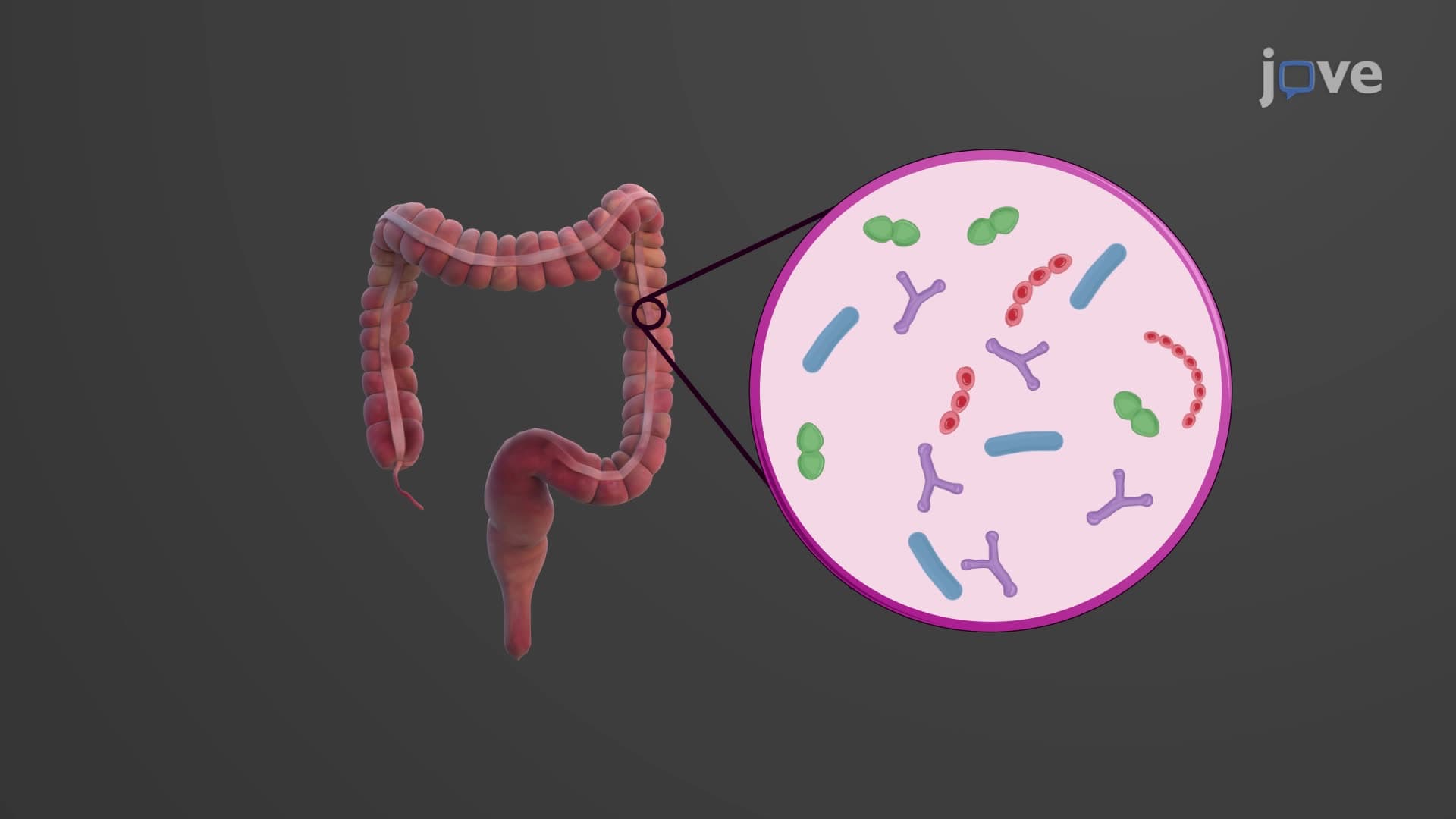
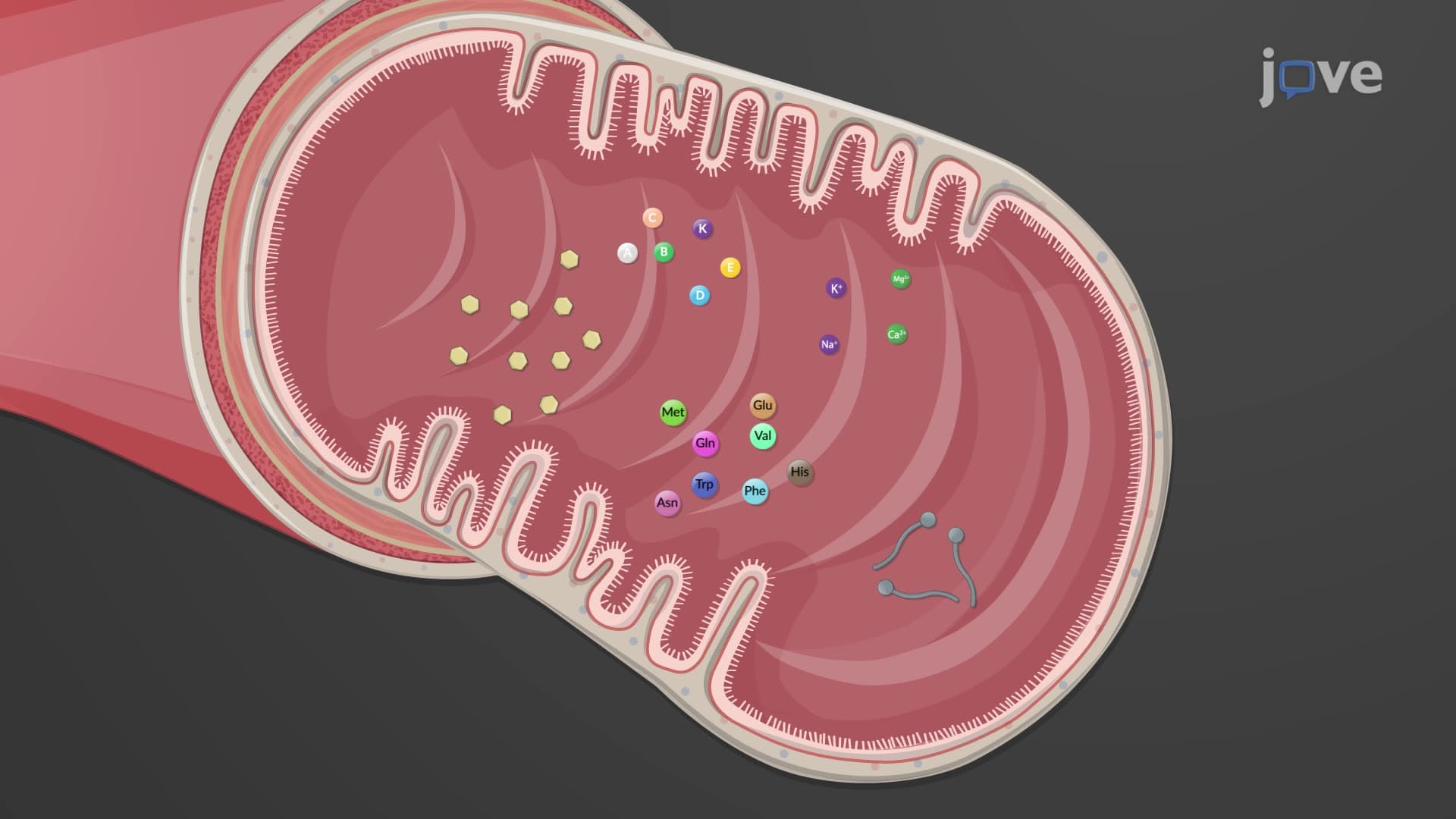
When examining colon function digestion explained, bacterial fermentation stands as perhaps the most remarkable process. The cecum houses over 100 trillion beneficial bacteria that ferment indigestible carbohydrates, producing short-chain fatty acids that provide energy for colon cells. This fermentation process synthesizes essential vitamins, particularly vitamin K (crucial for blood clotting) and several B vitamins including biotin and folate. Medical students studying for the MCAT often encounter questions about this symbiotic relationship, as disruptions in gut microbiota can lead to vitamin deficiencies seen in conditions like antibiotic-associated diarrhea.
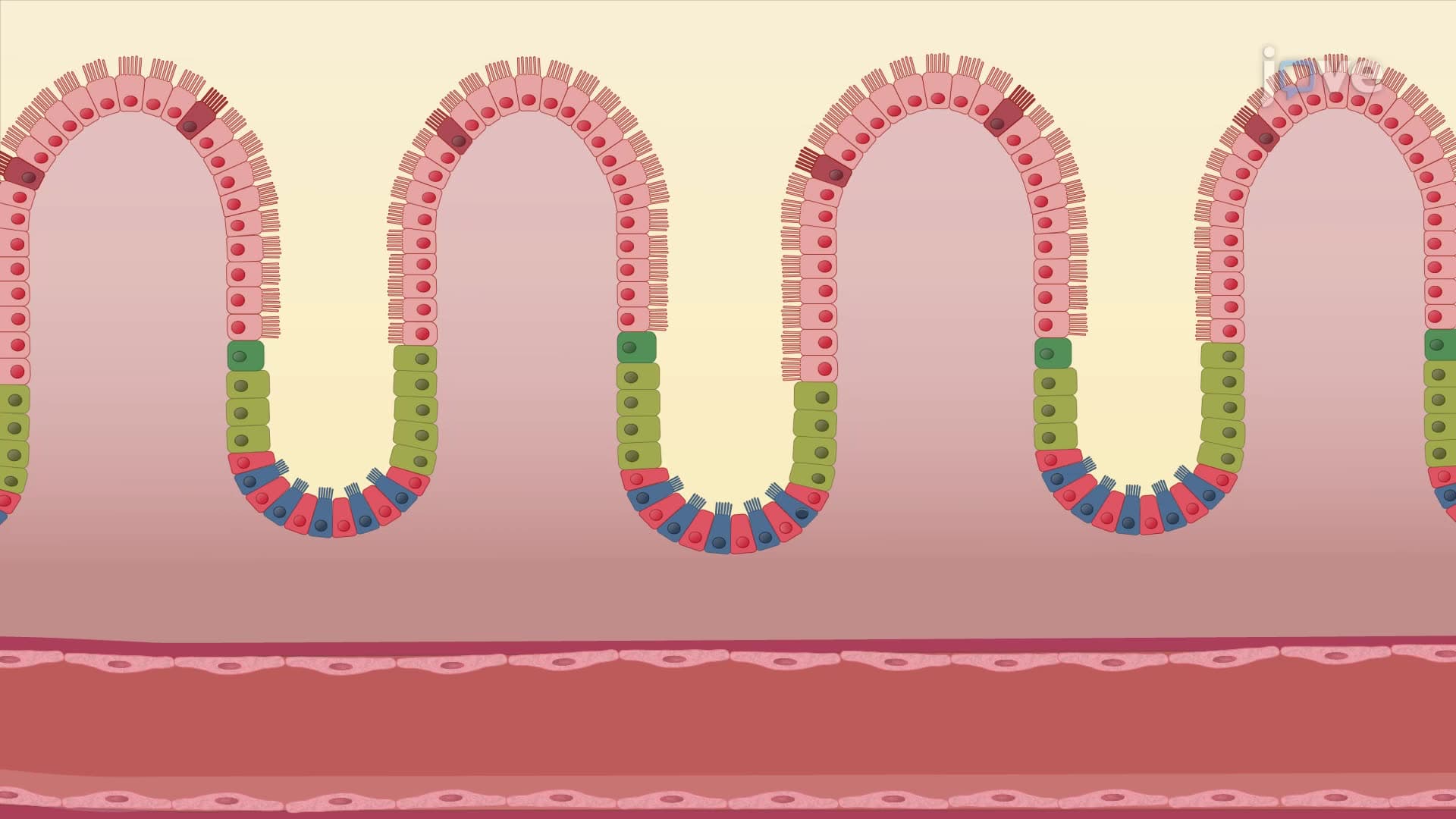
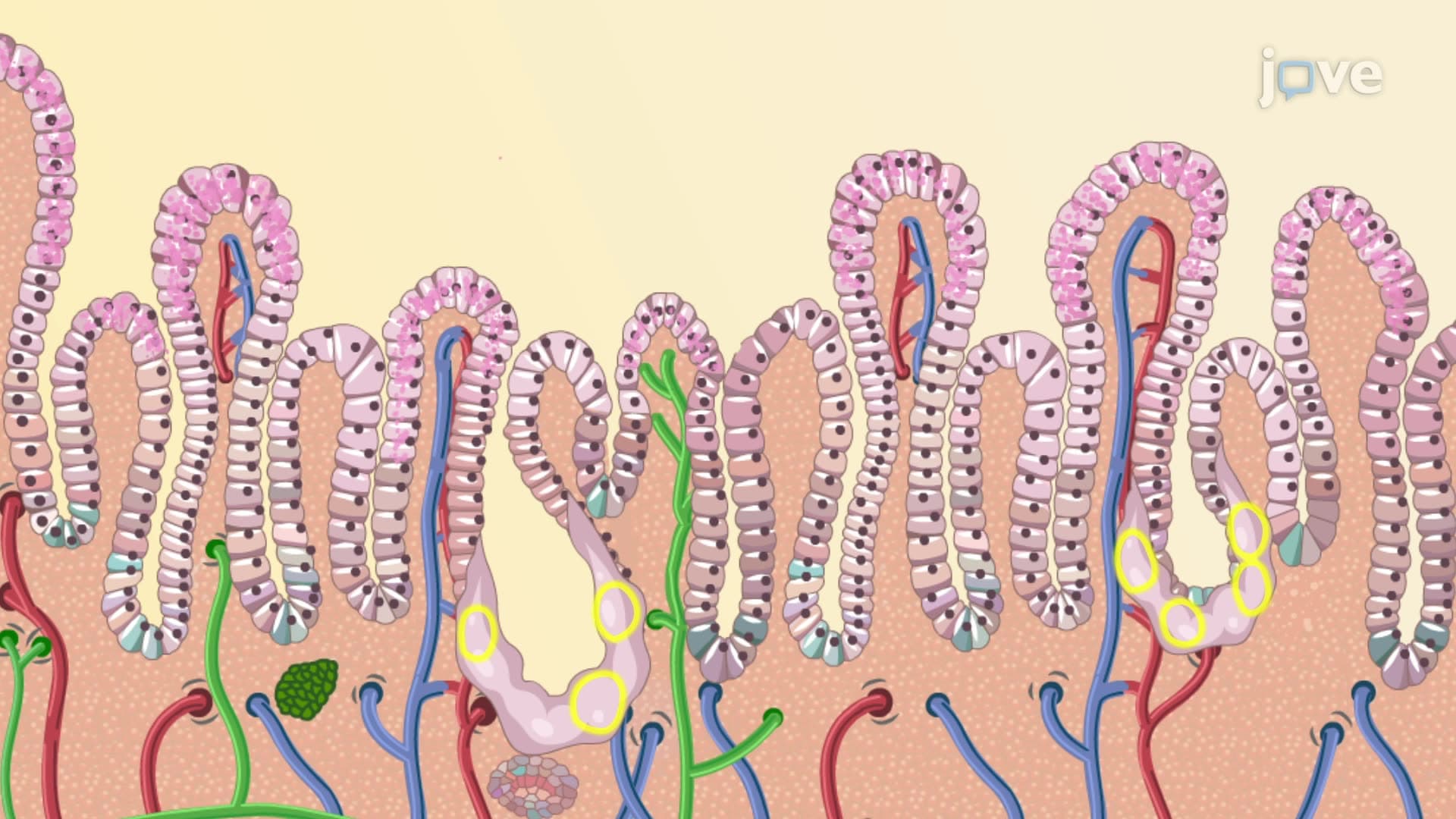
The water absorption colon function operates with remarkable efficiency, recovering approximately 80-85% of the water entering the large intestine. This process occurs primarily through sodium-potassium pumps in the intestinal wall, creating an osmotic gradient that draws water from the intestinal lumen. Simultaneously, electrolyte reabsorption colon mechanisms recover vital minerals like sodium, chloride, and potassium. Students preparing for AP Biology exams should note that this process explains why severe diarrhea can quickly lead to dehydration and electrolyte imbalances requiring emergency treatment at hospitals like Mayo Clinic.
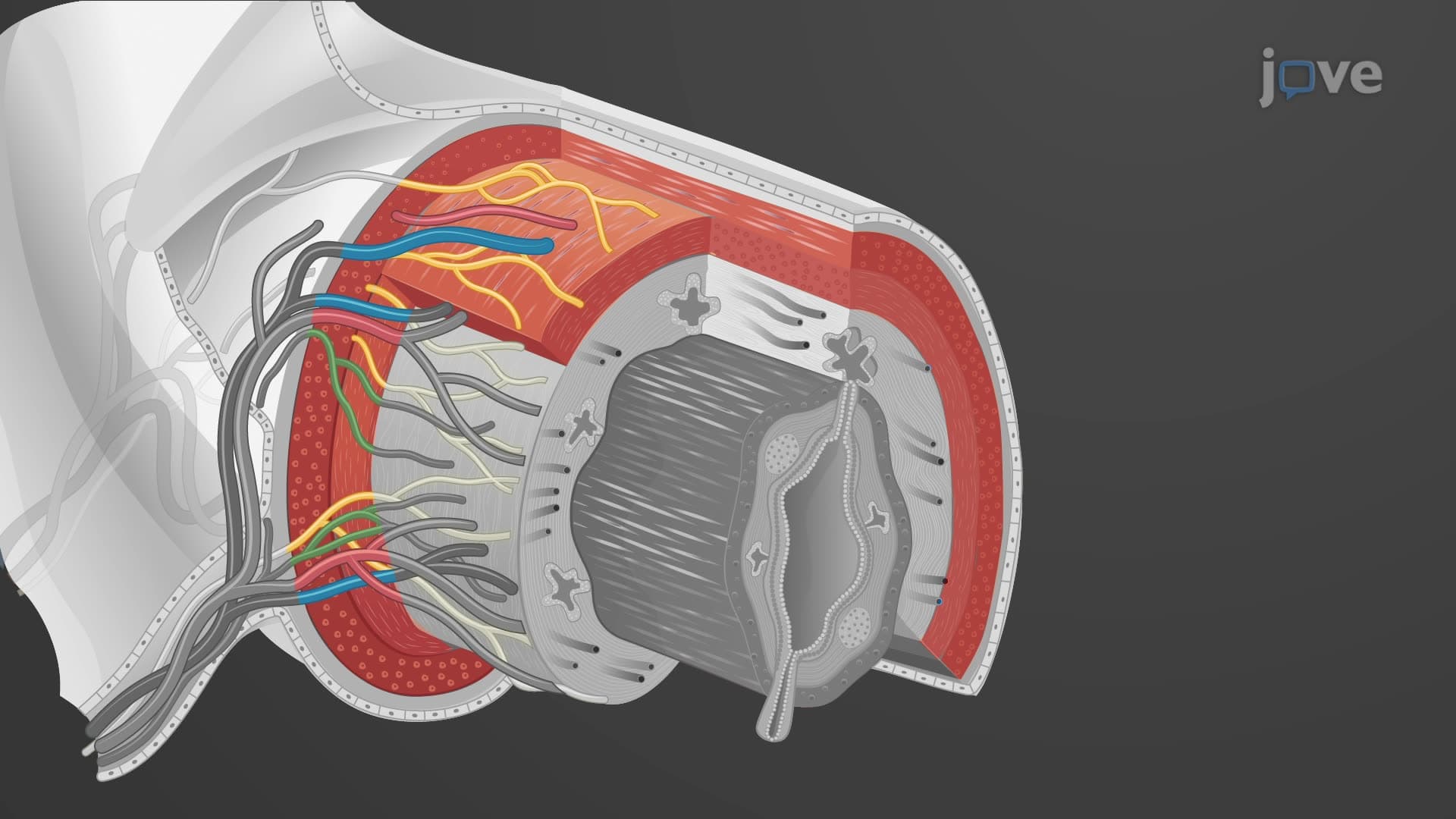
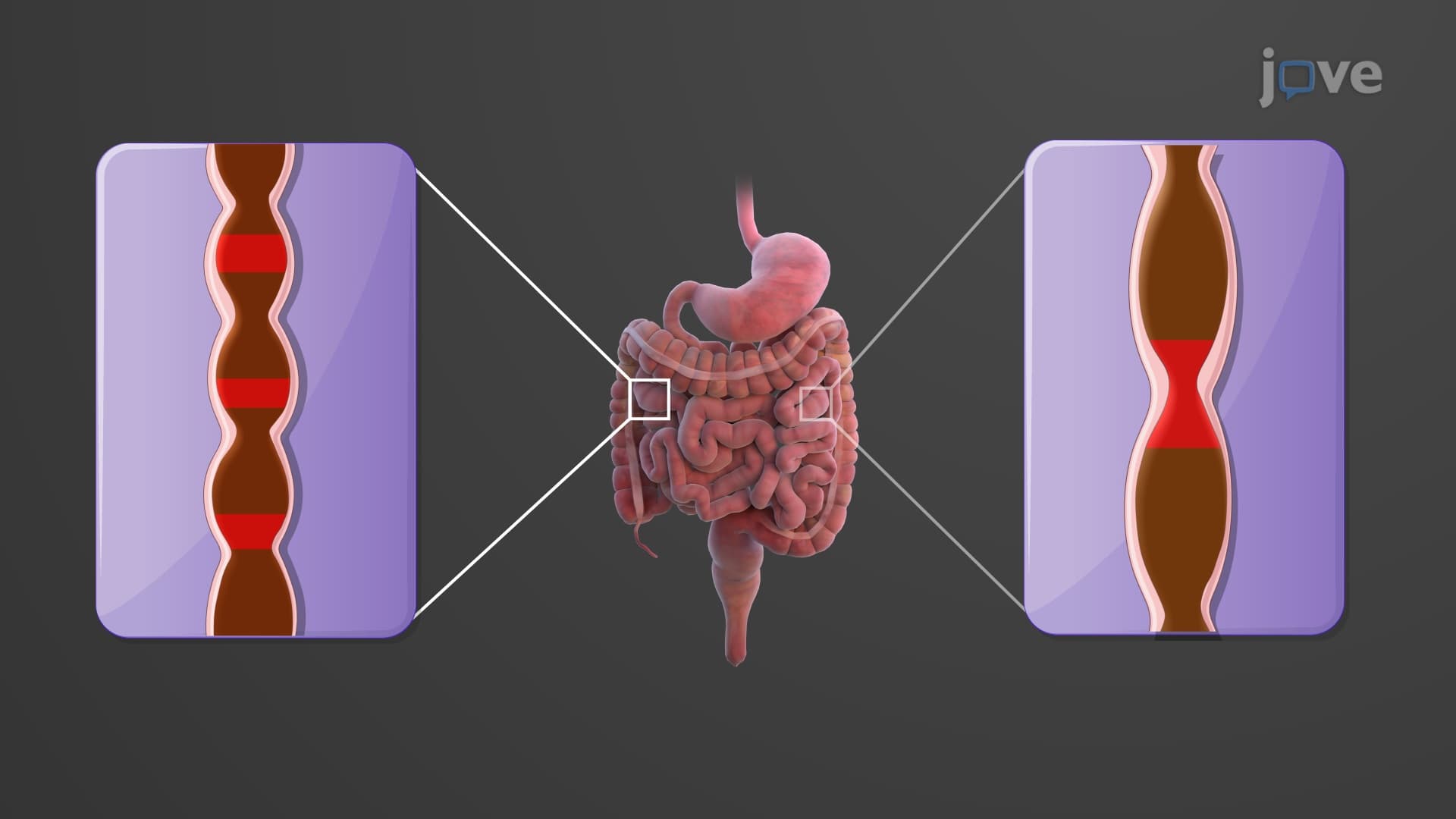
Understanding what are the digestive functions of the large intestine requires appreciating the coordinated muscular movements that facilitate processing. Haustral churning creates segmented contractions every 30 minutes, allowing thorough mixing and maximal absorption. These contractions work alongside slower peristaltic waves (3-12 per minute) and the powerful mass peristalsis that occurs 3-4 times daily. College anatomy students often visualize this as a sophisticated conveyor system that maximizes contact time between intestinal contents and absorptive surfaces, ultimately leading to efficient feces formation colon processes that produce well-formed stool.
Related Micro-courses