Loading video…


 40 Concepts
 89.8K views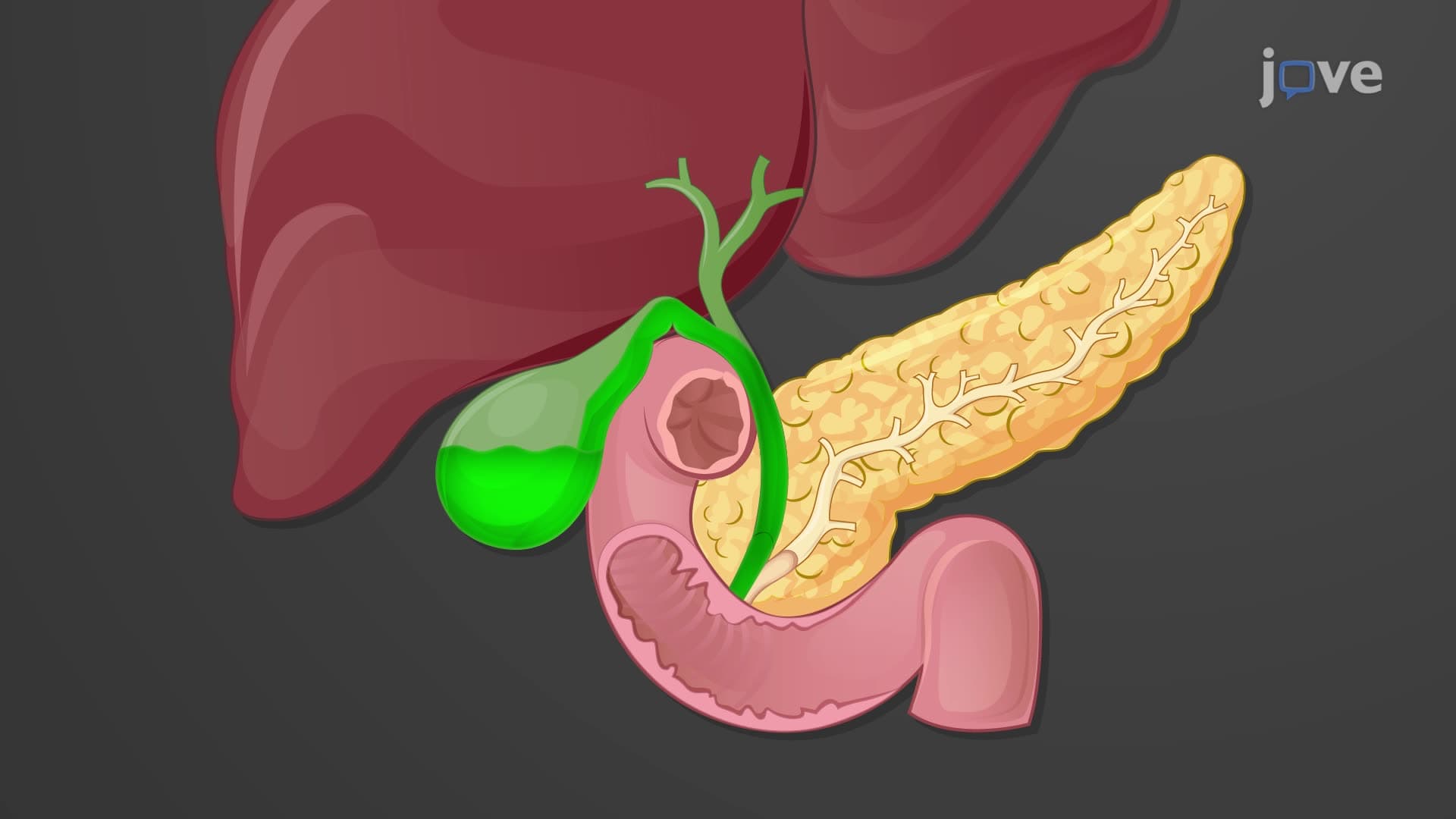

Video Summary: What Is Bile
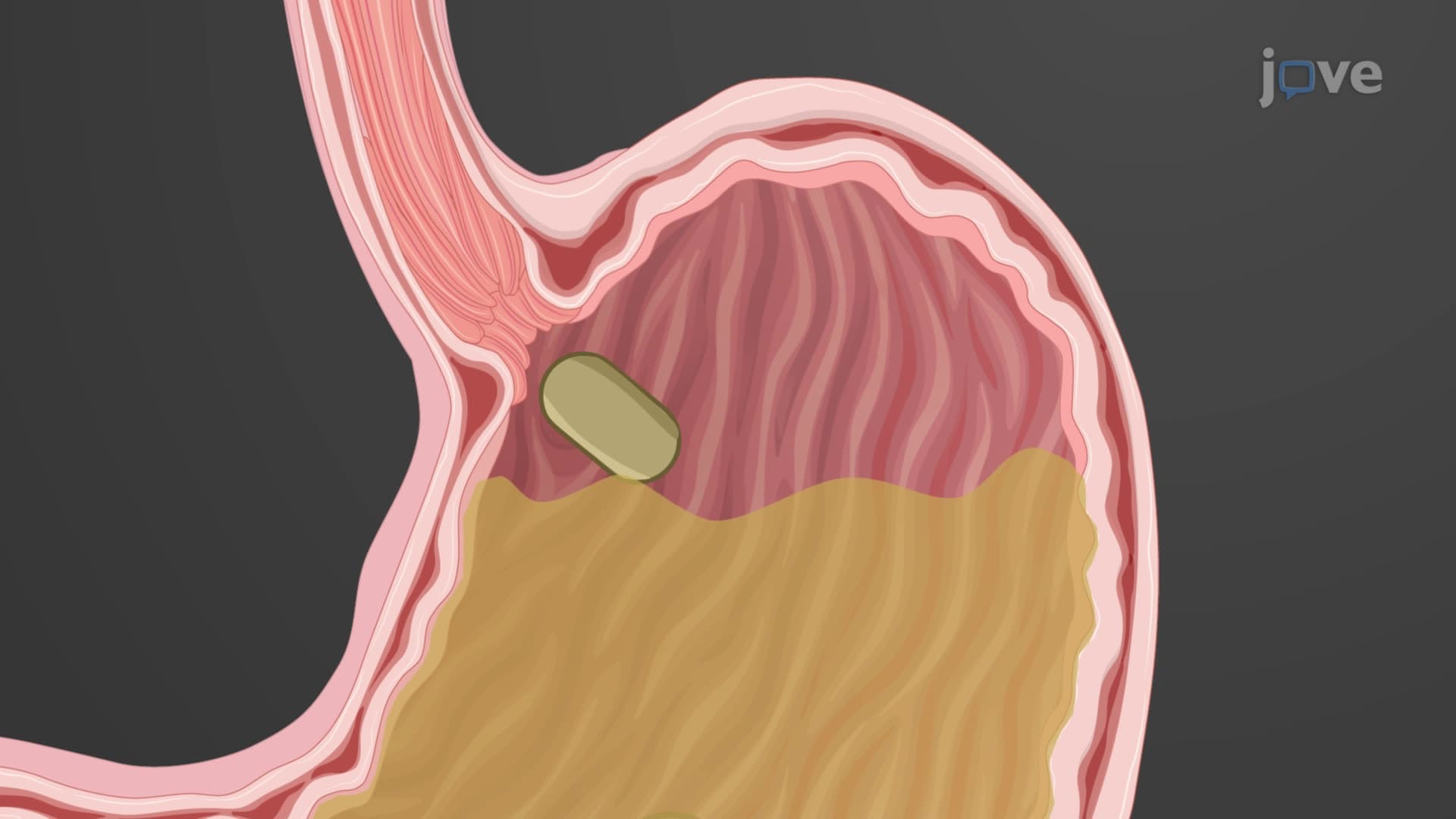
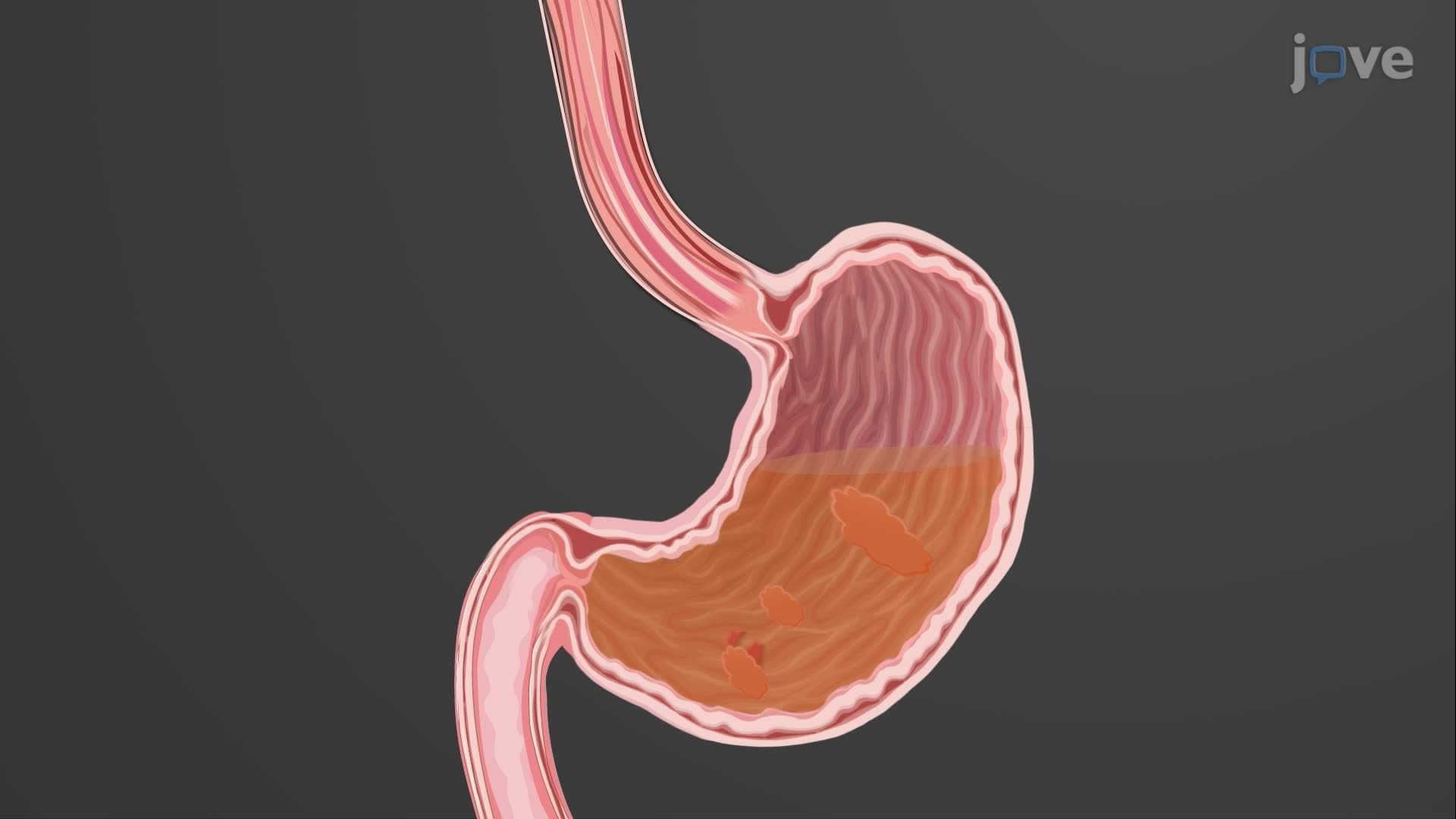
Ever wonder why your stomach feels better after eating fatty foods like pizza or burgers? Bile biology composition explains this digestive magic happening inside your body right now. This yellow-green liquid, produced by your liver, acts like biological dish soap to break down fats from that McDonald's meal you had for lunch. Understanding what is bile reveals how your body transforms complex dietary lipids into absorbable nutrients through emulsification and acid neutralization. Watch the full video on JoVE Coach to master this concept with expert-led visuals and step-by-step explanations.
Bile biology composition reveals one of the most sophisticated chemical processes in human digestion. This yellow-green alkaline fluid serves as your body's biological detergent, enabling the breakdown of dietary fats that would otherwise pass through your system undigested. For students preparing for the MCAT or AP Biology exams, understanding bile's multifaceted role demonstrates the elegant integration of liver function, gallbladder storage, and intestinal digestion.
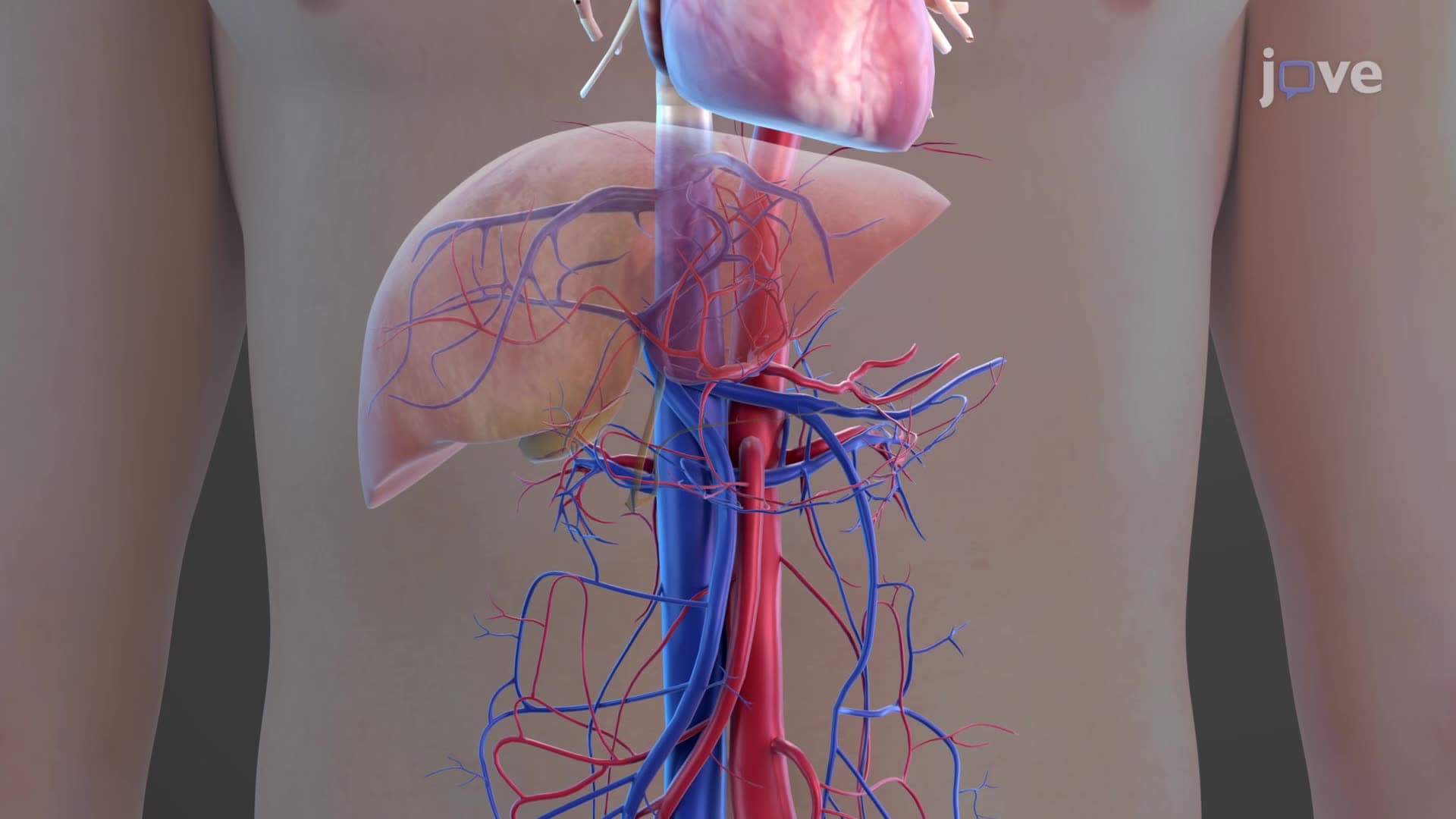
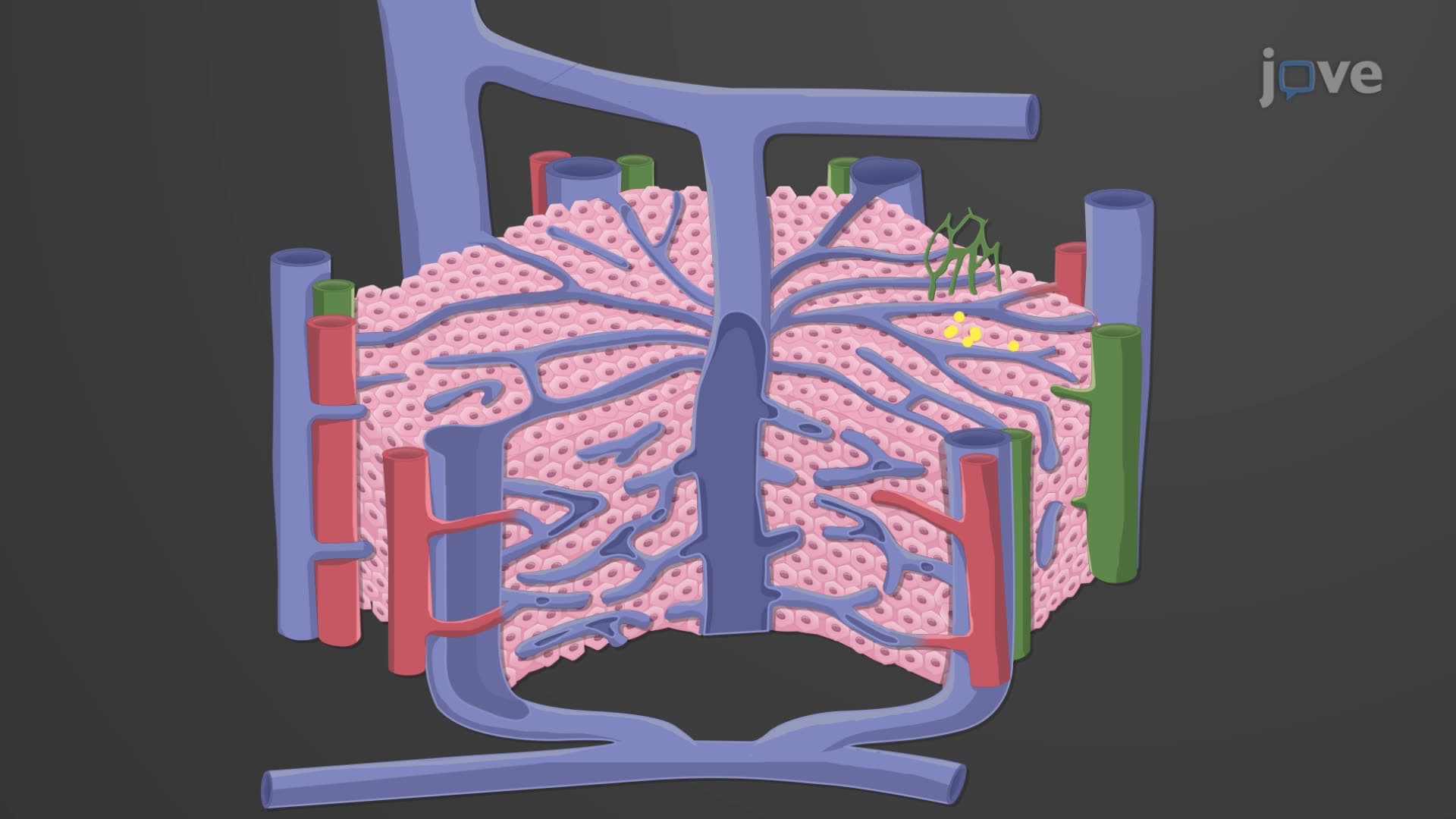
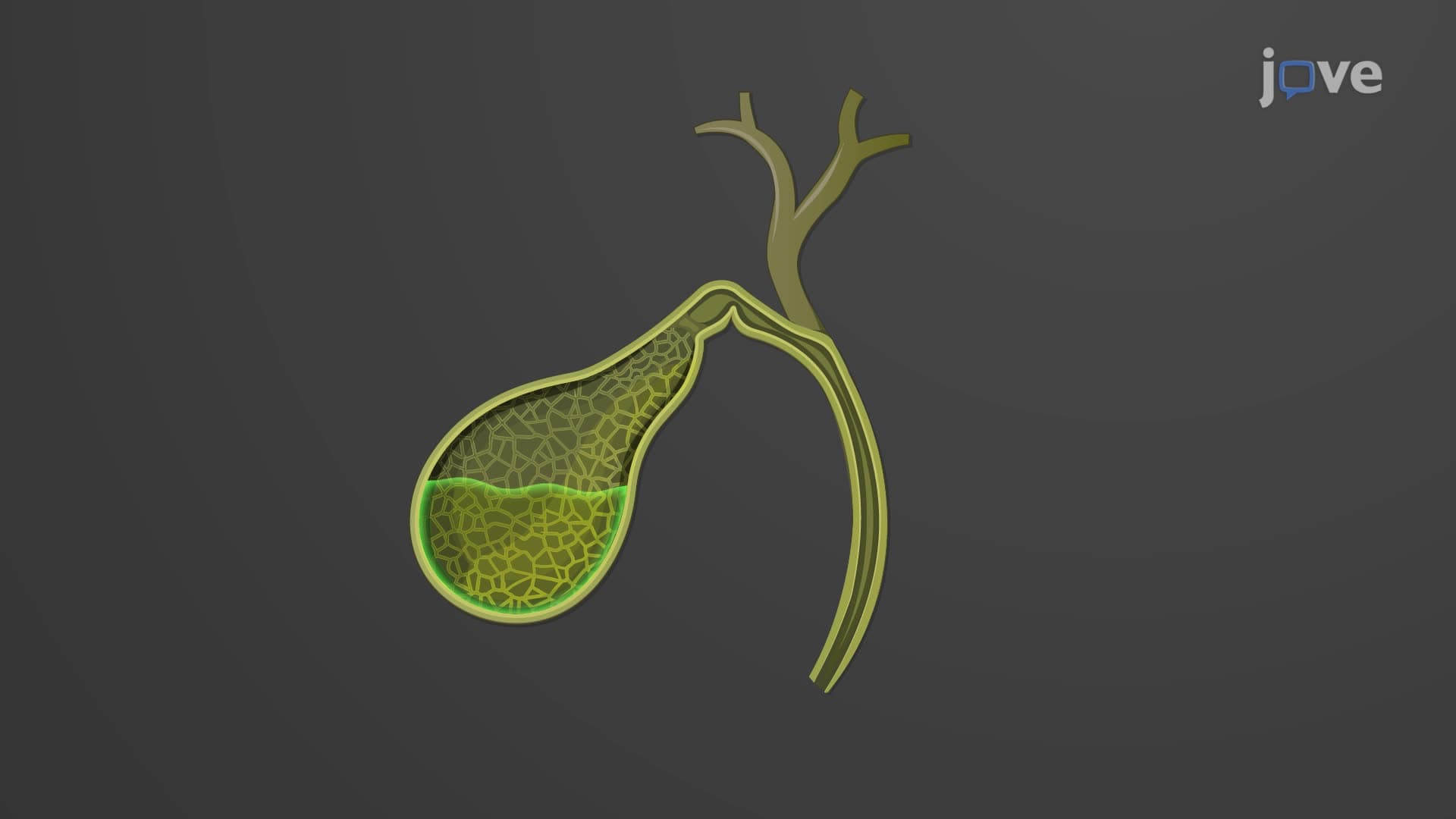
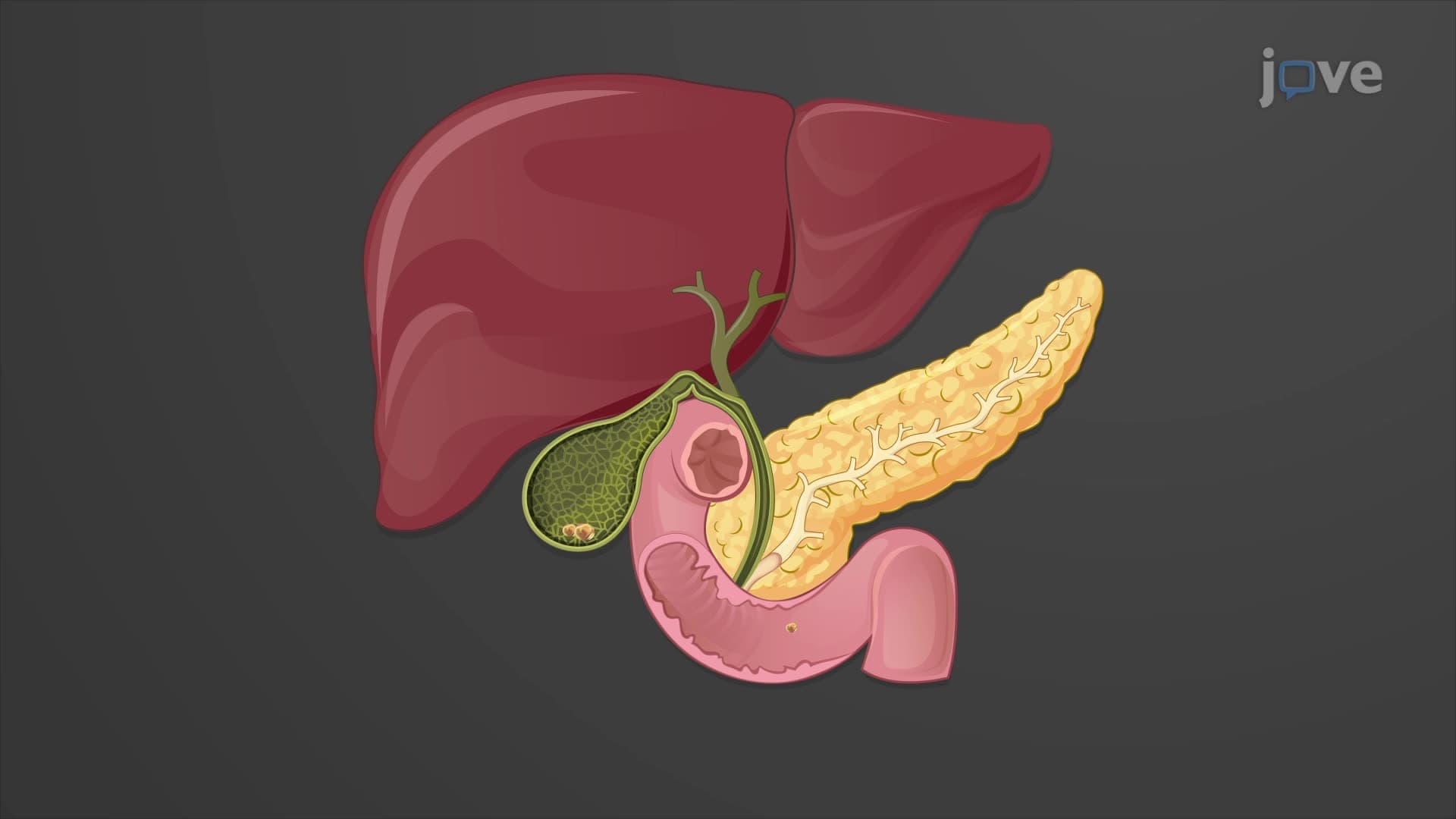
The journey of liver bile explained digestion begins in hepatocytes, where bile acids are synthesized from cholesterol. This fluid travels through an intricate duct system-right and left hepatic ducts merge into the common hepatic duct, creating a highway for bile transport. Students studying for college anatomy courses should note this branching pattern mirrors other organ systems, demonstrating how form follows function in human biology. The sphincter of Oddi acts as a critical control valve, directing bile either to immediate use in the duodenum or storage in the gallbladder for later deployment.
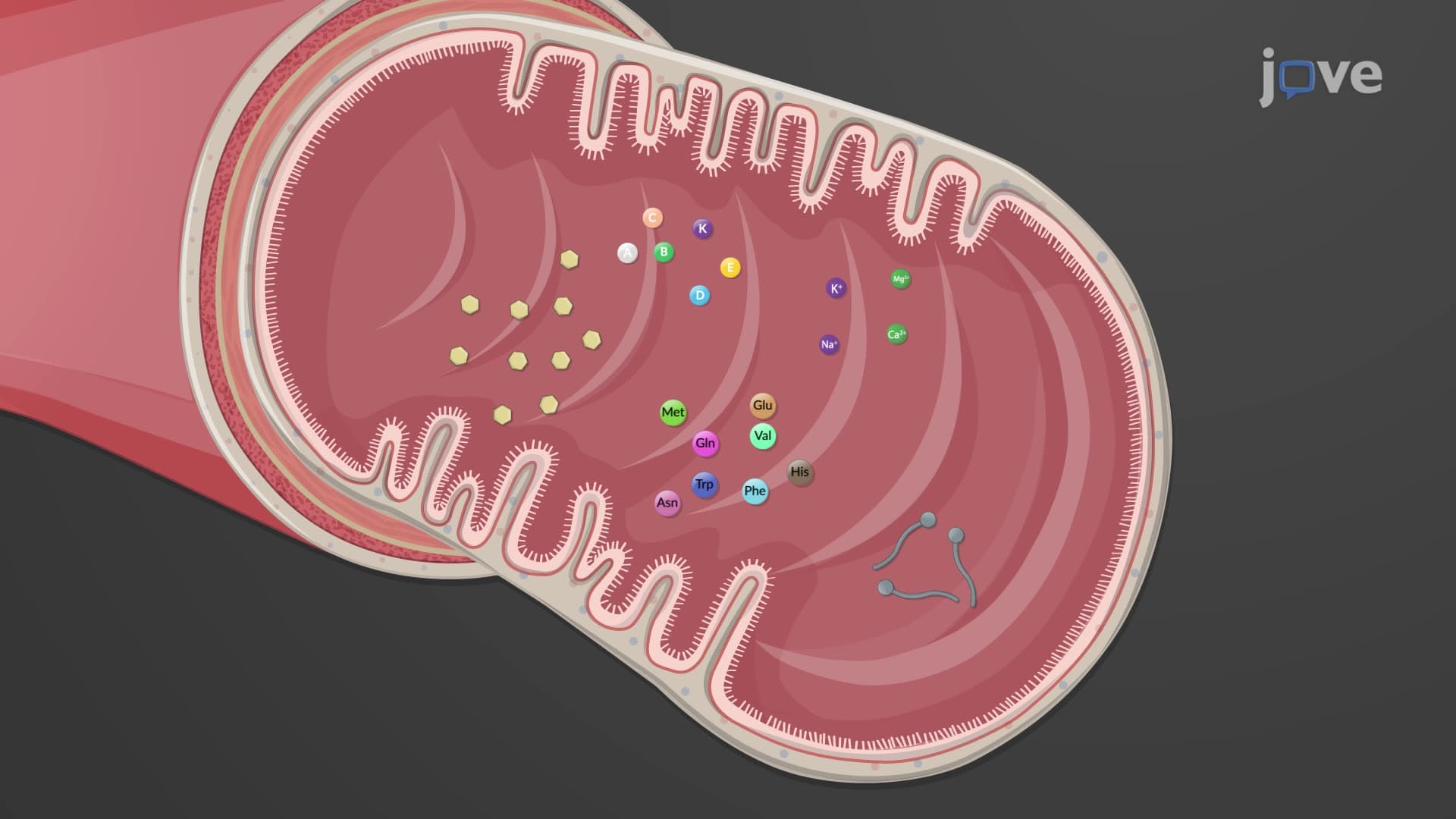
What is bile in digestive physiology becomes clear when examining its emulsification mechanism. Bile salts possess amphiphilic properties-they contain both water-loving (hydrophilic) and fat-loving (lipophilic) regions. This dual nature allows them to surround large fat droplets, creating microscopic spheres called micelles. Think of this process like adding dish soap to greasy water-the soap molecules arrange themselves to dissolve the grease. For USMLE Step 1 preparation, understanding micelle formation is crucial for answering questions about malabsorption disorders and fat-soluble vitamin deficiencies.
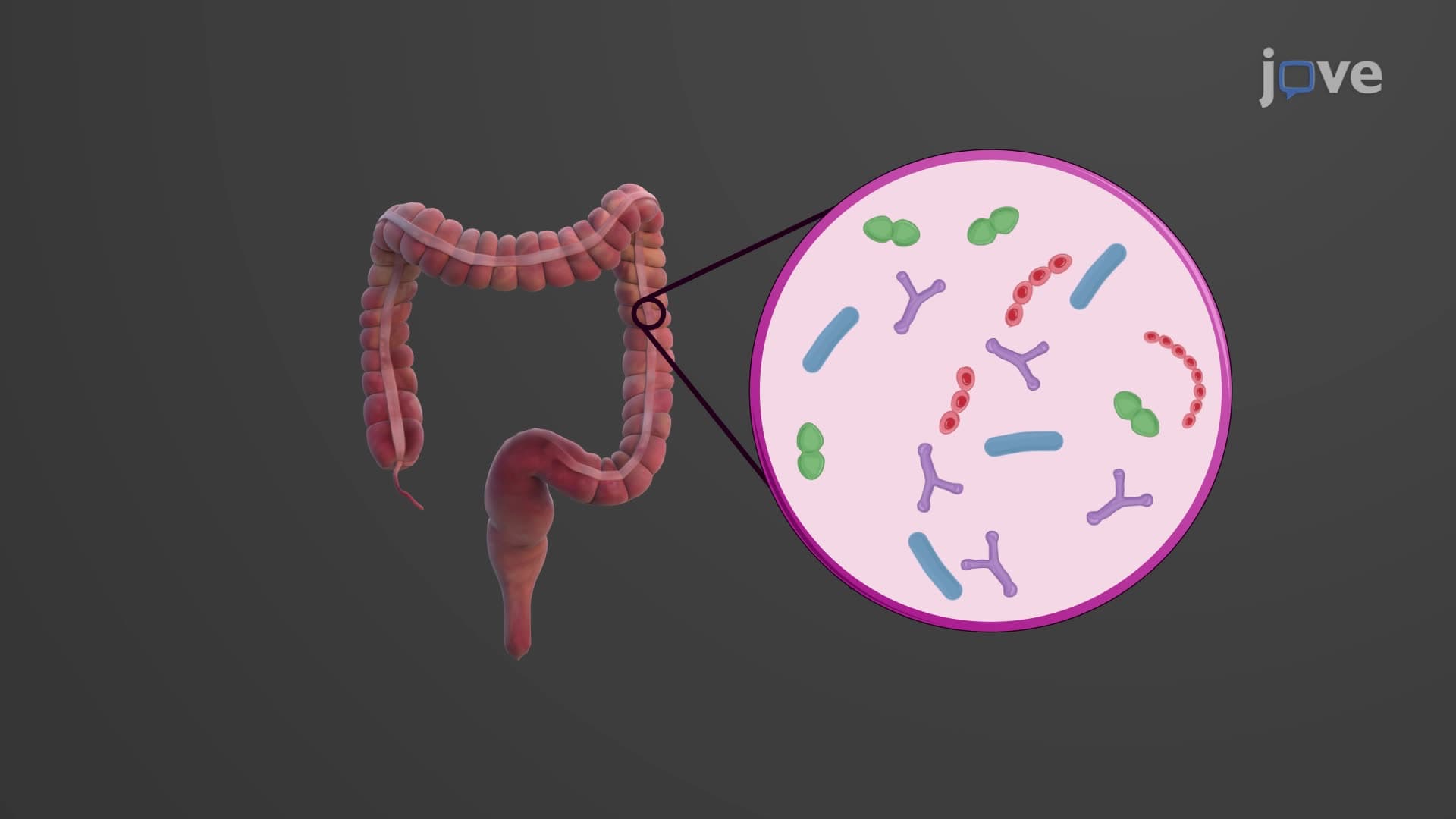
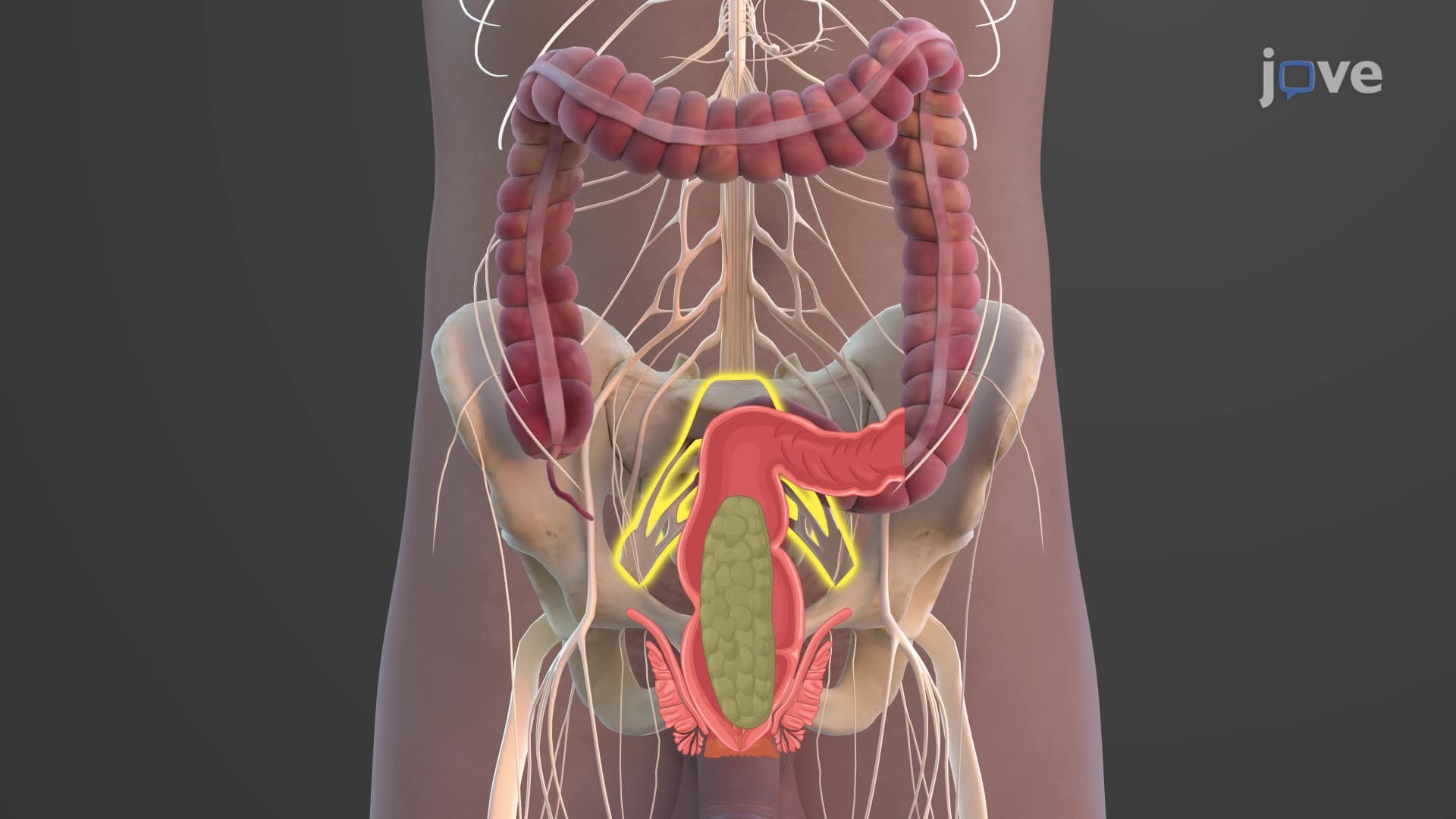
The bilirubin bile pigment component connects liver function to hematology, making this topic particularly relevant for nursing students taking the NCLEX or HESI A2 exams. When red blood cells complete their 120-day lifespan, hemoglobin breakdown produces bilirubin, which gives bile its characteristic color. Colonic bacteria further metabolize this pigment into compounds that create the brown coloration of normal feces-a key diagnostic indicator healthcare professionals use to assess digestive health.
Related Micro-courses