Loading video…


 40 Concepts
 89.8K views

Video Summary: What Is Teeth
Ever wonder why wisdom teeth cause so much trouble for American teenagers? Teeth anatomy biology reveals fascinating insights into how our 32 permanent teeth develop and function as essential digestive organs. Consider that the average American college student gets their wisdom teeth removed between ages 17-21, highlighting the complex relationship between jaw size and human teeth structure explained. Unlike our childhood set of 20 primary teeth, permanent dentition serves us for life through specialized cutting, tearing, and grinding functions. Watch the full video on JoVE Coach to master this concept with expert-led visuals and step-by-step explanations.
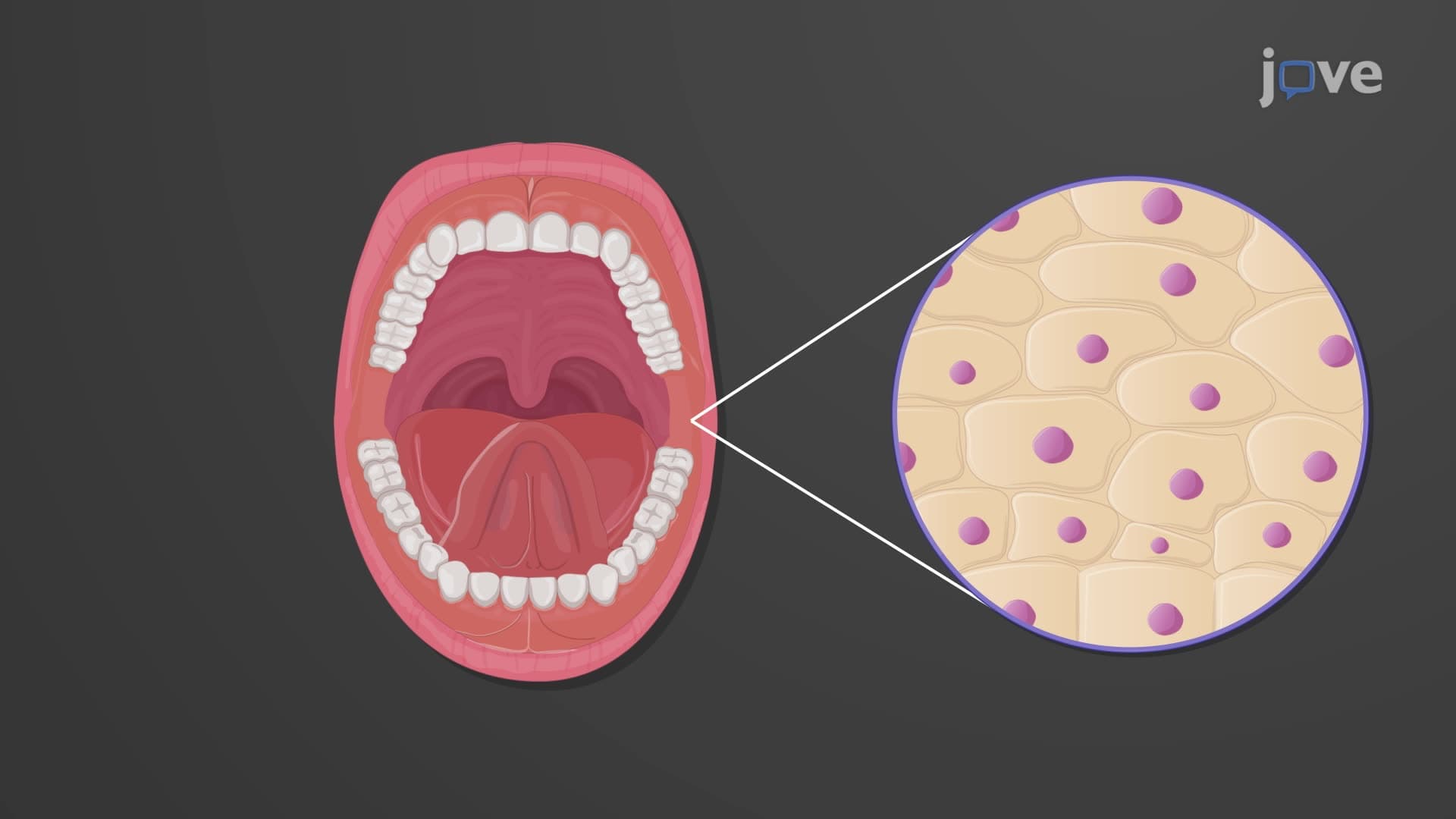
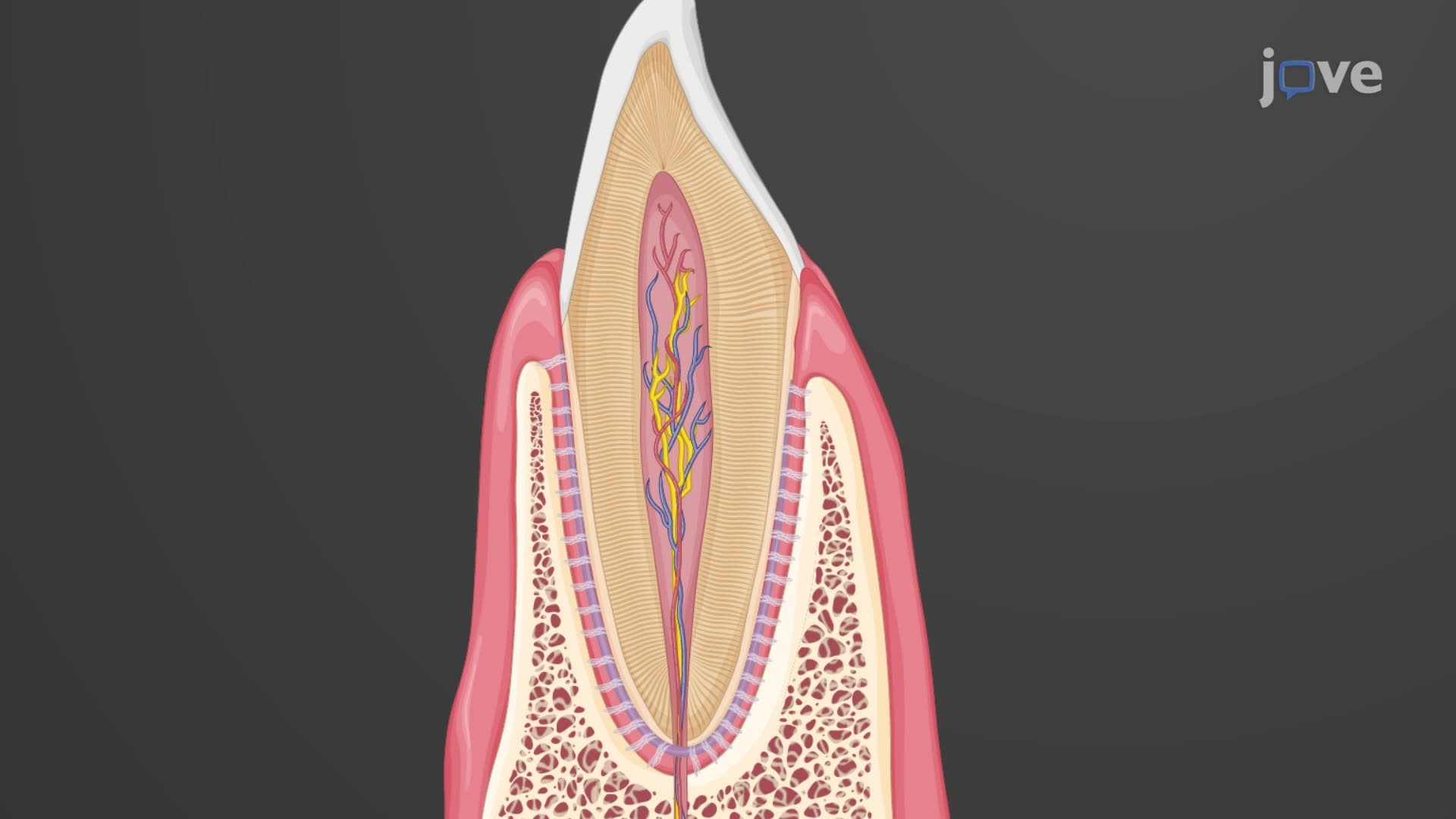
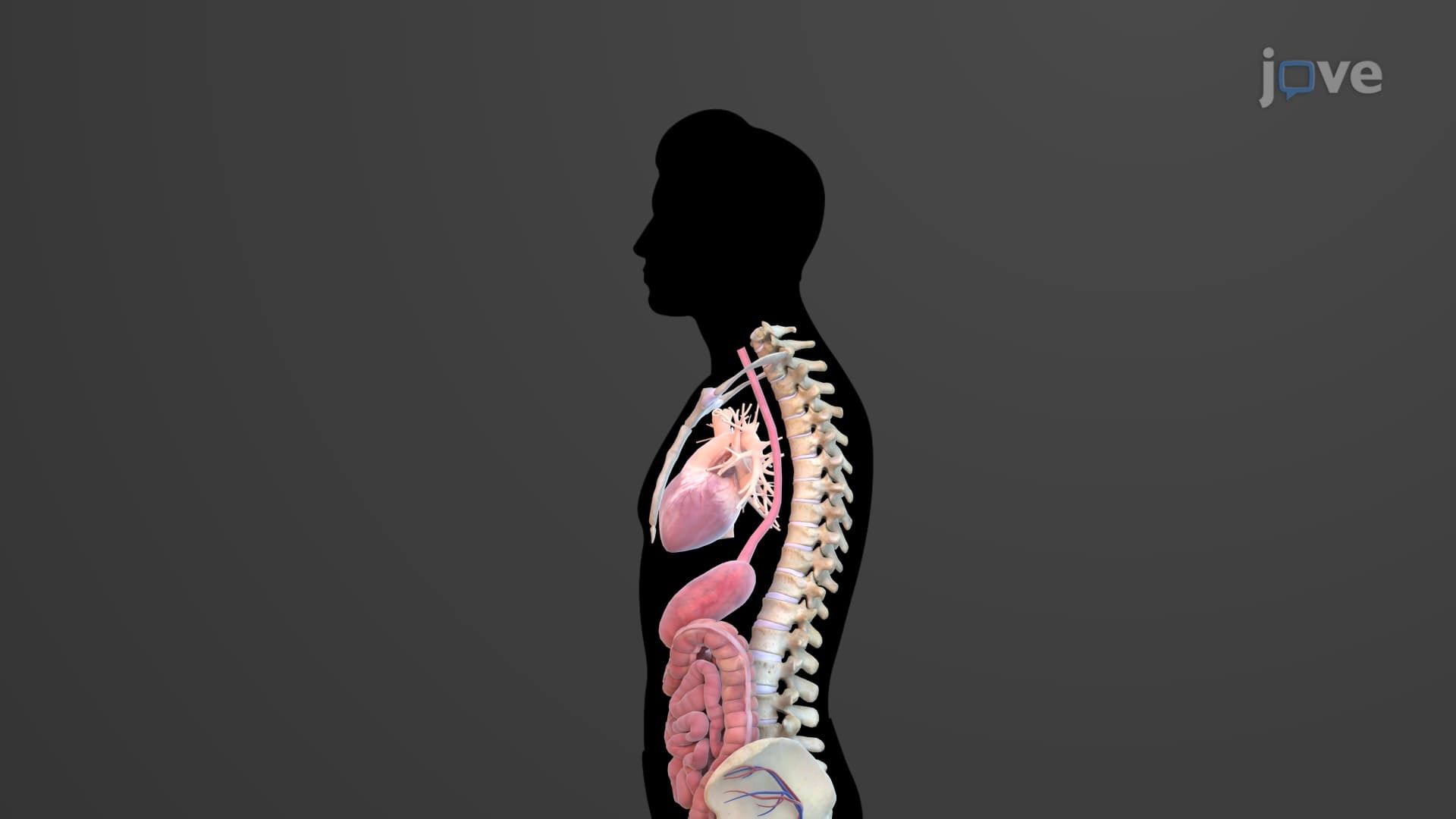
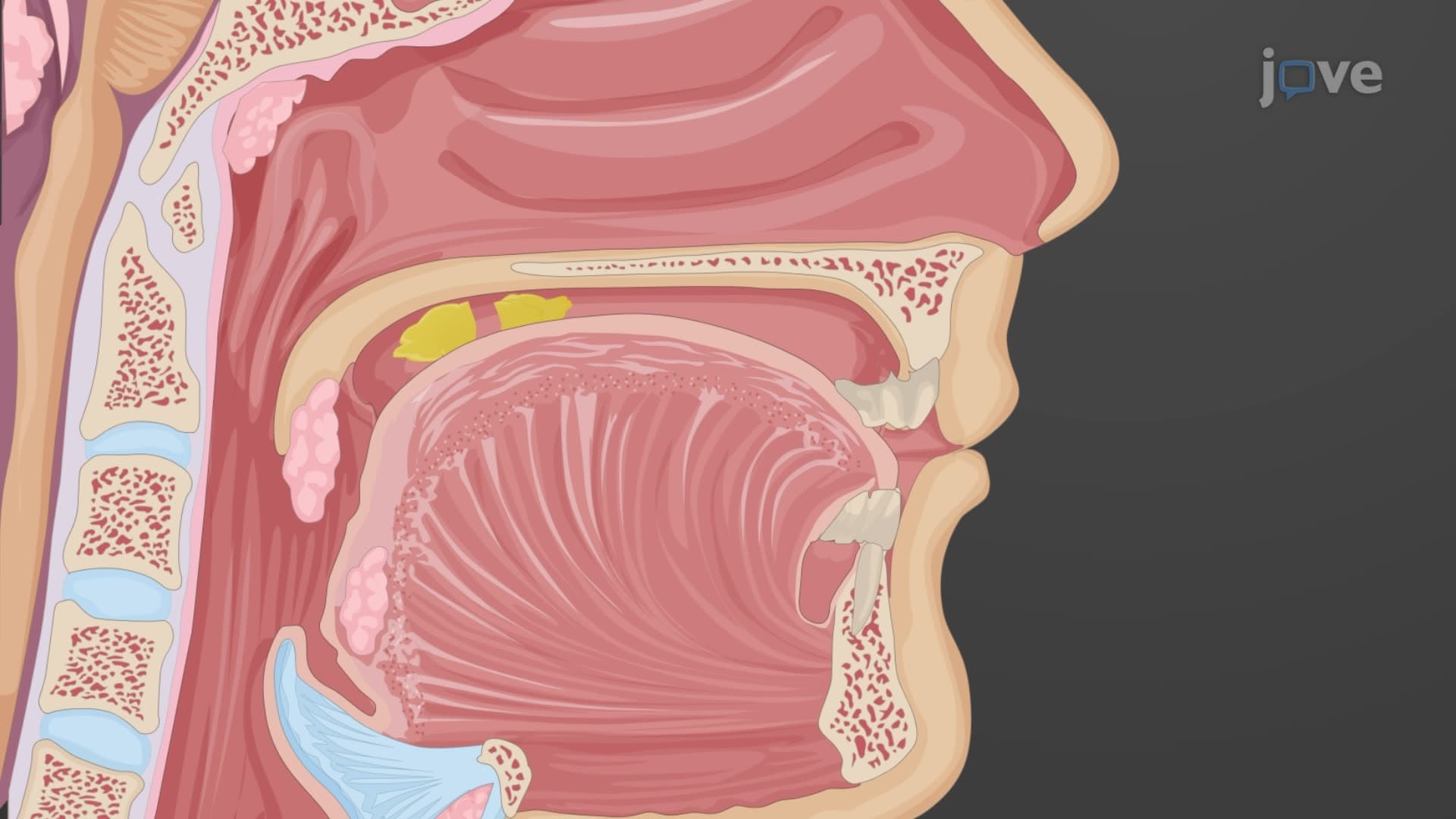
Teeth anatomy biology encompasses far more than simple chewing structures. As accessory digestive organs, teeth represent the first critical step in mechanical digestion, transforming complex food textures into manageable particles for enzymatic breakdown. This process proves essential for optimal nutrient absorption throughout the digestive tract.
Human teeth structure explained through developmental biology reveals a sophisticated two-phase system. Primary dentition emerges predictably, beginning with lower central incisors around 6 months. This timeline helps pediatric dentists in states like California and Texas identify developmental delays early. The complete primary set of 20 teeth typically finalizes by 24 months, serving children until permanent teeth begin their emergence around age 6.
The replacement process involves remarkable biological precision. Primary tooth roots undergo resorption-literally dissolving away-to accommodate enlarging permanent tooth buds. This transition period, familiar to any American middle school student, concludes around age 12 with 28 permanent teeth. Wisdom teeth may emerge later, though many Americans undergo extraction due to insufficient jaw space.
What are teeth in digestive anatomy becomes clear when examining specialized forms. The eight incisors feature chisel-like edges perfect for cutting foods like apples or celery. Four pointed canines excel at tearing tougher textures-think of biting into a turkey sandwich. Eight premolars and twelve molars showcase broad, rounded surfaces ideal for grinding nuts, cereals, and vegetables.
This functional specialization appears frequently on AP Biology exams and MCAT questions, particularly regarding evolutionary adaptations. American students studying for pre-dental requirements must master these relationships between form and function.
Understanding dental anatomy proves crucial for students pursuing healthcare careers. Pre-med students encounter tooth development on MCAT passages, while nursing students face dental assessment questions on NCLEX examinations. Dental hygiene programs across American colleges emphasize these foundational concepts throughout their curricula.
Related Micro-courses