Loading video…


 40 Concepts
 89.8K views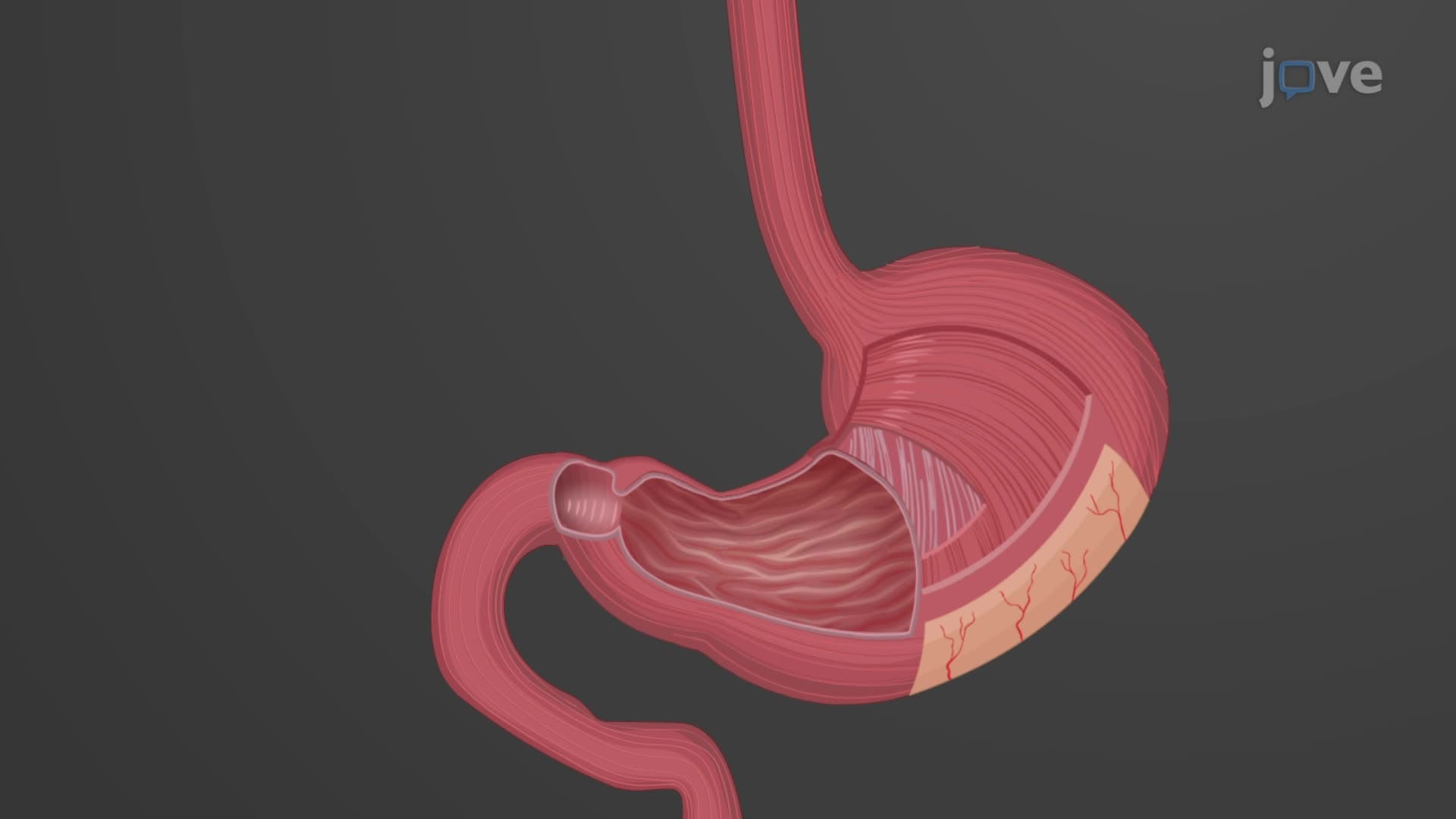

Video Summary: What Is Stomach Histology
Ever wonder why your stomach doesn't digest itself despite producing powerful acid that could dissolve metal? Stomach histology biology reveals the intricate cellular architecture that protects your digestive system while breaking down everything from a McDonald's burger to vitamin supplements. The gastric wall's specialized cell layers work in perfect harmony-from acid-producing parietal cells to protective mucous cells-creating a biological masterpiece studied extensively in US medical schools. Watch the full video on JoVE Coach to master this concept with expert-led visuals and step-by-step explanations.
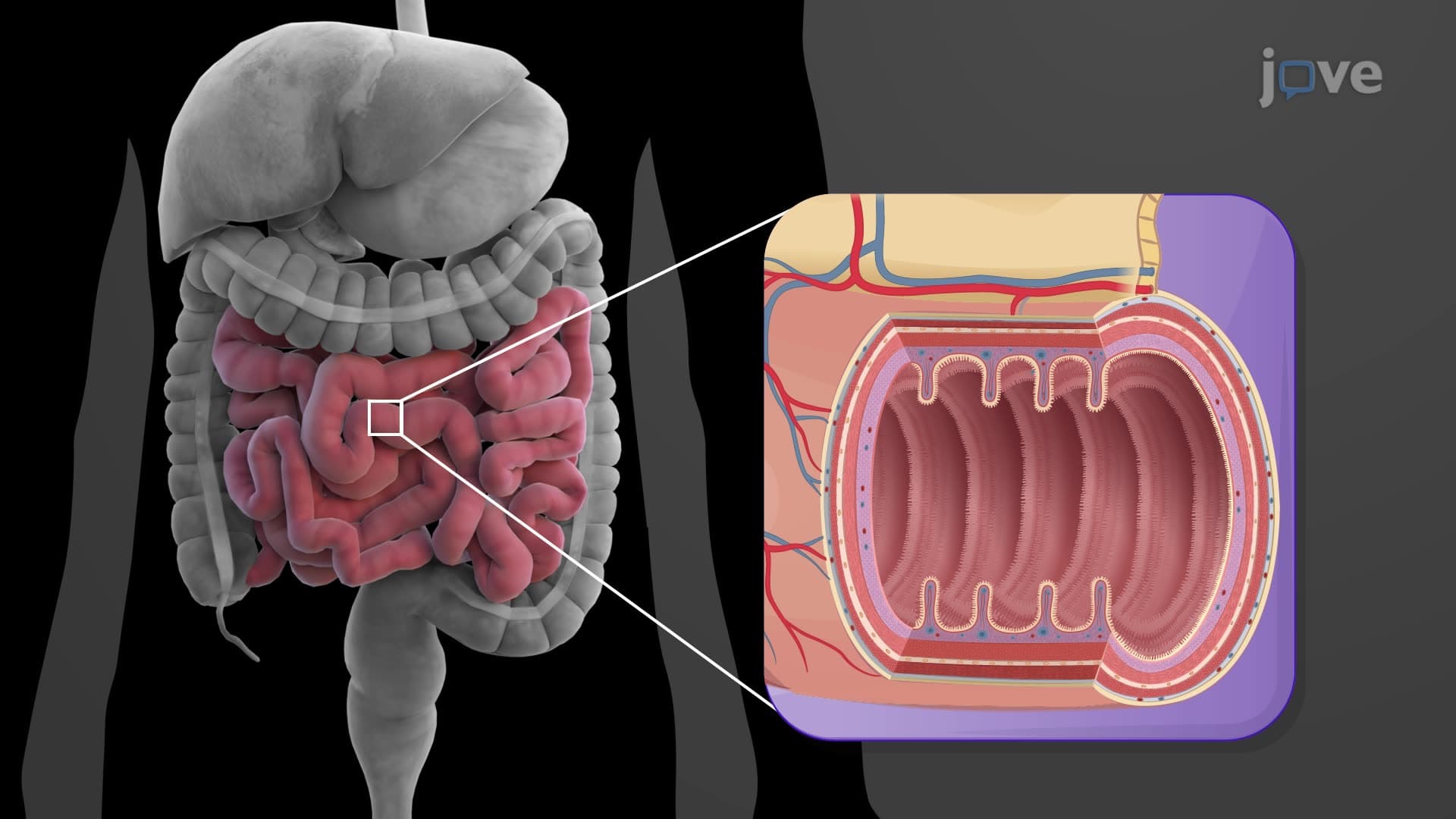
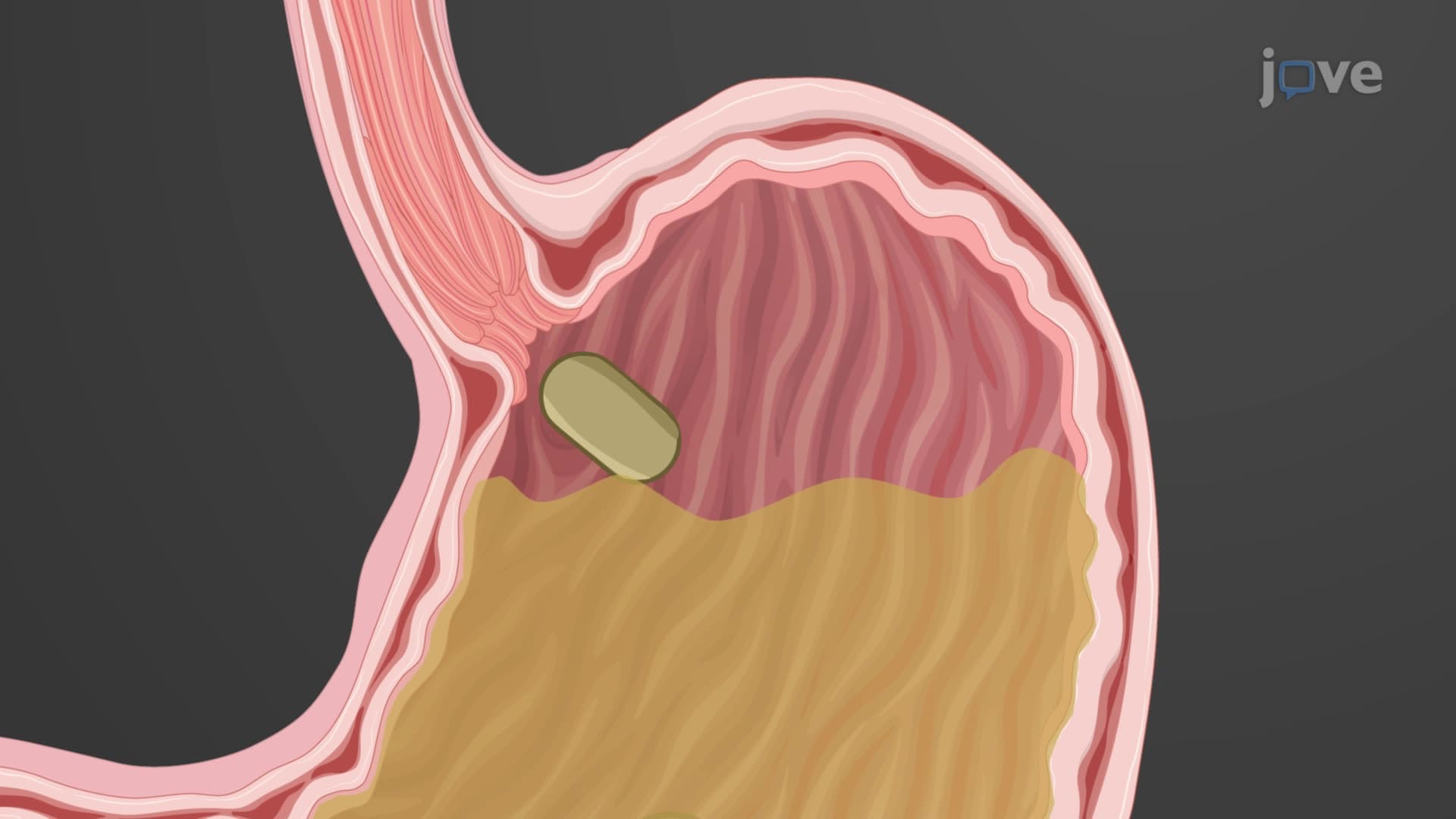
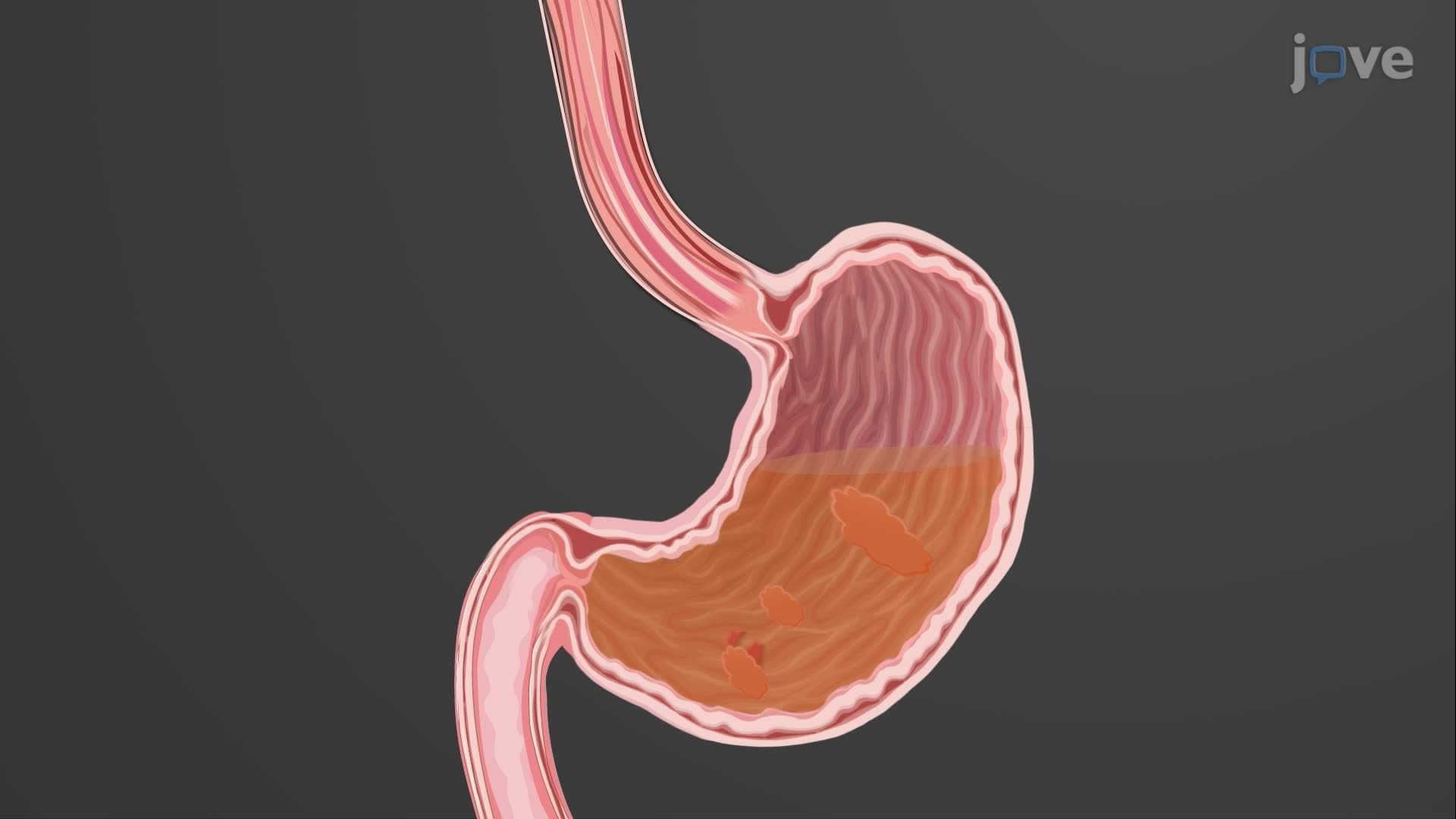
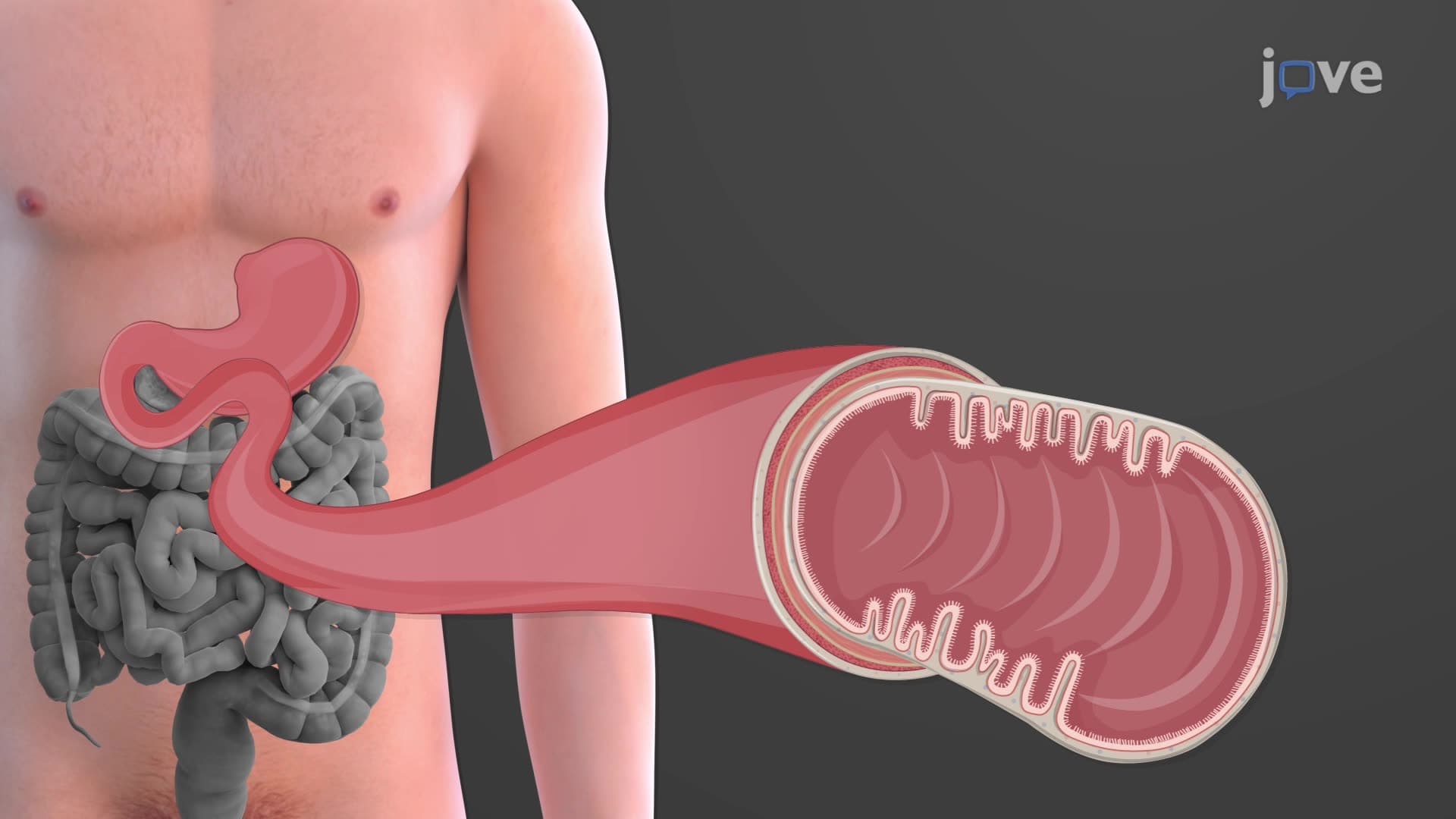
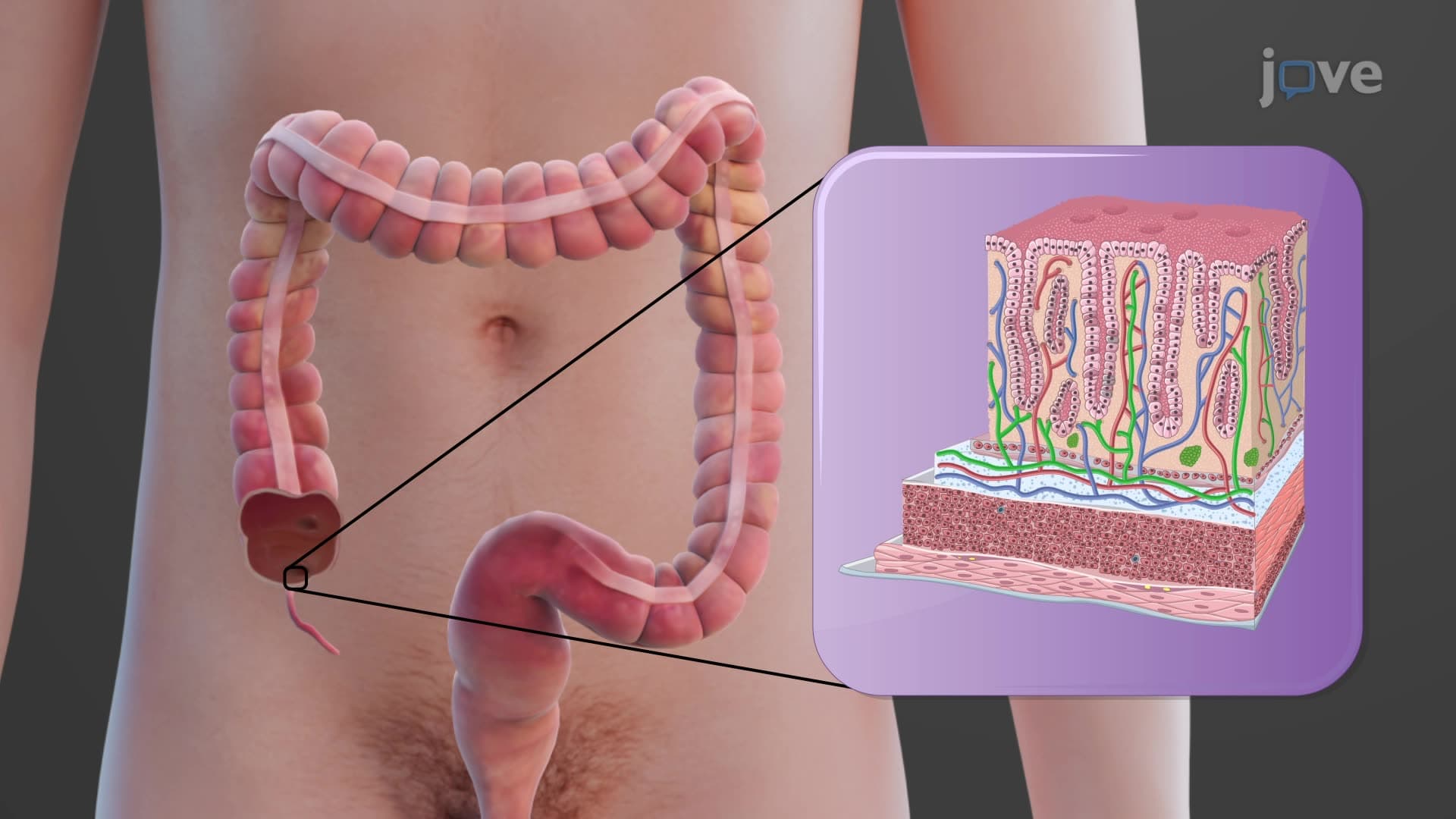
Gastric histology explained begins with recognizing the stomach as a complex, multilayered organ designed for both mechanical and chemical digestion. Unlike the simple tube structure many students initially imagine, the stomach wall consists of four distinct histological layers, each with specialized functions critical for digestive health.
The outermost serosa provides structural support through simple squamous epithelium and loose connective tissue. This layer becomes clinically significant in conditions like peritonitis, where inflammation spreads across the abdominal cavity-a concept frequently tested on the MCAT and in college anatomy courses.
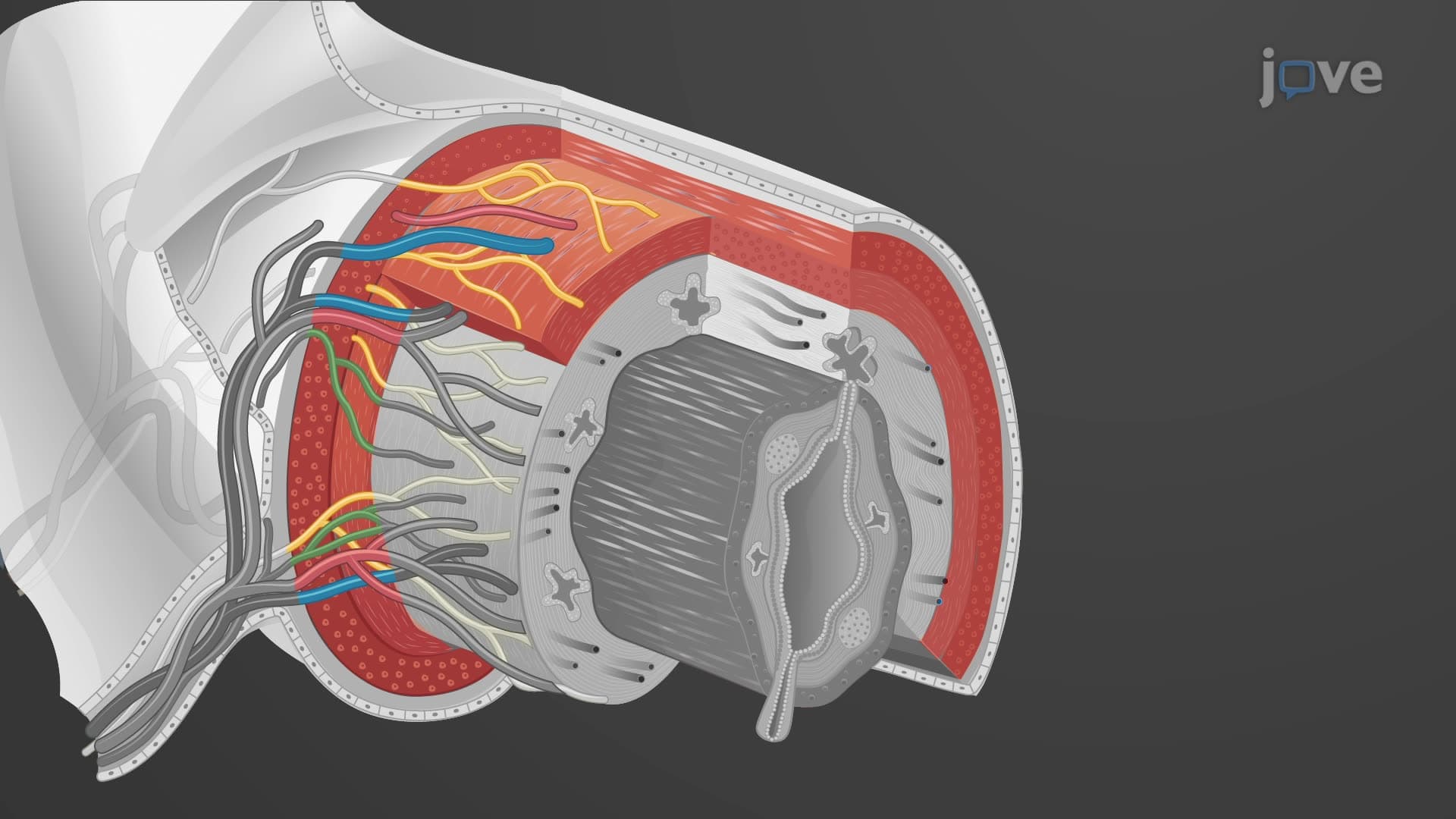
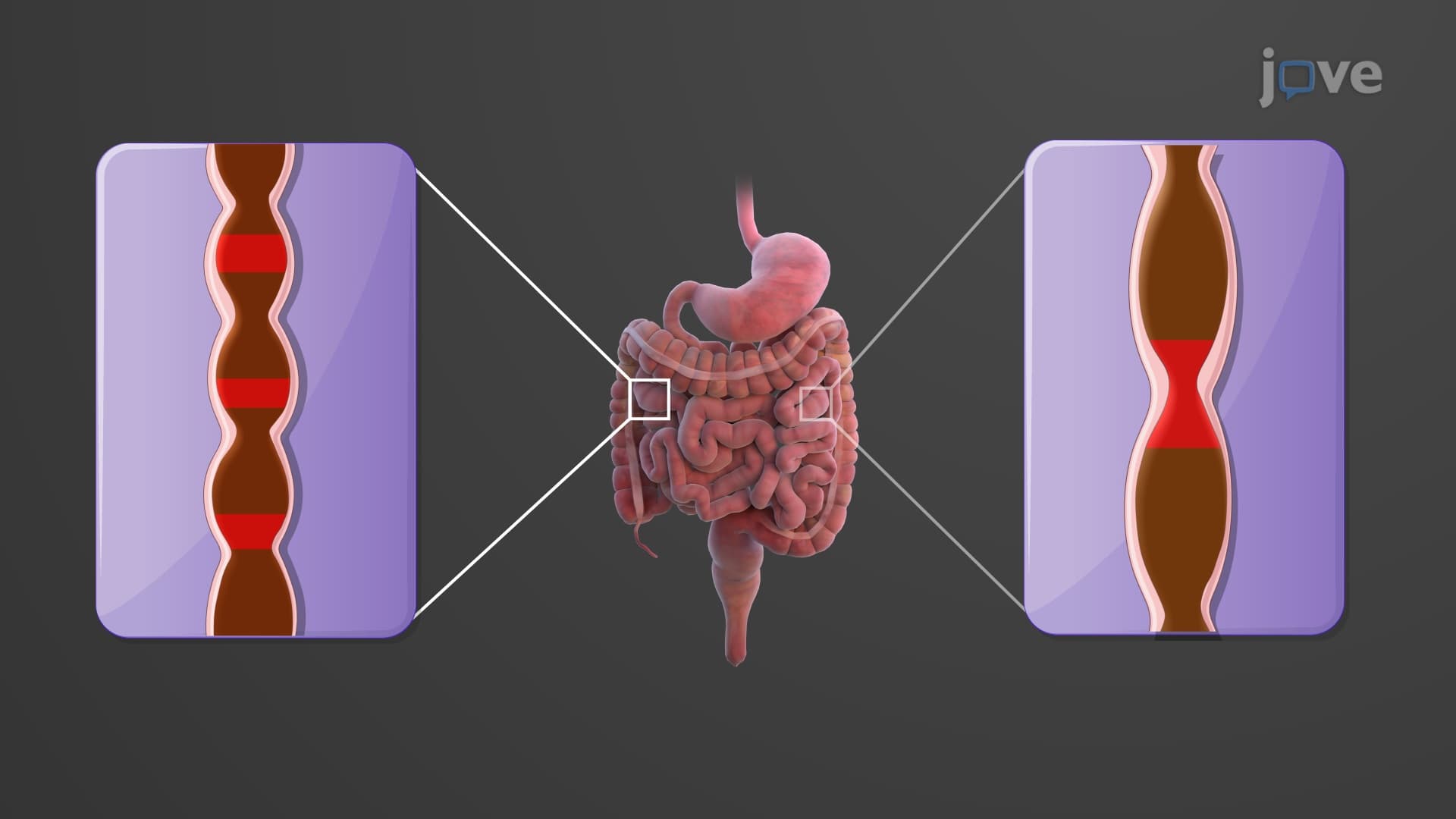
The muscularis externa sets the stomach apart from other GI tract organs through its distinctive three-layer smooth muscle arrangement. While most digestive organs contain only longitudinal and circular muscle layers, the stomach adds an oblique layer that enables the churning motion essential for mechanical digestion. This anatomical feature appears regularly on AP Biology exams and college physiology tests, particularly when discussing peristalsis and digestive motility.
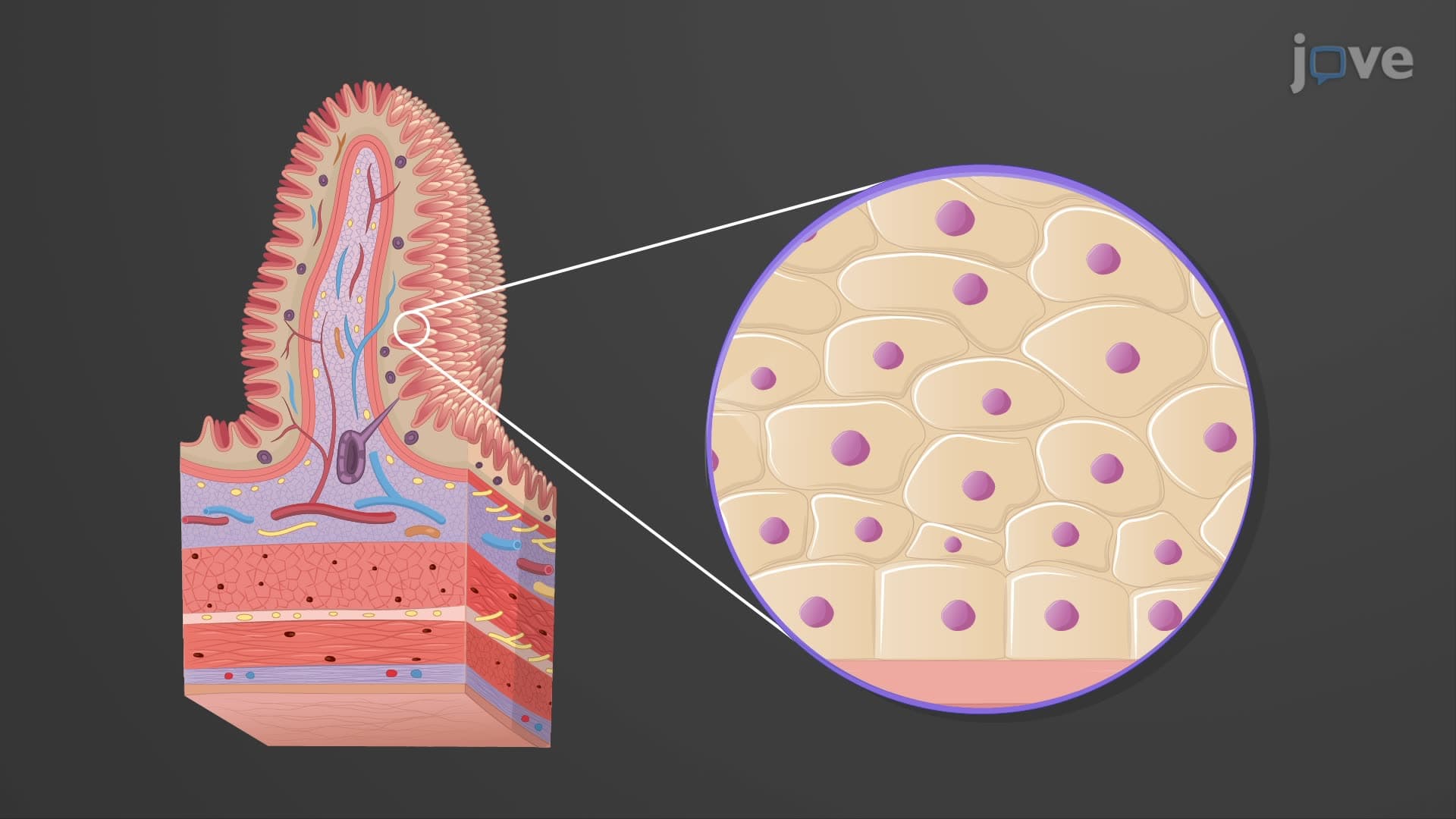
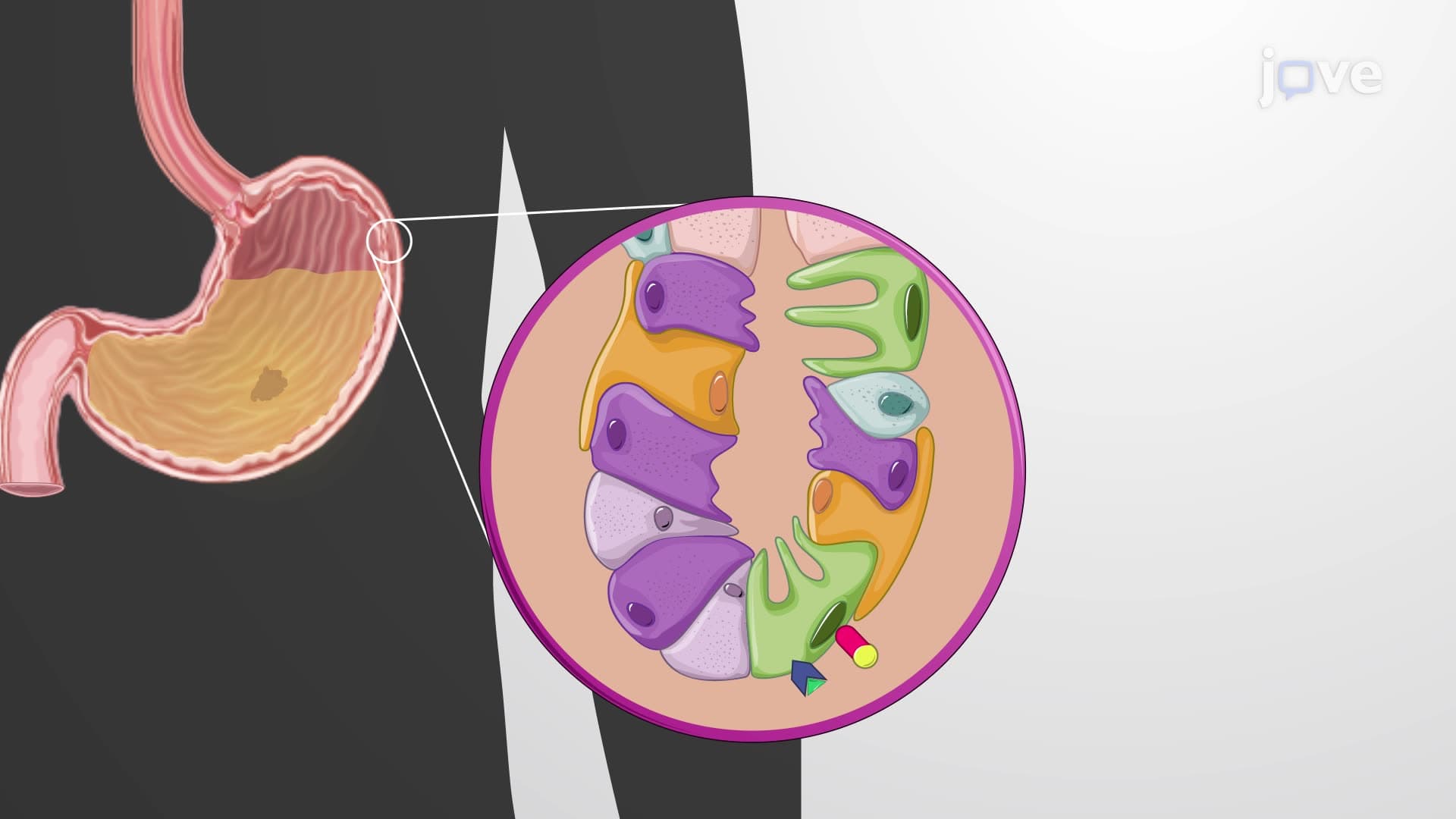
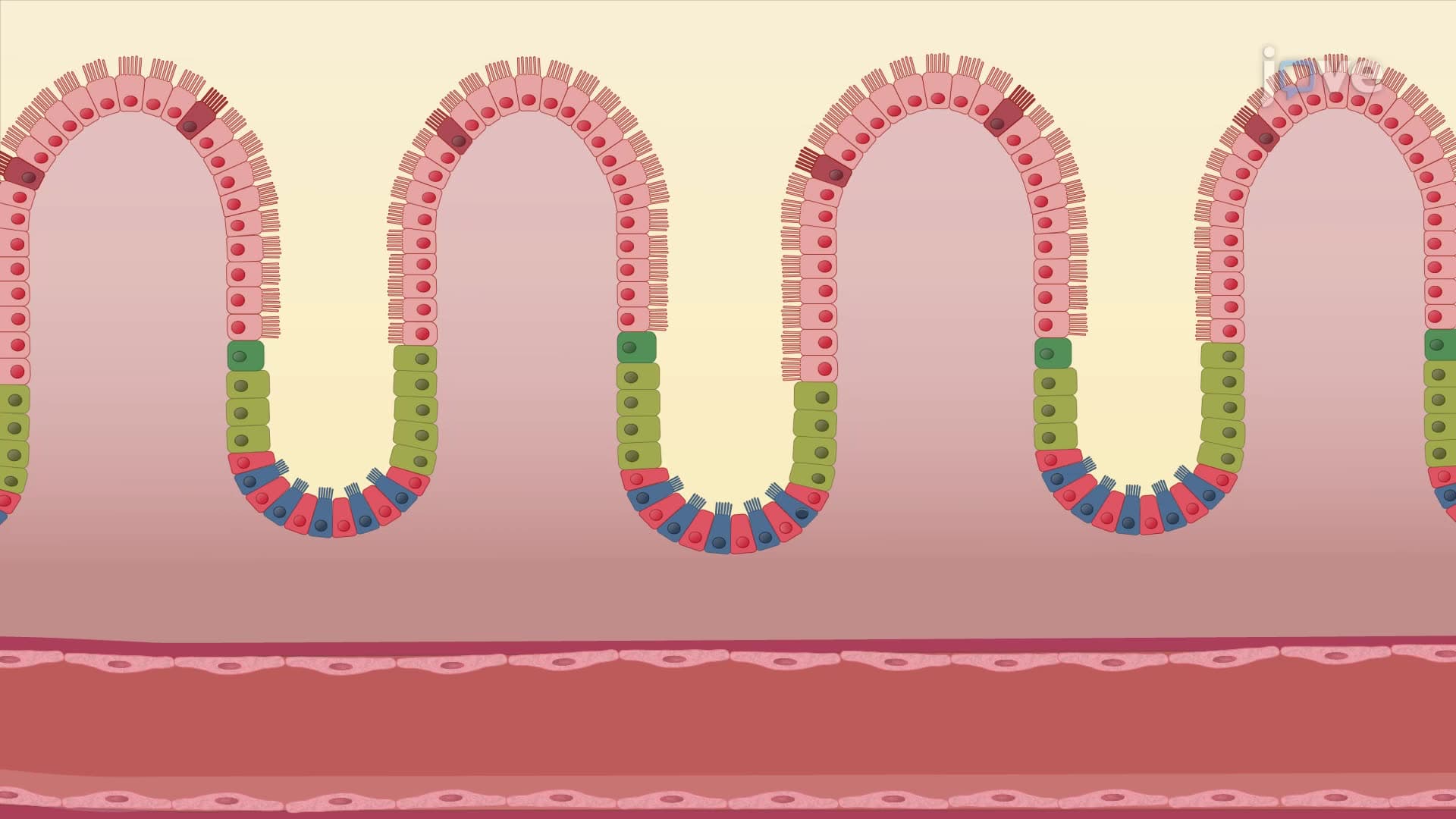
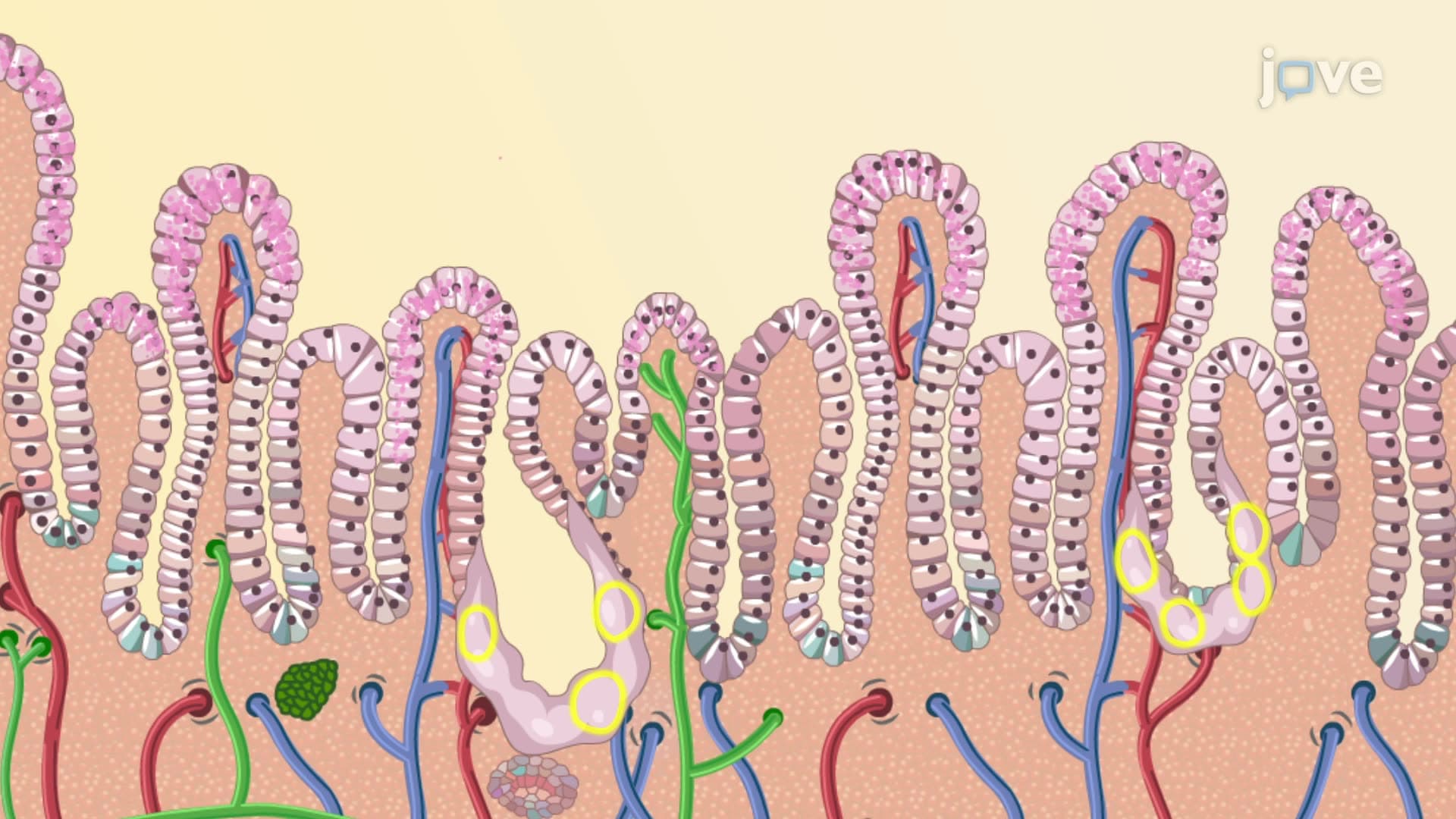
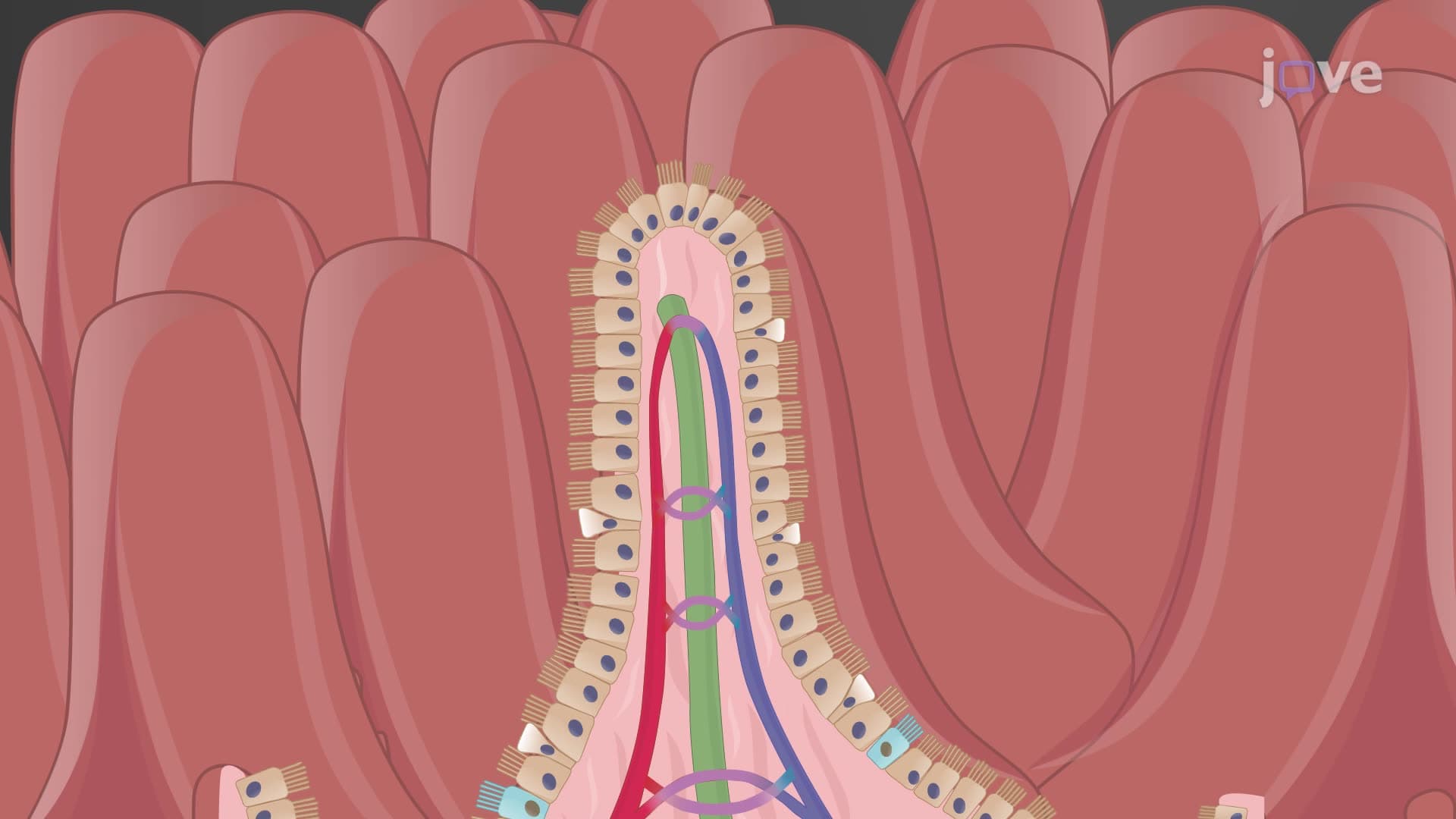
The gastric mucosa layer histology represents where the real digestive action occurs. Gastric pits-deep invaginations lined with specialized epithelial cells-house the cellular machinery responsible for chemical digestion. Parietal chief cell stomach functions demonstrate remarkable specialization: parietal cells produce both hydrochloric acid (creating the stomach's pH of 1.5-2.0) and intrinsic factor essential for vitamin B12 absorption, while chief cells secrete pepsinogen and gastric lipase.
This cellular division of labor prevents self-destruction while maximizing digestive efficiency. Mucous neck cell gastric secretions create a protective alkaline barrier, while G cells regulate the entire process through gastrin hormone release-a feedback mechanism crucial for understanding digestive physiology in pre-med coursework.
Understanding what is the histology of the stomach becomes essential when studying peptic ulcer disease, gastroesophageal reflux, and Helicobacter pylori infections-conditions affecting millions of Americans annually. Medical schools across the US, from Harvard to UCLA, emphasize gastric histology as foundational knowledge for gastroenterology rotations and USMLE Step 1 preparation.
Related Micro-courses