Loading video…


 19 Concepts
 1.3M views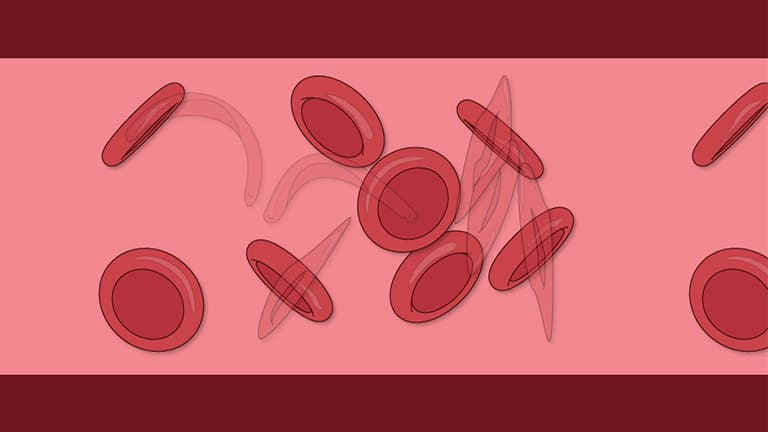

Video Summary: What are Multiple Allele Traits
Did you know that your blood type is determined by multiple versions of the same gene working together? Multiple allele traits occur when more than two different versions of a gene exist in a population, creating diverse phenotypes like the various blood types found in Americans. The classic example involves sickle cell disease, where different allele combinations produce distinct red blood cell shapes and functions. Watch the full video on JoVE Coach to master this concept with expert-led visuals and step-by-step explanations.
Multiple allele traits represent one of genetics' most fascinating inheritance patterns, where a single gene exists in three or more different versions (alleles) within a population. Unlike simple Mendelian inheritance involving only two alleles, multiple allele systems create complex phenotypic variations that we observe in human populations across the United States.
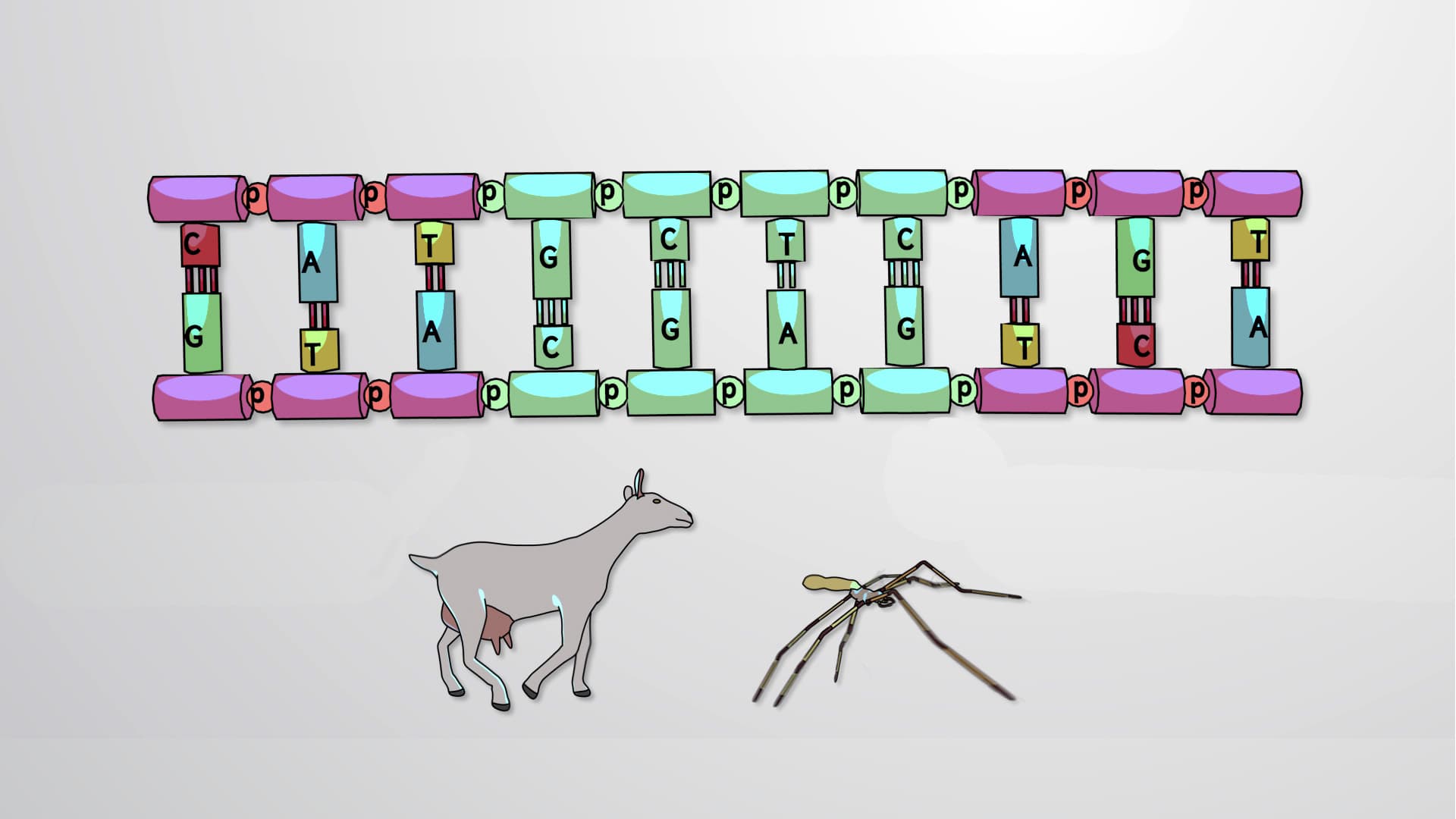
The beta-globin gene exemplifies multiple allele traits perfectly. This gene encodes a crucial component of hemoglobin, the oxygen-carrying protein in red blood cells. Scientists have identified numerous beta-globin alleles, including the normal allele (HbA) and the sickle cell allele (HbS). When students encounter this concept in AP Biology or college genetics courses, they learn how different allele combinations produce distinct phenotypes.
Homozygotes with two normal alleles (HbA/HbA) produce flexible, disc-shaped red blood cells that efficiently transport oxygen throughout the circulatory system. Conversely, individuals with two sickle alleles (HbS/HbS) develop rigid, crescent-shaped cells that can block blood vessels, causing the painful episodes characteristic of sickle cell disease.
Heterozygotes (HbA/HbS) demonstrate both incomplete dominance and codominance simultaneously, concepts frequently tested on the MCAT and medical school exams. At the cellular level, these individuals show incomplete dominance because their red blood cell morphology falls between the two homozygous phenotypes. Under normal oxygen conditions, cells appear relatively normal, but low-oxygen situations can trigger mild sickling.
At the molecular level, codominance occurs because both normal and sickle hemoglobin proteins are produced in roughly equal amounts. This dual protein production explains why individuals with sickle cell trait (heterozygotes) generally remain healthy while potentially passing the sickle allele to their children.
Understanding multiple allele traits proves essential for healthcare professionals and genetic counselors working with diverse American populations. Sickle cell trait affects approximately 8% of African Americans, making this knowledge crucial for medical practice. Students preparing for nursing exams like NCLEX or HESI A2 must understand how genetic variations influence patient care and treatment decisions.
Related Micro-courses