Loading video…


 19 Concepts
 1.3M views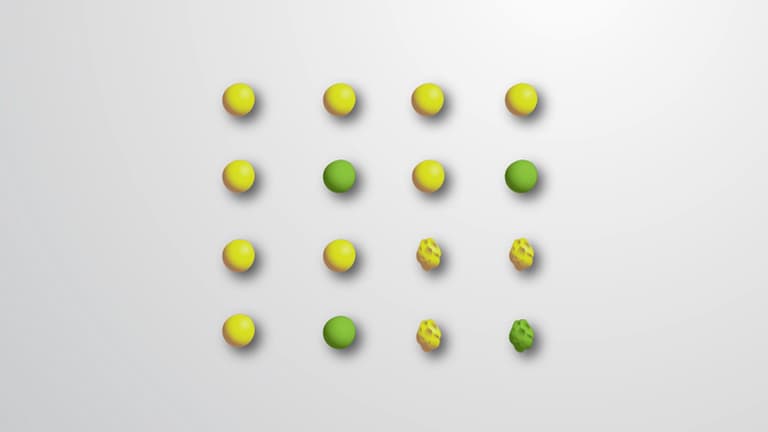

Video Summary: What Is Dihybrid Crosses
Ever wonder how plant breeders create corn varieties that are both sweet and resistant to pests? Dihybrid crosses reveal how organisms inherit two different traits simultaneously, following predictable genetic patterns first discovered by Gregor Mendel in pea plants. Understanding what is dihybrid crosses helps explain why offspring show specific trait combinations in a 9:3:3:1 ratio, as seen in agricultural breeding programs across the United States. Watch the full video on JoVE Coach to master this concept with expert-led visuals and step-by-step explanations.
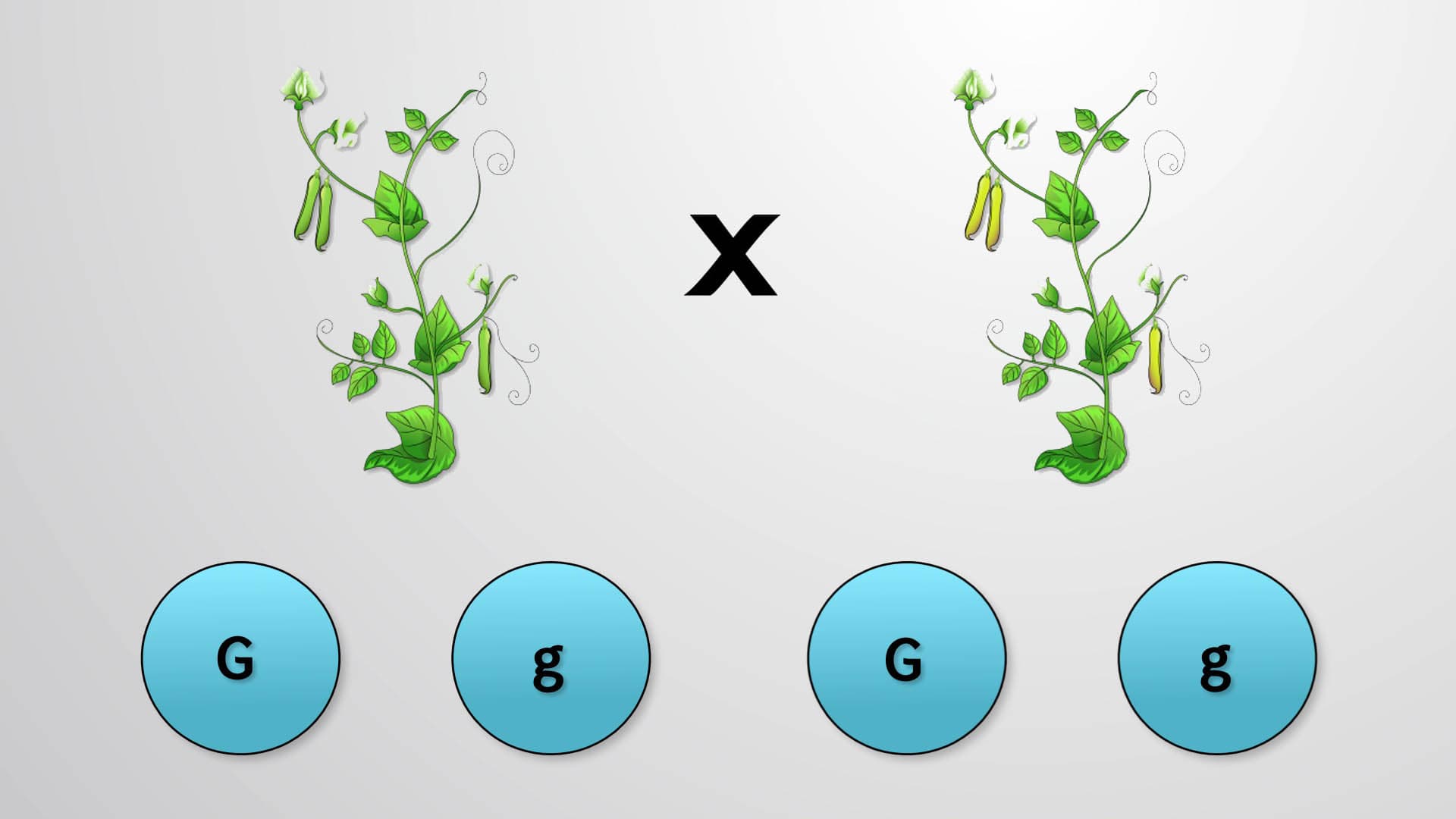
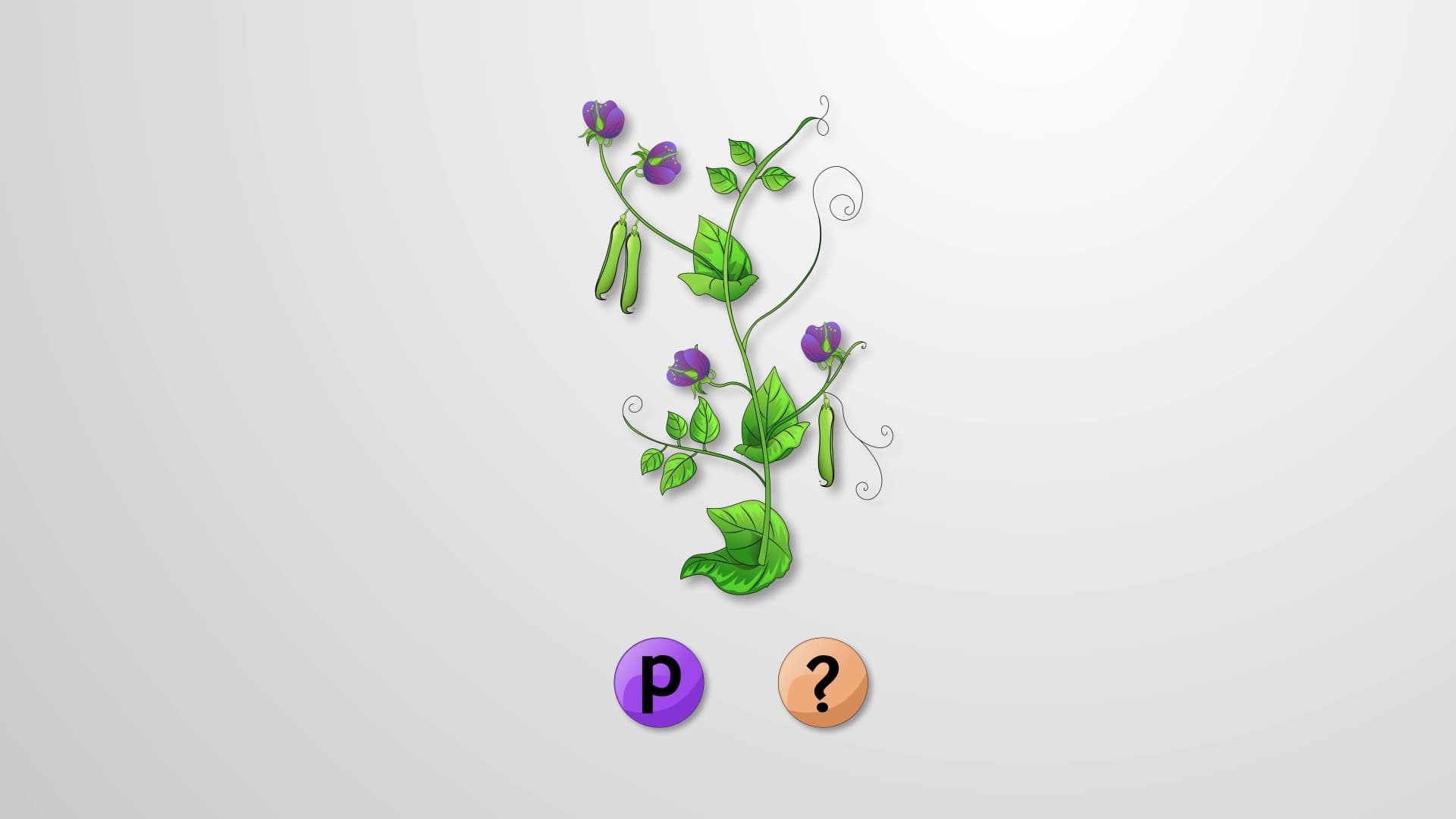
Dihybrid crosses represent one of the most fundamental concepts in classical genetics, building upon Mendel's groundbreaking work with pea plants. Unlike monohybrid crosses that examine inheritance of a single trait, dihybrid crosses simultaneously track two different characteristics, revealing how genes segregate independently during gamete formation.
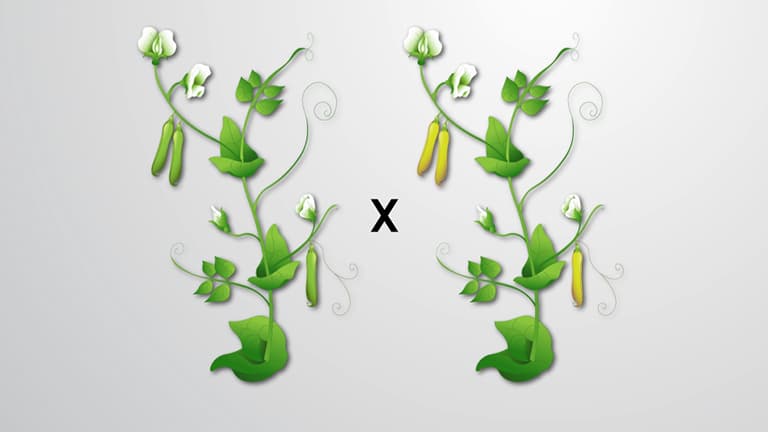
In a typical dihybrid cross, organisms differ in two distinct traits controlled by separate genes. Consider Mendel's original experiment: one parent plant was homozygous dominant for both round seeds (RR) and yellow color (YY), while the other parent was homozygous recessive for wrinkled seeds (rr) and green color (yy). The F1 generation produces exclusively RrYy individuals-dihybrids heterozygous for both traits-displaying the dominant phenotypes of round, yellow seeds.
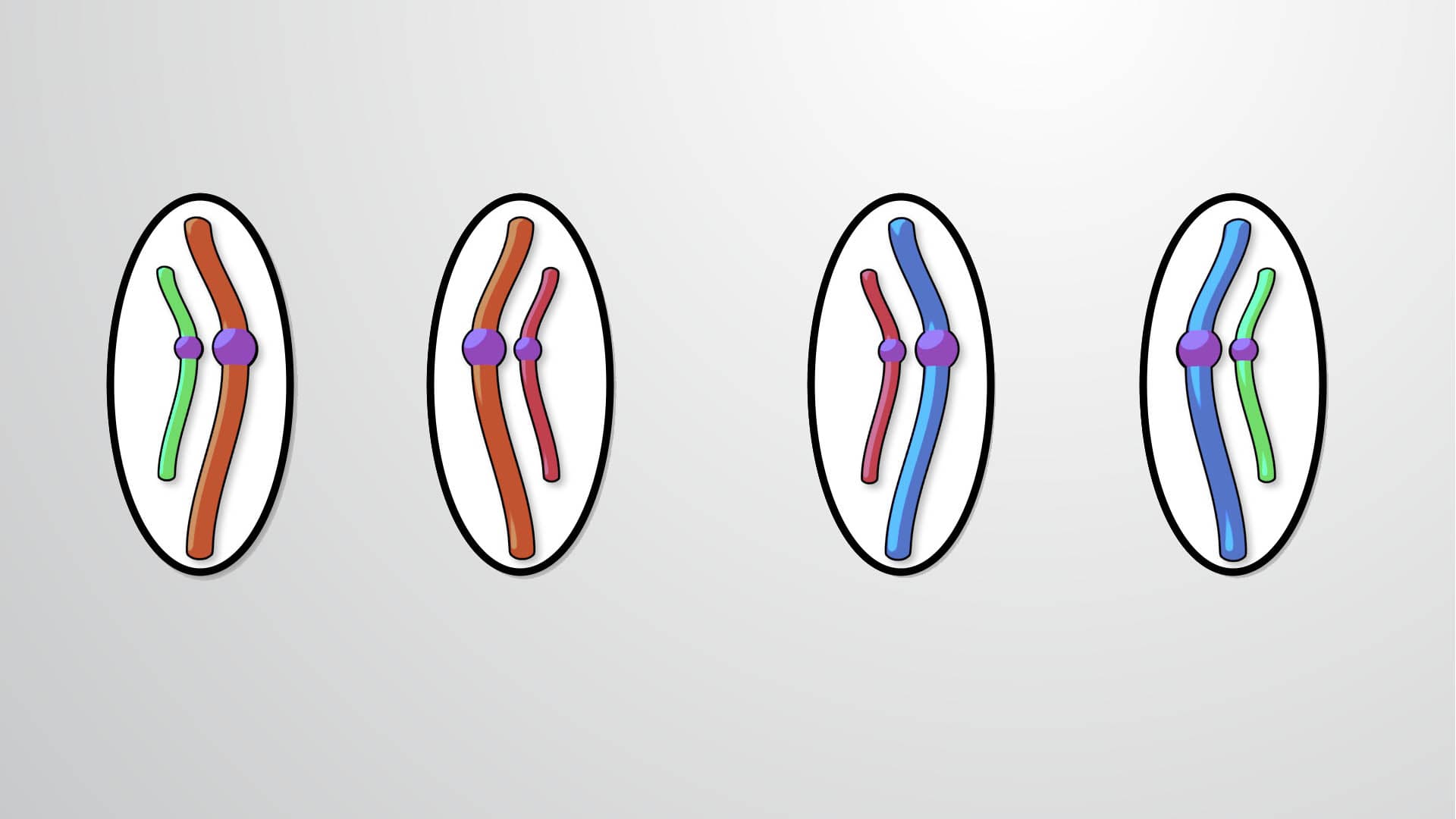
When F1 dihybrids self-fertilize, they can produce four different gamete types: RY, Ry, rY, and ry. This creates 16 possible offspring combinations in the F2 generation, resulting in the famous 9:3:3:1 phenotypic ratio. Specifically, 9 plants show both dominant traits, 3 show the first dominant with the second recessive, 3 show the first recessive with the second dominant, and 1 shows both recessive traits.
The key insight from dihybrid crosses is Mendel's Law of Independent Assortment. This principle states that alleles for different genes segregate independently during meiosis, provided the genes are located on separate chromosomes or far apart on the same chromosome. This independence explains why the ratio of round to wrinkled seeds remains 3:1, and yellow to green seeds also maintains a 3:1 ratio, even when examined simultaneously.
Dihybrid crosses appear frequently on standardized exams including AP Biology, SAT Subject Tests, and college genetics courses. Students typically encounter these problems when calculating probability outcomes or constructing 4x4 Punnett squares. In agricultural biotechnology, companies like Monsanto and DowDuPont apply dihybrid cross principles when developing crop varieties with multiple desirable traits, such as herbicide resistance combined with enhanced nutritional content. Medical genetics also utilizes these concepts when counseling families about inheritance patterns for conditions controlled by multiple genes.
Related Micro-courses