Loading subject page…


1,347,749 views

Video Summary: What Is Chromosomal Theory of Inheritance
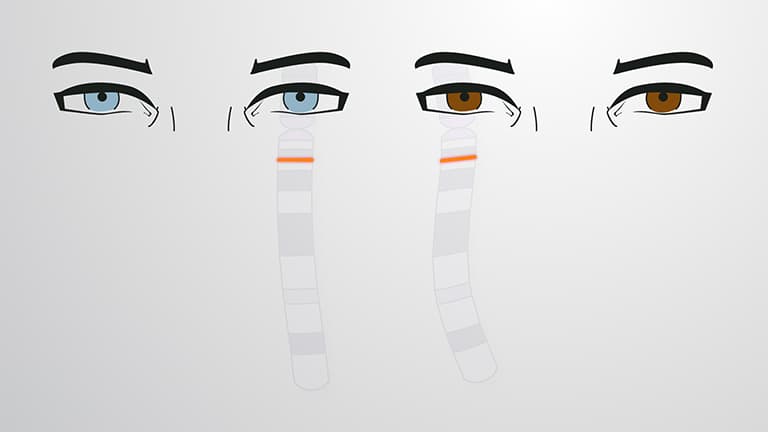
Why do you have your mother's eyes but your father's height? The chromosomal theory inheritance explains how physical chromosomes carry genetic information from parents to offspring, providing the biological foundation for Mendel's laws of heredity. This groundbreaking theory emerged when 19th-century scientists connected microscopic chromosome behavior during cell division to inheritance patterns-like how cystic fibrosis traits pass through families in predictable ways. Watch the full video on JoVE Coach to master this concept with expert-led visuals and step-by-step explanations.
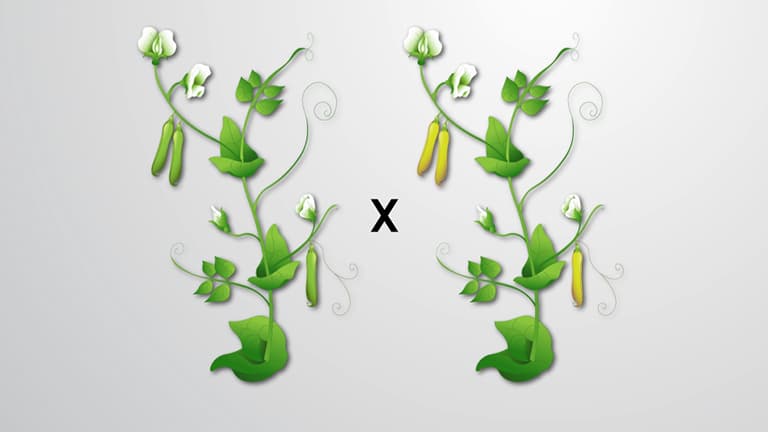
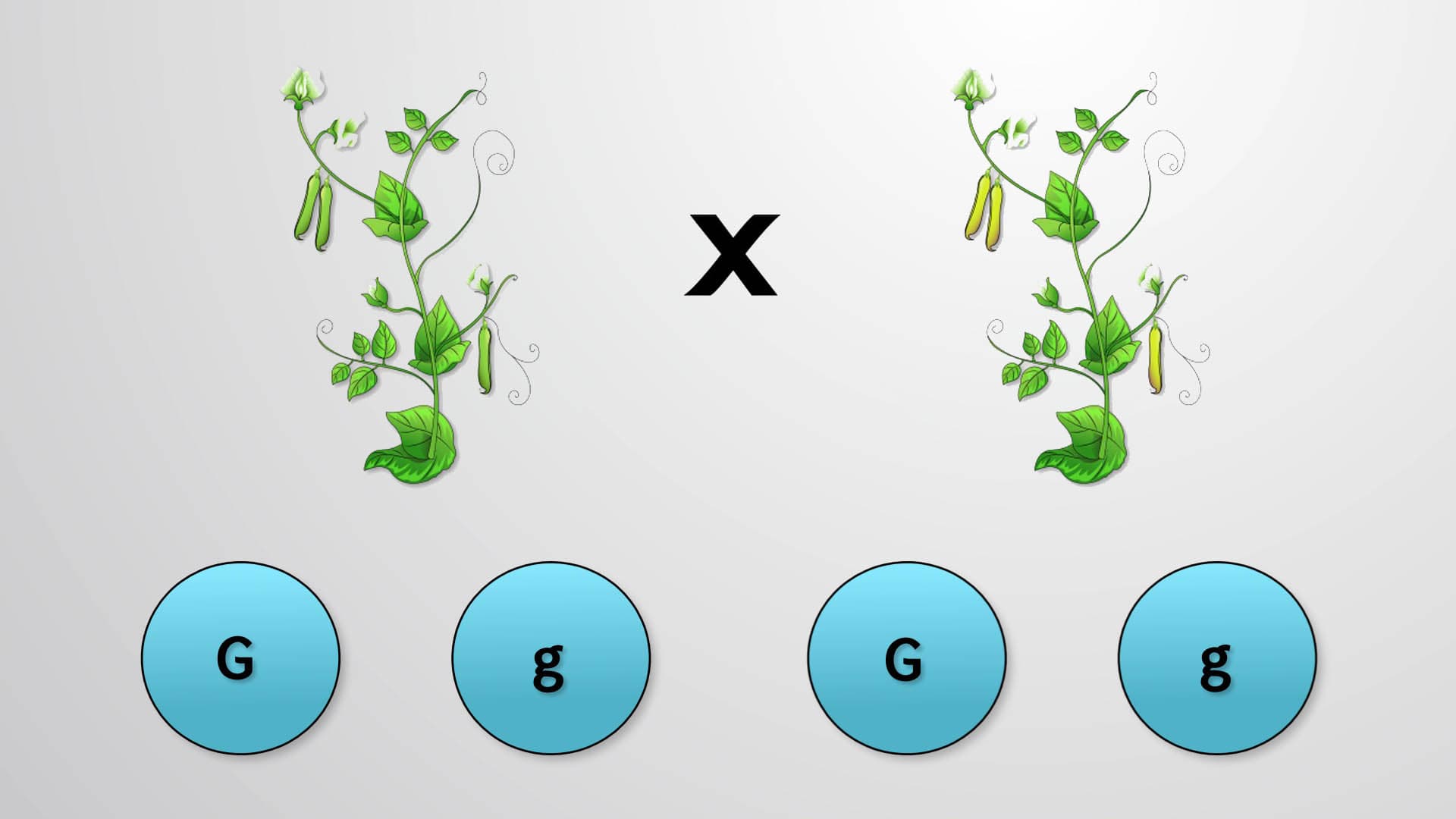
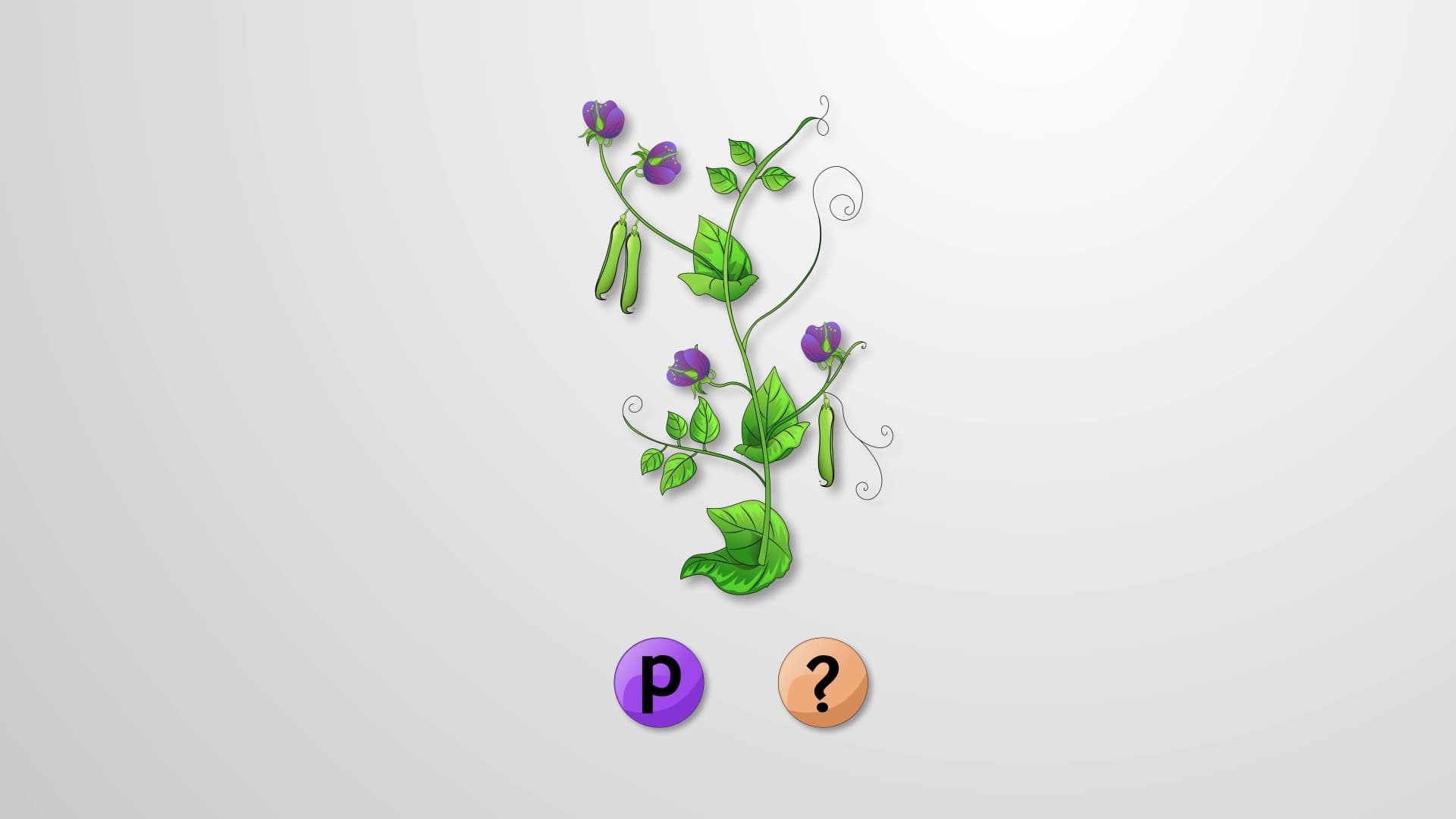
The chromosomal theory of inheritance revolutionized biology by providing the physical basis for Mendel's abstract "factors." This theory states that genes are located on chromosomes, and the behavior of chromosomes during meiosis directly explains the patterns of inheritance Mendel observed in his pea plant experiments. For students preparing for AP Biology or college genetics courses, this concept serves as a crucial bridge between classical genetics and modern molecular biology.
In the 1880s and 1890s, scientists like Theodor Boveri and Walter Sutton made critical observations using improved microscopes. They noticed that chromosome behavior during cell division paralleled Mendel's proposed inheritance patterns. This connection wasn't coincidental-chromosomes physically carry the genetic material responsible for inherited traits. American medical students studying for the MCAT often encounter questions testing this historical understanding, as it demonstrates how technological advances drive scientific discovery.
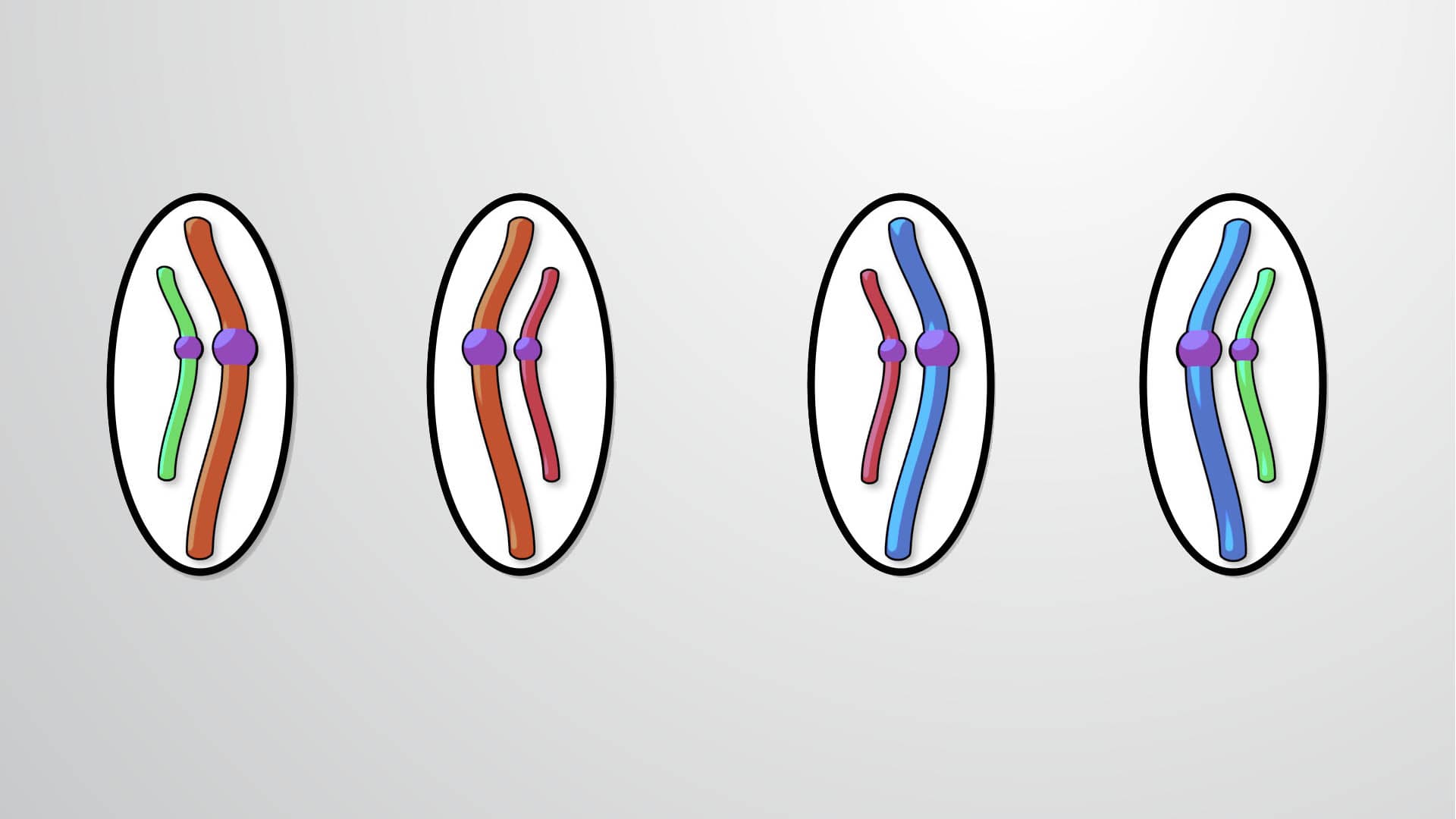
During meiosis, homologous chromosome pairs separate, ensuring each gamete receives only one copy of each chromosome. This process directly accounts for Mendel's Law of Segregation-where paired factors separate during gamete formation. For example, in humans carrying genes for Huntington's disease, the chromosome bearing the dominant allele segregates independently from its homologous partner during egg or sperm formation.
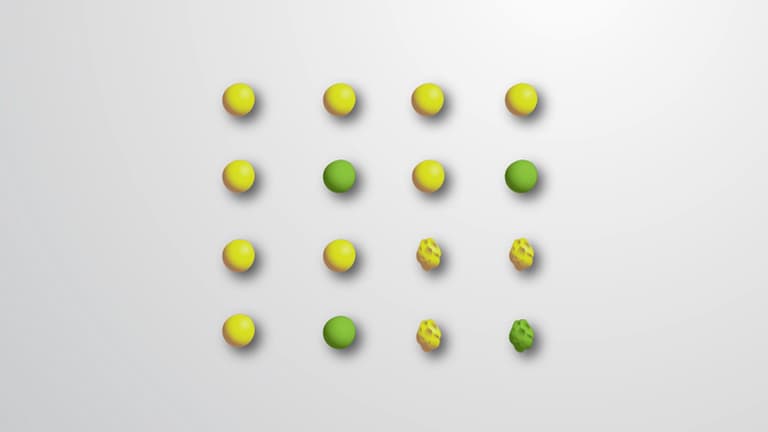
The Law of Independent Assortment finds its physical basis in how non-homologous chromosomes orient randomly during meiosis I. Genes located on different chromosomes sort independently because their chromosomes move independently. This explains why traits like ABO blood type and Rh factor (located on different chromosomes) are inherited independently in families.
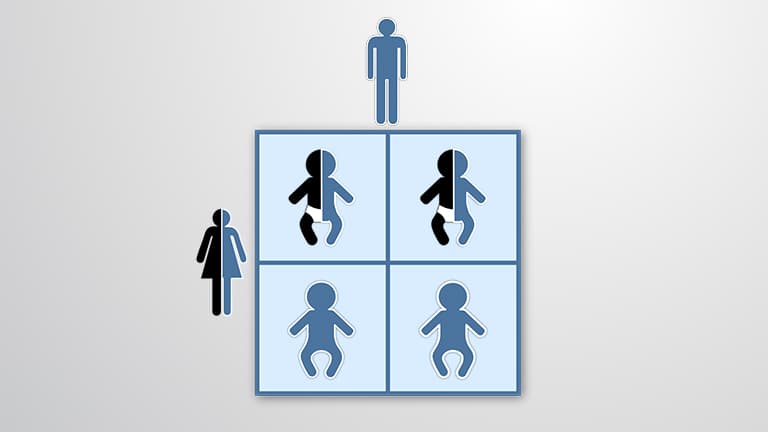
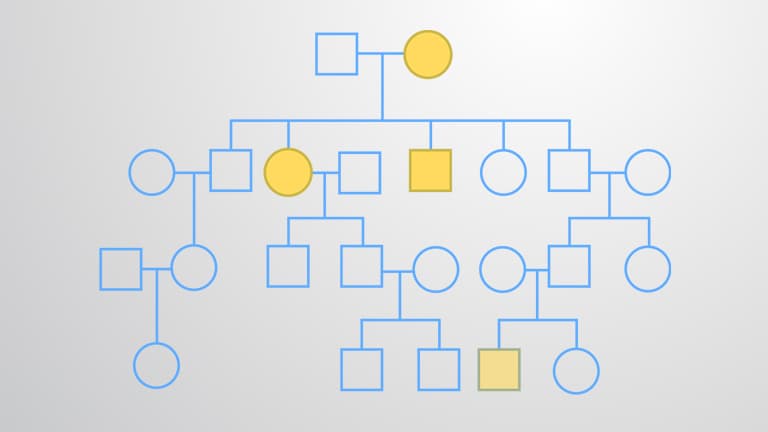
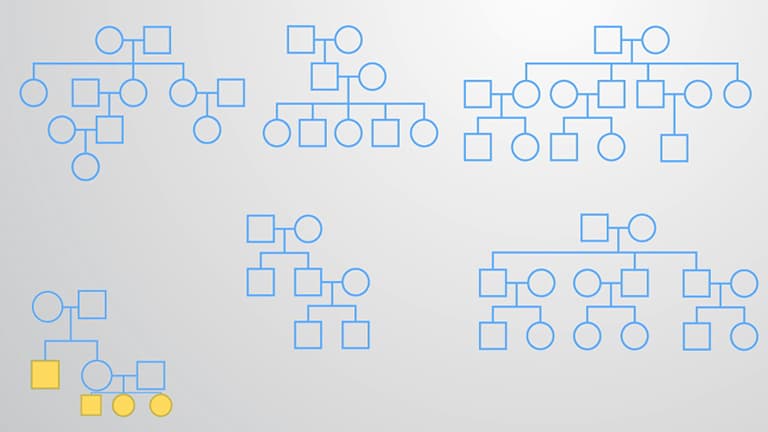
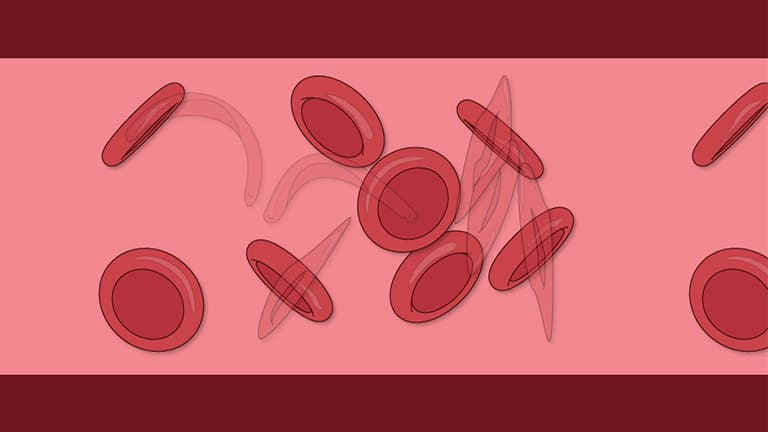
Understanding chromosomal inheritance theory proves essential for genetic counselors working with American families. When analyzing pedigrees for conditions like sickle cell anemia or Tay-Sachs disease, professionals rely on these principles to calculate inheritance probabilities. Medical school students preparing for USMLE exams frequently encounter scenarios requiring application of these concepts to predict genetic outcomes and counsel patients about hereditary risks.
Related Micro-courses