Loading video…


 19 Concepts
 1.3M views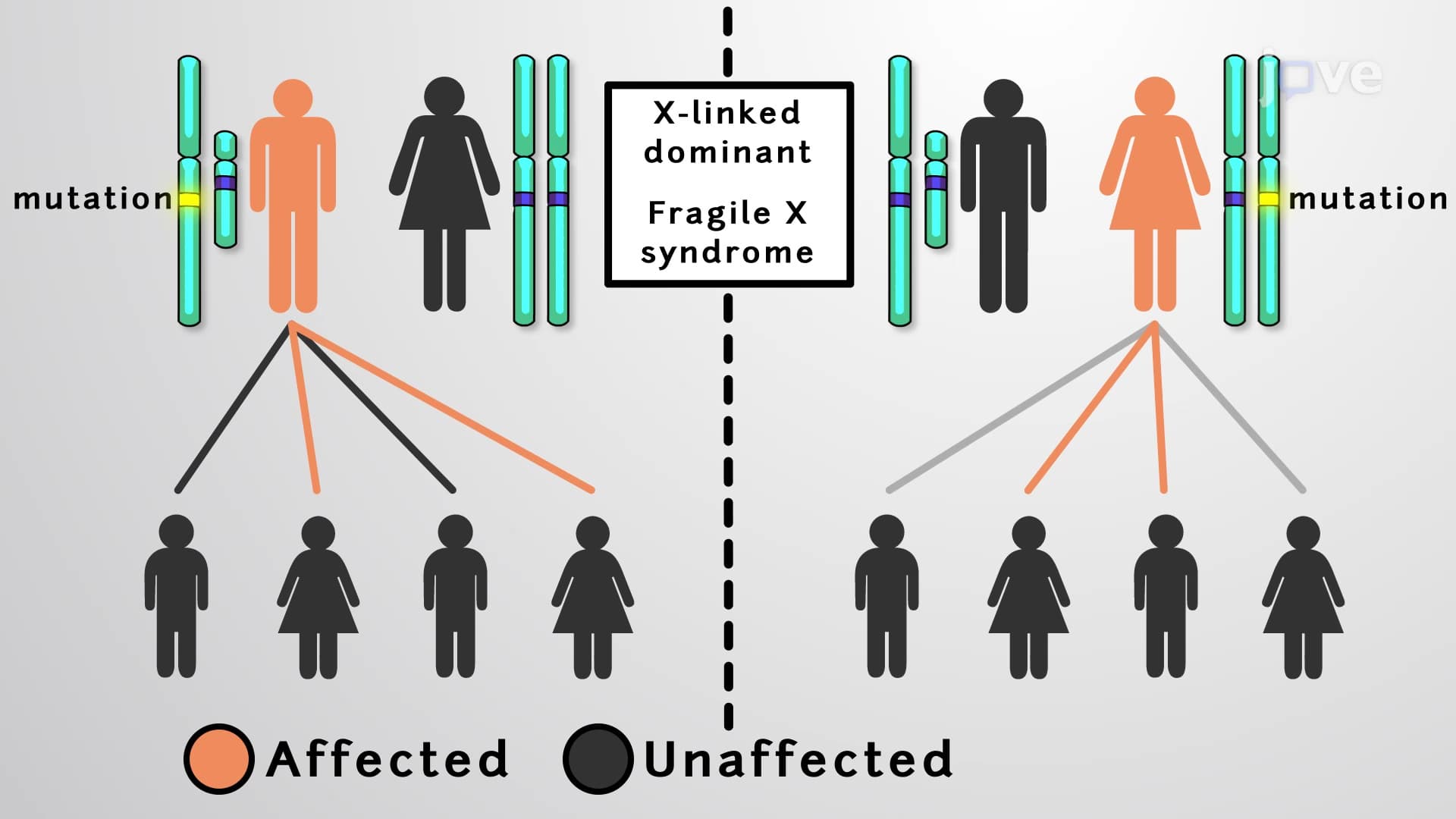

Video Summary: What are Sex Linked Disorders
Did you know that color blindness affects roughly 8% of men but only 0.5% of women in the United States? Sex linked disorders like this occur when genetic mutations are located on sex chromosomes, creating dramatically different inheritance patterns between males and females. These disorders include conditions like Duchenne muscular dystrophy, which primarily affects boys due to X-linked recessive inheritance. Understanding what are sex linked disorders helps explain why certain genetic conditions show such striking gender differences in occurrence rates. Watch the full video on JoVE Coach to master this concept with expert-led visuals and step-by-step explanations.
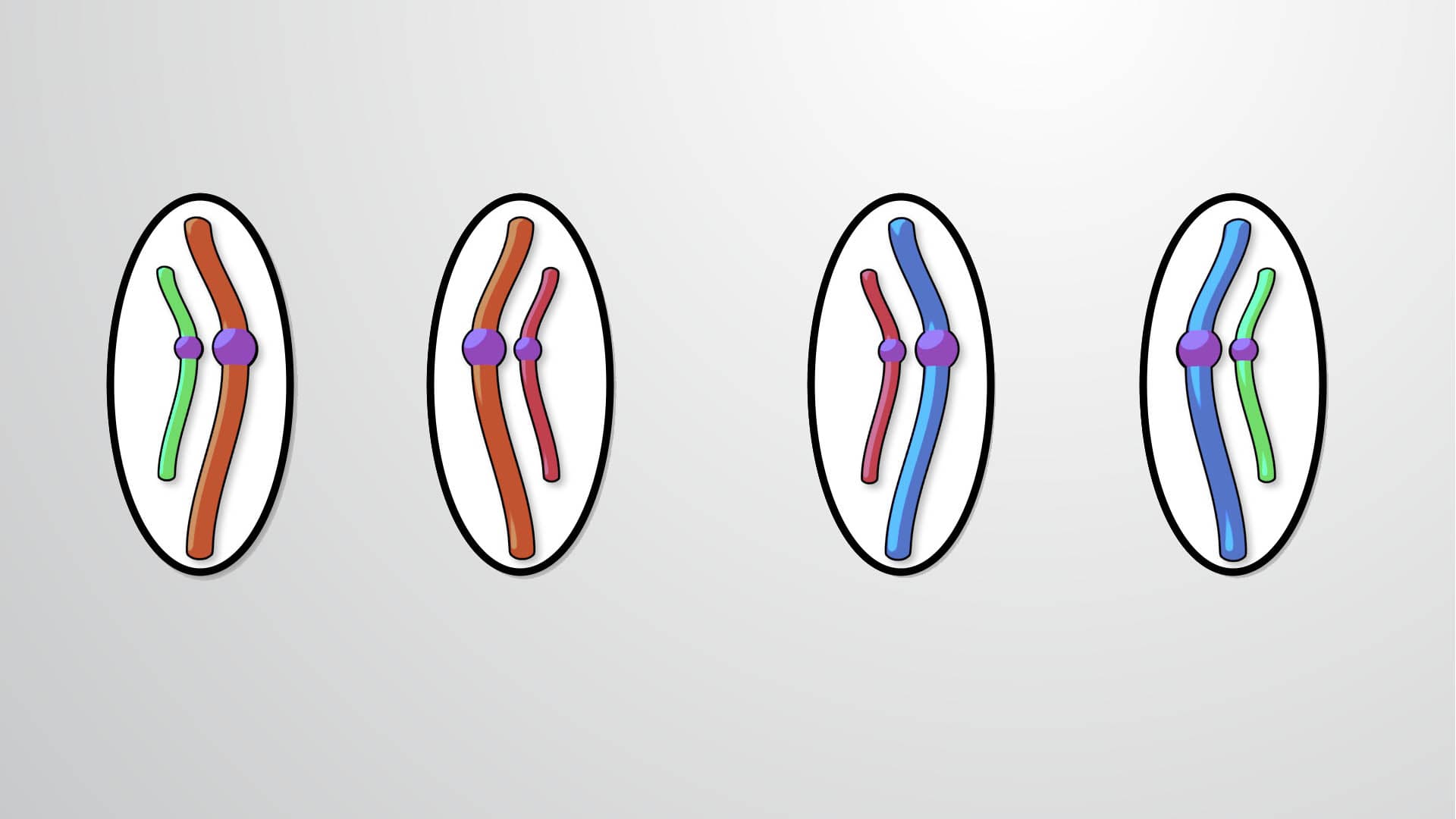
Sex linked disorders represent a fascinating category of genetic conditions that demonstrate how chromosome location directly influences inheritance patterns. Unlike autosomal disorders that affect chromosomes 1-22 equally in both sexes, these conditions involve mutations on the X or Y chromosomes, creating unique inheritance signatures that genetic counselors and physicians use for diagnosis and family planning.
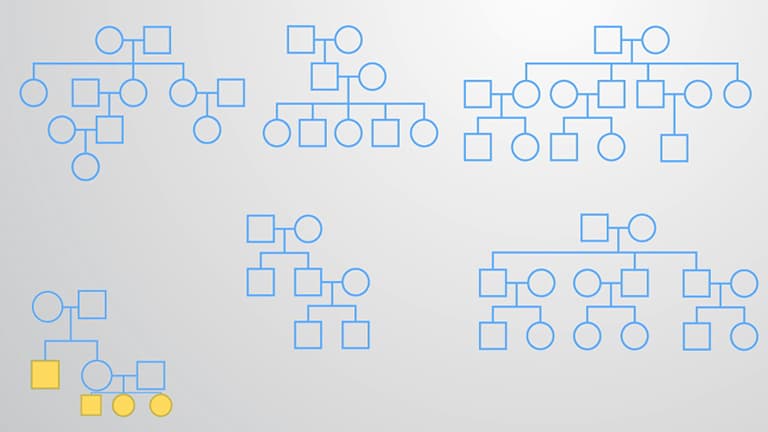
Y-linked disorders follow the simplest inheritance pattern since the Y chromosome passes exclusively from father to son. Male infertility syndromes, including Y chromosome microdeletions affecting sperm production, exemplify this category. These conditions cannot affect females and create a direct paternal lineage of inheritance. For AP Biology students, remember that Y-linked traits appear in 100% of male offspring from affected fathers, making pedigree analysis straightforward.
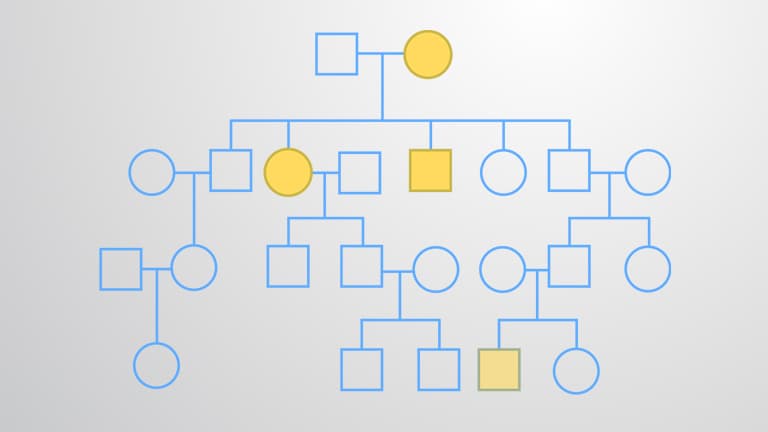
X-linked dominant disorders require only one mutated copy to express the phenotype, but they affect males and females differently due to X-inactivation in females. Fragile X syndrome, the most common inherited cause of intellectual disability and autism spectrum disorder in the United States, demonstrates this pattern. Affected mothers have a 50% chance of passing the condition to children of either sex, while affected fathers pass it to all daughters but no sons. This creates the characteristic "knight's move" pattern seen in pedigrees.
X-linked recessive disorders show the most dramatic sex differences because males need only one mutated copy while females require two. Duchenne muscular dystrophy (DMD) affects approximately 1 in 3,500-5,000 male births in the US, causing progressive muscle weakness that typically confines boys to wheelchairs by age 12. The dystrophin protein, encoded by the largest known human gene, maintains muscle fiber integrity. Without functional dystrophin, muscle cells undergo repeated damage and repair cycles, eventually leading to fatty tissue replacement.
Color blindness provides another excellent example, affecting about 1 in 12 men versus 1 in 200 women. Carrier mothers have a 50% chance of passing the trait to sons, explaining why color blindness often "skips generations" in family histories. For MCAT preparation, focus on how X-inactivation in heterozygous females can create mosaic expression patterns, potentially leading to mild symptoms in some carrier women.
Related Micro-courses