Loading video…


 12 Concepts
 83.2K views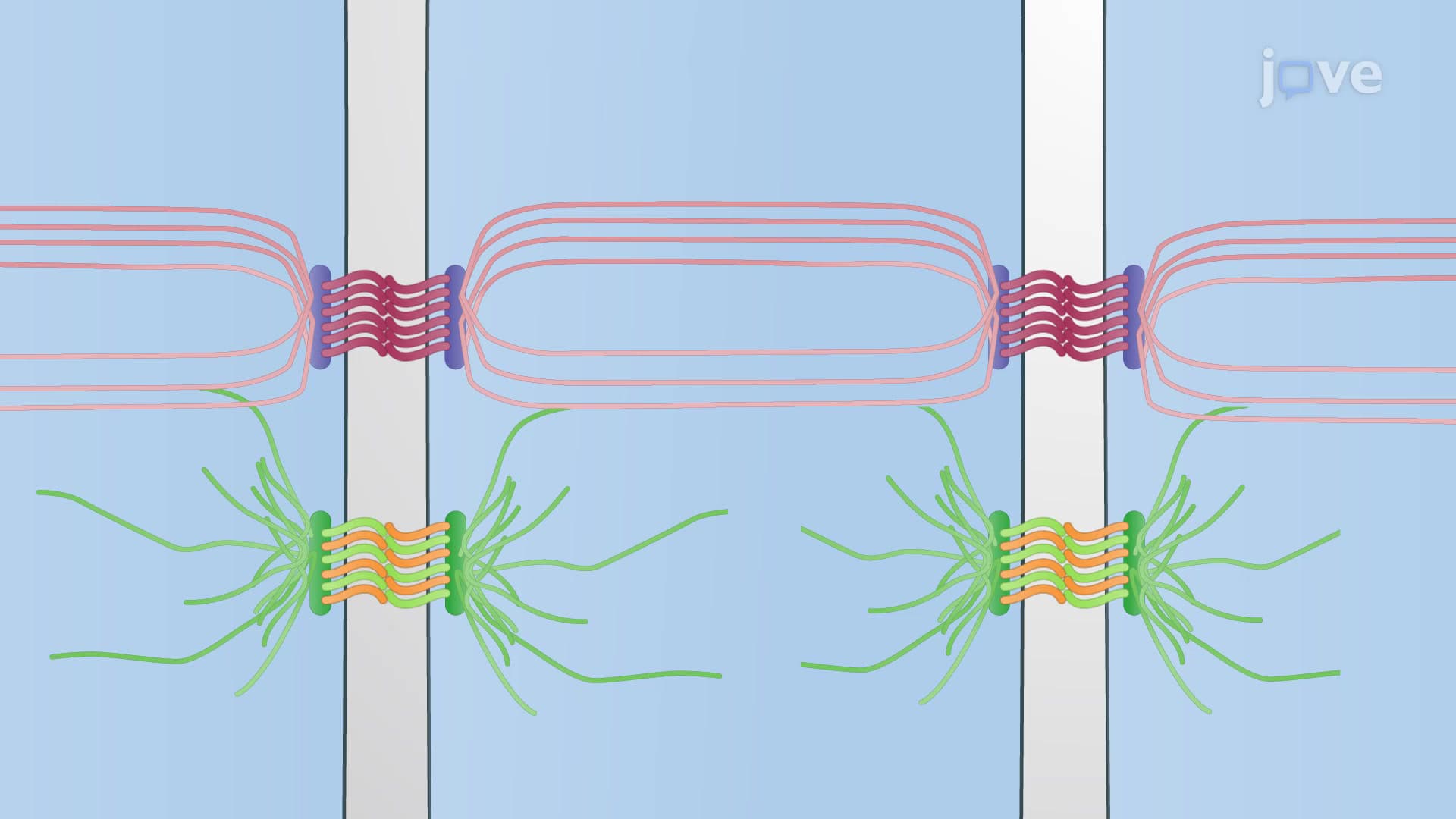

Video Summary: Overview of Cell Cell Junctions Explained
Ever wonder how your skin stays together during a basketball game or how your intestines prevent harmful bacteria from entering your bloodstream? The cell junctions overview biology reveals that specialized protein complexes create these cellular connections. Think of how the lining of your digestive tract in places like Johns Hopkins Hospital's gastroenterology ward must maintain tight barriers-this is where cell-to-cell junctions become critical for human health. This Overview of Cell Cell Junctions Explained covers the three main junction types that keep your tissues functioning properly. Watch the full video on JoVE Coach to master this concept with expert-led visuals and step-by-step explanations.
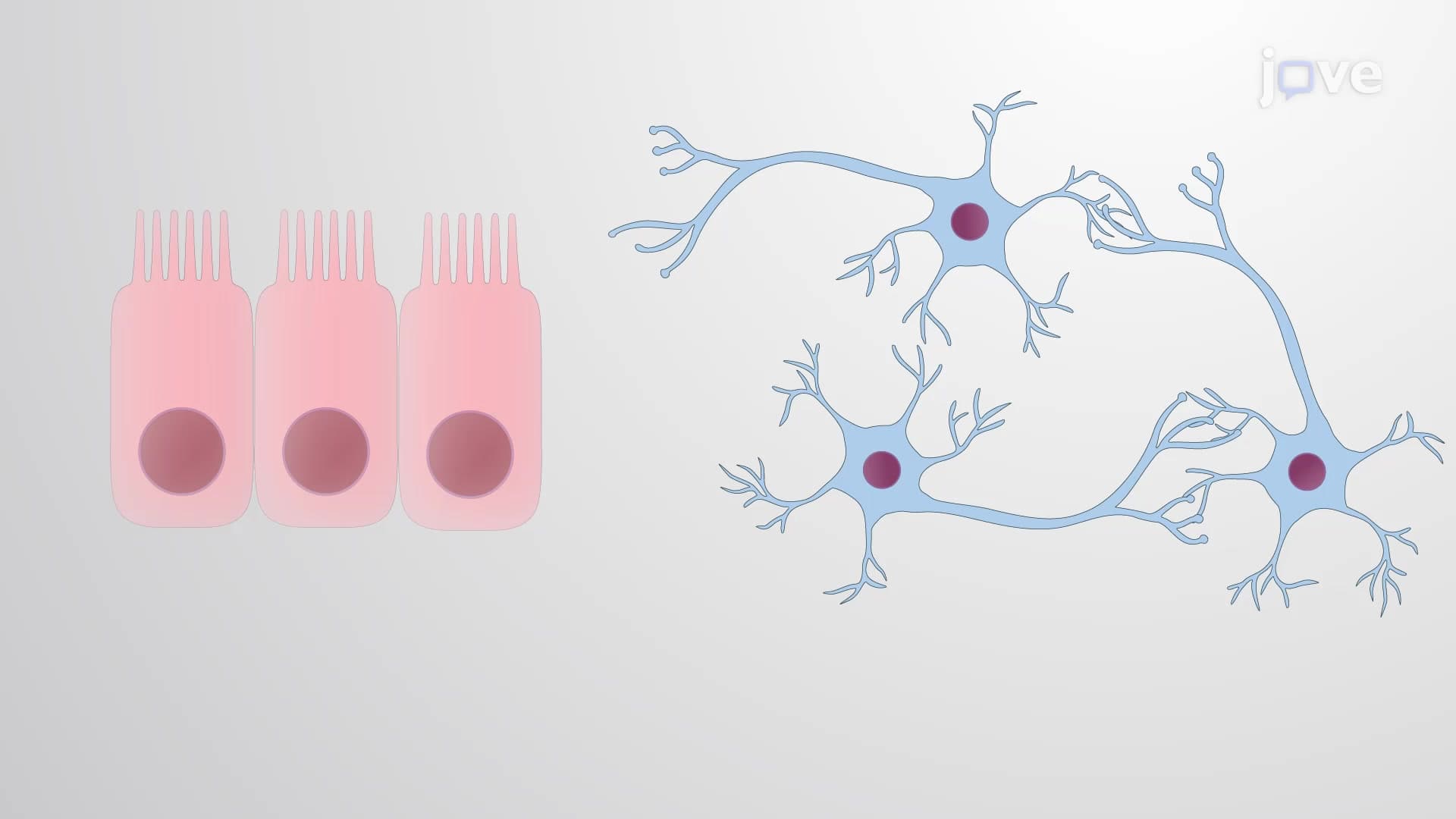
Cell junctions represent one of biology's most elegant solutions to multicellular organization. These sophisticated protein complexes ensure that the approximately 37 trillion cells in your body work together as coordinated tissues and organs. For students taking AP Biology or preparing for the MCAT, understanding junction classification provides crucial insight into how cellular architecture supports physiological function.
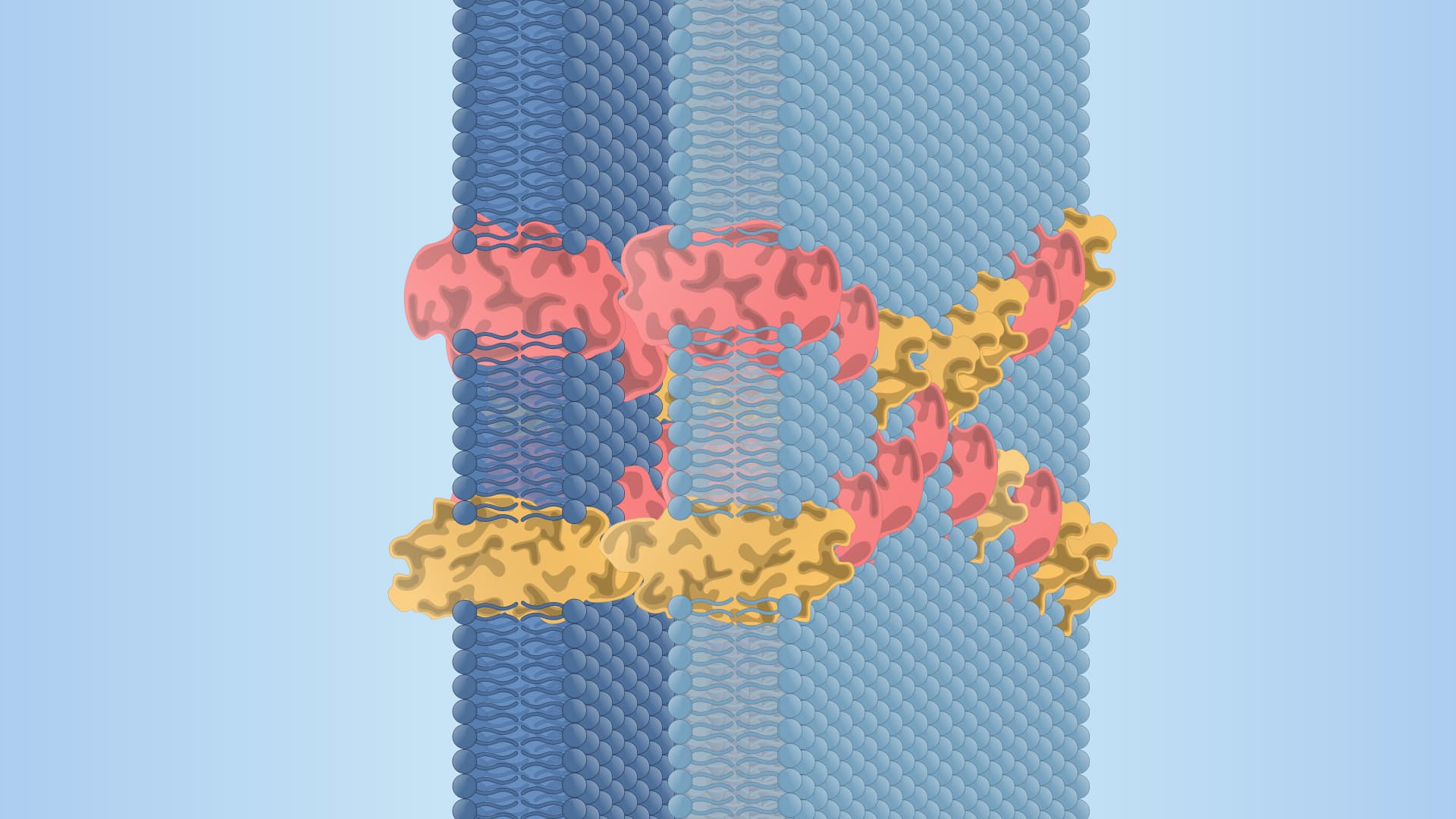
Tight junctions function as biological "zip-lock seals" between adjacent cells, particularly in barrier tissues like the blood-brain barrier studied extensively at institutions like Stanford Medical School. These junctions contain proteins called claudins and occludins that literally fuse neighboring cell membranes together. In your intestinal lining, tight junctions prevent harmful bacteria and toxins from slipping between cells into your bloodstream-a process called paracellular transport. When tight junctions fail, conditions like leaky gut syndrome can develop, demonstrating their critical barrier function.
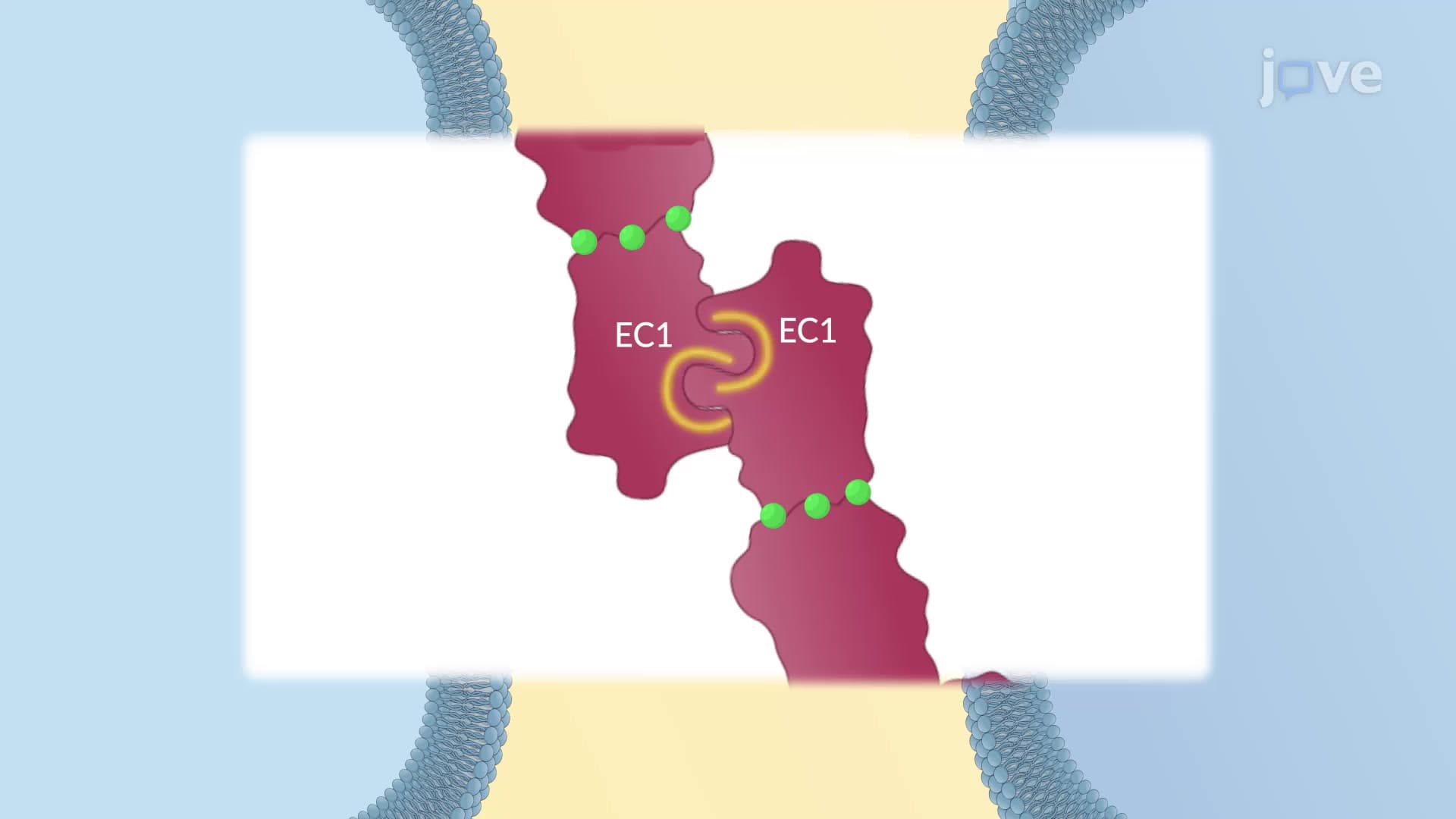
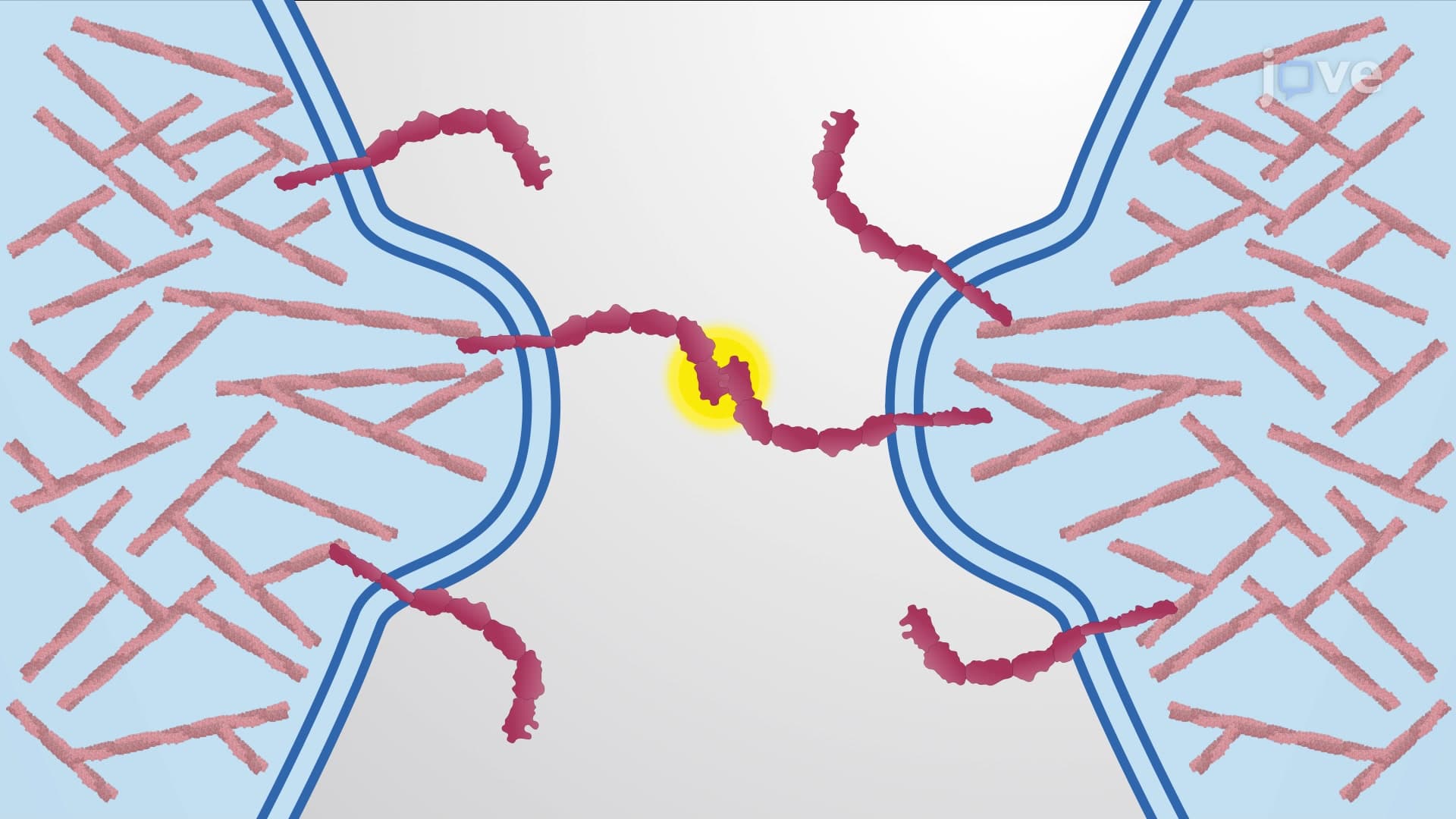
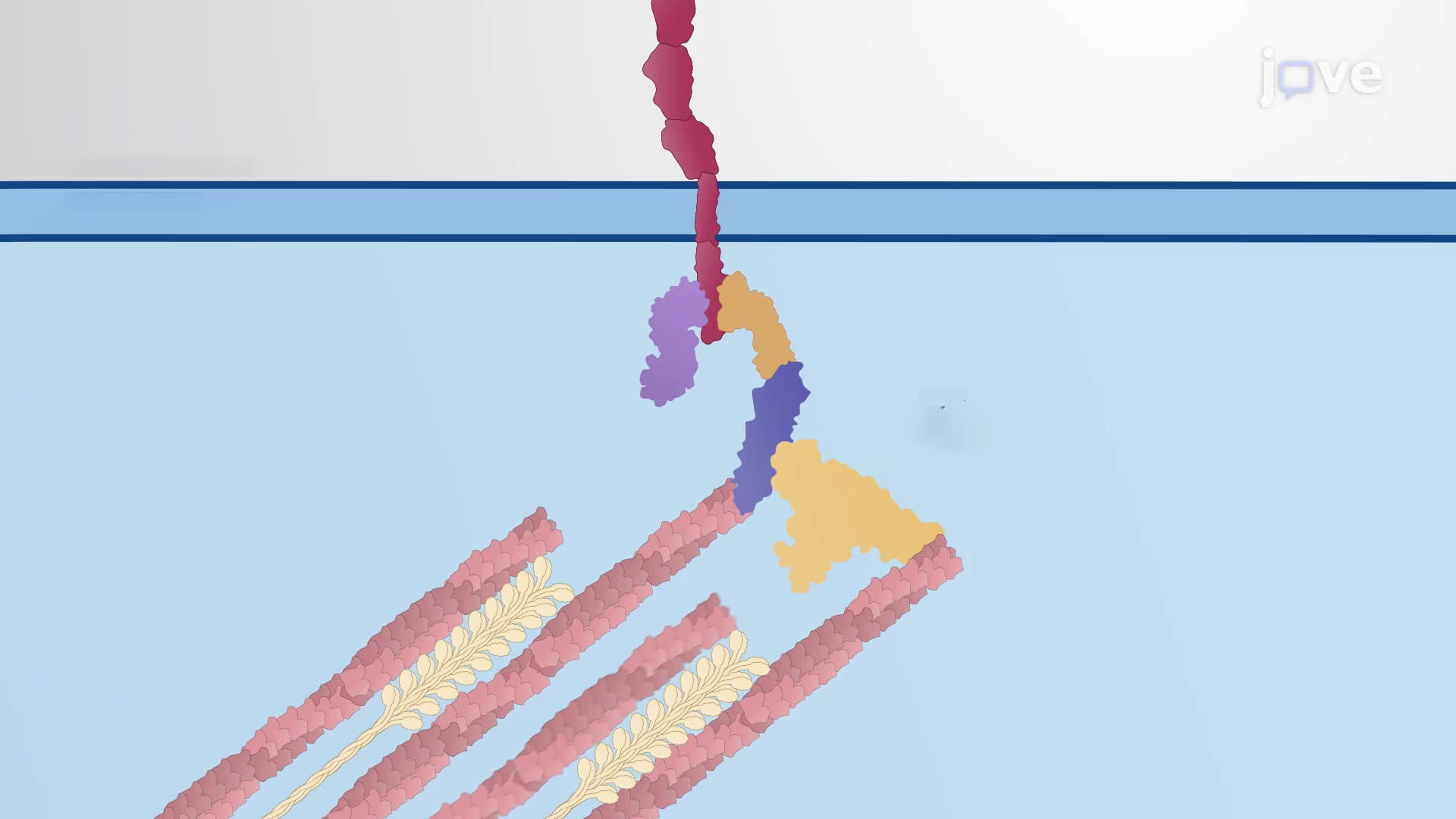
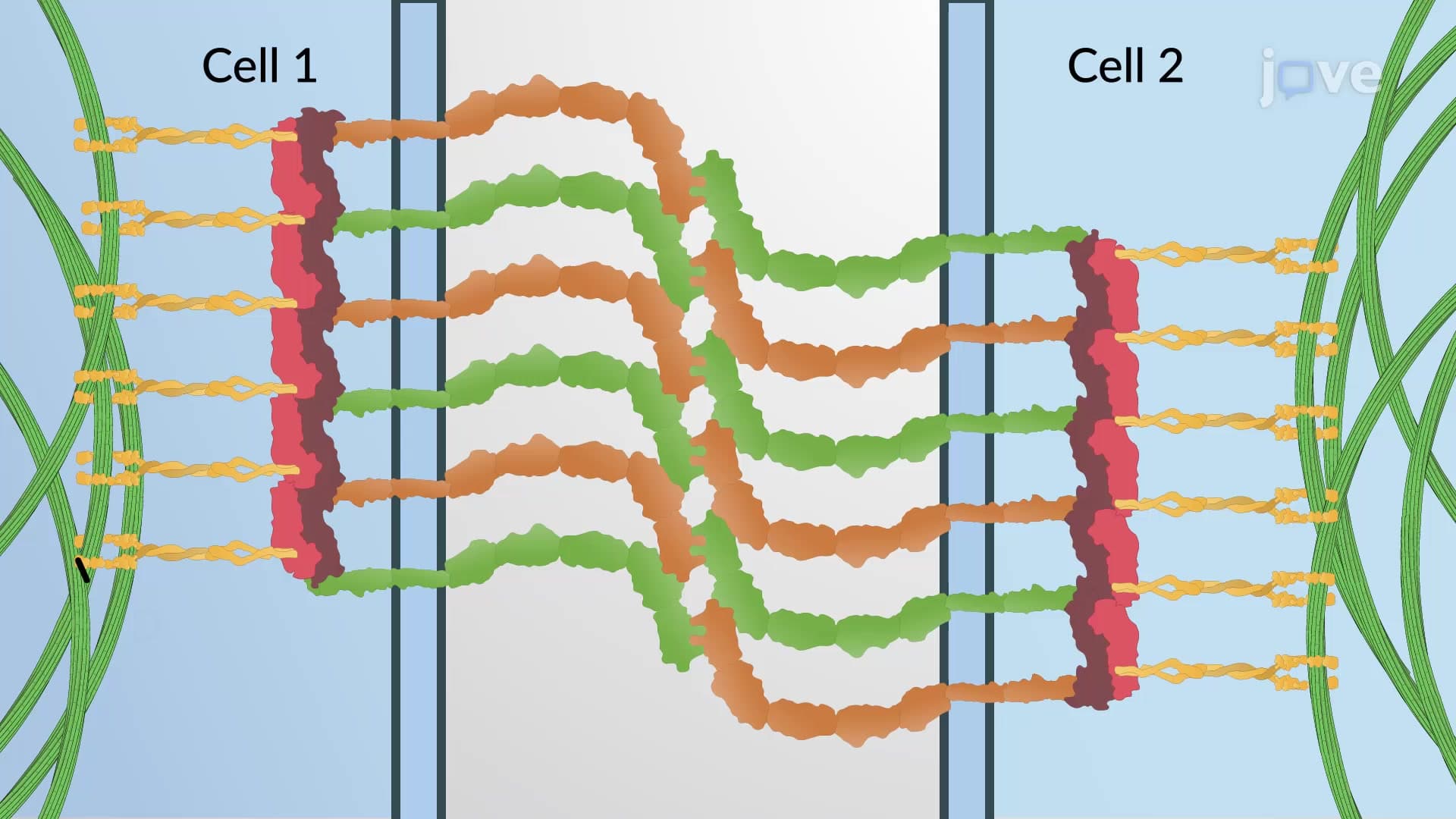
The anchoring junction system includes both adherens junctions and desmosomes, working together like a cellular "construction framework." Adherens junctions connect to actin filaments and help cells maintain their shape during tissue remodeling, while desmosomes anchor to intermediate filaments for mechanical stability. Think of how your skin stretches when you move-desmosomes in skin cells prevent tearing under mechanical stress. This mechanical coupling is why dermatologists at institutions like the Mayo Clinic study desmosome-related disorders like pemphigus, where junction breakdown causes painful skin blistering.
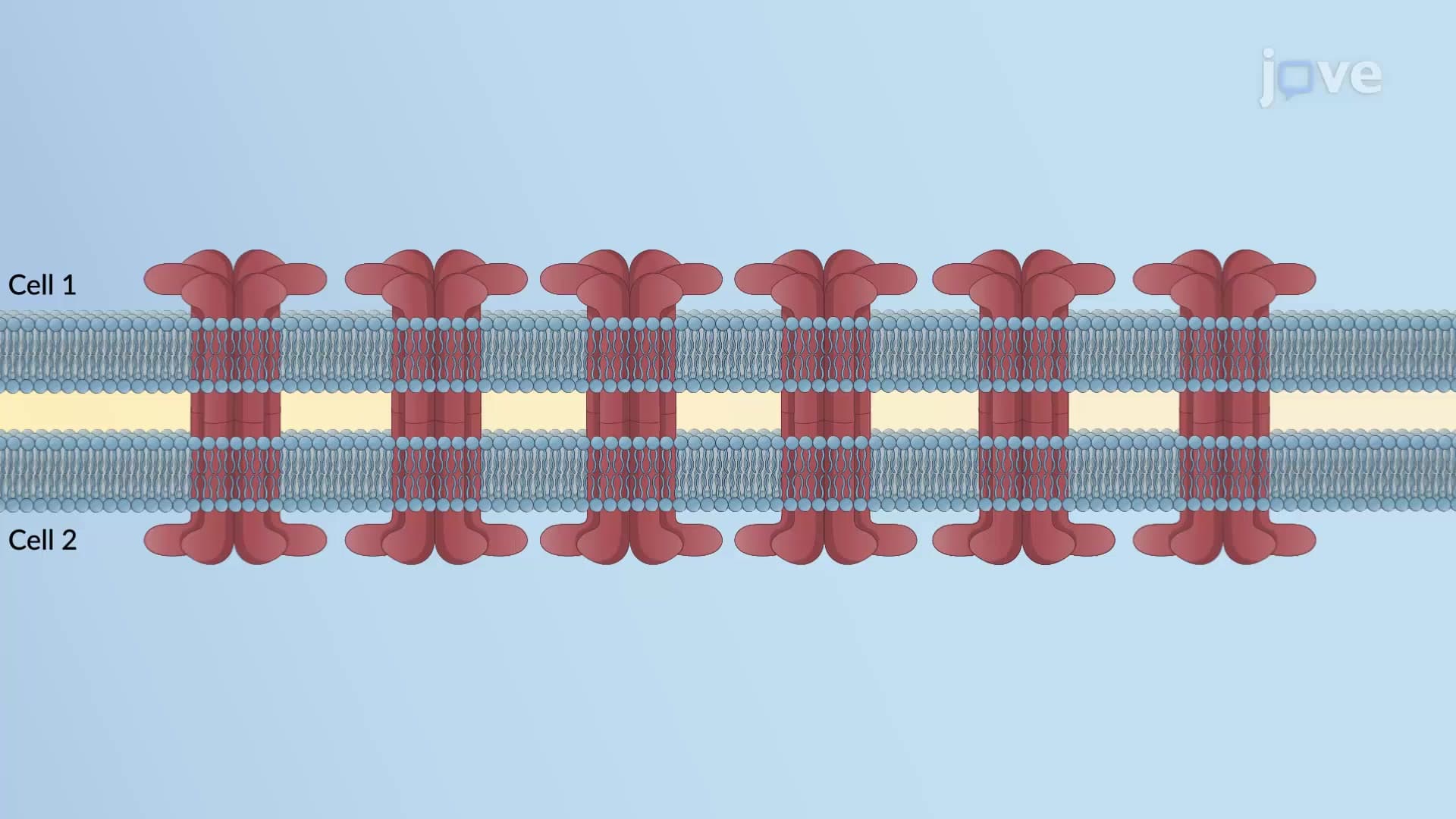
Gap junctions create direct communication channels between cells, allowing small molecules and ions to pass freely between adjacent cells. These structures contain connexin proteins that form tiny tunnels approximately 1.5 nanometers in diameter. In cardiac muscle, gap junctions enable synchronized heartbeats by allowing electrical signals to spread rapidly across heart tissue. College physiology courses often emphasize how gap junction dysfunction contributes to cardiac arrhythmias, making this concept particularly relevant for pre-med students preparing for the MCAT.
Related Micro-courses