Loading video…


 12 Concepts
 83.2K views

Video Summary: Cell Adhesion Molecules Types and Functions Explained
Ever wonder how your skin cells stick together to form a protective barrier, or how white blood cells navigate through your bloodstream to fight infections? Cell adhesion molecules biology reveals the molecular velcro that makes these processes possible. These specialized proteins, collectively known as Cell Adhesion Molecules Types And Functions Explained, include four major families: integrins, cadherins, selectins, and immunoglobulin-like proteins. In the US healthcare system, understanding CAMs is crucial for treating conditions like cancer metastasis and autoimmune disorders. Watch the full video on JoVE Coach to master this concept with expert-led visuals and step-by-step explanations.
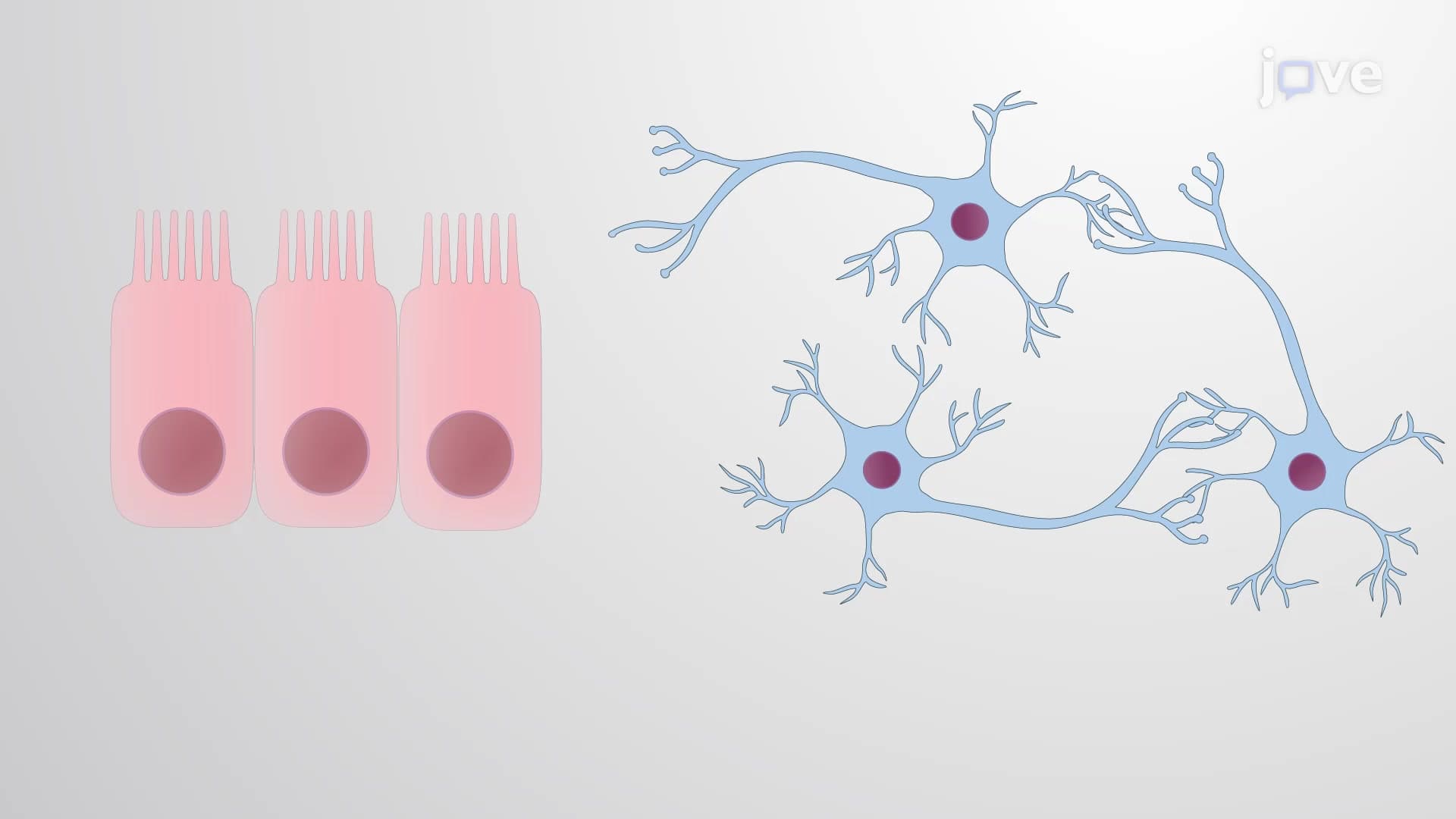
Cell adhesion molecules (CAMs) serve as the cellular equivalent of molecular glue, enabling cells to stick together and communicate effectively. These transmembrane proteins are essential for virtually every biological process, from embryonic development to immune responses. In the human body, CAMs maintain tissue architecture while allowing for dynamic cellular interactions that adapt to physiological needs.
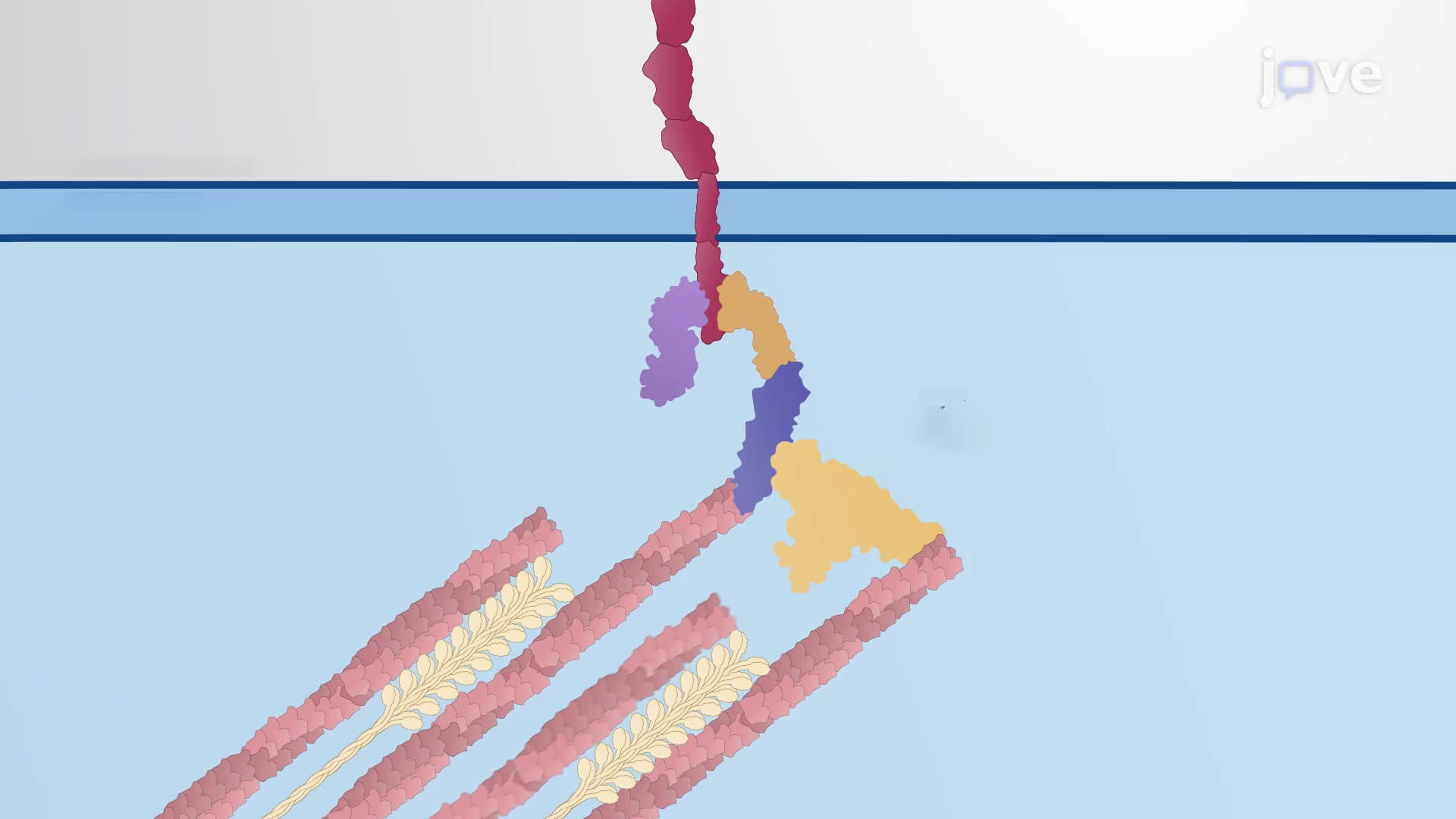
Integrins: The Cell-Matrix Connectors Integrins uniquely bridge cells to the extracellular matrix (ECM), binding to proteins like fibronectin and laminin. These molecules are crucial for cell migration, tissue repair, and maintaining structural integrity. In wound healing, integrins help cells navigate through the fibrin clot matrix. Students preparing for the MCAT often encounter integrin signaling pathways as key concepts in cell biology sections.
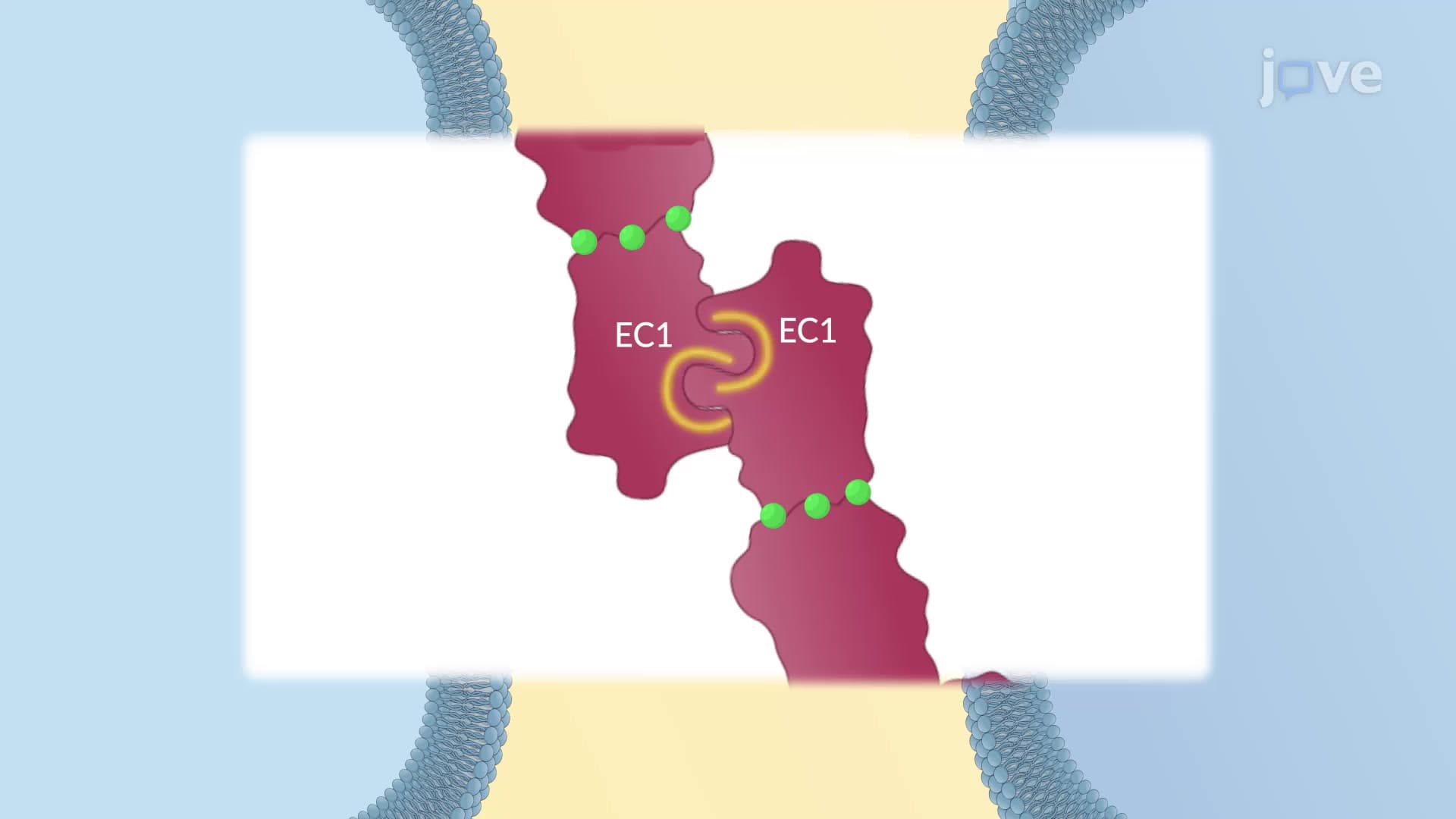
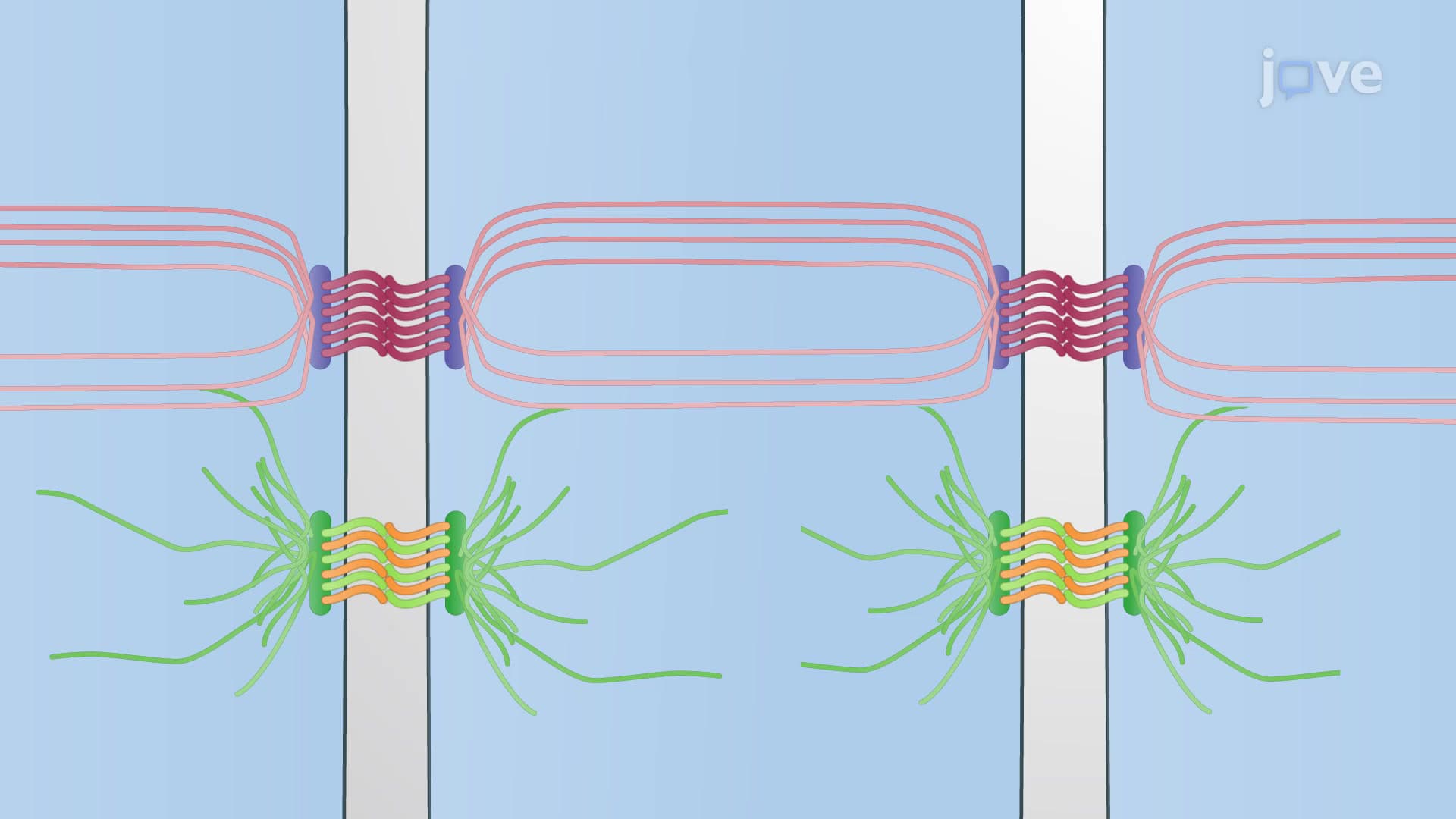
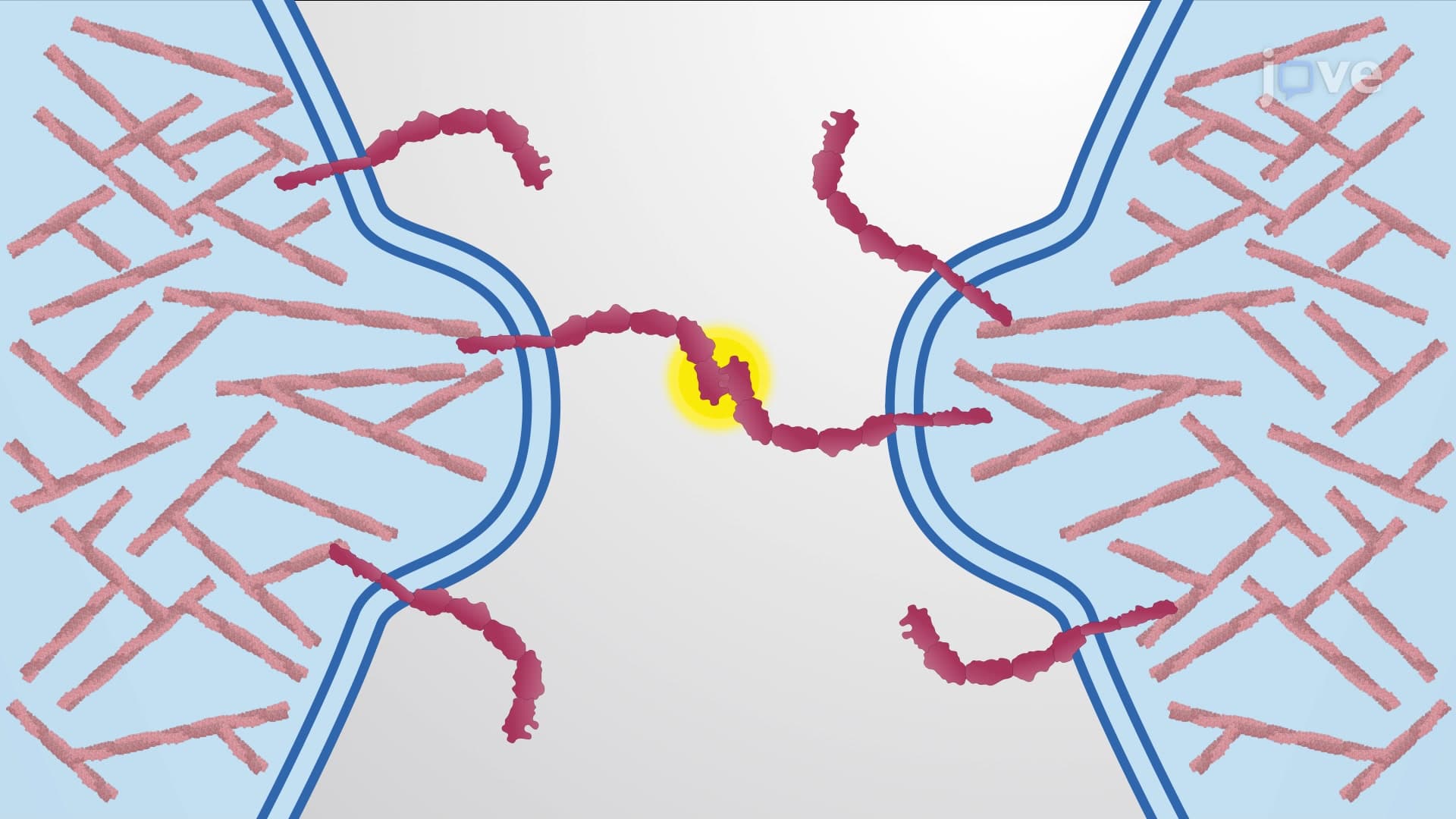
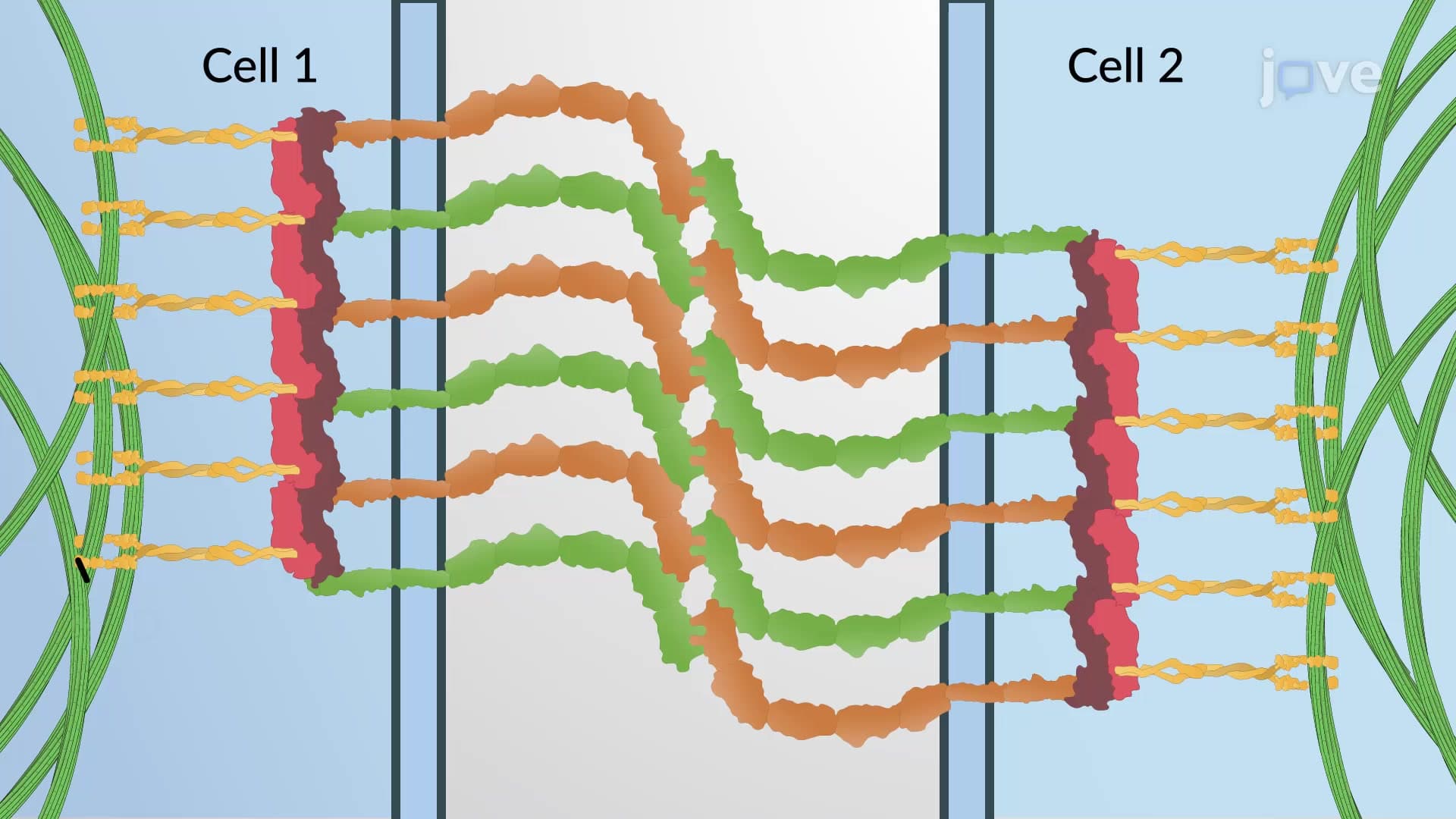
Cadherins: The Stable Cell-Cell Adhesion Specialists Cadherins form the strongest cell-cell connections through homophilic binding (like binds to like). E-cadherin in epithelial tissues creates tight barriers essential for organ function. Loss of cadherin function is a hallmark of cancer metastasis, making this family particularly relevant for pre-med students studying oncology. AP Biology exams frequently test cadherin's role in tissue organization and development.
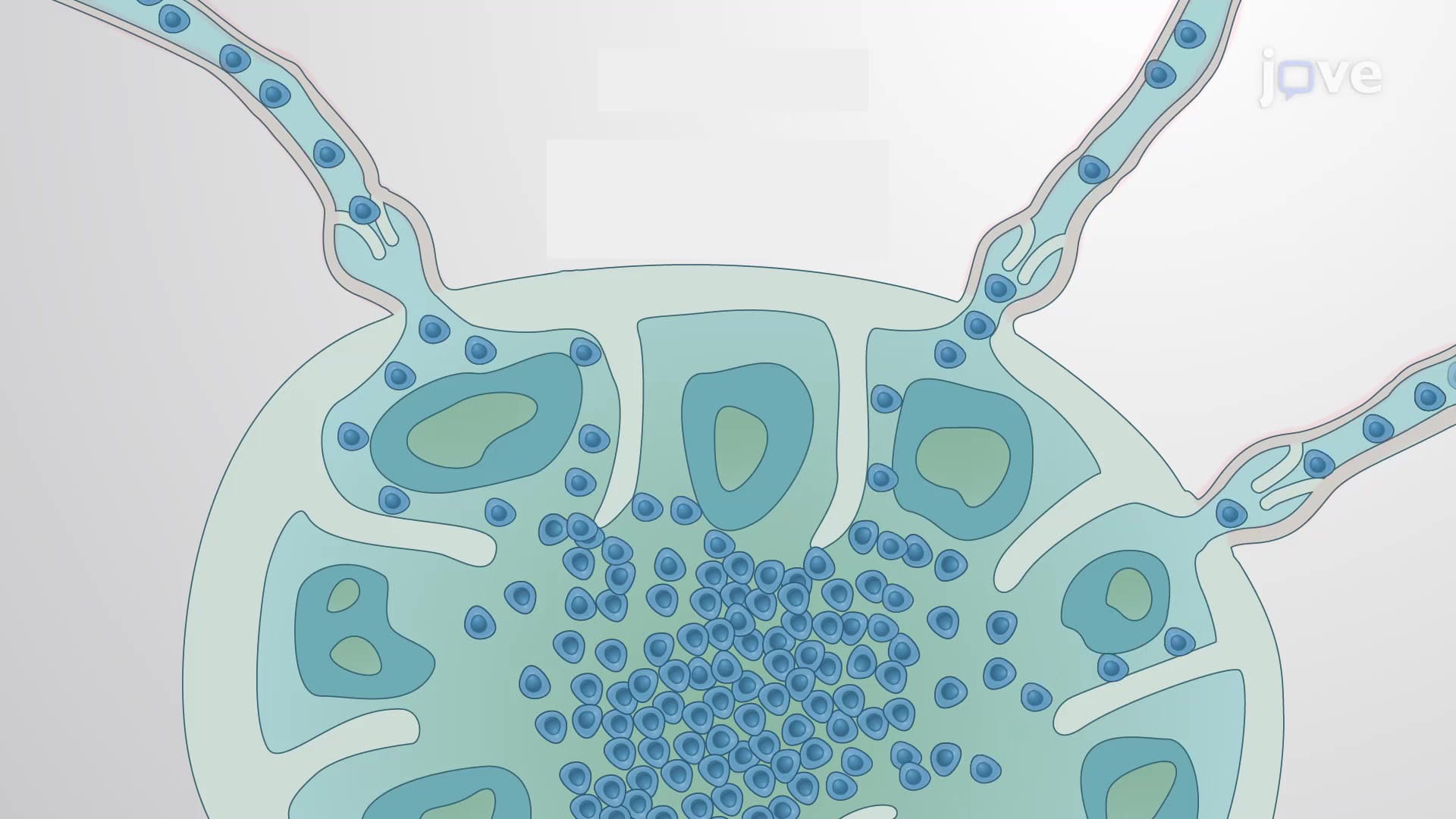
Selectins: The Immune System's Traffic Controllers Selectins facilitate the initial capture and rolling of immune cells along blood vessel walls by binding specific carbohydrates. This process is critical during inflammation when neutrophils must exit circulation to reach infection sites. P-selectin on activated platelets helps recruit immune cells to injury sites, a concept commonly tested on nursing exams like NCLEX.
CAM dysfunction underlies numerous diseases treated in US hospitals. Leukocyte adhesion deficiency, caused by integrin mutations, leads to recurrent infections. Cancer researchers at institutions like MD Anderson focus on how tumor cells lose cadherin expression to metastasize. Understanding these connections helps students excel in pathophysiology courses and prepares them for clinical scenarios on medical licensing exams like the USMLE.
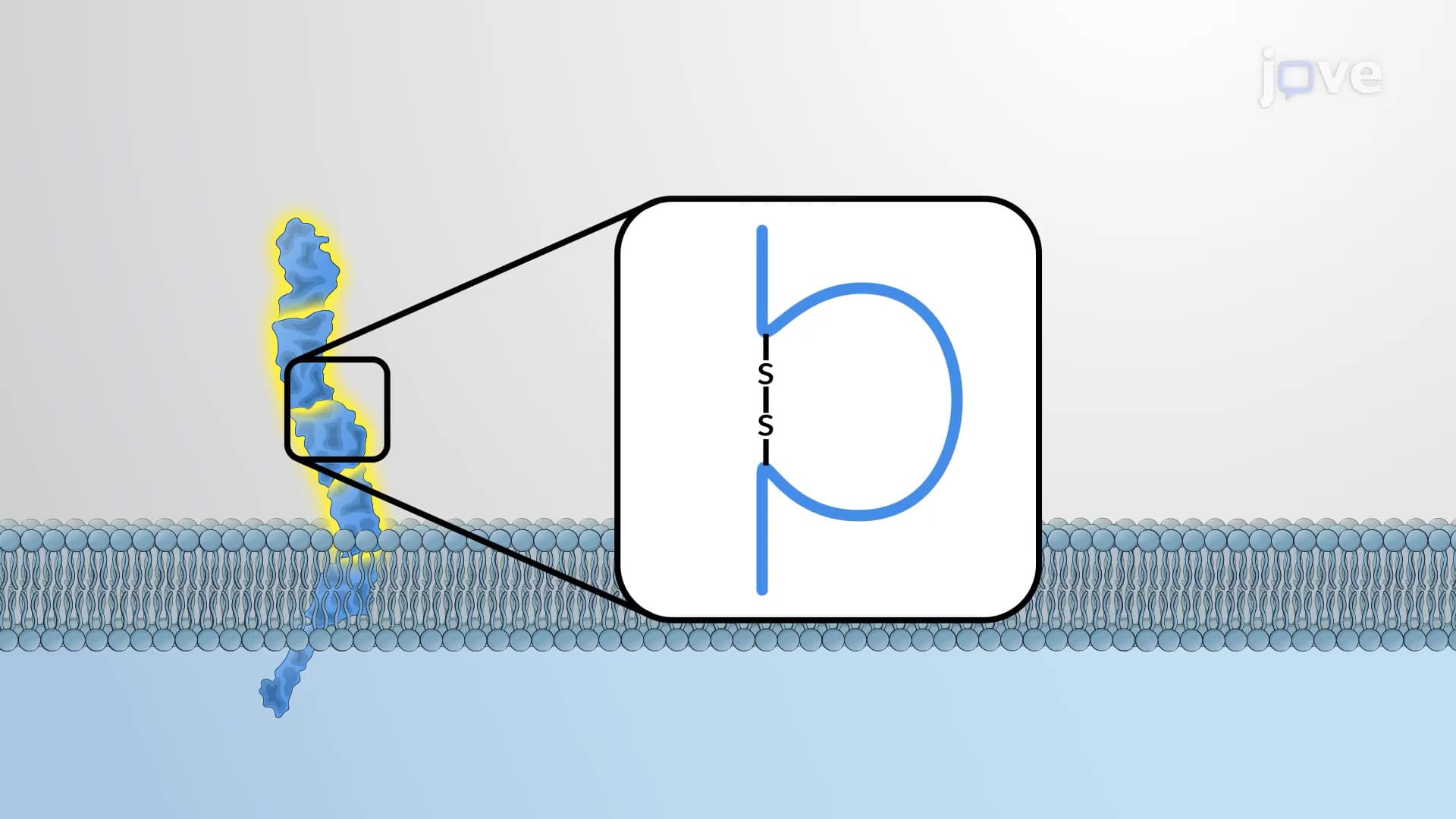
For college biochemistry courses, focus on the structure-function relationships of each CAM family. The selectin-carbohydrate interaction represents an excellent example of molecular recognition specificity. When studying for AP Biology, emphasize how CAMs enable multicellular organization, a key concept in the course framework. MCAT preparation should include understanding CAM signaling cascades and their regulation by calcium ions, particularly for cadherin function.
Related Micro-courses