Loading video…


 12 Concepts
 83.2K views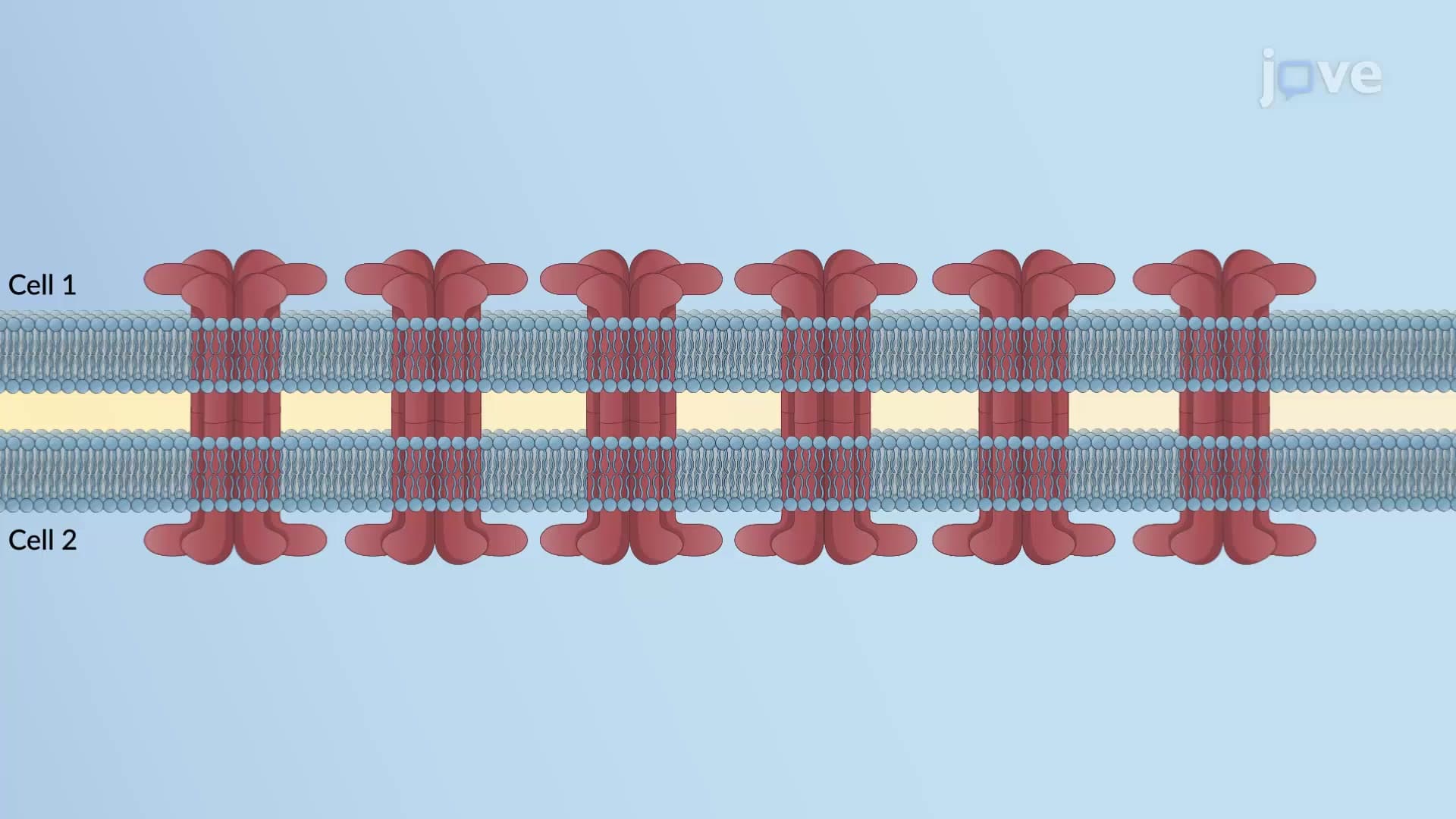

Video Summary: What are Gap Junctions
Ever wondered how your heart beats in perfect rhythm without missing a beat? Gap junctions cell biology reveals the secret: specialized protein channels that connect adjacent cells, allowing instant communication through the exchange of ions and small molecules. These microscopic tunnels, found throughout the human body from cardiac muscle to brain neurons, enable coordinated cellular responses essential for life. In the American healthcare system, understanding gap junction dysfunction helps explain conditions like cardiac arrhythmias and certain genetic disorders. Watch the full video on JoVE Coach to master this concept with expert-led visuals and step-by-step explanations.
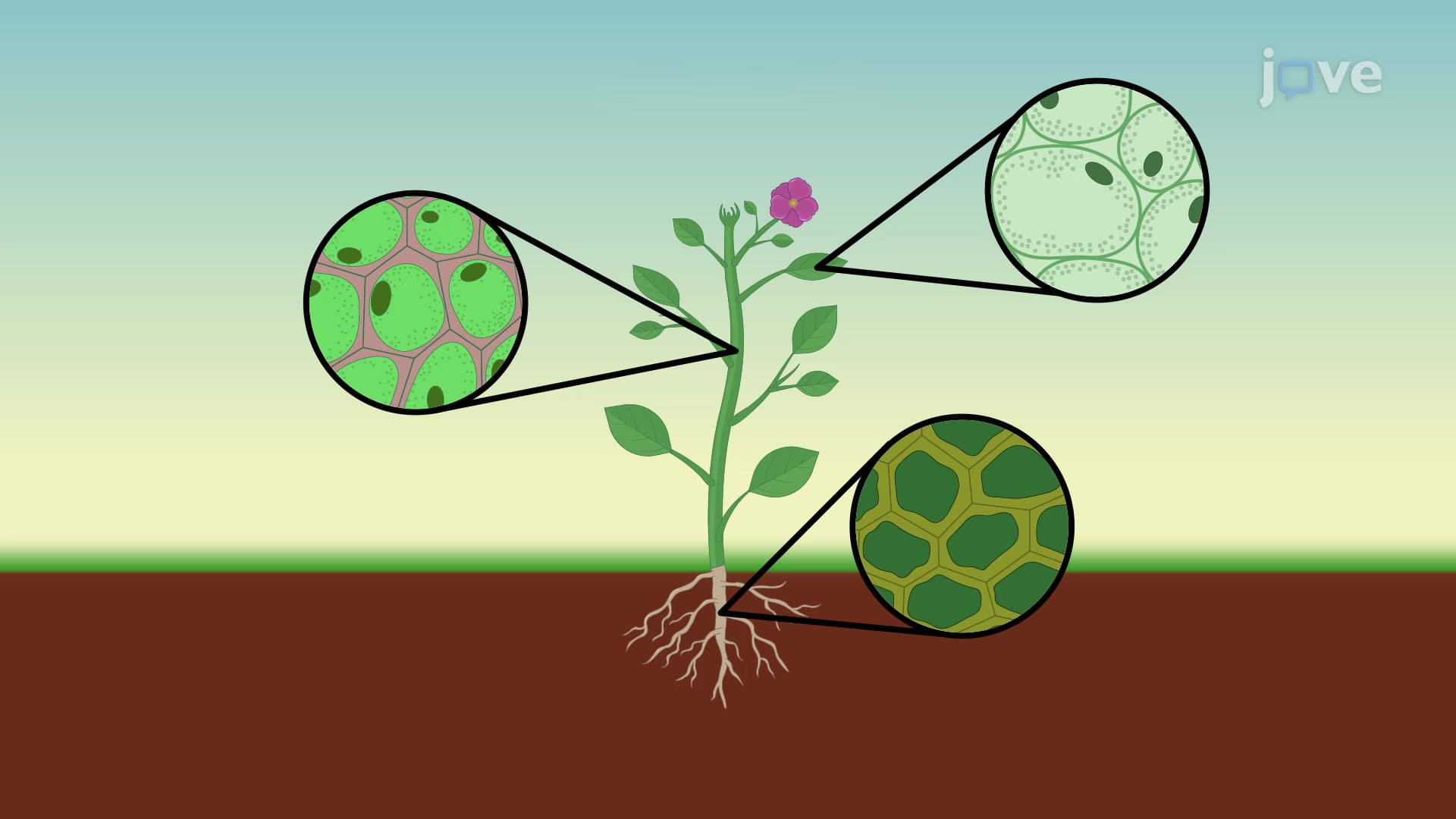
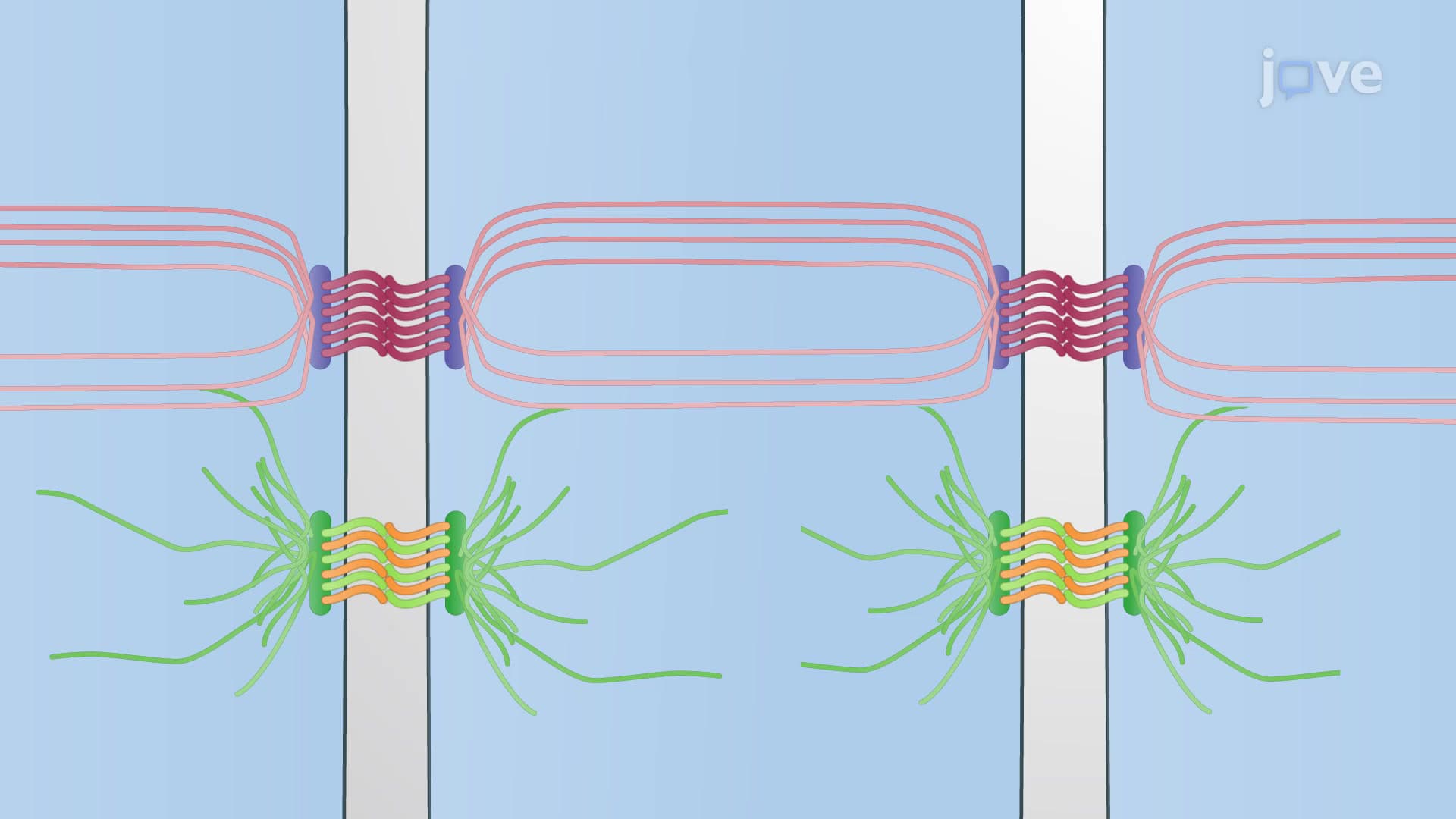
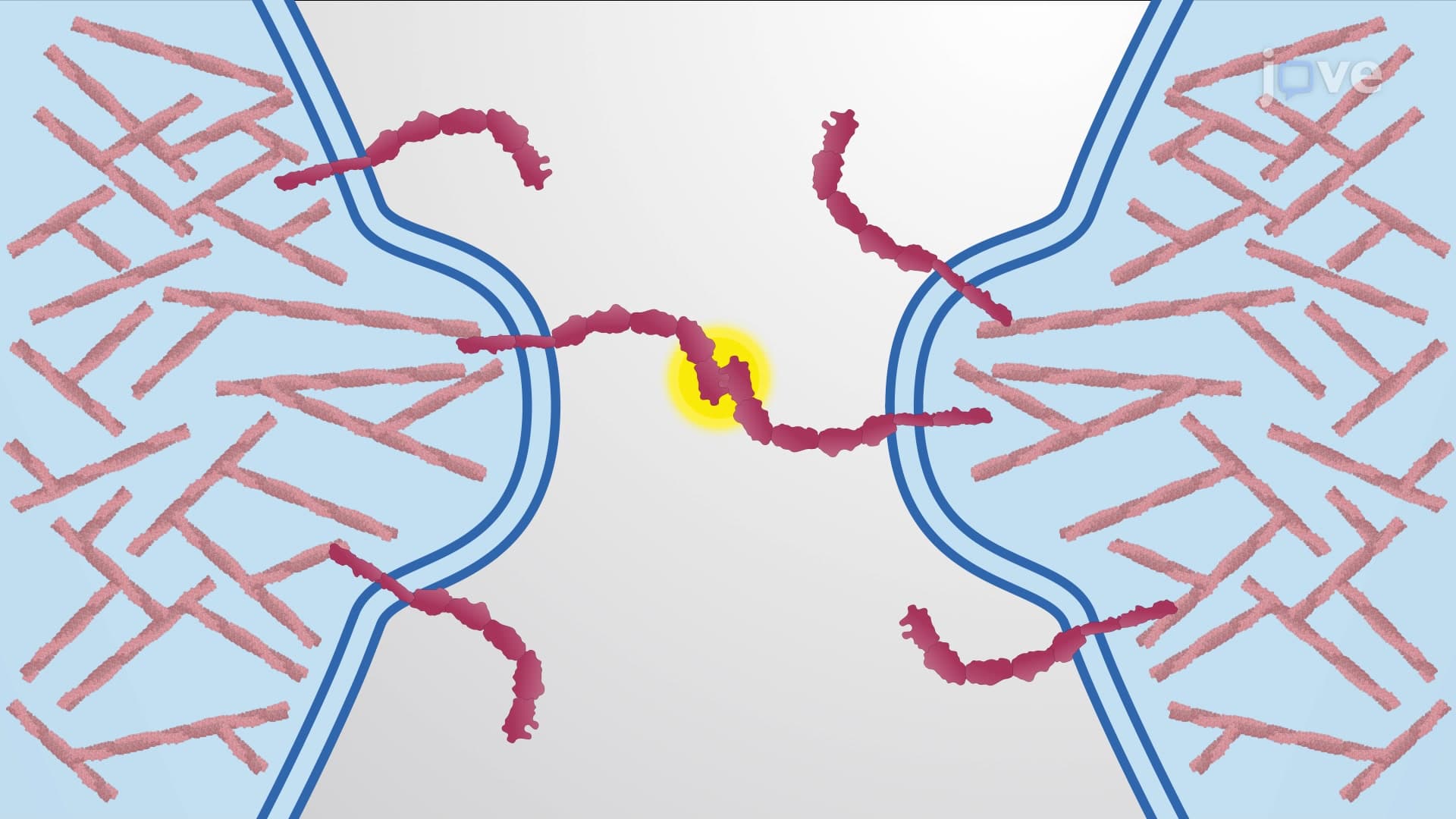
Gap junctions represent one of nature's most elegant solutions for cellular communication, functioning as direct cytoplasmic bridges between adjacent cells. Unlike other forms of cell signaling that rely on chemical messengers traveling through extracellular space, gap junctions create instant highways for molecules to pass directly from one cell's interior to another. This direct connection enables tissues to function as synchronized units rather than collections of individual cells.
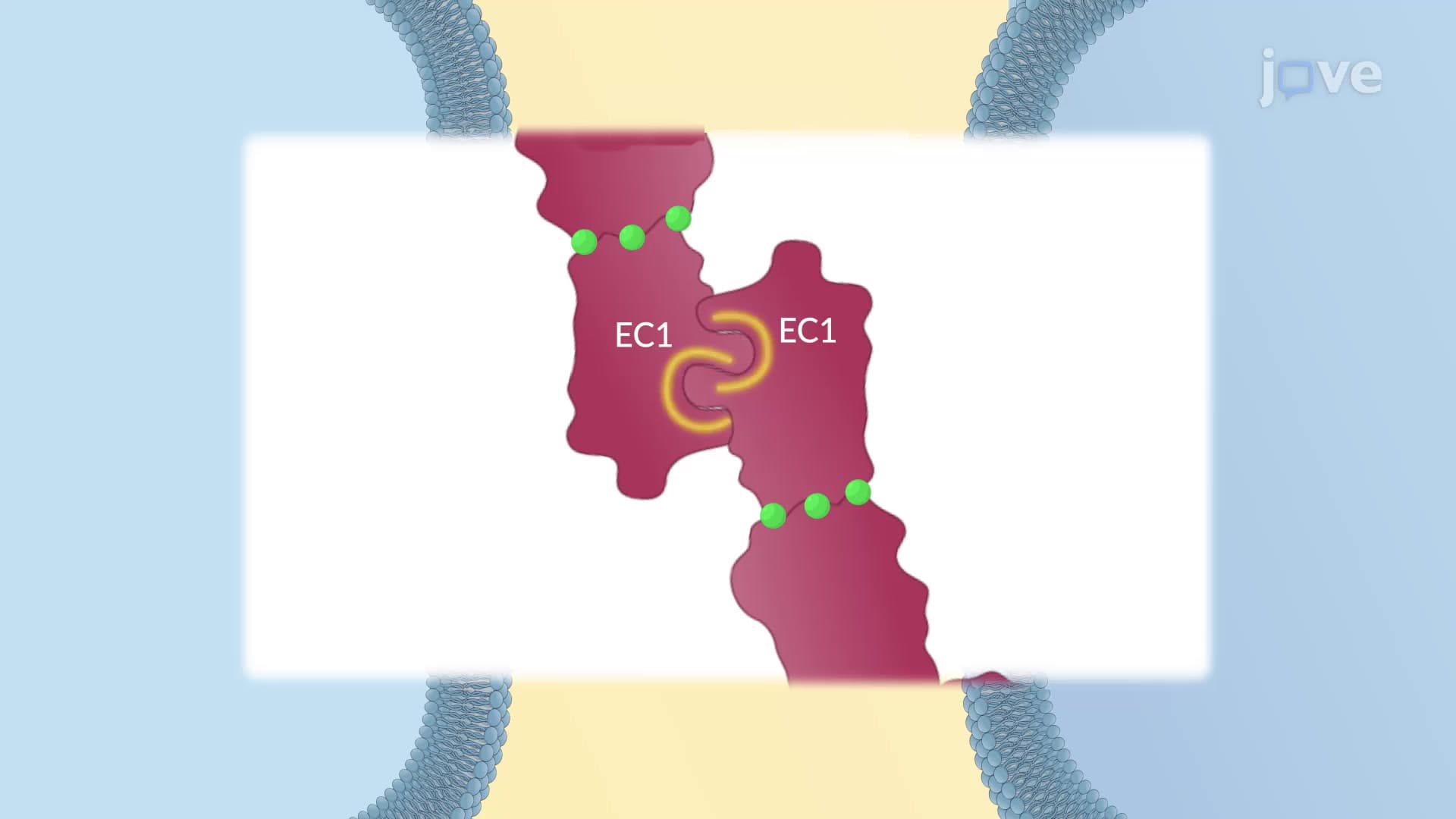
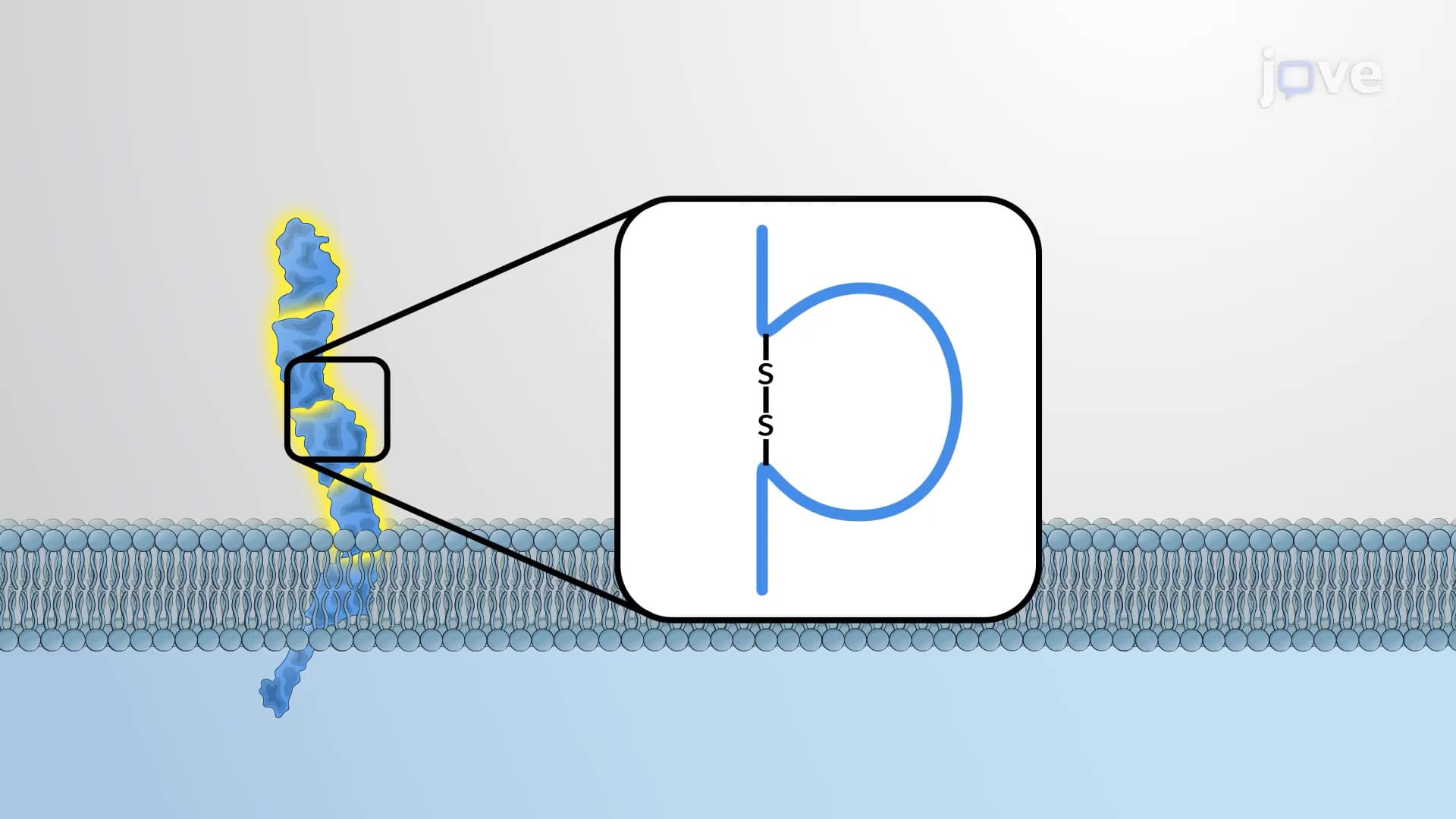
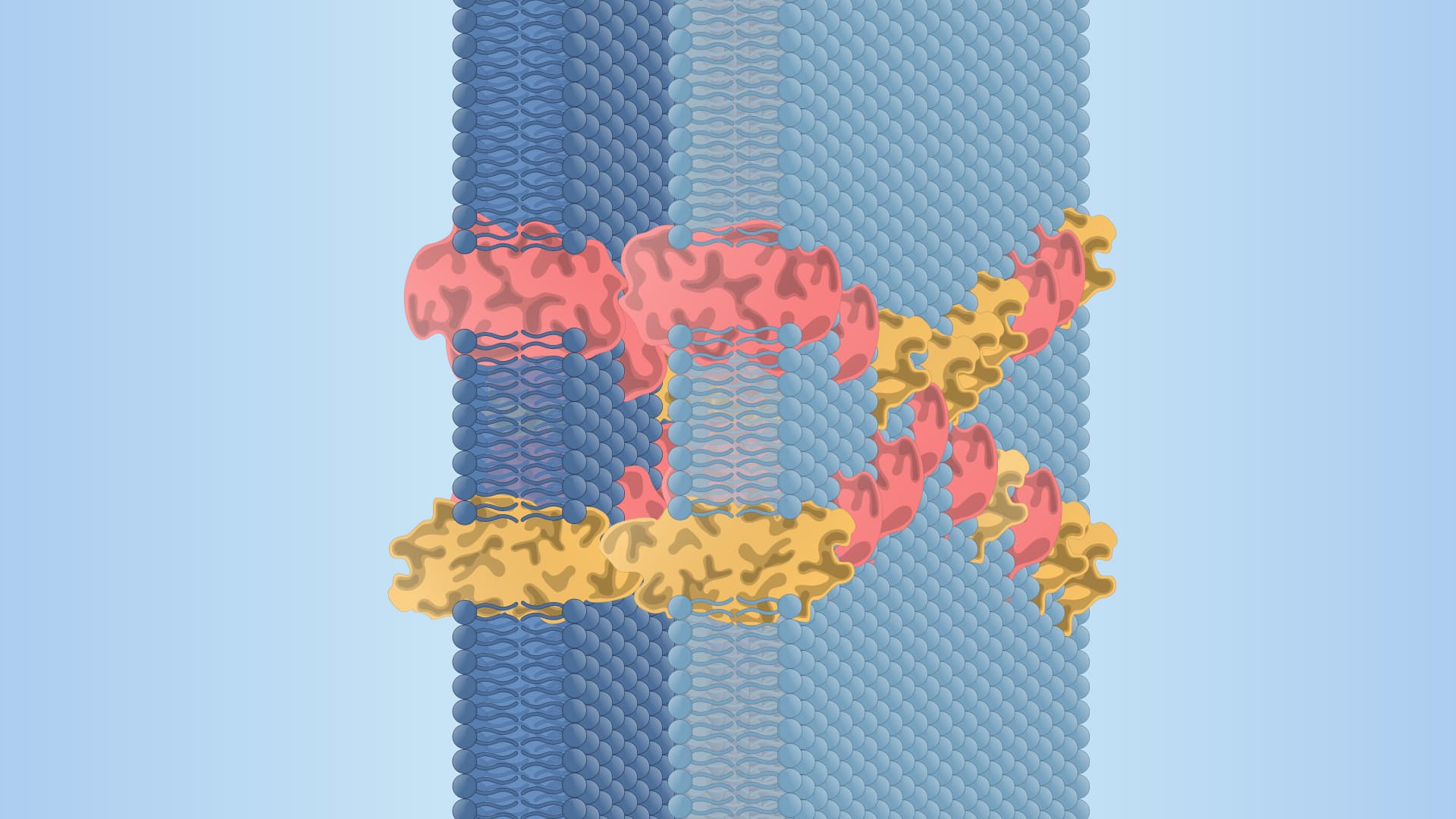
The gap junction structure function relationship begins with connexin proteins, a family of over 20 different types found in humans. Each connexin molecule spans the cell membrane four times, with both amino and carboxyl terminals residing in the cytoplasm. Six connexin proteins assemble into a connexon (hemichannel) that extends into the extracellular space. When connexons from adjacent cells align and dock, they form a complete intercellular channel approximately 1.5 nanometers in diameter.
This size restriction is crucial-gap junctions allow passage of molecules up to about 1,000 Daltons, including ions, metabolites, second messengers like cyclic AMP, and small signaling molecules. However, larger molecules such as proteins and nucleic acids cannot traverse these channels, maintaining cellular identity while enabling communication.
Gap junction channels aren't simply open pipes-they're sophisticated regulatory systems responding to multiple cellular conditions. Voltage differences across membranes can cause conformational changes in connexin proteins, leading to channel closure. Similarly, elevated intracellular calcium levels, often signaling cellular stress, trigger gap junction closure to prevent spreading damage to neighboring cells. Changes in pH also modulate channel conductance, with acidic conditions typically reducing gap junction communication.
In cardiac muscle, gap junctions containing connexin43 enable the rapid spread of electrical depolarization across the myocardium, ensuring coordinated contractions essential for effective blood pumping. When gap junction function is compromised, as in certain cardiomyopathies, patients may develop life-threatening arrhythmias requiring treatment at facilities like the Mayo Clinic or Cleveland Clinic.
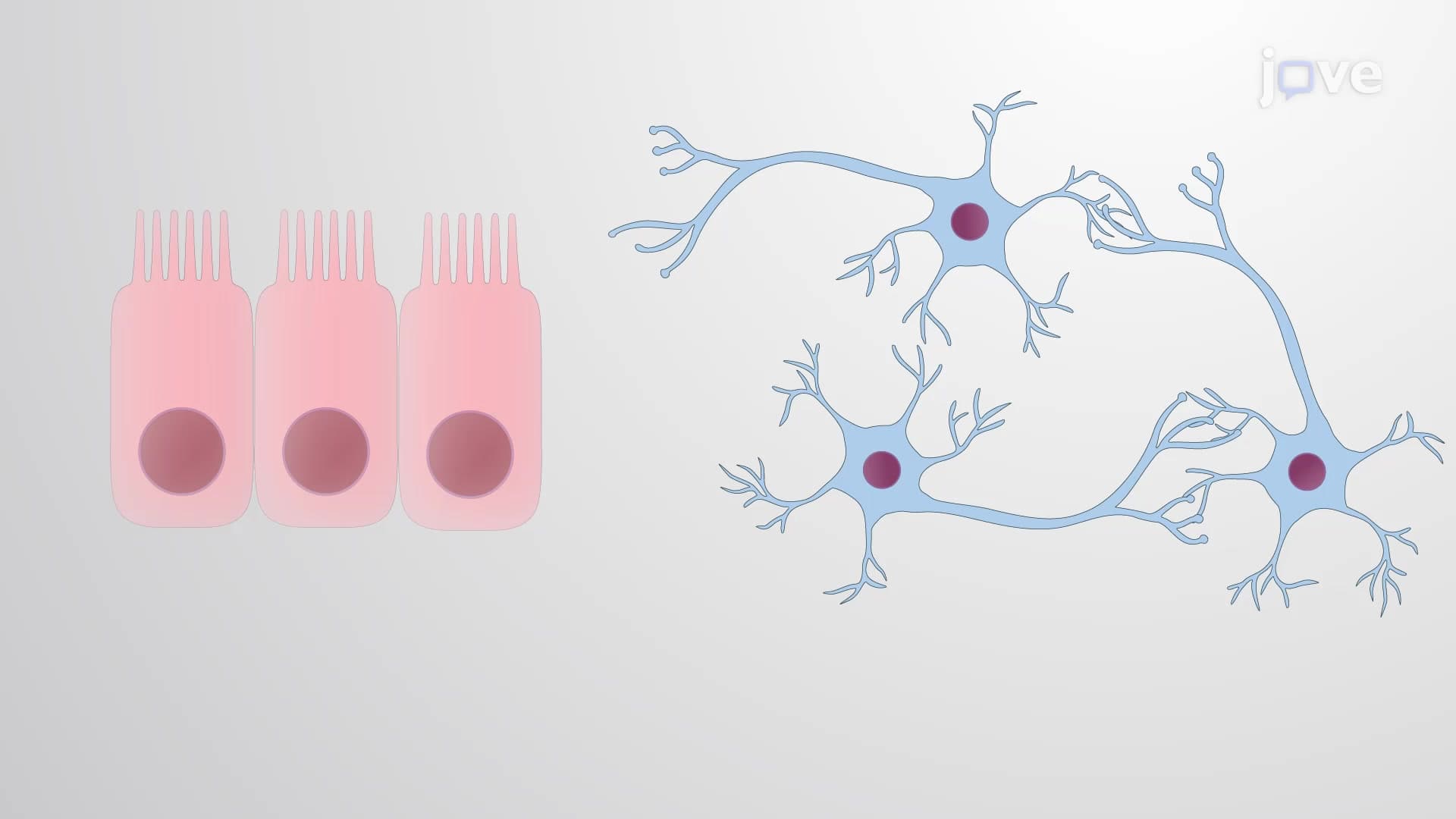
Smooth muscle cells in blood vessels also rely on gap junction communication for coordinated vasoconstriction and vasodilation. In the nervous system, electrical synapse gap junction connections between neurons allow for ultra-fast signal transmission, particularly important in escape reflexes and synchronous neuronal firing patterns.
Students preparing for the MCAT or AP Biology exams should understand that gap junction dysfunction contributes to various pathological conditions, making this concept clinically relevant beyond basic cell biology coursework.
Related Micro-courses