Loading video…


 12 Concepts
 83.2K views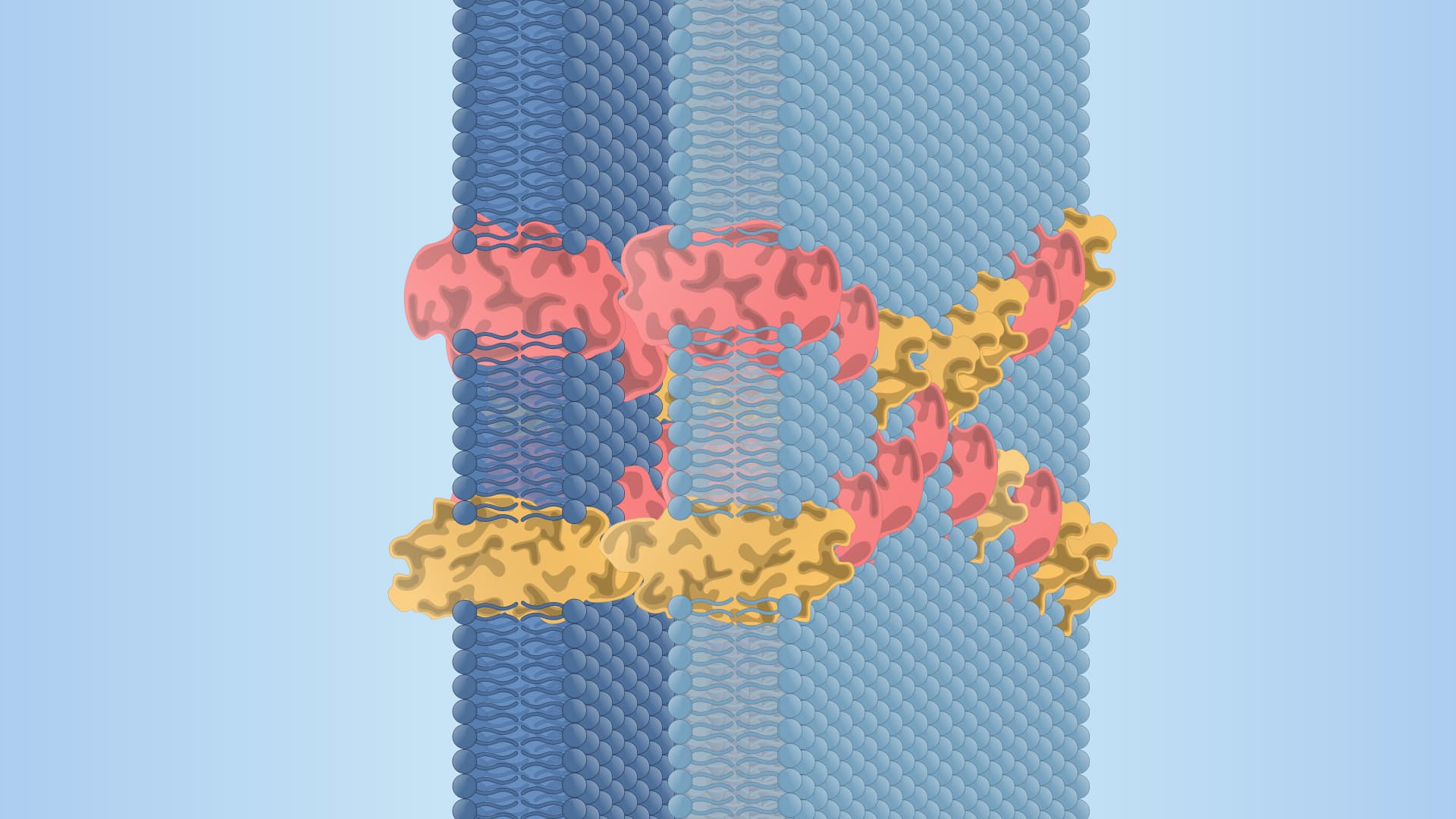

Video Summary: What are Tight Junctions
Ever wondered how your intestines prevent toxic bacteria from leaking into your bloodstream while you digest food? Tight junctions act as cellular "superglue," creating impermeable seals between epithelial cells in critical organs like the kidneys and intestines. These protein networks, made of claudins and occludins, form barrier systems that are essential for organ function-imagine the chaos if your kidney cells couldn't filter blood properly! Watch the full video on JoVE Coach to master this concept with expert-led visuals and step-by-step explanations.
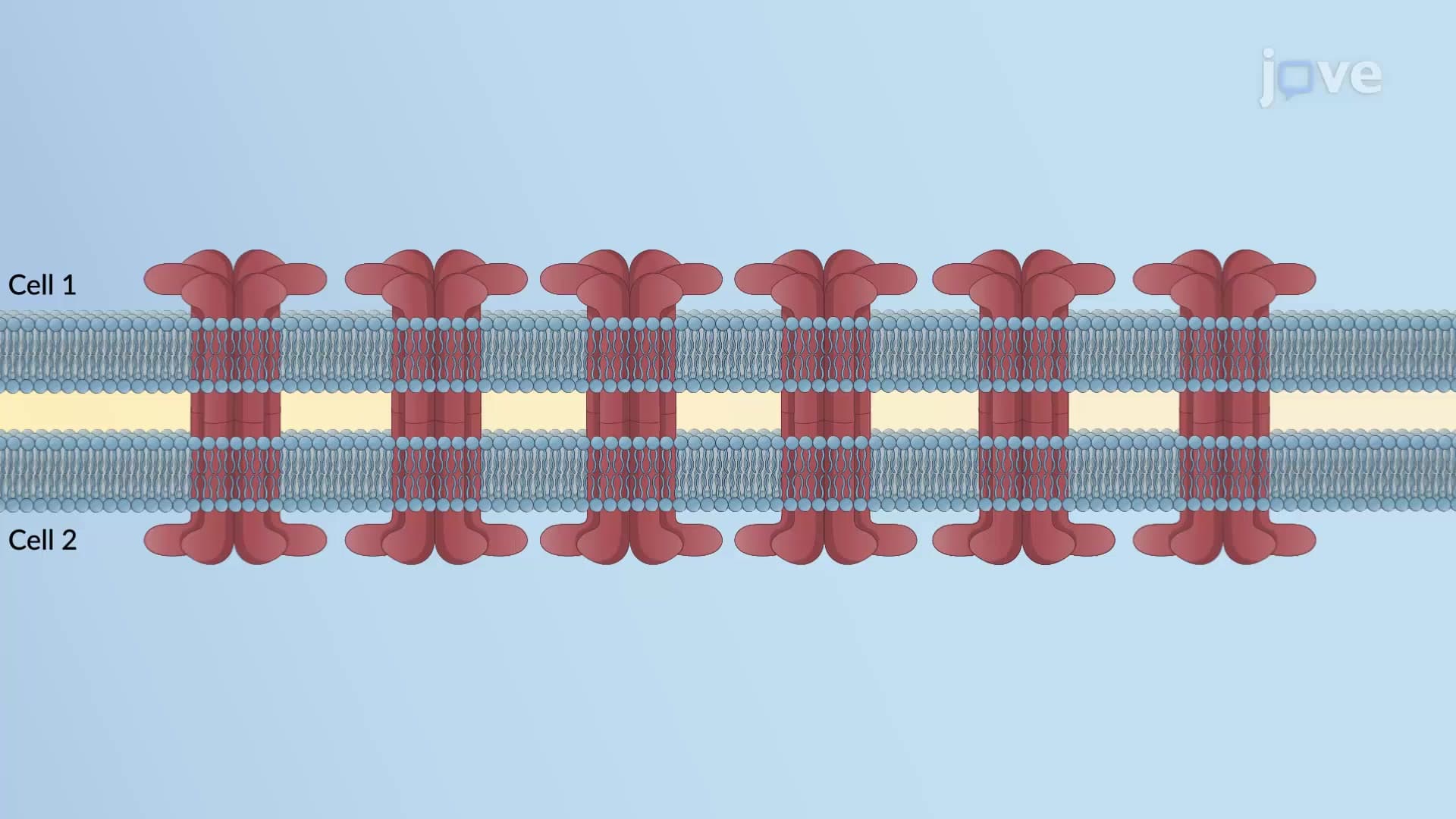
Tight junctions represent one of the most sophisticated cellular connection systems in the human body, functioning as molecular gatekeepers that control what passes between cells. These specialized protein complexes create nearly impermeable seals between adjacent epithelial cells, essentially transforming individual cells into unified tissue barriers. Think of them as the body's version of weatherstripping-they ensure that substances can only cross tissue layers through controlled, regulated pathways rather than leaking between cells.
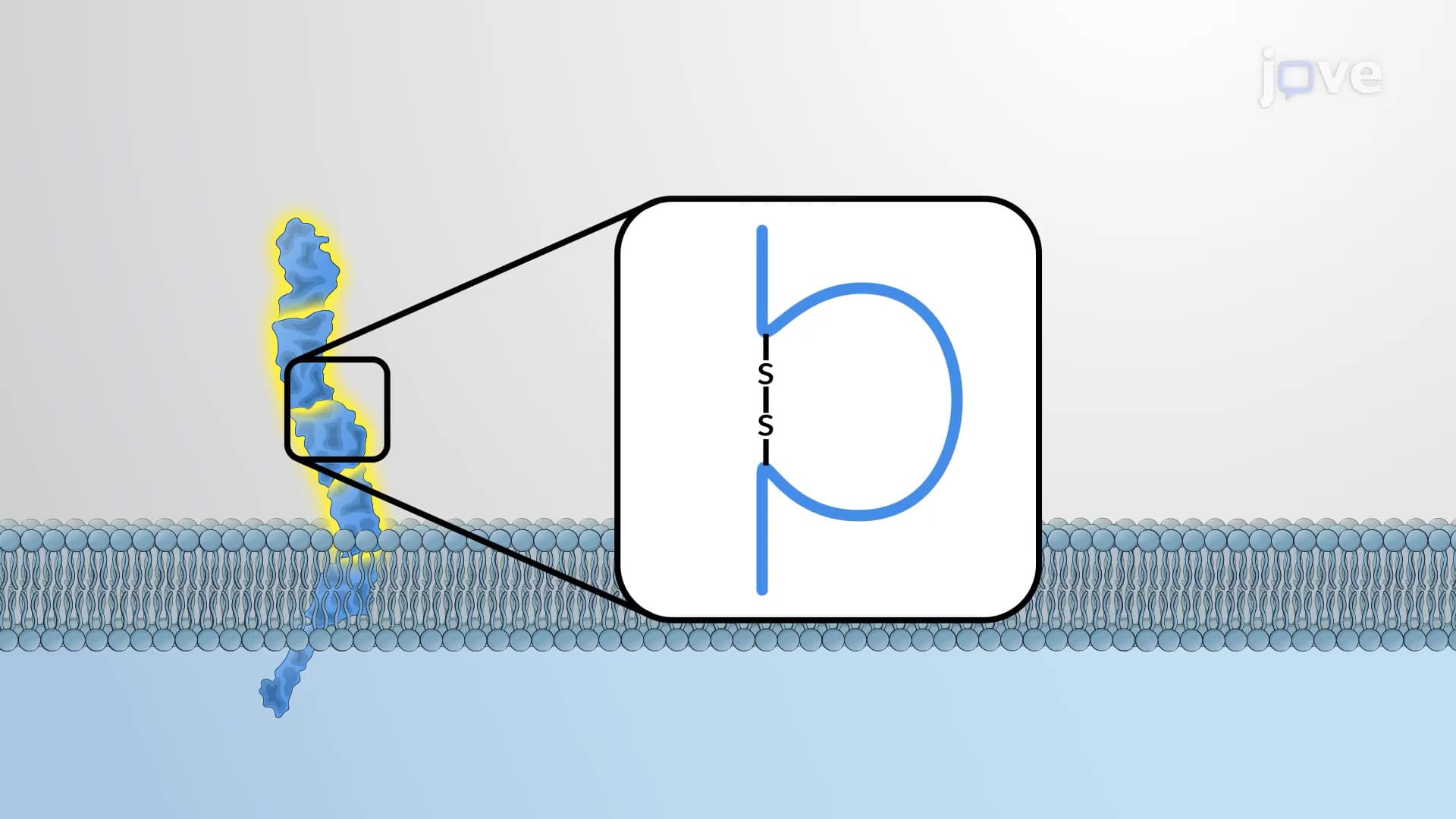
The structural foundation of tight junctions relies on two primary transmembrane proteins: claudins and occludins. Each of these proteins contains four membrane-spanning alpha-helices that anchor them firmly within the cell membrane. Claudins, the most abundant components, come in over 20 different varieties in humans, allowing tissues to fine-tune their barrier properties. For example, claudin-1 creates particularly tight seals in skin cells, while claudin-2 forms more selective barriers in kidney tubules.
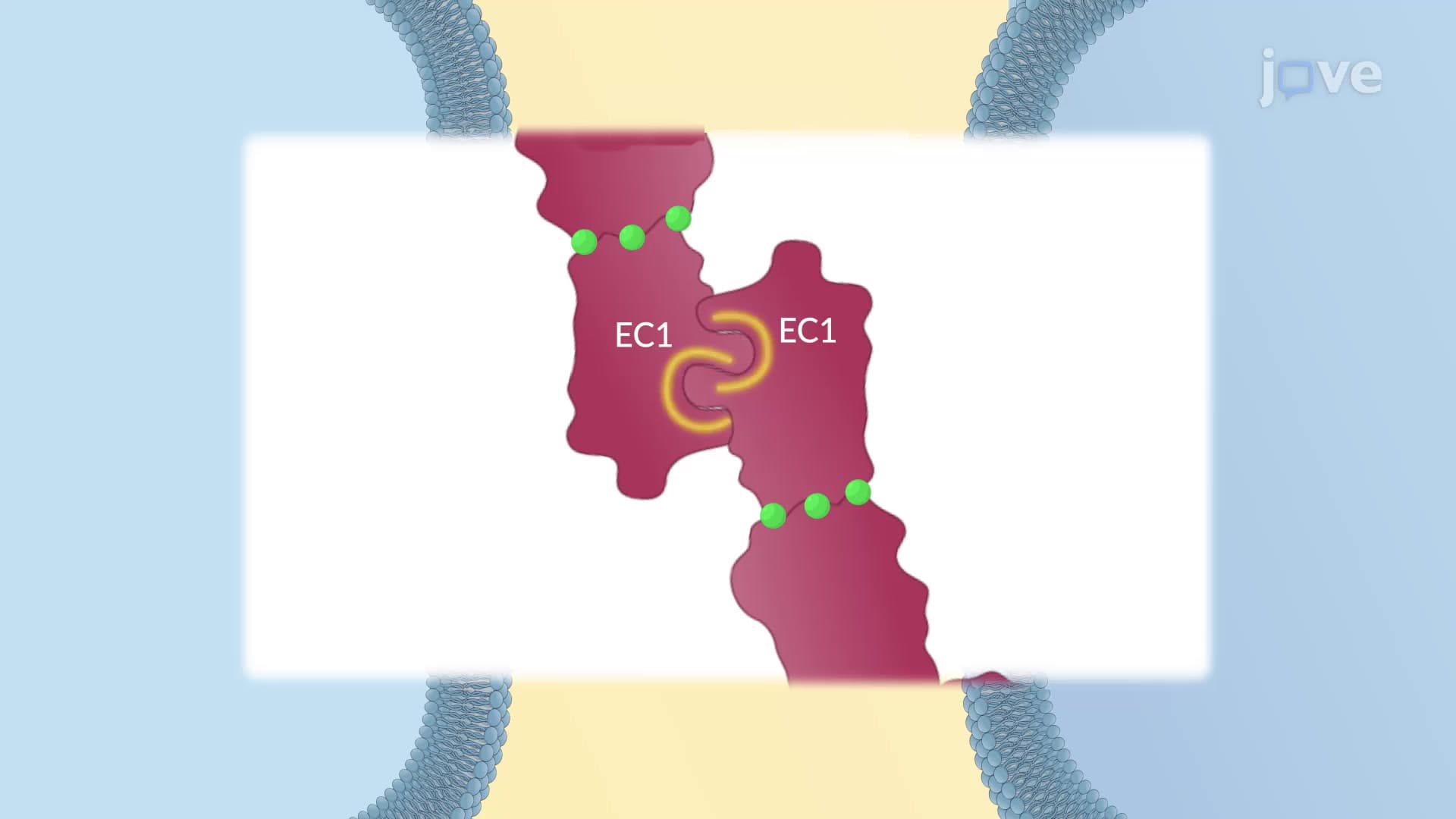
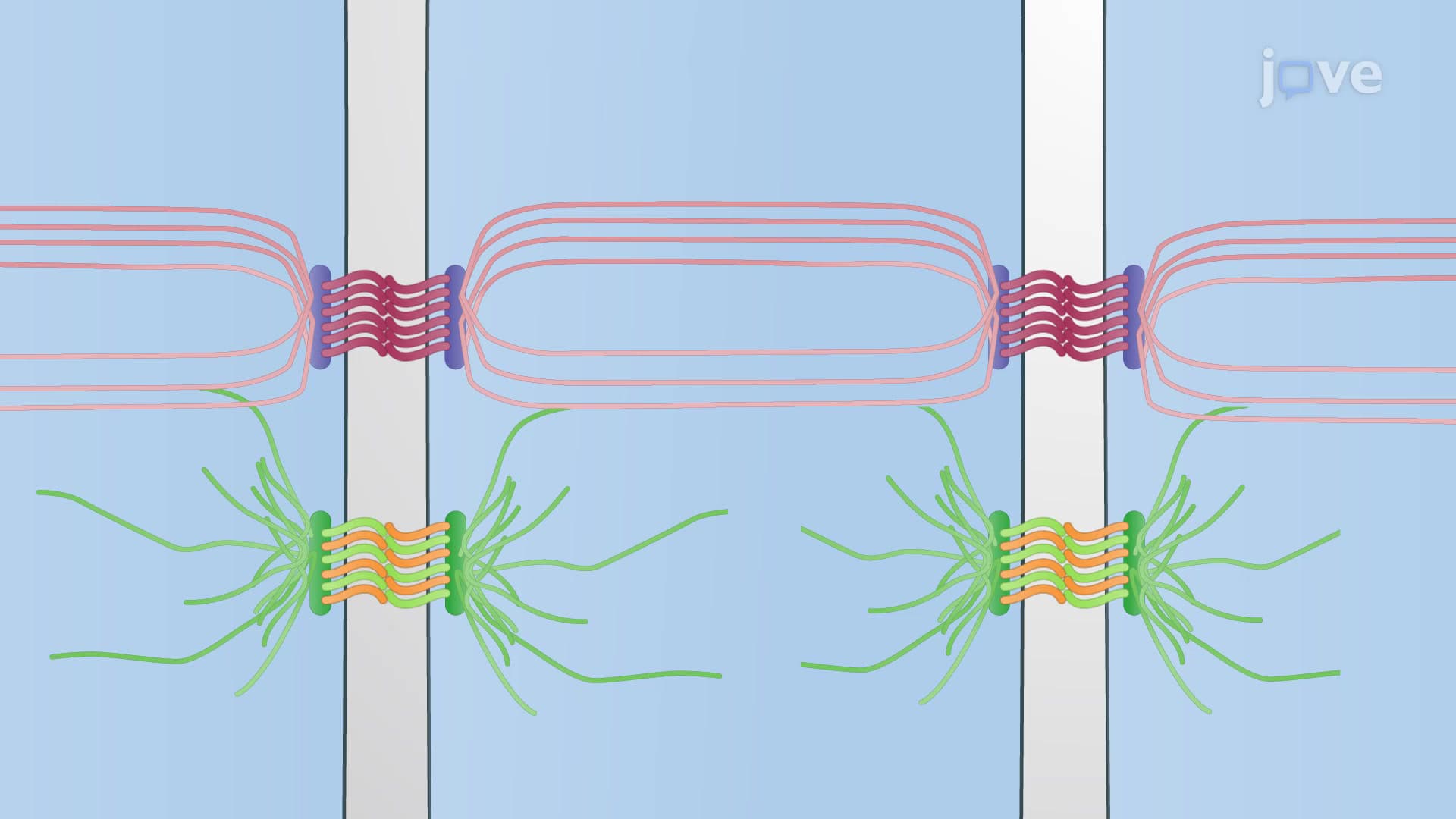
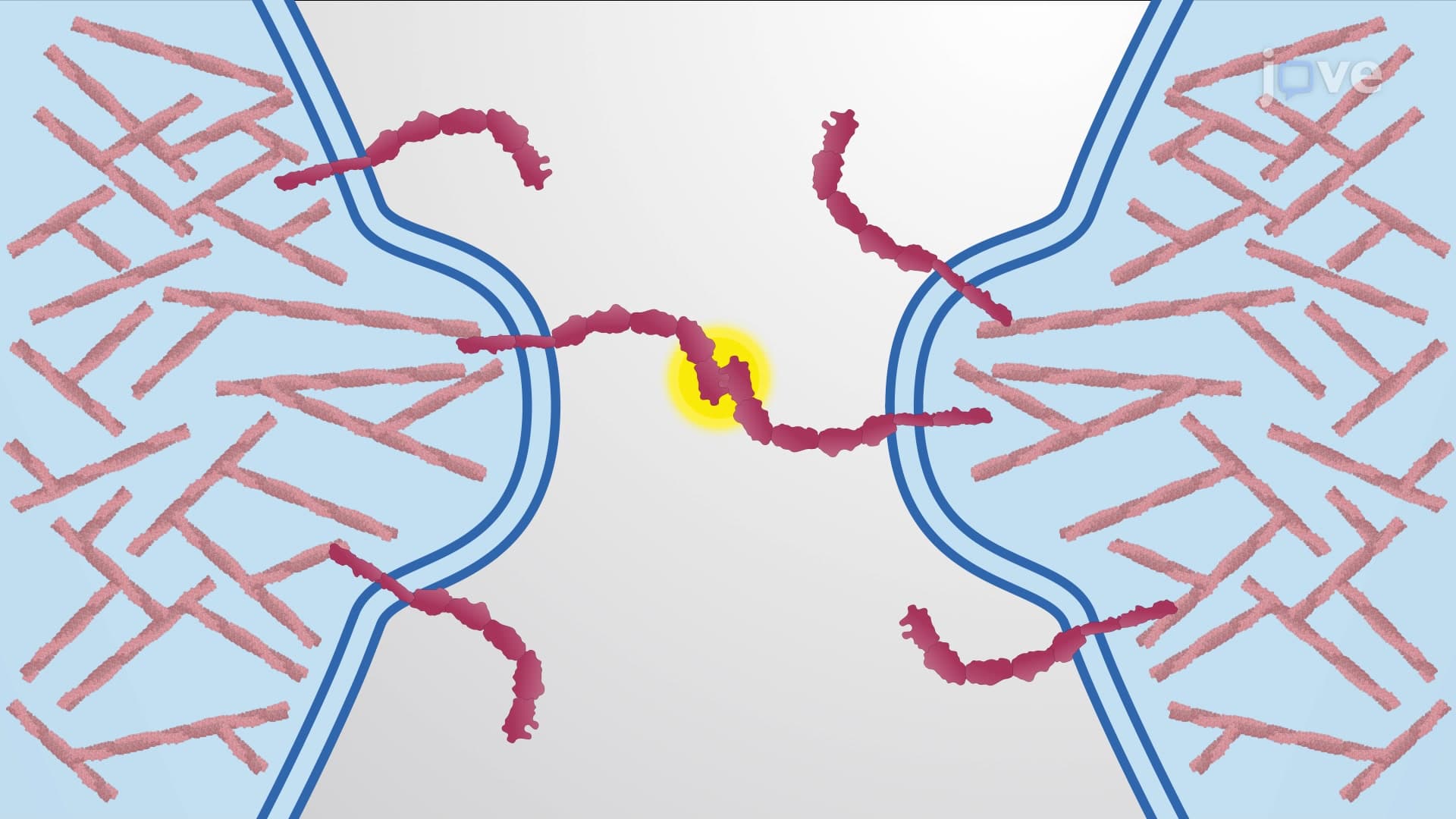
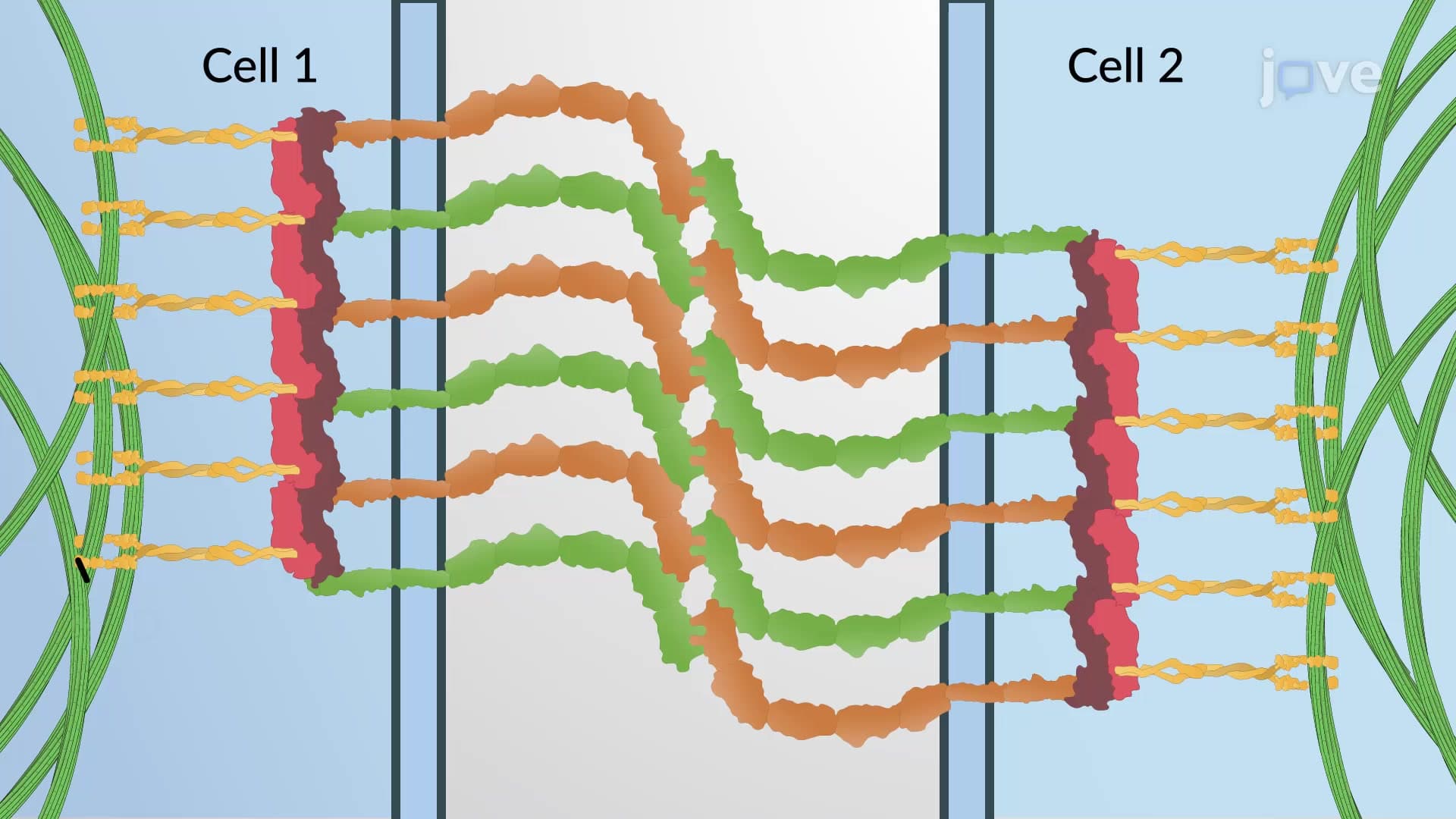
These proteins don't work in isolation. They polymerize into continuous strands that wrap around cells like molecular belts. The extracellular loops of these proteins from neighboring cells interlock, creating the actual seal between membranes. This interlocking mechanism is so effective that it can prevent even small ions from passing through-crucial for maintaining the electrical gradients that drive nerve function and nutrient absorption.
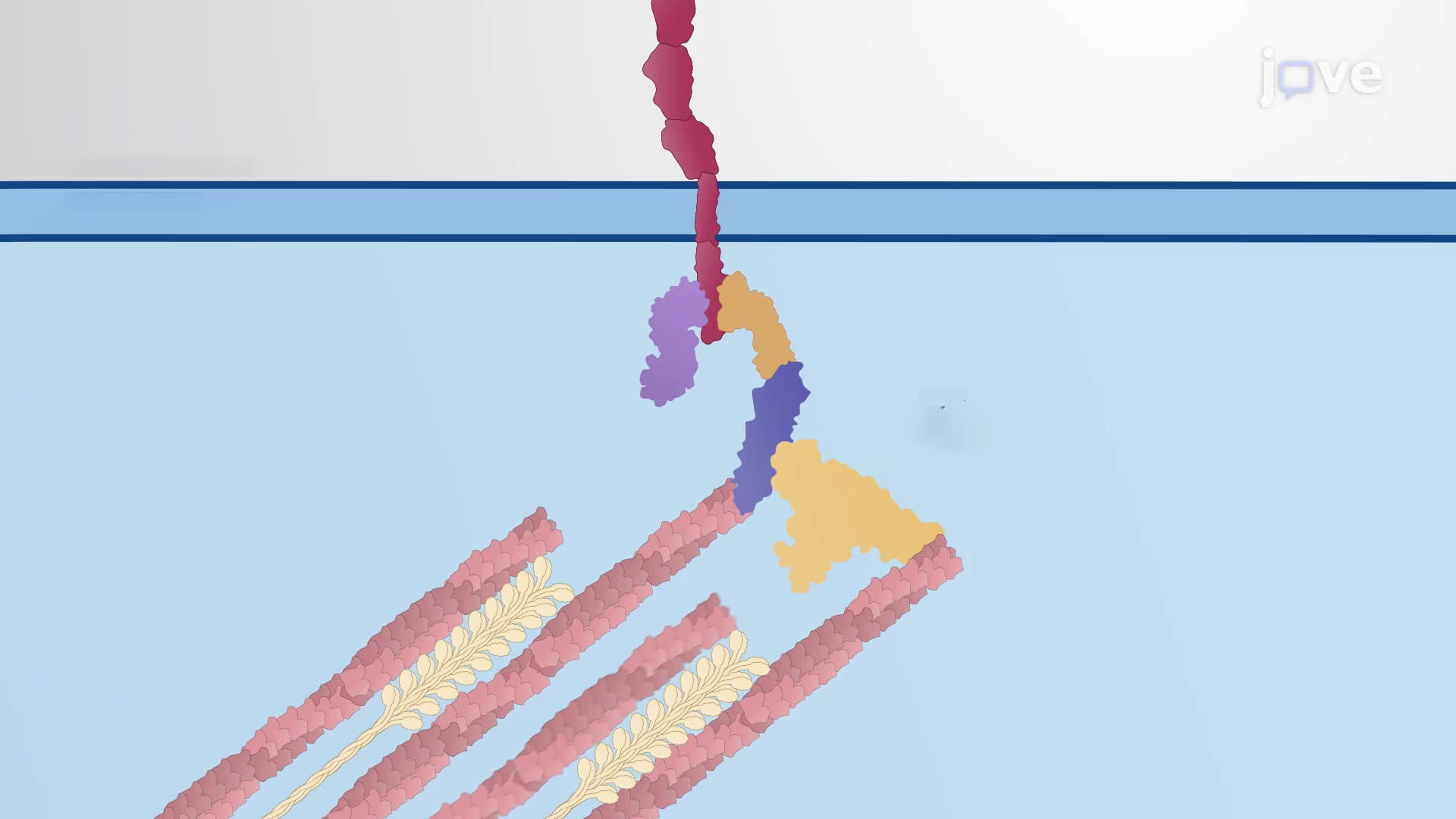
On the cytoplasmic side of the membrane, zonula occludens (ZO) proteins serve as master organizers. These large scaffold proteins contain multiple binding domains that allow them to simultaneously connect to claudins, occludins, the cell's actin cytoskeleton, and even other ZO proteins. This creates a robust mesh-like structure that not only stabilizes the tight junction but also connects it to the cell's internal framework.
ZO proteins essentially act as molecular contractors, coordinating the construction and maintenance of tight junction complexes. When these scaffold proteins malfunction-as occurs in certain genetic disorders-the entire barrier system can collapse, leading to serious health consequences like inflammatory bowel disease or compromised blood-brain barrier function.
Understanding tight junctions proves essential for students preparing for advanced coursework and professional exams. On the MCAT, questions frequently test knowledge of how tight junctions maintain tissue polarity and prevent paracellular transport. AP Biology students encounter tight junctions when studying cell communication and tissue organization, particularly in the context of homeostasis and disease.
In clinical practice, tight junction dysfunction underlies numerous health conditions. "Leaky gut syndrome," while controversial, essentially describes compromised intestinal tight junctions allowing harmful substances to cross into the bloodstream. Similarly, blood-brain barrier breakdown in Alzheimer's disease partly involves tight junction deterioration, making this topic relevant for future healthcare professionals studying on exams like the USMLE.
Related Micro-courses