Loading video…


 12 Concepts
 83.2K views

Video Summary: What are Selectins
Ever wondered how your white blood cells know exactly where to go when you get a cut? Selectins are the molecular "GPS system" that guides immune cells to injury sites through specialized cell surface proteins. These remarkable glycoproteins create temporary cellular handshakes that allow leukocytes to slow down and roll along blood vessel walls-like cars exiting a highway at the right off-ramp. Consider how quickly inflammation appears around a paper cut on your finger; that's selectins orchestrating precise immune cell recruitment. Watch the full video on JoVE Coach to master this concept with expert-led visuals and step-by-step explanations.
Selectins represent a crucial family of cell adhesion molecules that orchestrate the complex dance of immune cell recruitment. These glycoproteins function as cellular "velcro," creating temporary but essential connections between circulating immune cells and tissue surfaces. The selectin family consists of three distinct members, each with specialized roles in maintaining immune surveillance and responding to tissue damage.
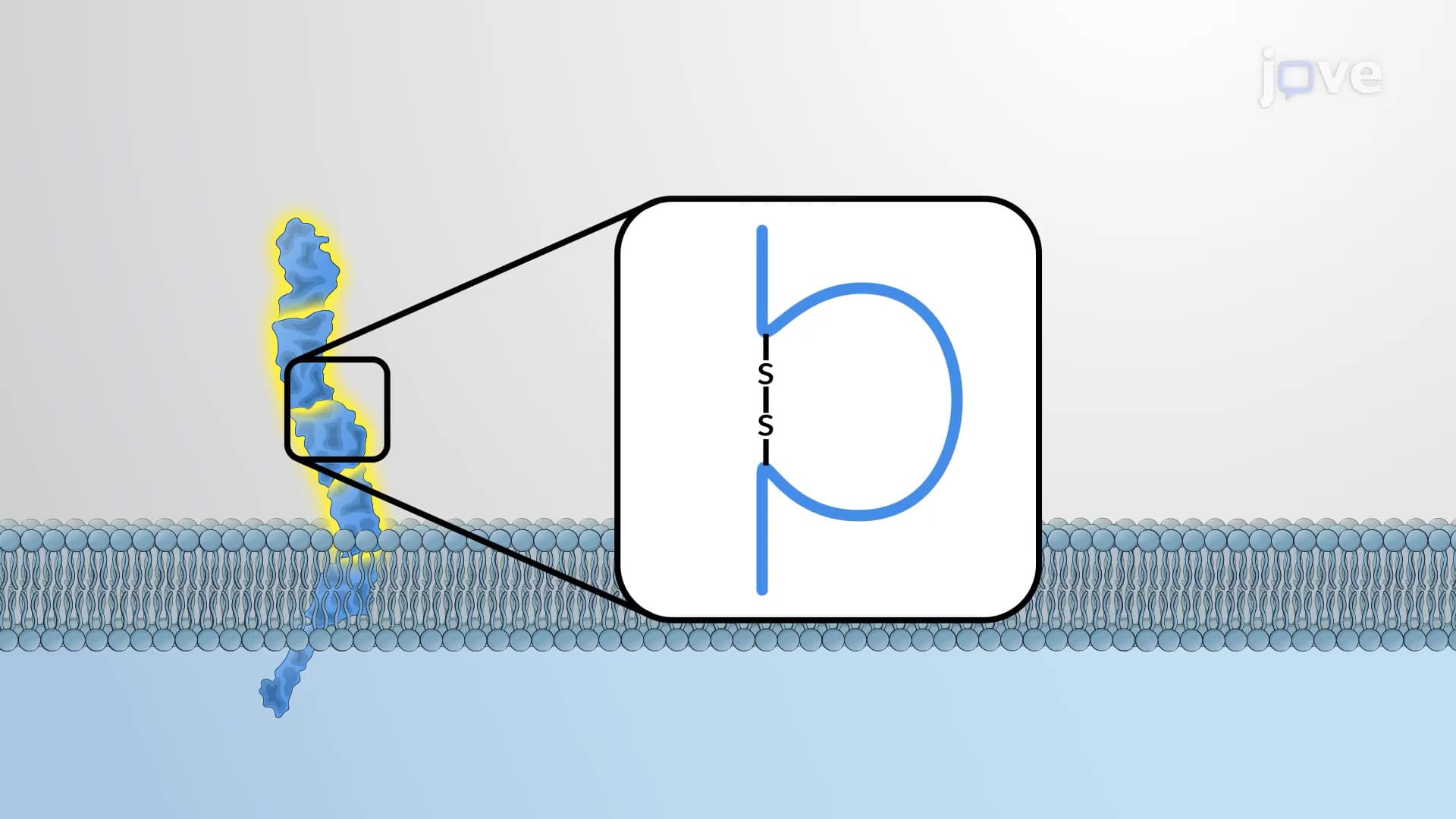
Structurally, all selectins share a common architectural blueprint featuring an N-terminal lectin domain that recognizes specific carbohydrate structures, followed by an epidermal growth factor (EGF) domain that fine-tunes binding interactions. The variable region contains sequence-conserved repeats (SCR domains) that can range from two to nine units, determining the selectin's reach and binding characteristics.
L-selectins serve as the immune system's homing beacons, primarily expressed on lymphocytes and other leukocytes. These compact selectins enable immune cells to enter lymph nodes through high endothelial venules, facilitating immune surveillance. In clinical contexts, L-selectin expression levels help physicians assess immune function in patients with autoimmune disorders or immunodeficiencies.
P-selectins function as emergency responders, stored in platelet granules and endothelial cell organelles called Weibel-Palade bodies. Upon activation by inflammatory signals, these selectins rapidly translocate to cell surfaces within minutes. P-selectins play critical roles in thrombosis and hemostasis-processes frequently tested on the MCAT and in cardiovascular physiology courses at institutions like Harvard Medical School and Johns Hopkins University.
E-selectins act as inflammatory recruiters, expressed exclusively on activated endothelial cells during immune responses. Unlike P-selectins' rapid deployment, E-selectin expression requires several hours of inflammatory stimulation, making it a marker of sustained inflammation in conditions like atherosclerosis.
Selectin dysfunction contributes to various diseases affecting Americans. In sickle cell disease, altered selectin interactions cause painful vaso-occlusive crises affecting over 100,000 Americans. Cardiovascular researchers at the Mayo Clinic and Cleveland Clinic study how P-selectin inhibitors might prevent heart attacks by reducing inflammatory cell adhesion to arterial walls.
For students preparing for AP Biology or college biochemistry exams, understanding selectins provides insights into inflammation, immune responses, and cardiovascular pathophysiology. The selectin cascade represents a prime example of molecular specificity and cellular communication-concepts frequently tested on standardized exams and medical school admissions tests.
Related Micro-courses