Loading video…


 12 Concepts
 83.2K views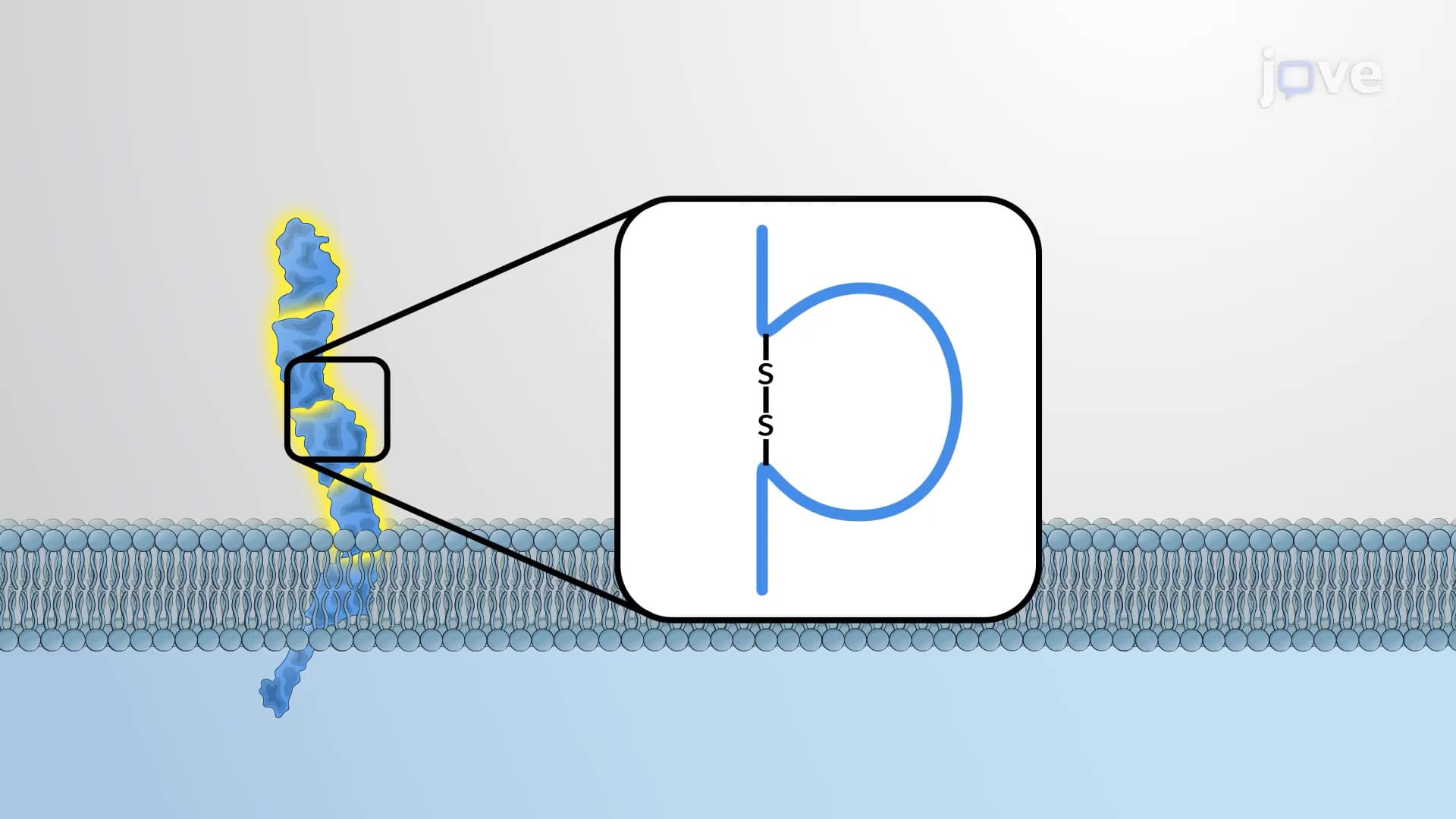

Video Summary: Immunoglobulin Like Cell Adhesion Molecules Explained
Did you know that your immune cells use molecular "velcro" to stick to blood vessel walls during infections? Immunoglobulin like cell adhesion molecules (Ig-CAMs) are specialized proteins that help cells recognize and bind to each other throughout your body. From helping neurons connect properly in your brain to enabling white blood cells to exit your bloodstream at infection sites like a scraped knee, these versatile molecules play crucial roles in development and immune responses. Watch the full video on JoVE Coach to master this concept with expert-led visuals and step-by-step explanations.
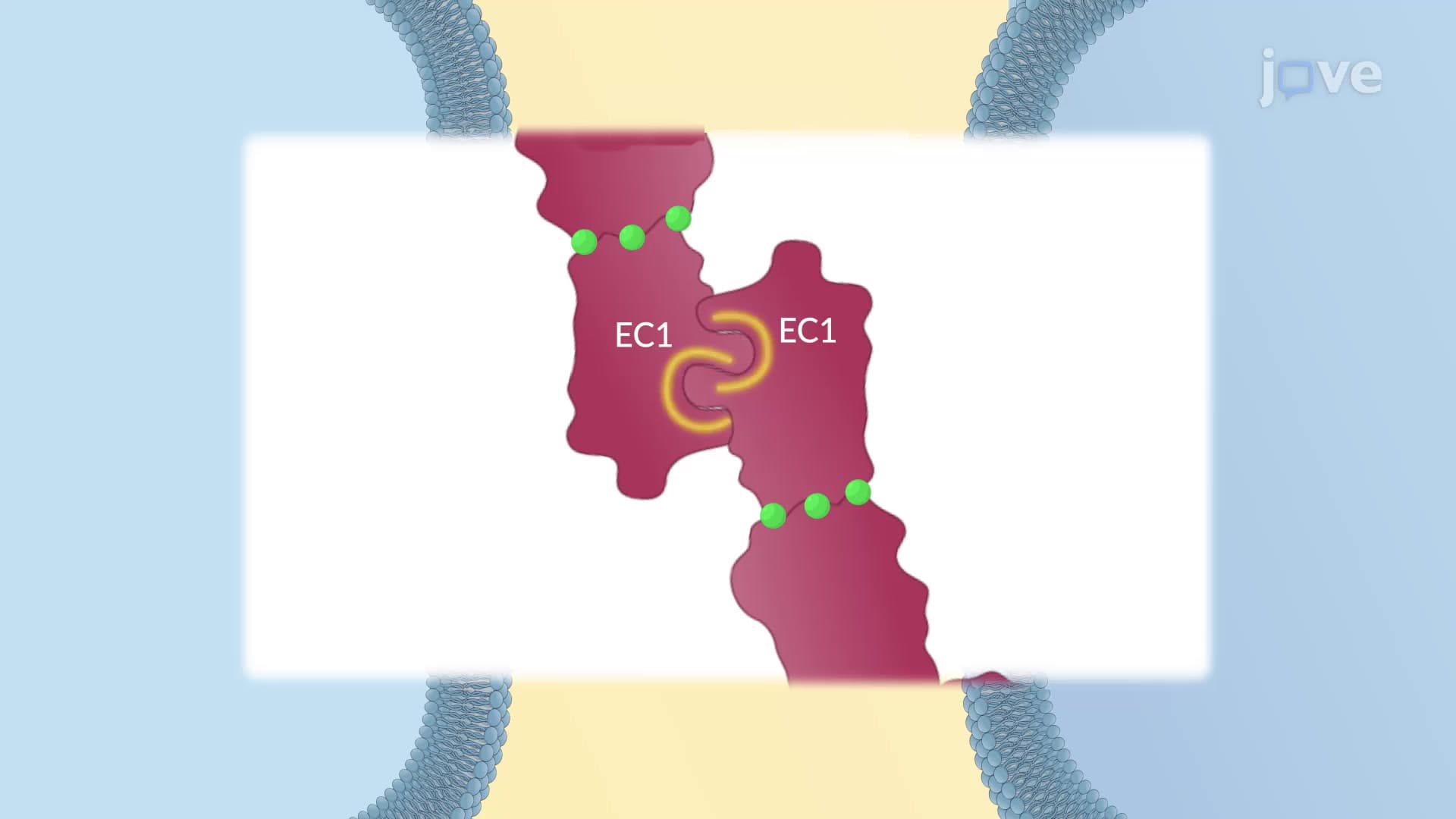
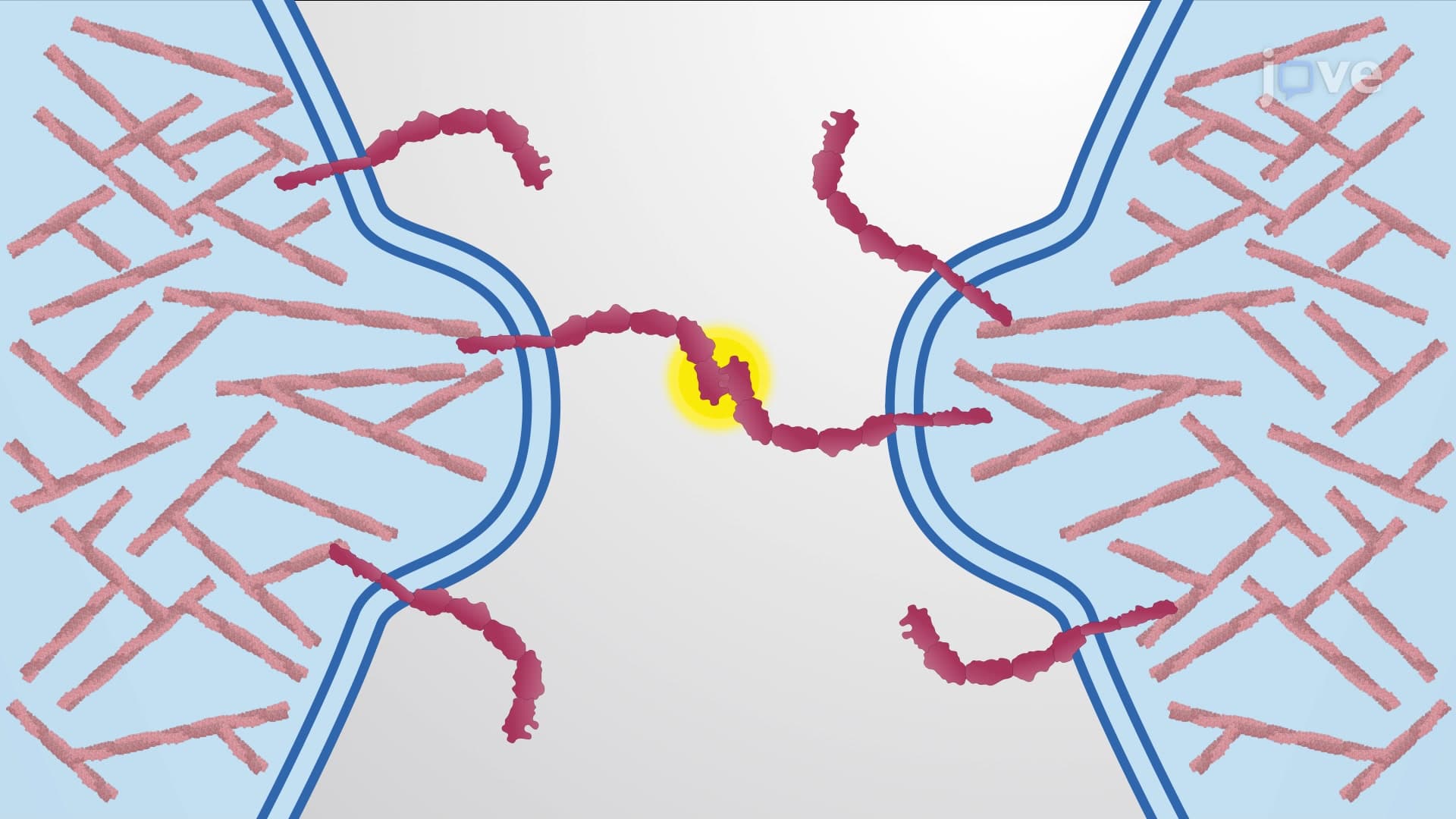
Immunoglobulin like cell adhesion molecules represent a crucial family of cell surface proteins that enable cells to communicate and adhere to one another. These molecules get their name from their distinctive immunoglobulin (Ig) protein fold structure, which resembles the shape found in antibodies. Each Ig-CAM contains multiple extracellular domains-typically 2-6 Ig-domains-that extend from the cell surface like molecular antennae, ready to interact with neighboring cells or proteins.
The beauty of Ig-CAMs lies in their structural versatility. Think of them as molecular Swiss Army knives: the same basic Ig-domain structure can be modified and combined in different ways to create molecules with vastly different functions. This modular design allows cells throughout your body-from brain neurons to blood vessel walls-to use variations of the same basic molecular tool for their specific needs.
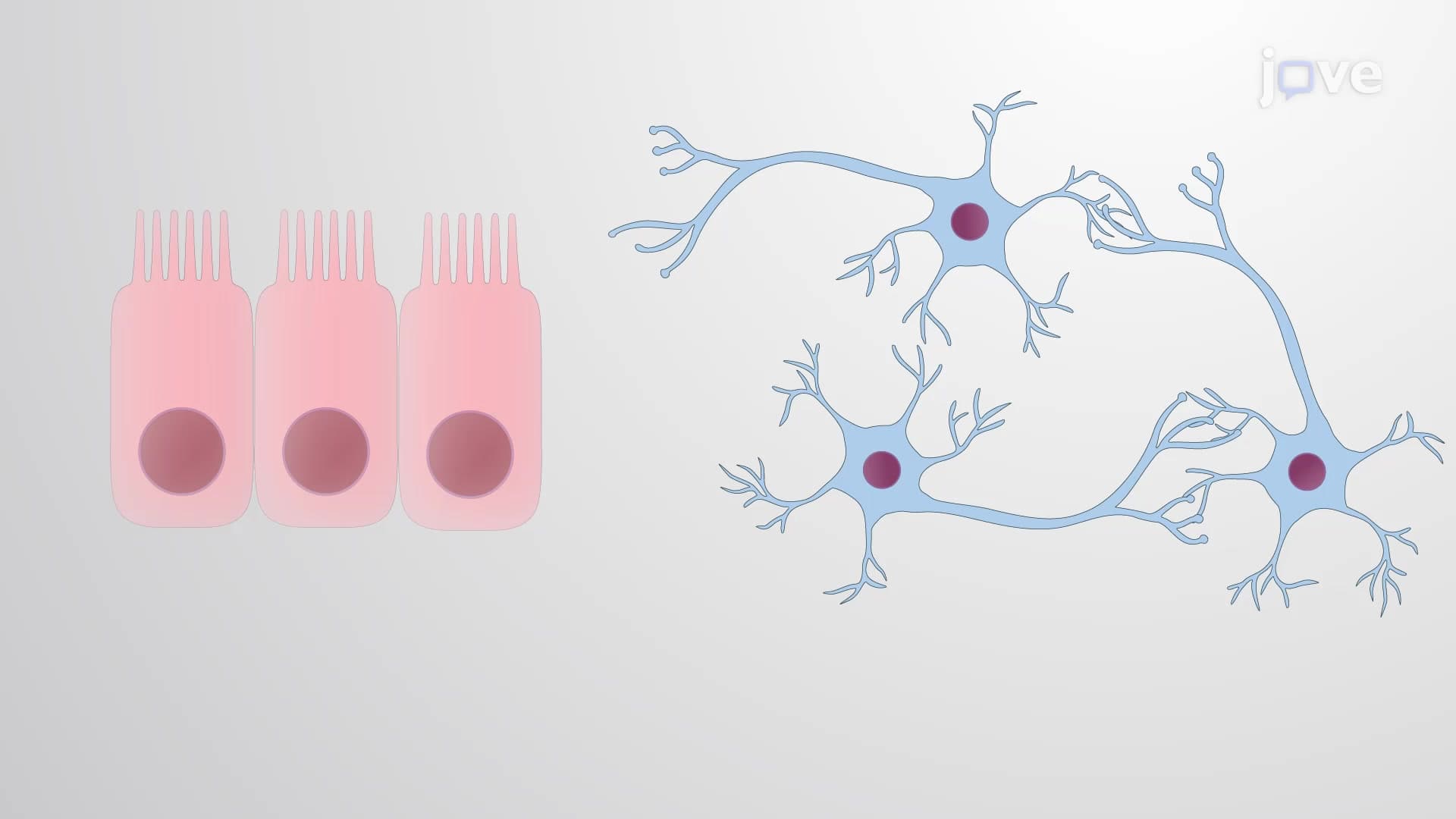
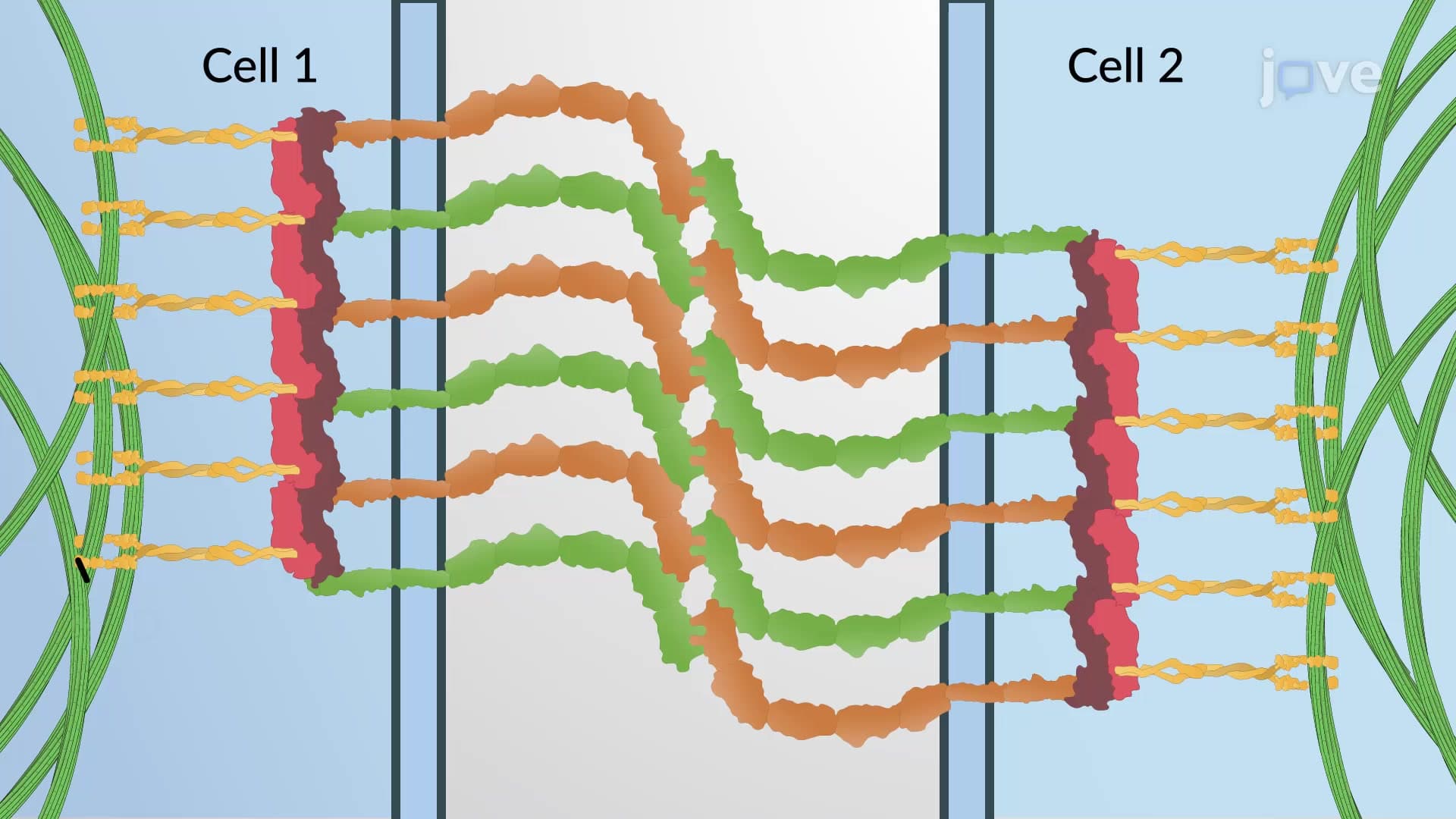
In the nervous system, Neural Cell Adhesion Molecules (NCAMs) demonstrate the power of homophilic binding-where identical molecules on adjacent cells bind to each other like molecular handshakes. During brain development, neurons use NCAMs to guide the growth of axons (the long projections that send signals) and dendrites (the branched projections that receive signals). This process is particularly critical during fetal development and early childhood when your brain forms trillions of connections.
For students preparing for the MCAT or AP Biology exams, understanding NCAM function helps explain how complex neural networks form. When NCAMs on growing axons encounter NCAMs on target cells, they trigger intracellular signaling cascades that can either promote continued growth or signal the axon to stop and form a synapse. This contact-dependent guidance system ensures that neurons connect to the right targets, preventing the chaos that would result from random neural connections.
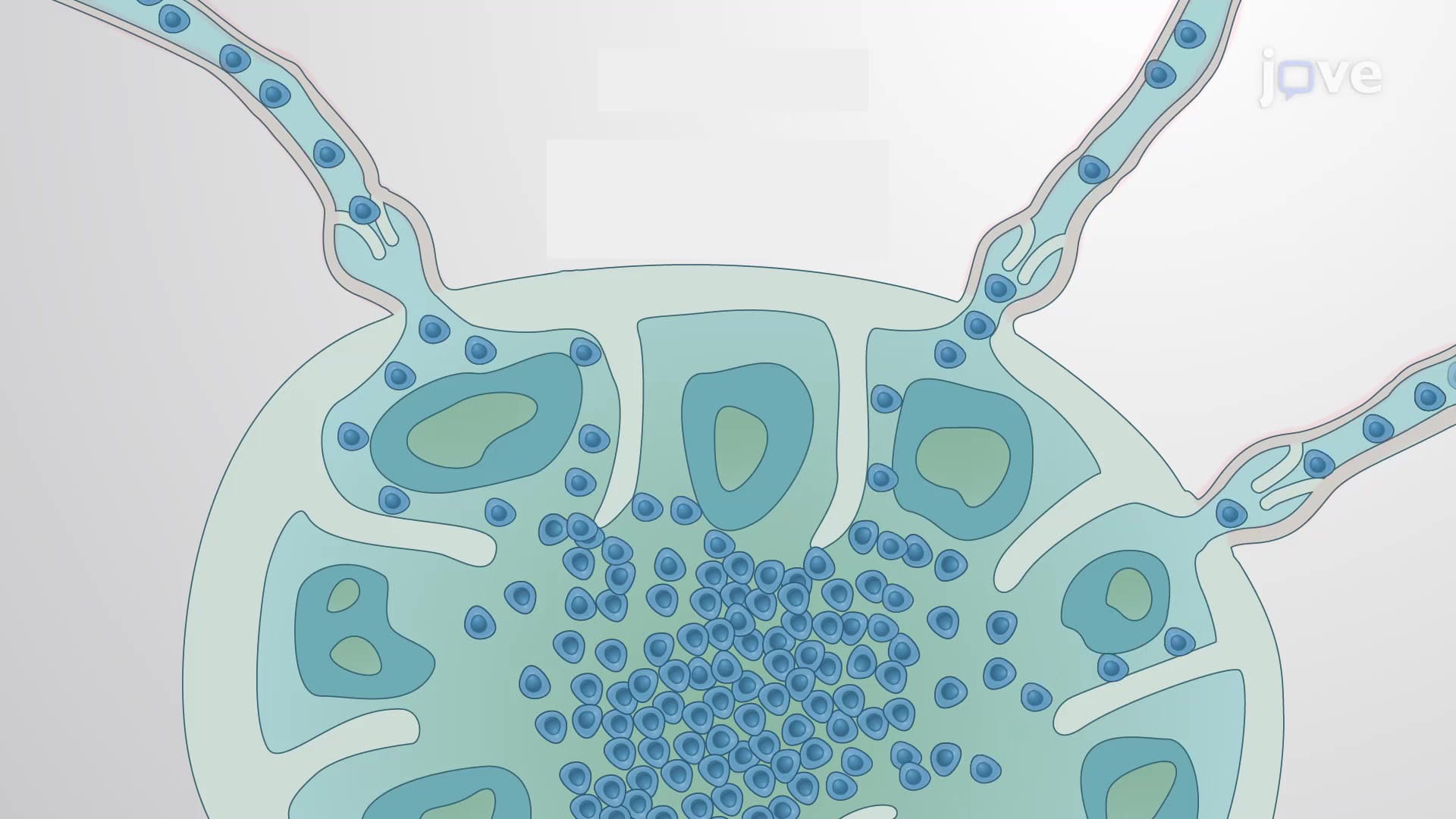
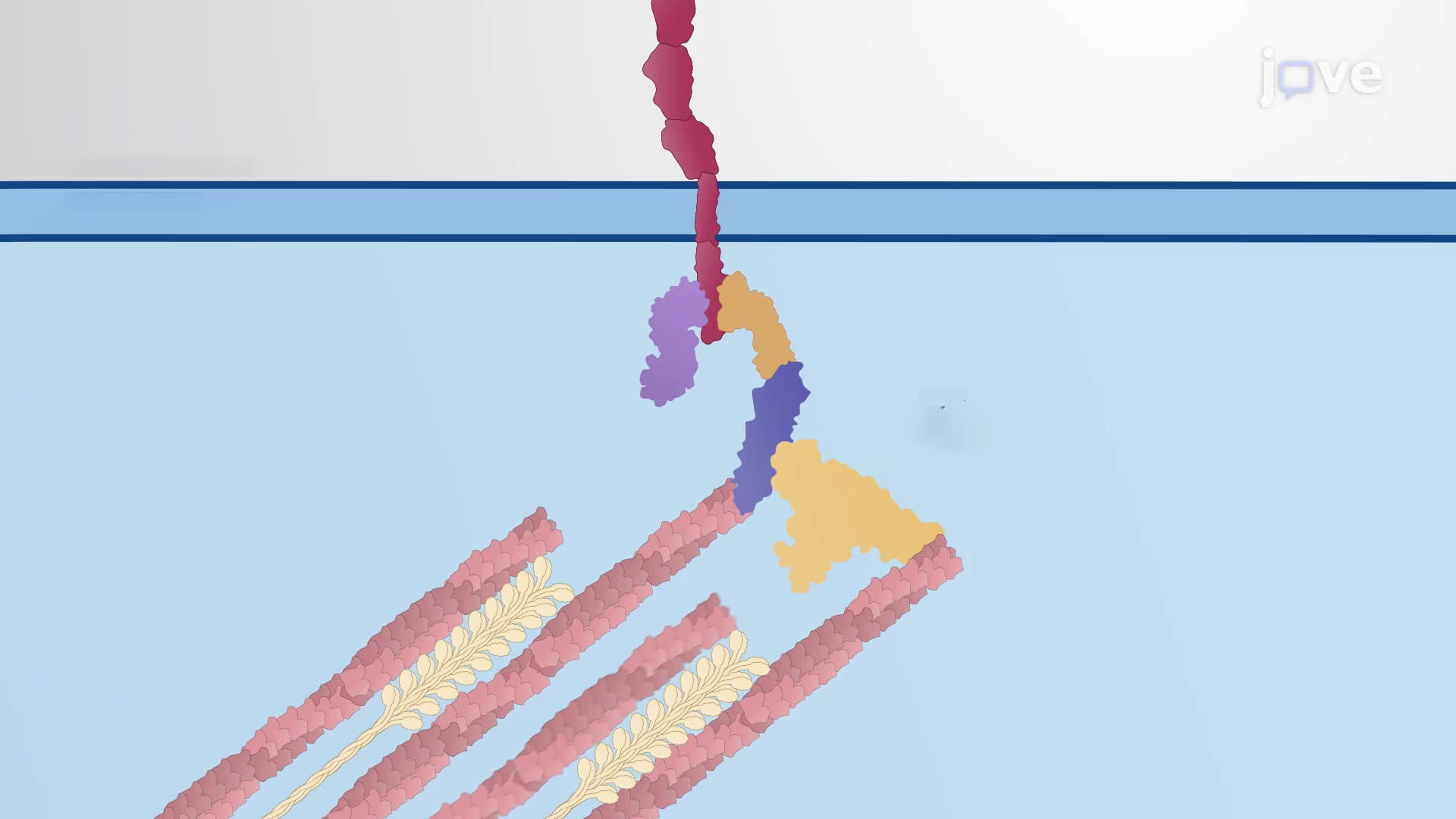
Vascular Cell Adhesion Molecules (VCAMs) and Intercellular Adhesion Molecules (ICAMs) showcase heterophilic interactions, binding to integrins rather than to identical molecules. During an immune response-such as when you get a bacterial infection from a cut-blood vessel endothelial cells upregulate expression of VCAMs and ICAMs on their surface. This creates molecular "landing strips" for circulating immune cells.
The recruitment process follows a precise sequence: first, selectins slow down fast-moving leukocytes in the bloodstream through weak, rolling interactions. This slowing activates integrins on the leukocyte surface, which then bind tightly to Ig-CAMs on the endothelium. Finally, additional signals trigger the leukocyte to squeeze between endothelial cells-a process called diapedesis-to reach infected tissues. Understanding this process is essential for USMLE Step 1 preparation, as it explains how inflammatory diseases develop and how anti-inflammatory drugs work.
Ig-CAMs have become important targets for treating autoimmune and inflammatory diseases. For example, natalizumab (Tysabri), used to treat multiple sclerosis, works by blocking integrin-VCAM interactions, preventing immune cells from entering the brain and spinal cord. This demonstrates how understanding basic cell adhesion mechanisms translates directly into therapeutic strategies-a connection frequently tested on medical school exams and relevant for students considering careers in biomedical research or medicine.
Related Micro-courses