Loading video…


 12 Concepts
 83.2K views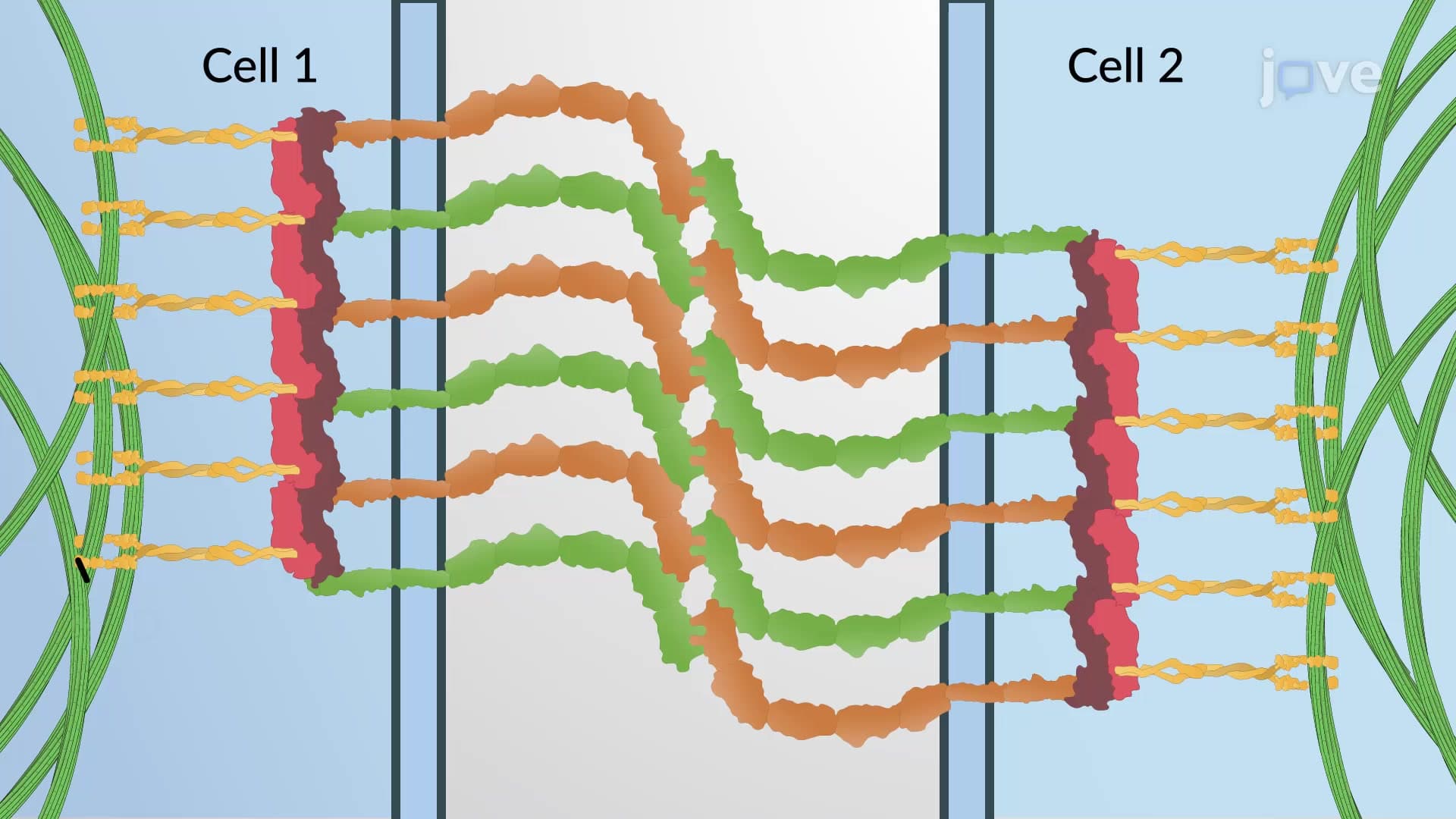

Video Summary: What are Desmosomes
Ever wonder how your heart keeps beating millions of times without tearing apart? Desmosomes are specialized cell junctions that act like molecular rivets, holding cells together in tissues under constant mechanical stress. These protein complexes are particularly crucial in cardiac muscle tissue, where they prevent heart cells from separating during the powerful contractions that pump blood throughout your body. Understanding what are desmosomes reveals how our bodies maintain structural integrity under extreme physical demands. Watch the full video on JoVE Coach to master this concept with expert-led visuals and step-by-step explanations.
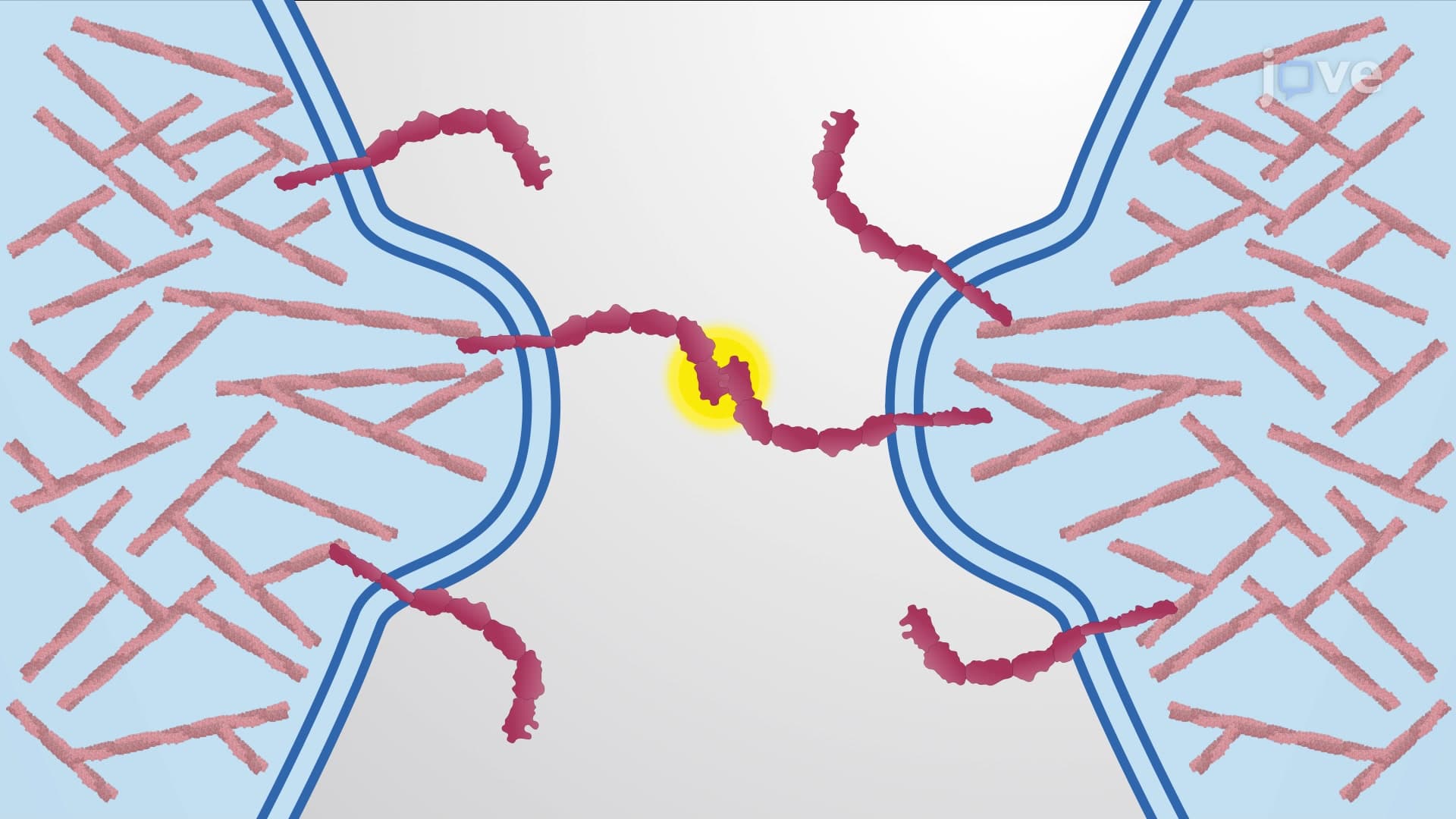
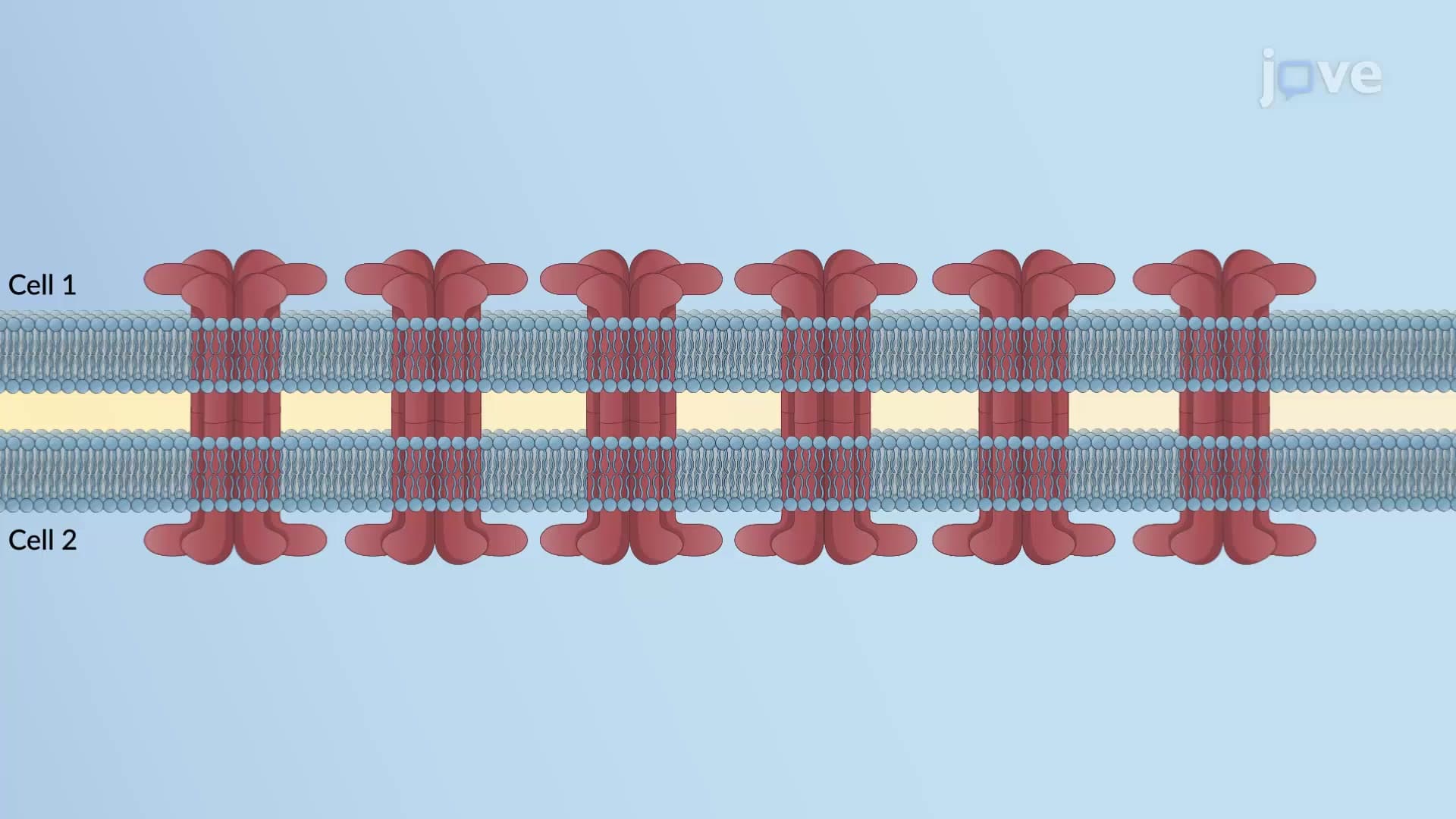
Desmosomes represent one of nature's most sophisticated solutions to a fundamental biological challenge: how to keep cells firmly attached while allowing tissues to withstand tremendous mechanical forces. These specialized anchoring junctions function as intercellular "spot welds" that create incredibly strong connections between adjacent cells.
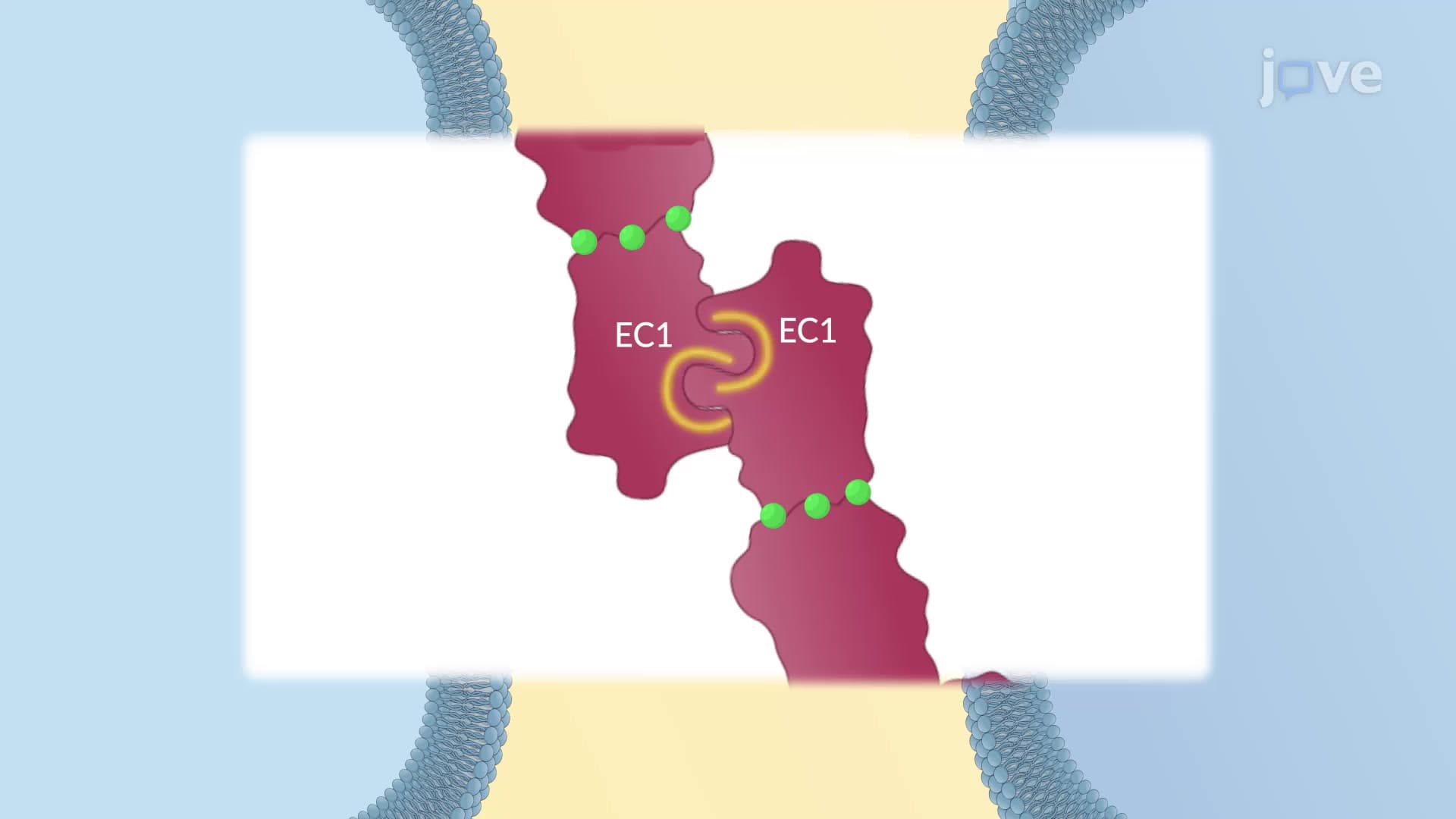
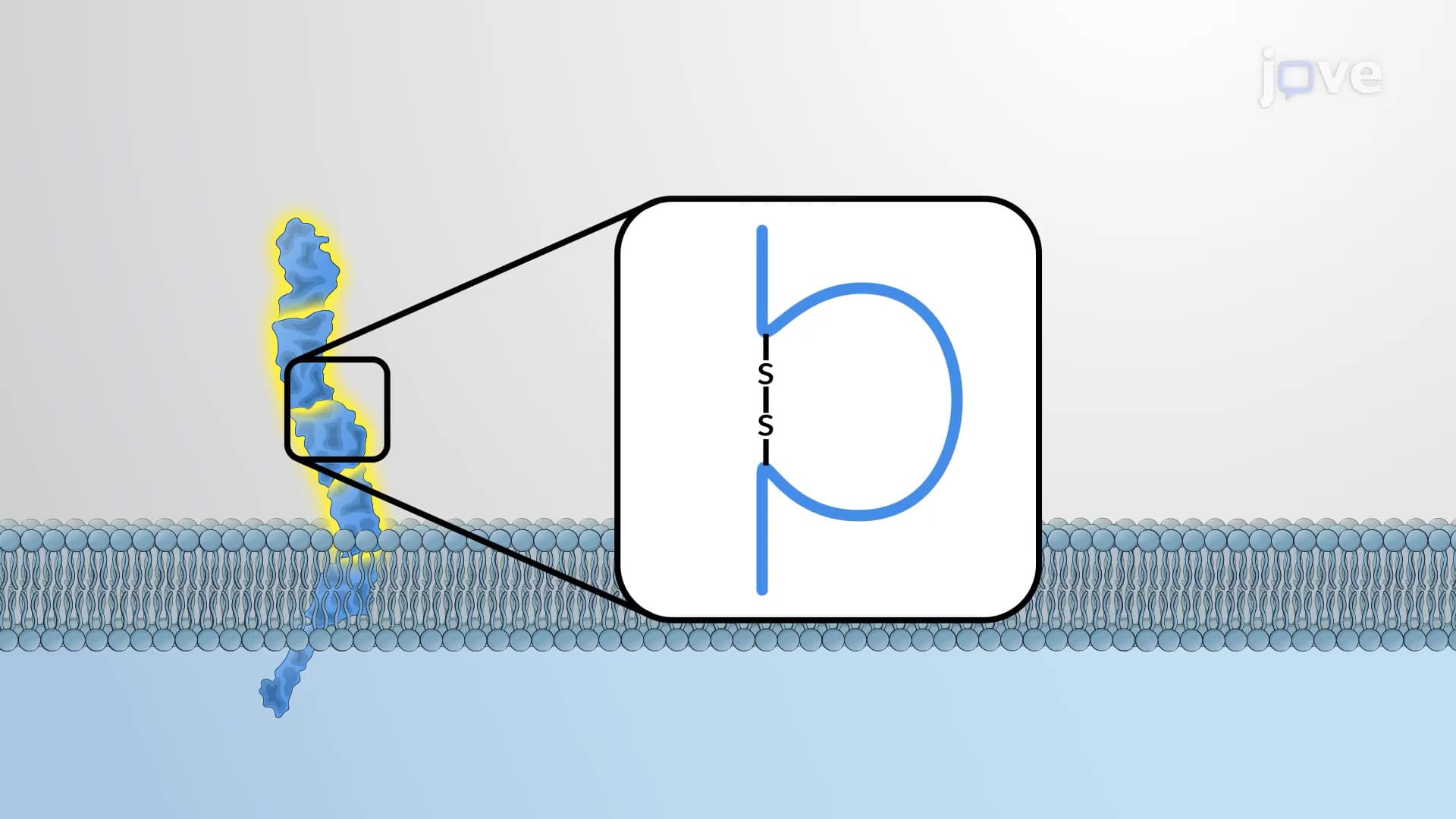
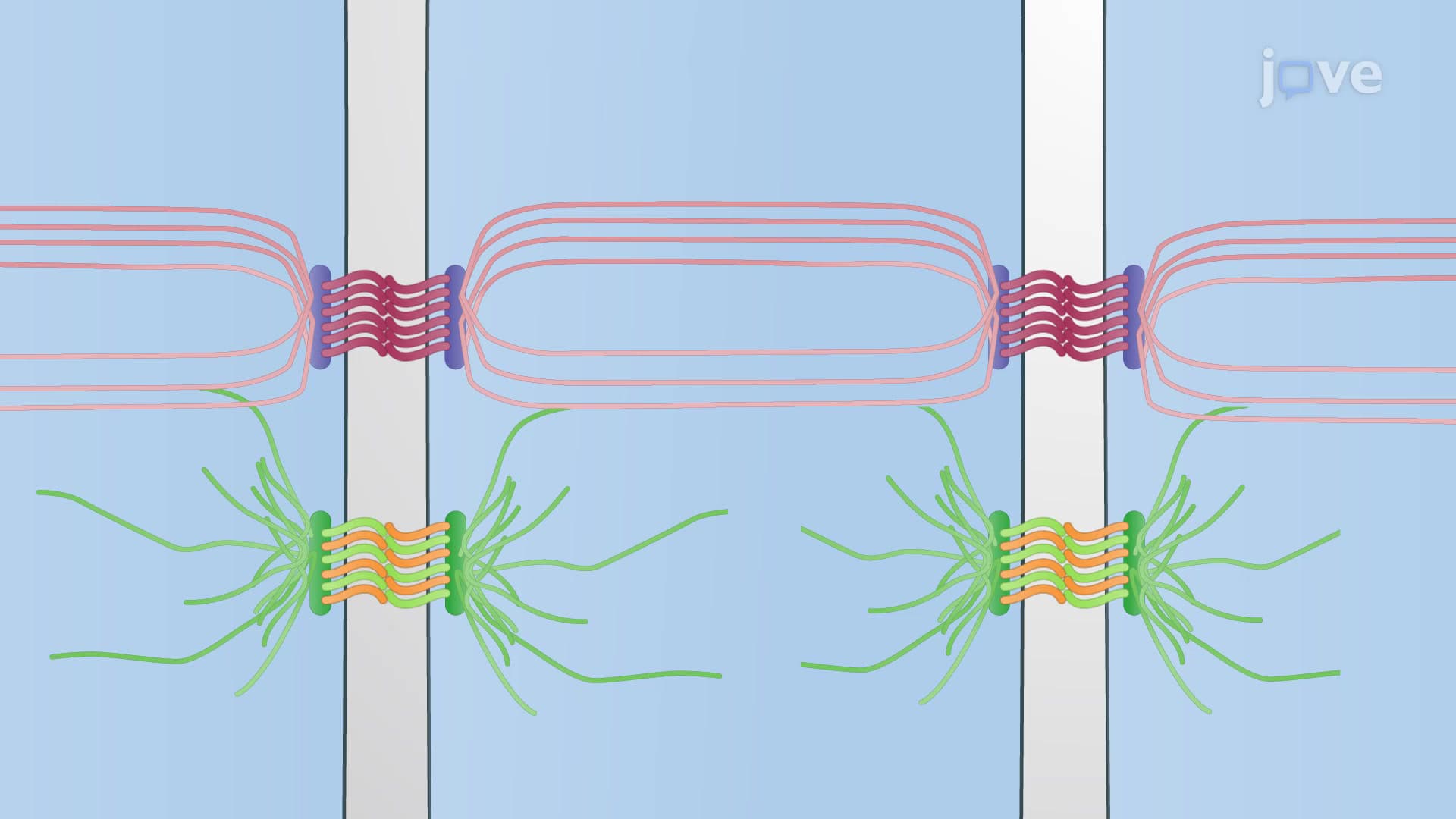
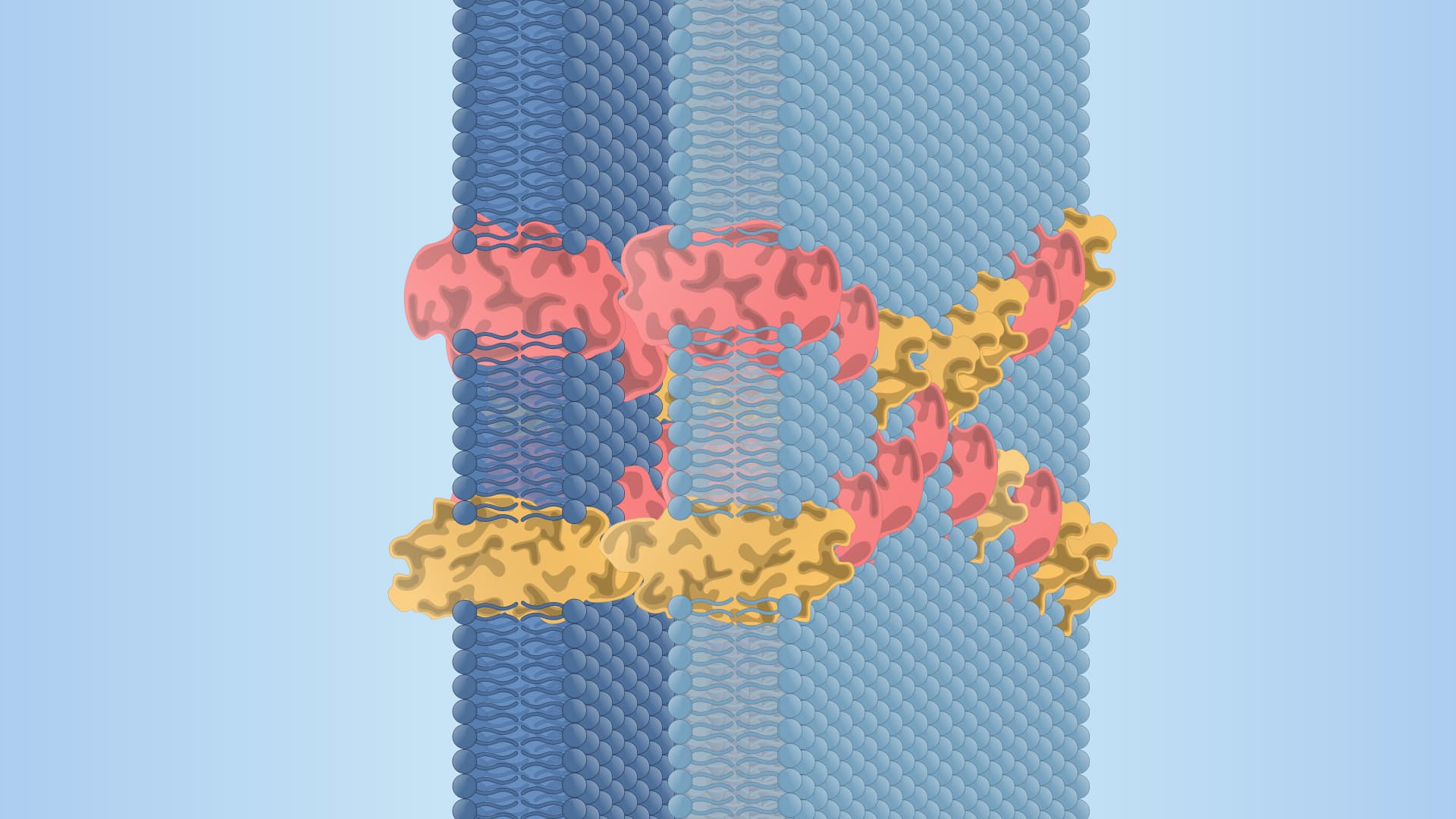
The molecular architecture of desmosomes involves a complex multi-protein assembly. At the cell surface, desmosomal cadherins-specifically desmocollin and desmoglein-extend into the extracellular space where they interact with corresponding proteins on neighboring cells. Unlike classical cadherins that form homophilic bonds (identical proteins binding to each other), desmosomal cadherins engage in heterophilic interactions, meaning desmocollin from one cell binds to desmoglein on the adjacent cell.
While the basic structure remains consistent, types of desmosomes vary based on their molecular composition and tissue location. Cardiac desmosomes contain specific isoforms of desmosomal proteins optimized for the heart's unique demands. The constant rhythmic contractions-approximately 100,000 beats per day-require exceptionally robust cell-cell adhesion.
In epithelial tissues, particularly those lining the intestinal tract, desmosomes face different challenges. The intestinal epithelium must withstand the mechanical forces of peristalsis while maintaining barrier function. Here, desmosomes work alongside tight junctions to create a resilient yet selective barrier.
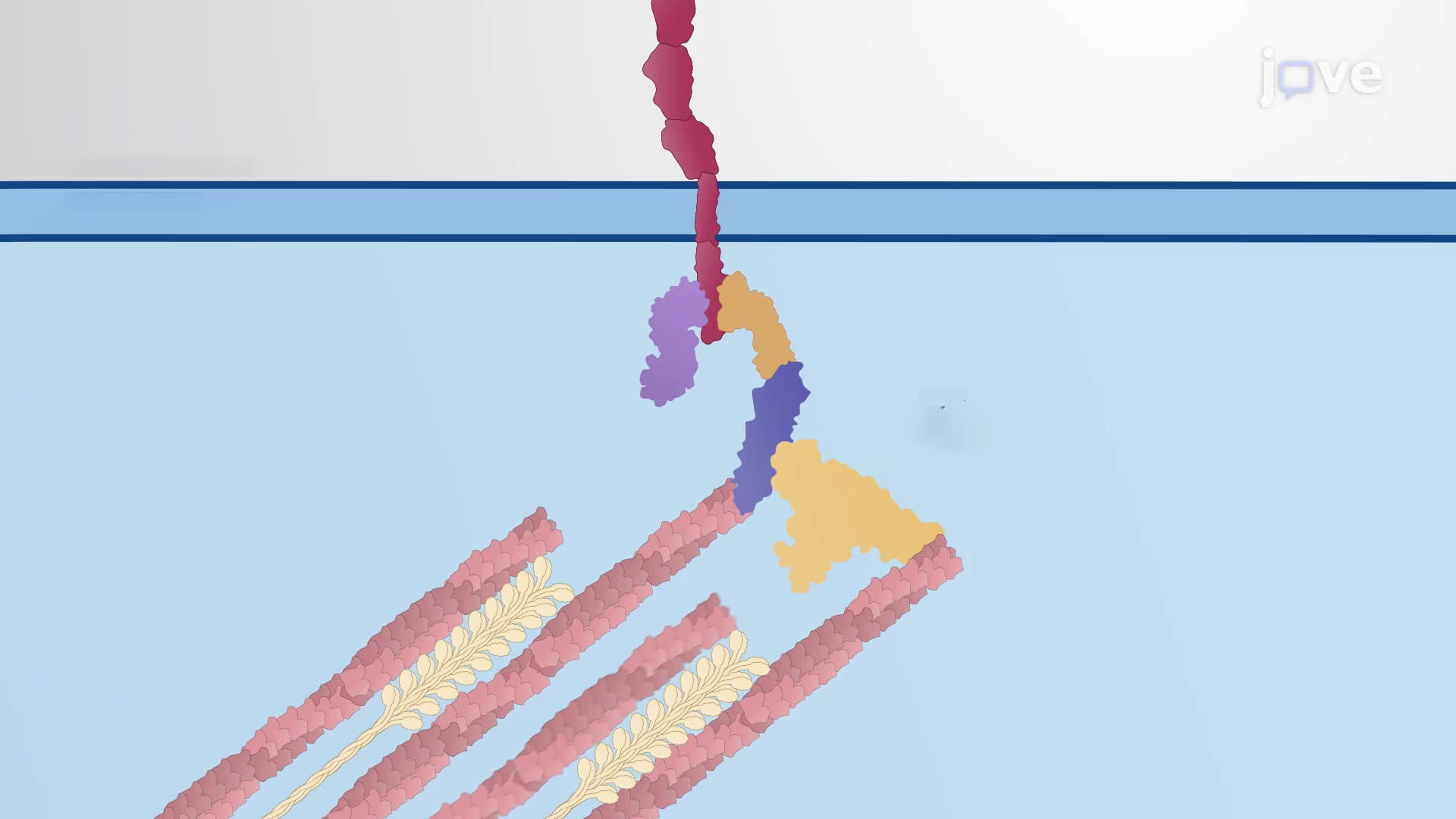
The strength of desmosomes comes from their connection to the intermediate filament cytoskeleton. Inside each cell, the cytoplasmic domains of desmosomal cadherins recruit armadillo family proteins called plakoglobins and plakophilins. These catenin-like proteins cannot directly bind intermediate filaments, requiring the bridging protein desmoplakin.
Desmoplakin serves as the crucial molecular link, with its N-terminal domain binding to plakoglobins and plakophilins, while its C-terminal plakin repeat domains anchor to intermediate filaments. This creates a continuous cytoskeletal network spanning multiple cells-a transcellular scaffold that distributes mechanical stress across entire tissues.
Understanding desmosomes proves essential for students preparing for advanced coursework and standardized exams like the MCAT or AP Biology. Desmosome dysfunction underlies several human diseases, most notably arrhythmogenic right ventricular cardiomyopathy (ARVC), where mutations in desmosomal proteins lead to cardiac muscle cell detachment and potentially fatal arrhythmias.
The Mayo Clinic and other leading US medical centers regularly diagnose ARVC patients with genetic testing for desmosomal protein mutations. This real-world application demonstrates how fundamental cell biology concepts directly impact clinical medicine and patient care.
Related Micro-courses