Loading video…


 7 Concepts
 2.8K views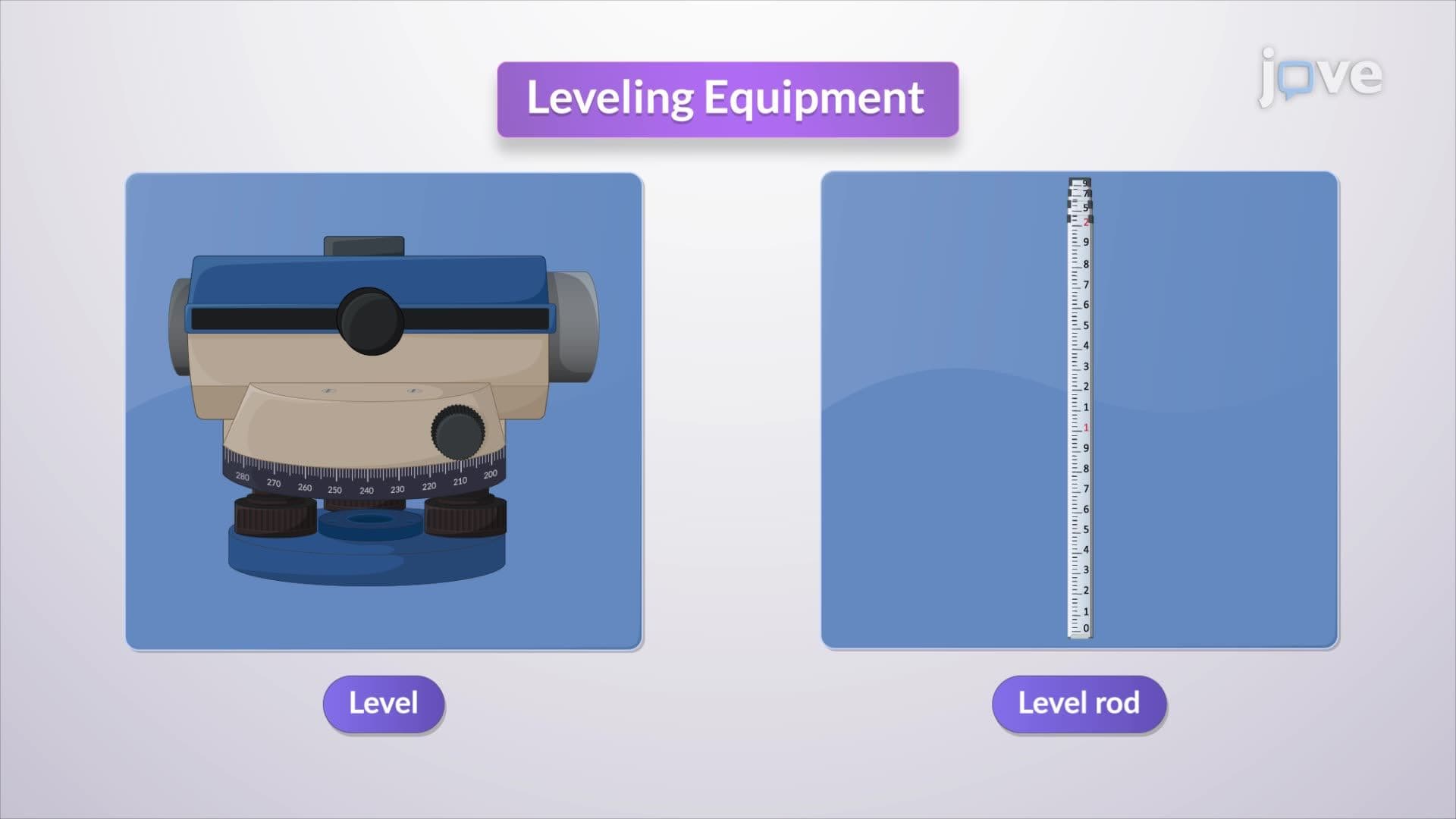

Video Summary: What Is Leveling Equipment
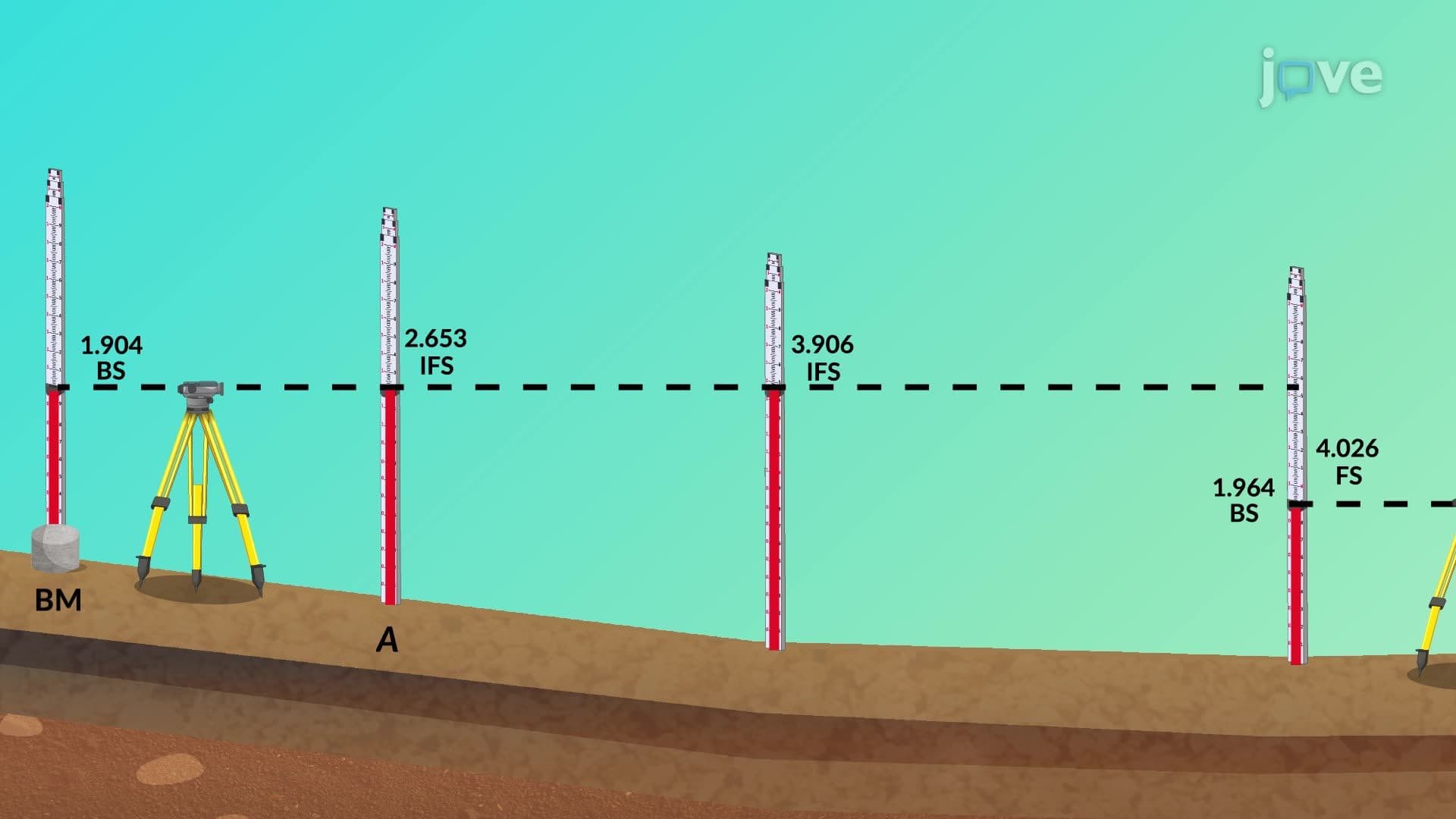
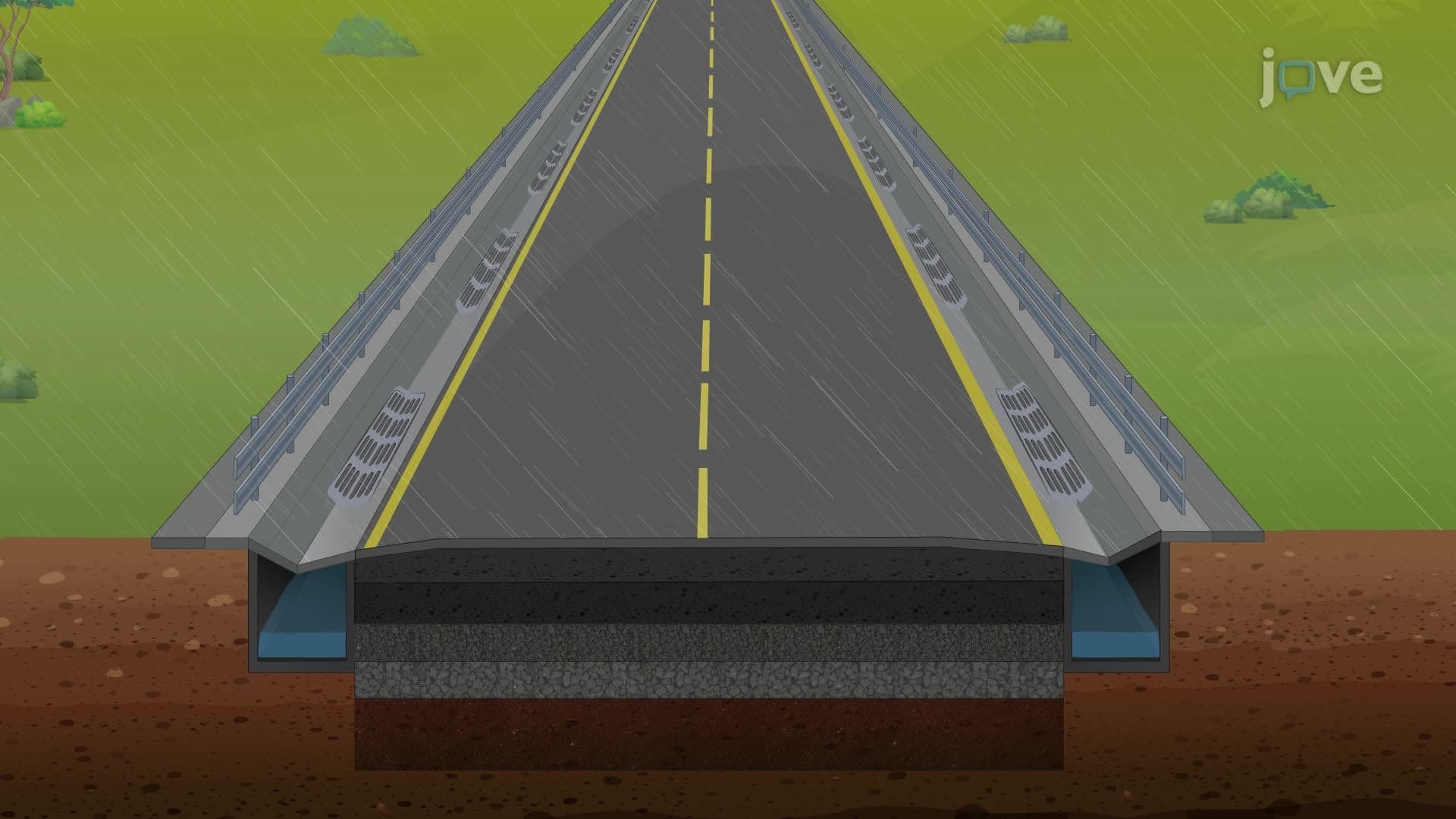
Ever wonder how engineers ensure skyscrapers in Manhattan stand perfectly vertical or how surveyors map the exact elevation changes across the Golden Gate Bridge construction site? Differential leveling makes this precision possible using specialized surveying instruments. This fundamental surveying technique relies on precise leveling equipment to measure elevation differences between multiple points with remarkable accuracy. From the Empire State Building to interstate highway construction projects, differential leveling ensures structural integrity and proper drainage across America's infrastructure. Watch the full video on JoVE Coach to master this concept with expert-led visuals and step-by-step explanations.
What is leveling equipment represents the cornerstone of precision surveying and civil engineering measurement. This specialized instrumentation enables surveyors and engineers to establish accurate horizontal references and measure elevation differences across construction sites, from small residential developments in suburban Denver to massive infrastructure projects like the California High-Speed Rail system. Modern leveling equipment has evolved significantly from basic spirit levels to sophisticated electronic systems that deliver sub-millimeter accuracy.
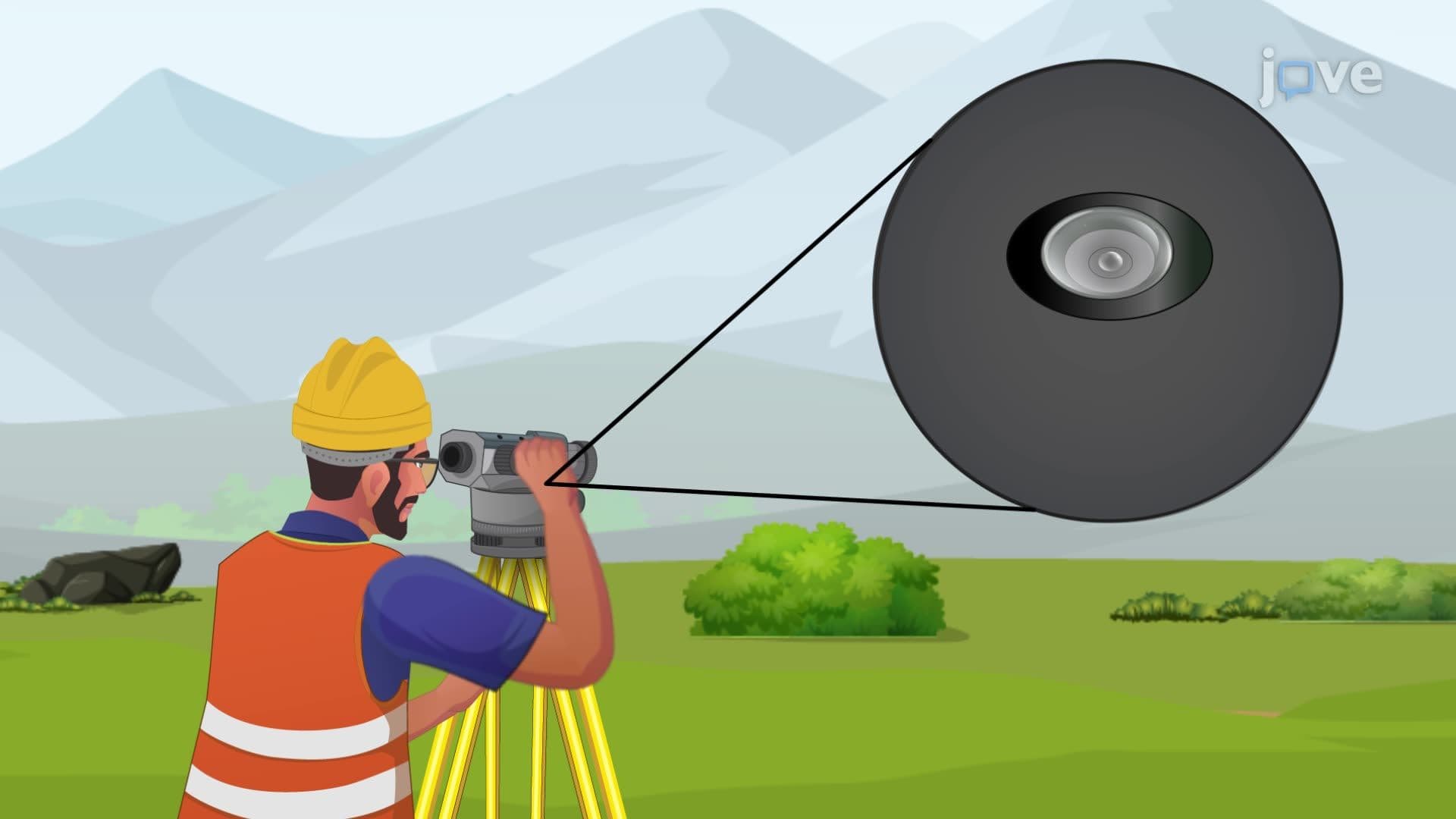
The heart of any leveling system lies in the surveying level itself-a precision optical instrument mounted on a sturdy tripod. Traditional levels incorporate a telescope for magnification, a sensitive spirit level (bubble vial) for establishing horizontal reference, and adjustment screws for fine-tuning the instrument's position. However, automatic levels have revolutionized field surveying by incorporating internal compensator mechanisms that use gravity-controlled pendulums or prisms to maintain perfect horizontal alignment automatically.
Electronic digital levels represent the cutting edge of surveying technology, particularly valuable for large-scale projects like the expansion of Los Angeles International Airport. These instruments feature digital displays, automatic barcode reading capabilities, and data logging functions that integrate seamlessly with computer-aided design software used by engineering firms across the United States. The precision achieved by these systems often exceeds manual reading capabilities by factors of ten or more.
Level rods serve as the measuring component of the leveling system, typically constructed from lightweight yet durable materials including aluminum, fiberglass, or treated wood. American surveyors commonly use rods graduated in feet and decimal subdivisions, though metric systems appear in scientific and international construction projects. Standard rods extend 8-25 feet when fully deployed, featuring bold numerical markings visible through surveying telescopes at distances exceeding 300 feet.
Advanced measurement applications often require precision beyond the rod's basic graduations. Sliding vernier scales attached to the rod enable readings to thousandths of a foot, while optical micrometers integrated into the level's eyepiece system can achieve even finer resolution. These precision enhancements prove essential for projects requiring extreme accuracy, such as NASA launch pad construction at Kennedy Space Center or precision manufacturing facility foundations in Silicon Valley.
Understanding differential leveling concepts and equipment operation directly impacts performance on standardized examinations including the AP Physics exam, college-level surveying courses, and professional engineering licensure tests. Students frequently encounter leveling problems in AP Calculus applications, where elevation change calculations integrate with slope and rate problems. Civil engineering undergraduates at institutions like MIT, Stanford, and the University of Texas utilize this equipment extensively in hands-on laboratory experiences that prepare them for professional practice.
Related Micro-courses