Loading subject page…

- Analytical Chemistry
- Acid–base Titration
- Titration of a Weak Acid with a Weak Base
Micro-course: Acid–Base Titration
53,666 views
Learn key concepts and earn your certificate.




Titration of a Weak Acid with a Weak Base

00:00
01:08
Video Summary: Weak Acid Weak Base Titration
Ever wonder why your swimming pool's pH changes so gradually when adding chemicals? Weak acid weak base titration behaves similarly-unlike strong acid-base reactions that show dramatic pH jumps, these titrations create smooth, gradual curves. When acetic acid (vinegar) meets aqueous ammonia in the lab, the resulting titration curve lacks a sharp endpoint, making it challenging for analytical chemists at pharmaceutical companies like Pfizer to determine exact neutralization points. Watch the full video on JoVE Coach to master this concept with expert-led visuals and step-by-step explanations.
- Understand how weak acid weak base titration differs from strong acid-base titrations in terms of pH curve characteristics and endpoint detection
- Identify the factors that determine whether the equivalence point pH is above, below, or equal to 7 based on relative Ka and Kb values
- Analyze titration curves to recognize the gradual pH change pattern typical of weak electrolyte interactions
- Compare the relationship between acid and base strength constants (Ka vs Kb) and their effect on equivalence point pH
- Evaluate appropriate indicator combinations, such as neutral red and methylene blue, for detecting diffuse endpoints
- Apply knowledge of salt hydrolysis to predict the nature of solutions formed at the equivalence point
- Recognize why traditional single indicators fail in weak acid-weak base systems
- Explore the practical challenges of performing accurate titrations without sharp endpoints in laboratory settings
Understanding Weak Acid Weak Base Titration Fundamentals
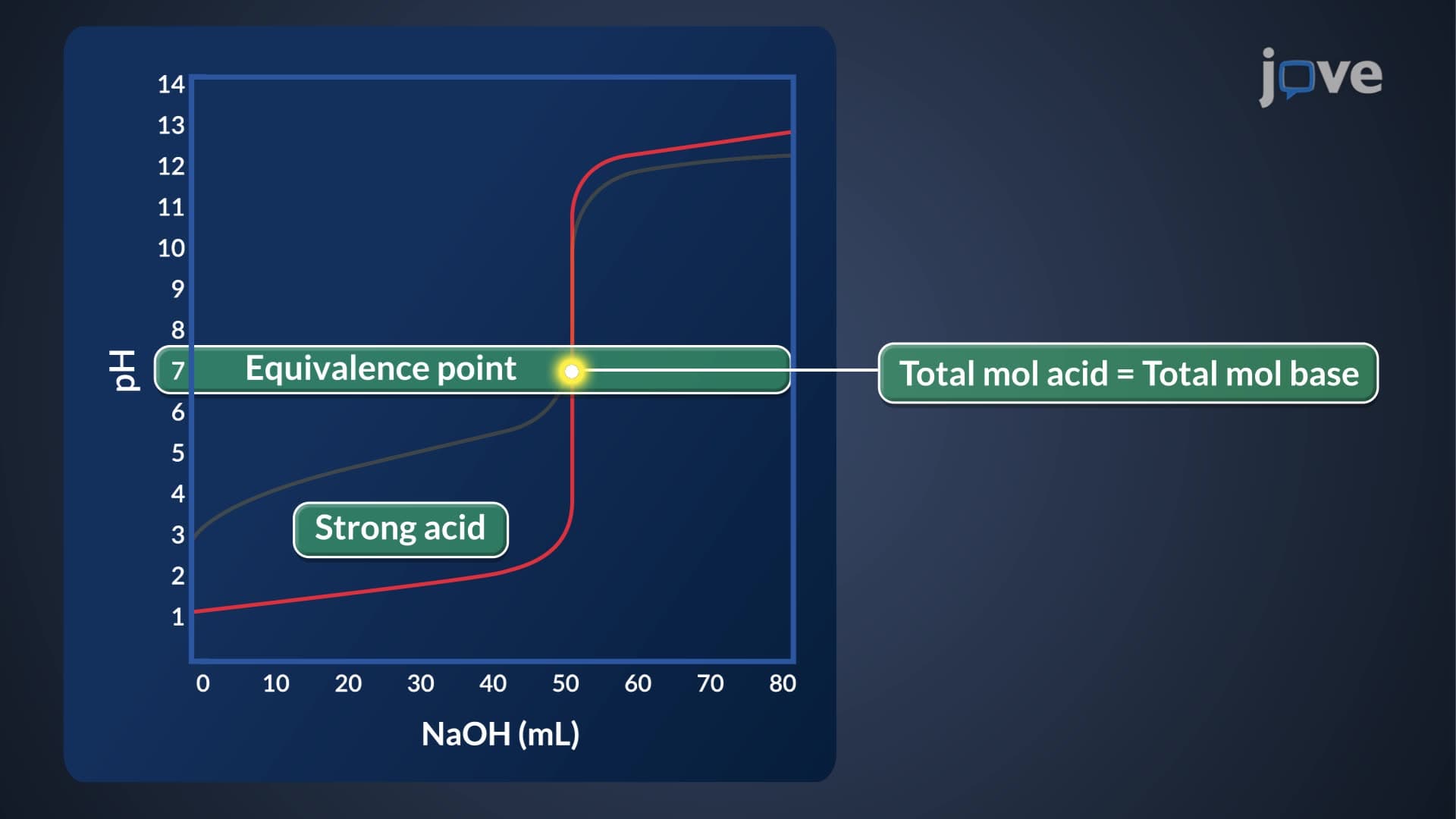
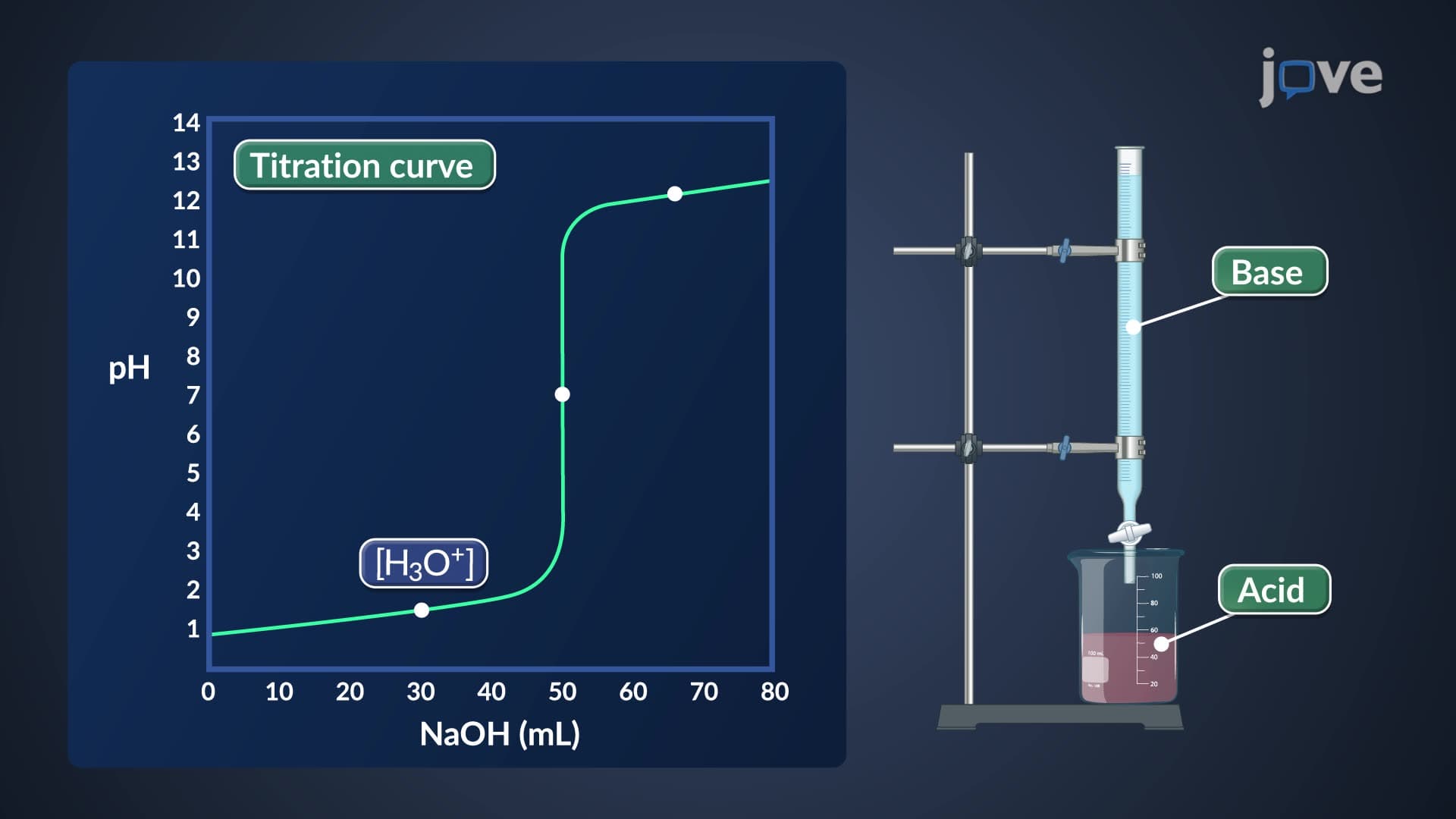
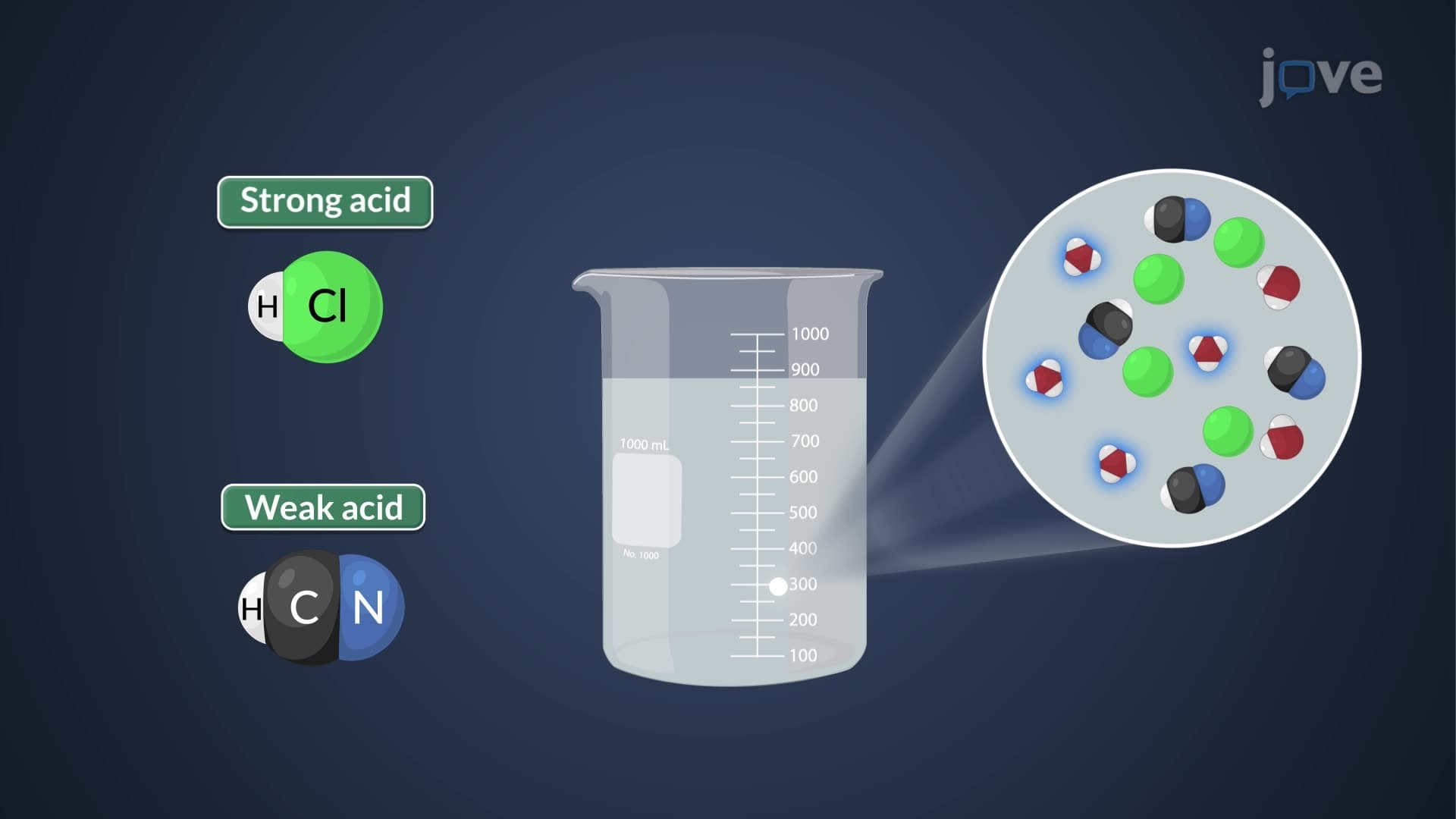
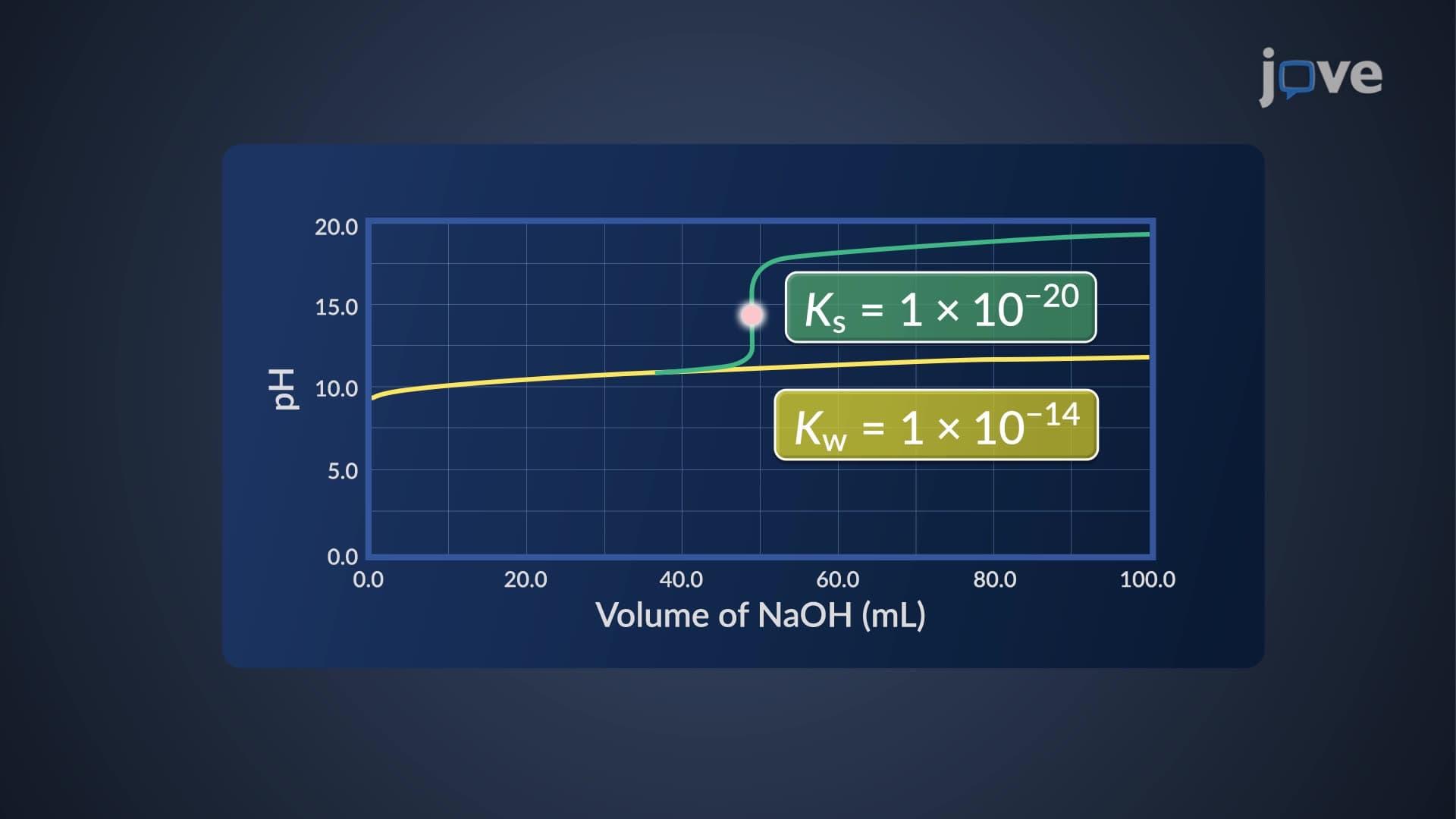
Weak acid weak base titration represents one of the most challenging types of acid-base analysis due to its unique pH behavior. Unlike the dramatic pH changes seen in strong acid-strong base titrations, weak electrolyte systems produce gradual, smooth curves that lack distinct inflection points. This occurs because both the acid and base only partially ionize in solution, creating a complex equilibrium system.
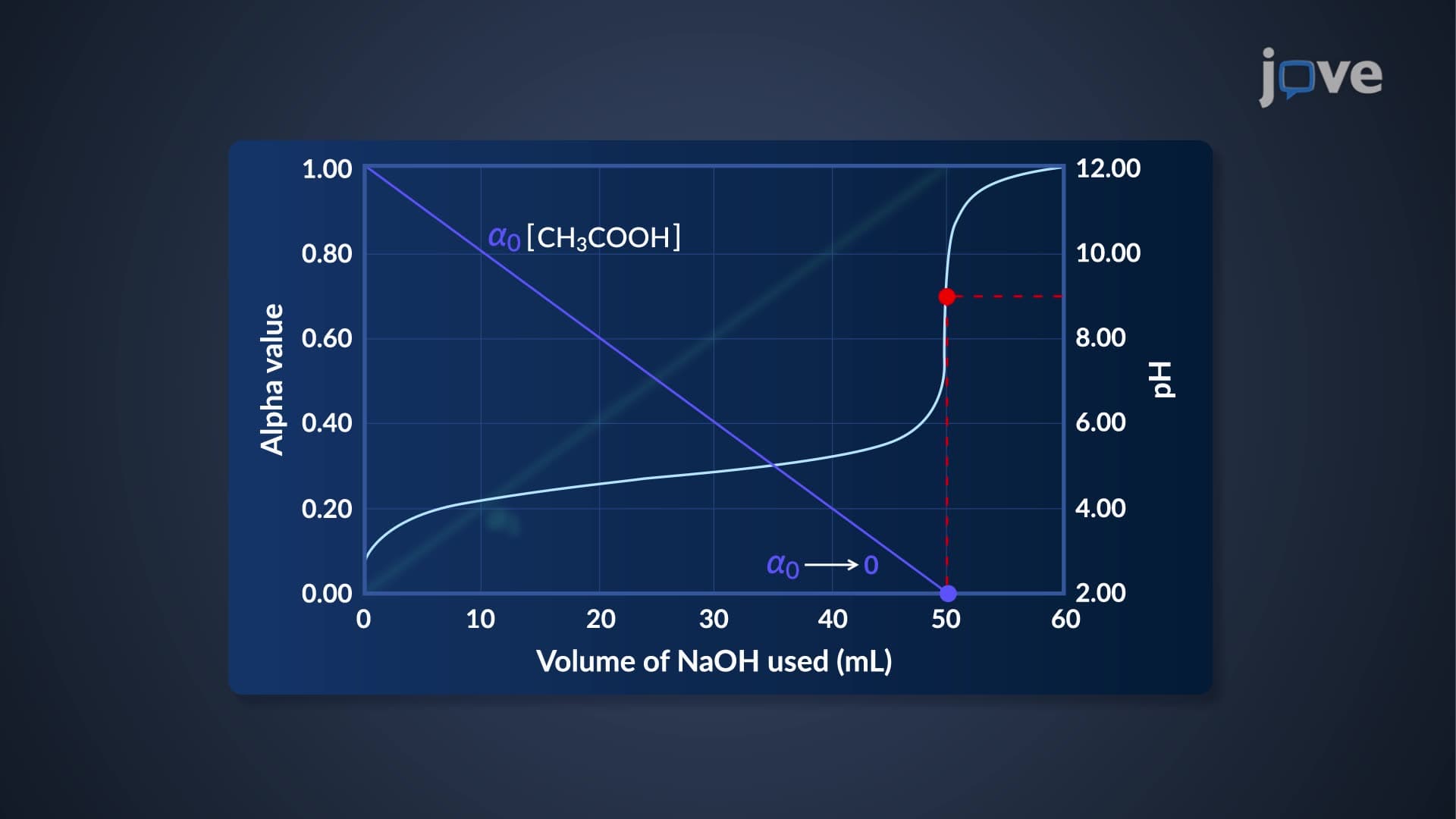
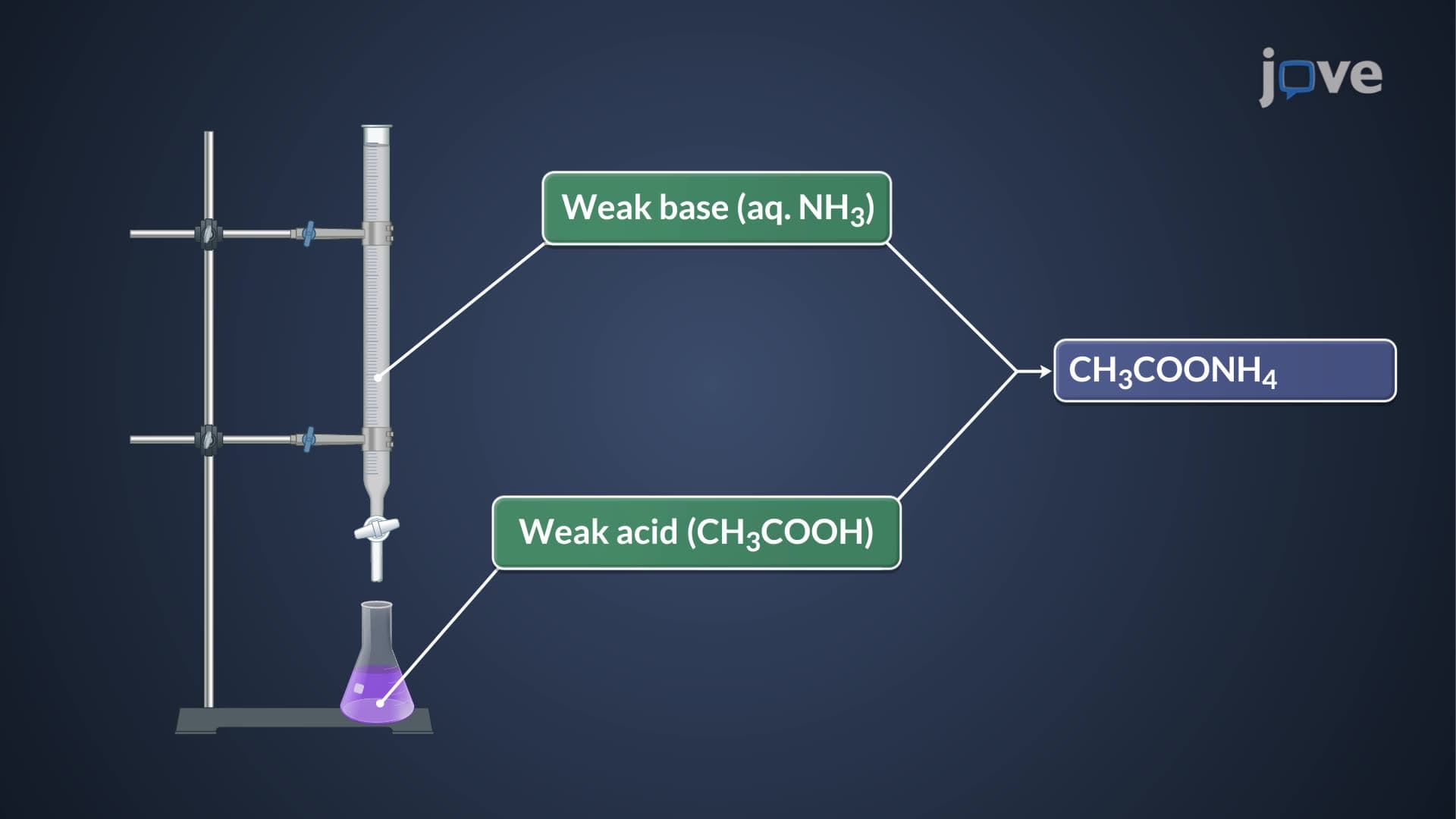
The classic example involves acetic acid (CH₃COOH) titrated with aqueous ammonia (NH₃). When 100 mL of 0.1 M acetic acid encounters 0.1 M ammonia solution, the initial pH starts at 2.87-significantly higher than what you'd see with a strong acid of equivalent concentration. This elevated starting pH reflects acetic acid's incomplete ionization in water.
Equivalence Point pH Determination
The equivalence point pH depends entirely on the relative strengths of the weak acid and base involved. When Ka equals Kb, the resulting solution maintains a neutral pH of 7 because the salt formed (ammonium acetate) undergoes equal amounts of acidic and basic hydrolysis. However, most real-world scenarios involve unequal constants.
If Ka > Kb, the acid is stronger than the base, producing a slightly acidic solution (pH < 7) at equivalence. The acetate ion's basic hydrolysis becomes weaker than the ammonium ion's acidic hydrolysis. Conversely, when Ka < Kb, the base dominates, creating a basic equivalence point (pH > 7).
Practical Challenges and Indicator Selection
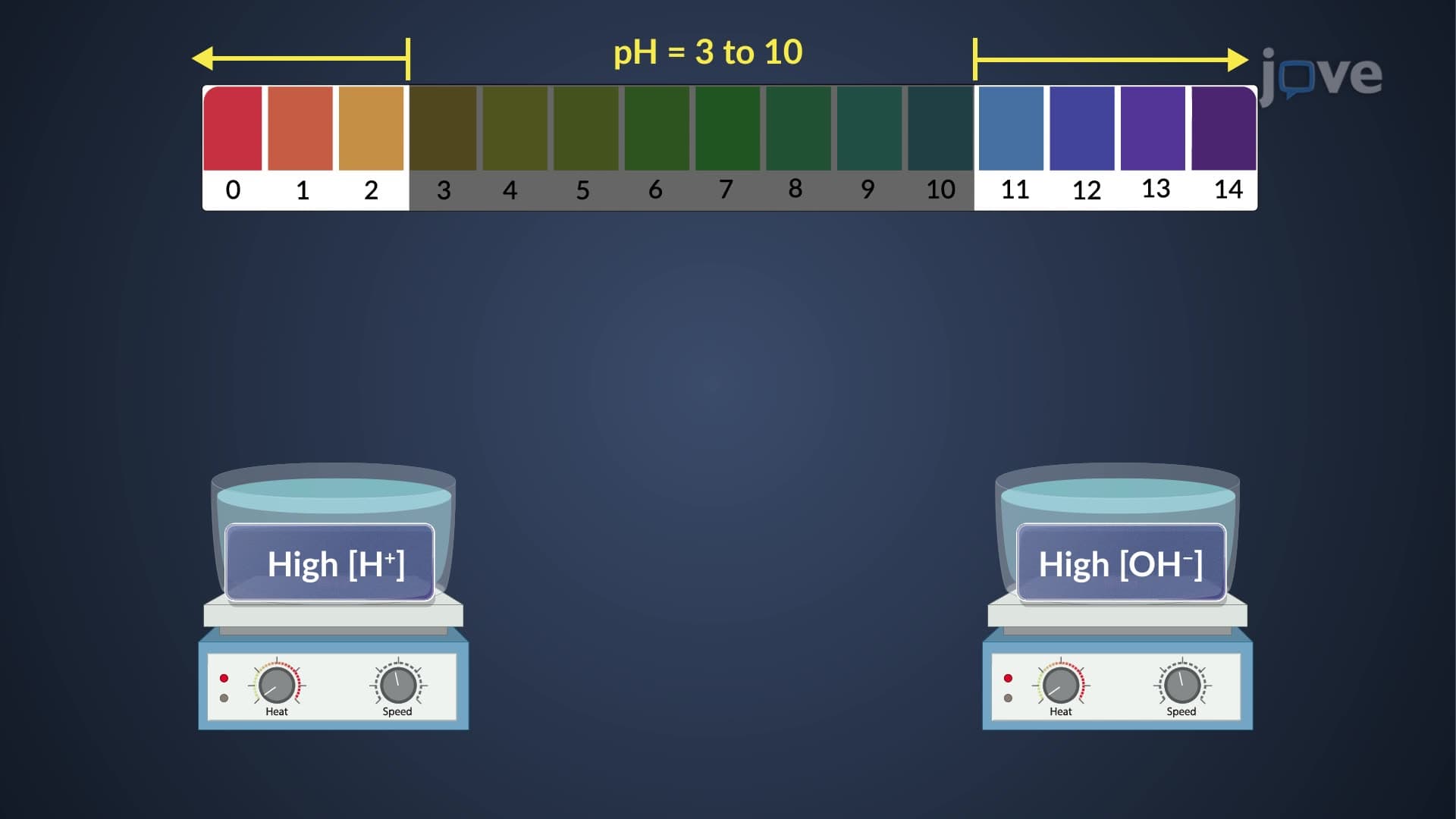
The gradual pH change creates significant analytical challenges. Traditional indicators like phenolphthalein or bromothymol blue, which work excellently for strong acid-base titrations, provide poor endpoint detection here. The pH transition zone spans several units without sharp color changes.
Analytical chemists often employ mixed indicators-combinations like neutral red and methylene blue-to approximate the endpoint. These indicator mixtures provide broader transition ranges that better match the gradual pH changes characteristic of weak electrolyte titrations.
Applications in Academic and Professional Settings
This concept frequently appears on AP Chemistry exams, college analytical chemistry courses, and MCAT biochemistry sections. Students should focus on predicting equivalence point pH using Ka and Kb values, a skill essential for pharmaceutical quality control and environmental testing laboratories. Companies like Abbott Laboratories routinely perform such titrations when analyzing drug formulations containing weak acid or base active ingredients.
Frequently Asked Questions
Weak acid weak base titration involves neutralizing a partially ionized acid with a partially ionized base, creating a gradual pH change curve without sharp endpoints. Unlike strong acid-strong base titrations that show dramatic pH jumps at equivalence, these systems produce smooth, continuous curves. The equivalence point pH can be acidic, basic, or neutral depending on the relative Ka and Kb values. This makes endpoint detection significantly more challenging than traditional titrations.
Compare the Ka and Kb values to determine equivalence point pH. When Ka = Kb, expect pH 7 (neutral). If Ka > Kb, the pH will be less than 7 (acidic) because the acid is relatively stronger. When Ka < Kb, expect pH greater than 7 (basic) as the base dominates. Remember to consider salt hydrolysis at the equivalence point-this concept frequently appears on AP exams and college analytical chemistry tests.
Standard indicators require sharp pH changes to produce distinct color transitions, but weak acid weak base systems create gradual pH curves spanning several units. Single indicators like phenolphthalein change color over narrow pH ranges that don't match these broad transitions. Mixed indicators such as neutral red combined with methylene blue provide better endpoint approximation. This limitation makes weak acid weak base titrations less suitable for precise analytical work.
Pharmaceutical companies like Johnson & Johnson use these principles when analyzing drug formulations containing weak acid or base active ingredients. Environmental testing laboratories apply this knowledge when measuring organic acid concentrations in soil samples or wastewater treatment facilities. Food scientists utilize similar concepts when analyzing acetic acid content in vinegar or citric acid levels in fruit juices, though they often employ instrumental methods for greater precision.
You need solid understanding of acid-base equilibria, Ka and Kb concepts, and basic pH calculations. Most high school AP Chemistry students successfully master this topic after covering acid-base fundamentals. The math involves simple comparisons of equilibrium constants rather than complex calculations. Focus on conceptual understanding of why pH changes gradually and how salt hydrolysis affects equivalence point pH.
Practice predicting equivalence point pH using Ka and Kb comparisons, as this appears frequently on MCAT chemical foundations sections. Create concept maps linking weak acid strength, salt hydrolysis, and buffer behavior. Focus on understanding why these titrations lack sharp endpoints rather than memorizing specific pH values. Review mixed indicator systems and their limitations compared to strong acid-base titrations.
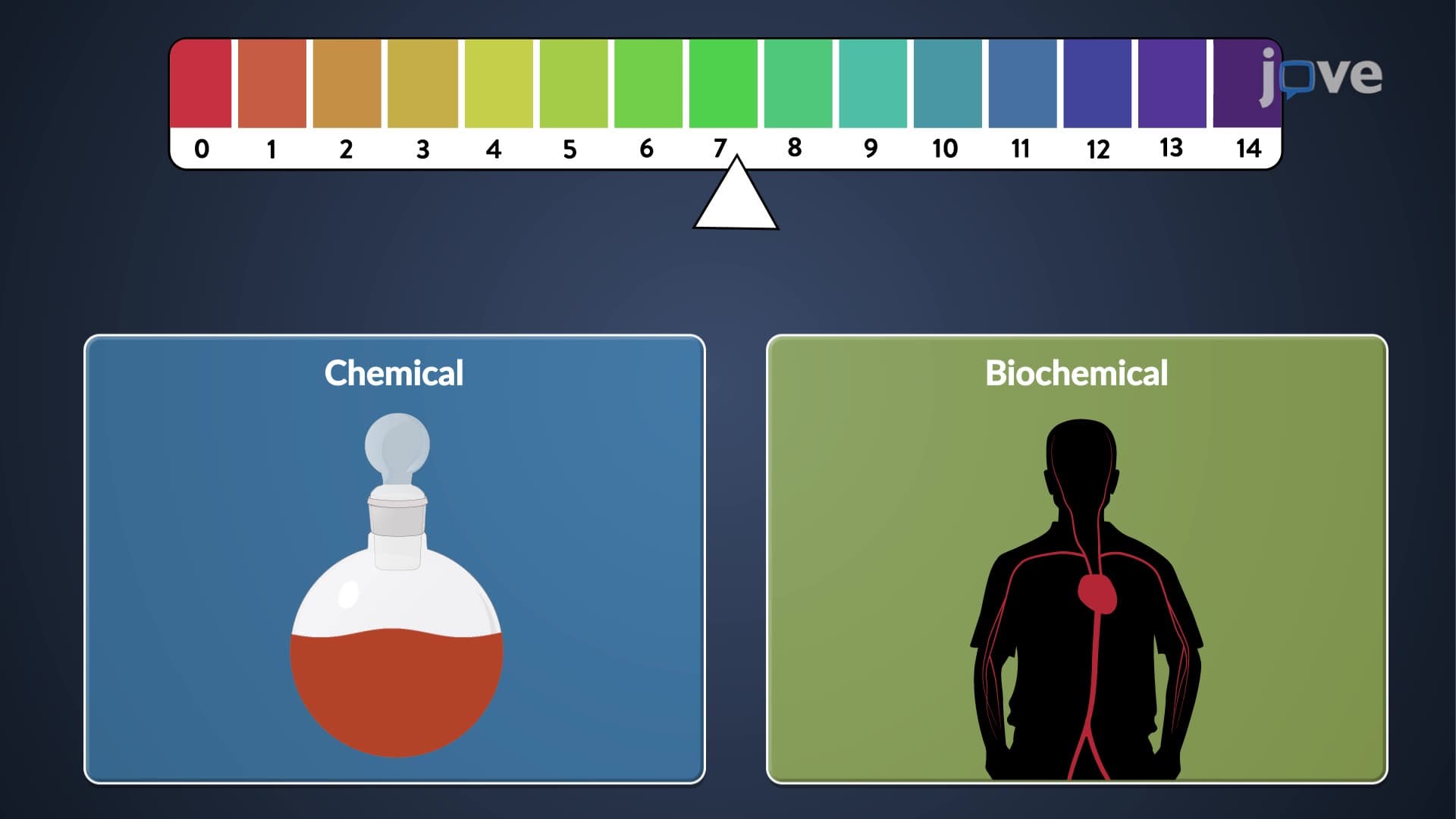
Weak acid weak base solutions naturally resist pH changes due to the presence of both conjugate acid-base pairs throughout the titration. This creates an extended buffering region rather than a sharp equivalence point. The system maintains relatively stable pH over broad volume ranges, similar to biological buffer systems in blood plasma. Understanding this connection helps explain why precise endpoint detection becomes so challenging in analytical applications.
Related Micro-courses
17 Concepts

14 Concepts