Loading subject page…

- Analytical Chemistry
- Interpreting Nuclear Magnetic Resonance Spectra
- π Electron Effects on Chemical Shift: Overview
Micro-course: Interpreting Nuclear Magnetic Resonance Spectra
53,059 views
Learn key concepts and earn your certificate.





π Electron Effects on Chemical Shift: Overview

00:00
01:27
Video Summary: Electronic Effects on Chemical Shift an Overview
Ever wonder why hydrogen atoms in different molecules produce distinct signals on NMR spectra? Electronic effects on chemical shift NMR reveal how electrons around atoms create unique magnetic environments that forensic labs use to identify unknown compounds in criminal investigations. These electronic interactions determine whether proton signals appear upfield or downfield, with vinylic protons in alkenes appearing around 5-6 ppm while aldehydic protons show up much further downfield at 9-10 ppm. Watch the full video on JoVE Coach to master this concept with expert-led visuals and step-by-step explanations.
- Understand how electronic effects on chemical shift create distinct NMR signal patterns based on molecular electron distribution and magnetic field interactions
- Identify the relationship between hybridization states (sp, sp2, sp3) and the resulting chemical shift positions in proton NMR spectra
- Analyze how diamagnetic anisotropy effects cause different shielding and deshielding patterns around various functional groups
- Compare chemical shift ranges for alkenes (4.5-6.1 ppm), aldehydes (9.5-10.5 ppm), and alkynes (2.0-3.2 ppm) based on electronic environments
- Evaluate the competing effects of electronegativity and pi-electron shielding in acetylenic protons that result in upfield shifts
- Apply knowledge of induced magnetic fields to predict whether protons will appear upfield or downfield in NMR spectra
- Recognize how conjugation NMR shift and resonance effect chemical shift influence signal positions in complex organic molecules
- Explore the connection between electron donation NMR shift patterns and molecular structure determination techniques
Understanding Electronic Effects on Chemical Shift Fundamentals
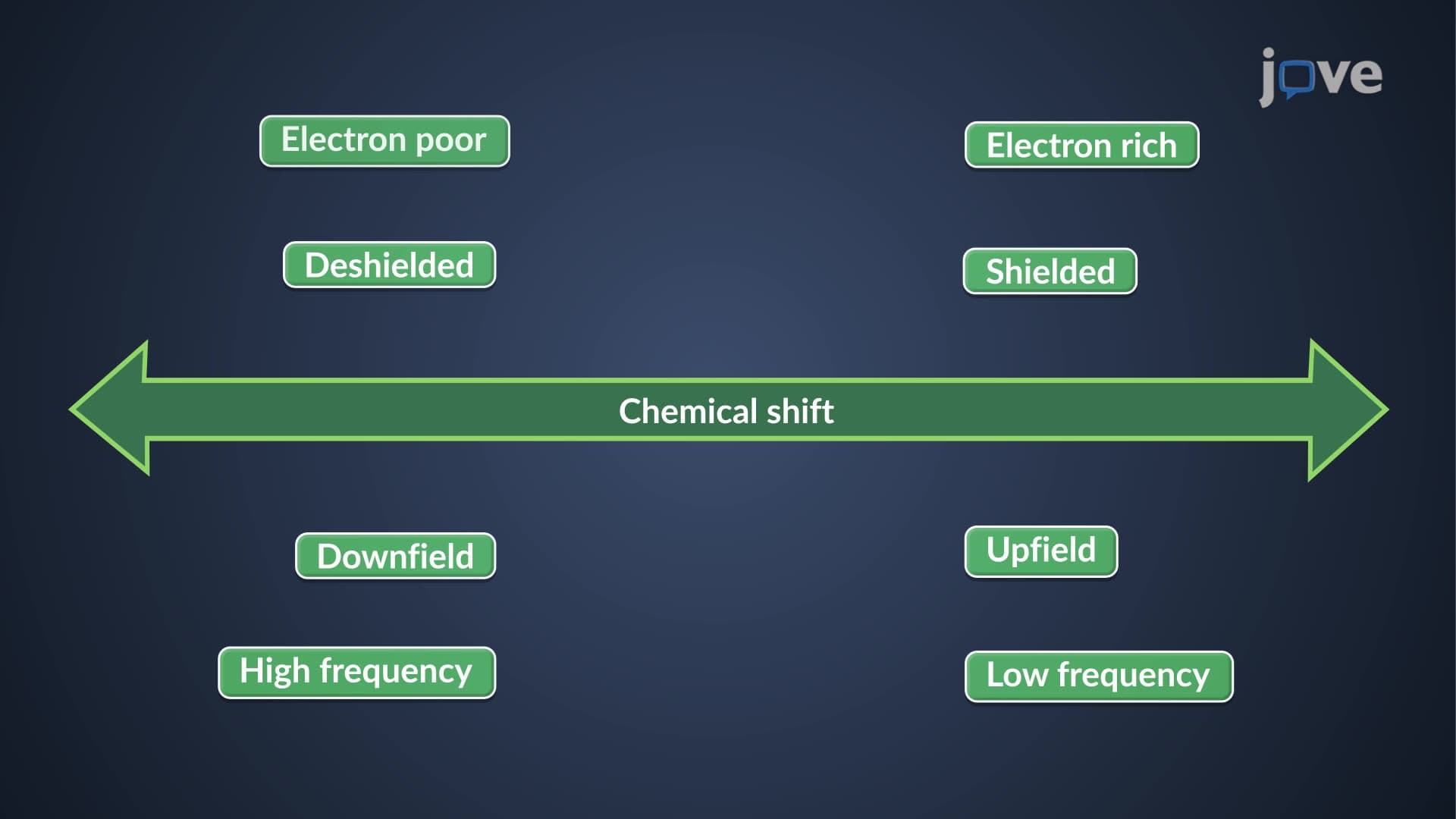
Electronic effects on chemical shift represent the cornerstone of NMR spectroscopy interpretation, governing how electrons surrounding hydrogen atoms influence their magnetic environments. When pharmaceutical companies at major US research facilities like Pfizer or Merck analyze new drug compounds, they rely on these electronic effects to determine molecular structures. The applied magnetic field in an NMR spectrometer causes loosely bound electrons to circulate, creating local diamagnetic fields that either shield or deshield nearby protons.
This electronic shielding NMR phenomenon occurs because moving electrons generate their own magnetic fields that can either oppose or reinforce the external magnetic field. Students preparing for the MCAT or advanced organic chemistry courses must understand that these induced fields vary dramatically based on molecular geometry and electron distribution patterns.
Diamagnetic Anisotropy and Molecular Orientation Effects
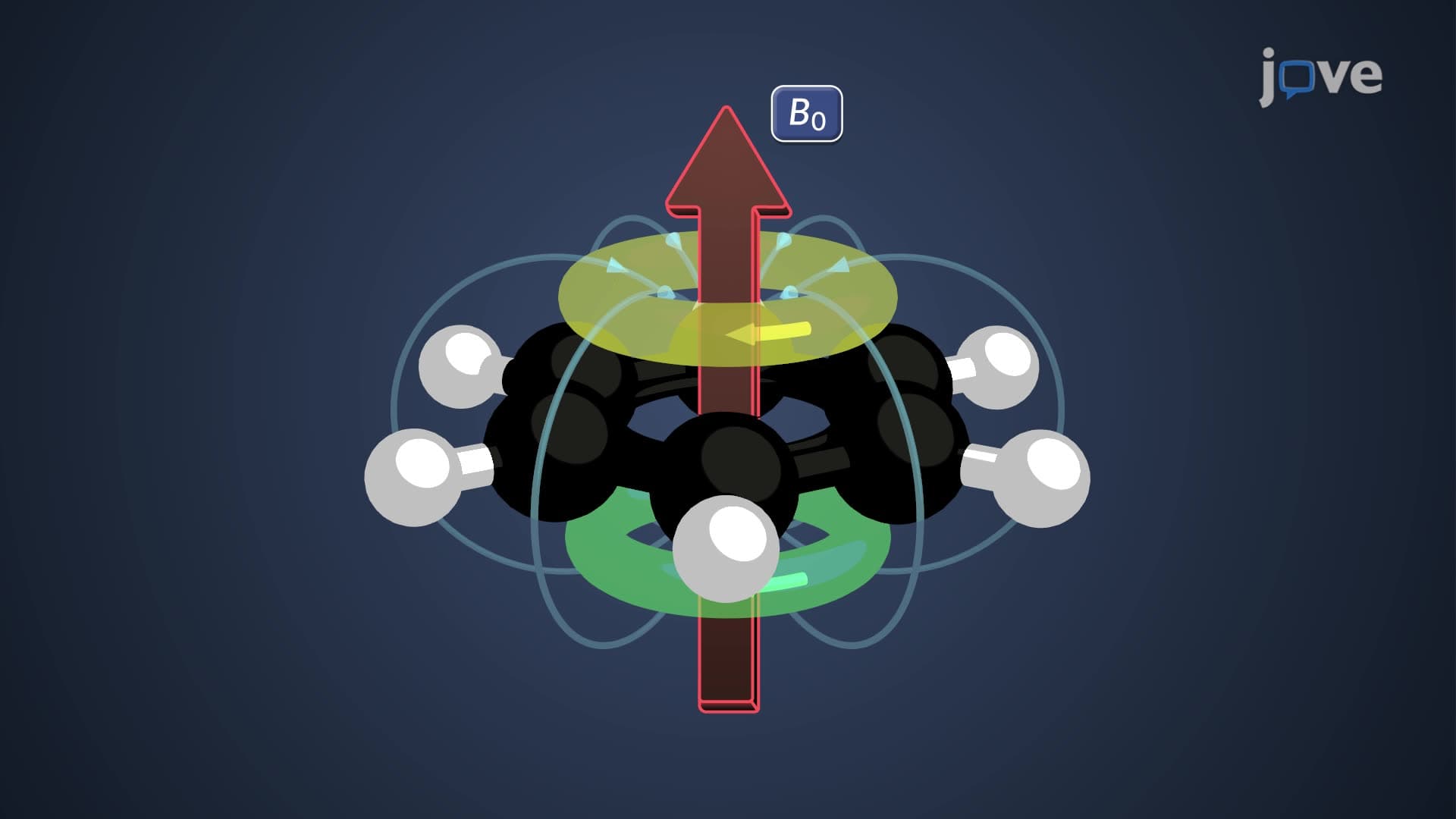
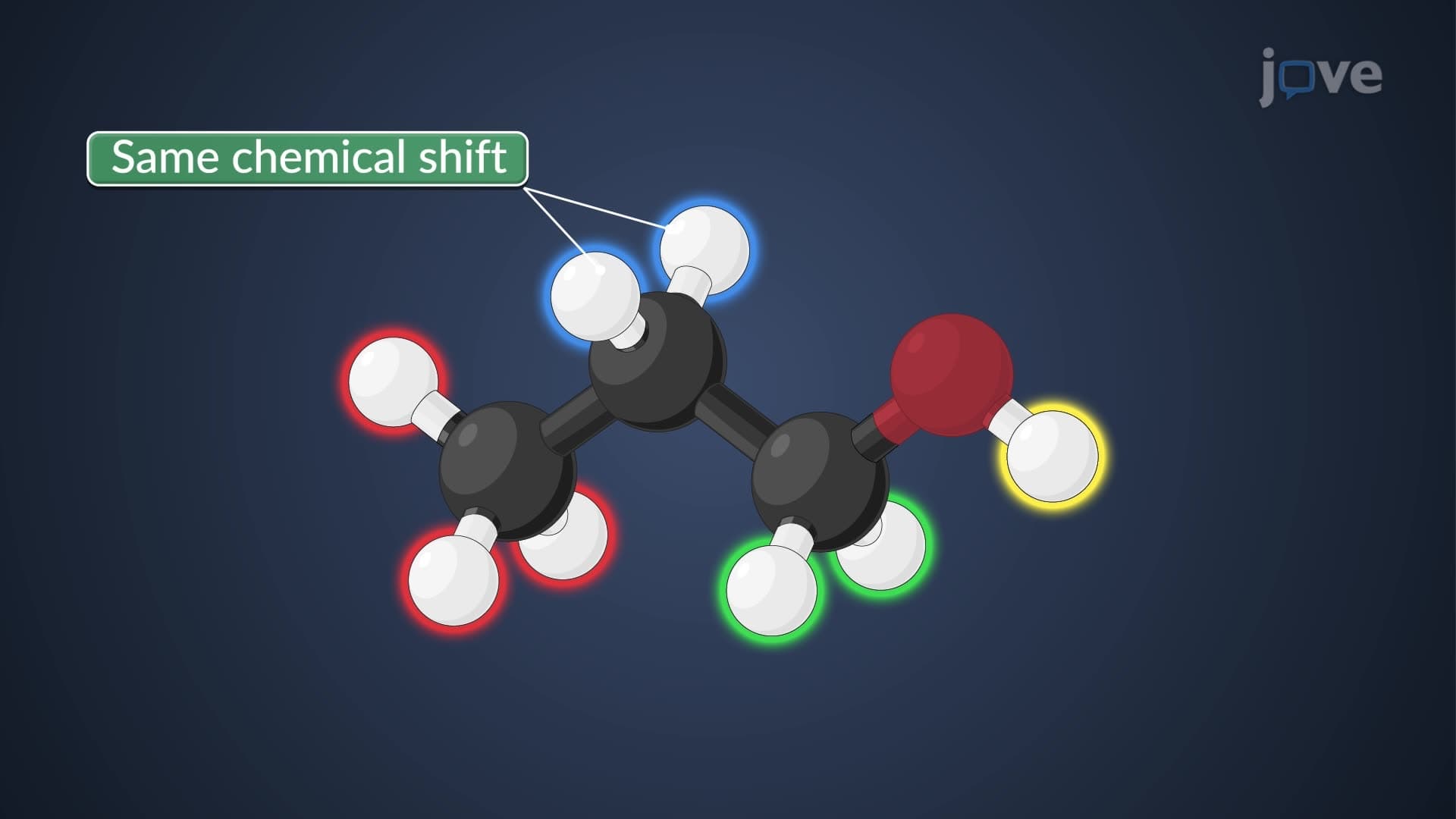
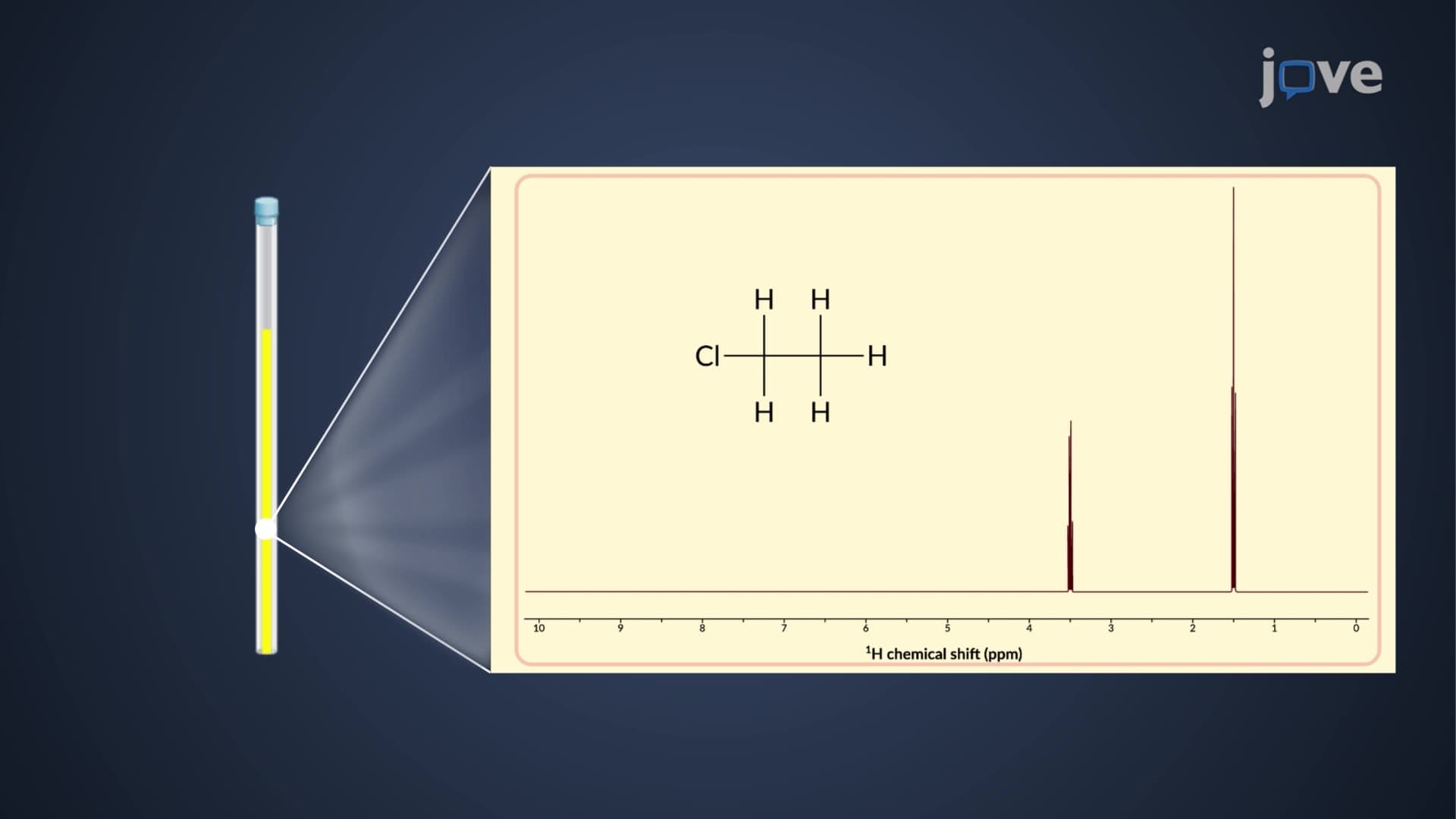
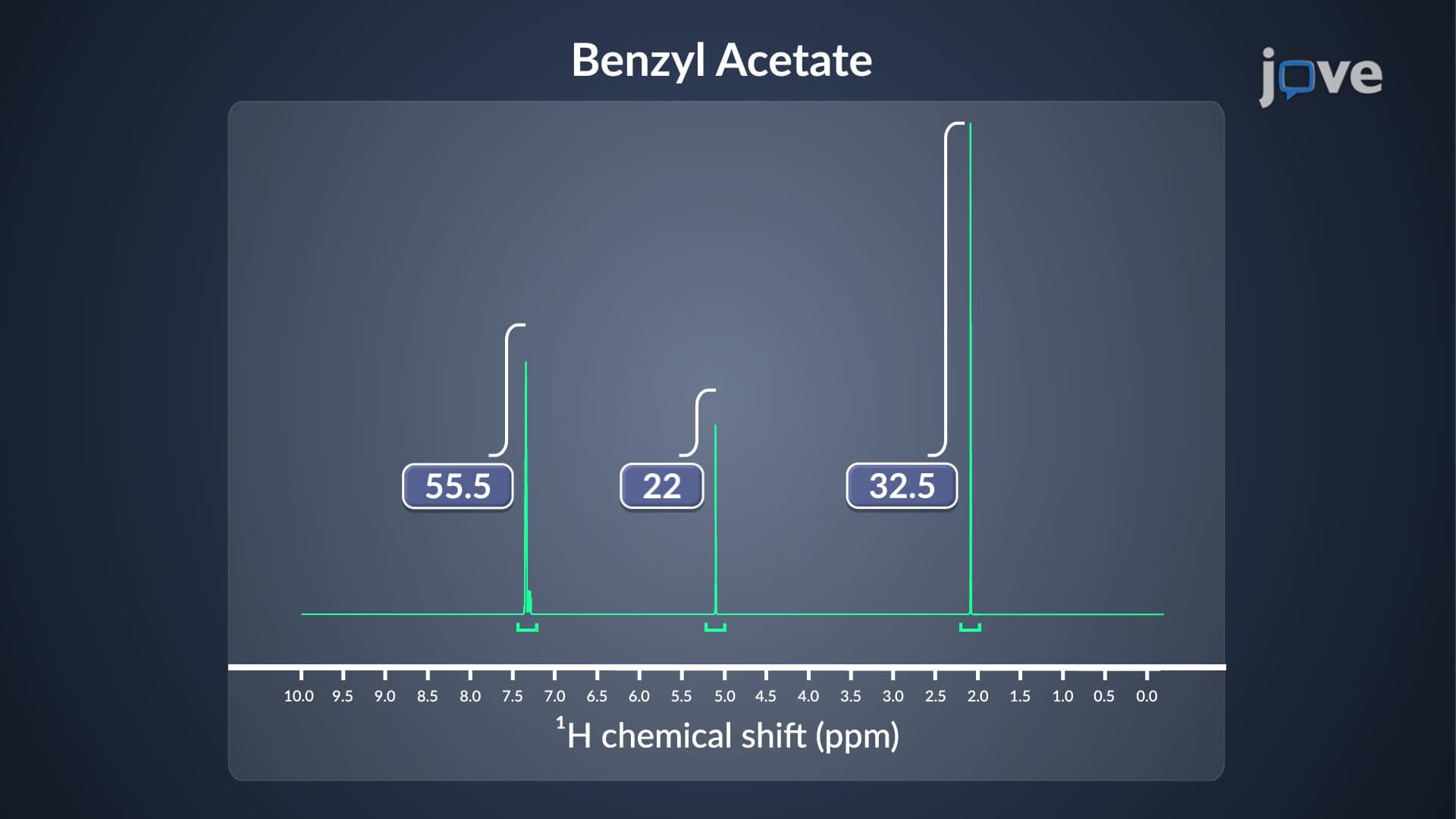
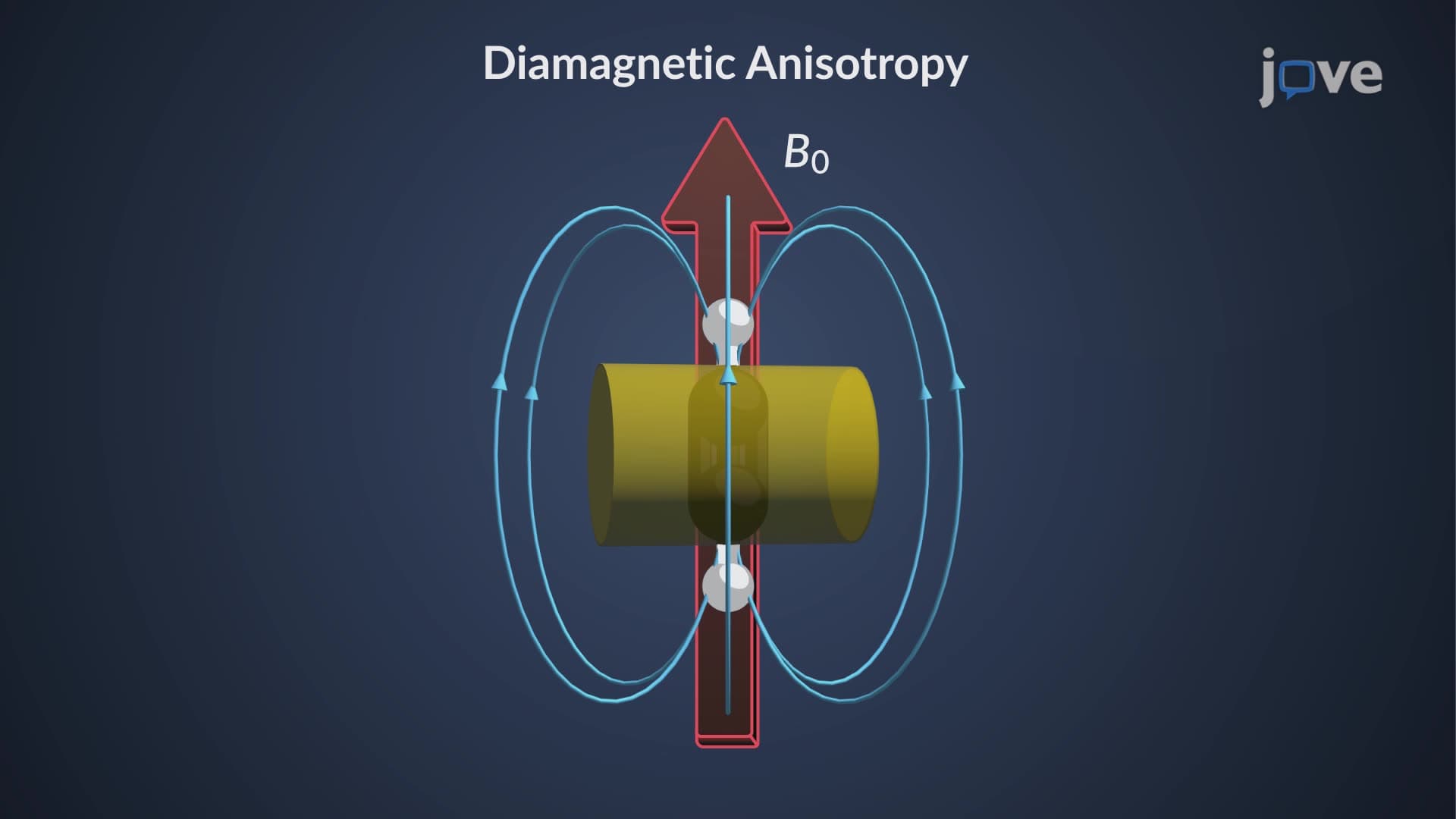
The concept of diamagnetic anisotropy explains why identical hydrogen atoms in different molecular environments produce distinct NMR signals. This anisotropy depends on molecular orientation relative to the external magnetic field B0, creating position-dependent shielding effects. Pi electron effects NMR become particularly pronounced in unsaturated systems where electron clouds can adopt specific geometric arrangements.
In alkenes, the sp2-hybridized carbons create regions where the applied magnetic field gets reinforced near vinylic protons. This reinforcement amplifies deshielding effects, pushing these signals downfield to the 4.5-6.1 ppm region. Organic chemistry students at universities like MIT or Stanford learn to recognize this pattern as characteristic of C=C double bonds, making it invaluable for structure determination on exams and research projects.
Functional Group-Specific Electronic Environments
Aldehydic protons demonstrate extreme deshielding due to the powerful electron-withdrawing effects of carbonyl carbons combined with diamagnetic anisotropy. The carbonyl group's induced magnetic field promotes additional deshielding, shifting these signals far downfield to 9.5-10.5 ppm. This dramatic shift makes aldehyde identification straightforward in both academic settings and industrial quality control laboratories.
Conversely, acetylenic protons in alkynes present a fascinating case of competing electronic effects. While the electronegative sp-hybridized carbon should cause significant deshielding, the cylindrical pi-electron cloud surrounding the triple bond creates a powerful shielding effect. This pi-electron cloud generates an induced magnetic field that opposes the applied field at the hydrogen positions, requiring lower frequency radiation for resonance and resulting in upfield shifts between 2.0-3.2 ppm.
Practical Applications in Structure Determination
These electronic effects form the foundation for solving complex structural problems in advanced organic chemistry courses and professional research environments. Students preparing for AP Chemistry exams or college organic chemistry midterms benefit from understanding how resonance effect chemical shift and conjugation NMR shift work together to create predictable patterns. US pharmaceutical companies routinely use these principles to verify synthetic product identity and purity, making this knowledge directly applicable to future career opportunities in chemical research and development.
Frequently Asked Questions
Electronic effects on chemical shift describe how electrons around atoms create unique magnetic environments that determine where NMR signals appear. These effects allow chemists to identify different functional groups and determine molecular structures by analyzing signal positions. Understanding these effects is essential for interpreting NMR spectra in organic chemistry courses and professional research settings.
The MCAT frequently tests NMR interpretation skills, requiring students to correlate chemical shift values with molecular structures based on electronic effects. AP Chemistry exams may include questions about diamagnetic shielding and how different functional groups affect proton environments. Students should practice identifying characteristic shift ranges for common functional groups like aldehydes, alkenes, and alkynes.
Aldehydic protons experience extreme deshielding from two sources: the electronegative carbonyl carbon withdrawing electron density and the diamagnetic anisotropy effect of the C=O bond. These combined effects push aldehydic proton signals to 9.5-10.5 ppm, making them easily identifiable in NMR spectra used for structure determination in college organic chemistry labs.
The cylindrical pi-electron cloud surrounding triple bonds creates a powerful shielding effect that overcomes the deshielding from electronegative carbons. This pi-electron cloud generates induced magnetic fields opposing the applied field at hydrogen positions, requiring lower frequency radiation for resonance and shifting signals upfield to 2.0-3.2 ppm.
US pharmaceutical companies like Johnson & Johnson and Bristol Myers Squibb use NMR chemical shift analysis to verify drug compound structures, confirm synthetic product identity, and detect impurities. Quality control laboratories rely on characteristic chemical shift patterns to ensure medication safety and efficacy before FDA approval processes.
No advanced mathematics is required to master this concept. The focus is on recognizing patterns and understanding qualitative relationships between molecular structure and signal positions. High school students with basic chemistry knowledge can successfully learn to interpret chemical shift data using memorized ranges and functional group recognition skills.
Create functional group charts linking structures to their typical chemical shift ranges, then practice with real NMR spectra from textbook problems. Focus on major categories: alkyl protons (0.8-1.8 ppm), vinylic protons (4.5-6.1 ppm), aromatic protons (6.5-8.5 ppm), and aldehydic protons (9.5-10.5 ppm). Regular practice with structure-to-spectrum correlations builds pattern recognition skills essential for exam success.
Explore coupling patterns and multiplicity analysis, carbon-13 NMR chemical shifts, and two-dimensional NMR techniques like COSY and NOESY. These advanced methods build on chemical shift knowledge to provide complete structural determination capabilities used in graduate-level chemistry courses and professional research environments.
Related Micro-courses

17 Concepts
24 Concepts

27 Concepts