Loading subject page…


53,059 views

Video Summary: Interpreting Distorted and Overlapping H Nmr Signals
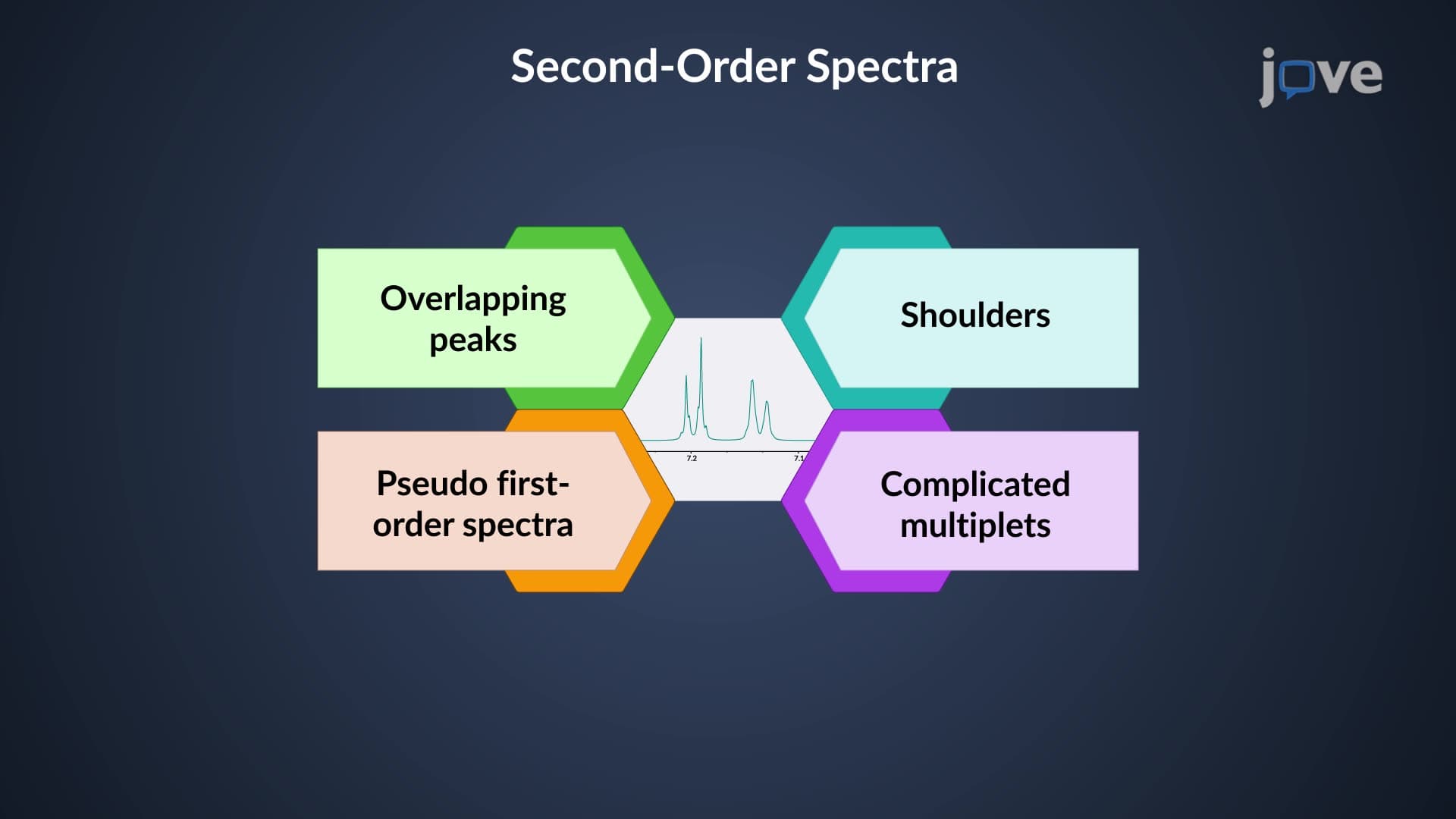
Ever wondered why some NMR spectra look like messy, overlapping peaks instead of clean, separated signals? Distorted overlapping NMR signals occur when protons are too close in chemical shift, creating the "roof effect" that pharmaceutical chemists at companies like Pfizer encounter daily when analyzing drug compounds. Understanding interpreting distorted and overlapping ¹H NMR signals is crucial for distinguishing between first-order and second-order coupling systems. Watch the full video on JoVE Coach to master this concept with expert-led visuals and step-by-step explanations.
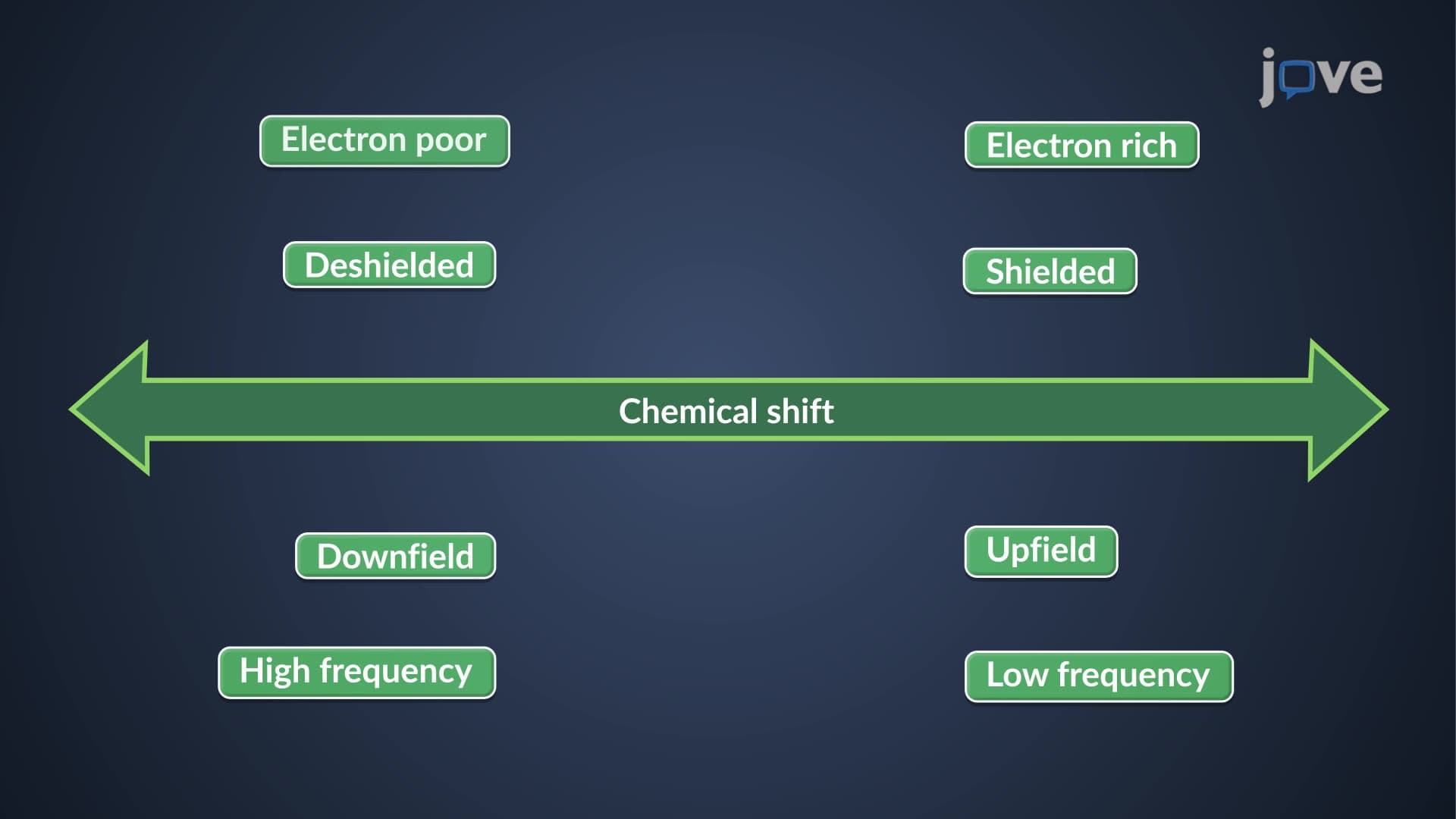
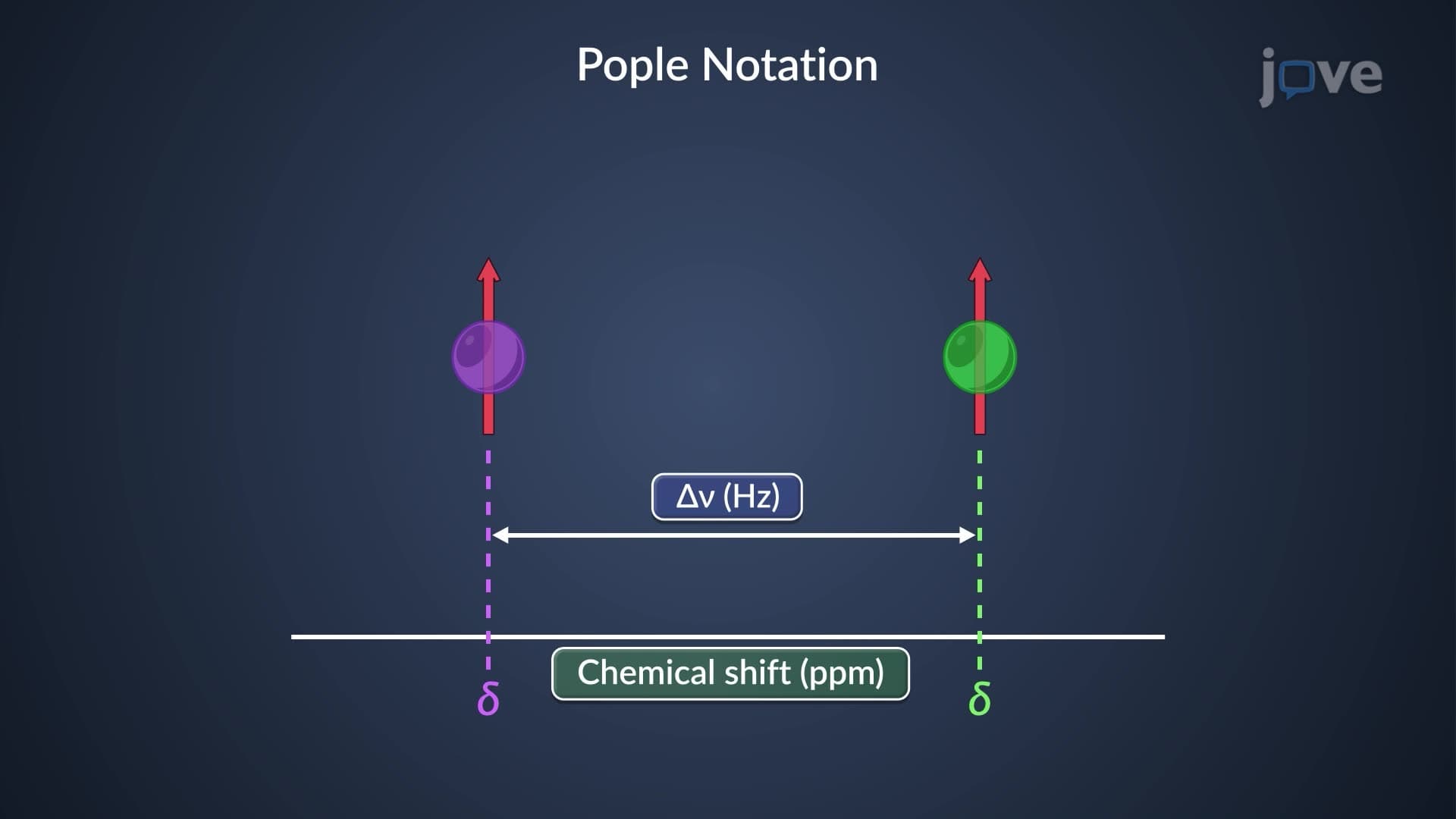
Nuclear magnetic resonance spectroscopy becomes significantly more complex when proton signals appear close together on the chemical shift scale. This phenomenon, known as signal overlap, creates interpretation challenges that every chemistry student from AP Chemistry through undergraduate organic chemistry will encounter. The key lies in understanding the relationship between chemical shift separation (Δν) and coupling constants (J).
When the ratio Δν/J exceeds 10, we observe first-order coupling systems with clean, predictable splitting patterns. These weakly coupled nuclei produce textbook-perfect doublets, triplets, and quartets that students can easily analyze using the n+1 rule. However, as protons move closer in chemical shift (decreasing Δν), the spectral appearance dramatically changes.
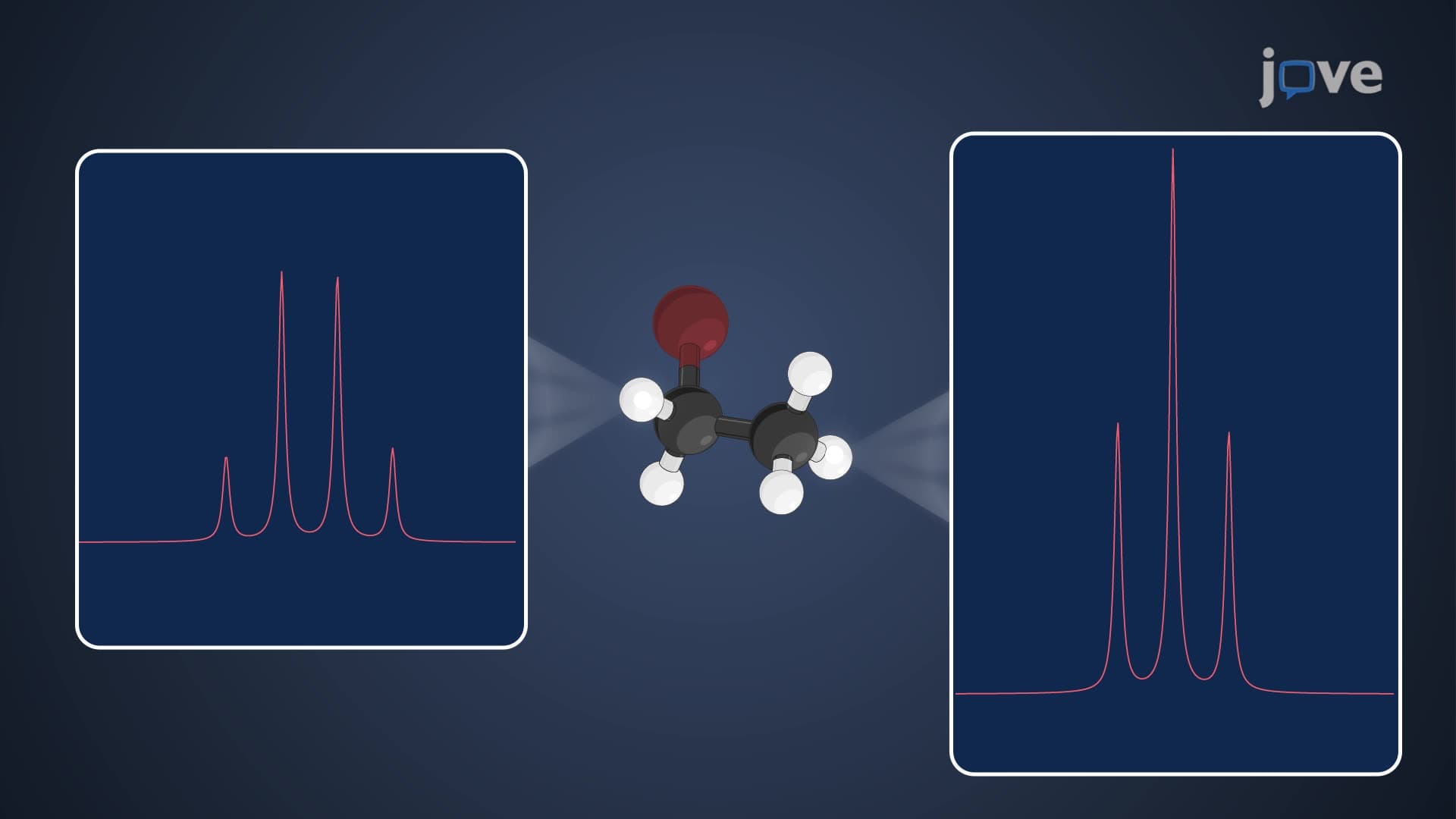
At UCLA's chemistry department, students learn that second-order effects emerge when Δν/J drops below 10. These strongly coupled systems produce the characteristic "roof effect" distortion, where inner peaks gain intensity at the expense of outer peaks, and signals appear to lean toward each other like a slanted roof.
Modern pharmaceutical companies like Johnson & Johnson routinely encounter overlapping NMR signals when analyzing complex drug molecules. Traditional hand-analysis methods fail with second-order systems, necessitating computer simulation software like MestReNova or Bruker TopSpin for accurate chemical shift and coupling constant determination.
Students preparing for the MCAT or graduate school should recognize that overlapping signals don't always create obvious distortion. Sometimes peaks overlap so completely that they appear deceptively simple, masquerading as first-order multipiples while hiding complex coupling relationships underneath.
Research laboratories at institutions like MIT and Stanford regularly use deconvolution techniques to separate overlapping signals. This process involves mathematical algorithms that can extract individual component signals from complex overlapping patterns, crucial for pharmaceutical development and quality control in FDA-regulated environments.
Related Micro-courses