Loading subject page…

- Analytical Chemistry
- Interpreting Nuclear Magnetic Resonance Spectra
- Interpreting ¹H NMR Signal Splitting: The (n + 1) Rule
Micro-course: Interpreting Nuclear Magnetic Resonance Spectra
53,059 views
Learn key concepts and earn your certificate.

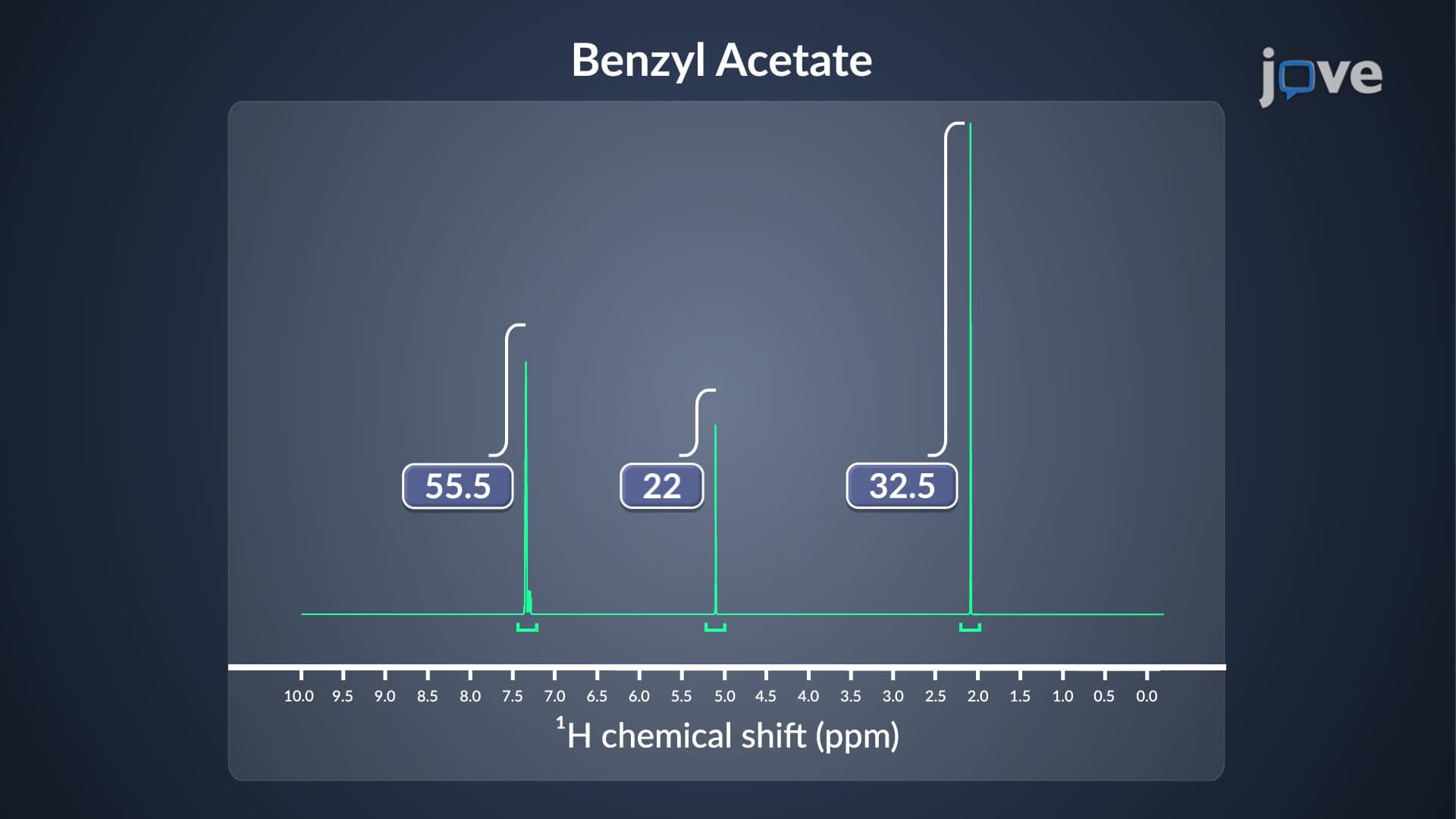

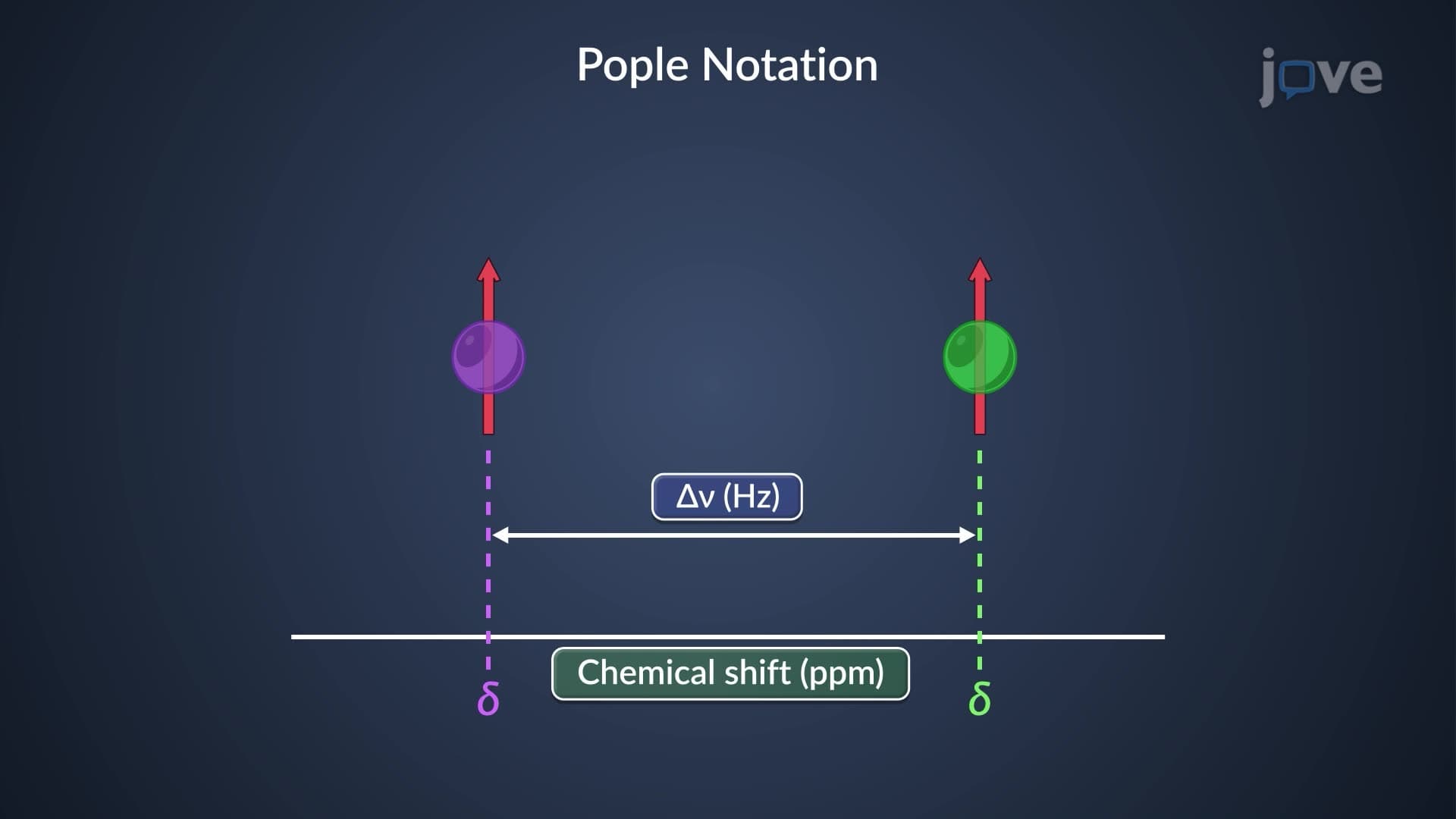
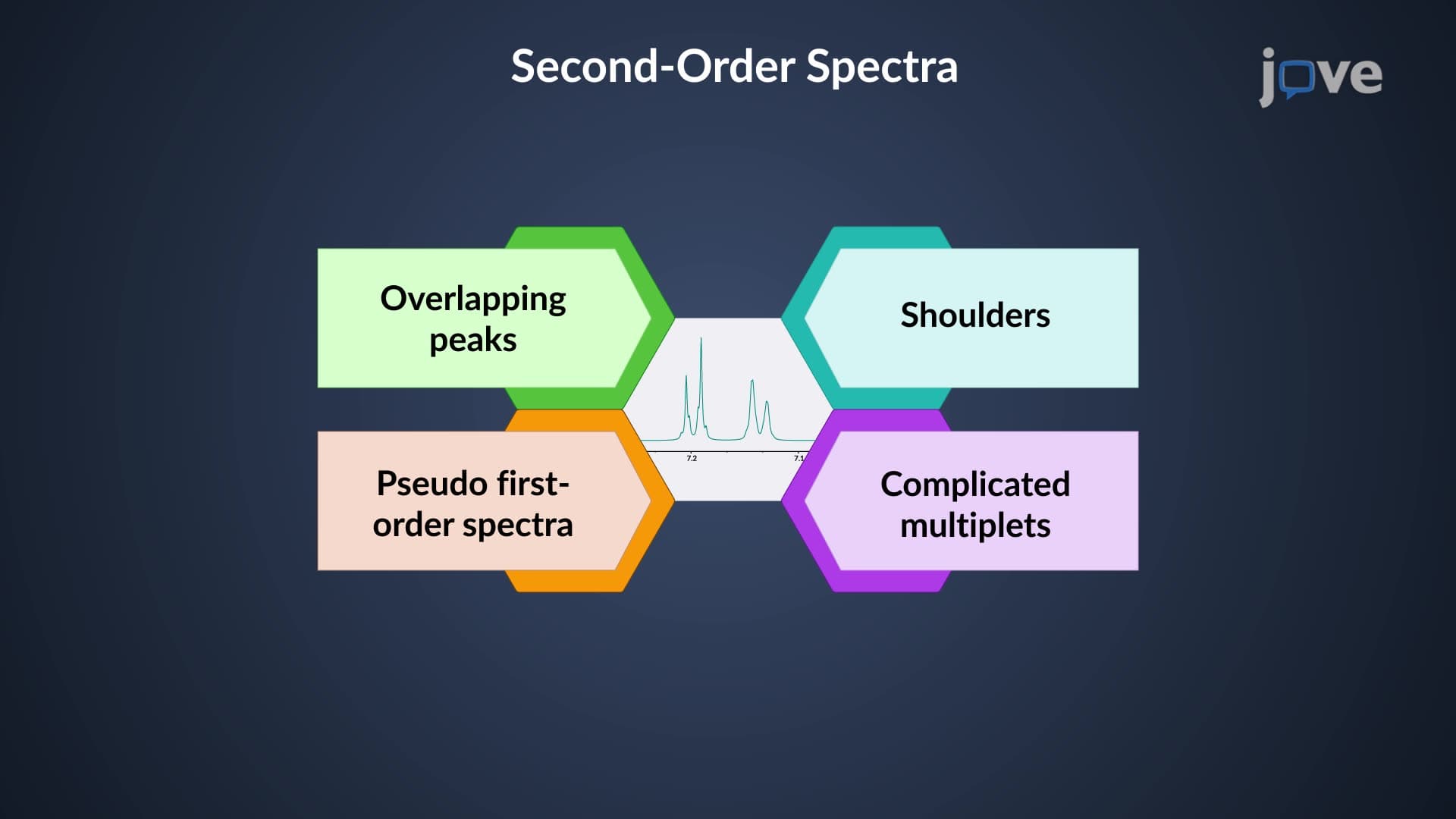
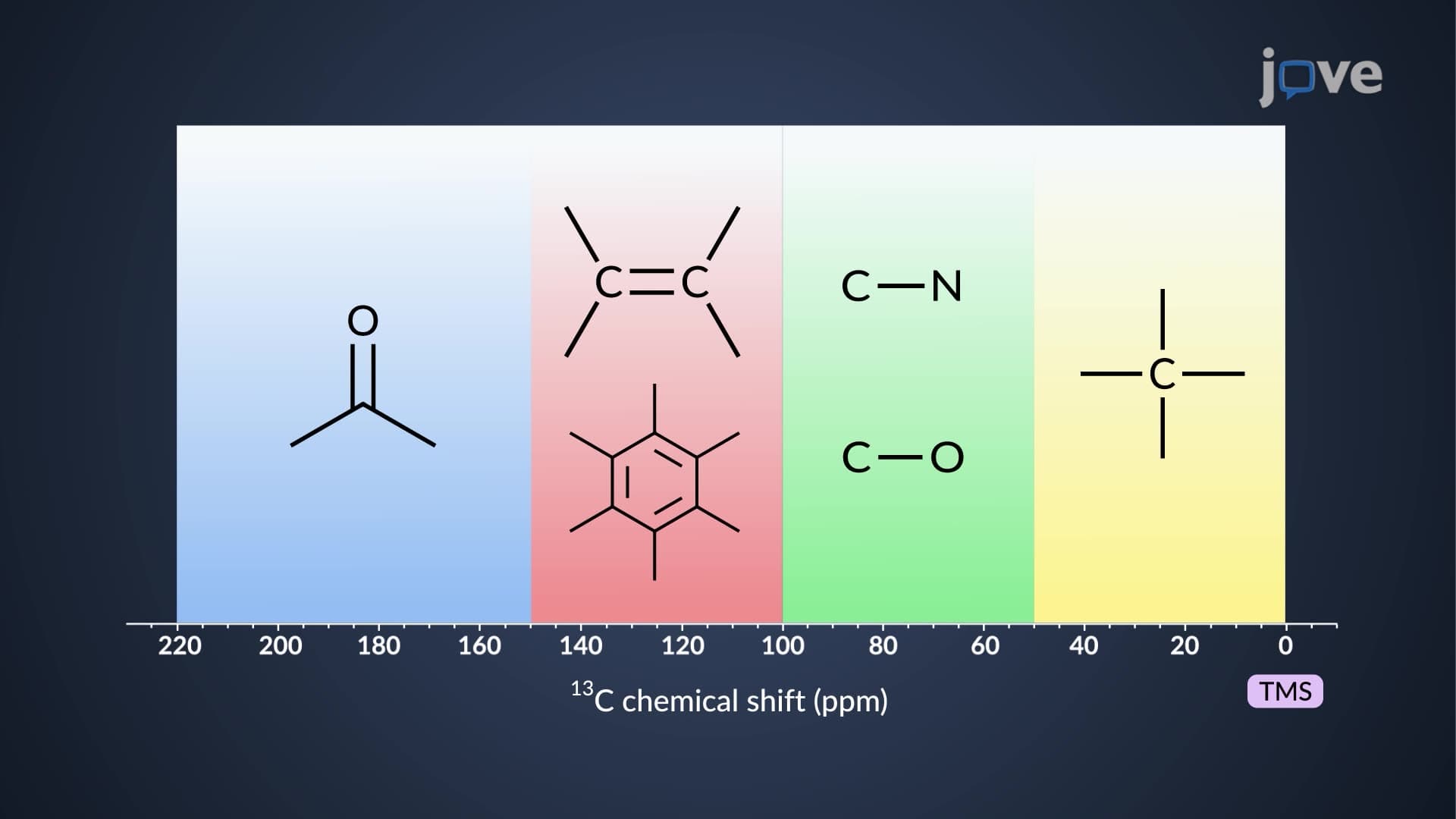
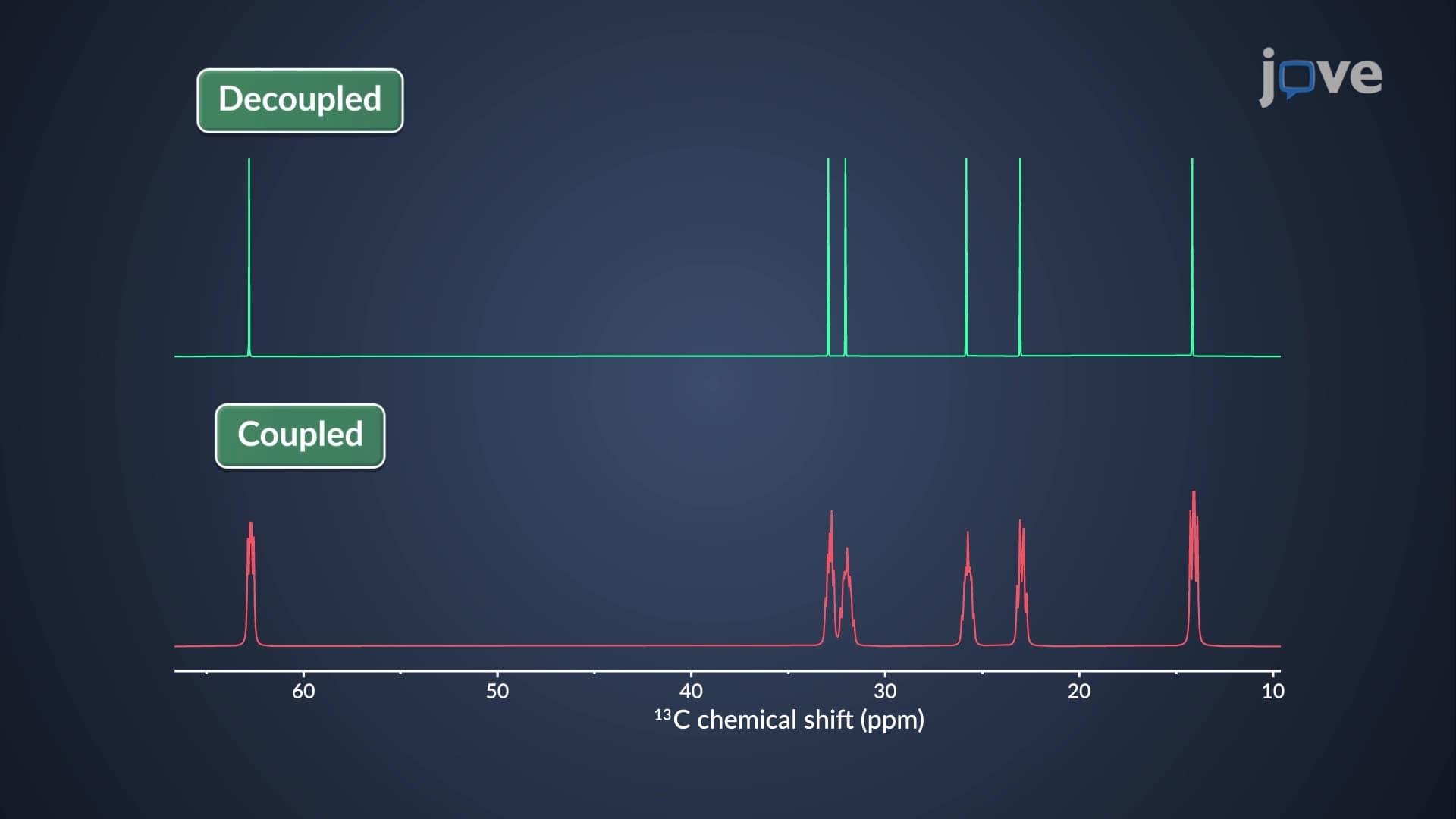
Interpreting ¹H NMR Signal Splitting: The (n + 1) Rule

00:00
01:10
Video Summary: Interpreting H Nmr Signal Splitting Explained
Ever wondered how chemists at pharmaceutical companies like Pfizer determine the exact structure of new drug compounds? NMR signal splitting interpretation reveals crucial molecular details by analyzing how protons interact with their neighbors. When interpreting H NMR signal splitting, chemists can identify whether a carbon has one, two, or three neighboring protons by counting the peaks in each signal and applying the n+1 rule. This fundamental spectroscopy technique helps researchers confirm the structure of everything from aspirin to complex cancer medications. Watch the full video on JoVE Coach to master this concept with expert-led visuals and step-by-step explanations.
- Understand the fundamental principles behind interpreting H NMR signal splitting and how neighboring protons create characteristic splitting patterns
- Identify doublet, triplet, and quartet signals in NMR spectra and relate them to the number of adjacent equivalent protons
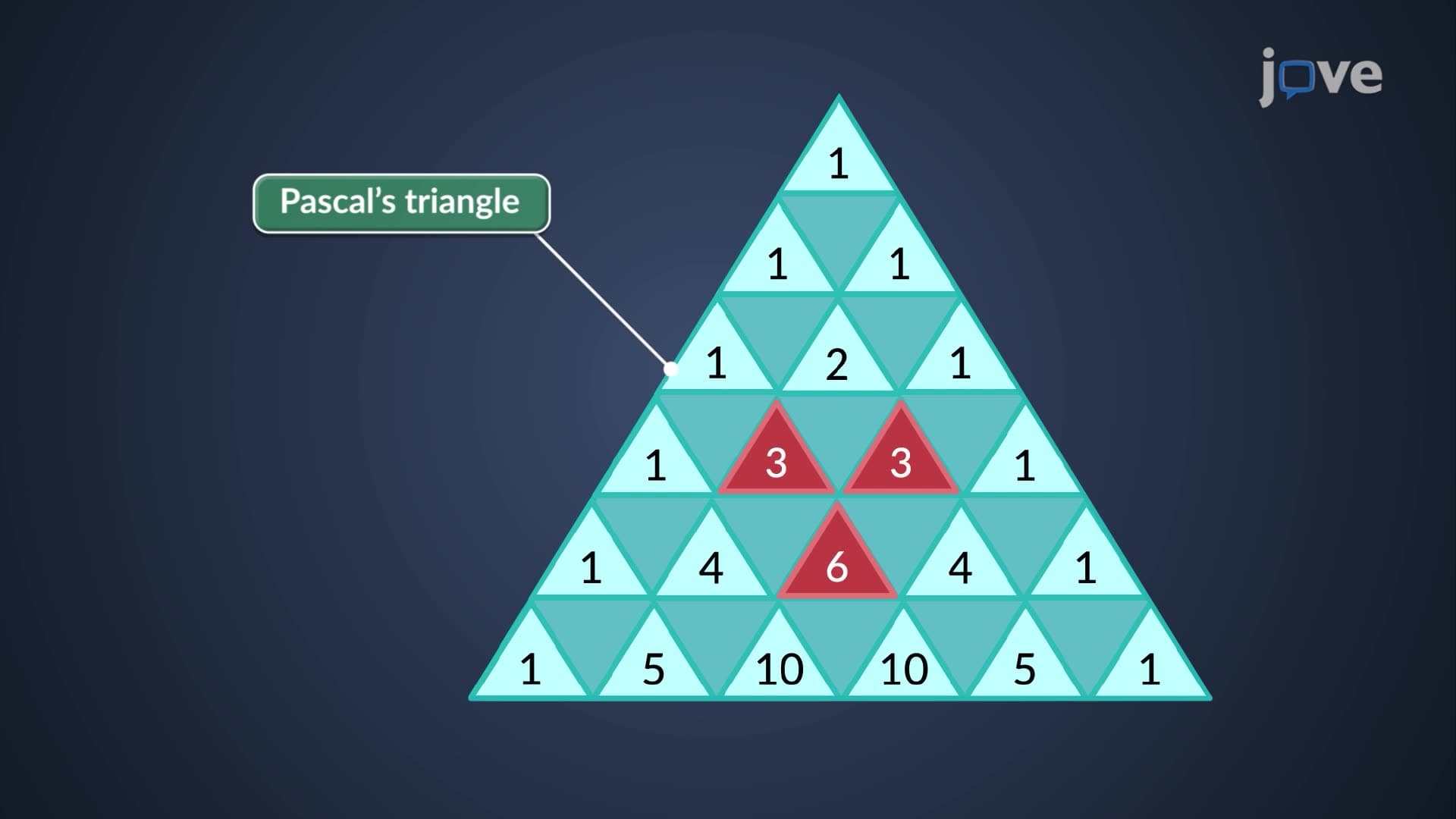
- Analyze peak intensities using Pascal's triangle to predict relative signal strengths in multiplet patterns
- Apply the n+1 splitting rule to determine the number of neighboring protons from any given NMR signal
- Recognize first-order NMR splitting patterns and distinguish them from more complex coupling scenarios
- Evaluate NMR spectra systematically to extract structural information about organic molecules
- Compare different splitting patterns to build complete molecular structures from spectral data
- Explore advanced splitting concepts including coupling constants and non-equivalent proton interactions
Understanding Interpreting H NMR Signal Splitting Fundamentals
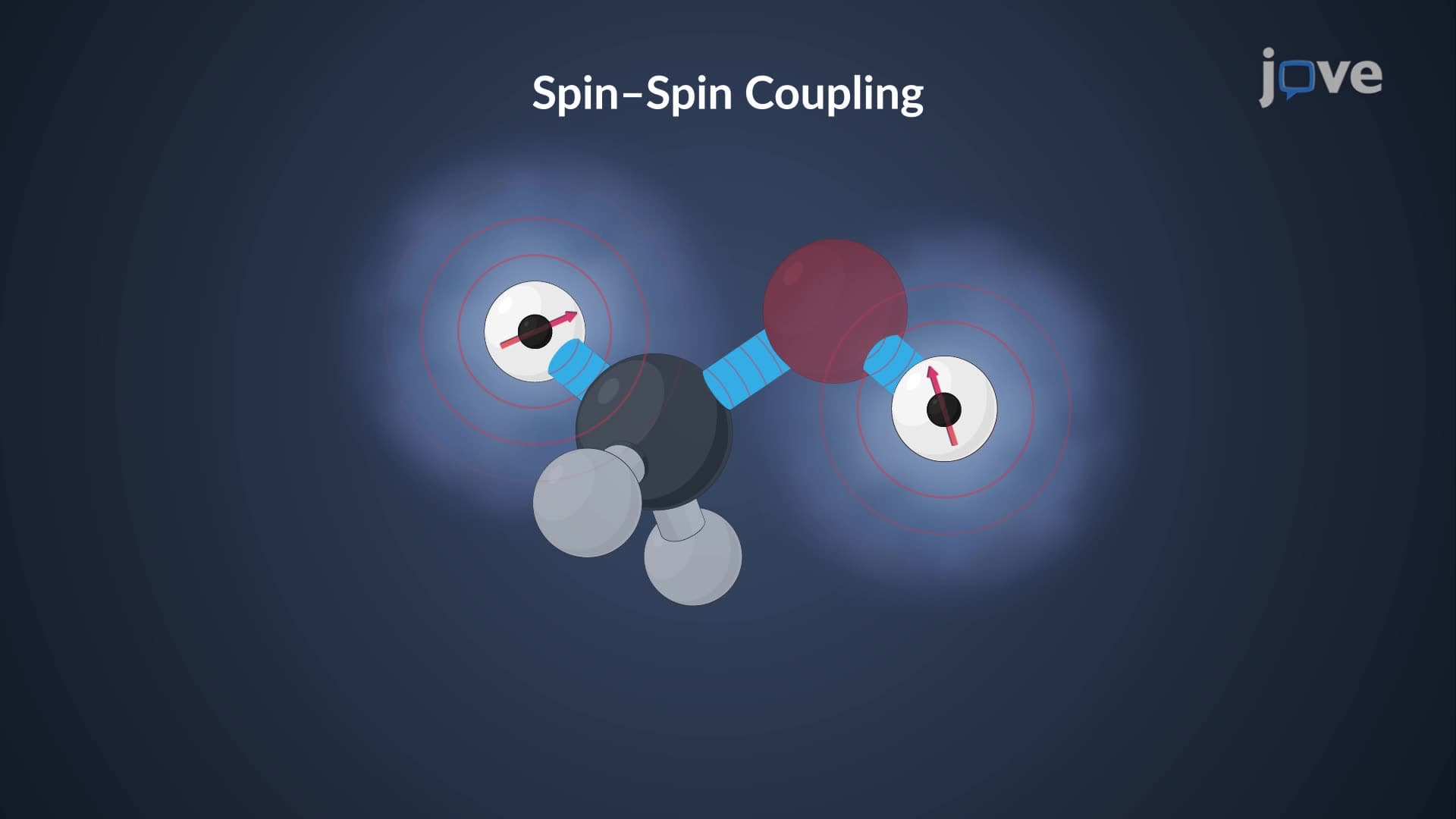
Interpreting H NMR signal splitting forms the cornerstone of structural determination in organic chemistry. When protons exist in different magnetic environments, they experience coupling effects from nearby protons, creating distinctive splitting patterns that reveal molecular connectivity. This phenomenon occurs because each proton acts like a tiny magnet, influencing the magnetic field experienced by its neighbors.
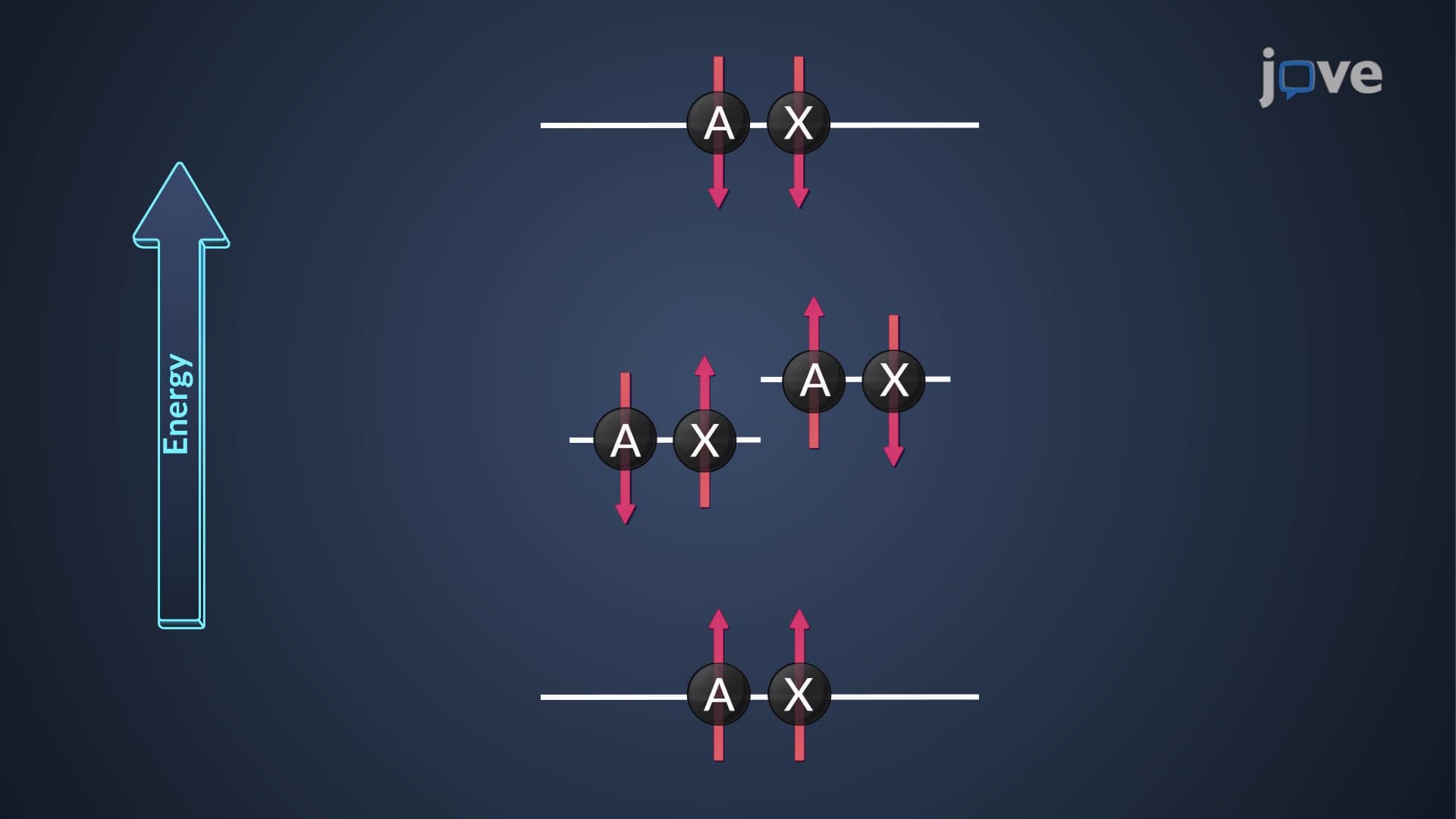
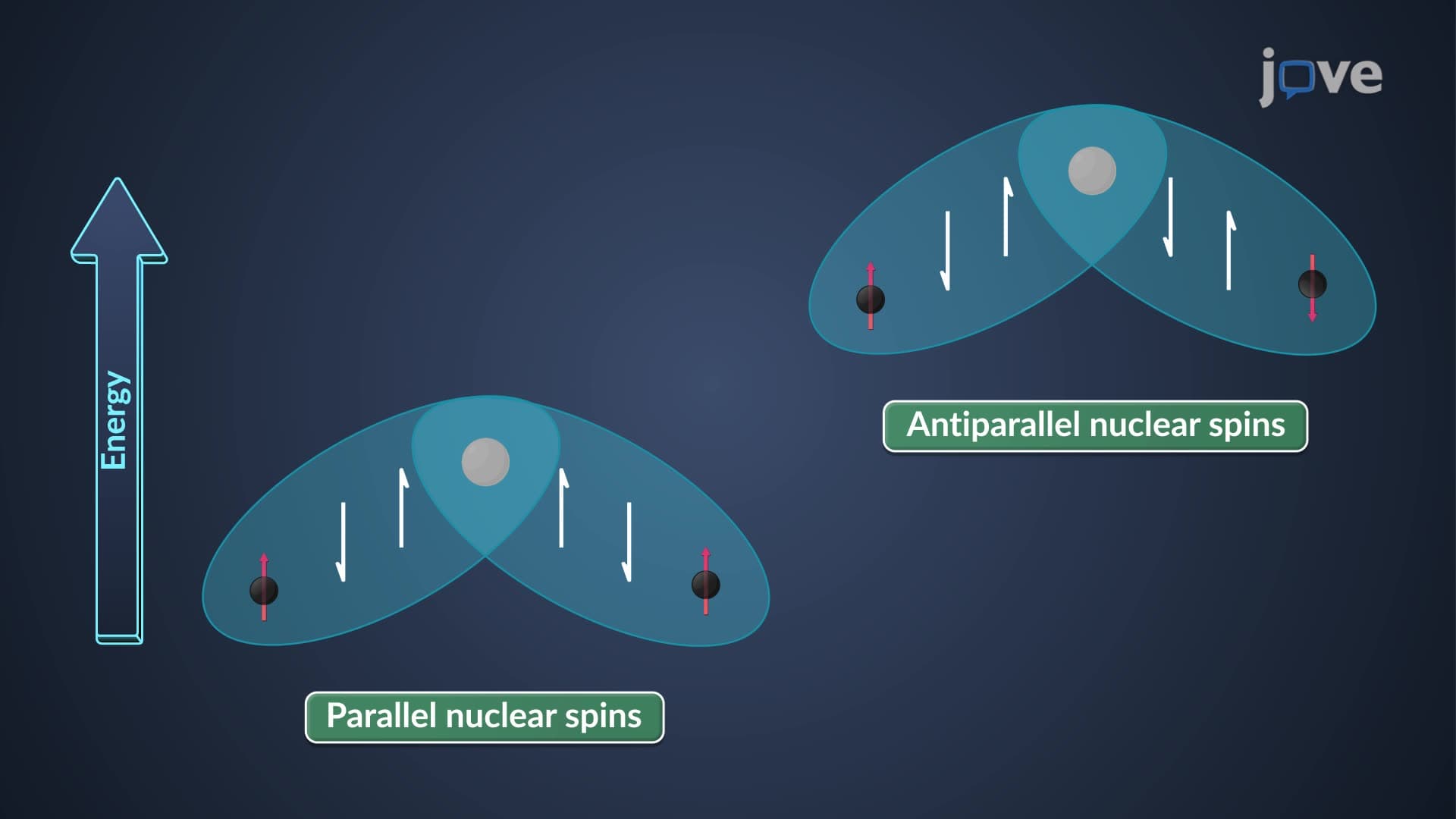
The fundamental principle relies on proton spin states. Each proton can align either with or against the external magnetic field, creating two possible orientations. When a proton senses these different spin states of neighboring protons, its NMR signal splits into multiple peaks. This NMR signal splitting analysis guide approach helps chemists worldwide identify unknown compounds with remarkable precision.
The n+1 Rule and Pascal's Triangle Integration
The mathematical foundation of interpreting NMR splitting patterns follows the elegant n+1 rule: a proton coupled to n equivalent neighbors produces n+1 peaks in its signal. This rule applies universally in first-order coupling situations, making it invaluable for AP Chemistry students and college organic chemistry courses.
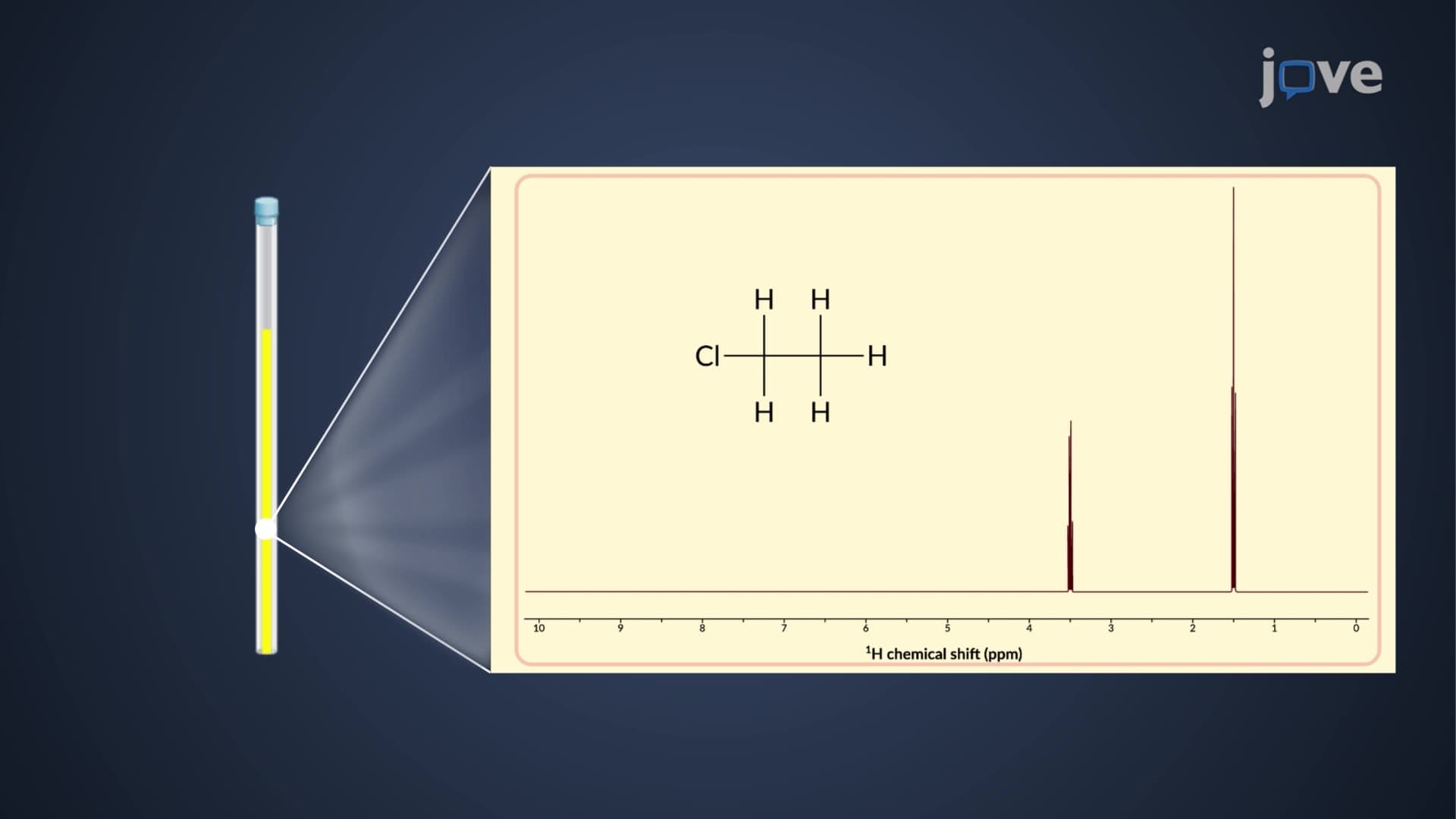
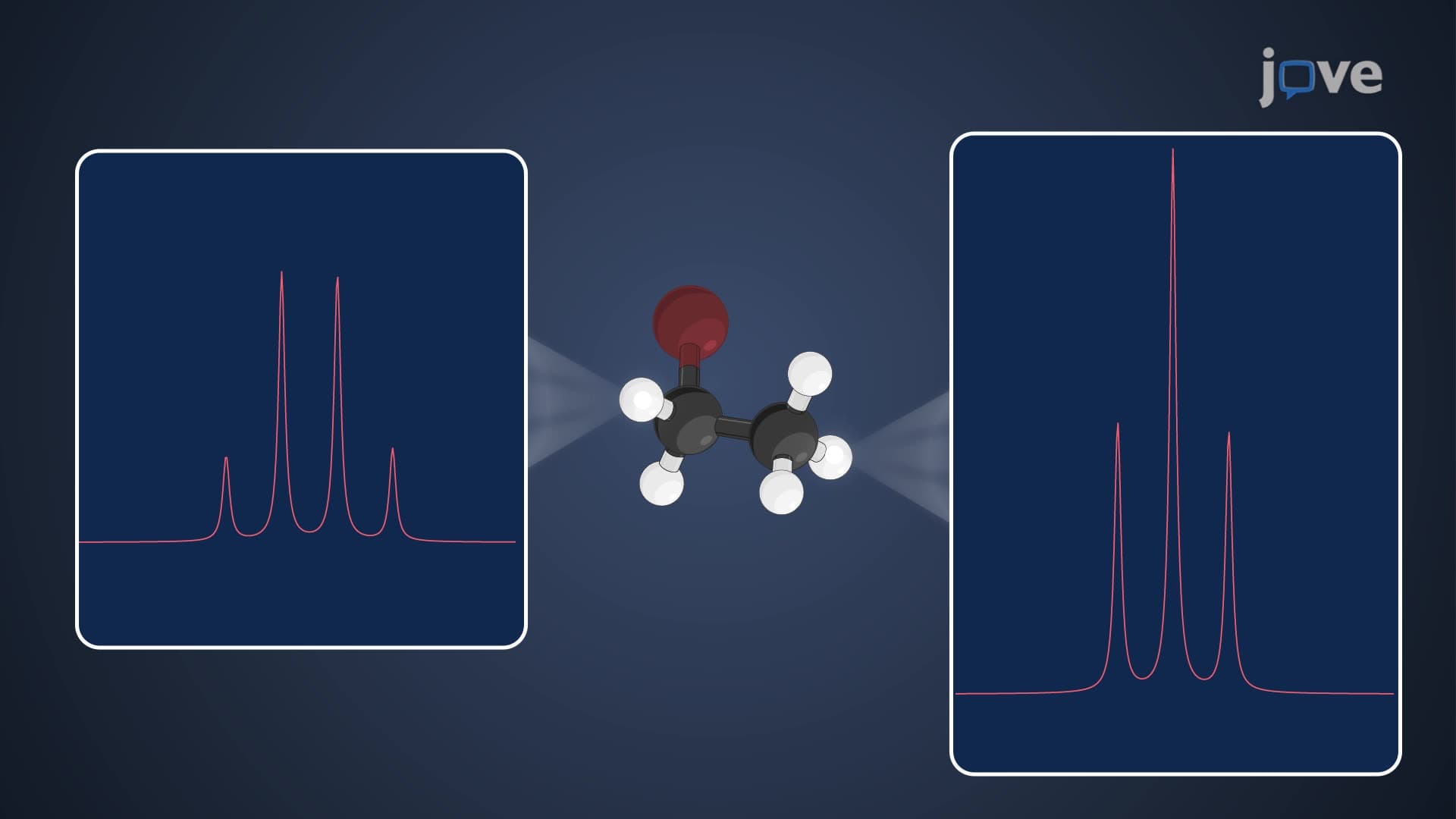
Pascal's triangle provides the intensity ratios for these multiplets. For a doublet (n=1), the ratio is 1:1. Triplets (n=2) show 1:2:1 intensities, while quartets (n=3) display 1:3:3:1 patterns. These mathematical relationships appear frequently on MCAT practice exams and college midterms, where students must identify molecular structures from NMR data.
Adjacent Proton Splitting in Real-World Applications
Pharmaceutical companies routinely use how to interpret H NMR signal splitting techniques during drug development. For example, when Merck develops new medications, their analytical chemists examine splitting patterns to confirm that synthetic reactions produced the correct molecular structures. A methyl group (CH3) adjacent to a methylene group (CH2) creates characteristic triplet-quartet patterns that immediately identify ethyl fragments.
Advanced Applications in Coupling Tree NMR Analysis
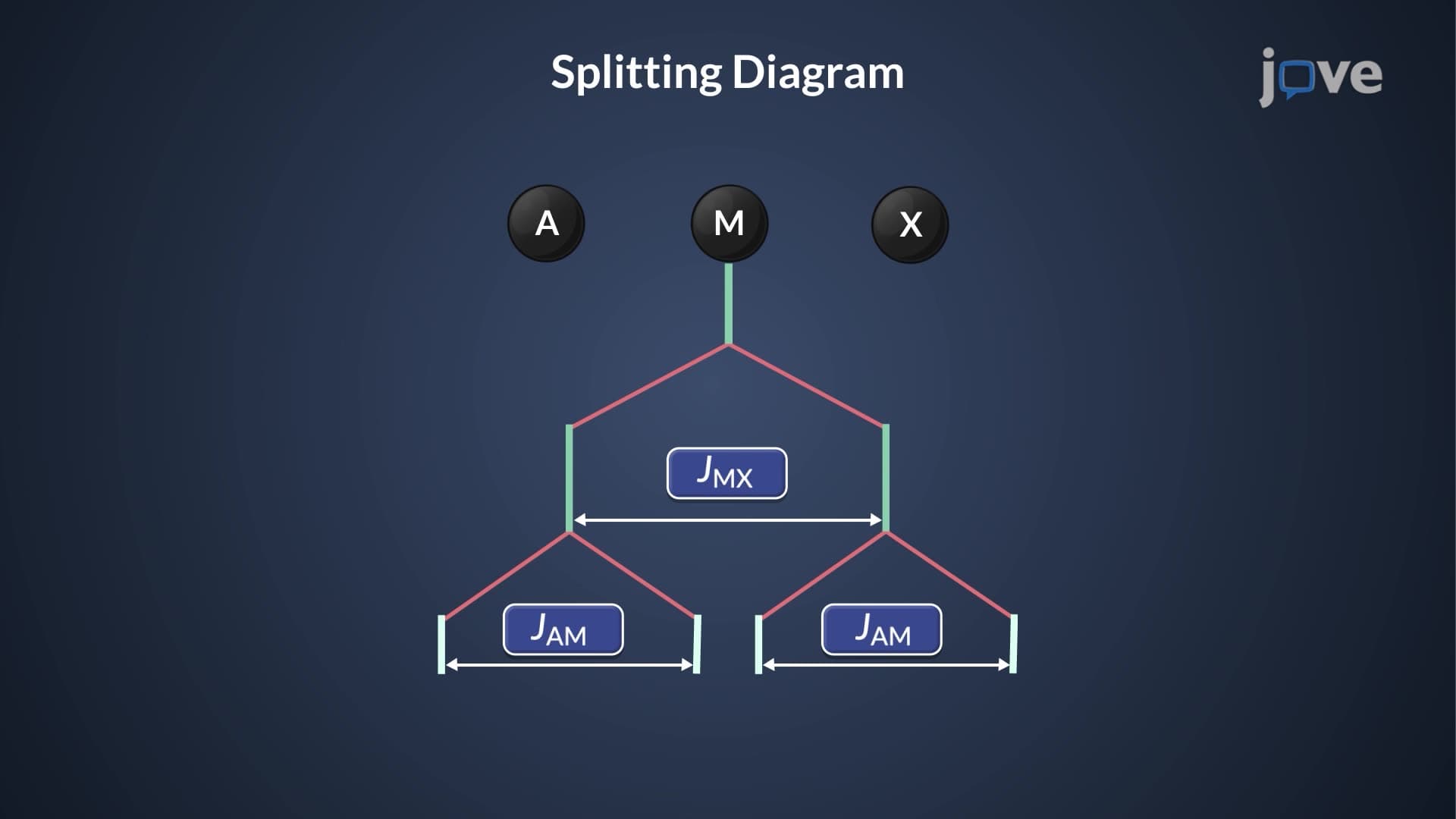
Beyond basic splitting, coupling tree NMR methodology helps resolve complex spectra where multiple coupling interactions occur simultaneously. This advanced approach proves essential for natural product chemistry and pharmaceutical quality control. Students preparing for graduate school or industry careers benefit from understanding these sophisticated techniques, as they frequently appear in analytical chemistry coursework and professional laboratory settings.
Modern NMR software packages used at universities like MIT and Stanford incorporate automated splitting analysis, but understanding the underlying principles remains crucial for proper spectral interpretation and troubleshooting unexpected results.
Frequently Asked Questions
H NMR signal splitting occurs when protons couple with nearby protons, creating multiple peaks instead of single signals. This splitting reveals how many neighboring protons surround each hydrogen atom, providing crucial structural information. Chemists use these patterns to piece together complete molecular structures like solving a puzzle.
Focus on the n+1 rule and Pascal's triangle patterns for intensity ratios. MCAT questions often provide spectra and ask you to identify molecular fragments or total structures. Practice recognizing doublets (1:1), triplets (1:2:1), and quartets (1:3:3:1) quickly, as these appear in 15-20% of organic chemistry passages.
Students often struggle with overlapping signals and complex coupling patterns that don't follow simple first-order rules. Start with clear, well-separated signals and master basic patterns before tackling complicated spectra. Most professors focus on first-order splitting for introductory courses.
Pharmaceutical companies like Johnson & Johnson use NMR splitting patterns to verify drug purity and confirm synthetic pathways. When developing new medications, chemists must prove they've created the correct molecular structure, and splitting patterns provide definitive evidence of atomic connectivity and stereochemistry.
No advanced mathematics required! The n+1 rule uses simple addition, and Pascal's triangle involves basic arithmetic patterns. High school algebra skills suffice for understanding coupling relationships. Focus on pattern recognition rather than complex calculations.
Create flashcards with splitting patterns on one side and molecular fragments on the other. Practice drawing Pascal's triangle from memory, then work through 10-15 practice spectra weekly. Many students find that teaching the concepts to classmates solidifies their understanding.
Explore 13C NMR, 2D NMR techniques like COSY and HSQC, and variable temperature NMR studies. These advanced methods appear in upper-level undergraduate courses and graduate programs. Many research universities offer specialized NMR courses covering these sophisticated techniques.
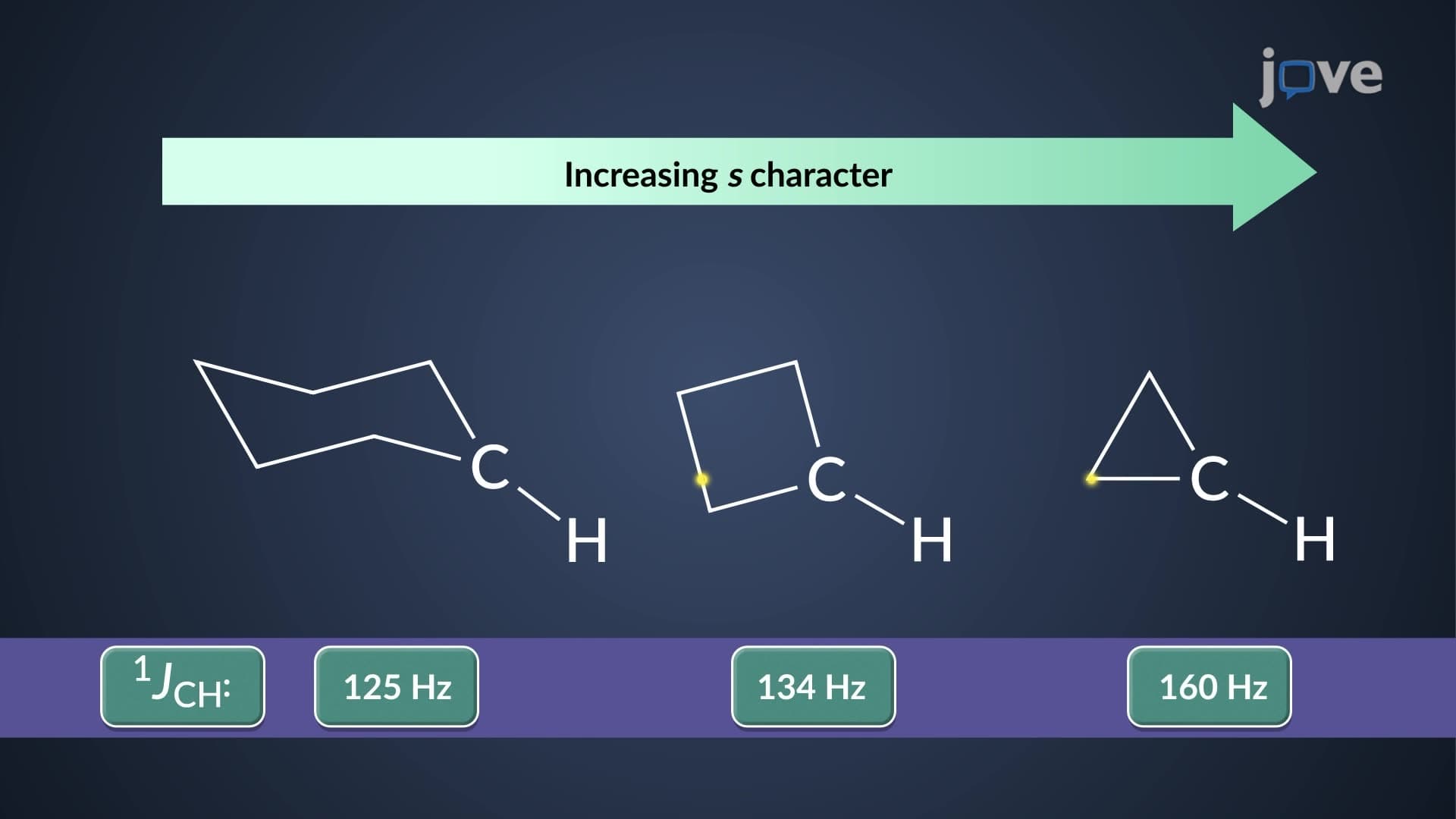
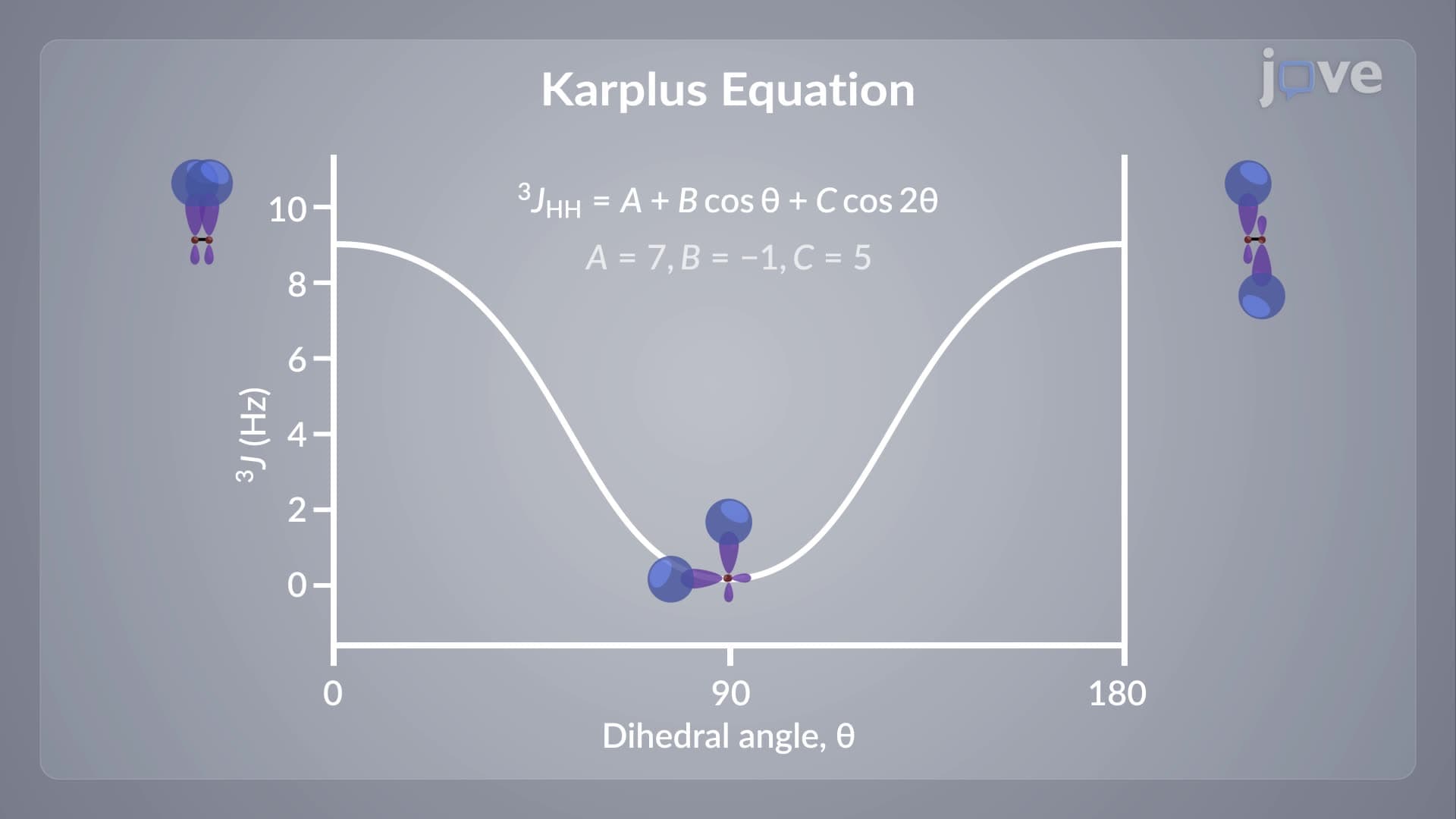
Coupling constants (J-values) measure the strength of proton-proton interactions and reflect molecular geometry. Larger J-values typically indicate closer spatial relationships or specific bond arrangements. This concept bridges basic splitting patterns with three-dimensional molecular structure analysis.
Related Micro-courses

17 Concepts
24 Concepts

27 Concepts