Loading subject page…


53,059 views

Video Summary: What Is Carbon 13 C Nmr
Did you know that only 1.1% of all carbon atoms can actually be detected by NMR spectroscopy? Carbon 13 NMR explained reveals how this rare isotope provides crucial structural information that hydrogen NMR cannot. Pharmaceutical companies like Pfizer rely on ¹³C NMR to verify drug compound structures during development. What is Carbon 13 (¹³C) NMR makes it an indispensable analytical technique despite its low sensitivity, offering chemists a powerful window into molecular architecture. Watch the full video on JoVE Coach to master this concept with expert-led visuals and step-by-step explanations.
¹³C NMR spectroscopy basics centers on detecting the rare carbon-13 isotope, which comprises only 1.1% of naturally occurring carbon atoms. Unlike the abundant carbon-12 isotope, ¹³C possesses a nuclear spin of 1/2, making it NMR-active. This fundamental property enables chemists to probe carbon frameworks in organic molecules, providing structural information complementary to traditional ¹H NMR analysis.
The technique's lower sensitivity stems from ¹³C's smaller magnetogyric ratio compared to protons. While this creates technical challenges requiring longer acquisition times, modern instruments have largely overcome these limitations. Students preparing for the MCAT or AP Chemistry exams should understand that sensitivity differences don't diminish the technique's analytical power-pharmaceutical laboratories routinely use ¹³C NMR for quality control and structural verification.
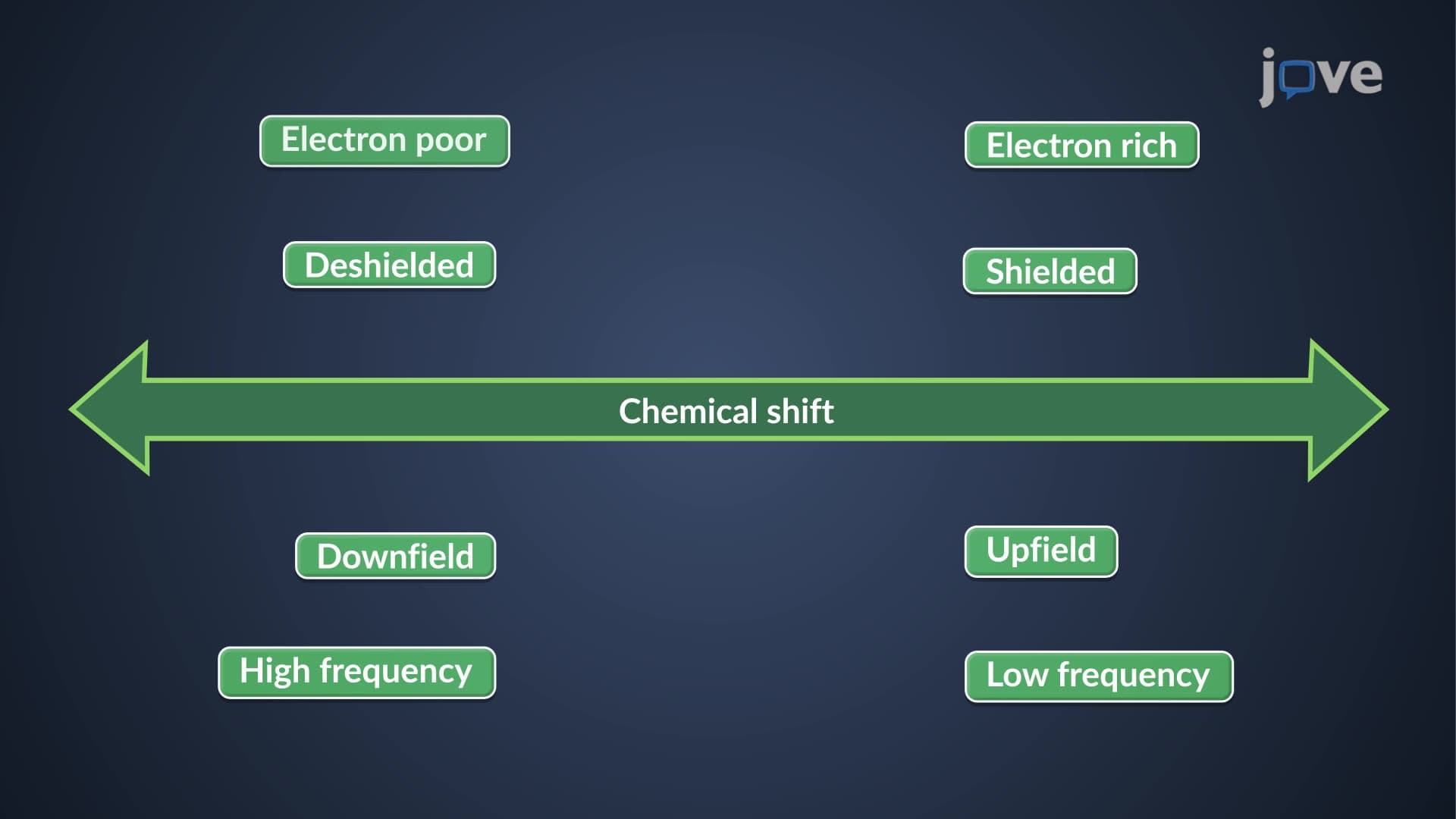
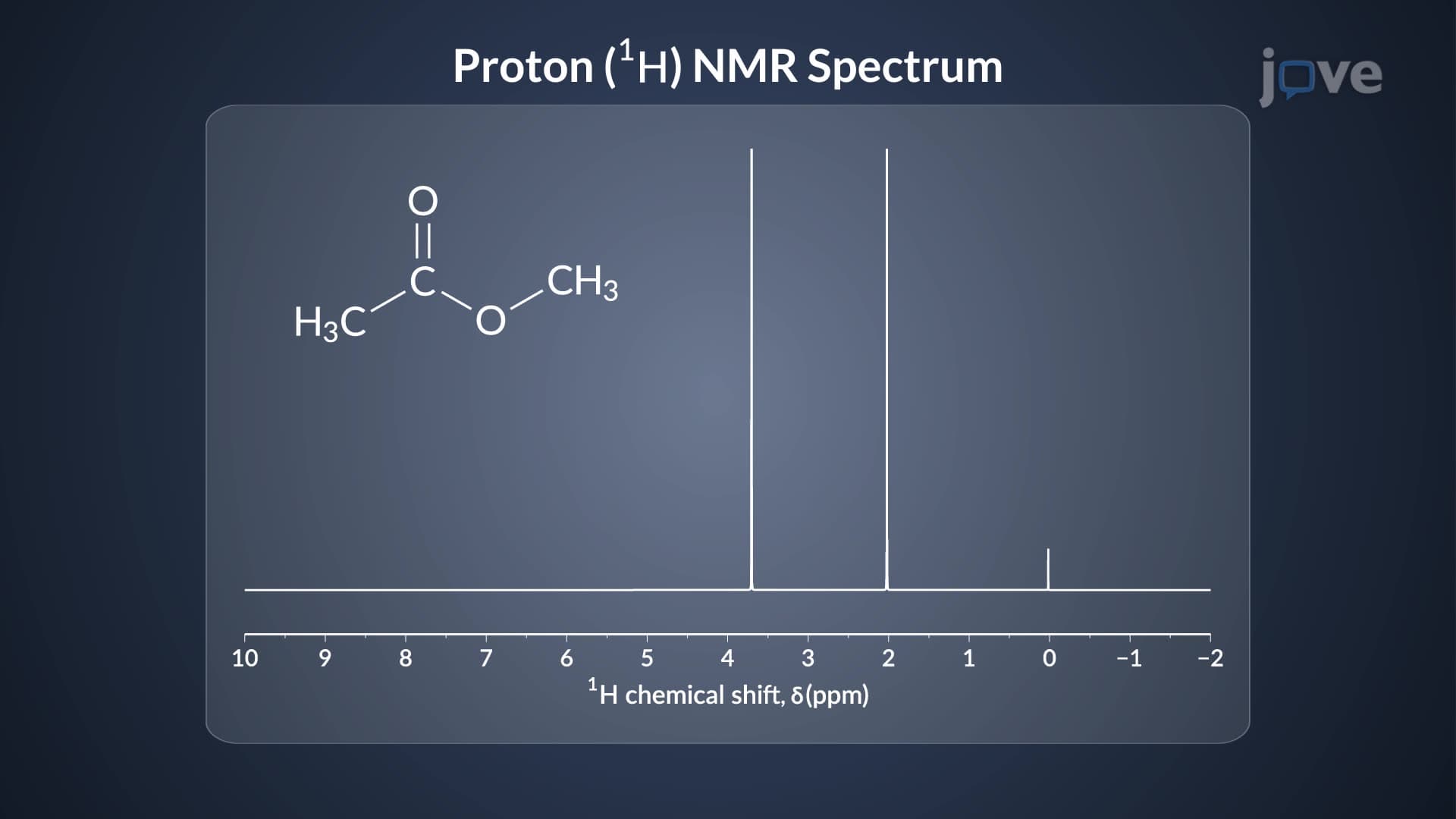
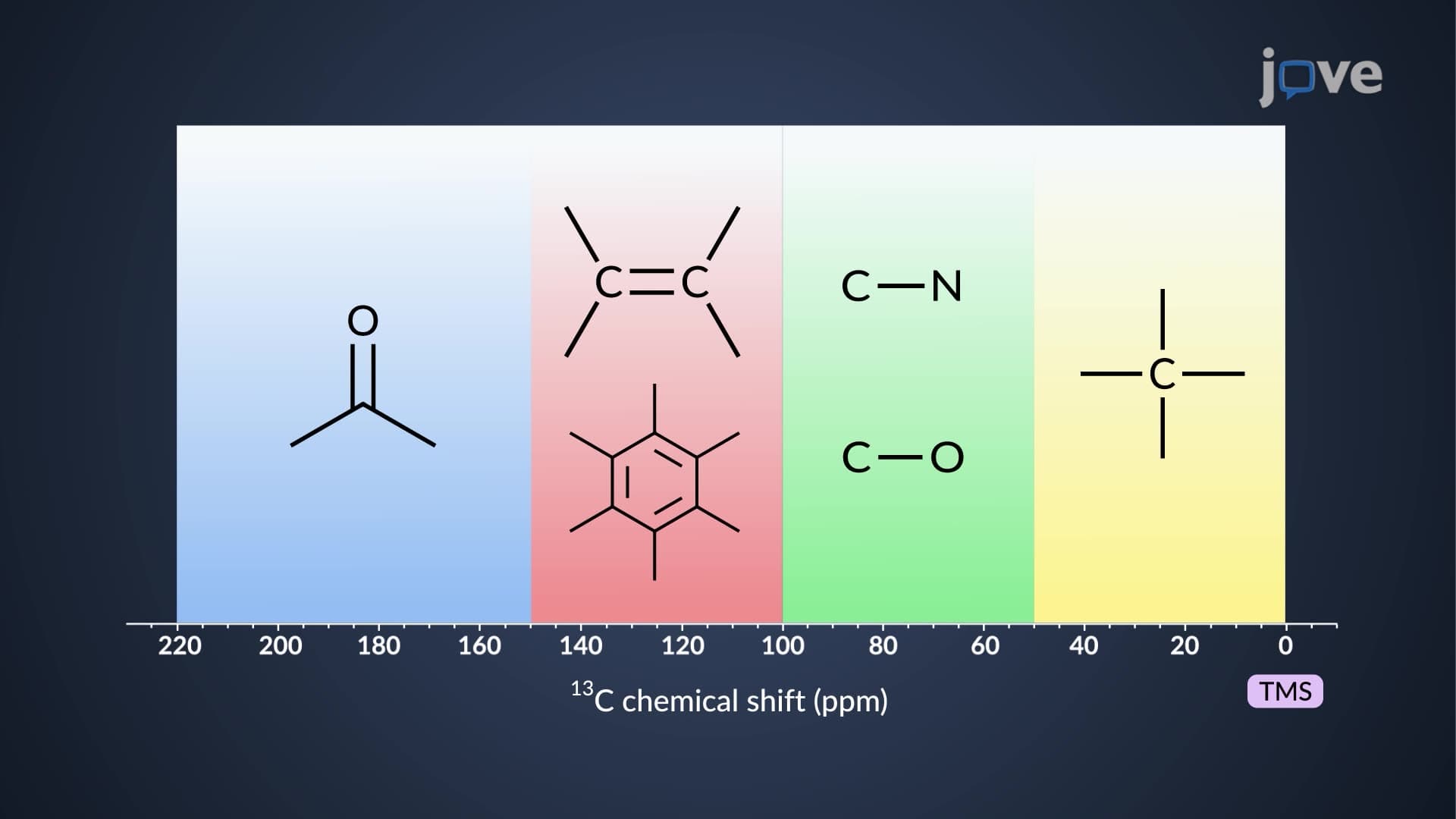
¹³C NMR chemical shifts span an impressive 220 ppm range, dramatically wider than the 10-12 ppm typical in proton NMR. This expanded range virtually eliminates signal overlap, allowing clear identification of chemically distinct carbon environments. The systematic progression from upfield to downfield reflects electronic shielding patterns:
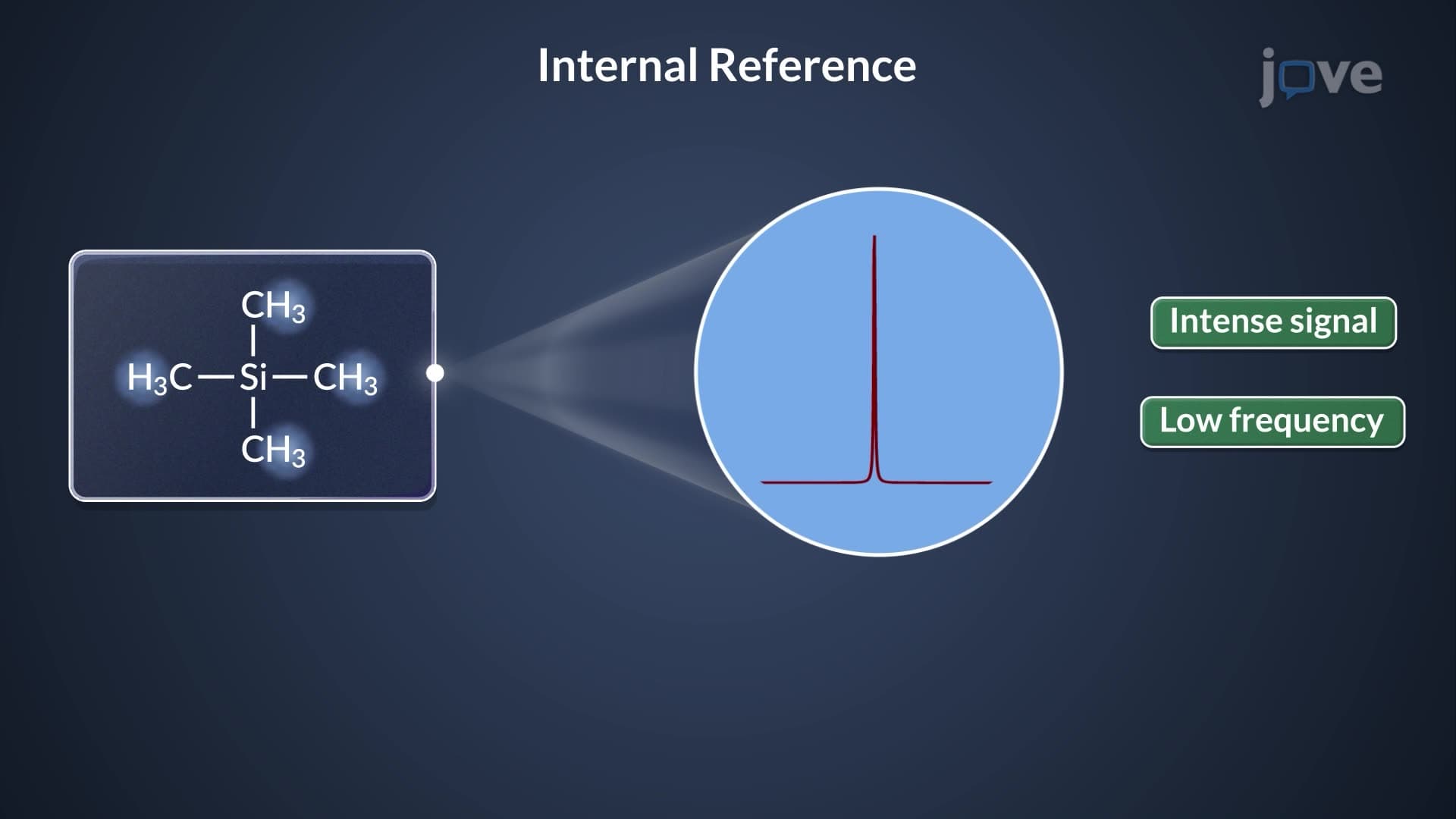
Saturated carbons (alkyl groups) appear near 0-50 ppm, close to the tetramethylsilane (TMS) reference standard. Carbons bonded to electronegative atoms like oxygen or nitrogen shift downfield to 50-90 ppm due to electron withdrawal. Unsaturated carbons in alkenes occupy the 100-150 ppm region, while aromatic carbons cluster around 120-160 ppm. Most dramatically deshielded are carbonyl carbons, appearing between 160-220 ppm.
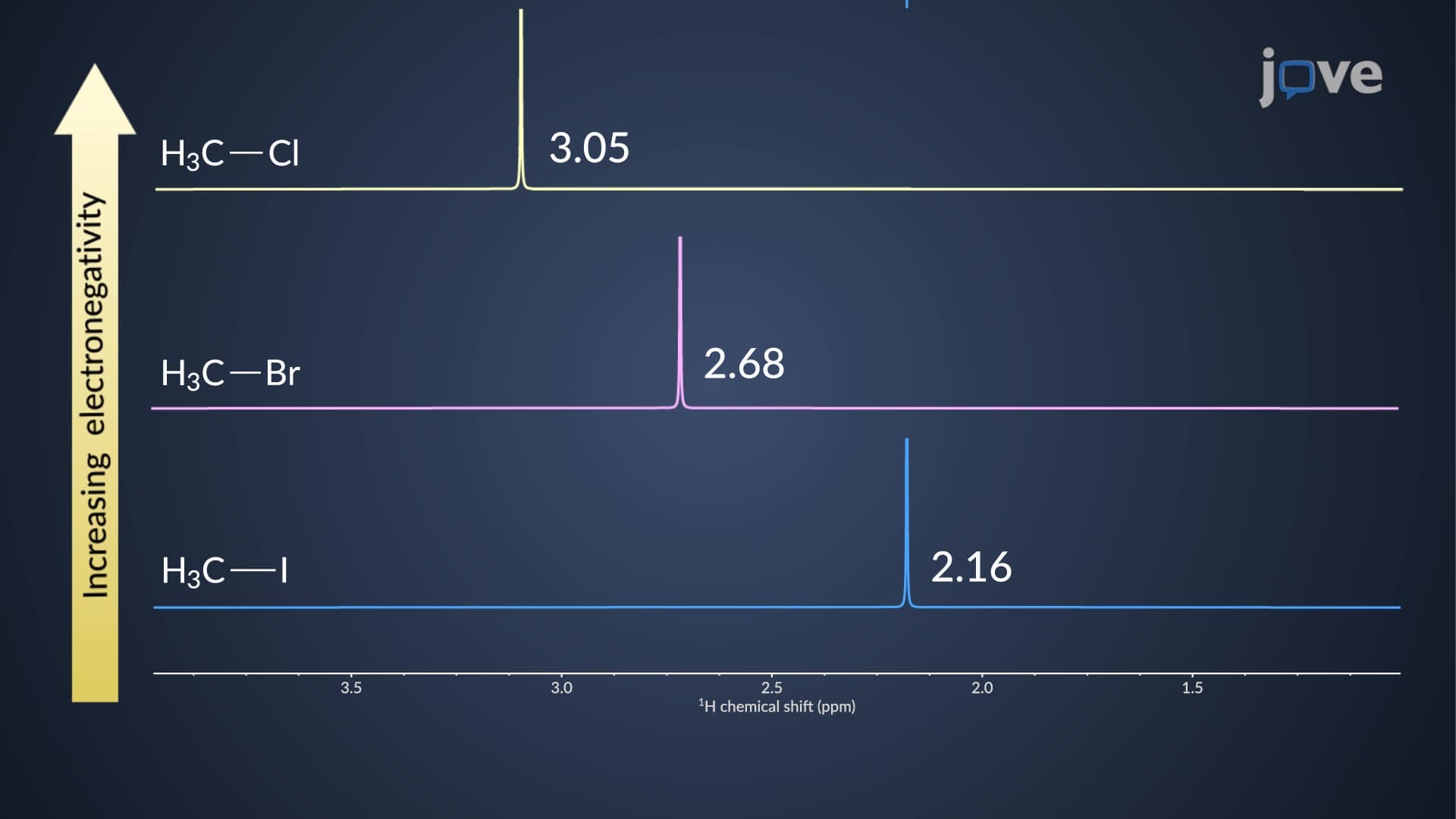
Carbon NMR natural abundance limitations are offset by predictable electronic effects governing chemical shifts. Direct attachment to electronegative substituents causes pronounced deshielding compared to the two-bond separation typical in proton NMR. This proximity effect makes ¹³C chemical shifts highly sensitive to immediate electronic environment changes.
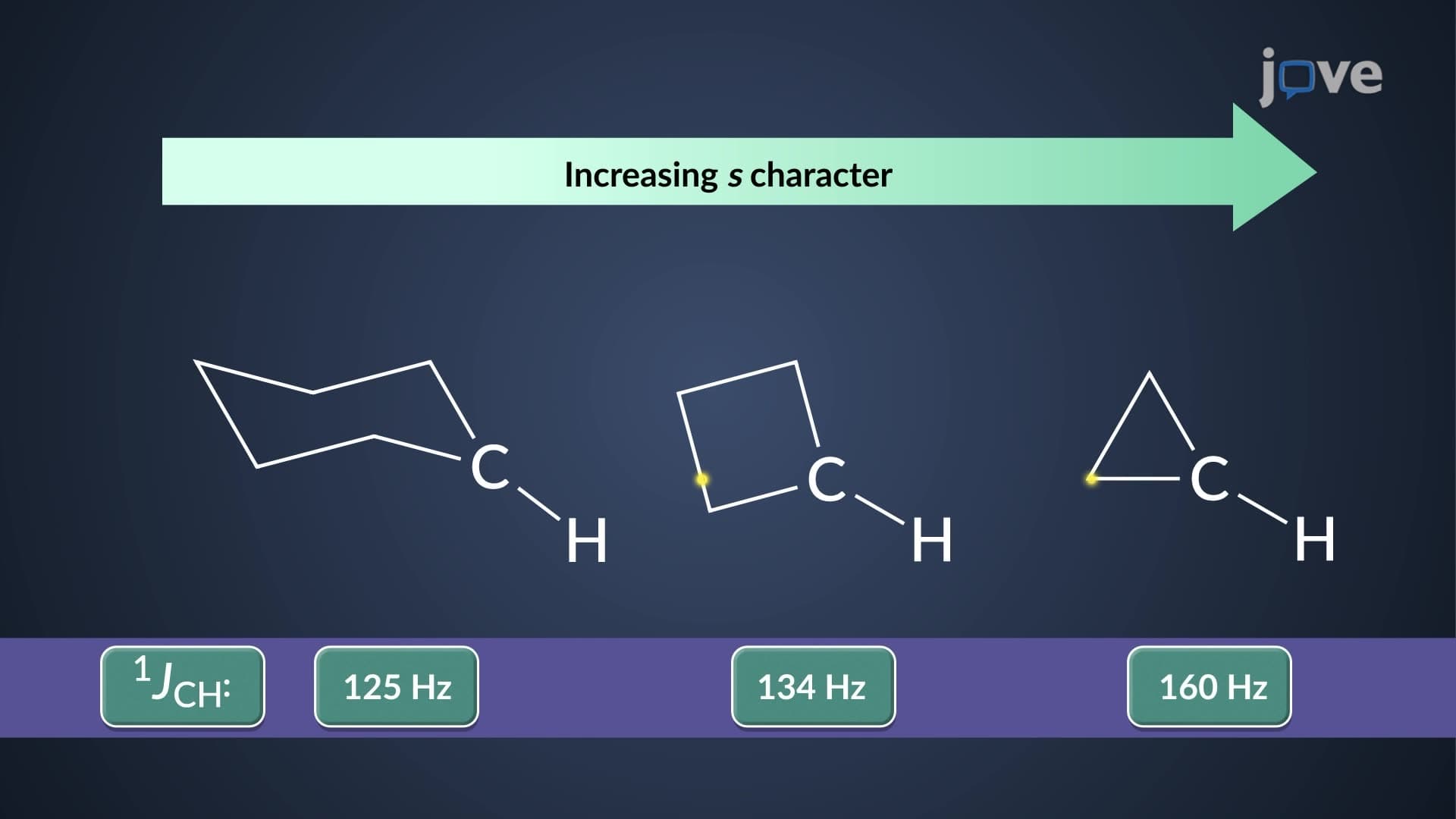
College organic chemistry students learn to predict chemical shifts using electronegativity trends and hybridization states. sp³ carbons appear upfield relative to sp² carbons, which appear upfield relative to sp carbons. These patterns prove invaluable for structural elucidation in academic laboratories and industrial research settings.
¹³C NMR structural analysis serves critical roles in both educational and professional contexts. University research laboratories use the technique for natural product structure determination, while pharmaceutical companies rely on it for drug development and quality assurance. Students should appreciate that ¹³C NMR complements rather than replaces other analytical techniques-successful structural determination typically requires multiple spectroscopic methods working in concert.
Related Micro-courses