Loading subject page…

- Analytical Chemistry
- Interpreting Nuclear Magnetic Resonance Spectra
- ¹H NMR: Pople Notation
Micro-course: Interpreting Nuclear Magnetic Resonance Spectra
53,059 views
Learn key concepts and earn your certificate.


¹H NMR: Pople Notation

00:00
01:09
Video Summary: What Is H Nmr Pople Notation
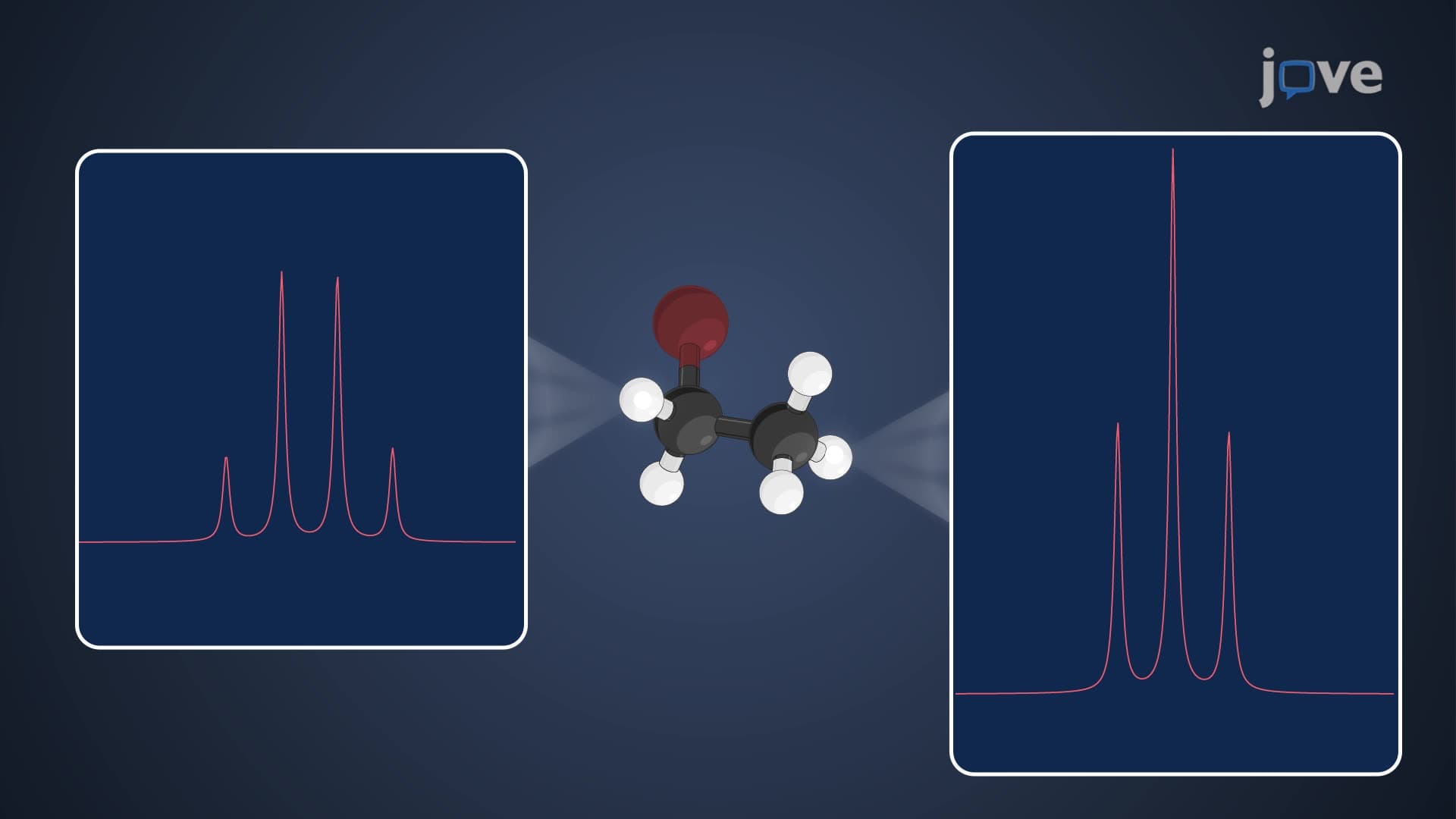
Ever wondered how chemists decode the complex patterns in NMR spectra like solving a molecular puzzle? Pople notation NMR provides a systematic way to classify and understand these intricate spin-spin coupling patterns in hydrogen NMR spectroscopy. For instance, when analyzing the NMR spectrum of ethanol used in pharmaceutical research at companies like Pfizer, chemists use this notation to distinguish between different proton environments. Watch the full video on JoVE Coach to master this concept with expert-led visuals and step-by-step explanations.
- Understand what H NMR Pople notation is and how it systematically classifies coupled spin systems based on chemical shift differences
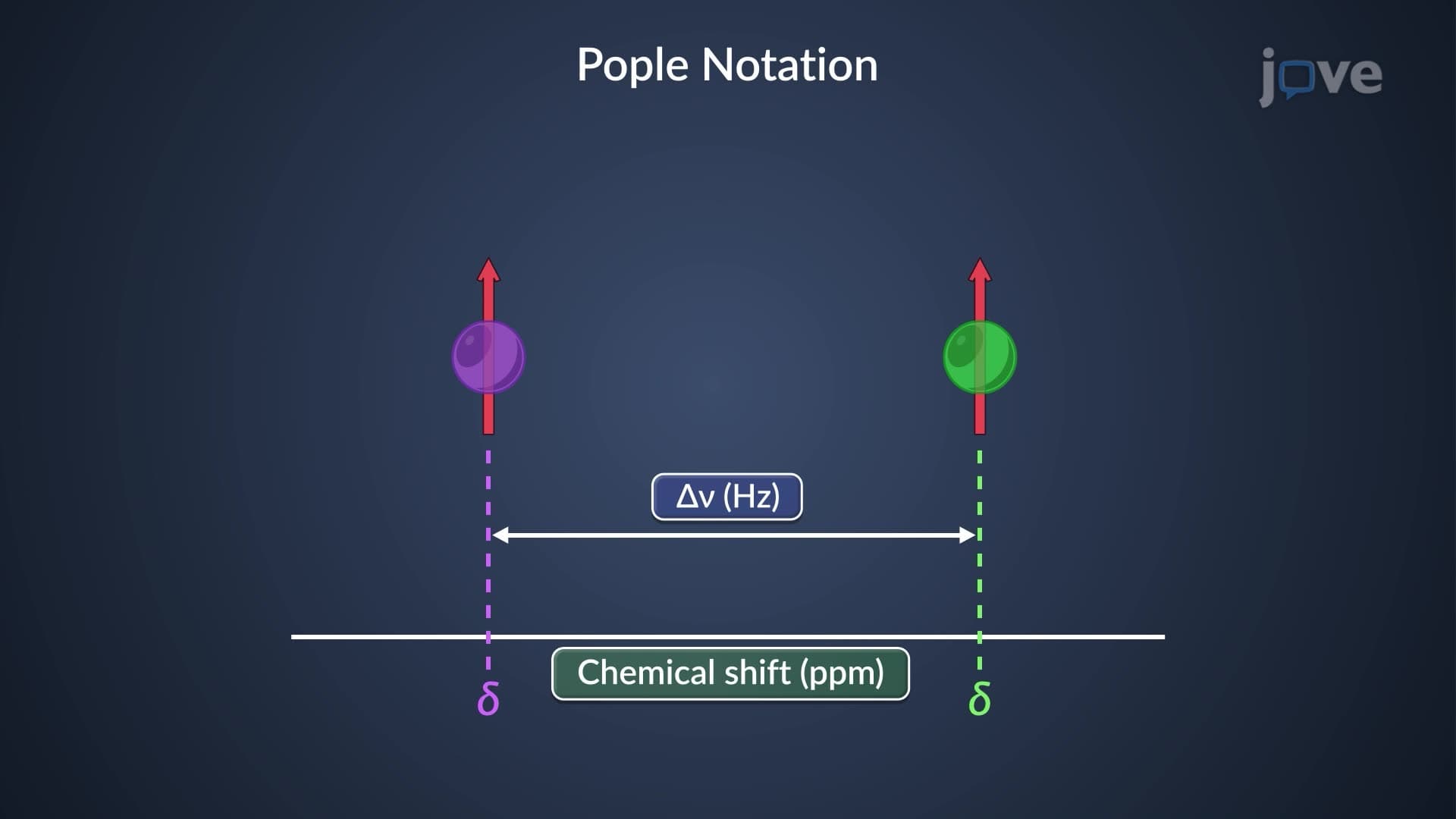
- Identify the relationship between chemical shift separation and letter assignment in the alphabet system
- Analyze how equivalent nuclei are represented using subscript numbers in spin system notation
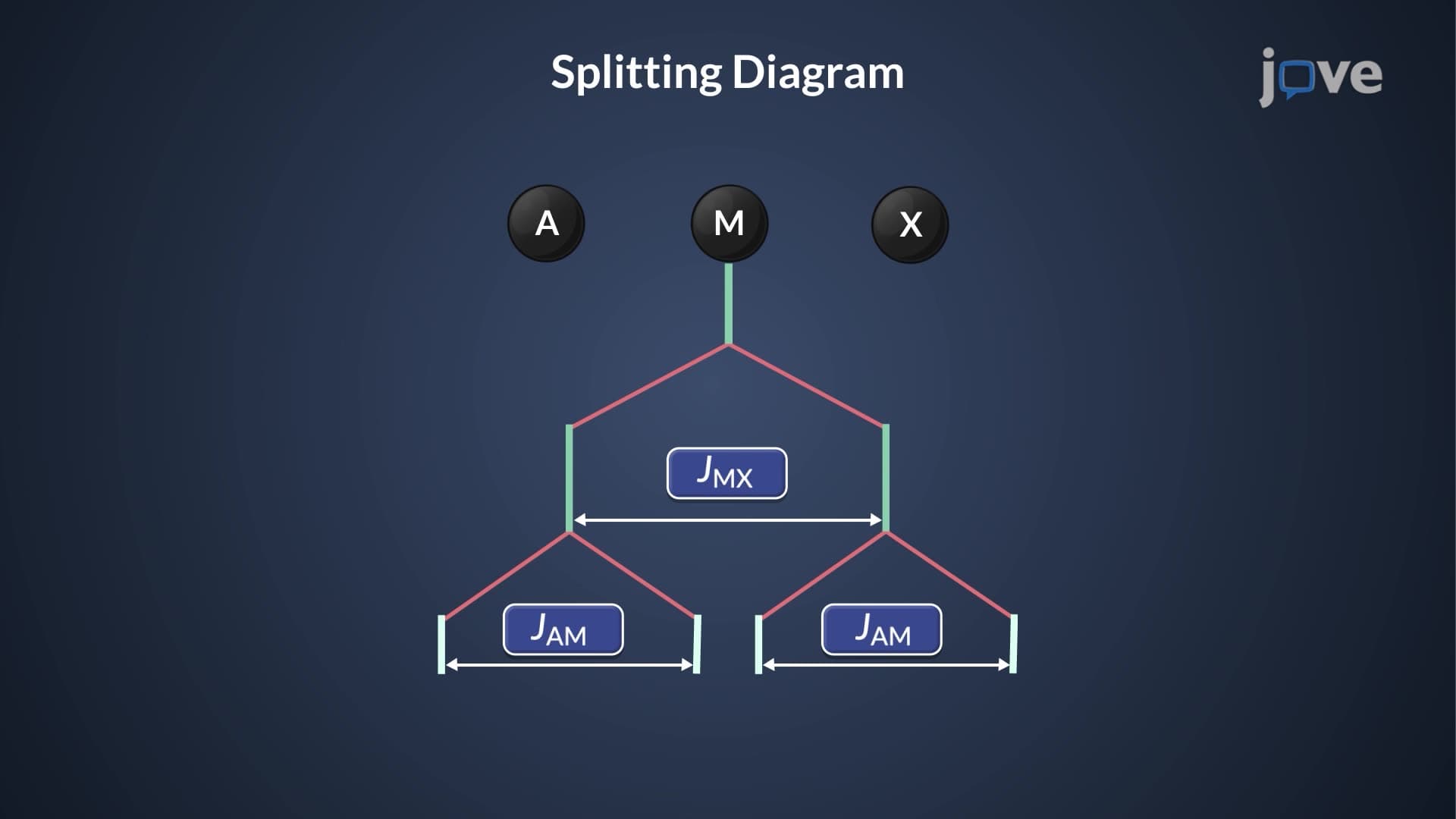
- Compare strongly coupled systems (adjacent letters like AB, MN) versus weakly coupled systems (distant letters like AX, MY)
- Evaluate real molecular examples like ethyl groups and determine their appropriate Pople notation classification
- Apply Pople spin system notation to predict coupling patterns in common organic molecules
- Recognize how molecular environment and chirality affect spin system classification
- Explore the connection between Pople notation and spectral analysis in advanced NMR interpretation
Understanding H NMR Pople Notation Fundamentals
H NMR Pople notation represents a cornerstone classification system in nuclear magnetic resonance spectroscopy, developed by Nobel laureate John Pople. This systematic approach categorizes coupled proton systems based on the magnitude of their chemical shift differences measured in hertz. The notation serves as a universal language among chemists, allowing researchers at institutions like MIT and Stanford to communicate complex spin system behaviors with precision.
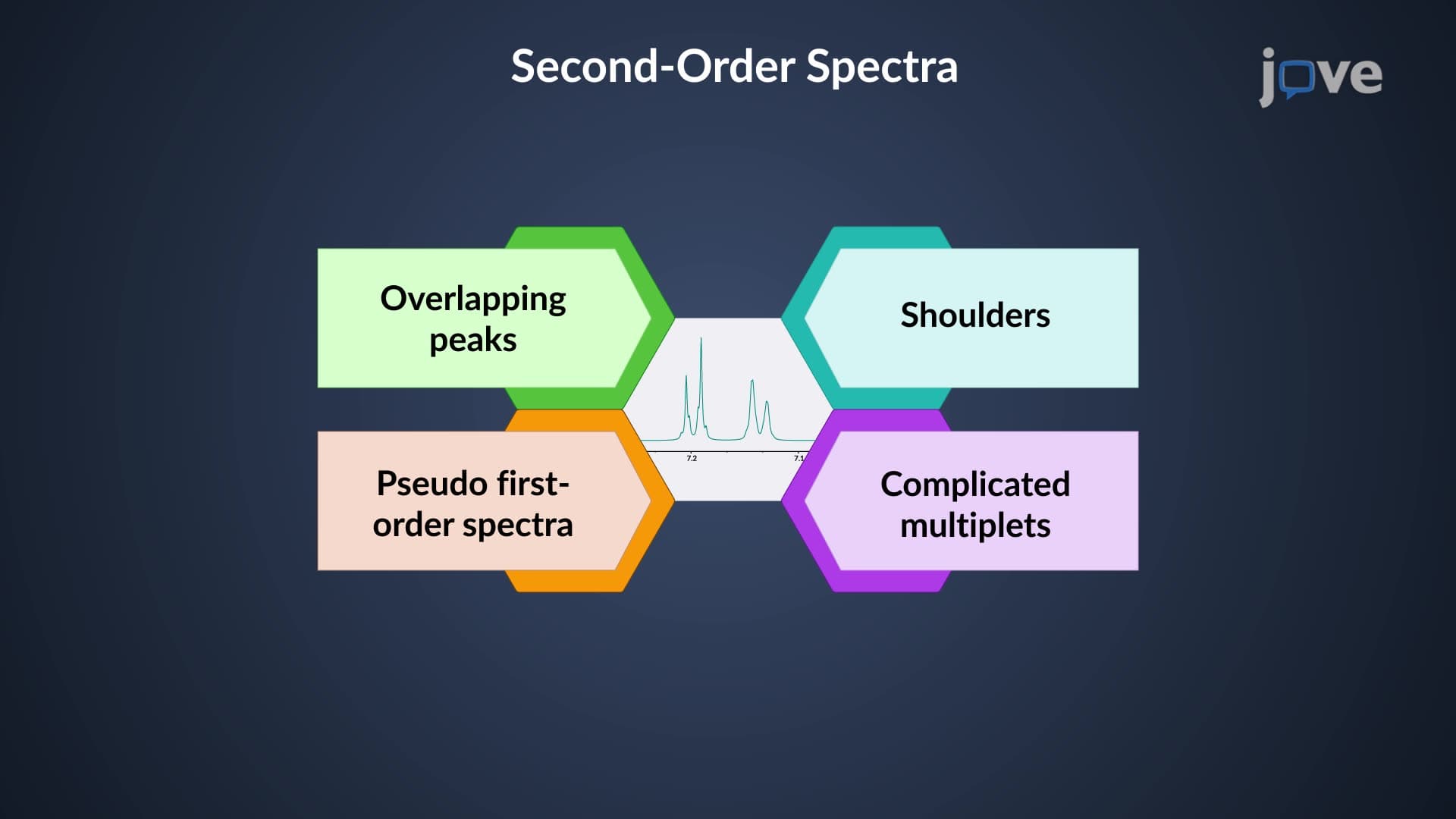
The fundamental principle underlying this system revolves around the relationship between chemical shift separation and coupling strength. When protons exhibit large chemical shift differences relative to their coupling constants, they behave as weakly coupled systems. Conversely, protons with similar chemical shifts demonstrate strong coupling characteristics, leading to more complex spectral patterns that require advanced analysis techniques commonly taught in physical chemistry courses at universities nationwide.
Letter Assignment and Chemical Shift Relationships
The alphabetical designation system follows a logical pattern that directly correlates with spectral analysis complexity. Strongly coupled nuclei, where chemical shift differences approach the magnitude of coupling constants, receive adjacent alphabetical letters such as AB, BC, or MN. These systems produce complex multipicity patterns that often require computational analysis software used in research laboratories across pharmaceutical companies like Johnson & Johnson.
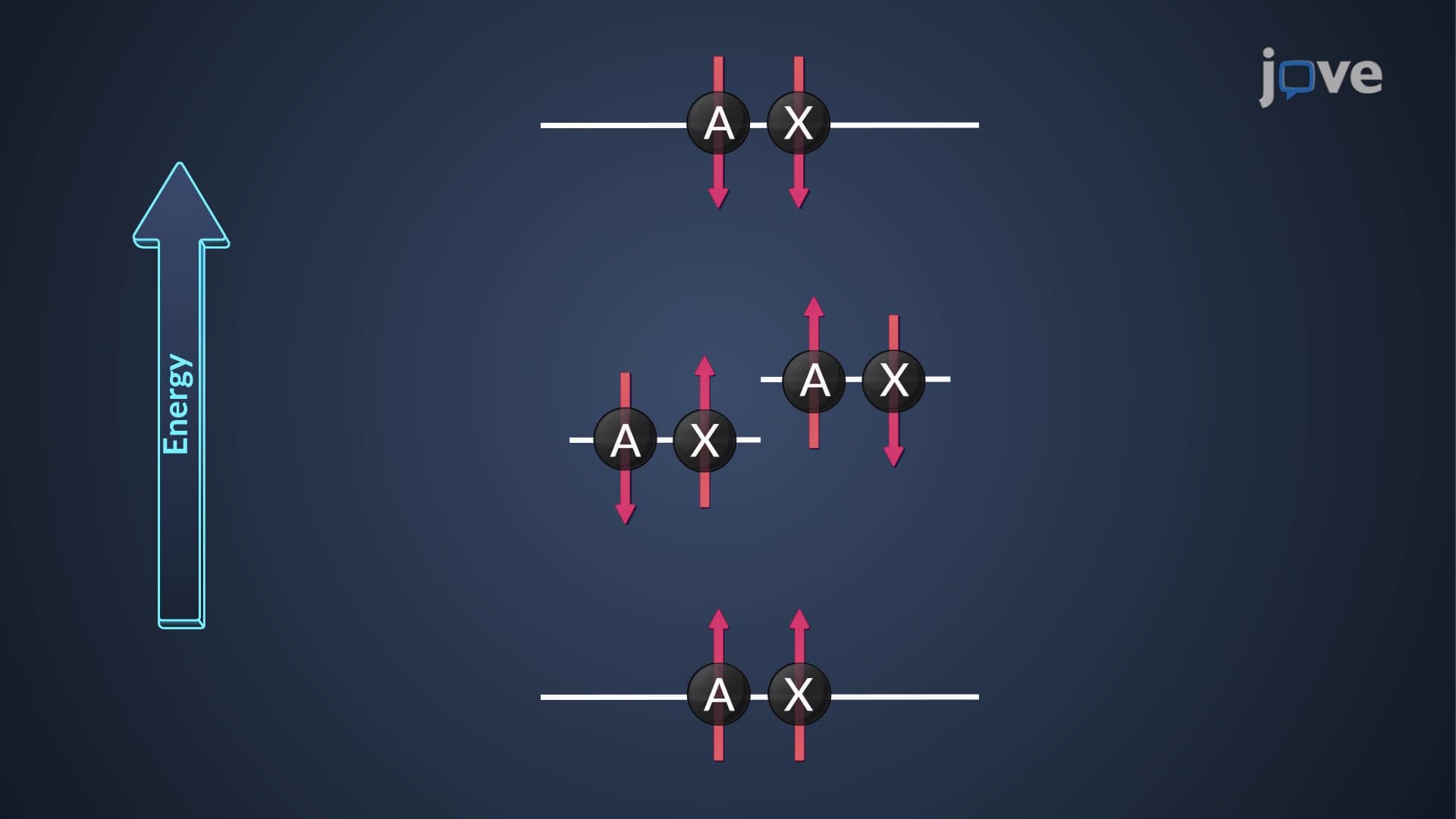
Weakly coupled systems, characterized by large chemical shift separations, receive distant alphabetical assignments like AX, MY, or PQ. These systems display simple first-order splitting patterns that students can readily analyze using basic coupling rules. This distinction proves crucial for MCAT preparation, where students must quickly identify and interpret NMR coupling patterns under time pressure.
Practical Applications in Molecular Structure Determination
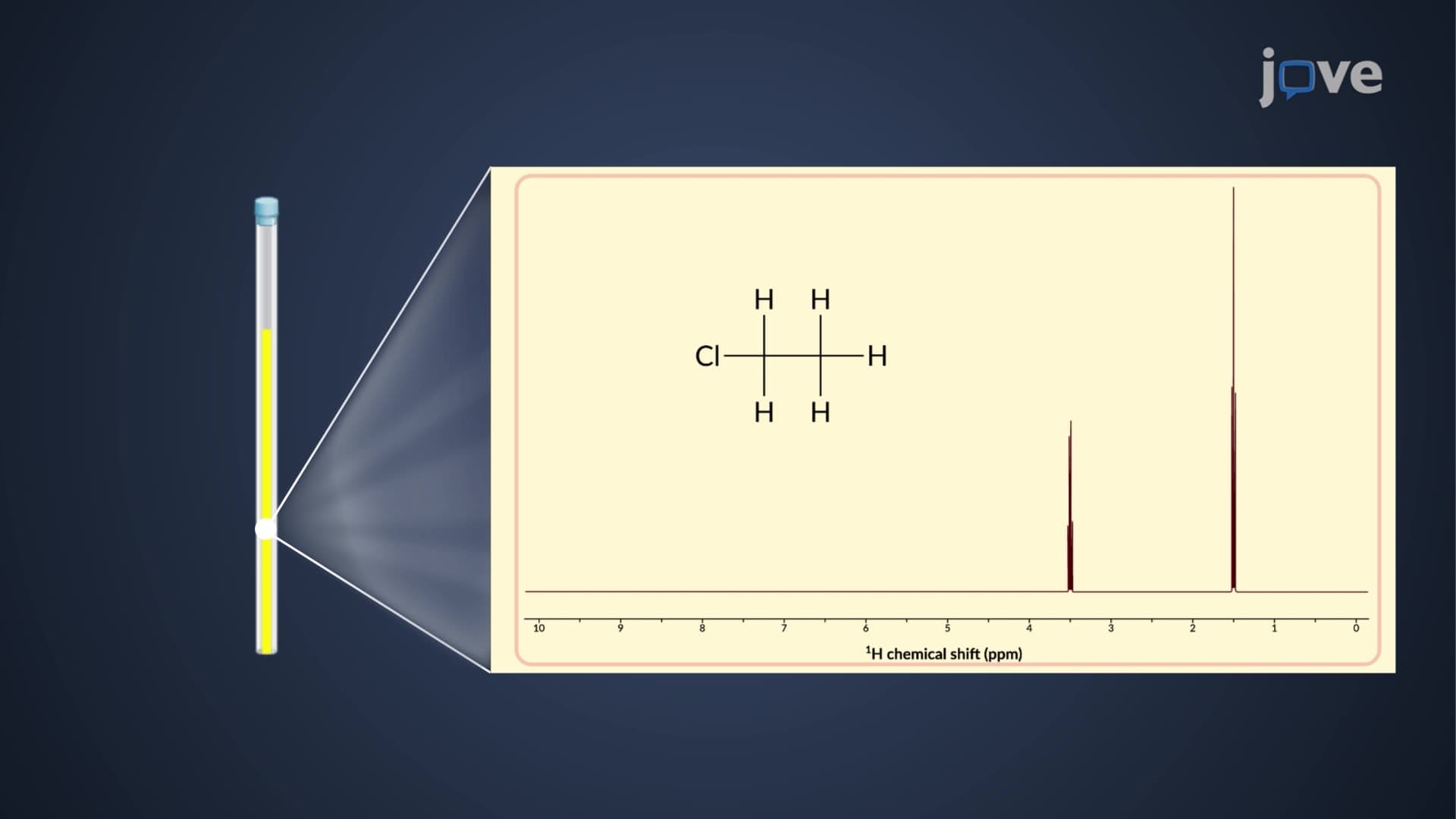
Consider the ethyl group, a ubiquitous structural unit in organic chemistry. When attached to achiral electron-withdrawing groups like carbonyl carbons, the ethyl fragment behaves as an A2X3 system. The methylene protons (A2) couple with the methyl protons (X3), producing the characteristic quartet-triplet pattern familiar to students in organic chemistry laboratory courses at universities like UCLA and University of Texas.
However, when the same ethyl group attaches to chiral centers, the chemical equivalence breaks down, transforming the system into ABX3 notation. This change reflects the diastereotopic relationship between methylene protons, a concept frequently tested on AP Chemistry exams and college organic chemistry midterms. Understanding these subtle distinctions enables students to predict spectral outcomes and solve structural elucidation problems effectively.
Advanced Spin System Classifications
Complex molecules often require sophisticated notation systems that extend beyond simple two-letter combinations. Triethyl silane exemplifies this complexity, where multiple ethyl groups interact through the silicon center, creating A2B3 systems rather than independent A2X3 units. This interconnectedness demonstrates how molecular connectivity influences spin system behavior, a principle that underlies advanced spectroscopic techniques used in pharmaceutical research and quality control laboratories throughout the United States.
Frequently Asked Questions
H NMR Pople notation is a systematic classification scheme that categorizes coupled proton systems based on their chemical shift differences measured in hertz. It's essential because it predicts spectral complexity and helps chemists interpret NMR data accurately. This notation system serves as the foundation for structural elucidation in organic chemistry research and pharmaceutical development. Understanding Pople notation enables students to approach complex NMR problems with confidence and methodical analysis.
Pople notation provides a systematic framework for quickly analyzing NMR coupling patterns on the MCAT. Students can identify whether systems are strongly coupled (adjacent letters) or weakly coupled (distant letters) to predict spectral complexity. This knowledge helps eliminate incorrect answer choices rapidly. Most MCAT NMR questions focus on simple AX and A2X3 systems that follow first-order splitting rules, making Pople notation an invaluable time-saving tool.
AX notation indicates weakly coupled protons with large chemical shift differences, producing simple first-order splitting patterns that follow n+1 rules. AB notation represents strongly coupled systems where chemical shifts are similar, creating complex second-order spectra requiring mathematical analysis. College exams typically focus on AX systems for easier calculation, while graduate courses explore AB systems. Understanding this distinction helps students tackle appropriate complexity levels in coursework and standardized tests.
Analyze the molecular environment surrounding the ethyl group to determine equivalence relationships. If attached to achiral centers, use A2X3 notation where methylene protons are equivalent. For chiral environments, apply ABX3 notation recognizing diastereotopic methylene protons. This analysis proves crucial in pharmaceutical research where drug purity and structural confirmation require precise NMR interpretation. Practice with common pharmaceutical intermediates builds proficiency for industry applications.
Pople notation follows logical alphabetical patterns that most high school students master quickly with practice. The key concepts-letter proximity indicating coupling strength and subscripts showing equivalent nuclei-build on familiar chemistry principles. Starting with simple AX examples and progressing to A2X3 systems provides a natural learning progression. Most students find the systematic approach more manageable than memorizing complex coupling patterns individually.
Create systematic practice sessions using molecular structure drawings to assign notation, then predict spectral patterns. Focus on common functional groups like ethyl, propyl, and benzyl systems that appear frequently on exams. Develop quick recognition skills for strongly versus weakly coupled systems through repeated examples. Use molecular model kits to visualize three-dimensional relationships affecting chemical equivalence, especially for chiral centers that convert simple systems into complex notation.
Pople notation provides the foundational language for advanced techniques like two-dimensional NMR and dynamic NMR studies taught in physical chemistry and analytical chemistry courses. Students who master basic notation principles transition smoothly to complex spin system analysis and computational spectroscopy methods. This knowledge proves essential for undergraduate research opportunities and graduate school preparation in chemistry and related fields.
Pharmaceutical companies like Merck and Bristol Myers Squibb use Pople notation for drug structure confirmation, impurity identification, and quality control analysis. Research chemists apply this system when developing new medications to ensure correct synthetic pathways and confirm molecular structures. Regulatory submissions to the FDA require detailed NMR analysis using standardized notation systems. Understanding Pople notation opens career opportunities in pharmaceutical research and development across the United States.
Related Micro-courses

17 Concepts

24 Concepts

27 Concepts