Loading subject page…


53,059 views

Video Summary: What Is Nmr Spectroscopy Chemical Shift
Ever wonder how chemists can identify molecules just by looking at squiggly lines on a graph? NMR chemical shift explained reveals the secret behind this molecular fingerprinting technique. When FDA scientists analyze drug purity or Stanford researchers study protein structures, they rely on chemical shift measurements that remain consistent whether using a basic 60 MHz or advanced 300 MHz spectrometer. What is NMR Spectroscopy Chemical Shift becomes clear when you understand that this dimensionless value, measured in parts per million (ppm), acts like a molecular GPS coordinate system. Watch the full video on JoVE Coach to master this concept with expert-led visuals and step-by-step explanations.
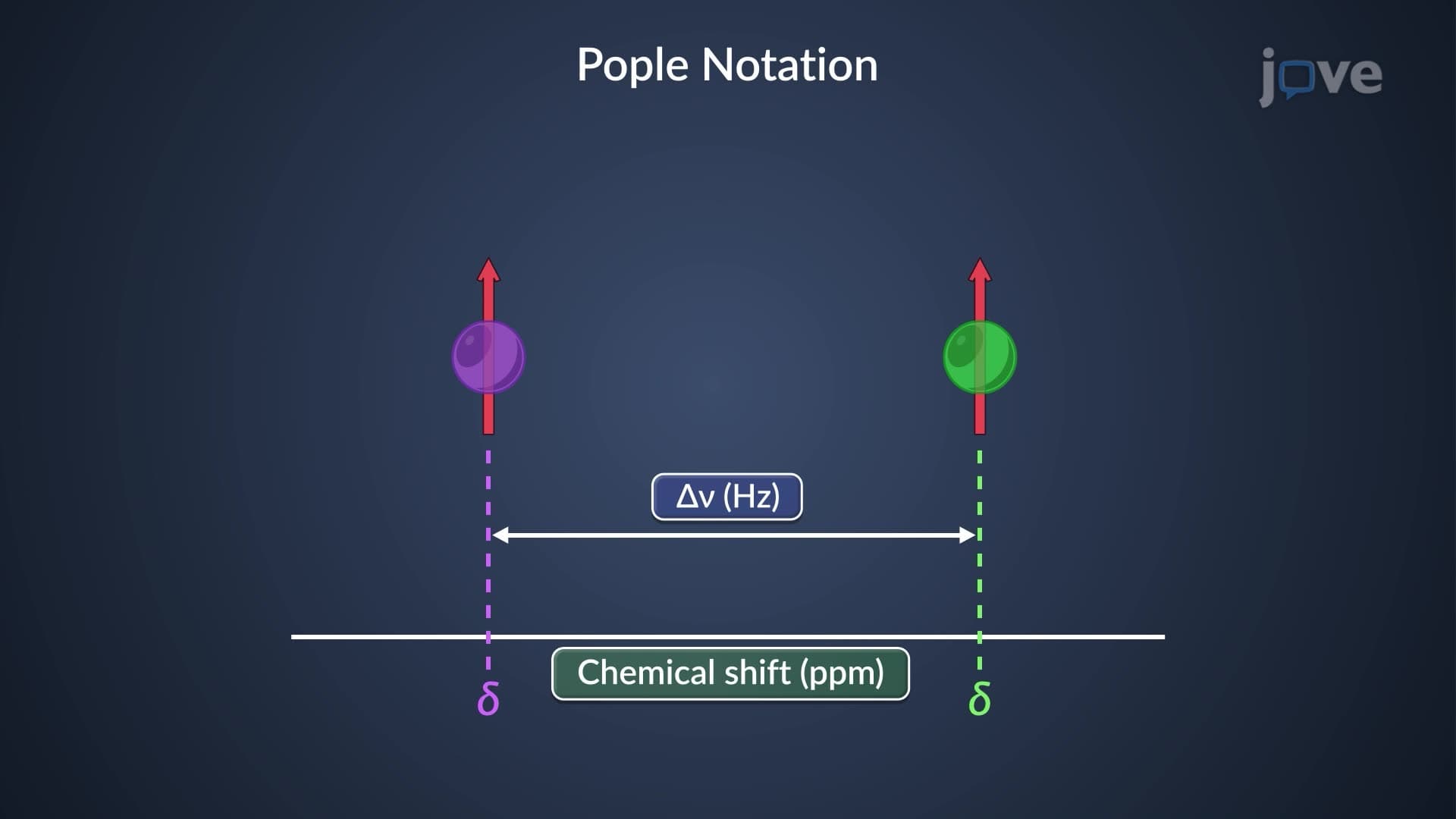
Chemical shift NMR spectroscopy definition centers on a fundamental measurement that makes nuclear magnetic resonance spectroscopy universally useful across different laboratories and instruments. Unlike absolute frequency measurements that vary with spectrometer strength, chemical shift provides a standardized reference system that remains constant regardless of magnetic field strength.
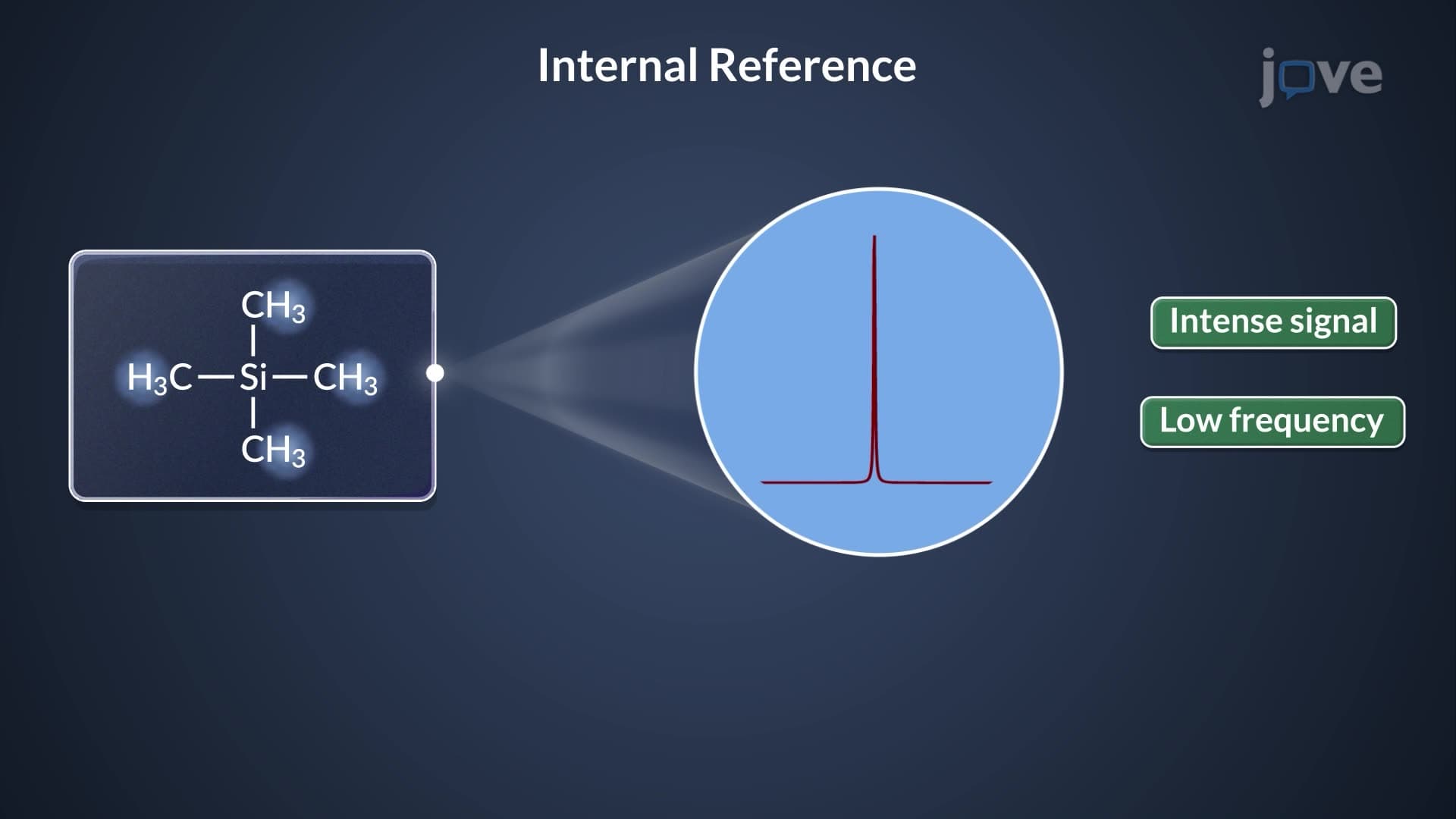
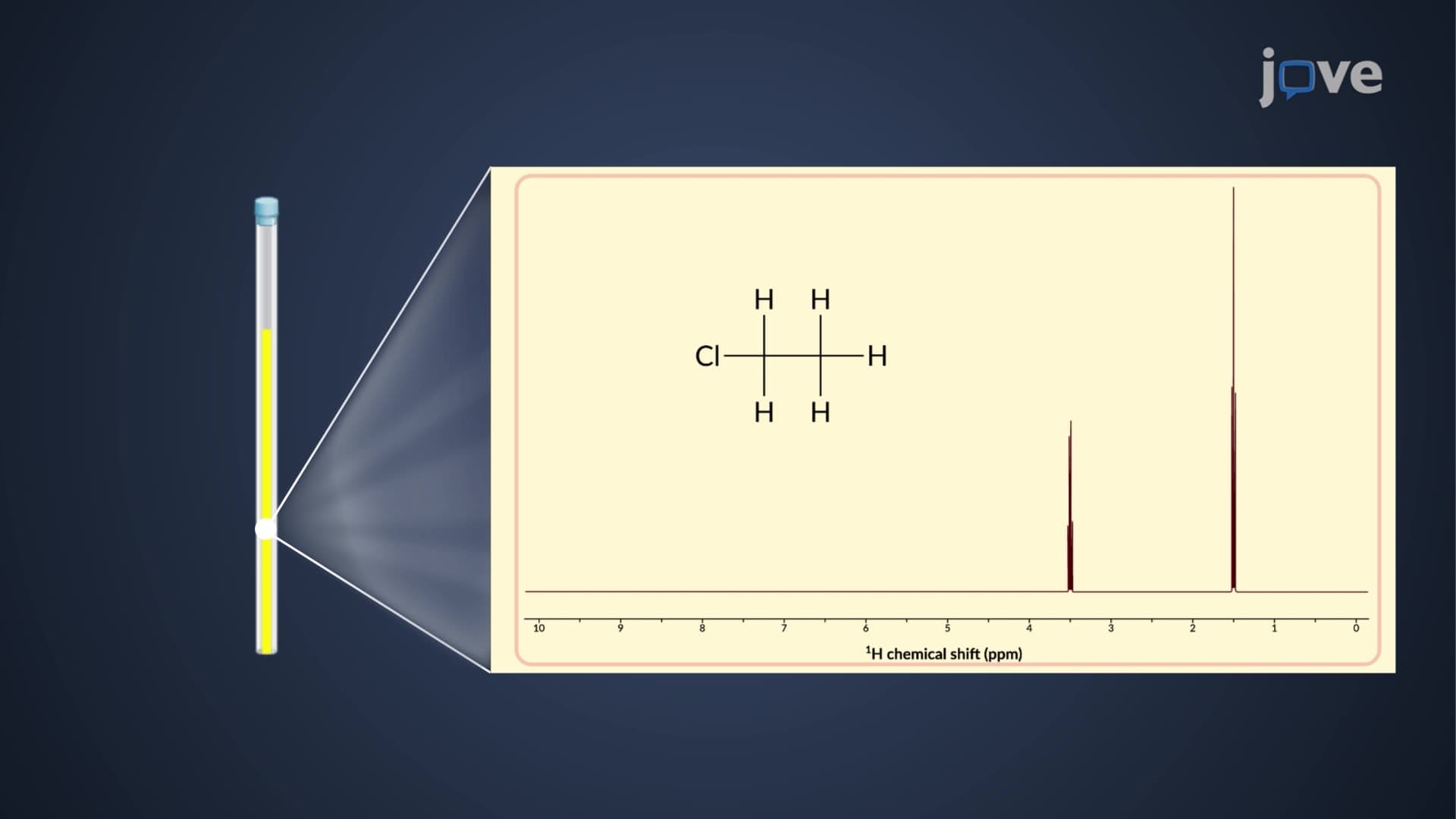
The mathematical foundation involves comparing each signal to tetramethylsilane (TMS), chosen because its protons exist in an extremely shielded environment. By dividing the frequency difference between a sample signal and TMS by the spectrometer's operating frequency, we obtain a dimensionless number expressed in parts per million (ppm). This calculation ensures that benzene protons always appear at 7.27 ppm, whether measured on a 60 MHz instrument at Harvard's teaching lab or a 600 MHz research spectrometer at MIT.
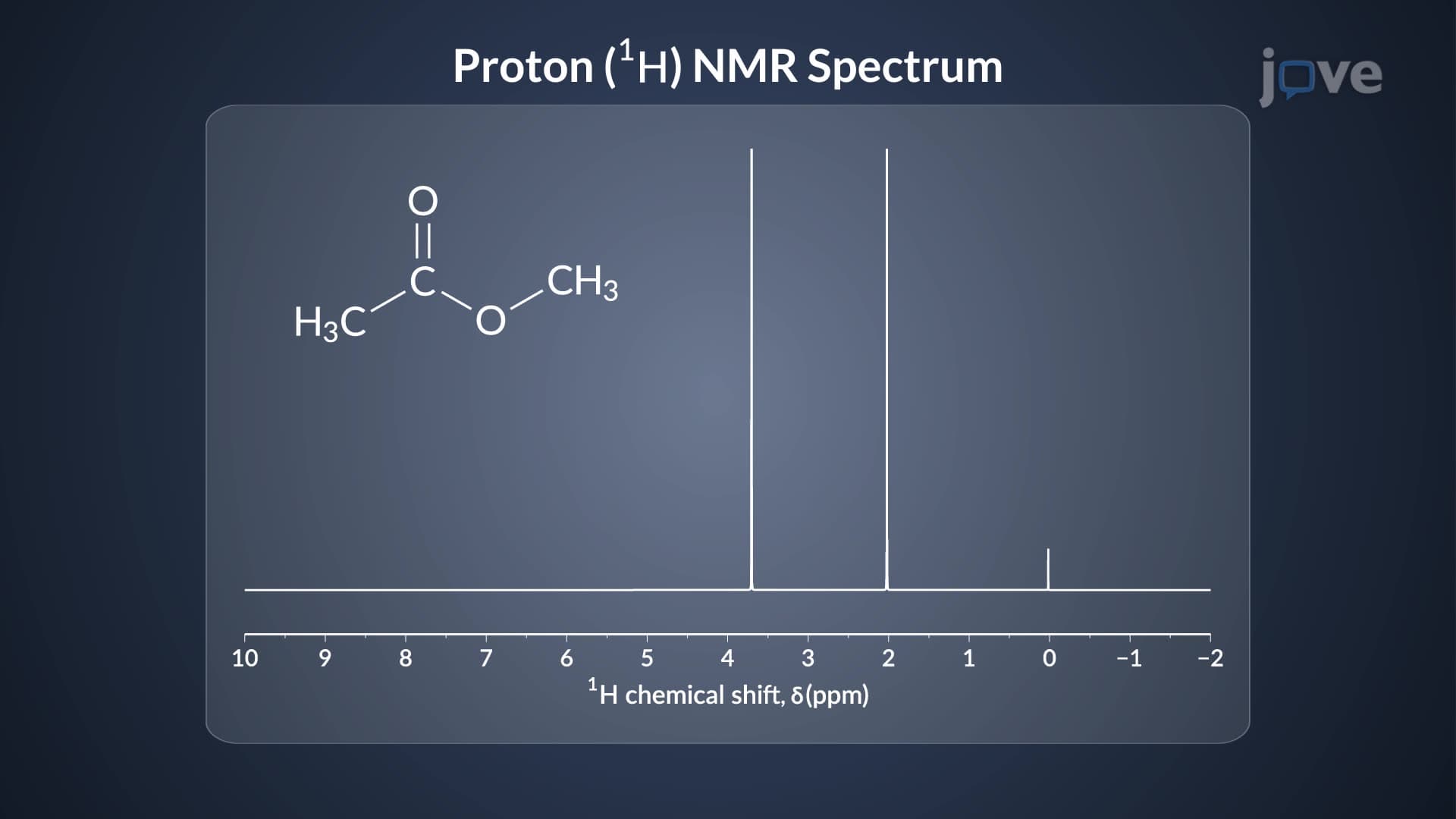
The delta ppm chemical shift scale establishes TMS at exactly 0 ppm as the universal reference point. This choice proves practical because TMS signals rarely overlap with most organic compounds, and its chemical inertness prevents interference with samples. The scale typically extends from 0 to 12 ppm for proton NMR, covering the vast majority of organic functional groups.
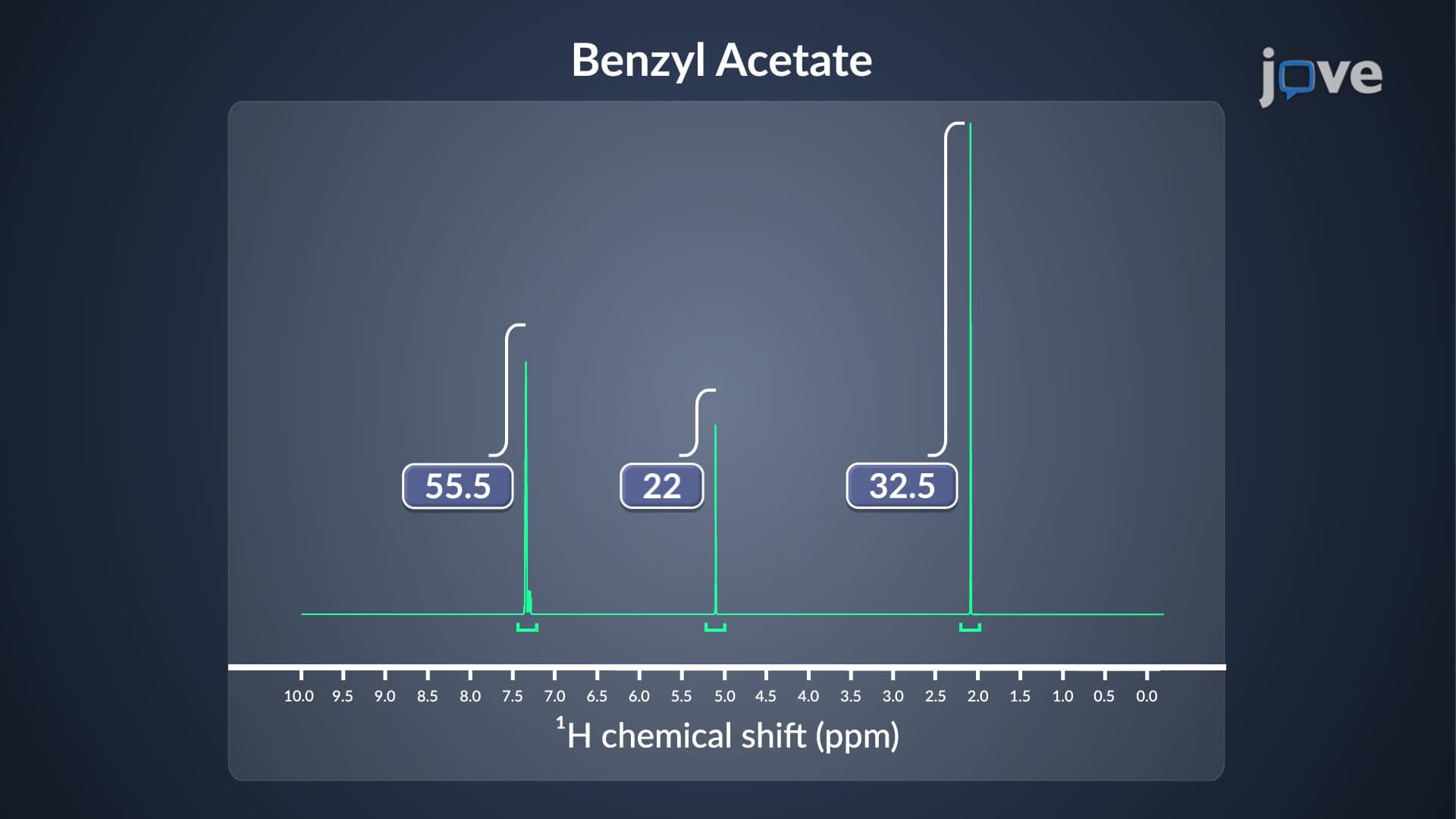
Students preparing for the MCAT or AP Chemistry exams should memorize key chemical shift ranges: alkyl protons appear around 1-3 ppm, aromatic protons near 7-8 ppm, and aldehyde protons around 9-10 ppm. These ranges become diagnostic tools for structure determination, much like how medical residents learn to recognize different heart sounds during their USMLE Step 2 clinical skills examination.
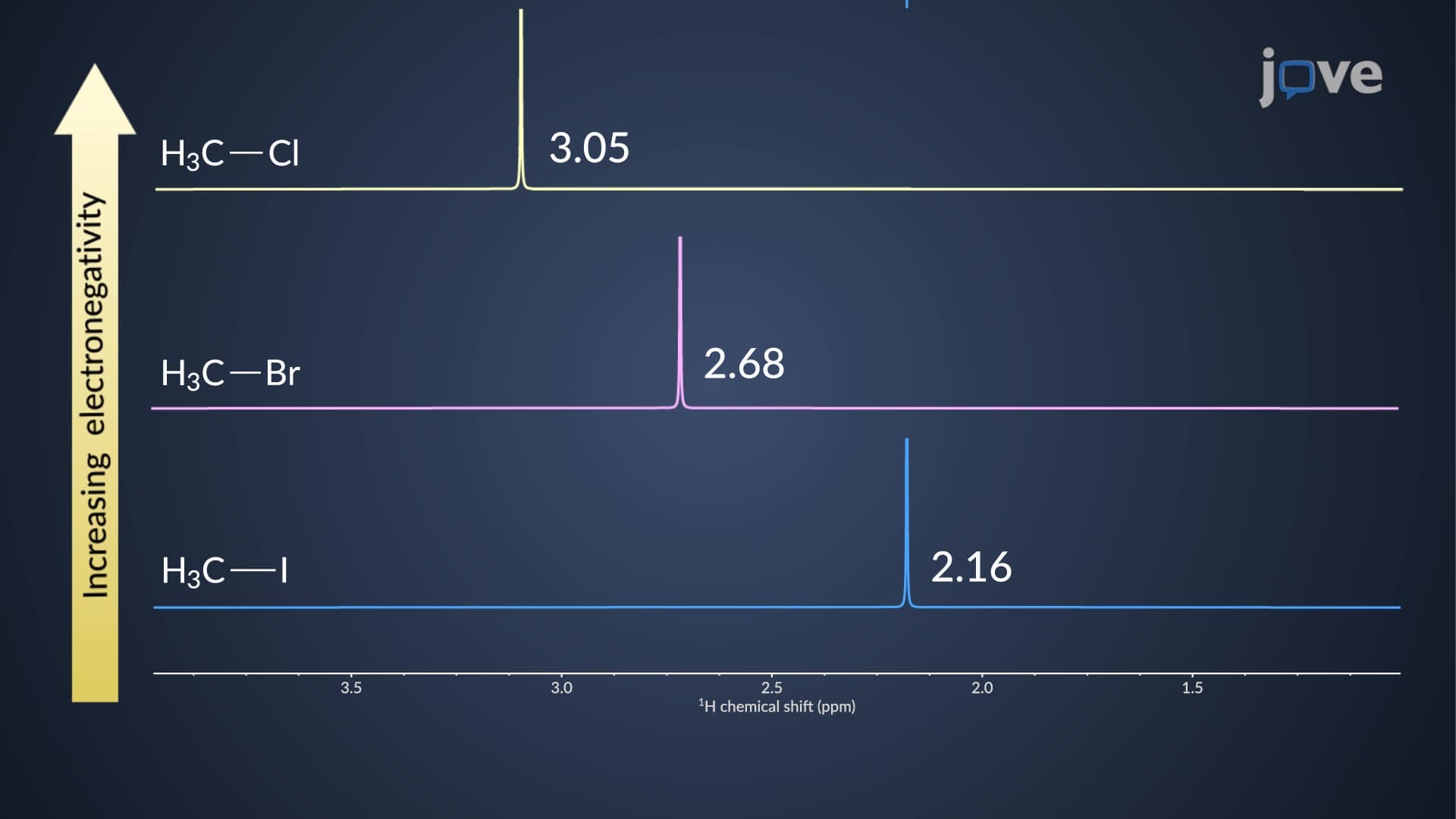
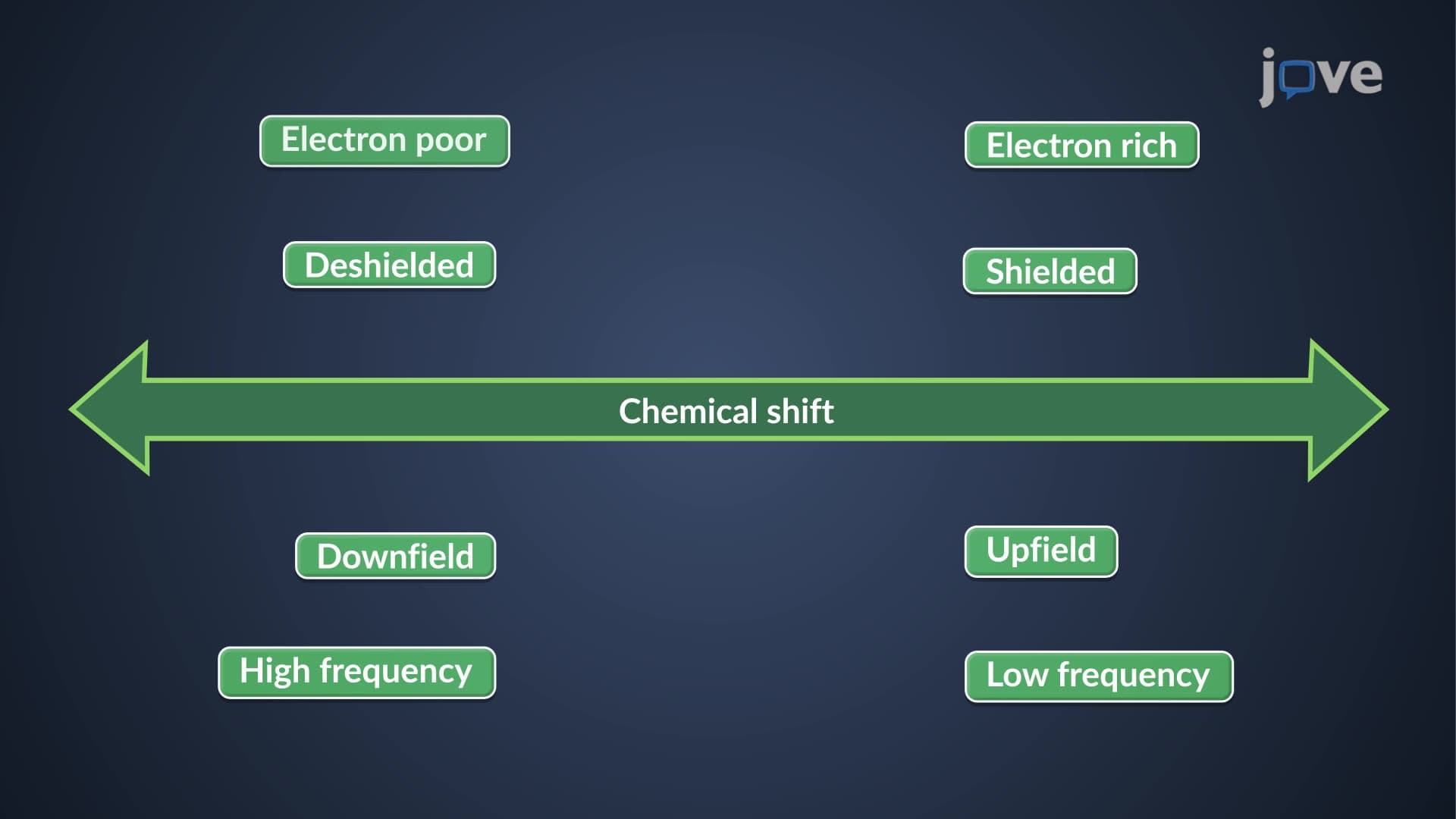
Shielding deshielding NMR phenomena directly correlate with local electron density around observed nuclei. High electron density creates a local magnetic field that opposes the external field, effectively "shielding" the nucleus and causing upfield shifts (lower ppm values). Conversely, electron-poor environments "deshield" nuclei, resulting in downfield shifts (higher ppm values).
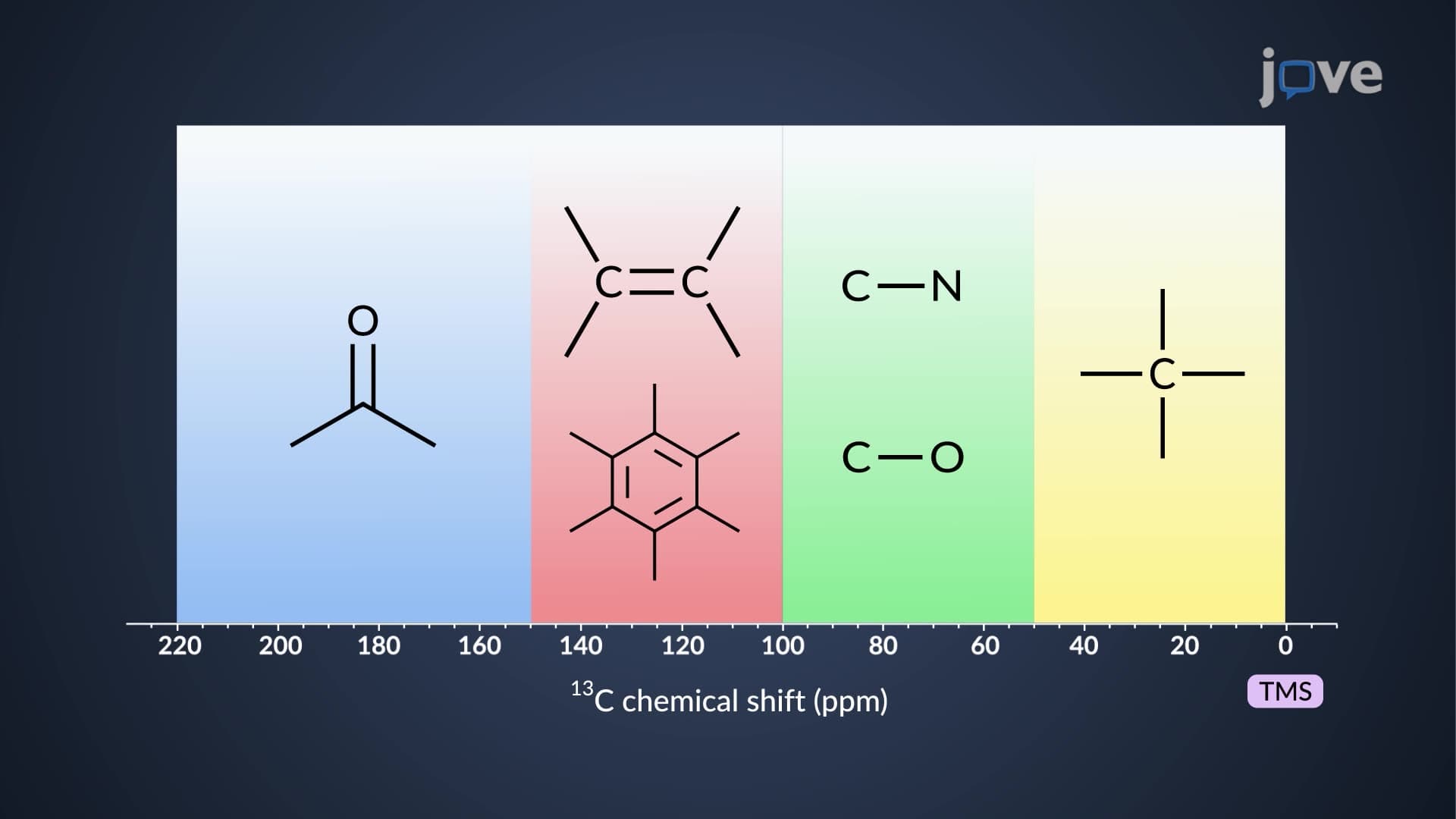
Consider acetone, commonly used in nail polish remover: the carbonyl carbon experiences significant deshielding due to the electron-withdrawing oxygen, appearing around 200 ppm in carbon-13 NMR. Meanwhile, the methyl carbons, surrounded by electron-rich C-H bonds, appear around 30 ppm. This dramatic difference illustrates how NMR shift electron density relationships enable structural assignments.
Upfield downfield NMR terminology describes signal positions relative to the reference. Upfield signals (right side, lower ppm) indicate shielded nuclei, while downfield signals (left side, higher ppm) represent deshielded nuclei. This directional language stems from early continuous-wave NMR instruments where magnetic field strength varied to bring different nuclei into resonance.
Pharmaceutical companies like Pfizer routinely use chemical shift scale NMR data for drug development and quality control. When developing new medications, chemists analyze chemical shifts to confirm molecular structures and detect impurities. A single misplaced peak can indicate contamination or structural rearrangement, potentially affecting drug safety and efficacy. Understanding these principles proves essential for students planning careers in chemistry, biochemistry, or pharmaceutical sciences, particularly those preparing for graduate programs or professional school entrance exams.
Related Micro-courses