Loading subject page…


89,748 views

Video Summary: Hormones Secreted by the Stomach Explained
Ever wondered why your stomach "growls" before lunch at exactly 12:30 PM? The stomach hormones secreted biology reveals that specialized cells orchestrate this perfectly timed hunger response. For instance, when a UCLA student skips breakfast, their stomach's P/D1 cells release ghrelin, triggering those familiar hunger pangs right before their chemistry class. These gastric hormones explained through enteroendocrine cell activity control everything from acid production to appetite regulation. Watch the full video on JoVE Coach to master this concept with expert-led visuals and step-by-step explanations.
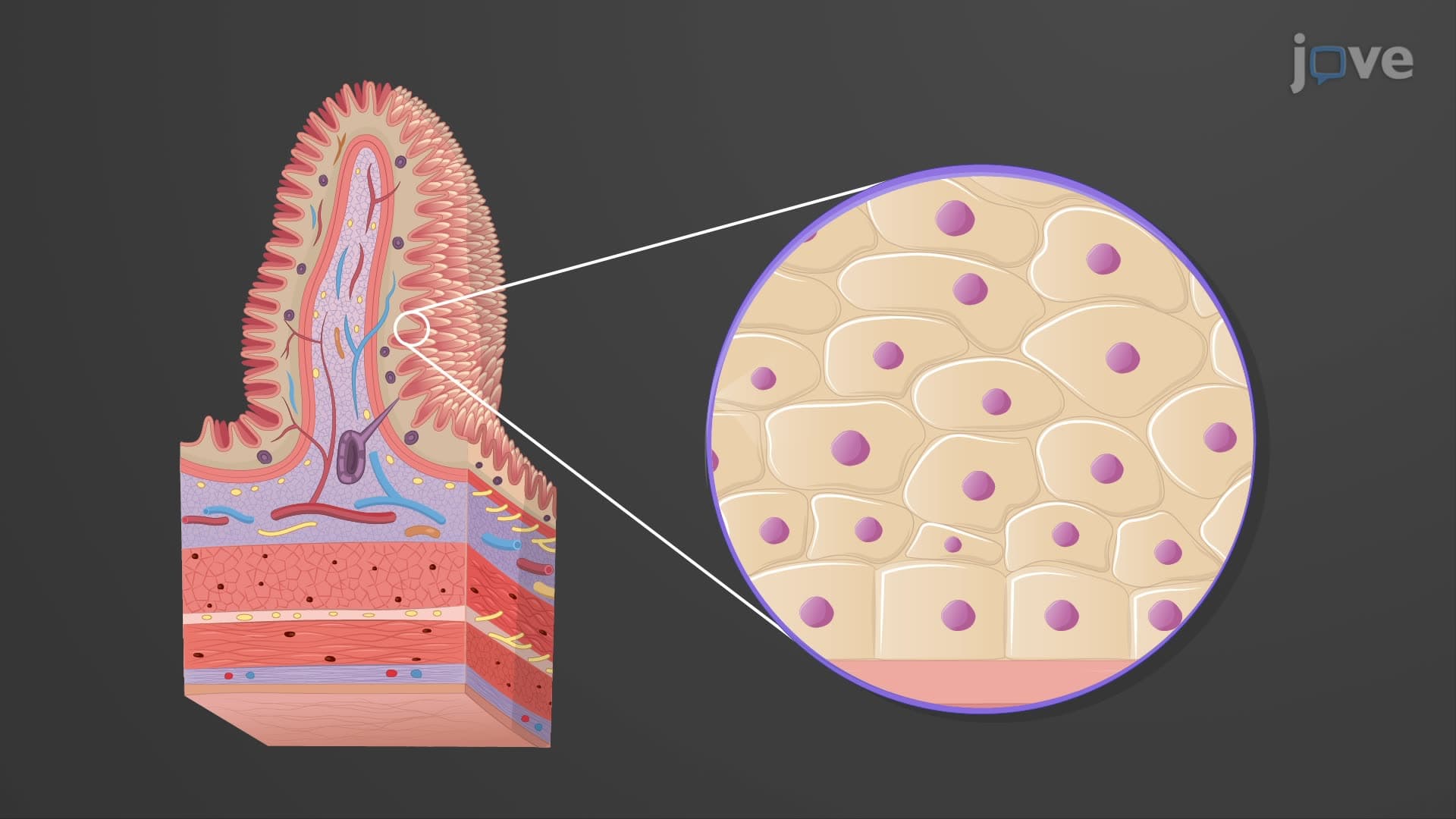
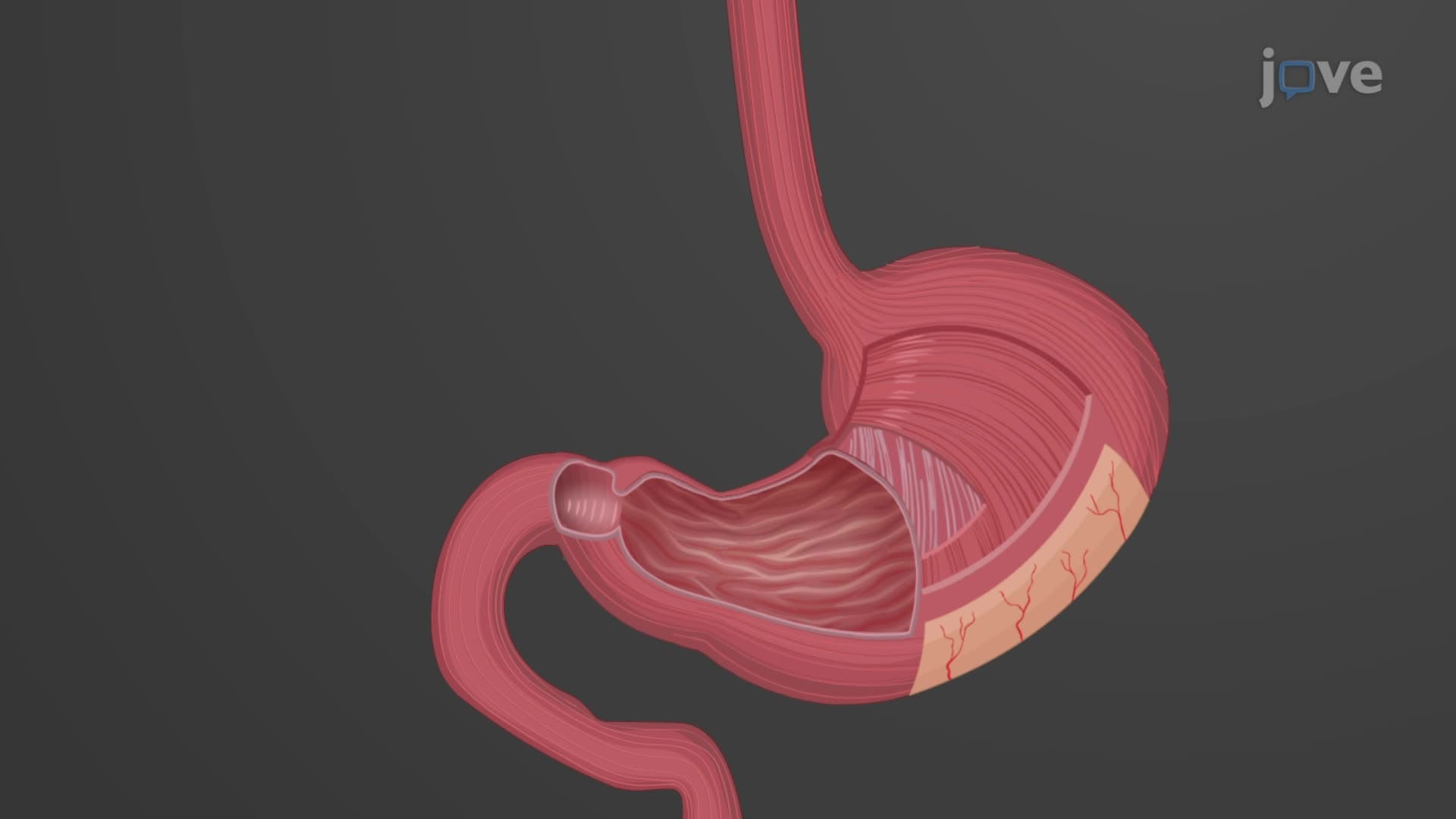
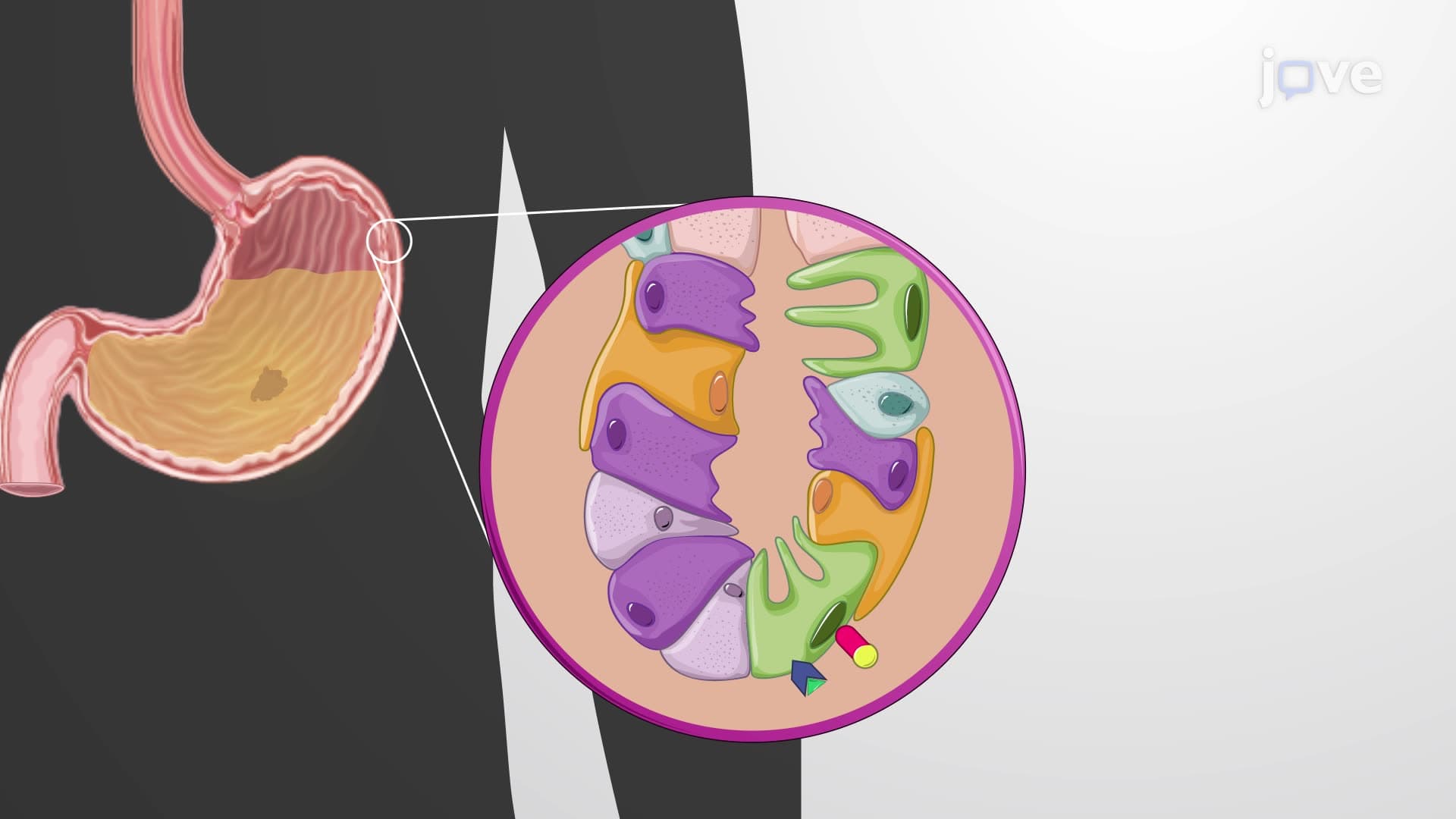
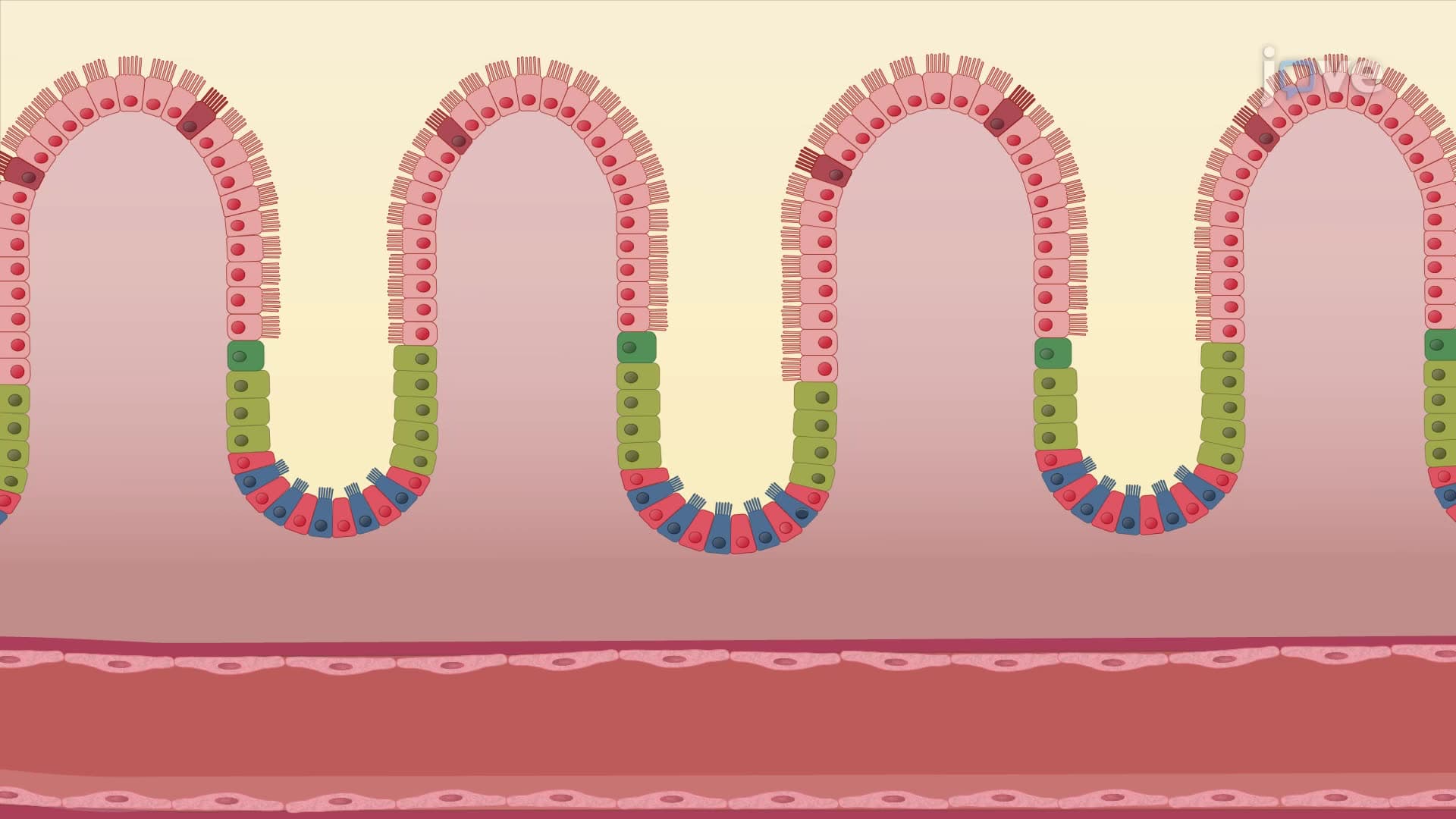
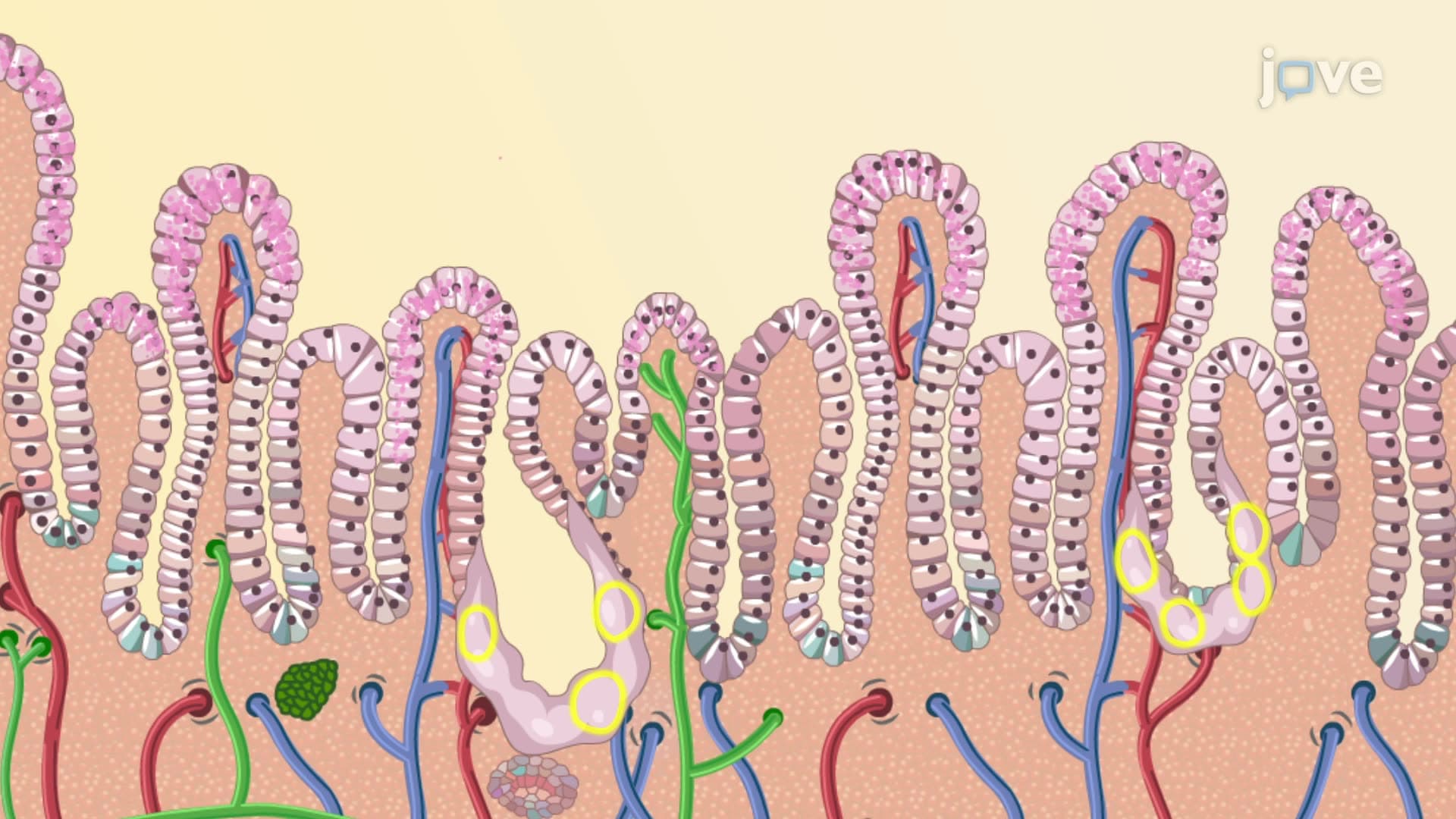
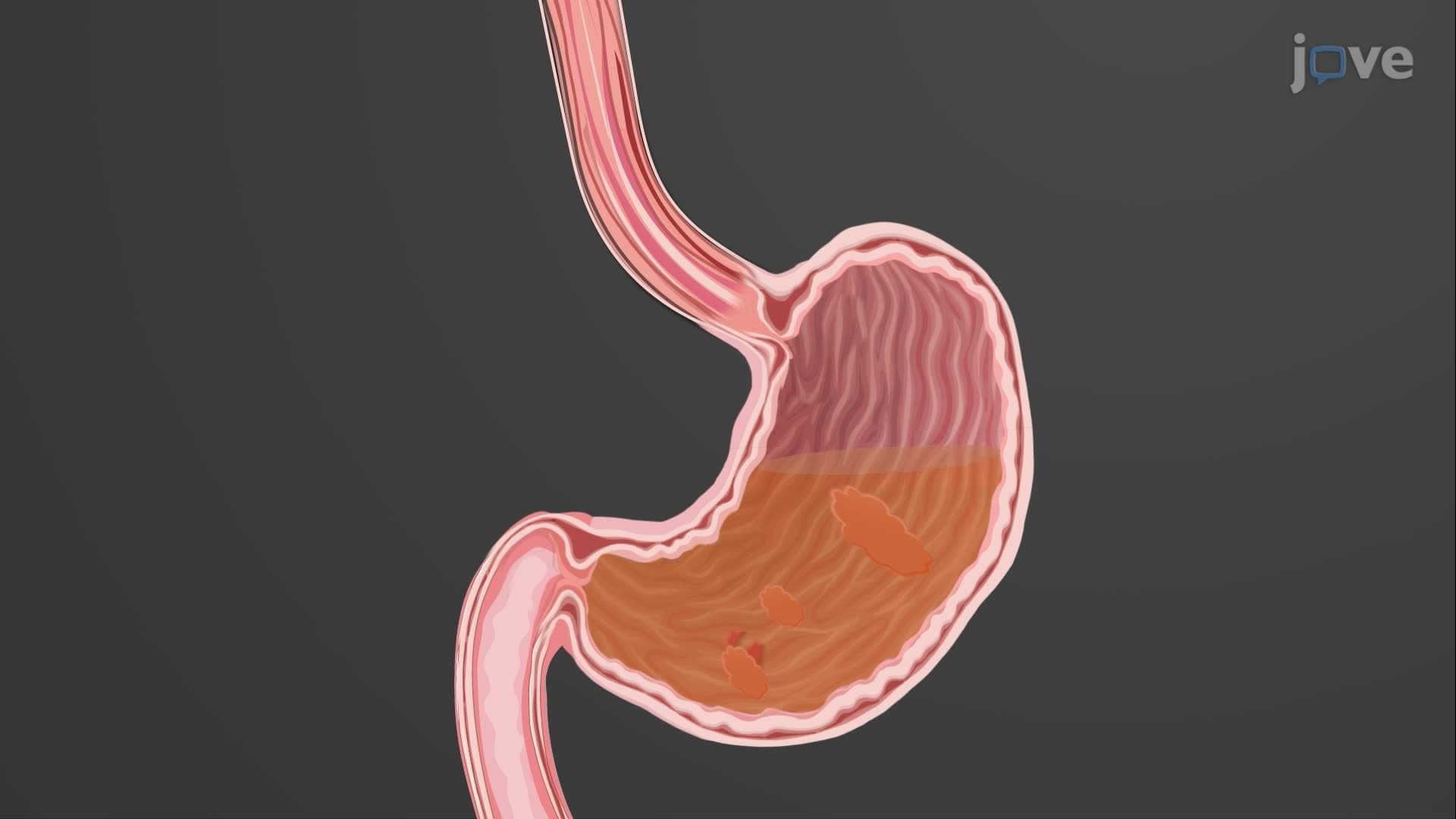
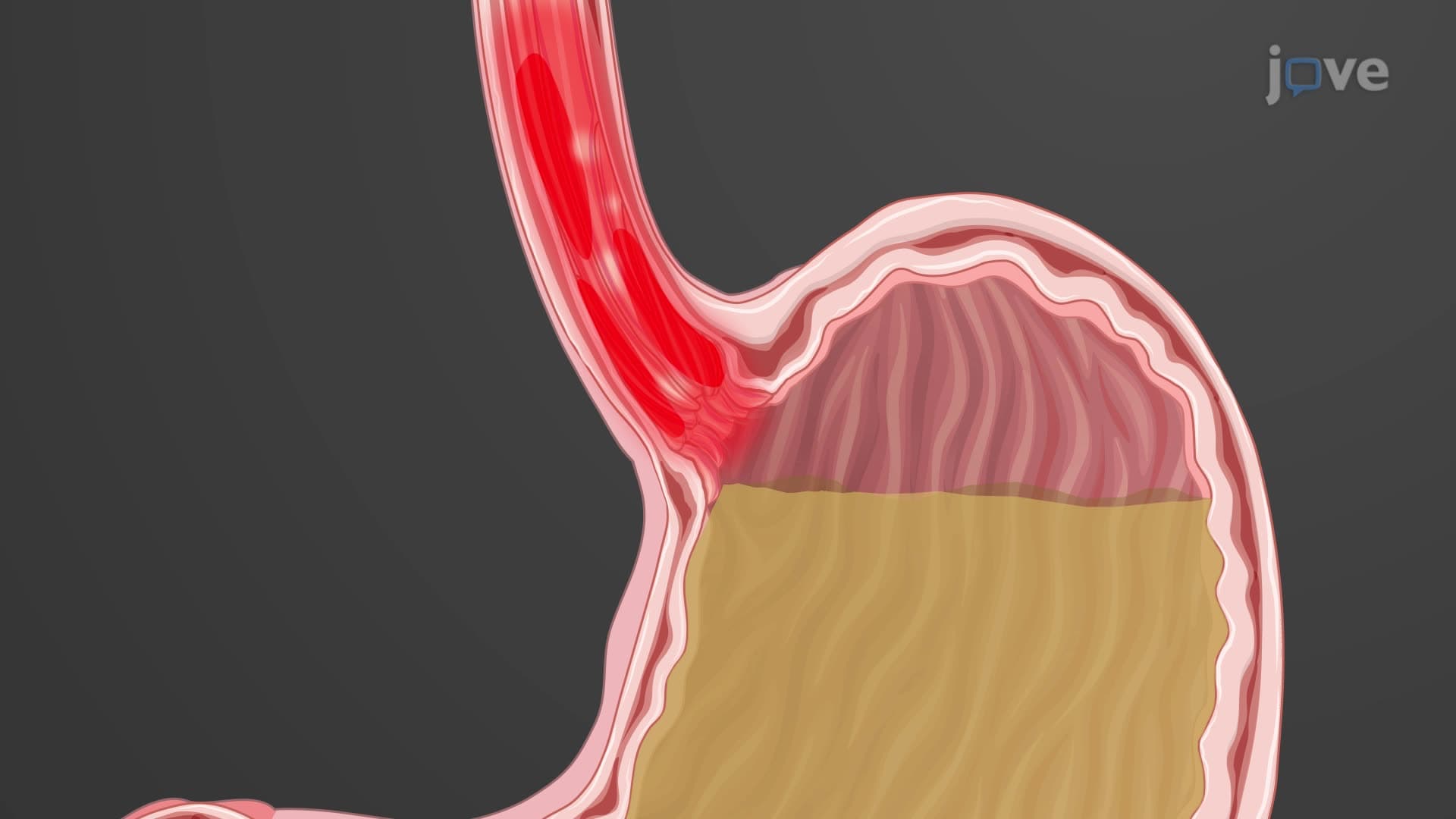
The stomach operates as a sophisticated hormonal command center, with specialized enteroendocrine cells scattered throughout the gastric glands acting as molecular messengers. These cells comprise less than 1% of the stomach's cellular population yet control critical digestive functions that affect your entire body's nutritional status.
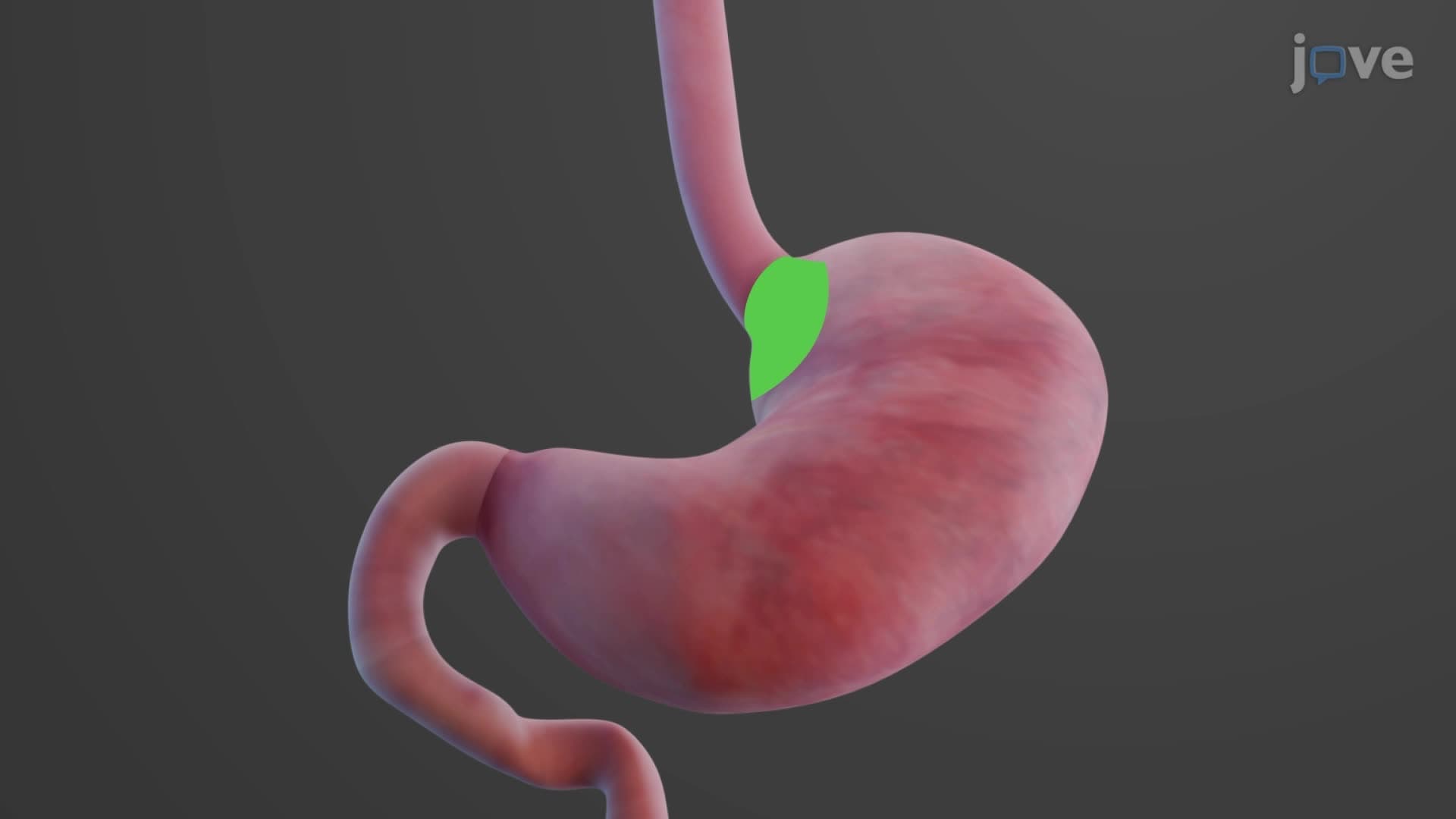
G cells, primarily located in the gastric antrum, secrete gastrin in response to protein-rich meals and vagal stimulation. This gastrin stomach hormone serves dual purposes: stimulating parietal cells to produce hydrochloric acid and promoting gastric smooth muscle contractions for proper food mixing. Medical students studying for the MCAT often encounter gastrin's role in Zollinger-Ellison syndrome, where gastrin-secreting tumors cause excessive acid production and peptic ulcers.
In AP Biology exams, students frequently analyze gastrin's feedback regulation. When stomach pH drops below 3.0, gastrin secretion decreases through negative feedback, preventing dangerous acid overproduction. This mechanism explains why proton pump inhibitors like omeprazole can paradoxically increase gastrin levels in patients with GERD.
Enterochromaffin-like cells release histamine stomach HCl when stimulated by gastrin, creating a amplification cascade for acid secretion. This histamine binds to H2 receptors on parietal cells, triggering the proton pumps that generate stomach acid. College students studying pharmacology learn that H2 receptor blockers like ranitidine work by interrupting this pathway.
Conversely, D cells secrete somatostatin gastric inhibition hormone, which acts as the stomach's "brake pedal." Somatostatin inhibits both gastrin release and histamine production, creating a sophisticated control system. This hormone's clinical importance appears in USMLE Step 1 questions about octreotide, a synthetic somatostatin analog used to treat severe diarrhea and hormone-secreting tumors.
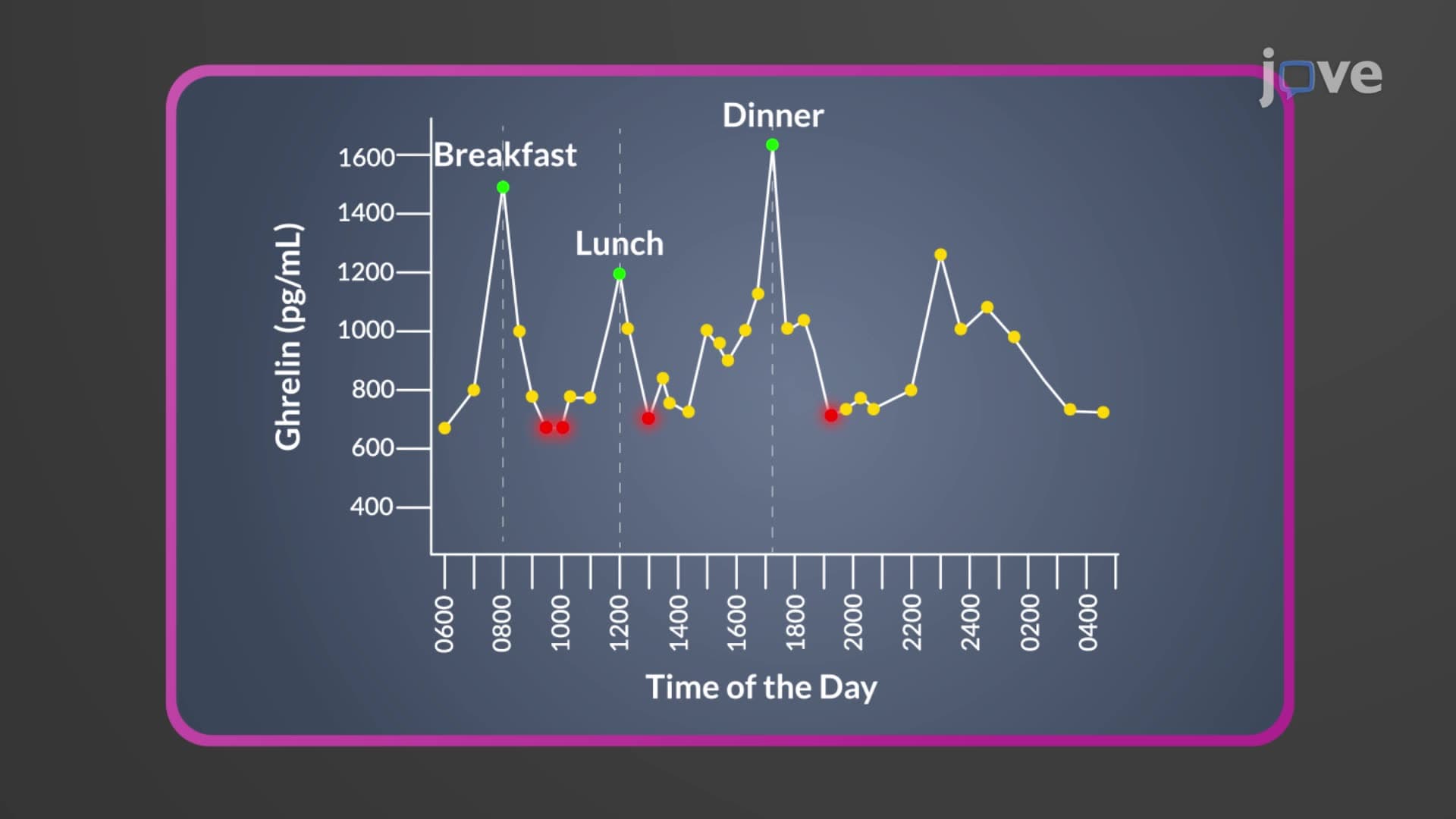
Perhaps the most fascinating discovery in gastric endocrinology involves ghrelin appetite hormone stomach production by P/D1 cells in the gastric fundus. Ghrelin levels increase during fasting periods and plummet after eating, making it your body's primary hunger signal. Stanford University researchers have shown that ghrelin not only triggers appetite but also influences growth hormone release and glucose metabolism, explaining why skipping meals affects both hunger and energy levels.
Related Micro-courses